Electric Scooters With Suspension
Looking to breeze through your daily commute or explore the city with ease? Look no further than our selection of electric scooters with suspension. These sleek and efficient modes of transportation are designed to provide a smooth and comfortable ride, whether you're navigating busy streets or gliding along scenic paths. With their innovative suspension systems, these electric scooters offer enhanced stability and shock absorption, ensuring a seamless journey every time. Discover the perfect companion for your urban adventures and experience the thrill of effortless mobility with our range of electric scooters with suspension.
Sort

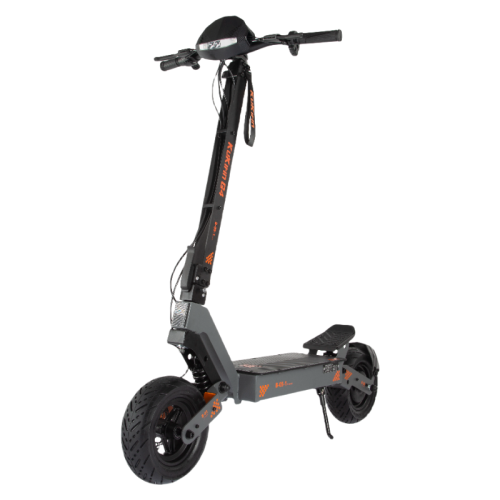
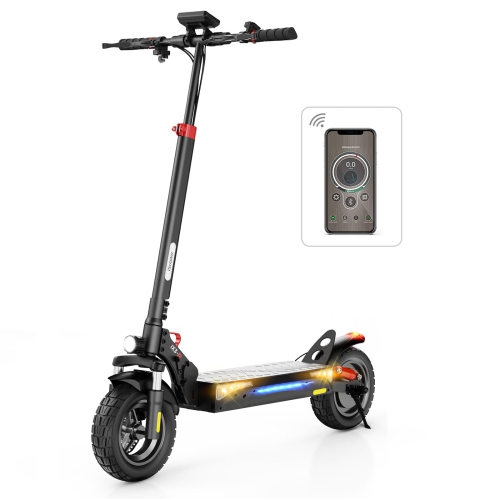
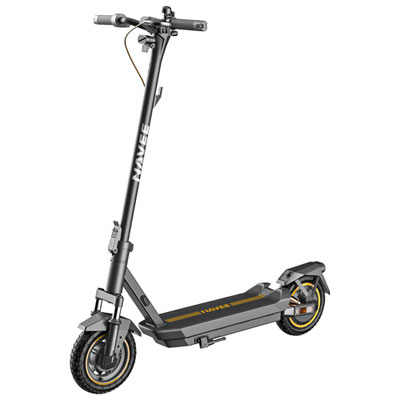
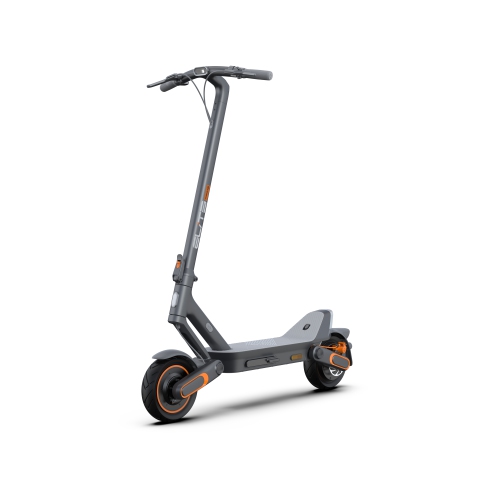
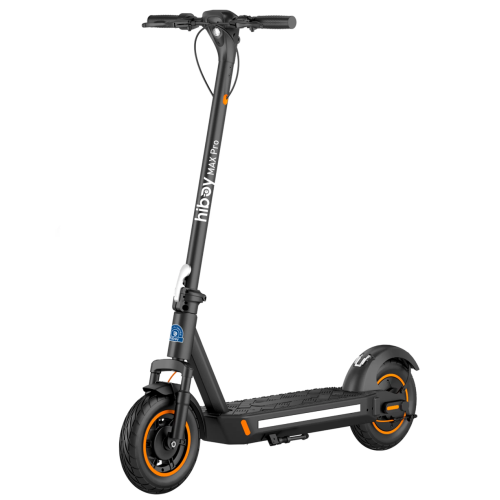
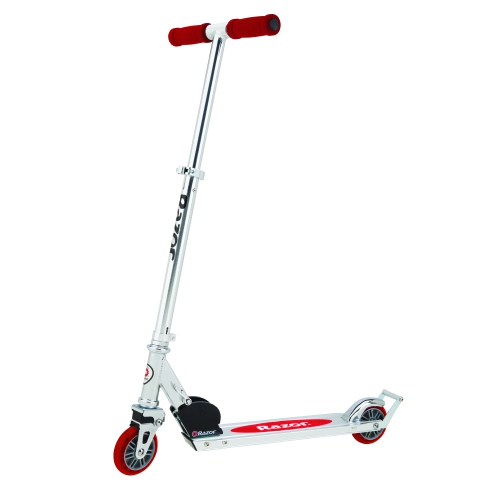
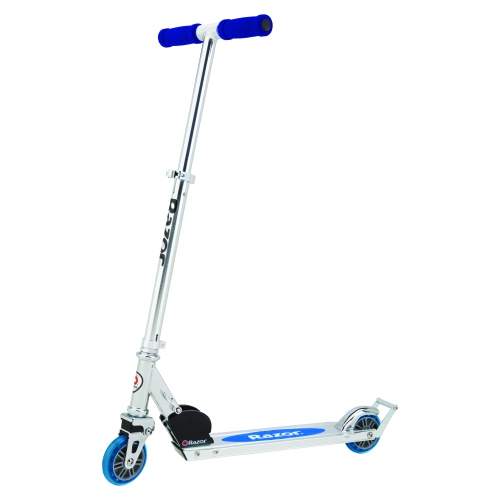
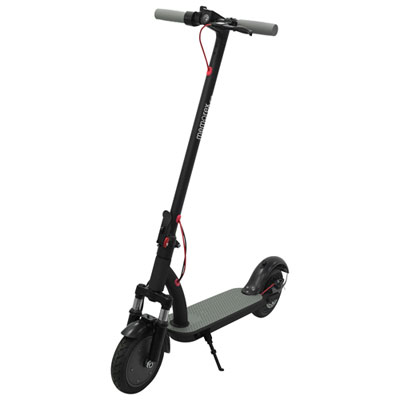
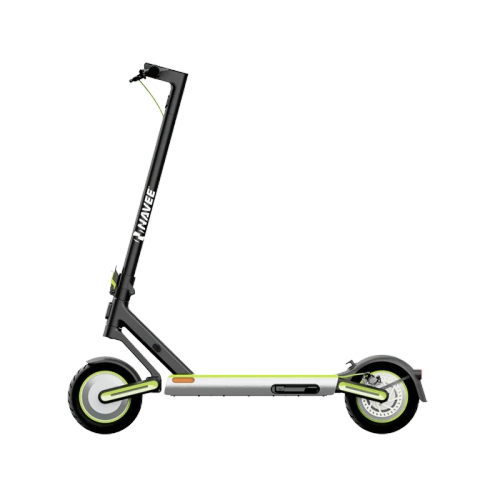
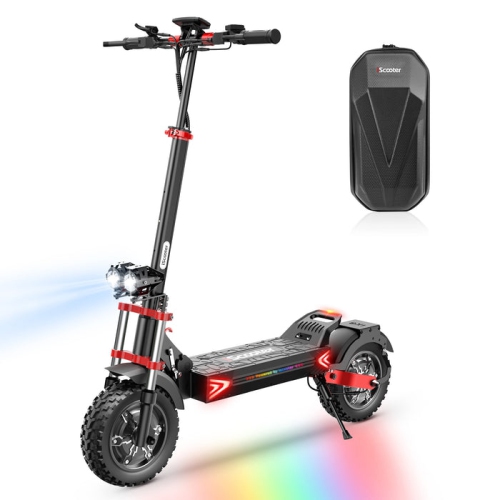
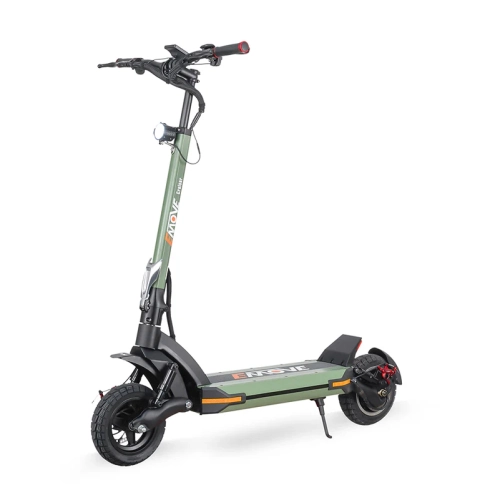
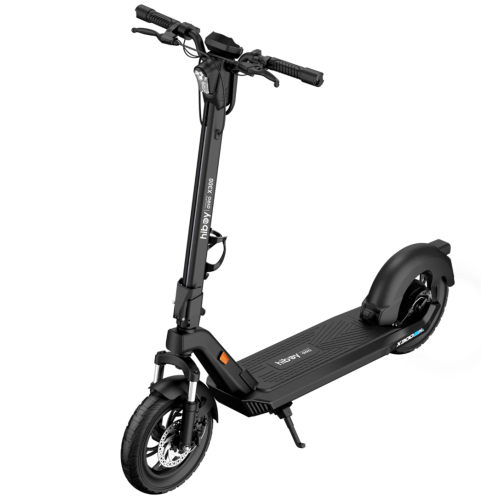
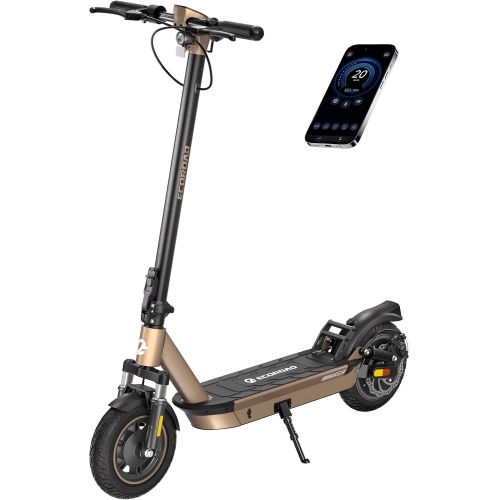
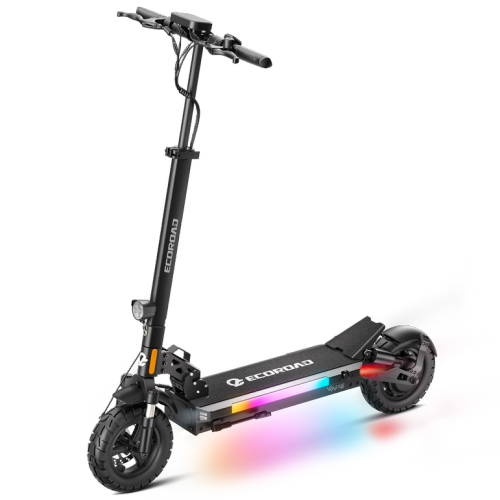
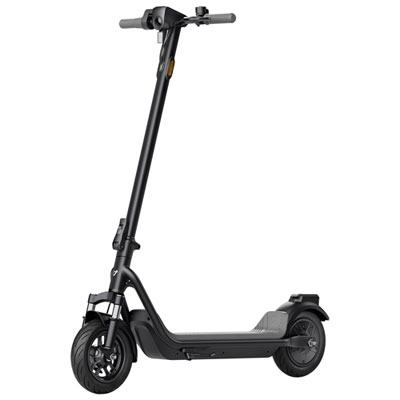
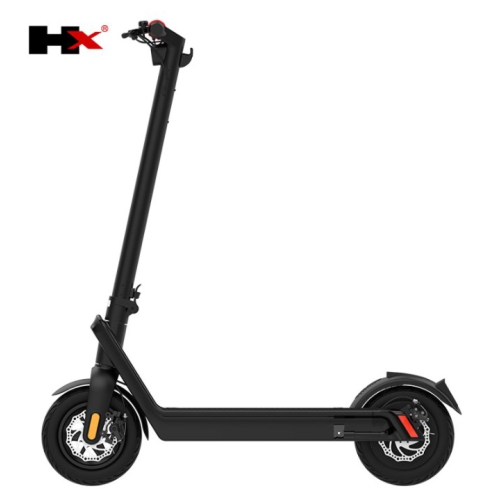
How suspension systems support smoother, more controlled everyday rides
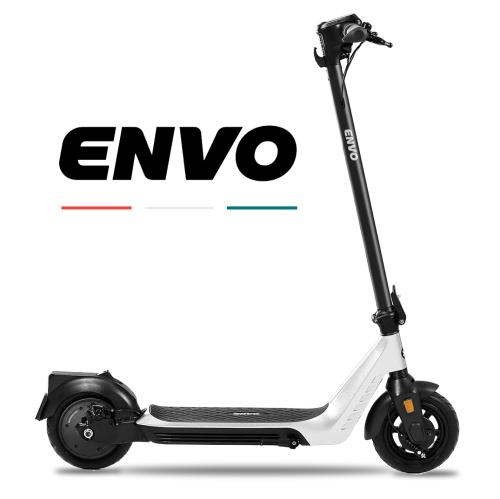
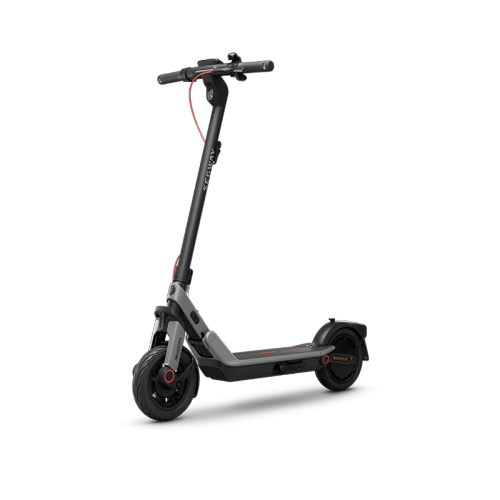
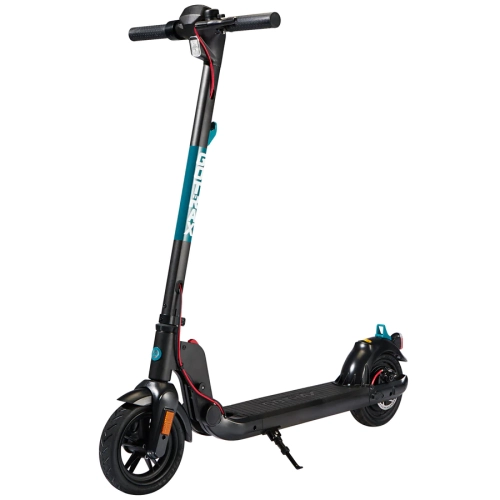
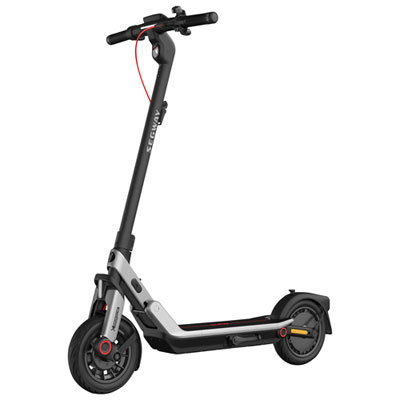
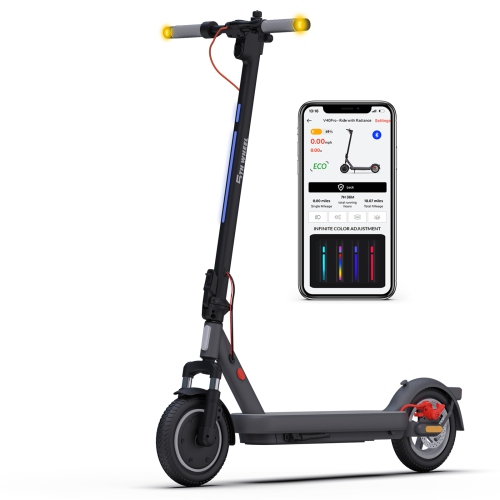
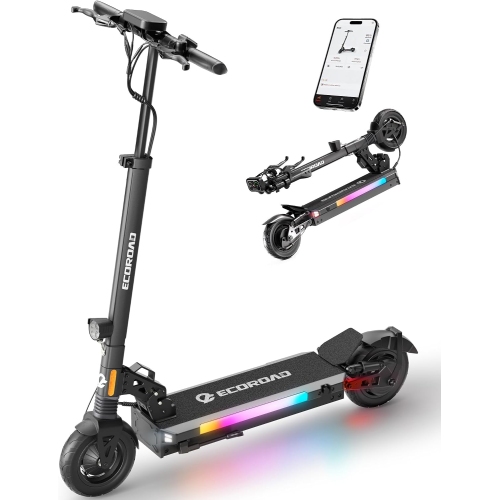
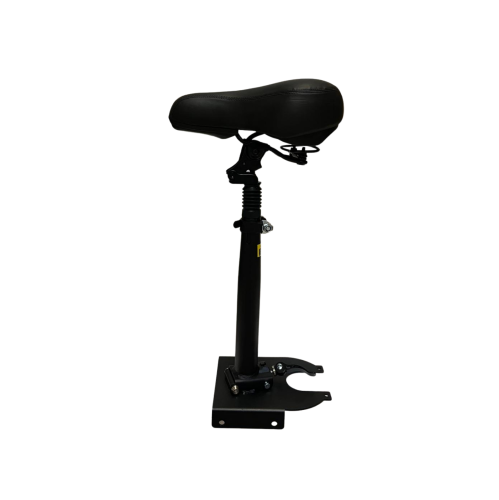
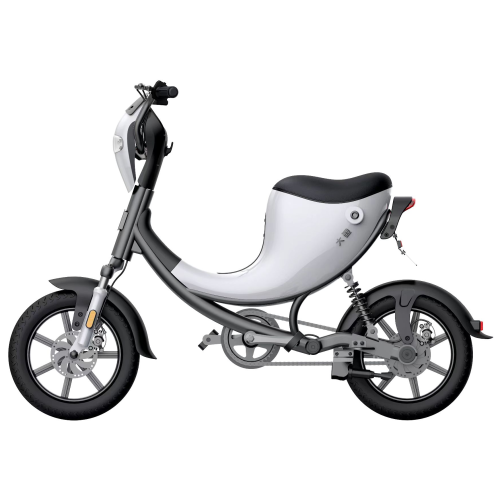
Electric scooters with suspension are designed to make everyday riding more comfortable when routes include cracked pavement, uneven sidewalks, driveway transitions, cobblestones, or packed paths. Rather than sending every bump directly through the deck and handlebars, a suspension system helps absorb some of the movement between the wheels and the scooter frame. This can reduce harsh vibration through the hands, knees, ankles, and lower back, especially over longer rides. It can also help keep the tires in contact with the ground when the surface changes, supporting more predictable steering and braking. For anyone comparing options, the Scooters With Suspension collection is a useful place to explore models built around this feature. Suspension does not remove the need for attentive riding, and it is not a substitute for a helmet, suitable footwear, working lights, or compliance with local rules. Instead, it is one part of a complete riding experience. A commuter travelling along a route with patched asphalt may appreciate a smoother feel at the end of the day, while a recreational rider may value the added comfort when exploring paved trails and light, well-maintained paths. Suspension can be especially helpful for riders who use a scooter regularly, carry a small bag, or spend enough time on the road to notice repeated jolts. It may also appeal to someone choosing a practical gift for an adult family member, a student with a suitable commute, or a friend who enjoys short-distance transportation and outdoor recreation. Before buying or gifting one, confirm the intended rider’s age, experience level, local regulations, storage arrangements, and access to safe riding areas.
The suspension design has a noticeable effect on how a scooter feels. Spring or coil suspension is common on entry-level and commuter-focused scooters, offering a durable and relatively straightforward way to soften smaller impacts. It may feel firm and controlled, or somewhat bouncy, depending on the setup, the rider’s weight, and the surface being travelled. Hydraulic suspension uses oil and damping components to manage movement more progressively, often creating a smoother, more composed ride over a mixture of pavement textures. It can be attractive to riders who travel farther, encounter frequent imperfections, or prefer a more refined response from the deck and handlebars. Swingarm-style systems allow the wheel assembly to move through a defined range and are often associated with scooters intended for demanding performance or rougher recreational use. Pneumatic tires can also contribute to comfort by adding another layer of cushioning, although tire pressure still matters. Underinflated tires may affect handling and range, while overinflated tires can transmit more vibration and reduce grip on some surfaces. When comparing electric scooters with suspension, look beyond the word “suspension” in a product title. Consider whether the system is fitted at the front, rear, or both ends; how much travel it provides; whether the design is adjustable; and whether the scooter’s overall weight is practical for lifting into a vehicle or carrying up stairs. Deck length and width influence foot placement, while handlebar height and riding position affect comfort during longer trips. Check the maximum supported rider weight and remember that clothing, backpacks, locks, and other carried items contribute to the total load. Wheel size, tire construction, motor output, battery capacity, charging time, braking design, lighting, display controls, folding hardware, and water-resistance information all deserve attention as well. A more powerful motor may be useful on hills, but it can also increase weight and energy use. A larger battery may support longer outings, yet charging access and storage space remain important practical considerations. Buyers should also review whether replacement tires, tubes, chargers, and other service parts are available, since routine care helps maintain dependable performance.
Riding habits and surroundings should guide the final choice. For a city commute, look for a balanced combination of suspension comfort, manageable weight, reliable braking, visible lighting, and a folding design that fits the rider’s home, workplace, or vehicle. For leisure rides, deck comfort, range, tire stability, and a calm riding position may matter more than compact storage. Riders who plan to use a scooter during the warmer part of the year and into the cooler months should think about changing pavement conditions, reduced daylight, and the effect of colder temperatures on battery performance. Wet leaves, loose gravel, frost, and puddles can make any route more challenging, so a careful rider should slow down, leave extra braking distance, and avoid surfaces that exceed the scooter’s intended use. Most electric scooters with suspension are made for paved roads, sidewalks, or designated paths rather than deep mud, sand, steep technical trails, or waterlogged terrain. Always check municipal and provincial requirements before riding, including rules for road access, speed, helmets, lighting, and minimum rider age. A short practice session in a quiet, open area can help a new rider become familiar with acceleration, braking, turning, folding, and parking before entering busier spaces. Regularly inspect tire pressure, brakes, fasteners, lights, and suspension components, and keep the scooter clean and dry according to the care instructions. Store the battery and scooter in an appropriate indoor location, particularly during colder conditions, and use the supplied charger or an approved replacement. With the right fit and sensible maintenance, suspension can turn a bumpy route into a more settled ride, making an electric scooter a convenient option for short trips, campus travel, errands, and relaxed local exploring.
The suspension design has a noticeable effect on how a scooter feels. Spring or coil suspension is common on entry-level and commuter-focused scooters, offering a durable and relatively straightforward way to soften smaller impacts. It may feel firm and controlled, or somewhat bouncy, depending on the setup, the rider’s weight, and the surface being travelled. Hydraulic suspension uses oil and damping components to manage movement more progressively, often creating a smoother, more composed ride over a mixture of pavement textures. It can be attractive to riders who travel farther, encounter frequent imperfections, or prefer a more refined response from the deck and handlebars. Swingarm-style systems allow the wheel assembly to move through a defined range and are often associated with scooters intended for demanding performance or rougher recreational use. Pneumatic tires can also contribute to comfort by adding another layer of cushioning, although tire pressure still matters. Underinflated tires may affect handling and range, while overinflated tires can transmit more vibration and reduce grip on some surfaces. When comparing electric scooters with suspension, look beyond the word “suspension” in a product title. Consider whether the system is fitted at the front, rear, or both ends; how much travel it provides; whether the design is adjustable; and whether the scooter’s overall weight is practical for lifting into a vehicle or carrying up stairs. Deck length and width influence foot placement, while handlebar height and riding position affect comfort during longer trips. Check the maximum supported rider weight and remember that clothing, backpacks, locks, and other carried items contribute to the total load. Wheel size, tire construction, motor output, battery capacity, charging time, braking design, lighting, display controls, folding hardware, and water-resistance information all deserve attention as well. A more powerful motor may be useful on hills, but it can also increase weight and energy use. A larger battery may support longer outings, yet charging access and storage space remain important practical considerations. Buyers should also review whether replacement tires, tubes, chargers, and other service parts are available, since routine care helps maintain dependable performance.
Riding habits and surroundings should guide the final choice. For a city commute, look for a balanced combination of suspension comfort, manageable weight, reliable braking, visible lighting, and a folding design that fits the rider’s home, workplace, or vehicle. For leisure rides, deck comfort, range, tire stability, and a calm riding position may matter more than compact storage. Riders who plan to use a scooter during the warmer part of the year and into the cooler months should think about changing pavement conditions, reduced daylight, and the effect of colder temperatures on battery performance. Wet leaves, loose gravel, frost, and puddles can make any route more challenging, so a careful rider should slow down, leave extra braking distance, and avoid surfaces that exceed the scooter’s intended use. Most electric scooters with suspension are made for paved roads, sidewalks, or designated paths rather than deep mud, sand, steep technical trails, or waterlogged terrain. Always check municipal and provincial requirements before riding, including rules for road access, speed, helmets, lighting, and minimum rider age. A short practice session in a quiet, open area can help a new rider become familiar with acceleration, braking, turning, folding, and parking before entering busier spaces. Regularly inspect tire pressure, brakes, fasteners, lights, and suspension components, and keep the scooter clean and dry according to the care instructions. Store the battery and scooter in an appropriate indoor location, particularly during colder conditions, and use the supplied charger or an approved replacement. With the right fit and sensible maintenance, suspension can turn a bumpy route into a more settled ride, making an electric scooter a convenient option for short trips, campus travel, errands, and relaxed local exploring.
Top selling and popular products
-
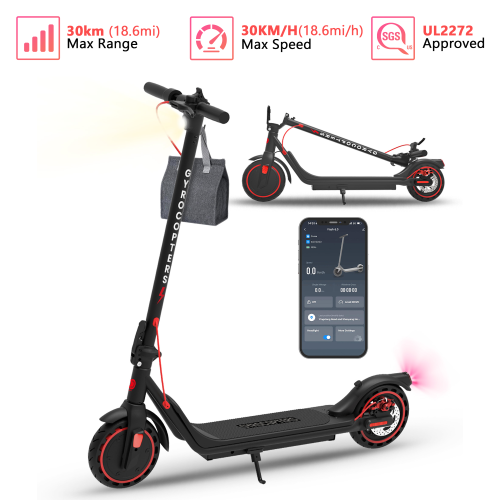 Your price for this item is $269.97
 -
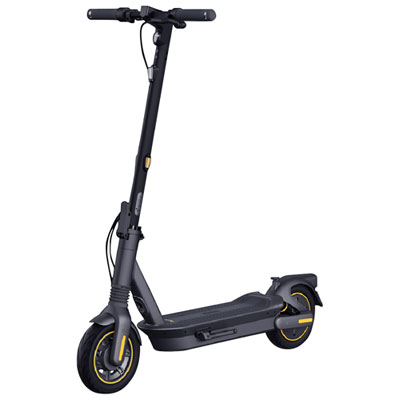 Your price for this item is $1199.99
 -
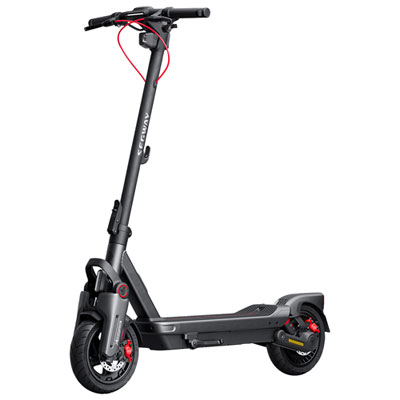 Your price for this item is $1199.99
 -
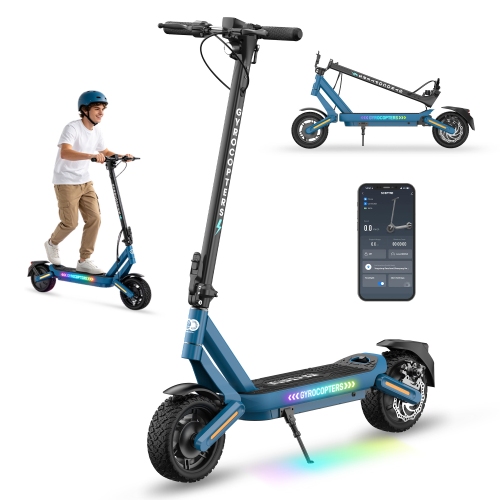 Your price for this item is $599.97
 -
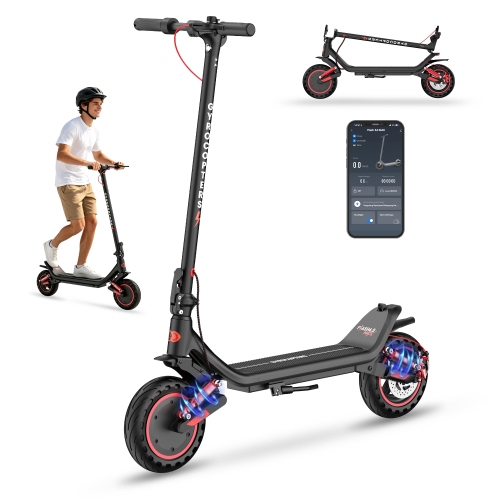 Your price for this item is $499.97
 -
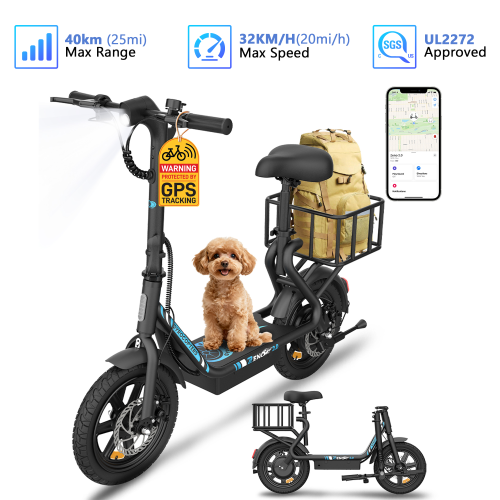 Your price for this item is $499.97
 -
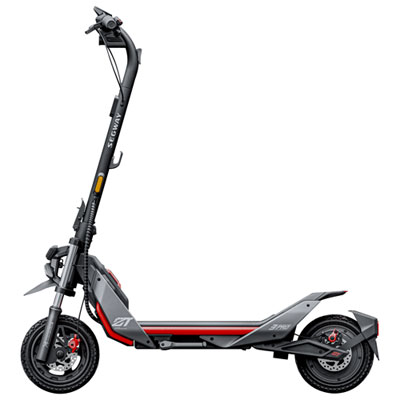 Your price for this item is $1599.99
 -
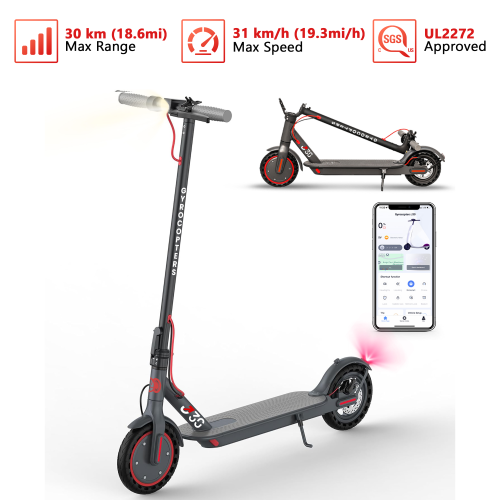 Your price for this item is $319.97
Discover more categories related to Electric Scooters With Suspension
Top Collections:
Pokemon Centers, Kindle Devices, Best Budget Office Chairs, Apple iPhones 16, Canon G7X Cameras, iPhone 15 Apple, Alarm Clock, Refurbished Apple Laptops, Flip Phones, Best Laptops for Writers
Some products may be subject to Environmental Handling Fees
(EHF) depending on your province.
Learn more about EHFs.