Emergency Supplies
Be prepared for any unexpected situation with our selection of emergency supplies. From first aid kits to emergency food and water rations, we have everything you need to stay safe and secure during unforeseen events. Whether you're stocking up for a camping trip or ensuring your home is equipped for emergencies, our range of supplies will give you peace of mind knowing you're ready for whatever comes your way. Browse our collection to find the essentials that will keep you and your loved ones protected in any situation.
Sort

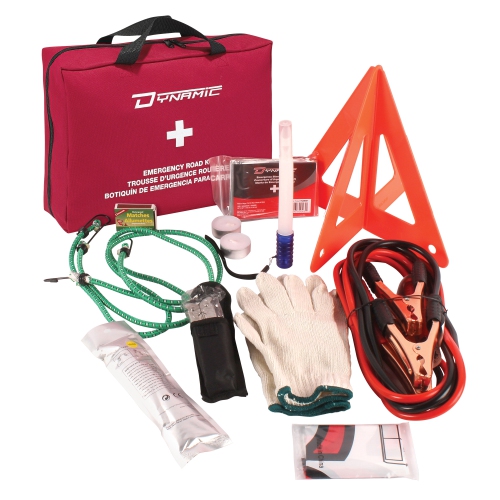
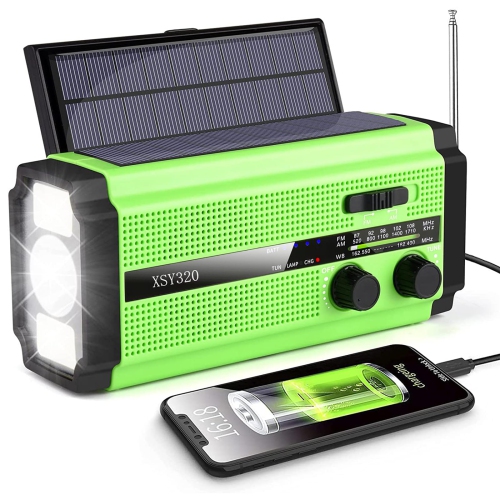

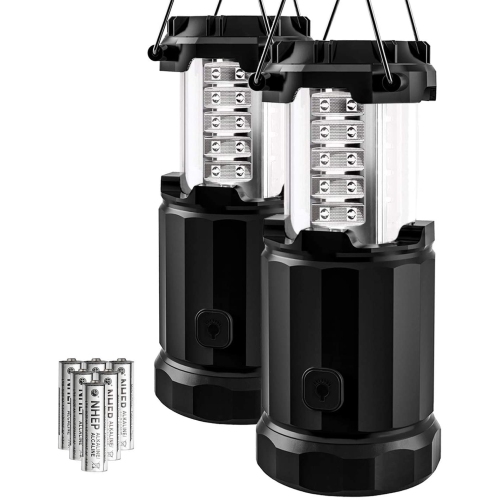
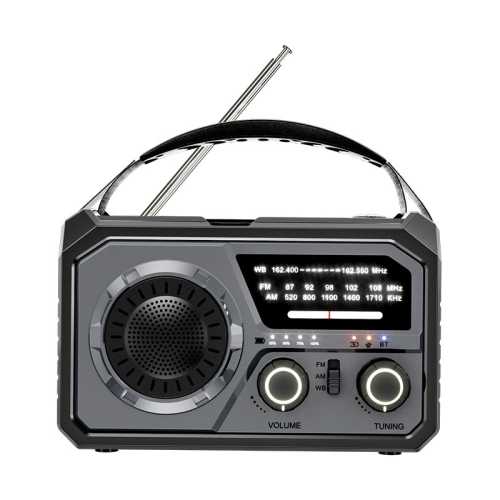
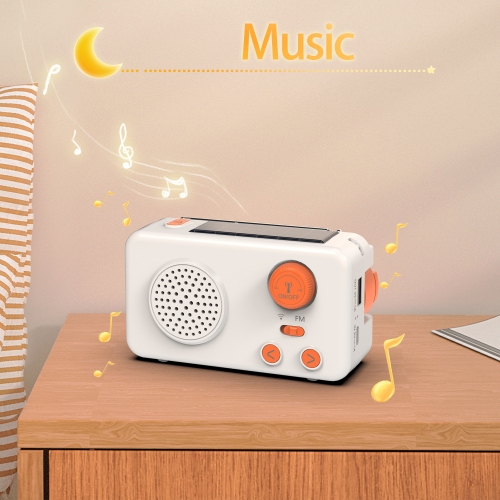
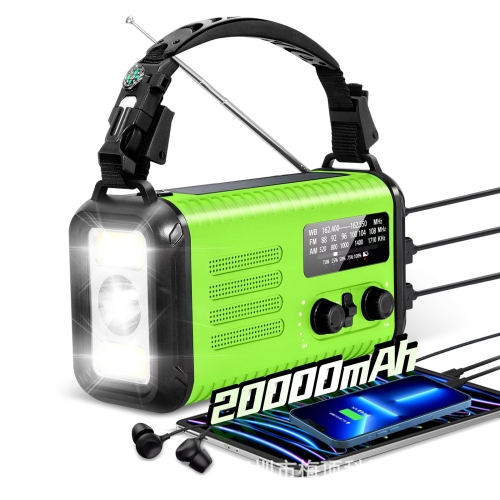
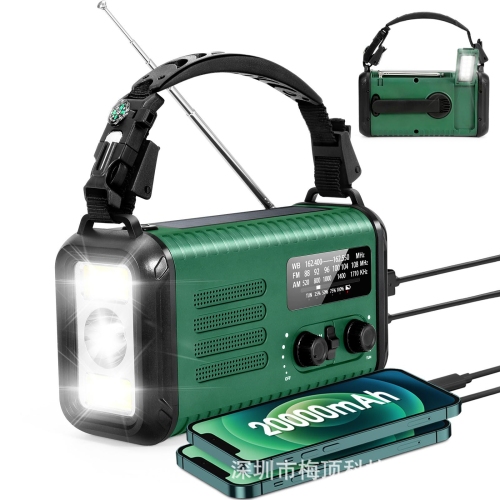
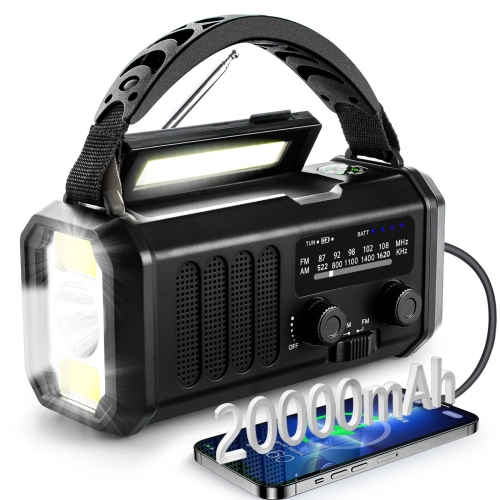
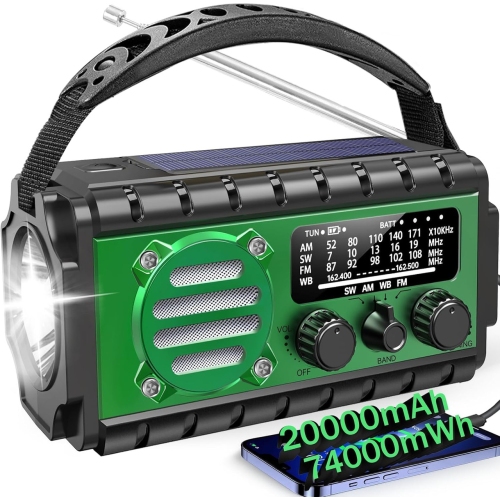
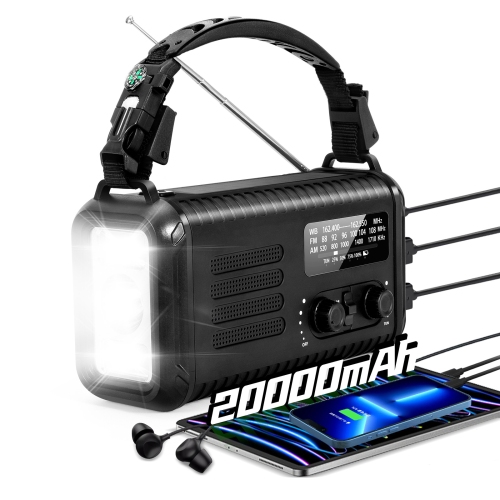
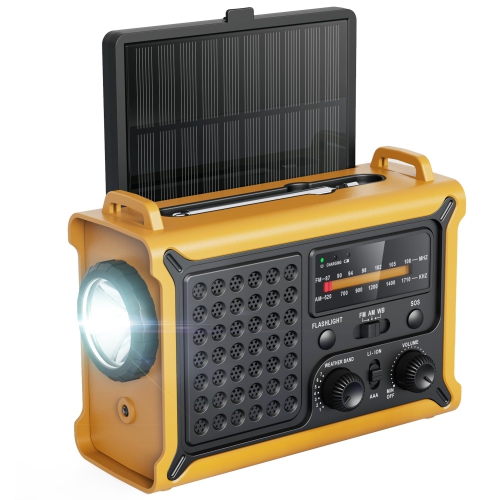
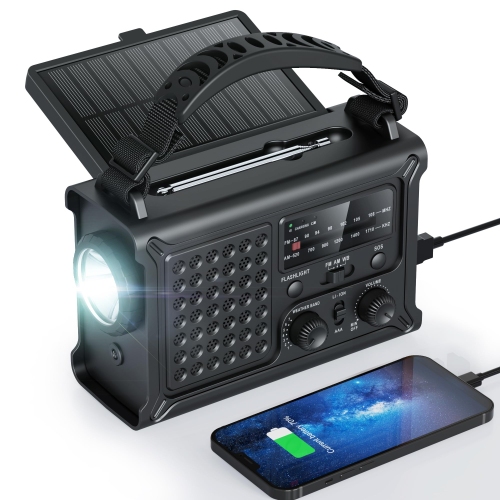
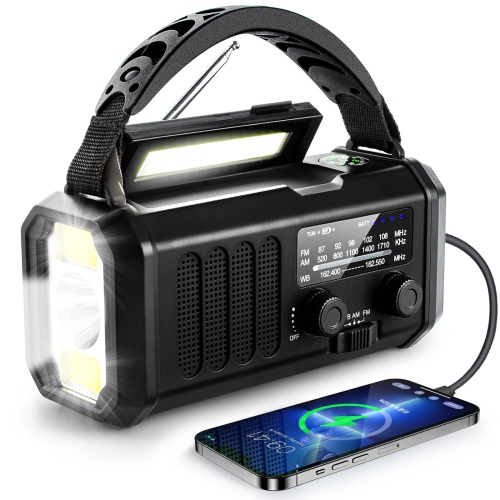
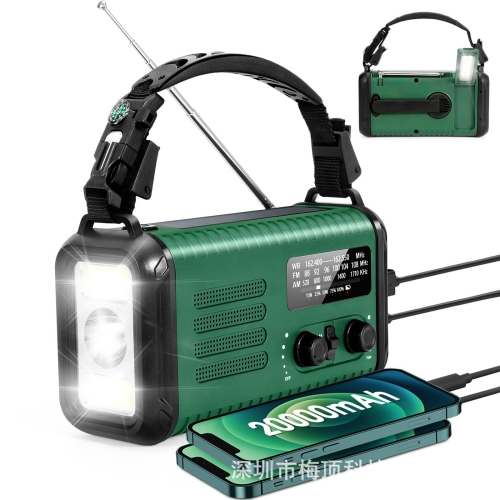
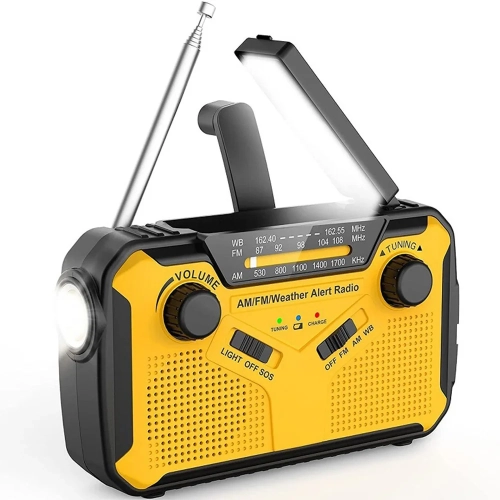

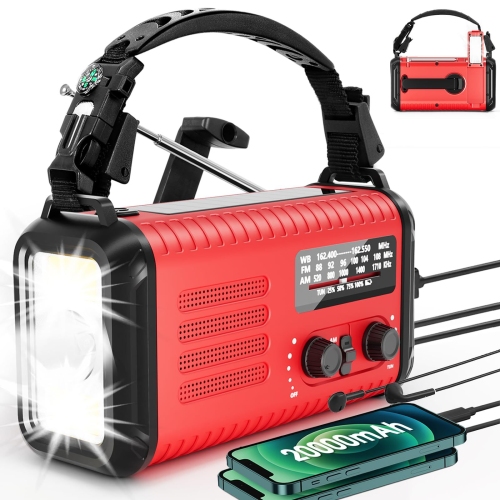
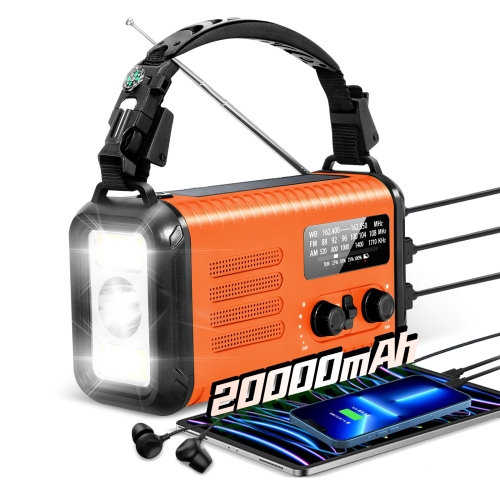
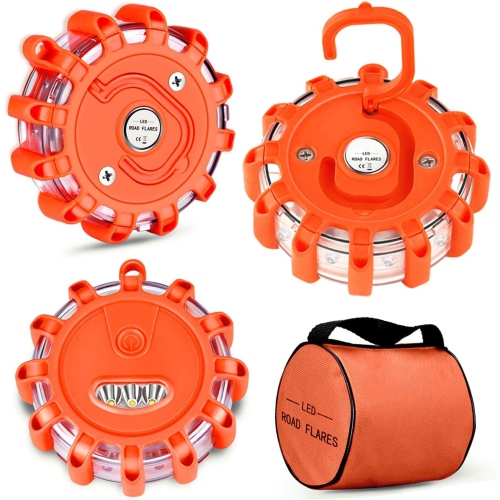
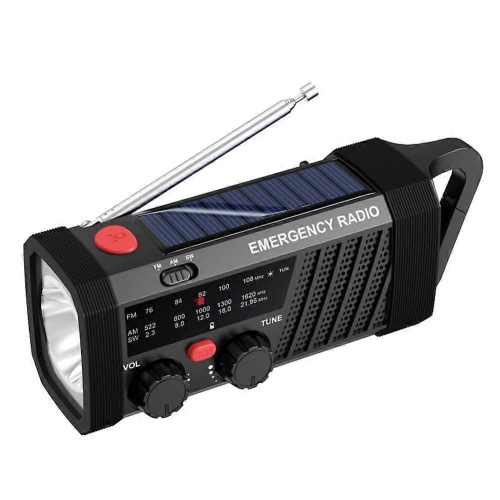
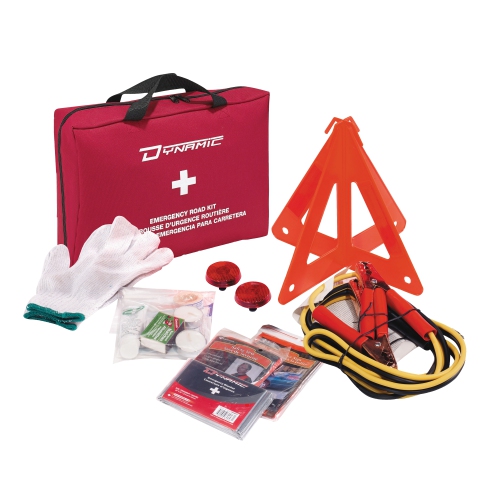
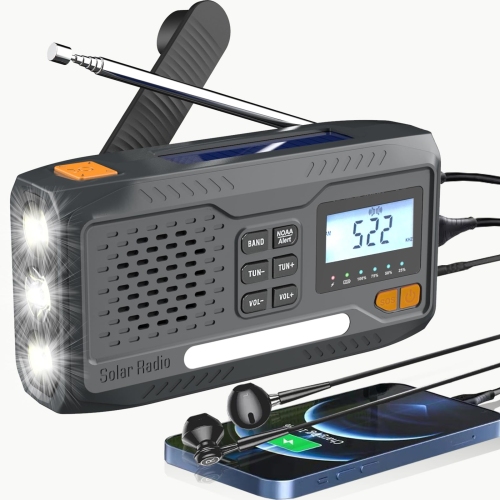
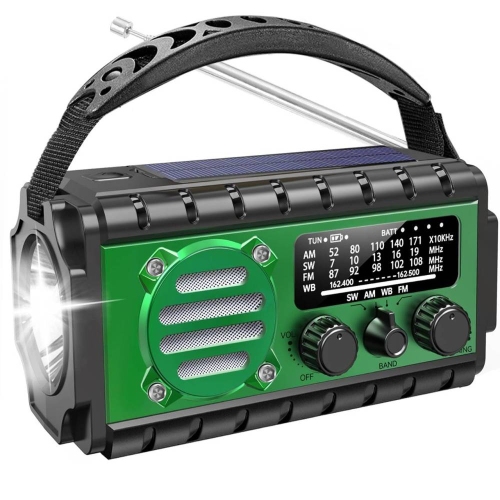
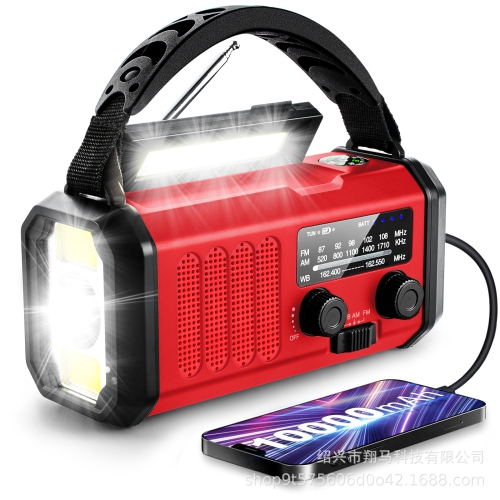
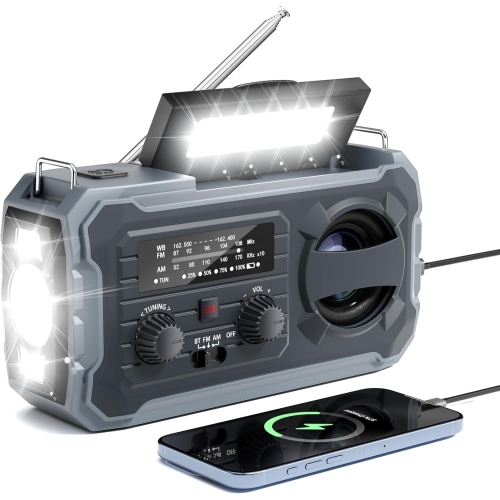
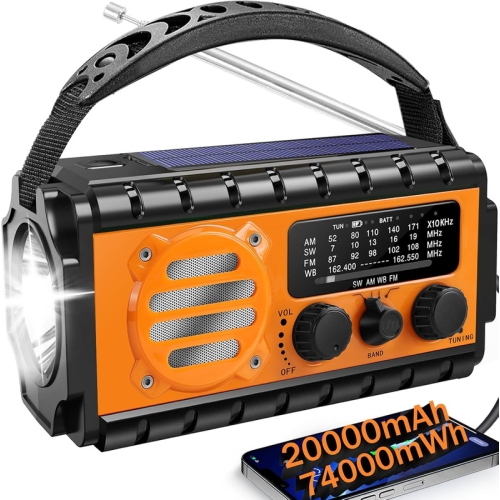
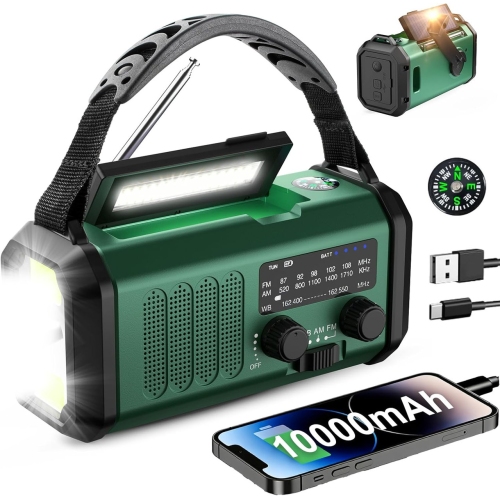
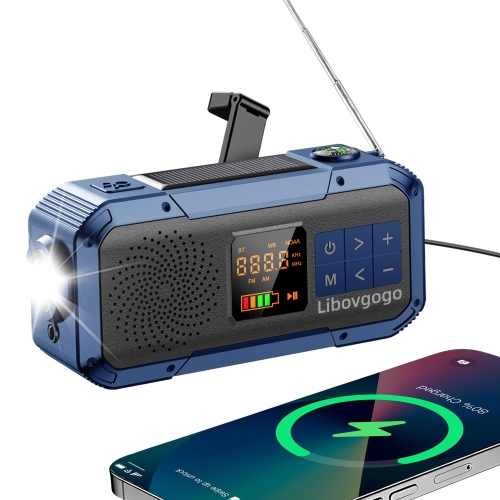
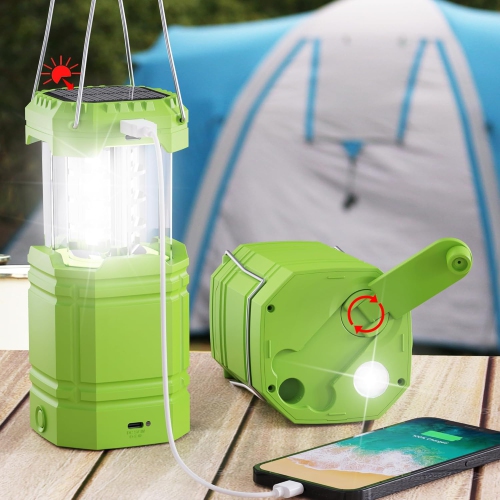
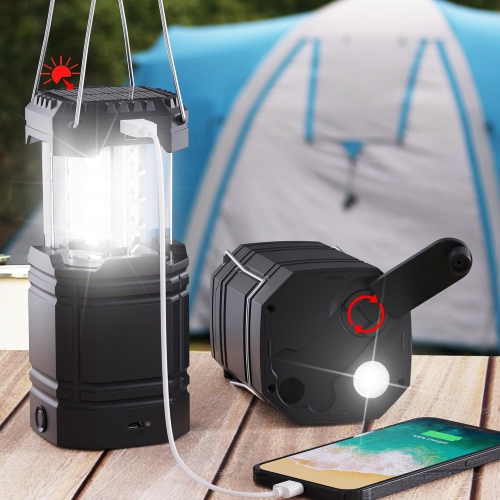
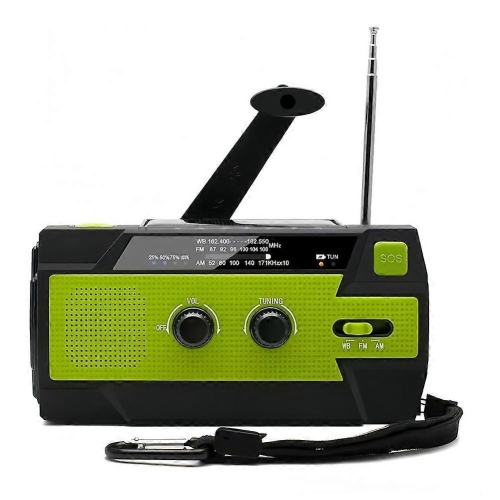
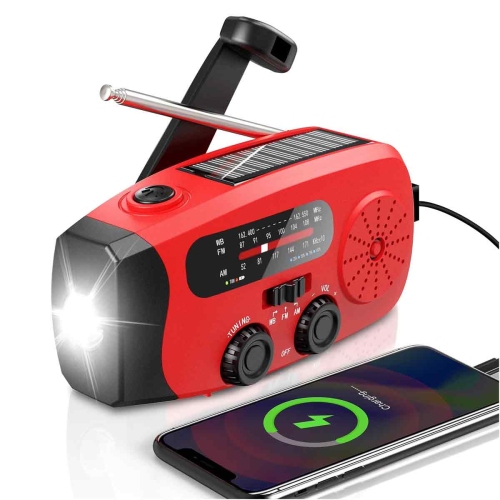
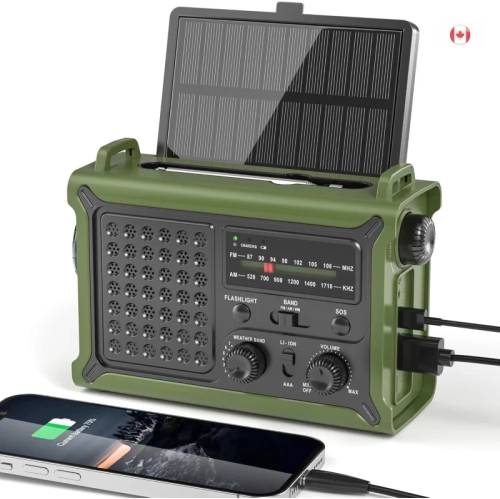
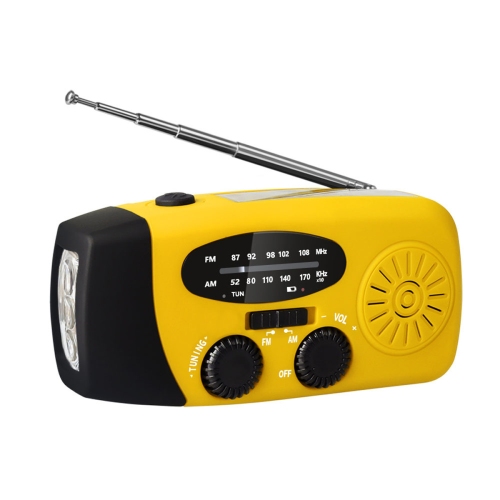
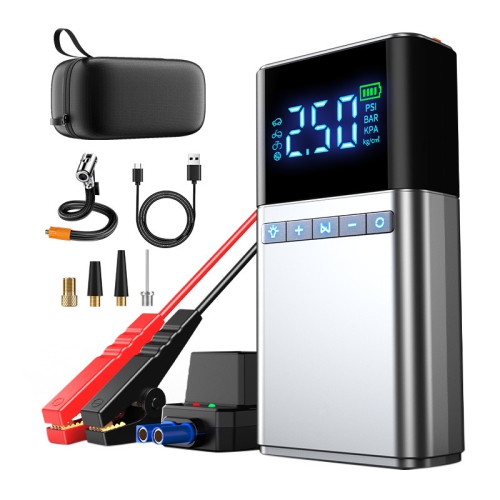

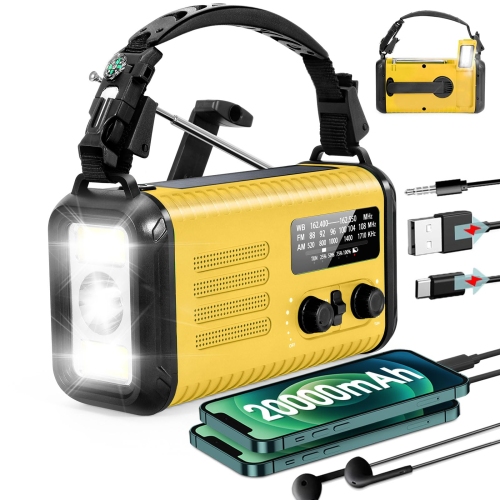

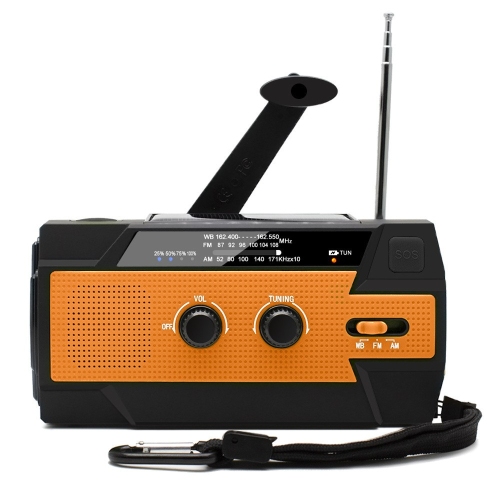


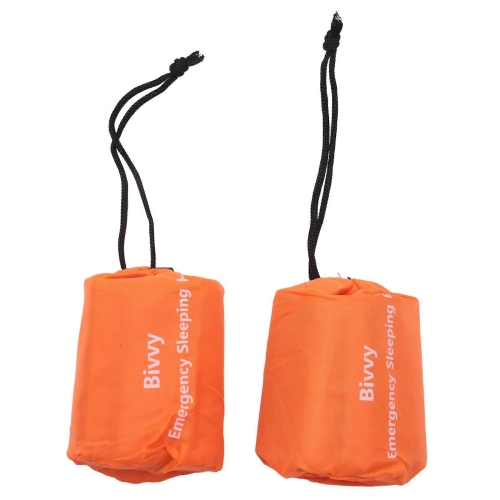
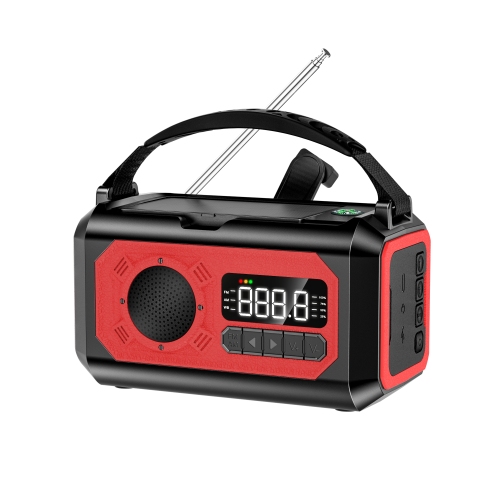
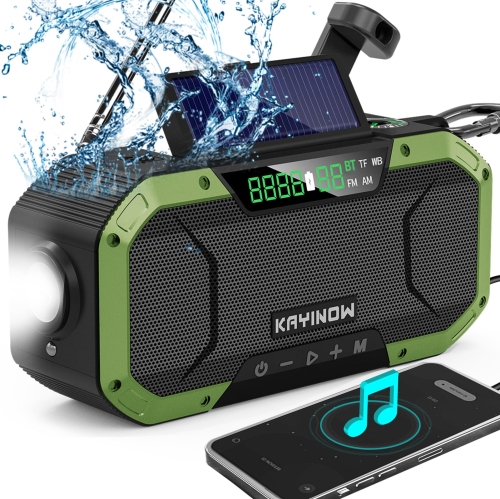
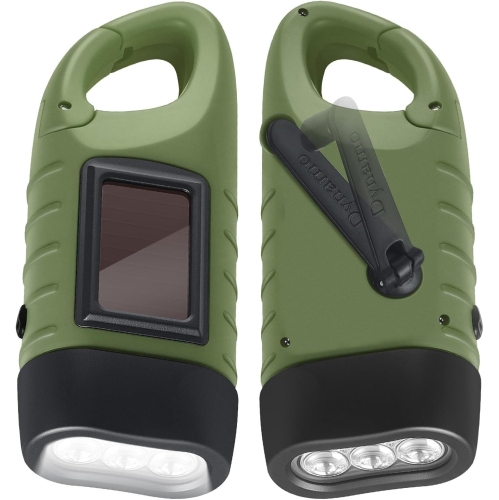
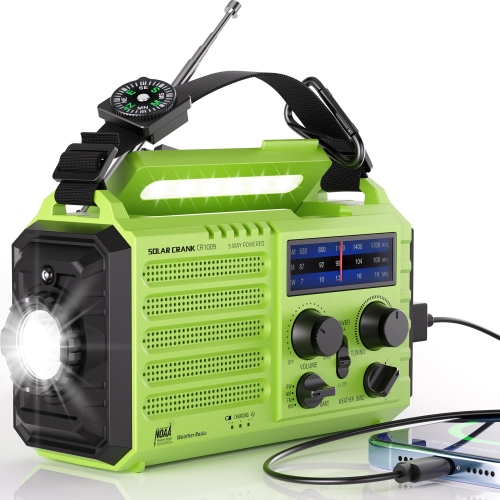
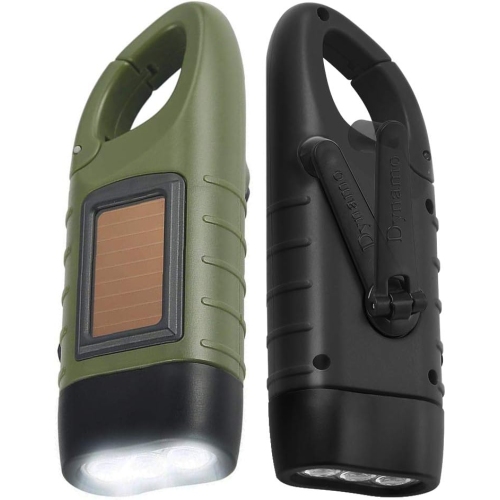
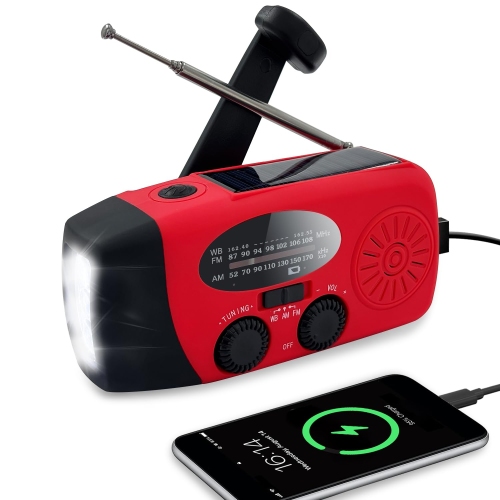
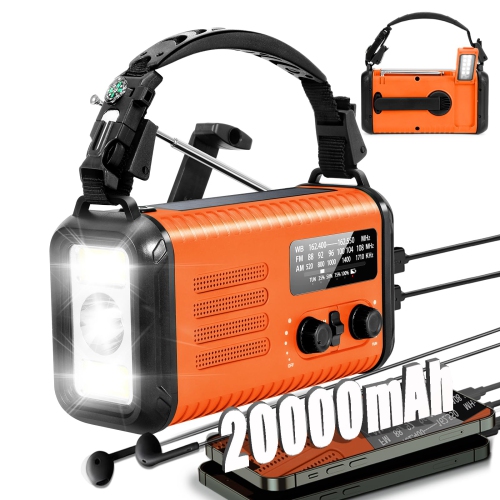
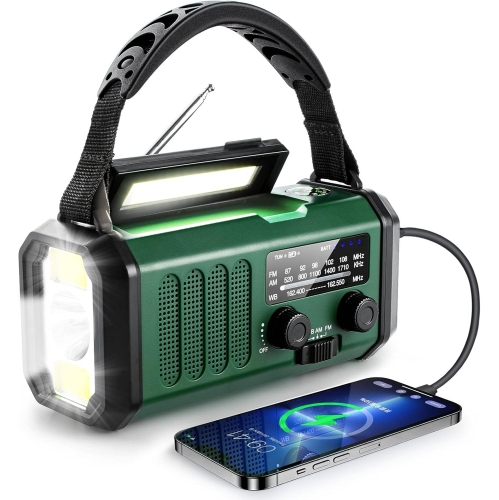
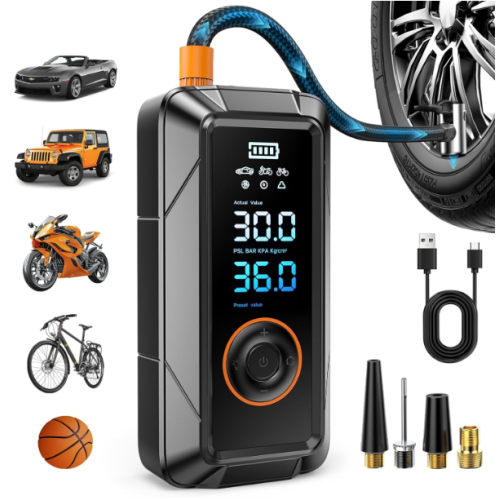
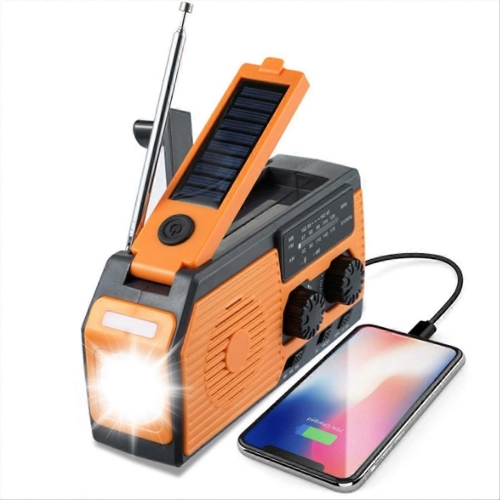

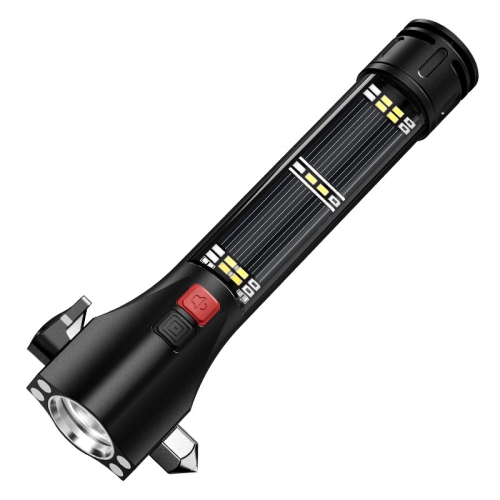
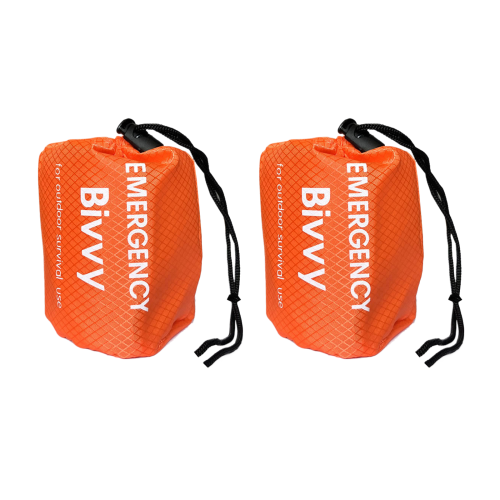
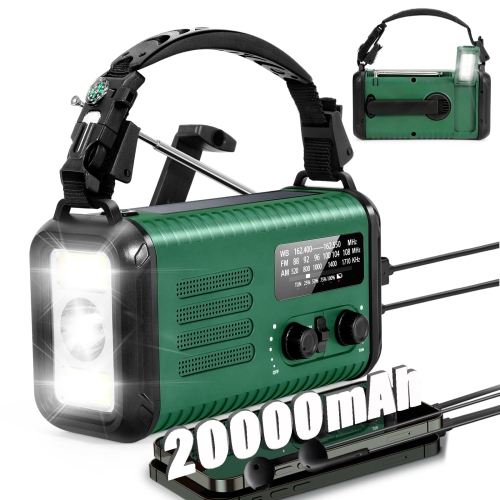
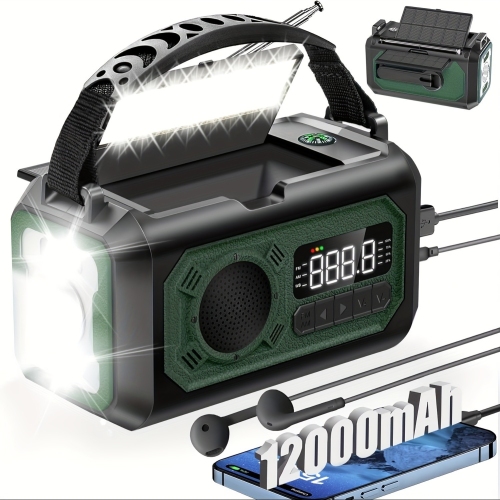

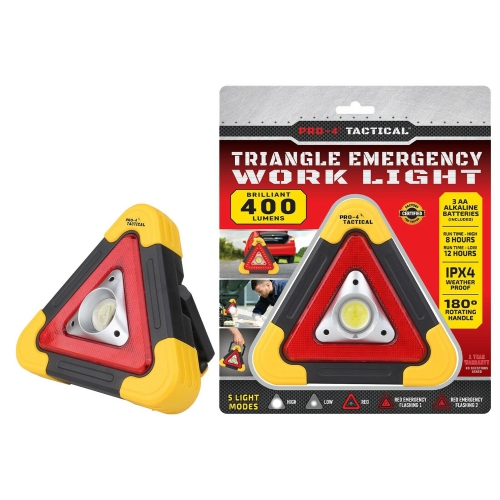
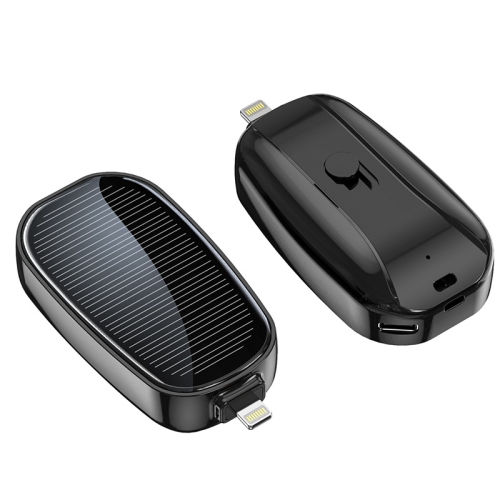
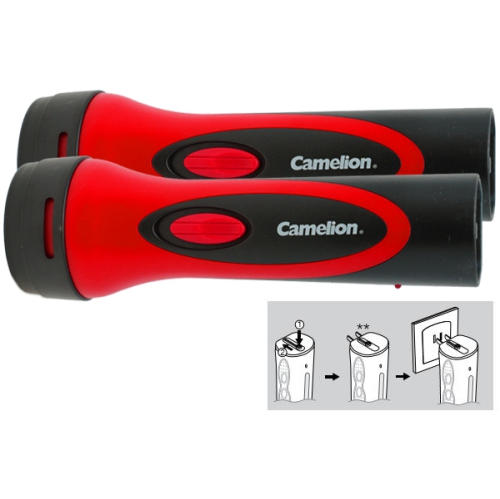
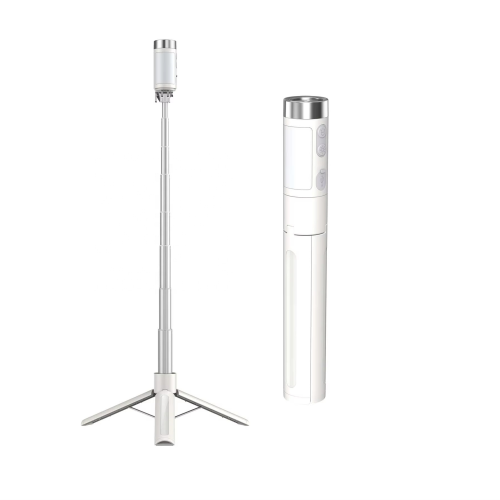
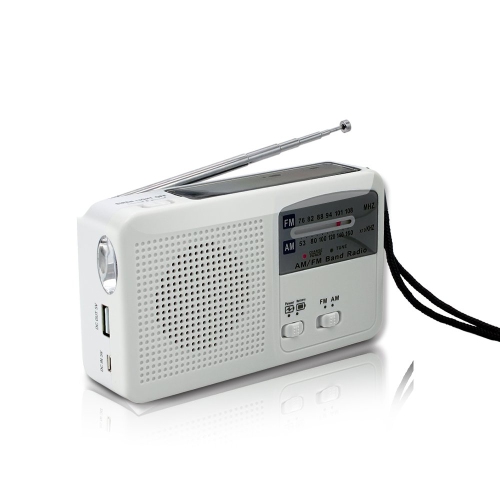
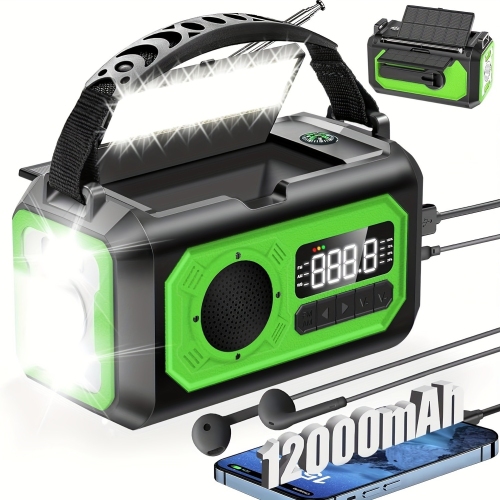
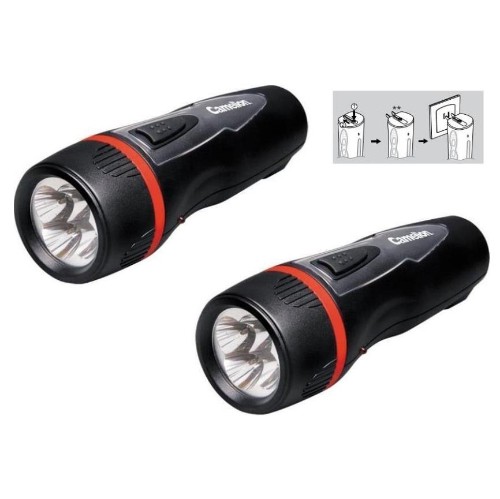
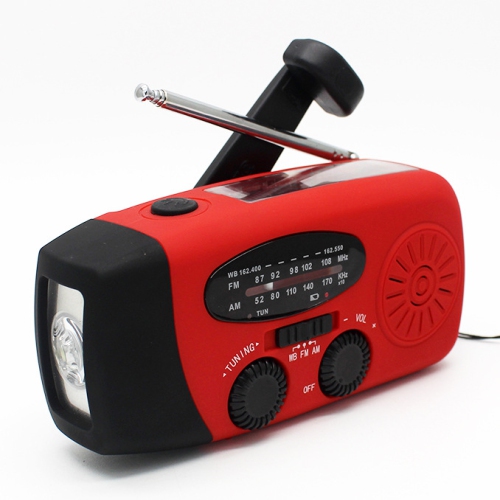


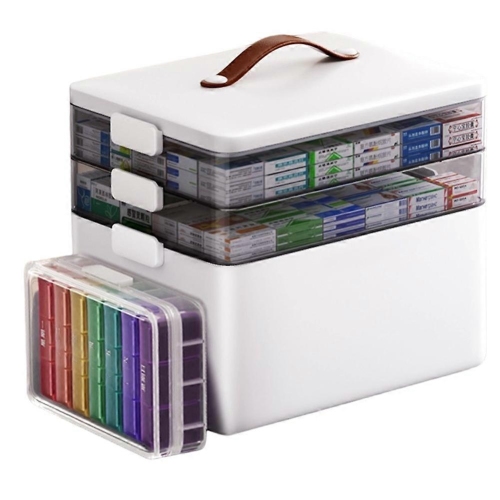
Practical support for outages, travel delays and severe weather
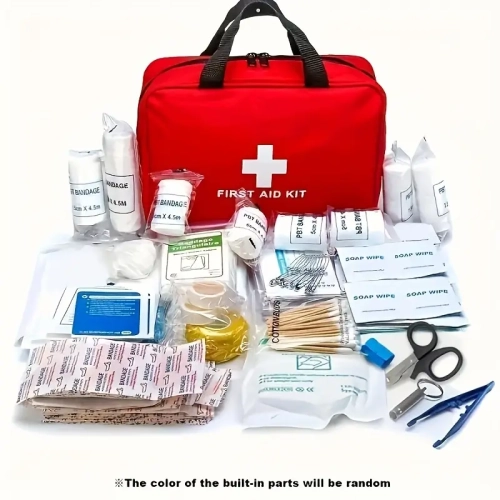
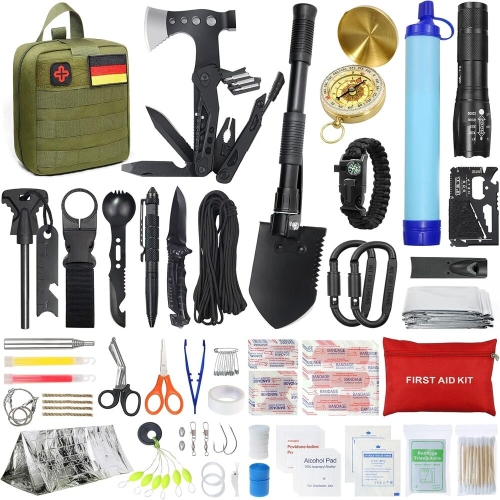
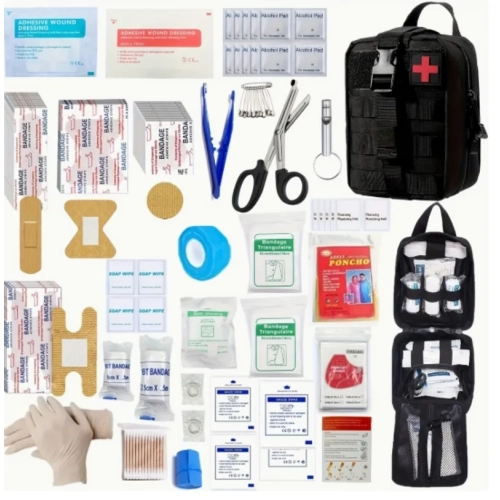
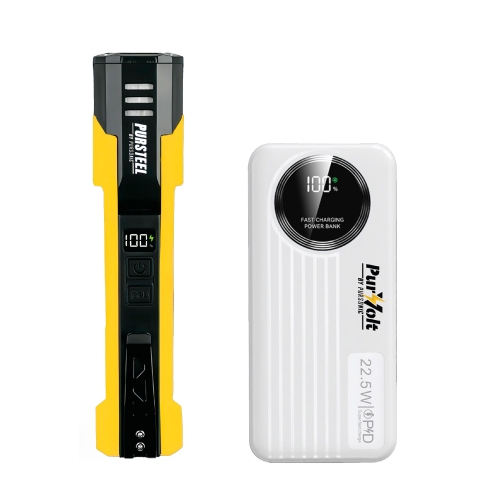
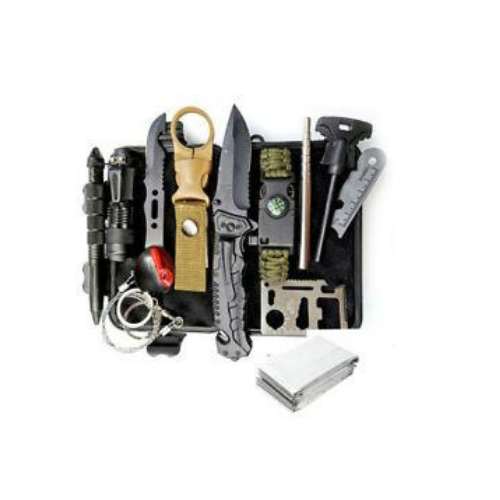
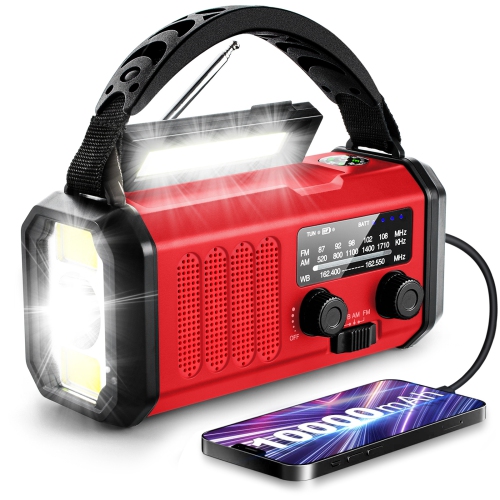
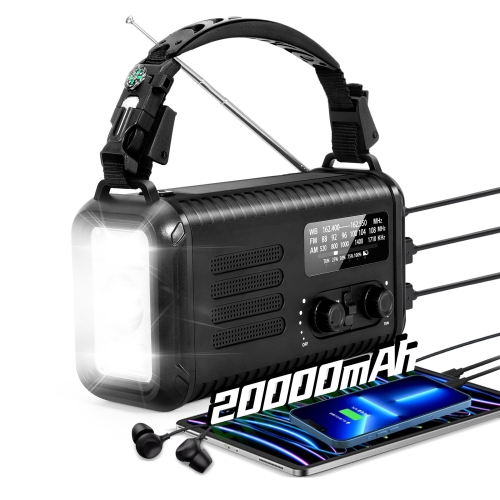
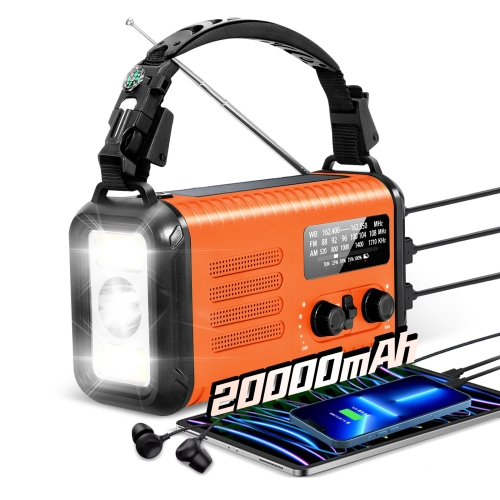
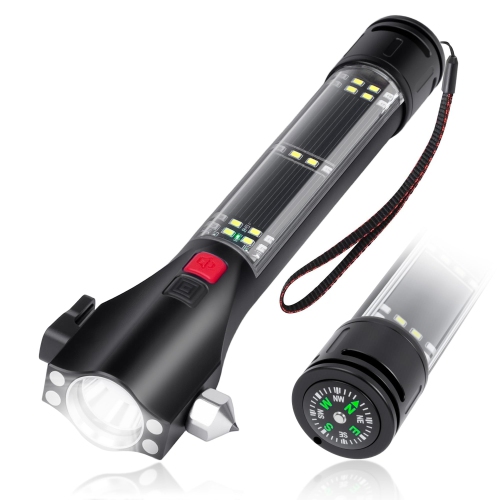
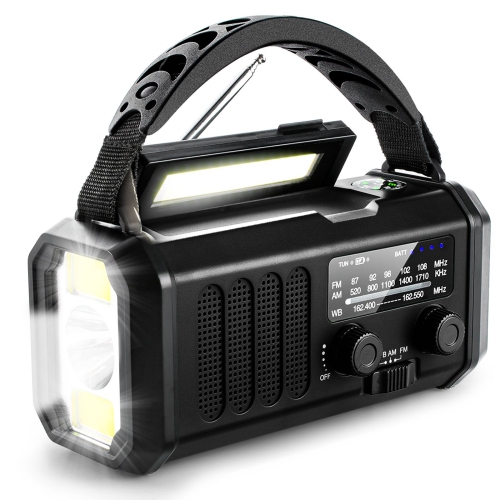
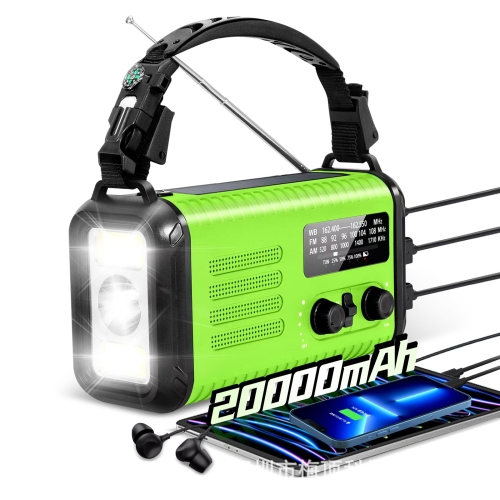
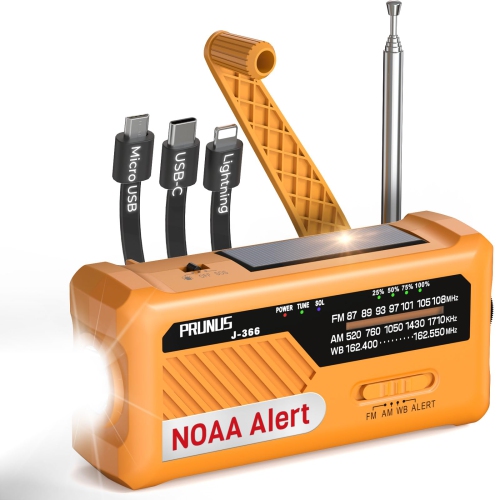
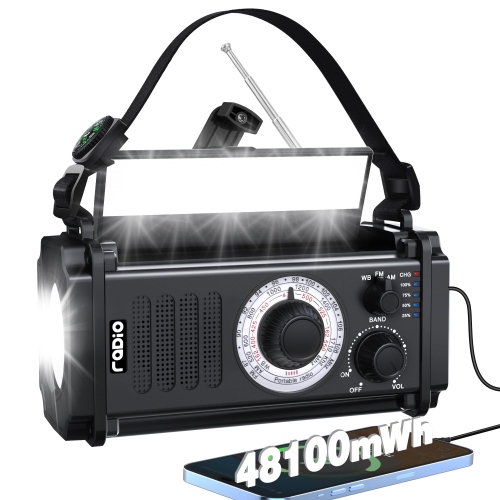
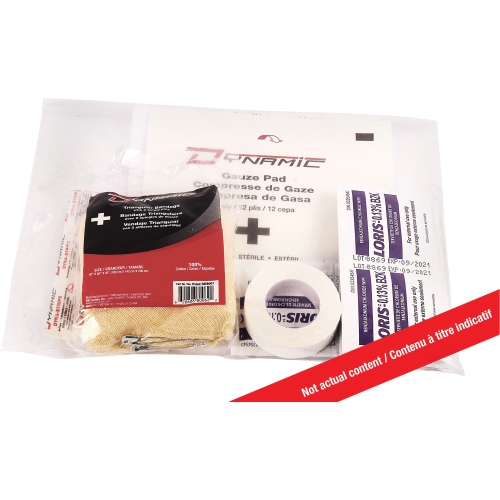
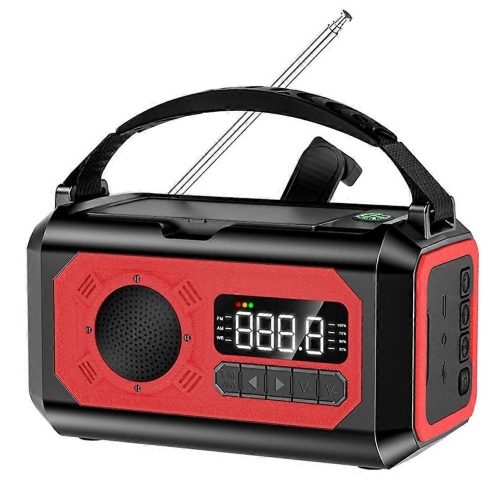
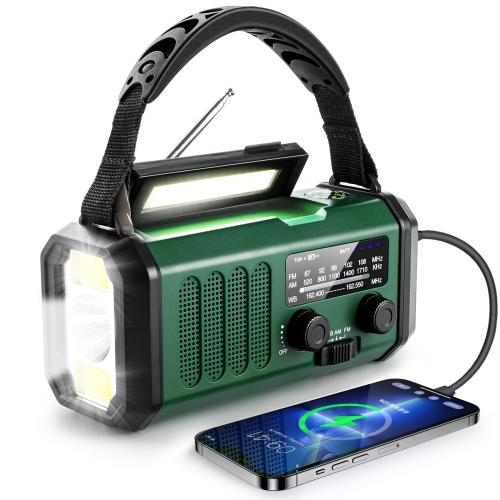
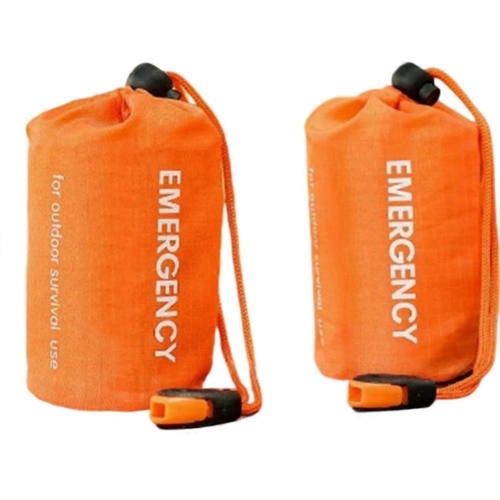
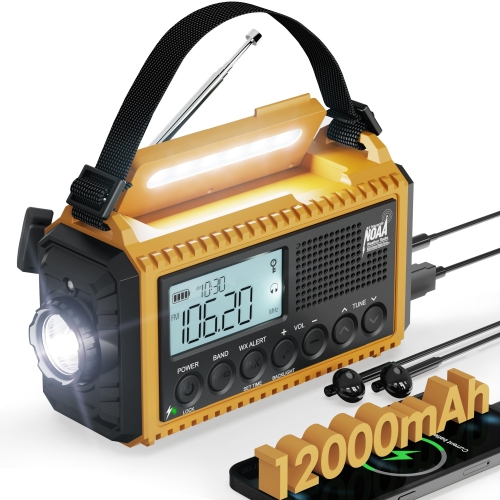
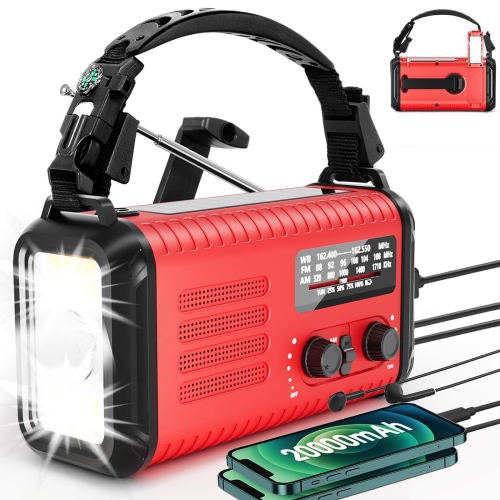
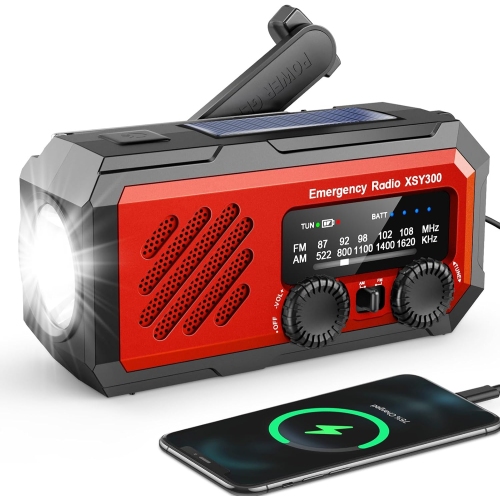
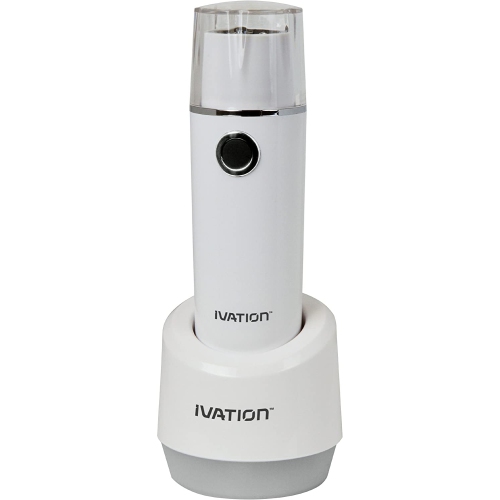
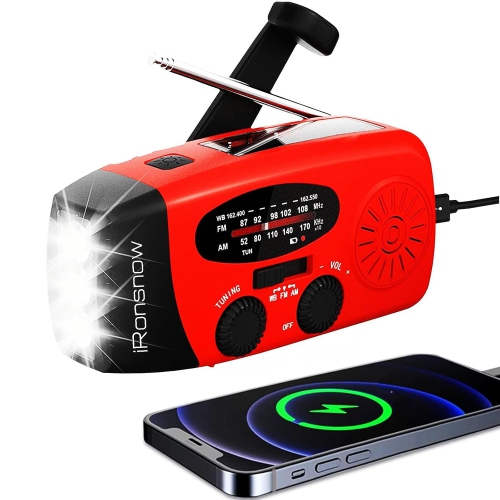
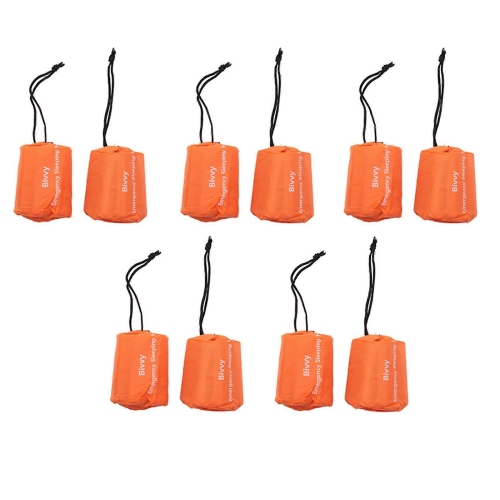
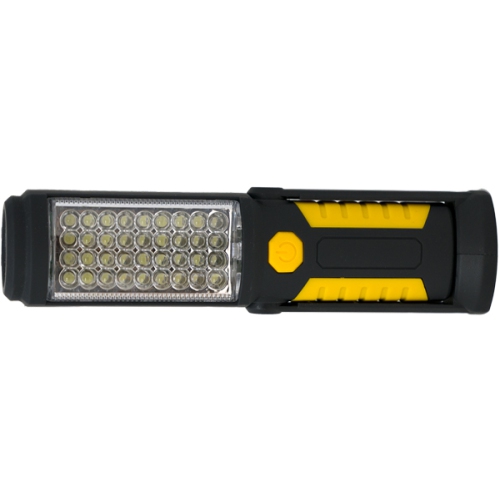
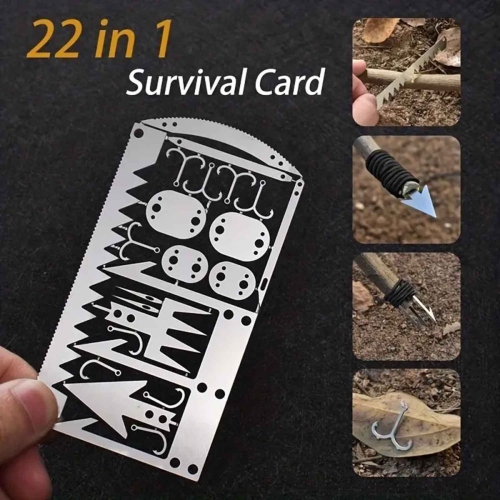
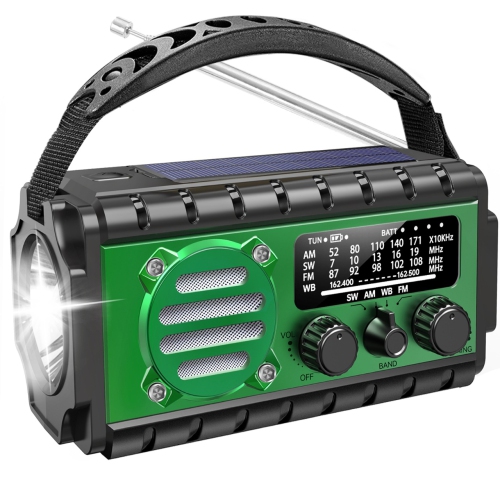
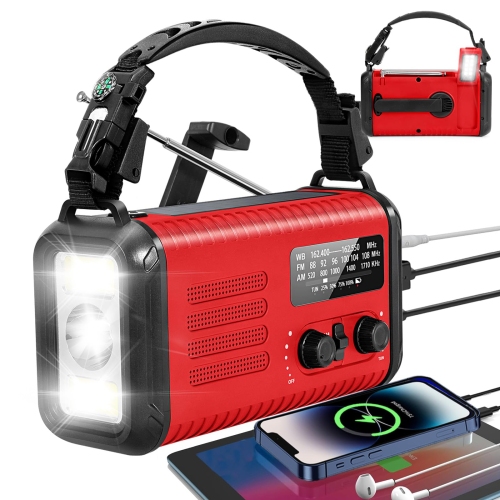
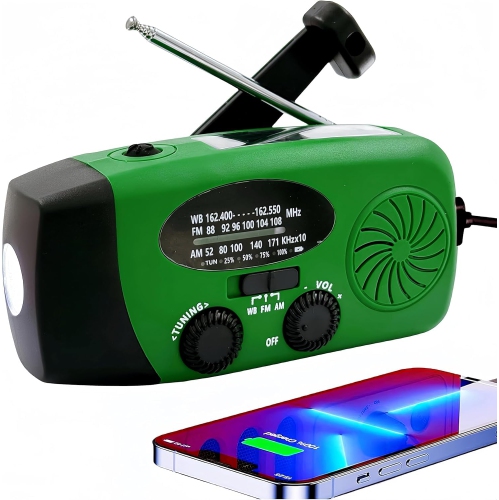
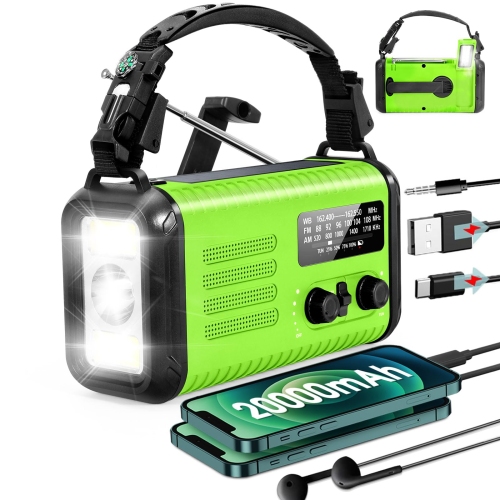
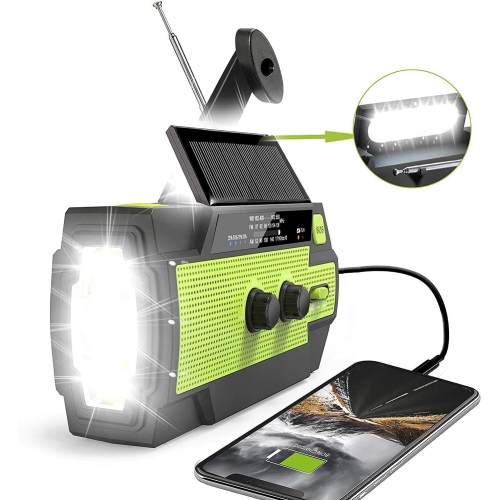
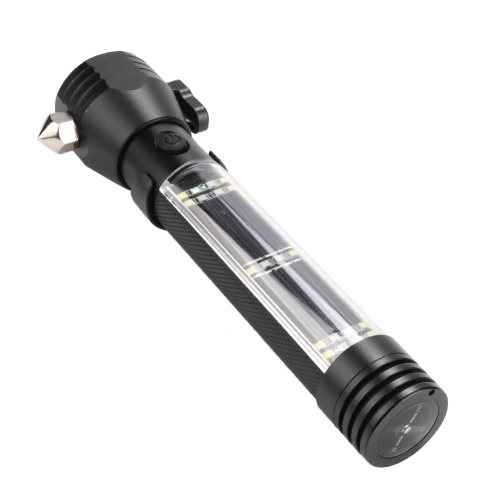
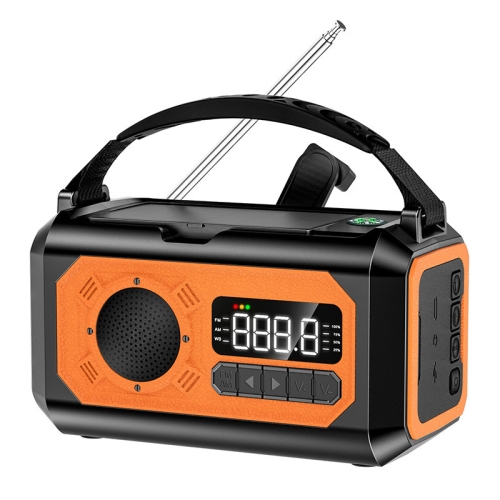
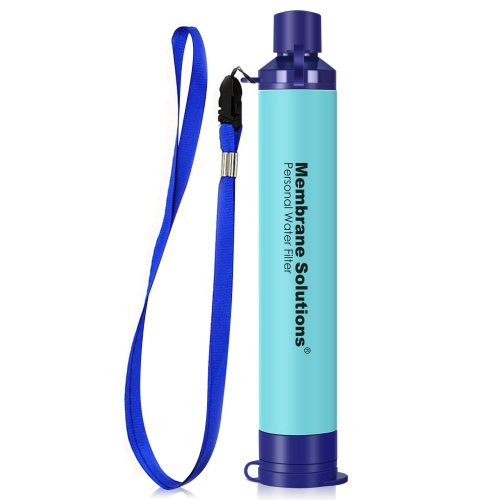
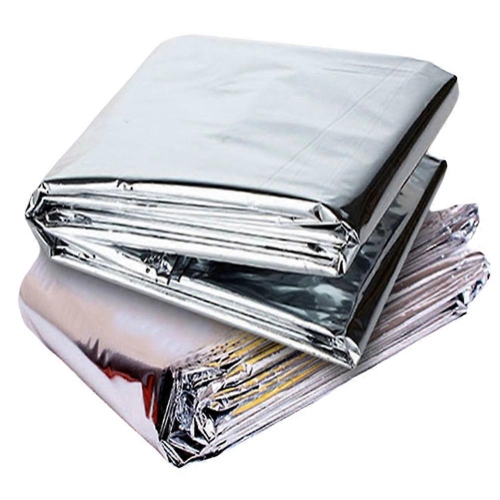
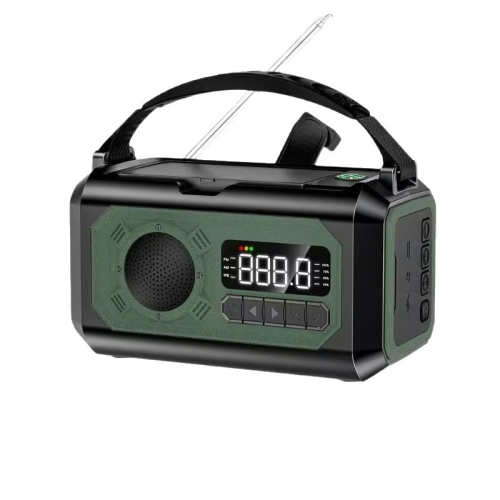
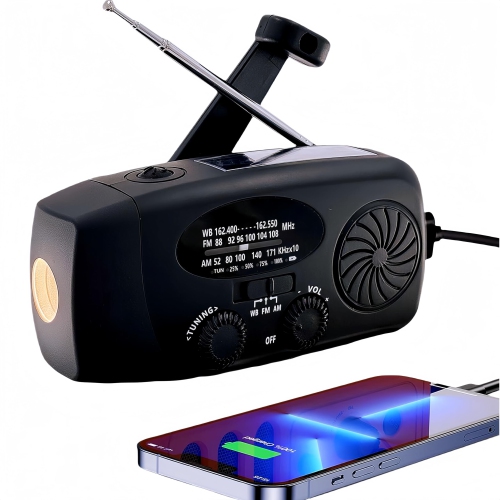
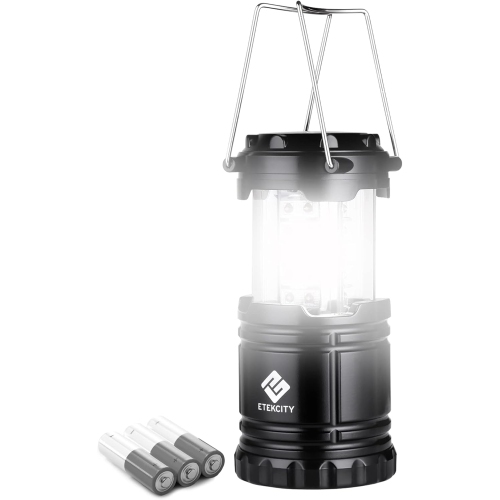
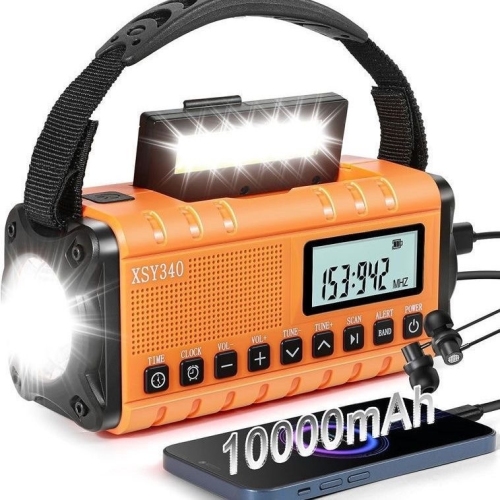
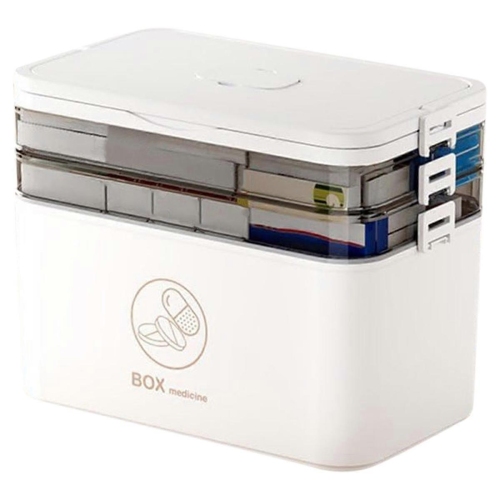
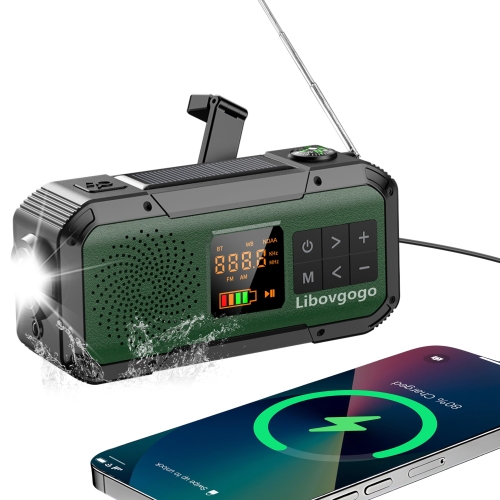
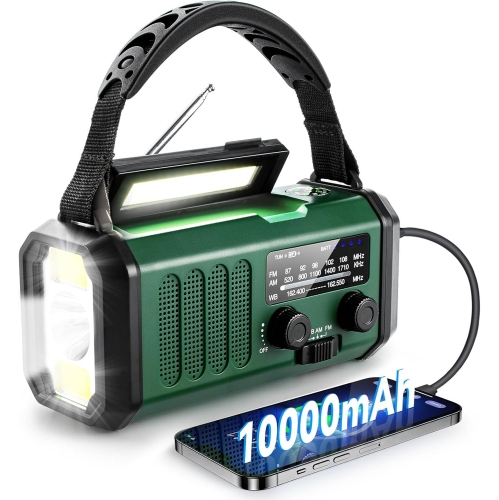
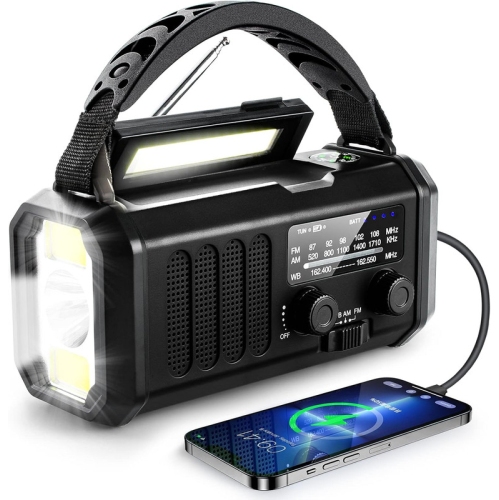
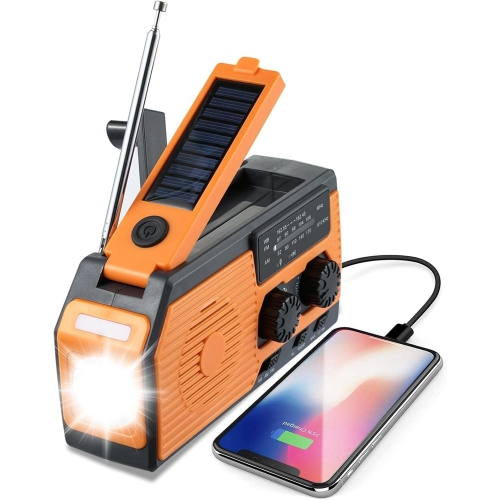
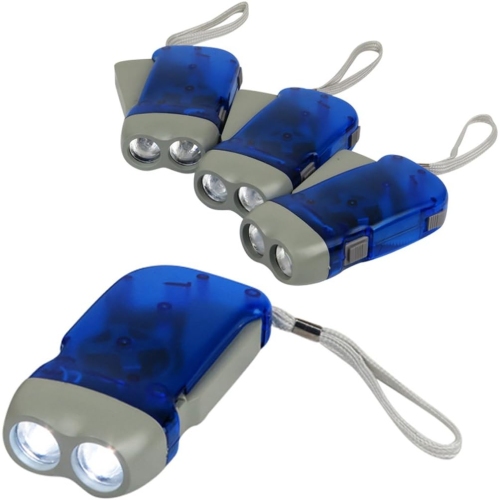
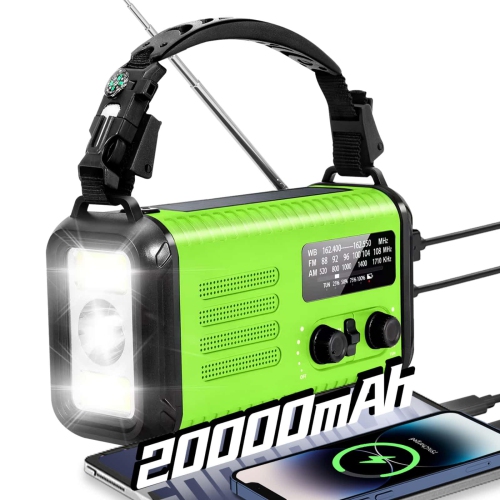
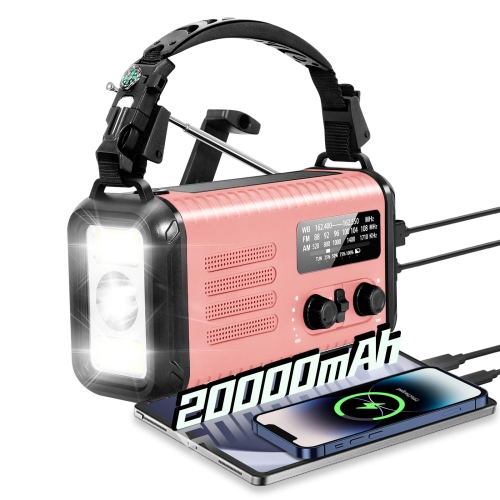
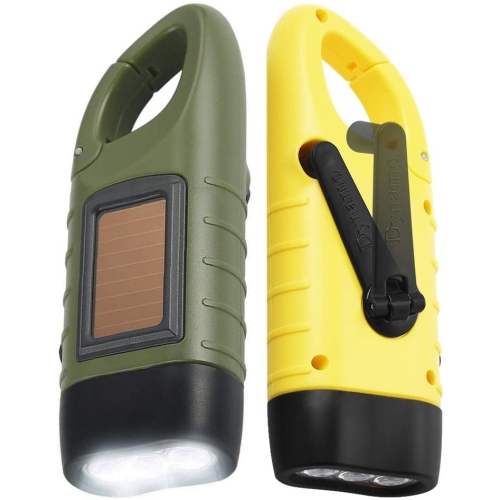
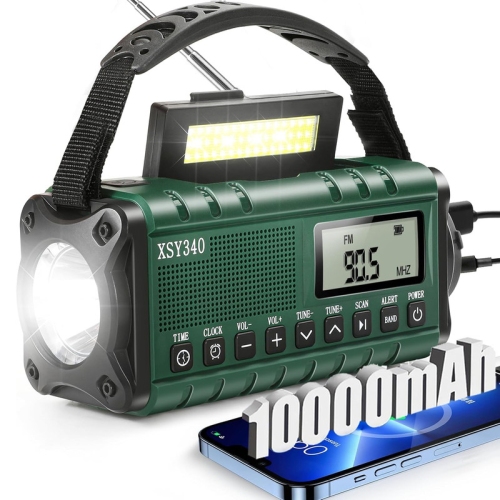
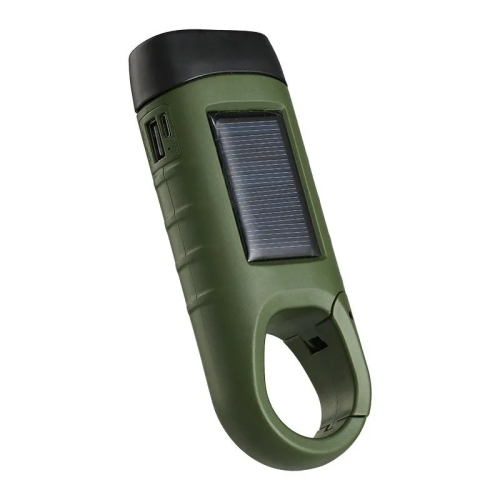
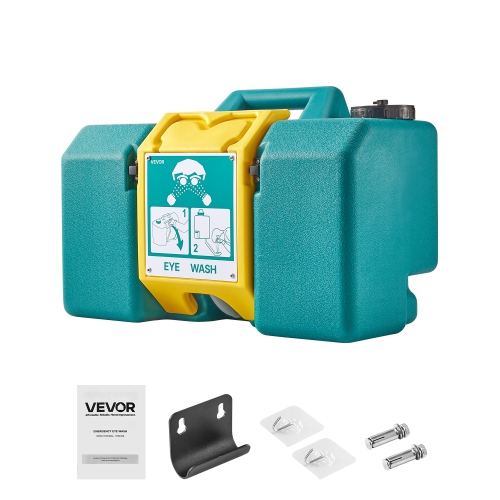
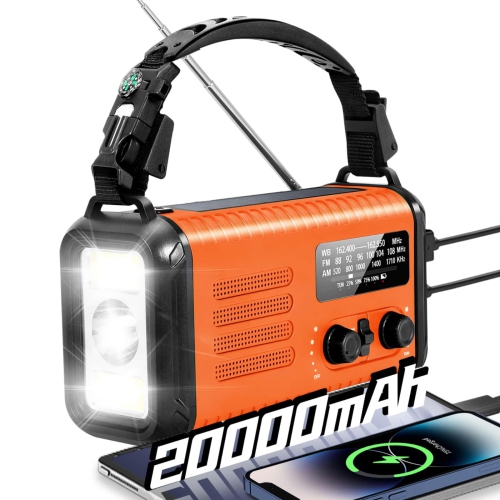
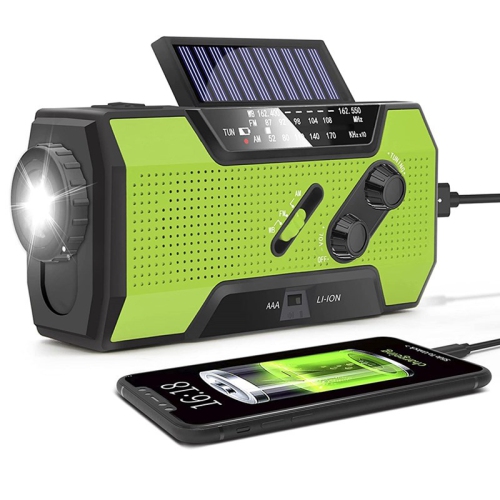
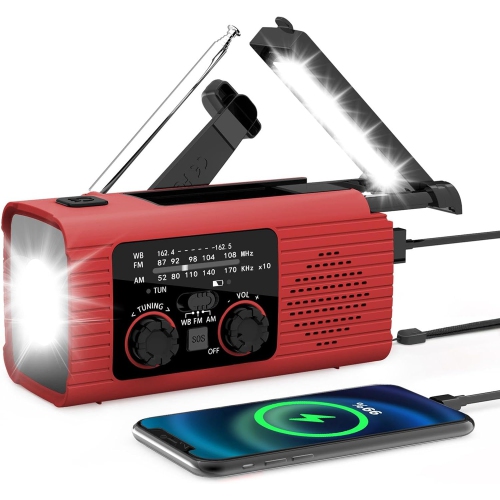
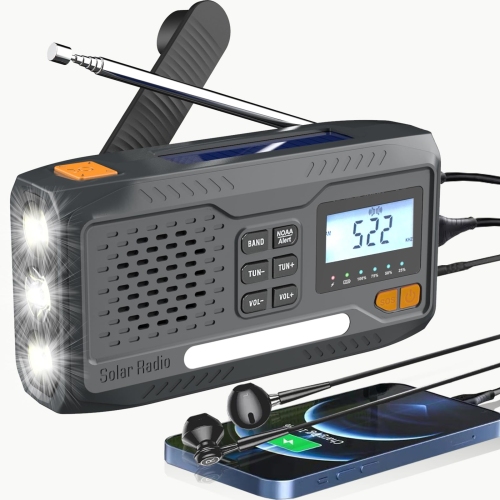
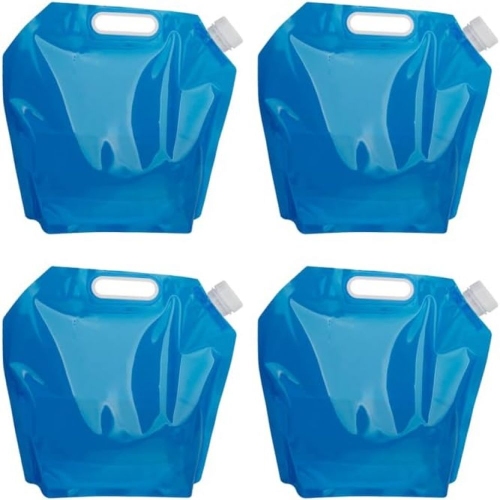
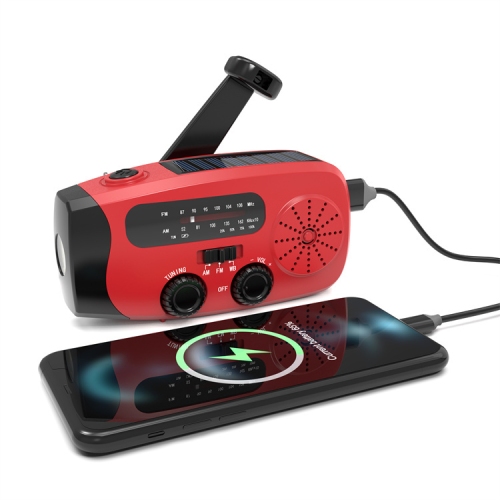
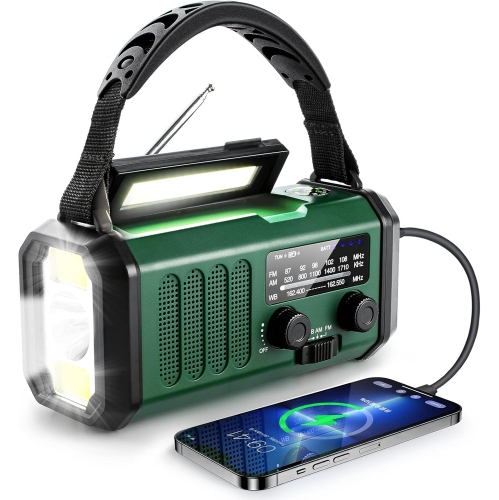
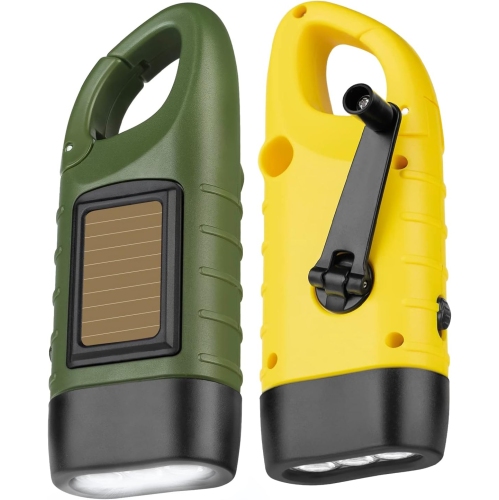
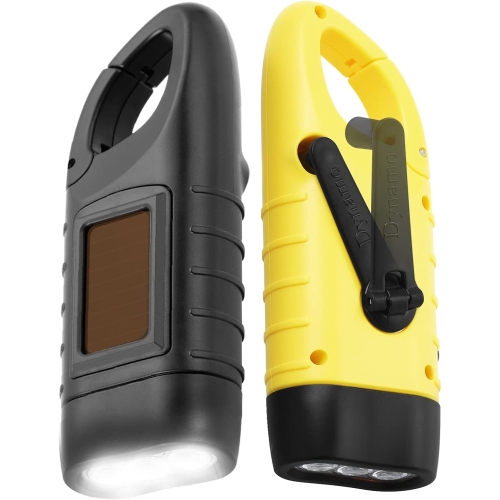
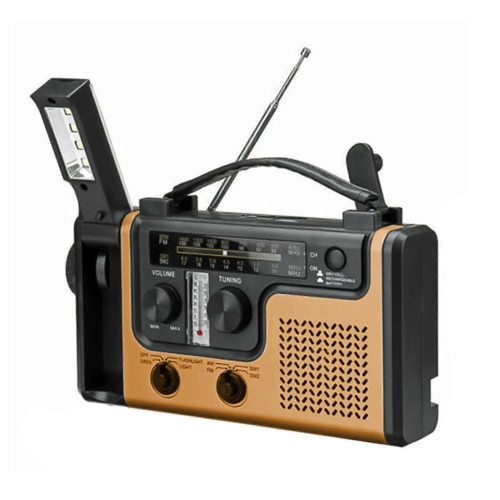
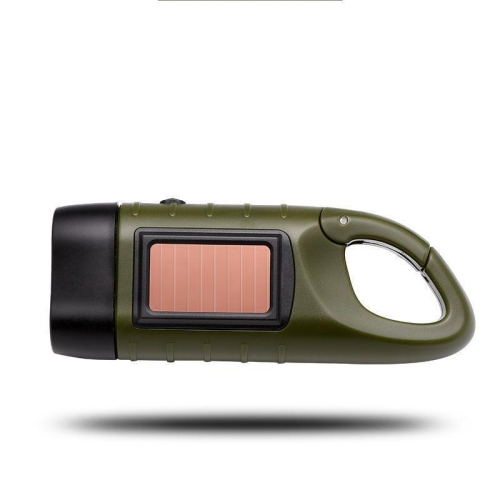
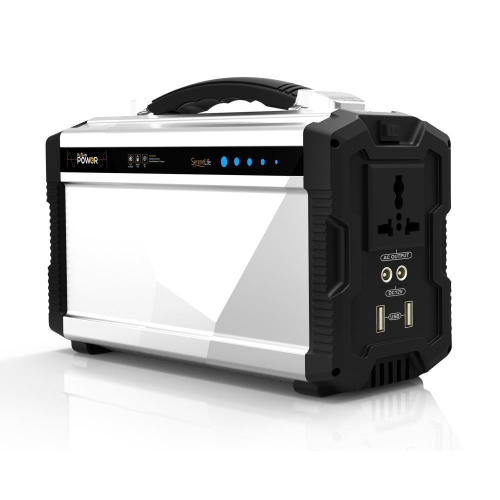
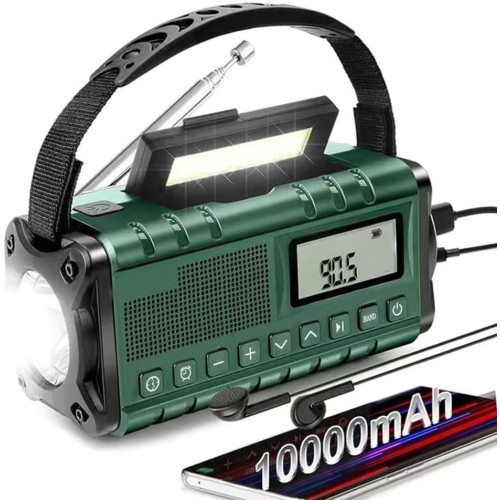
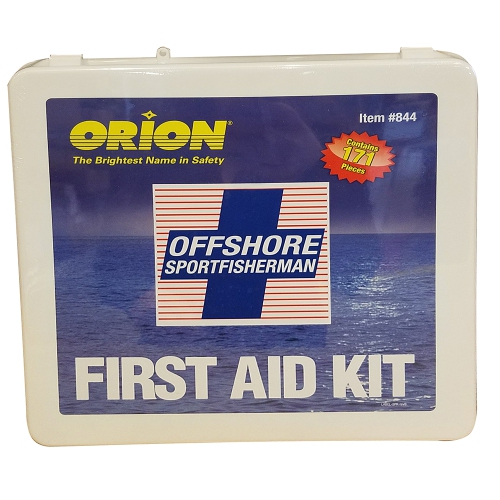
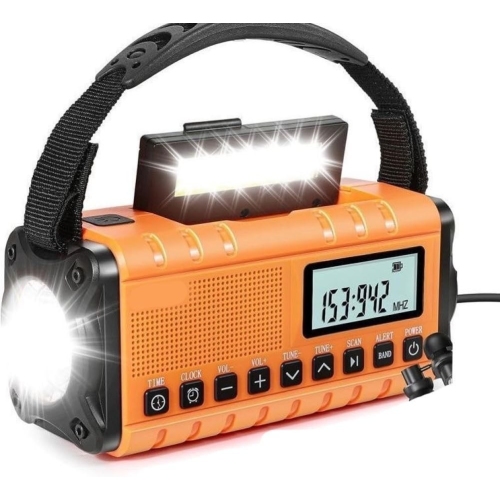
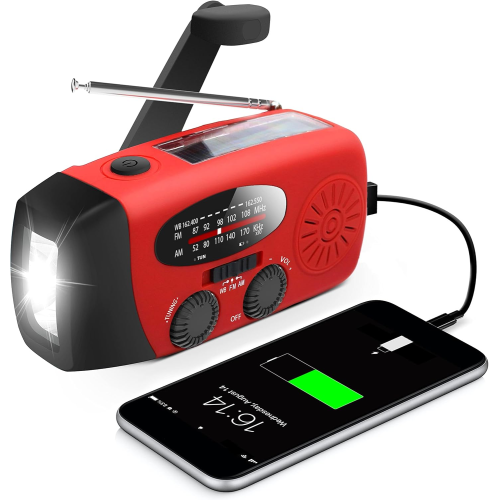
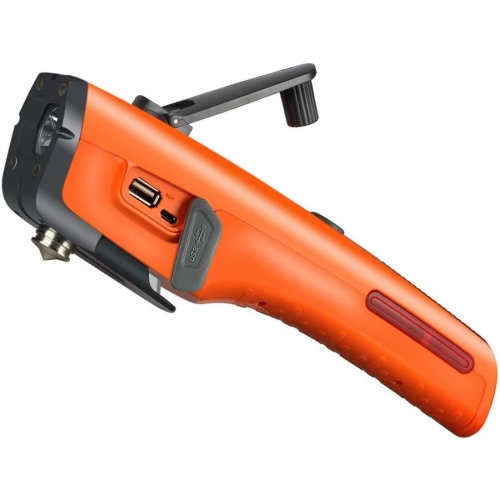
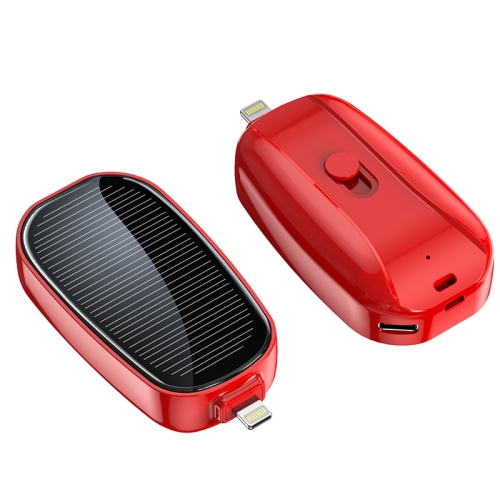
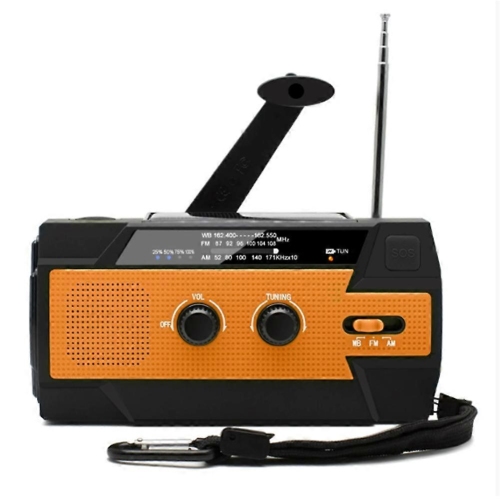
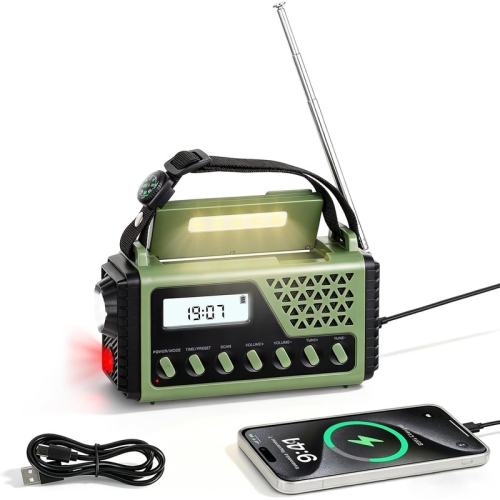
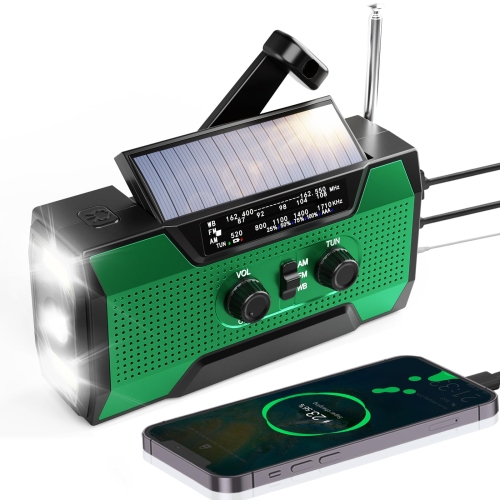
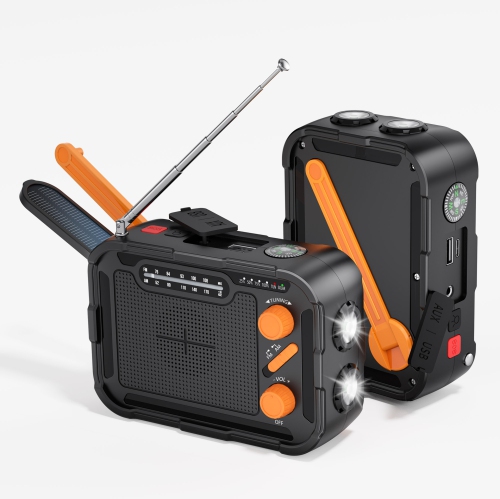
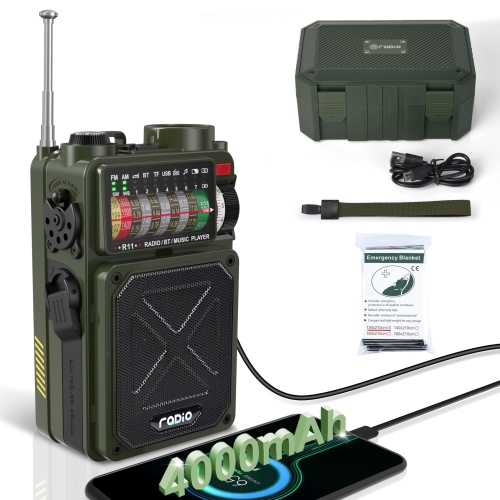
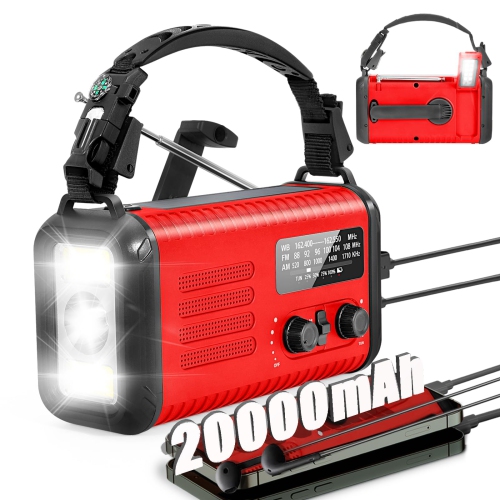
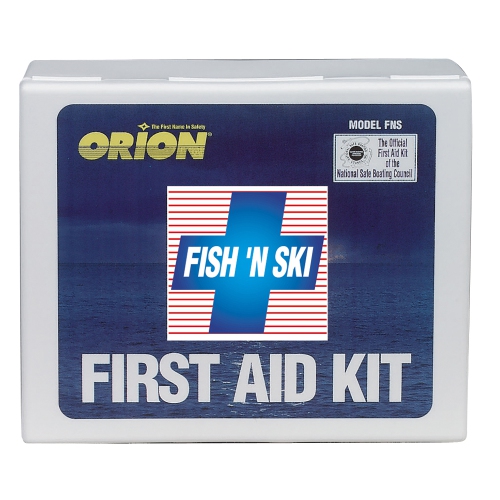
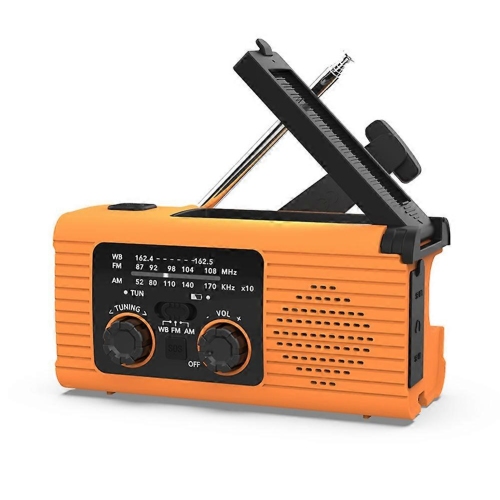
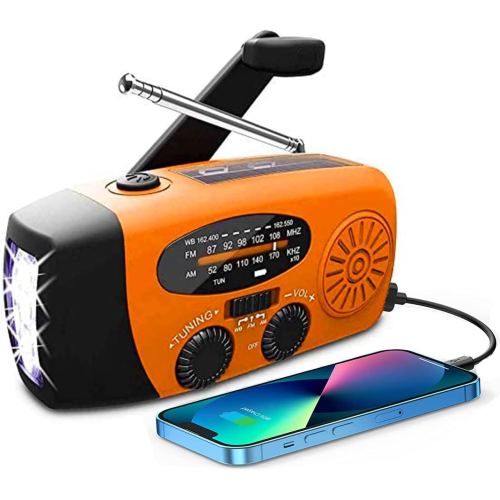
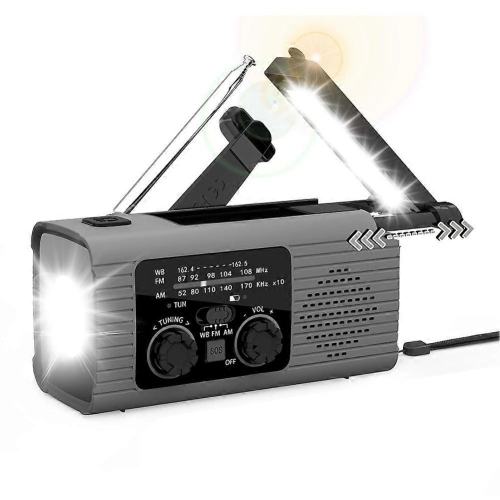
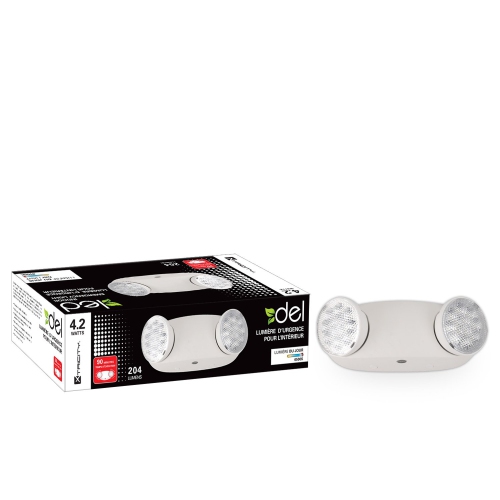
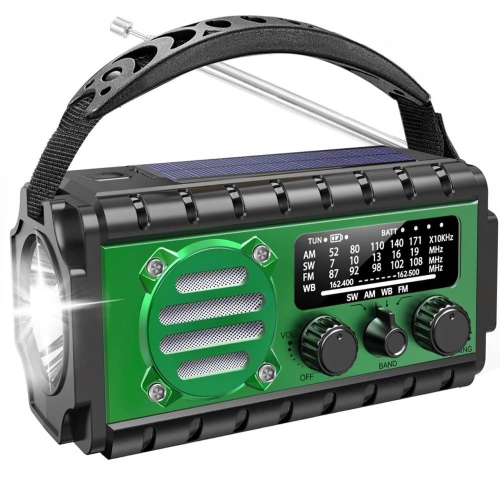
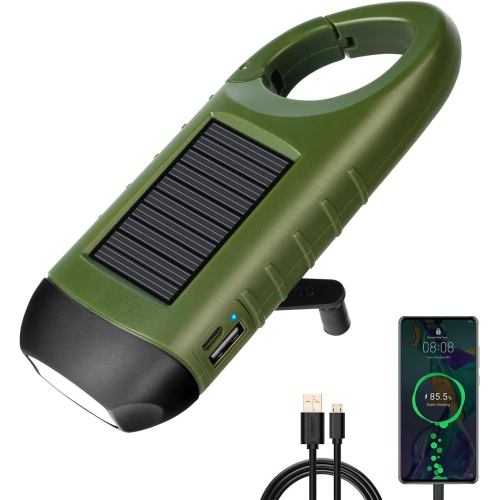
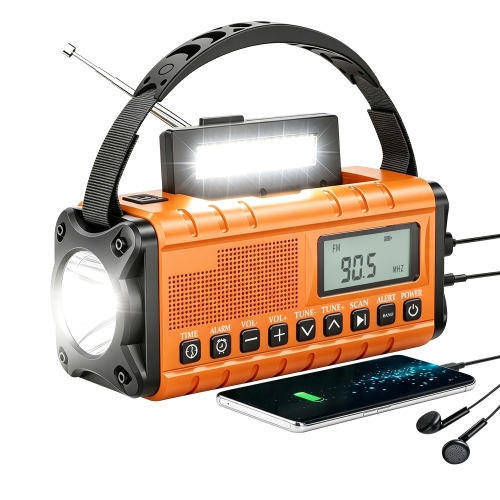
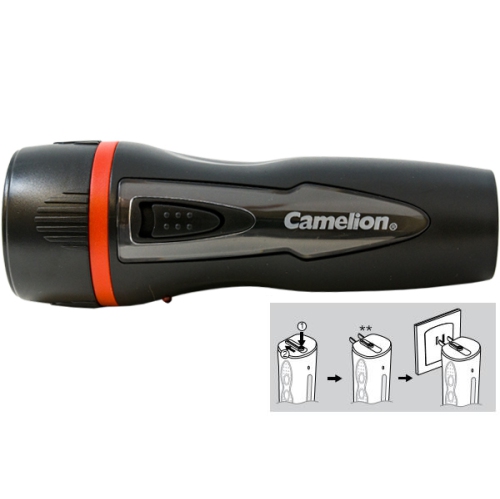
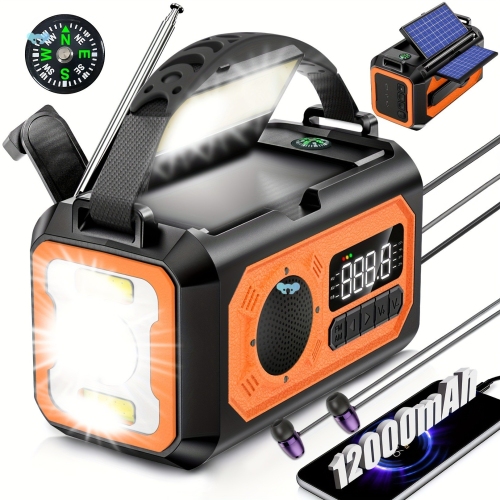
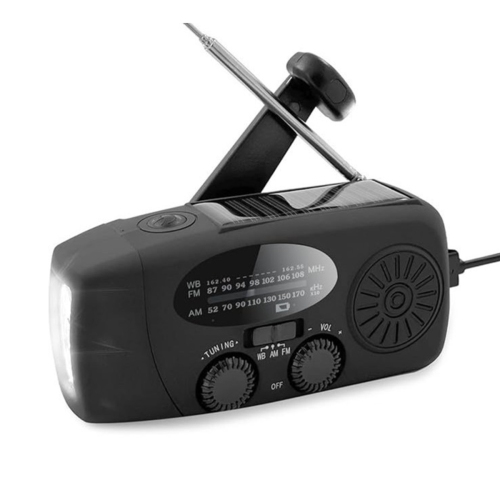
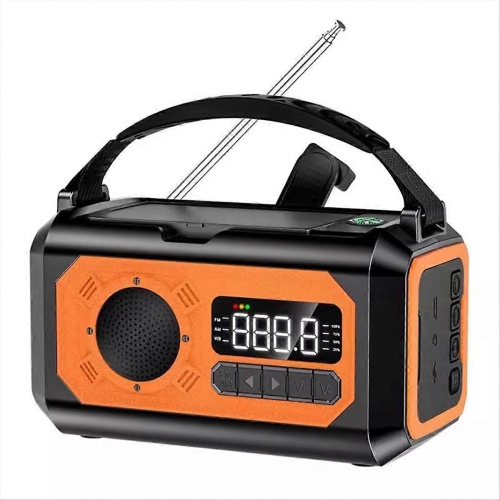
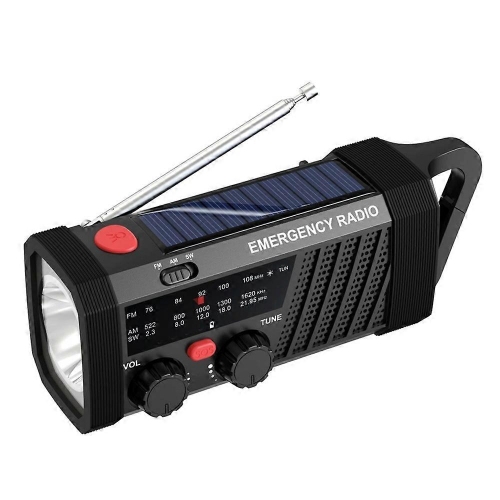
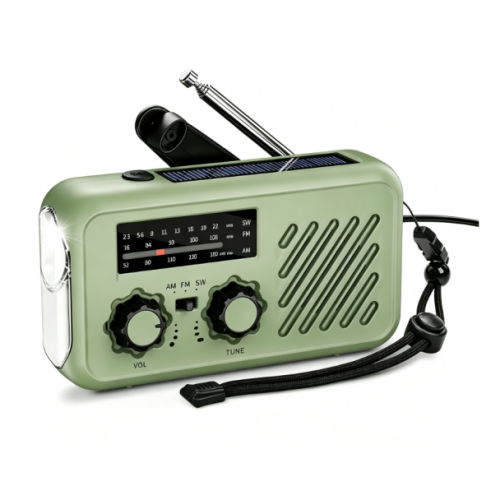
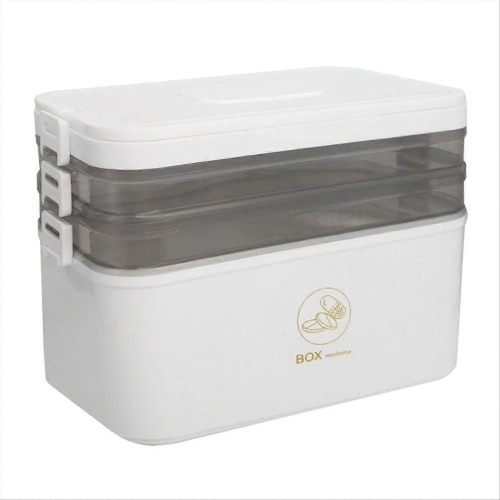
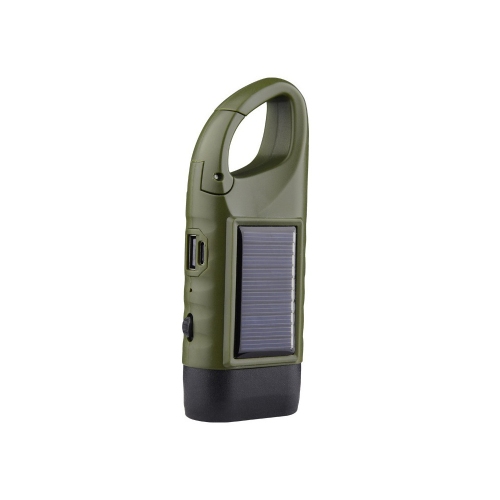
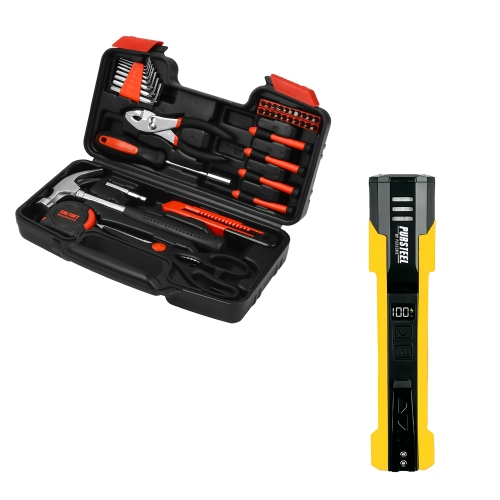
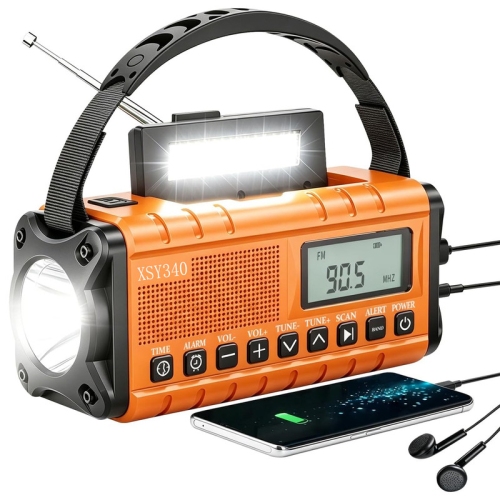
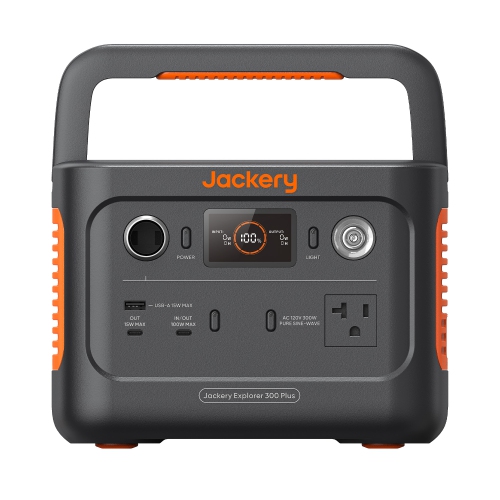
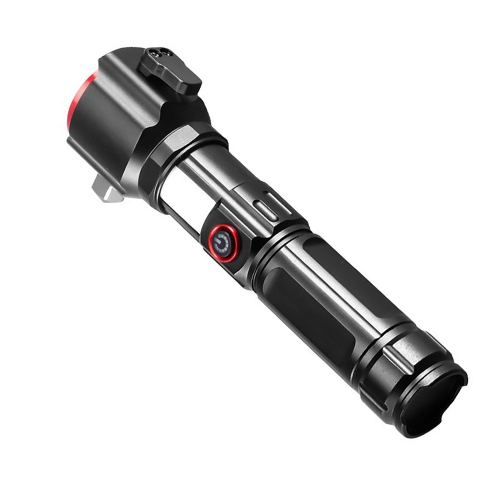
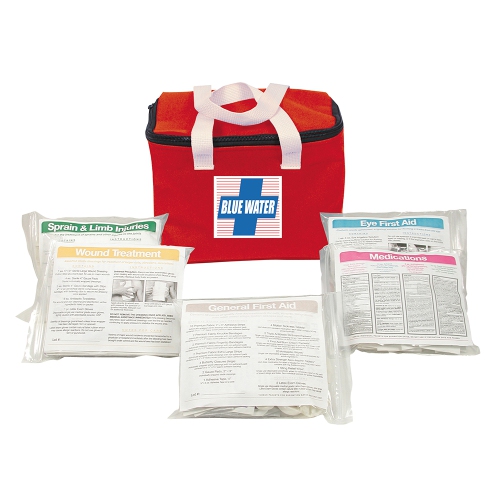
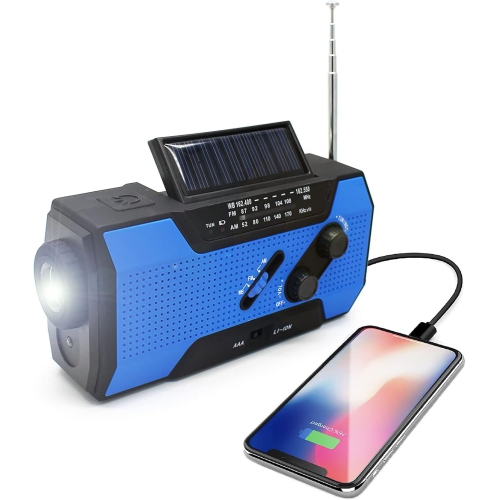
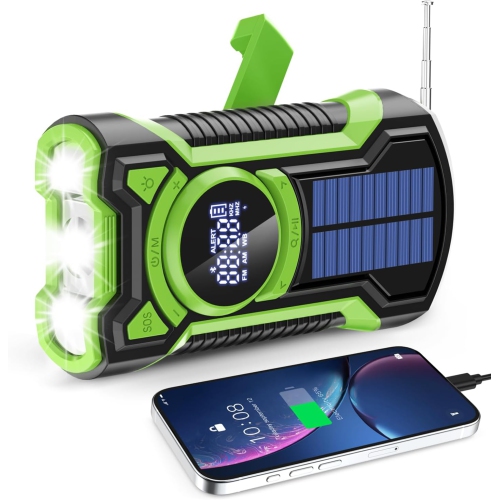
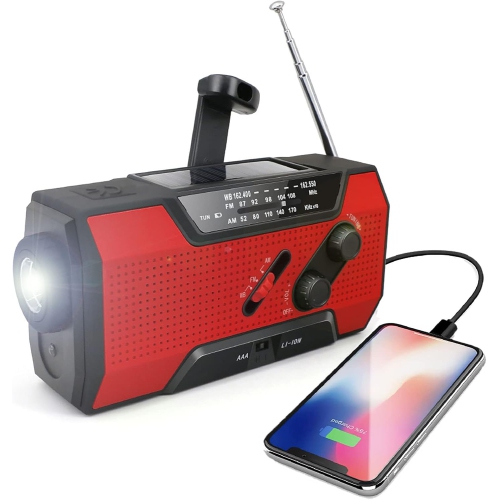
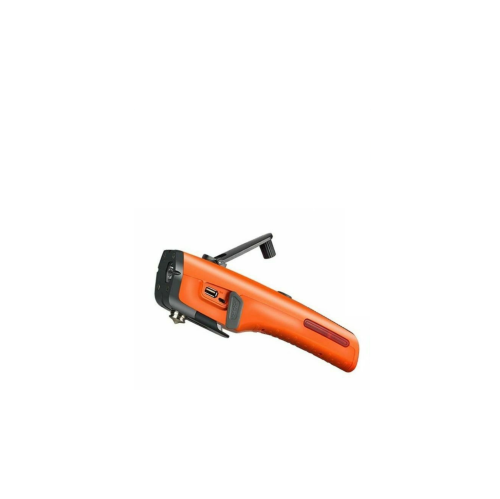
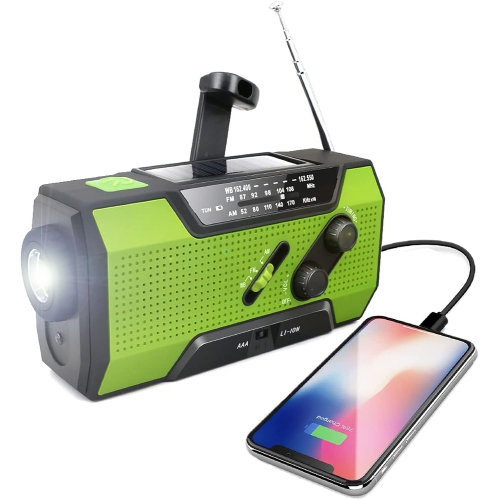
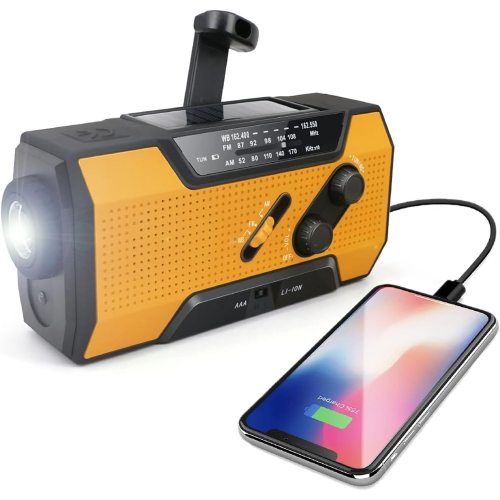
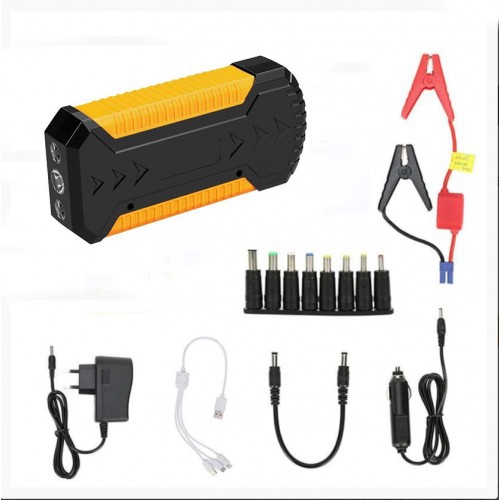
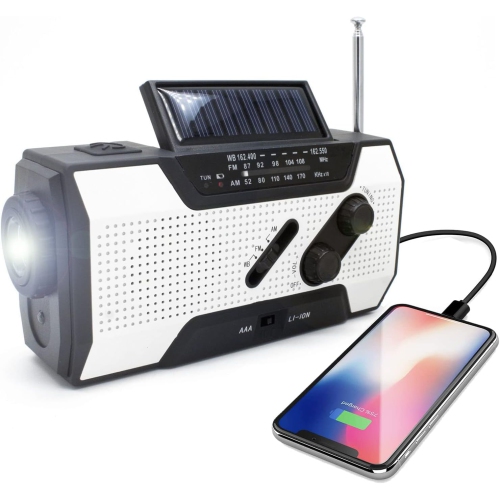
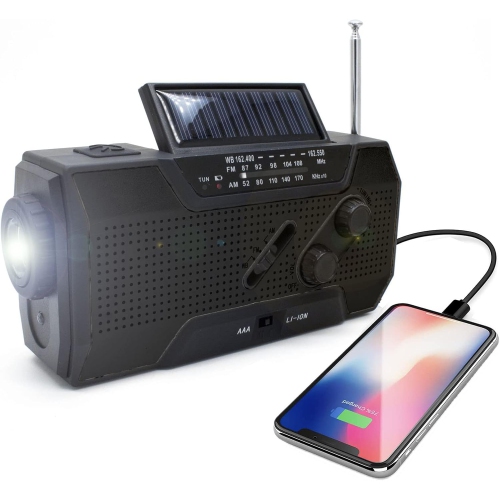
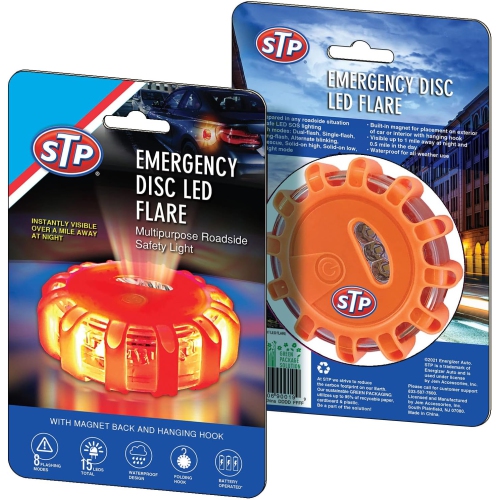
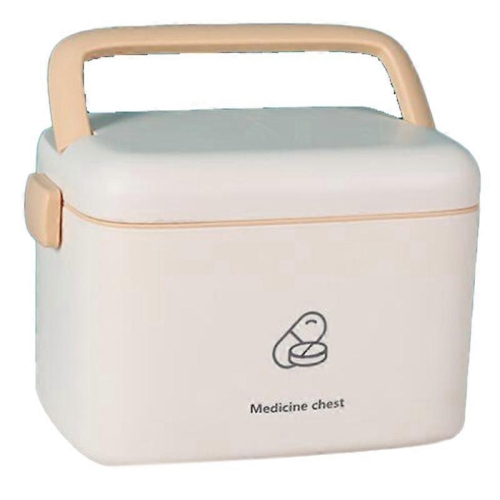
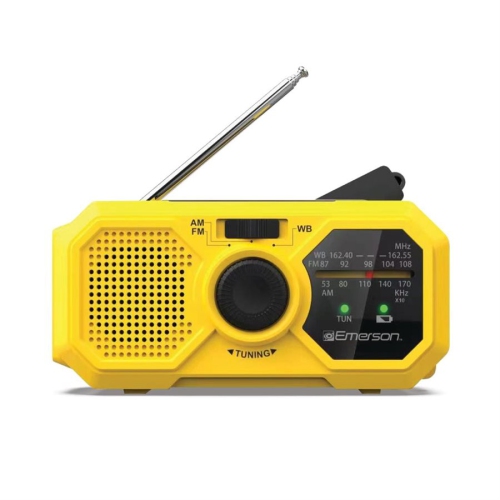
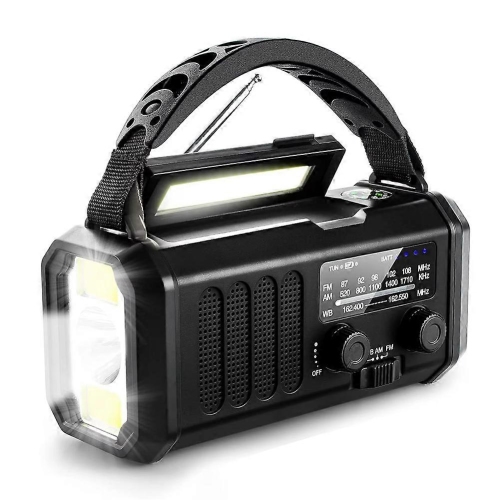
Emergency supplies help households stay prepared when everyday services are interrupted by severe weather, power outages, travel delays, home repairs or other unexpected situations. A well-planned emergency setup should support everyone in the household for at least 72 hours, including children, older adults, people with accessibility needs and pets. Start with water: Canadian preparedness guidance commonly recommends storing 4 litres per person per day, with approximately 2 litres for drinking and 2 litres for food preparation and sanitation. Keep water in clean, sealed containers and consider the space needed to store enough for every member of the household. Non-perishable food is equally important, particularly items that can be eaten with little or no cooking. Choose a practical mix of familiar foods with a long shelf life, taking allergies, dietary restrictions and personal preferences into account. Include a manual can opener and simple utensils so that meals remain accessible if electricity is unavailable. Lighting and communication supplies can make a stressful situation easier to manage, especially after dark or when weather affects visibility. Battery-powered or hand-crank flashlights, lanterns, radios, spare batteries and a portable phone charger can help your household receive updates, find its way through a dark room and stay in contact with family members. It is also useful to keep a whistle, dust masks, basic tools and sturdy gloves with your emergency supplies. These items may help signal for assistance, reduce exposure to airborne dust and handle small practical tasks without relying on household power. A first-aid kit should contain a useful range of bandages, gauze, antiseptic wipes, medical tape and other basic care supplies, while prescription medication and essential personal items should be planned separately according to each person’s needs. For additional options that bring several preparedness essentials together, explore Emergency Survival Kits.
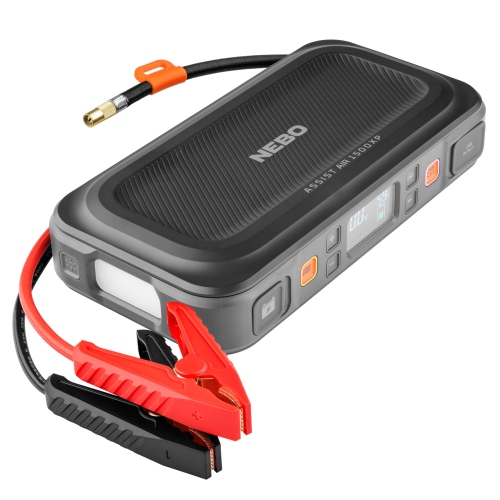
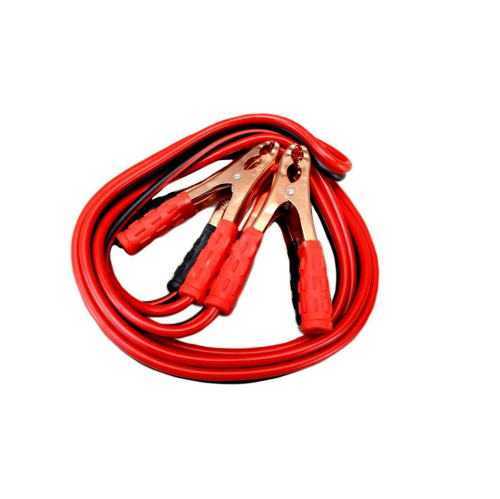
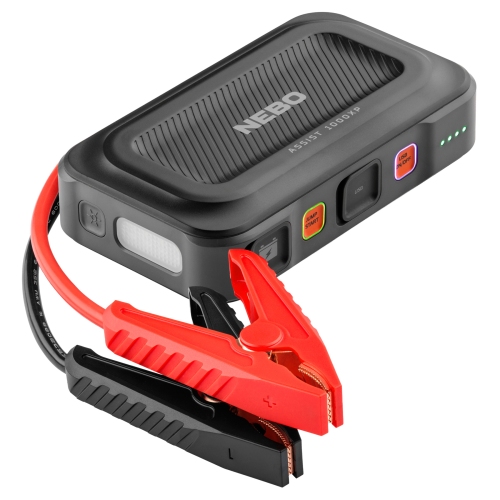
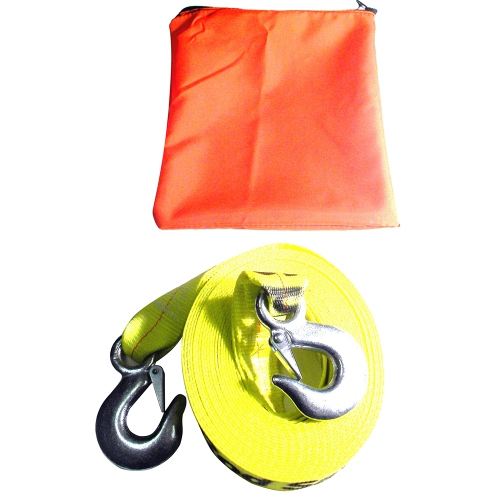
The best emergency supplies are easy to find, simple to use and suited to the way your household lives. Keep the main collection in a cool, accessible location that is not likely to be blocked by furniture, stored boxes or a vehicle. A grab-and-go bag near an exit can be useful if you need to leave quickly, while a larger home supply can support sheltering in place during an outage or severe weather event. Consider keeping a smaller set in a vehicle as well, particularly if your routine includes long commutes, rural roads, winter travel or regular trips with children. A vehicle-focused setup may include light, communication, warmth, first aid and basic repair or safety supplies that remain useful when traffic is stopped or road conditions change. At home, sanitation items deserve as much attention as food and water. Garbage bags, moist towelettes, toilet paper, hand-cleaning supplies and disposable gloves can help maintain comfort and hygiene when plumbing or waste collection is temporarily unavailable. Store copies of important identification, insurance information, emergency contacts and local maps in a waterproof pouch, and keep a written list of medications, allergies and medical information where it can be reached quickly. Digital records are convenient, but a paper copy remains useful when phones cannot be charged or internet service is disrupted. Check batteries, expiry dates, food packaging and medication supplies regularly, and replace anything that has been opened, damaged or used. It can help to choose one routine household occasion, such as a seasonal change or a home safety check, to review the contents and make sure every family member knows where supplies are kept.
Emergency supplies can be selected for many different households and make a thoughtful, practical gift for a new homeowner, university student, frequent driver, camper or family settling into a new place. They can also support relatives who live alone, neighbours who may need extra assistance or friends preparing for changing conditions during the cooler months. When choosing items, think beyond the number of people in the home and account for infants, pets, mobility devices, hearing or vision needs, and any equipment that depends on electricity. Families with young children may appreciate easy-to-use lighting, familiar snacks and comfort items, while pet owners should include food, water, waste bags, medication and a secure leash or carrier. During late summer and fall, broad weather changes can bring heavy rain, strong winds, early cold spells or interruptions to power and transportation, making a dependable supply of light, information, warmth, food and water especially useful. Avoid storing everything in one difficult-to-carry container if household members may need to move supplies between floors or leave the home. Label containers clearly, keep frequently used items on top and place heavier supplies where they can be lifted safely. Preparedness is most effective when it fits naturally into daily life: a flashlight beside the bed, a charger in the vehicle, water stored where it can be rotated and a first-aid collection in a familiar cupboard are all easier to use under pressure. With the right combination of essential categories and a little regular maintenance, emergency supplies can provide practical support and greater confidence when normal routines are temporarily interrupted.
The best emergency supplies are easy to find, simple to use and suited to the way your household lives. Keep the main collection in a cool, accessible location that is not likely to be blocked by furniture, stored boxes or a vehicle. A grab-and-go bag near an exit can be useful if you need to leave quickly, while a larger home supply can support sheltering in place during an outage or severe weather event. Consider keeping a smaller set in a vehicle as well, particularly if your routine includes long commutes, rural roads, winter travel or regular trips with children. A vehicle-focused setup may include light, communication, warmth, first aid and basic repair or safety supplies that remain useful when traffic is stopped or road conditions change. At home, sanitation items deserve as much attention as food and water. Garbage bags, moist towelettes, toilet paper, hand-cleaning supplies and disposable gloves can help maintain comfort and hygiene when plumbing or waste collection is temporarily unavailable. Store copies of important identification, insurance information, emergency contacts and local maps in a waterproof pouch, and keep a written list of medications, allergies and medical information where it can be reached quickly. Digital records are convenient, but a paper copy remains useful when phones cannot be charged or internet service is disrupted. Check batteries, expiry dates, food packaging and medication supplies regularly, and replace anything that has been opened, damaged or used. It can help to choose one routine household occasion, such as a seasonal change or a home safety check, to review the contents and make sure every family member knows where supplies are kept.
Emergency supplies can be selected for many different households and make a thoughtful, practical gift for a new homeowner, university student, frequent driver, camper or family settling into a new place. They can also support relatives who live alone, neighbours who may need extra assistance or friends preparing for changing conditions during the cooler months. When choosing items, think beyond the number of people in the home and account for infants, pets, mobility devices, hearing or vision needs, and any equipment that depends on electricity. Families with young children may appreciate easy-to-use lighting, familiar snacks and comfort items, while pet owners should include food, water, waste bags, medication and a secure leash or carrier. During late summer and fall, broad weather changes can bring heavy rain, strong winds, early cold spells or interruptions to power and transportation, making a dependable supply of light, information, warmth, food and water especially useful. Avoid storing everything in one difficult-to-carry container if household members may need to move supplies between floors or leave the home. Label containers clearly, keep frequently used items on top and place heavier supplies where they can be lifted safely. Preparedness is most effective when it fits naturally into daily life: a flashlight beside the bed, a charger in the vehicle, water stored where it can be rotated and a first-aid collection in a familiar cupboard are all easier to use under pressure. With the right combination of essential categories and a little regular maintenance, emergency supplies can provide practical support and greater confidence when normal routines are temporarily interrupted.
Top selling and popular products
-
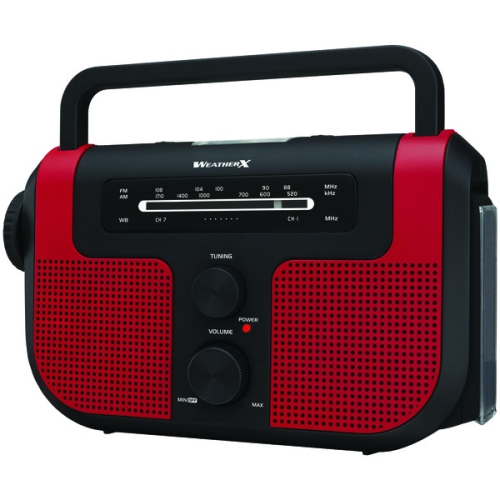 Your price for this item is $76.59
 -
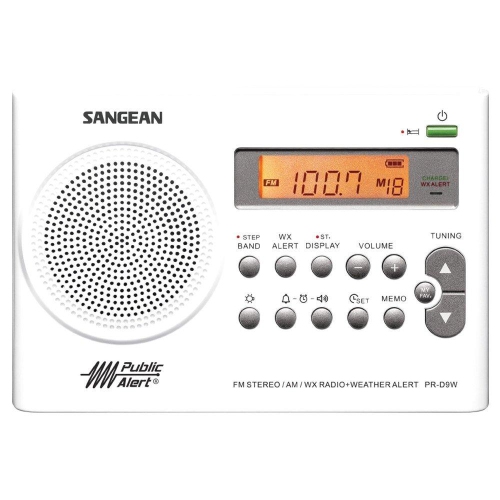 Your price for this item is $99.99
 -
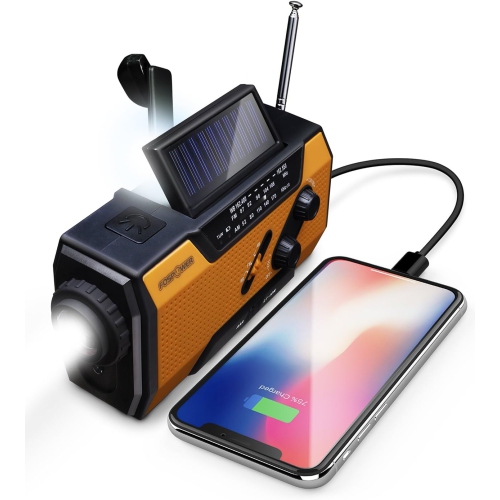 Your price for this item is $80.99
 -
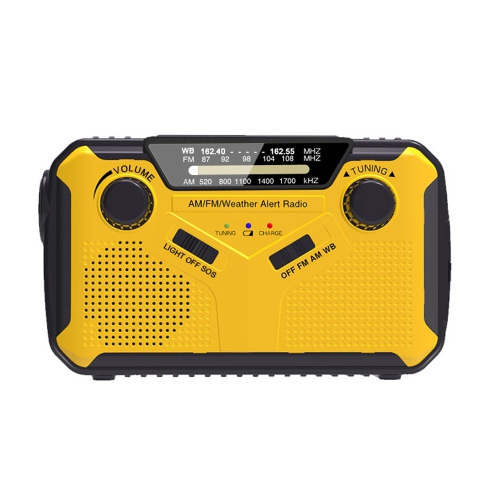 Your price for this item is $40.99
 -
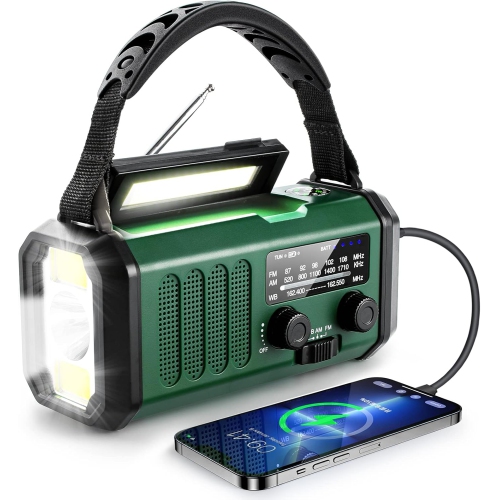 Your price for this item is $59.99
 -
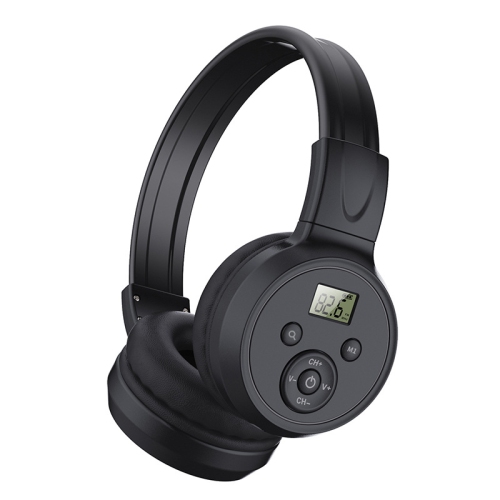 Your price for this item is $44.99
 -
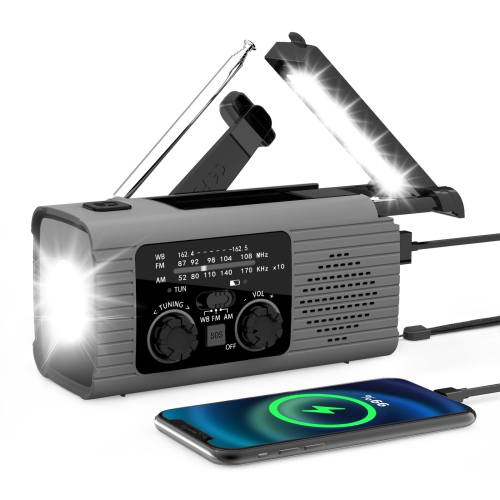 Your price for this item is $86.99
 -
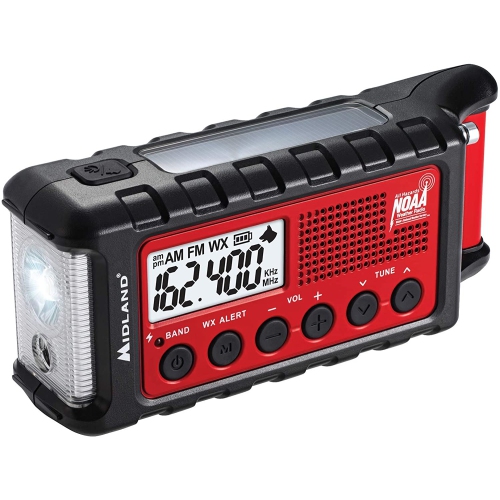 Your price for this item is $139.95
Discover more categories related to Emergency Supplies


Top Collections:
Pokemon Centers, Kindle Devices, Best Budget Office Chairs, Canon G7X Cameras, Apple iPhones 16, Samsung Galaxy Phones, Refurbished Apple Laptops, Laptops for Students, iPhone 15 Apple, Budget Smartphones
Some products may be subject to Environmental Handling Fees
(EHF) depending on your province.
Learn more about EHFs.