Emergency Travel Kits
Planning a trip can be exciting, but unexpected situations can arise at any time. That's where emergency travel kits come into play. These essential companions are designed to provide peace of mind and ensure you're prepared for the unexpected while on the go. Whether you're embarking on a road trip, flying across the country, or simply exploring local attractions, having a well-equipped emergency travel kit can make all the difference. From first-aid essentials to handy multi-tools and more, these kits are tailored to help you navigate any unforeseen circumstances with confidence. Explore our selection and find the perfect kit to suit your travel needs.
Sort


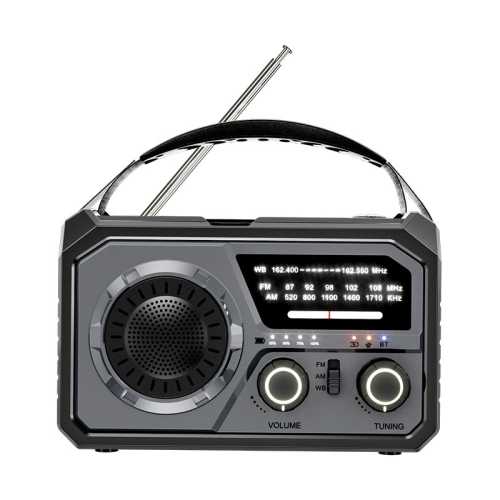

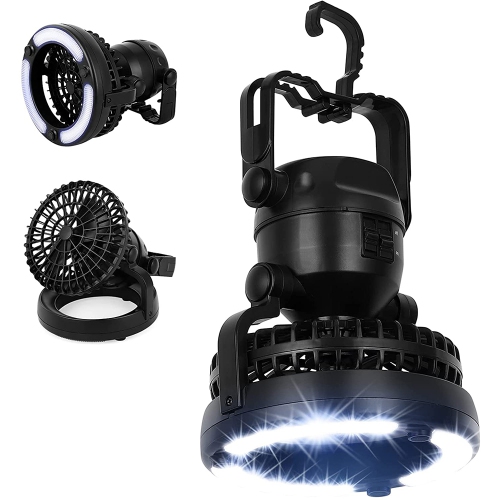
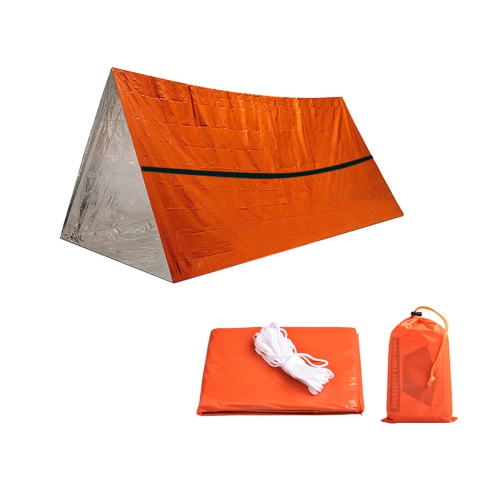
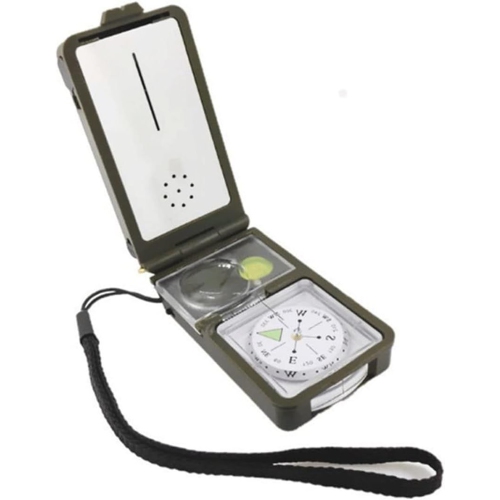
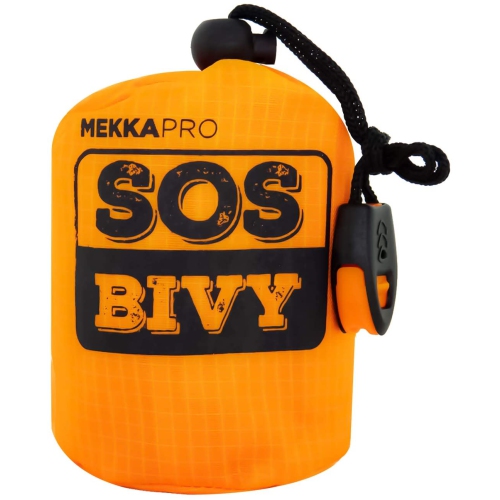
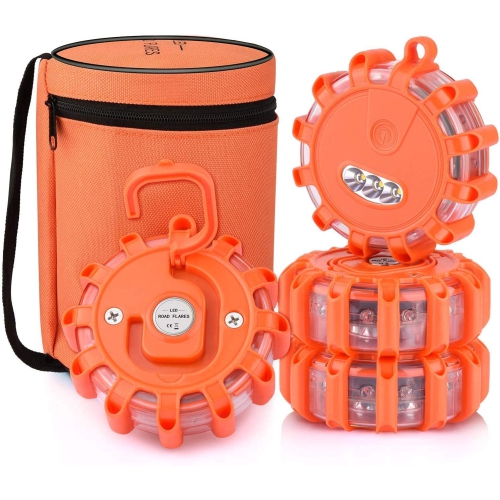
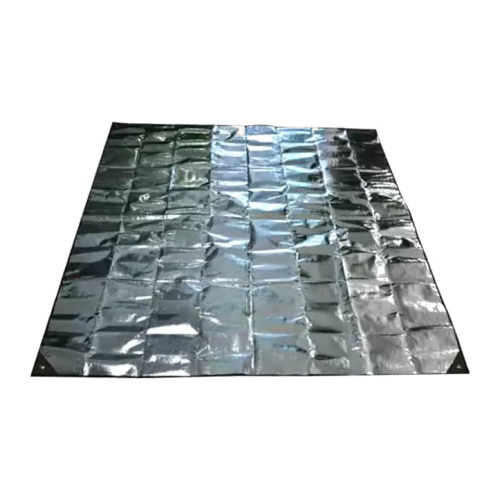
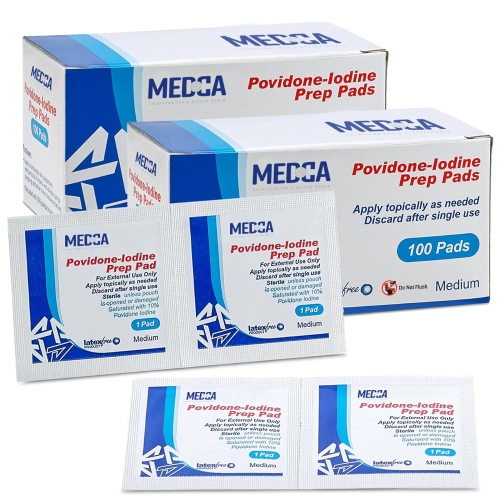

Practical essentials for unexpected delays, mishaps and changing conditions
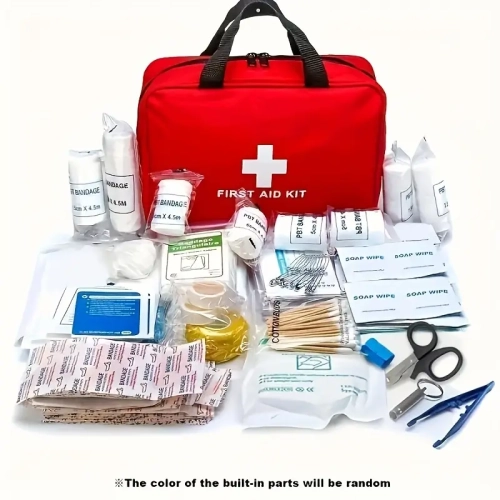
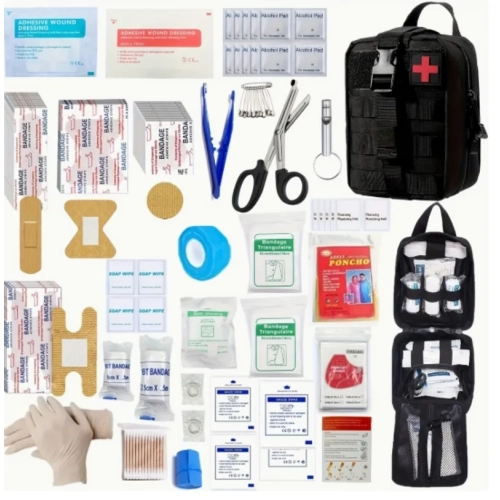
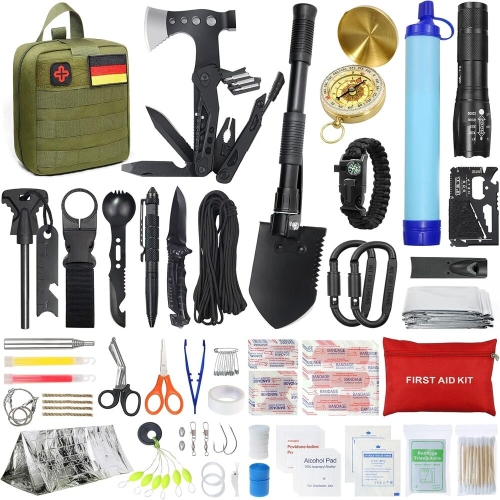
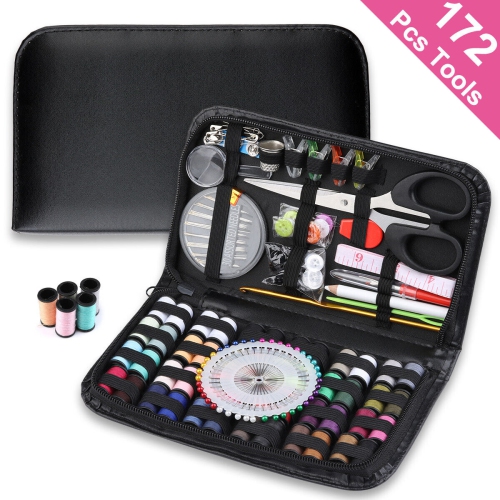
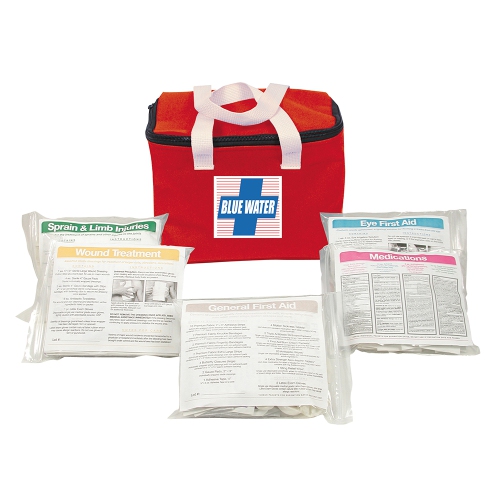
Emergency travel kits bring practical peace of mind to road trips, flights, camping excursions, family holidays and everyday journeys away from home. They are designed to keep useful essentials together when a minor mishap, unexpected delay or change in conditions makes a little preparation especially valuable. A compact kit may include assorted adhesive bandages for cuts and scrapes, sterile gauze pads and rolls for larger wounds, medical tape, safety pins, antiseptic wipes, antibiotic ointment and disposable nitrile gloves for basic wound care. Blister pads or moleskin can be particularly helpful after a long day of walking through a new city, while tweezers may come in handy for splinters, ticks or small stings. Add practical comfort items such as hand sanitizer containing at least 60% alcohol, tissues, a digital thermometer and a small pair of scissors. If you are flying, check airline and airport requirements before packing sharp items, as scissors and similar tools may need to travel in checked luggage. These kits can also be useful during unexpected delays, when a missed connection turns into a long wait or when a child gets a scraped knee at a roadside stop. Look for a case that closes securely, has clearly organized compartments and is easy to identify inside a backpack, suitcase or vehicle. A compact design is convenient for personal travel, while a larger kit may be better for families, groups or longer journeys. Waterproof or water-resistant storage can help protect supplies from rain, spilled drinks and damp luggage, and durable zippers are worthwhile when the kit will be opened frequently. It is also helpful to choose a kit with enough room for personal additions, since the needs of a solo traveller heading to a hotel differ from those of a family travelling with young children or someone spending several days outdoors.
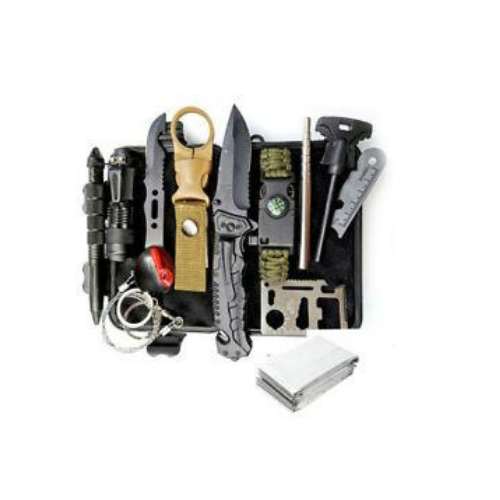
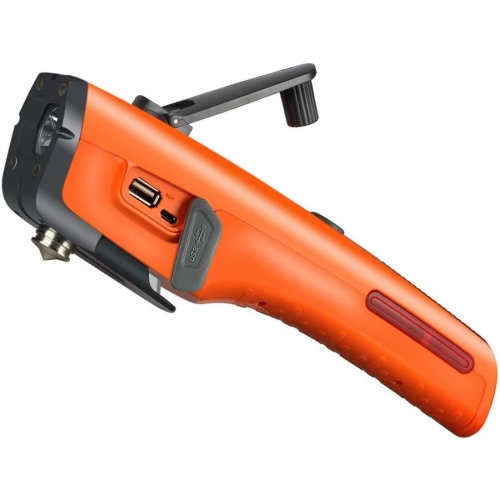
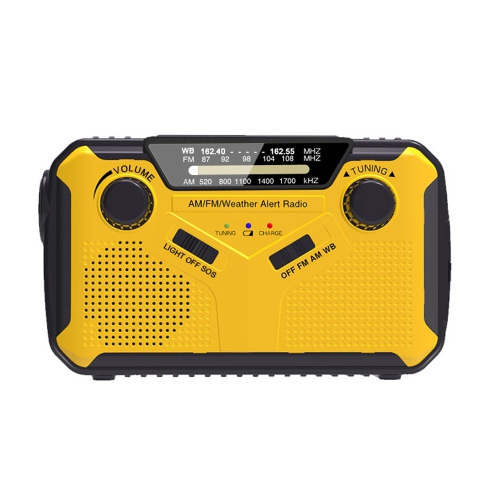
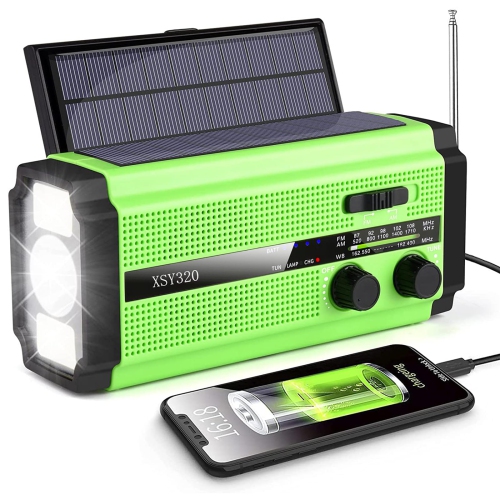
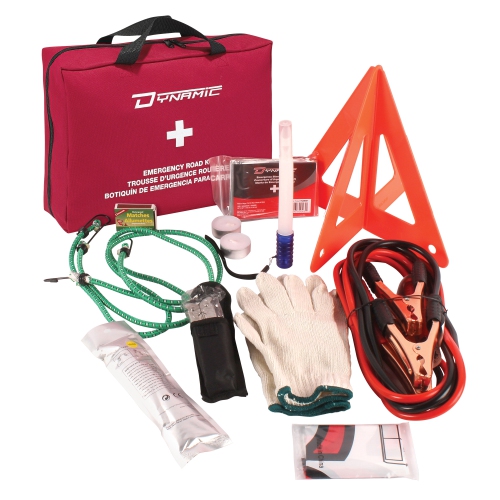
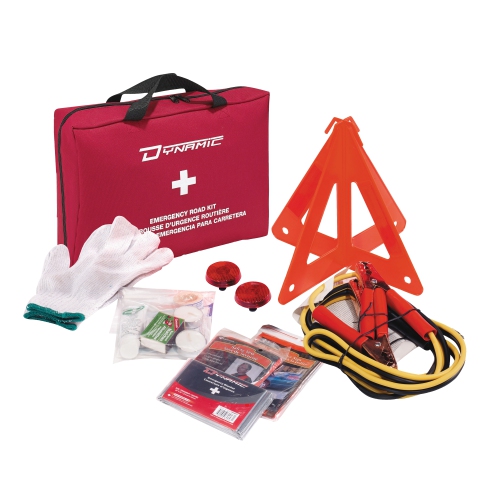
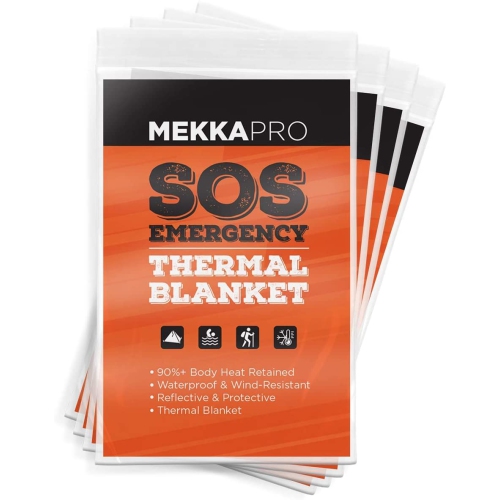
When building or choosing an emergency travel kit, consider the destination, length of the trip, number of travellers and likely activities rather than relying on a one-size-fits-all approach. A city break may call for blister care, pain relief, allergy medication and a thermometer, while a remote road trip may benefit from extra dressings, gloves, a blanket and more robust utility supplies. Pack regular prescription medications in their original labelled containers and bring enough for the journey, along with any necessary instructions or documentation. Non-prescription essentials can include pain relievers such as ibuprofen or acetaminophen, antihistamines for seasonal allergies, insect bites or mild allergic symptoms, antacids and stomach-relief products. Use medicines only as directed on the label, and take personal health conditions, allergies and age recommendations into account. Travellers with specific medical needs should speak with a health professional about what to carry, particularly when crossing borders or travelling with children. A small emergency blanket can provide extra warmth during an unexpected delay, roadside trouble or a cool evening outdoors, taking up very little room when folded. Utility tools, a flashlight, spare batteries, charging accessories and a whistle may also have a place in a travel emergency setup, depending on the type of trip and the space available. For vehicle-based travel, keeping a dedicated Emergency Car Care Kits kit separate from a personal first aid pouch makes it easier to find the right supplies without unpacking the rest of your luggage. Store the kit where it can be reached quickly, not buried beneath heavy bags, and let everyone travelling with you know where it is. Before leaving, check expiry dates, replace used bandages and medications, confirm that batteries still work and make sure essential items have not been damaged by heat, cold or moisture.
Emergency travel kits can be a thoughtful gift for a frequent flyer, new driver, student living away from home, outdoor enthusiast, parent or anyone preparing for a longer journey. They are especially practical for people who spend time on highways, visit cottages, attend sporting events or keep a travel bag ready for spontaneous getaways. A well-chosen kit does not need to be large to be useful; the best option is one that matches the person’s routine and can be carried without becoming a burden. For a commuter, a slim pouch with basic first aid items may fit neatly in a work bag. For a family, look for generous storage and a clear layout that makes supplies easy to identify when everyone is tired or distracted. For hikers and campers, lightweight construction and weather-resistant storage may matter more than a broad selection of contents. Frequent travellers may appreciate a kit that can move easily between carry-on bags, luggage and a vehicle, while occasional travellers may prefer a pre-assembled option that reduces the effort of planning. Keep in mind that an emergency kit supports basic first aid and convenience; it does not replace professional medical care. Seek appropriate help for serious injuries, severe allergic reactions, breathing difficulties, suspected poisoning, high fever or any condition that feels urgent. During the cooler months, changing weather can bring wet roads, chilly waits and unexpected disruptions, making it sensible to review travel supplies before setting out. With the right combination of first aid materials, personal medication, hygiene items, warmth and simple utility tools, an emergency travel kit can turn a stressful interruption into a more manageable part of the journey.
When building or choosing an emergency travel kit, consider the destination, length of the trip, number of travellers and likely activities rather than relying on a one-size-fits-all approach. A city break may call for blister care, pain relief, allergy medication and a thermometer, while a remote road trip may benefit from extra dressings, gloves, a blanket and more robust utility supplies. Pack regular prescription medications in their original labelled containers and bring enough for the journey, along with any necessary instructions or documentation. Non-prescription essentials can include pain relievers such as ibuprofen or acetaminophen, antihistamines for seasonal allergies, insect bites or mild allergic symptoms, antacids and stomach-relief products. Use medicines only as directed on the label, and take personal health conditions, allergies and age recommendations into account. Travellers with specific medical needs should speak with a health professional about what to carry, particularly when crossing borders or travelling with children. A small emergency blanket can provide extra warmth during an unexpected delay, roadside trouble or a cool evening outdoors, taking up very little room when folded. Utility tools, a flashlight, spare batteries, charging accessories and a whistle may also have a place in a travel emergency setup, depending on the type of trip and the space available. For vehicle-based travel, keeping a dedicated Emergency Car Care Kits kit separate from a personal first aid pouch makes it easier to find the right supplies without unpacking the rest of your luggage. Store the kit where it can be reached quickly, not buried beneath heavy bags, and let everyone travelling with you know where it is. Before leaving, check expiry dates, replace used bandages and medications, confirm that batteries still work and make sure essential items have not been damaged by heat, cold or moisture.
Emergency travel kits can be a thoughtful gift for a frequent flyer, new driver, student living away from home, outdoor enthusiast, parent or anyone preparing for a longer journey. They are especially practical for people who spend time on highways, visit cottages, attend sporting events or keep a travel bag ready for spontaneous getaways. A well-chosen kit does not need to be large to be useful; the best option is one that matches the person’s routine and can be carried without becoming a burden. For a commuter, a slim pouch with basic first aid items may fit neatly in a work bag. For a family, look for generous storage and a clear layout that makes supplies easy to identify when everyone is tired or distracted. For hikers and campers, lightweight construction and weather-resistant storage may matter more than a broad selection of contents. Frequent travellers may appreciate a kit that can move easily between carry-on bags, luggage and a vehicle, while occasional travellers may prefer a pre-assembled option that reduces the effort of planning. Keep in mind that an emergency kit supports basic first aid and convenience; it does not replace professional medical care. Seek appropriate help for serious injuries, severe allergic reactions, breathing difficulties, suspected poisoning, high fever or any condition that feels urgent. During the cooler months, changing weather can bring wet roads, chilly waits and unexpected disruptions, making it sensible to review travel supplies before setting out. With the right combination of first aid materials, personal medication, hygiene items, warmth and simple utility tools, an emergency travel kit can turn a stressful interruption into a more manageable part of the journey.
Top selling and popular products
-
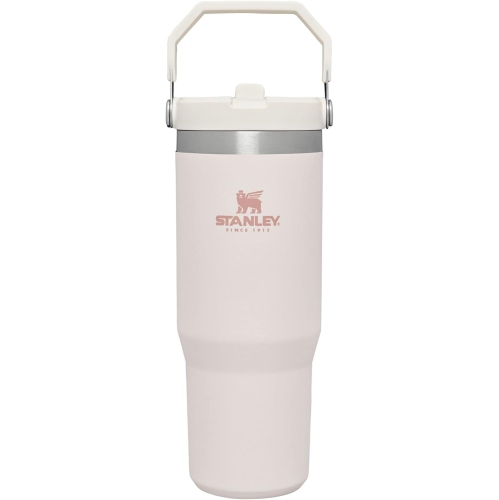 Your price for this item is $49.89
 -
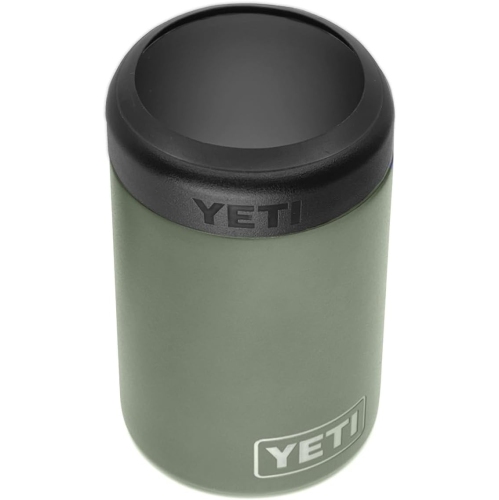 Your price for this item is $64.99
 -
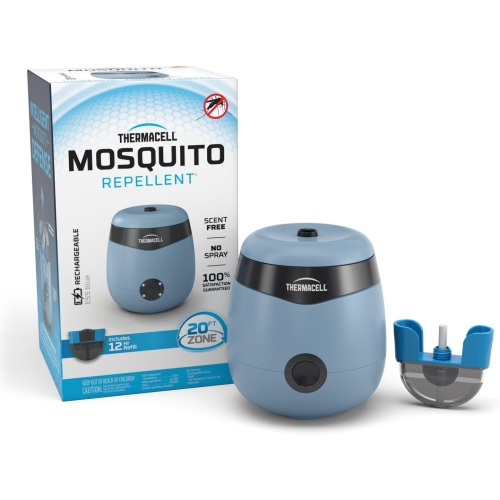 Your price for this item is $109.99
 -
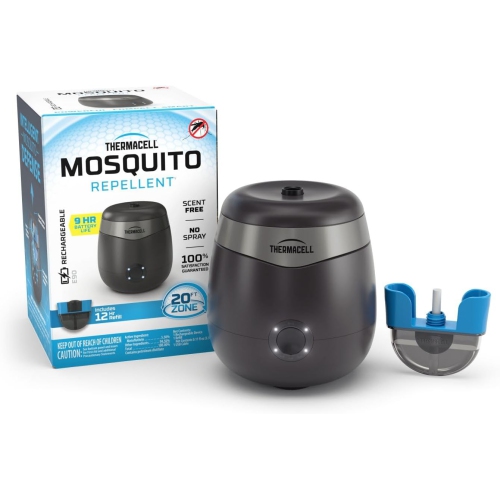 Your price for this item is $87.99
 -
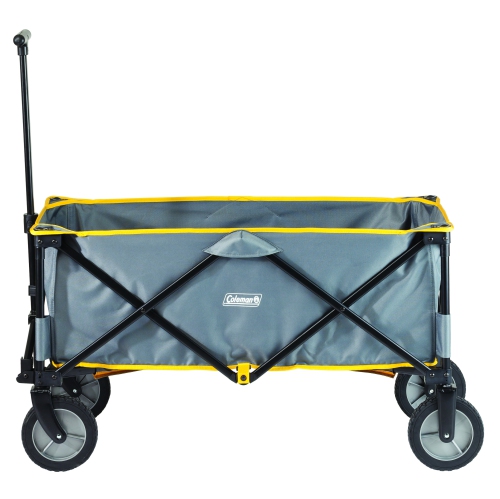 Your price for this item is $199
 -
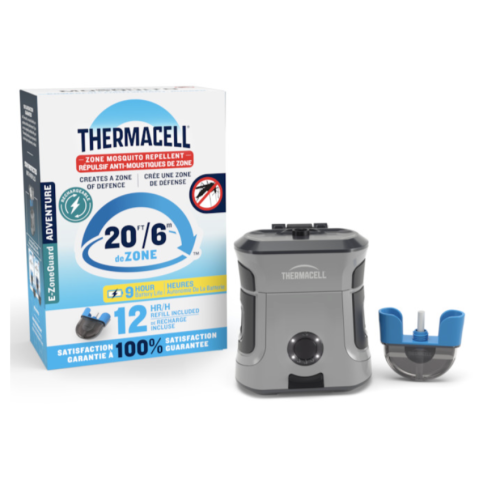 Your price for this item is $64.99
 -
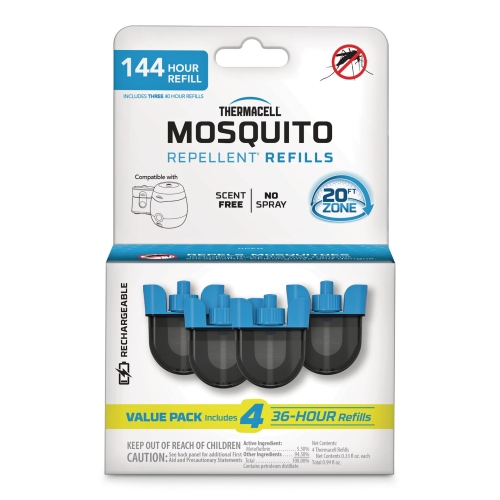 Your price for this item is $69
 -
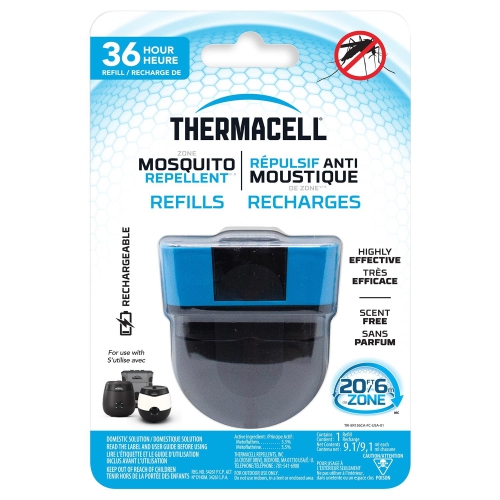 Your price for this item is $34.99
Discover more categories related to Emergency Travel Kits
Top Collections:
Pokemon Centers, Kindle Devices, Best Budget Office Chairs, Apple iPhones 16, Best Laptops for Writers, iPhone 15 Apple, Canon G7X Cameras, Refurbished Apple Laptops, Alarm Clock, Motorola Razr Phones
Some products may be subject to Environmental Handling Fees
(EHF) depending on your province.
Learn more about EHFs.