Emergency Kit Essentials
Be prepared for the unexpected with emergency kit essentials designed to help you stay ready in any situation. From power outages to outdoor adventures, having the right supplies on hand can make all the difference. Explore a wide selection of emergency kit essentials that offer peace of mind and convenience when you need it most. Find everything you need to build or update your kit so you can handle emergencies confidently and efficiently.
Sort
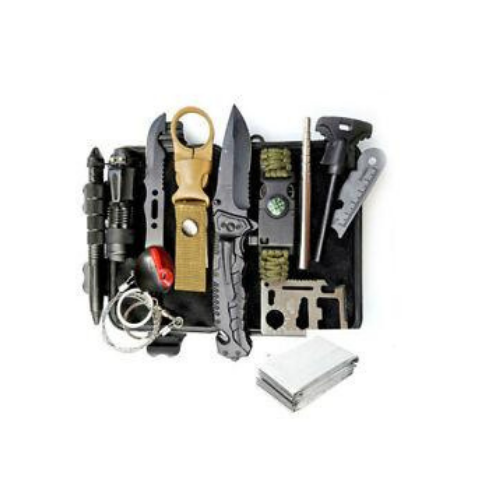

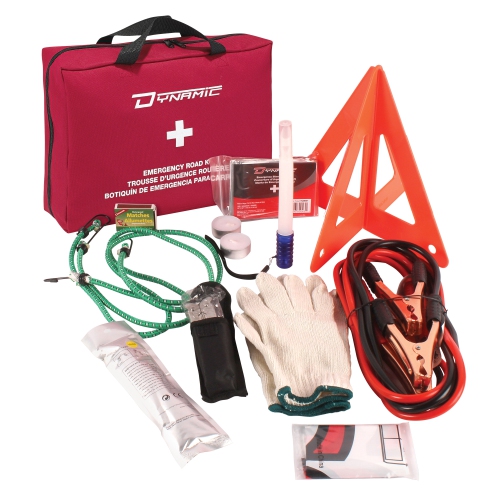
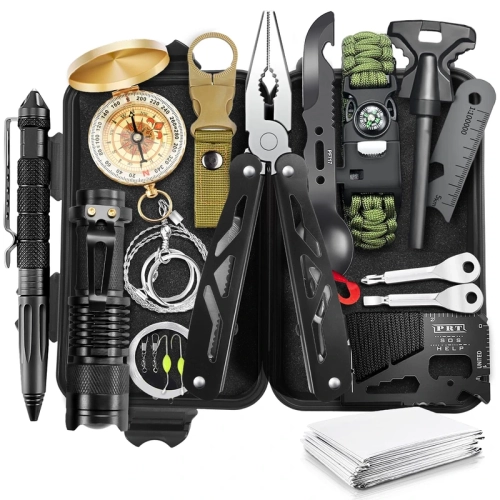
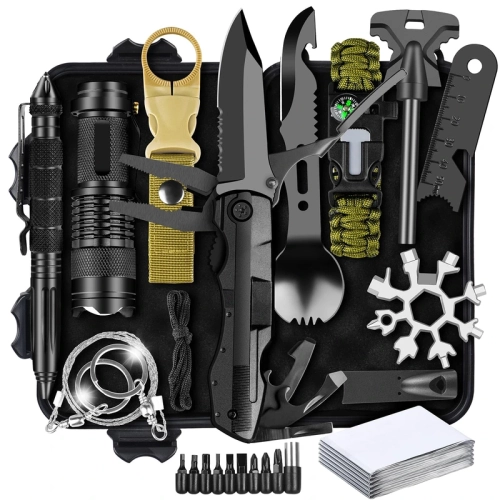
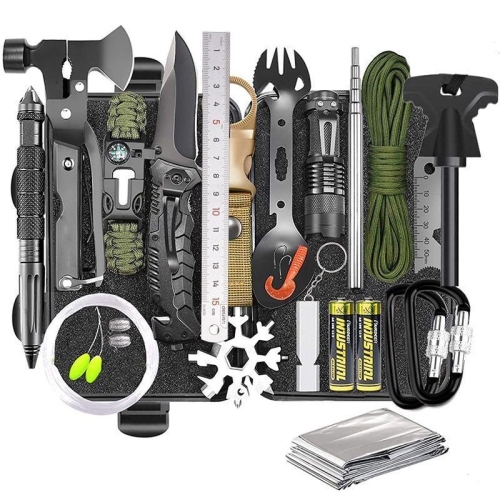
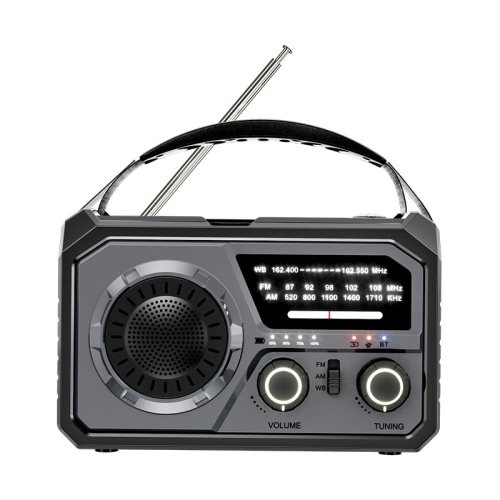
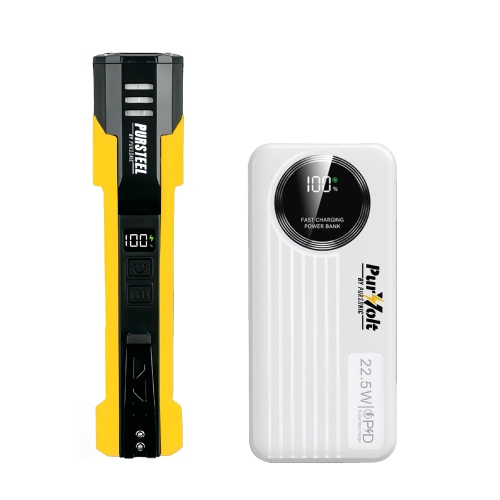

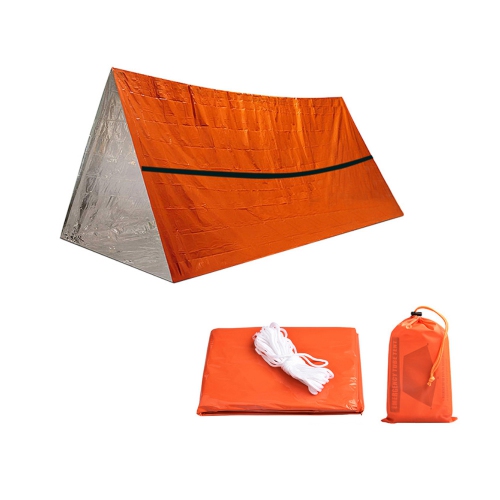
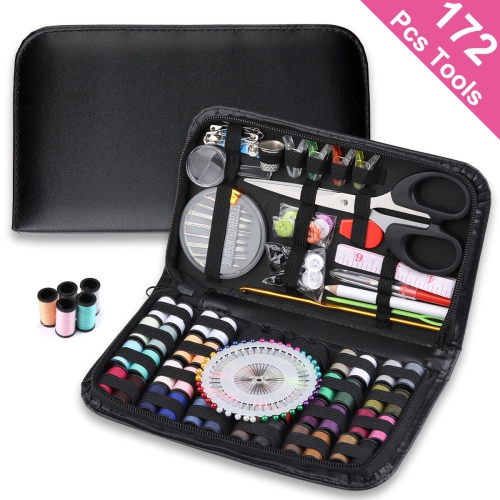
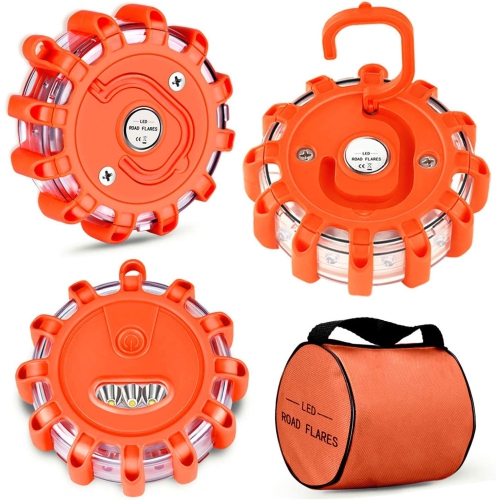
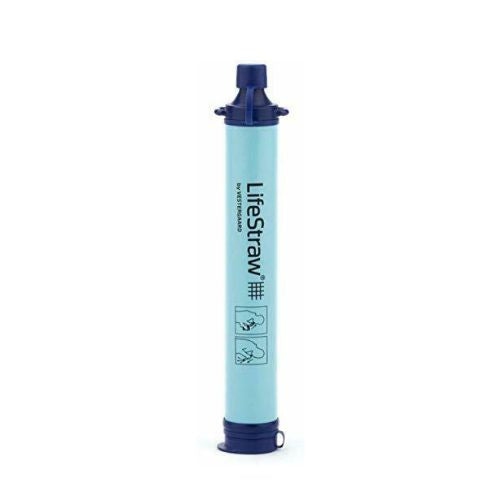
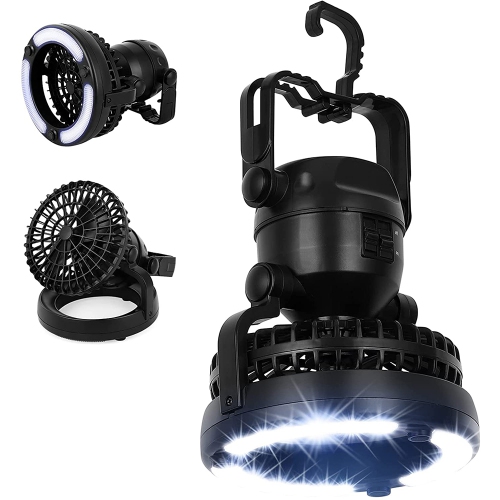


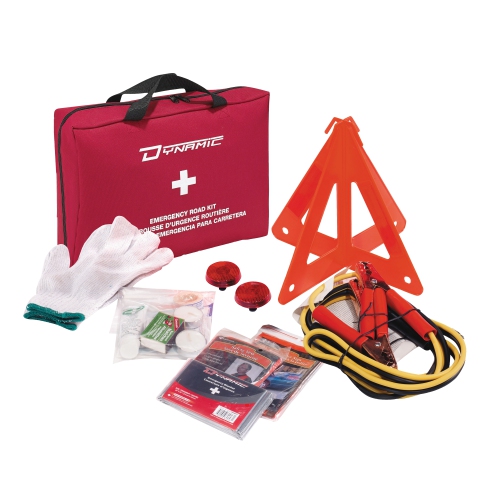

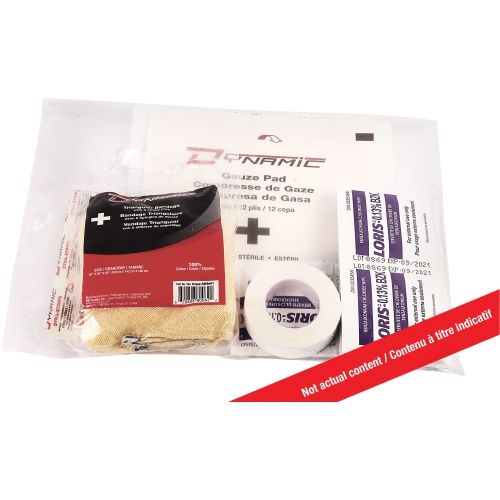
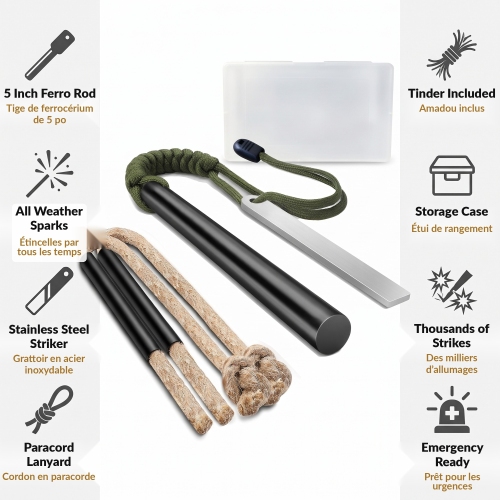
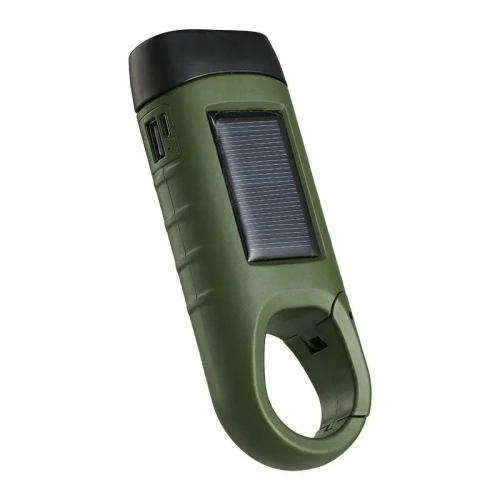
What your household needs for the first 72 hours
Emergency kit essentials are supplies that support basic needs for at least 72 hours when regular services are disrupted or an evacuation becomes necessary. A household kit typically includes drinking water, non-perishable food, portable lighting, first aid supplies, hygiene basics, backup power and a way to receive emergency information. The right combination depends on how many people it serves, their individual needs and whether the supplies will stay at home or need to be carried. Canadian preparedness guidance commonly starts with at least two litres of drinking water per person per day, plus additional water for food preparation and hygiene. For one person, that means at least six litres of drinking water over three days before other water needs are included. Water adds considerable weight, so household storage and a portable evacuation bag serve different purposes and may need different arrangements. Food choices are most practical when they require little preparation, suit dietary restrictions and can be opened without relying on powered appliances. Familiar foods can also make a disruption less unsettling for children or people with limited appetites. Packaging matters: secure closures, clear expiry information and portions that do not leave large amounts of opened food help make supplies easier to manage. Food-safe water containers should be suitable for drinking-water storage, with lids or caps that remain secure during handling. Wide openings can make reusable containers easier to clean, while manageable sizes may be more comfortable to lift than a single large container. The overall capacity needs to account for everyone in the household, including visitors who regularly stay overnight and pets with their own food and water requirements. A ready-packed kit offers convenience, but its contents and stated number of users matter more than the number of pieces advertised. A high piece count does not necessarily mean that drinking water, food or personal necessities are covered adequately.
Lighting, communication and backup power help keep an emergency kit useful when familiar routines are interrupted. Portable lighting is easier to handle when controls are simple to locate by touch, the grip feels secure and the design can stand steadily or leave hands free. Runtime and brightness describe different aspects of performance: a very bright setting may use power faster, while a lower setting may be sufficient for moving around a room or finding supplies. Battery type, charging requirements and the possibility of accidental activation during storage are also useful considerations. Backup power needs to match the devices it is intended to support, including their connectors and charging requirements. Capacity figures alone do not establish how many full charges a phone will receive, since device size and power conversion affect the result. A battery-powered or hand-crank radio can provide another way to receive updates when internet access is interrupted, although reception and broadcast coverage vary by location. First aid supplies serve a different role, supporting basic care for minor injuries rather than replacing medical attention or training. Clearly organized compartments and labelled contents make it easier to find what is needed without emptying the entire bag. Individually sealed materials help protect contents during storage, while expiry dates and damaged packaging indicate when replacements may be needed. Household members with allergies or sensitive skin may need particular materials, and disposable supplies should be suitable for their intended use. Personal medication needs, prescription information and medically necessary equipment require separate attention because a general-purpose kit may not address them. Hygiene supplies are also more useful when they reflect the household rather than a generic packing list, especially where infant care, menstrual care or assistance with daily routines is involved. Protected copies of important documents and written emergency contacts can support communication if a phone cannot be used. Sensitive information benefits from a closed, water-resistant compartment, while medicines and potentially harmful contents need storage that limits access by children.
The bag or container holding emergency supplies affects how easily those supplies can be carried, stored and found. Durable woven fabrics, reinforced seams and sturdy handles are useful for bags that may be lifted repeatedly, while rigid containers can help organize a larger household supply in a designated space. Water-resistant construction can offer some protection from spills or incidental splashes, but it is not the same as a waterproof rating. Zippers, seams and closures all influence how well contents remain protected. A wide opening makes a practical difference when someone needs to locate a small pouch without unpacking everything onto the floor. Separate compartments can keep food, personal care supplies and paperwork organized, with frequently needed contents within easy reach. For a carried kit, adjustable straps and a comfortable fit matter as much as empty bag weight; the meaningful test is how manageable the bag feels once packed. A shared household kit may also need smaller personal bags so that one person is not responsible for carrying every essential. Older adults, people with limited grip strength and anyone using a mobility aid may benefit from lighter loads and closures that are easier to operate. For time away from home, Emergency Travel Kits bring portability into focus, with carrying comfort and accessible storage particularly relevant to trips and transit. Travel-focused supplies complement rather than automatically replace a household kit. Emergency preparedness supplies can also make a thoughtful, practical gift for someone moving into a first apartment, starting post-secondary studies or setting up a shared home, especially when personal needs remain part of the selection. Long-term usefulness depends on care as well as construction. Following cleaning instructions, checking closures and packaging, reviewing expiry dates and maintaining rechargeable components according to their instructions help keep a kit ready for its intended role. Clear organization and a familiar storage location make that preparation easier to maintain.
Top selling and popular products
-
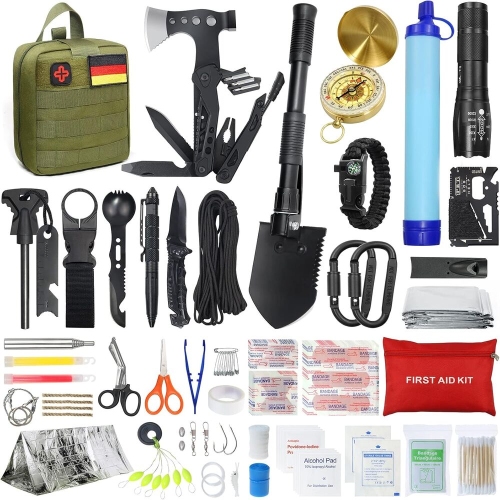 Your price for this item is $123.88
-
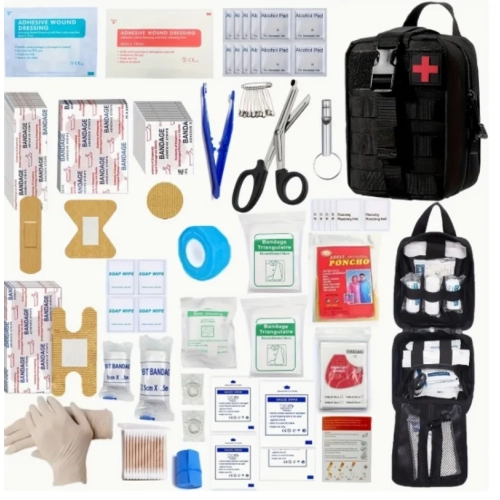 Your price for this item is $39.99
-
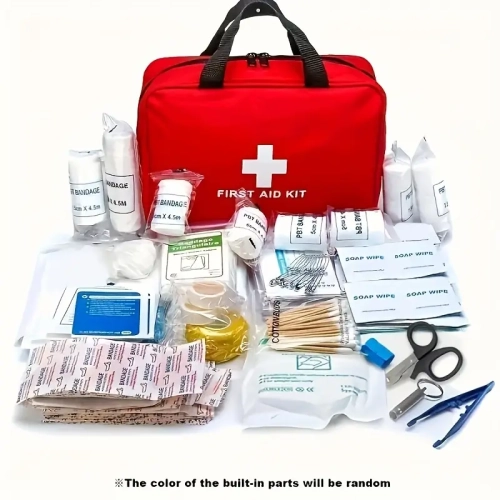 Your price for this item is $39.99
-
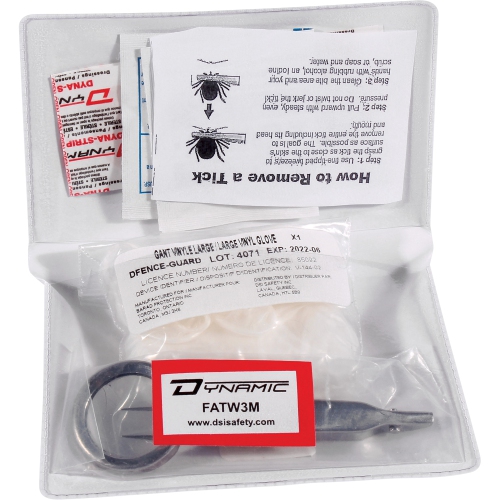 Your price for this item is $84.95
-
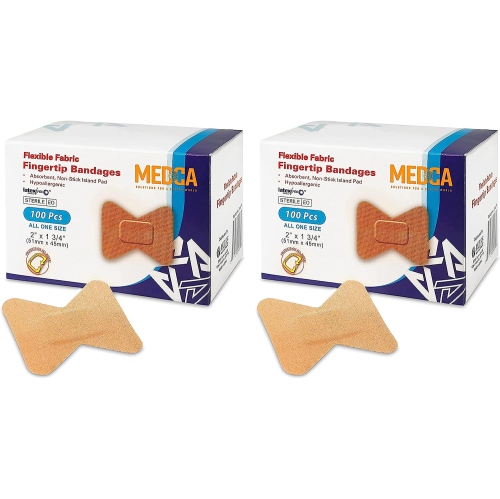 Your price for this item is $29.99
-
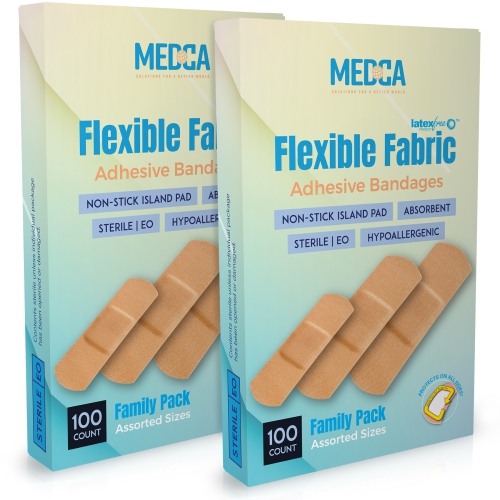 Your price for this item is $22.99
-
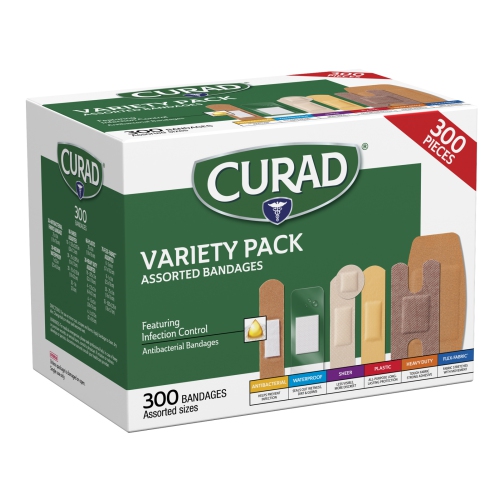 Your price for this item is $41.79
-
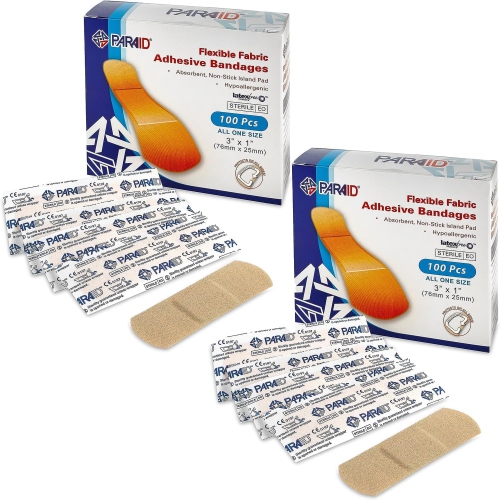 Your price for this item is $35.17
Discover more categories related to Emergency Kit Essentials

Top Collections:
Best Black Friday Deals This Year, Best Black Friday Deals On Electronics, Kindle Devices, Best Black Friday Deals On Apple Products, Best Budget Office Chairs, Best Cameras for Sports Photography, Dyson Airwrap, Canon G7X Cameras, Best Laptops for Writers, Samsung Galaxy Phones
Some products may be subject to Environmental Handling Fees
(EHF) depending on your province.
Learn more about EHFs.