Family Camping Essentials
Gear up for your next outdoor adventure with our curated selection of family camping essentials. From durable tents to cozy sleeping bags, and all the must-have gear in between, we have everything you need to make your camping trip a memorable experience for the whole family. Explore our collection of top-quality camping equipment and accessories that will keep you comfortable, safe, and prepared for the great outdoors.
Sort
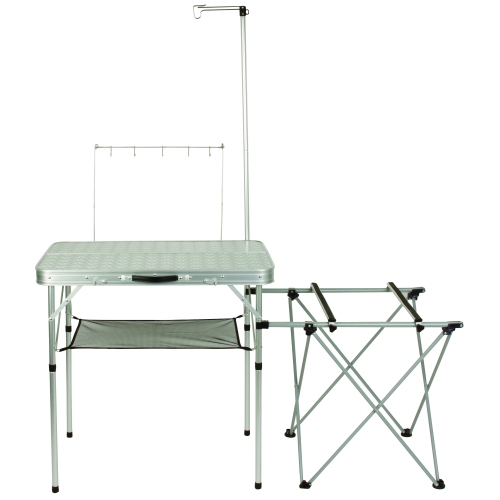
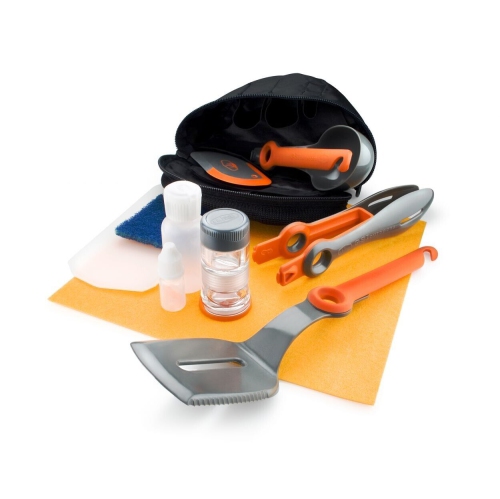

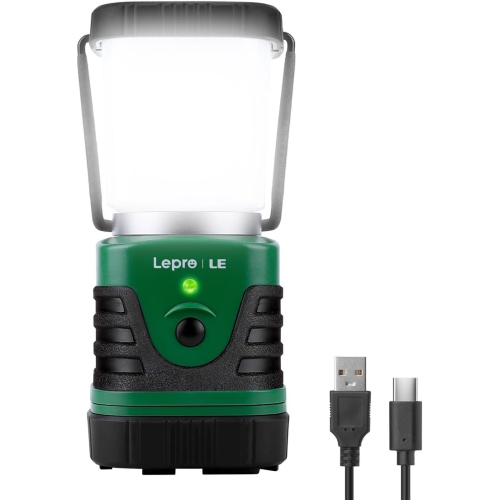
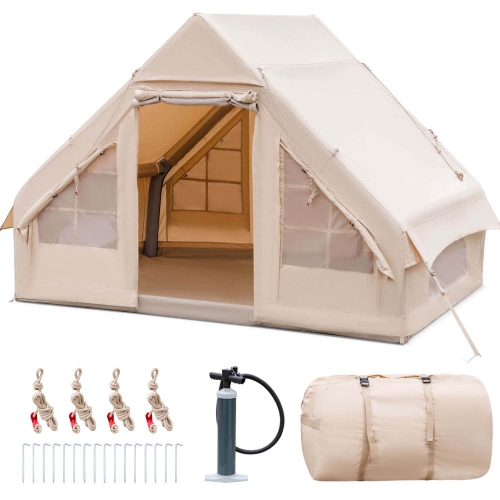
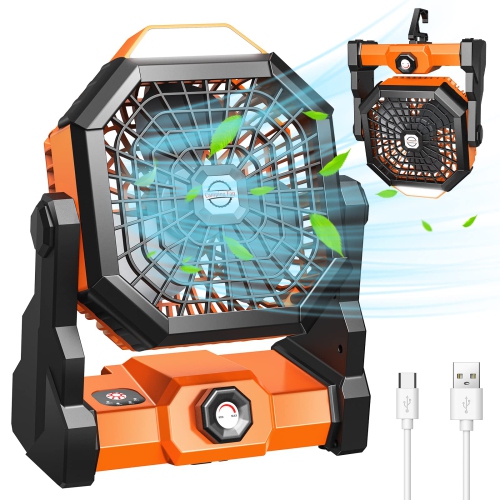
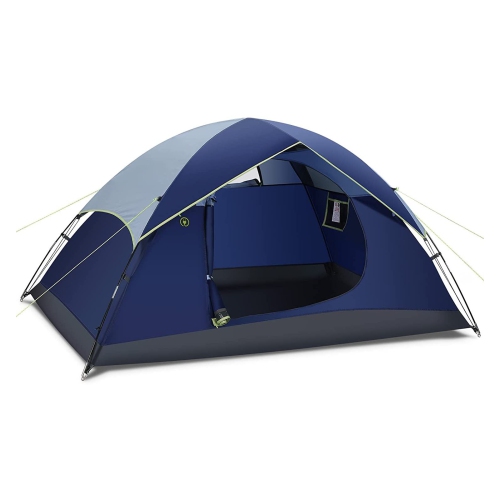


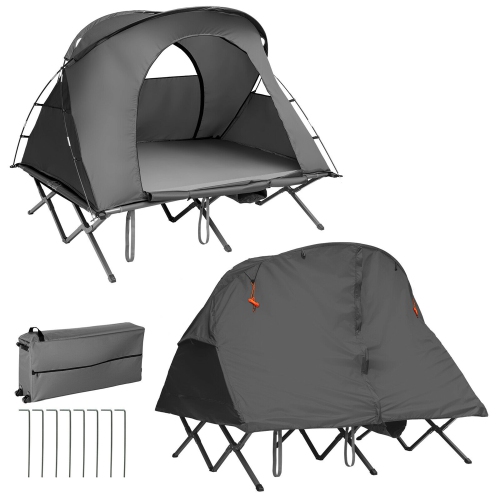
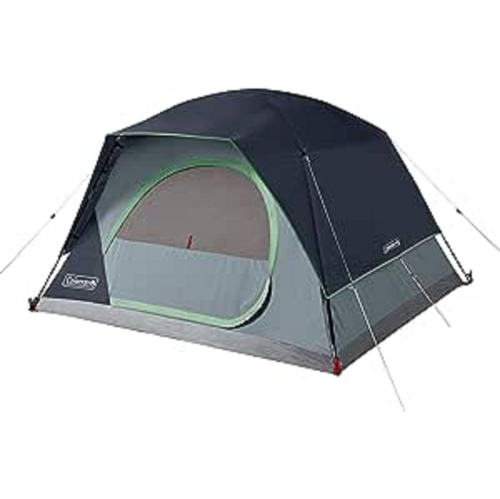

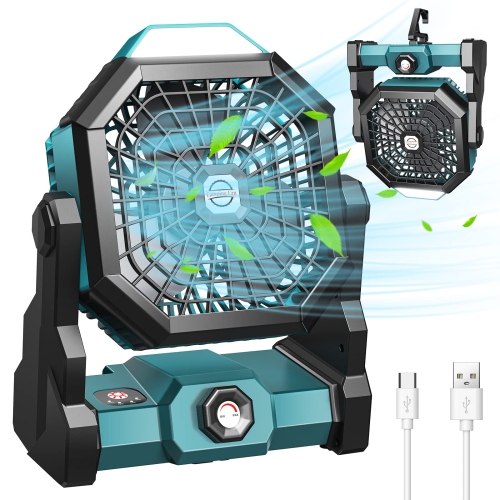
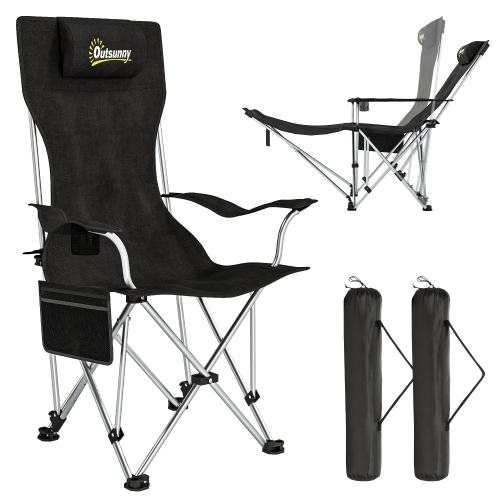
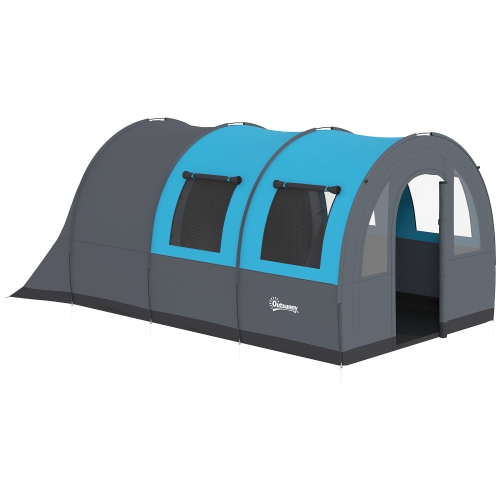
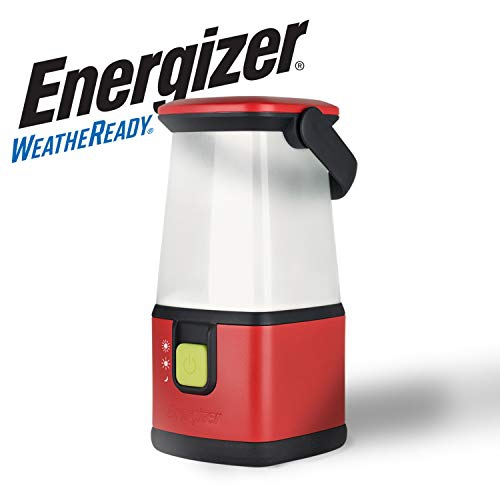
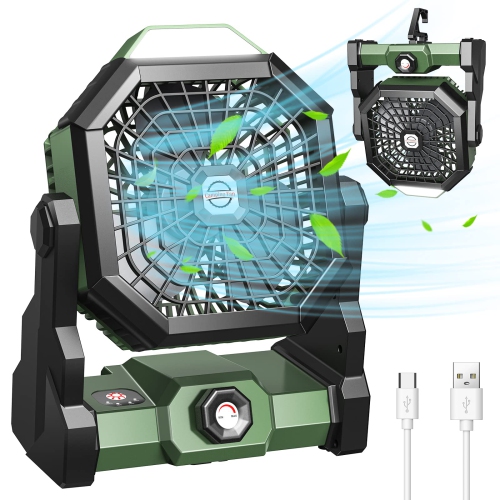
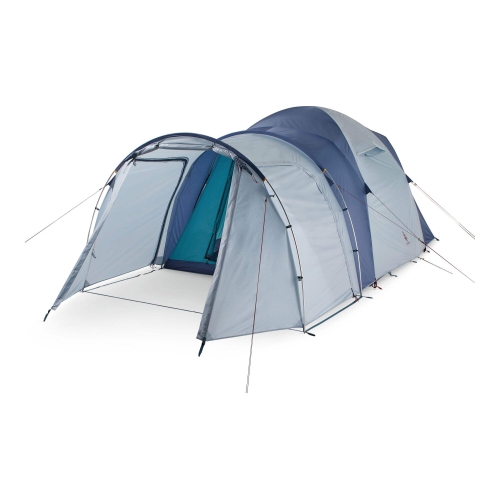
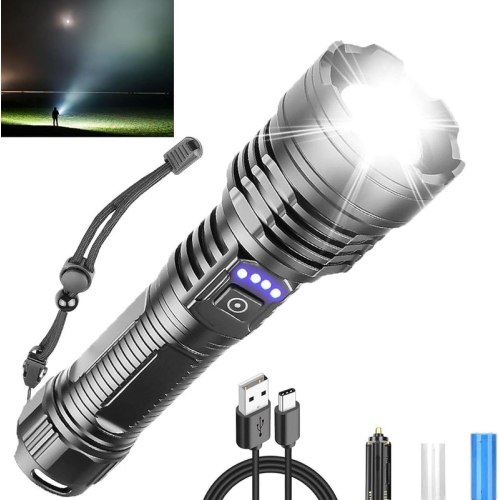
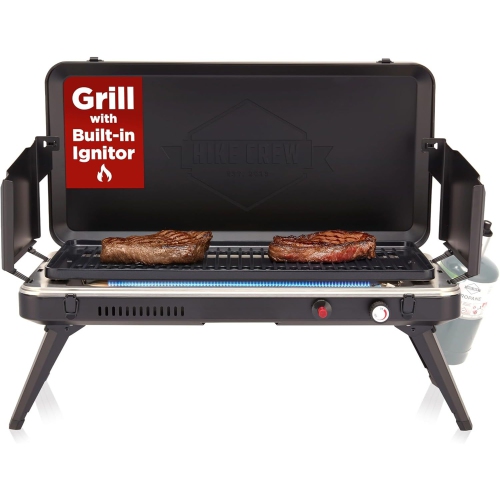
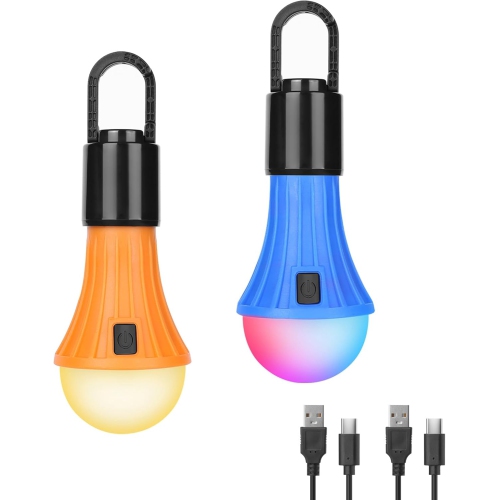
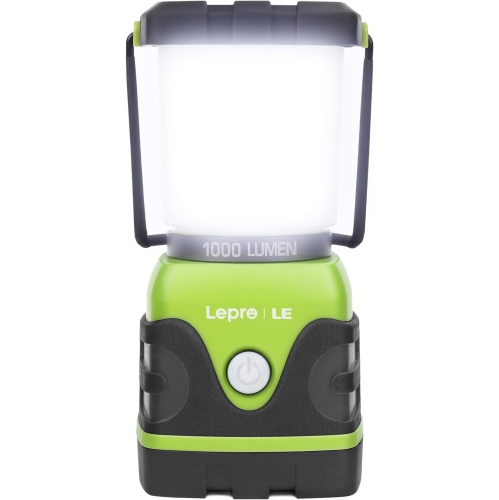
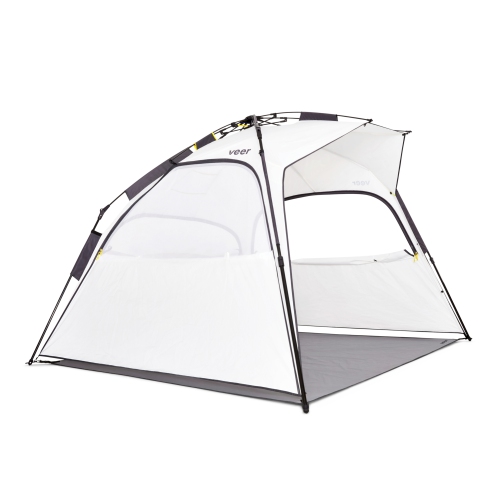
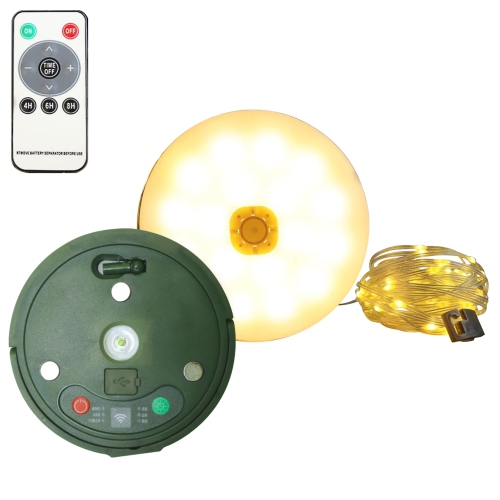
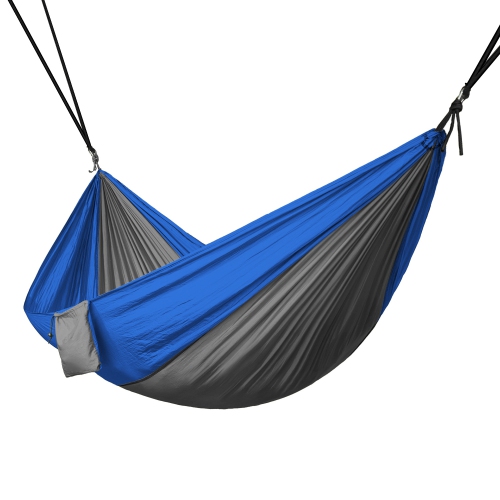

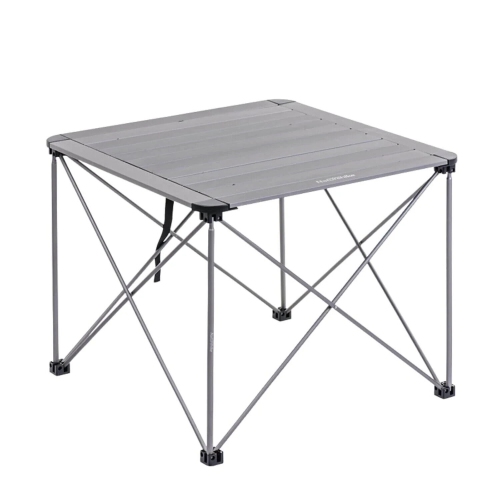
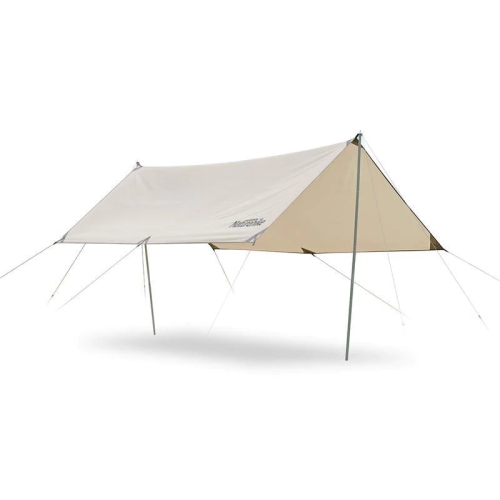
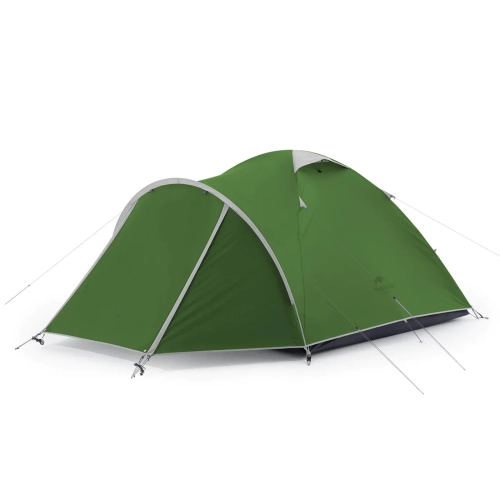
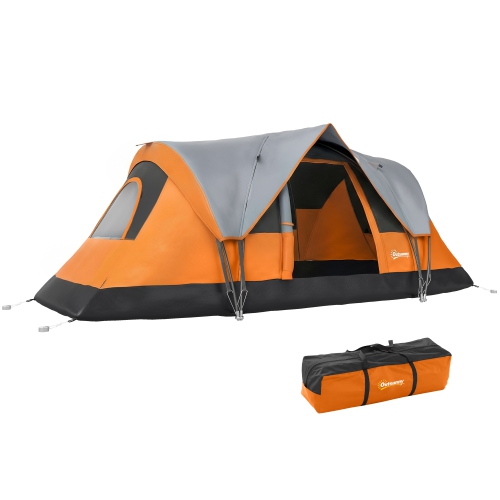
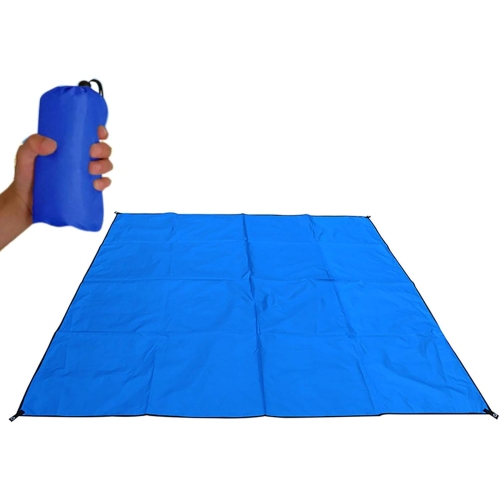
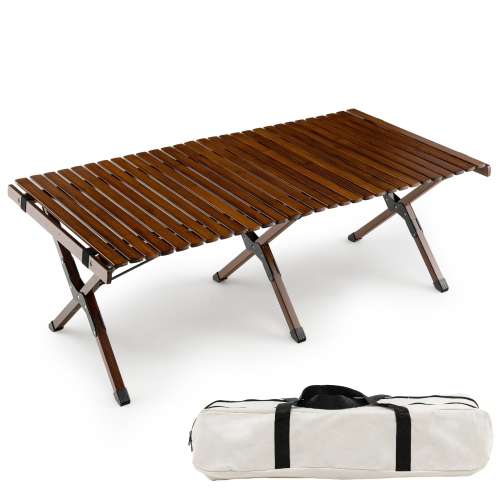
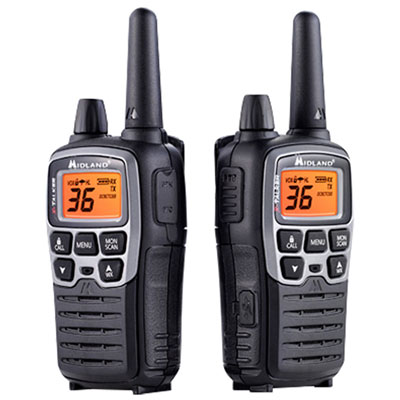
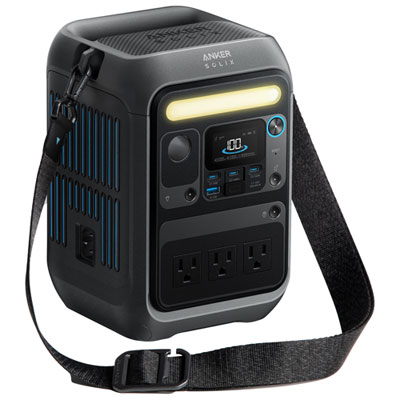
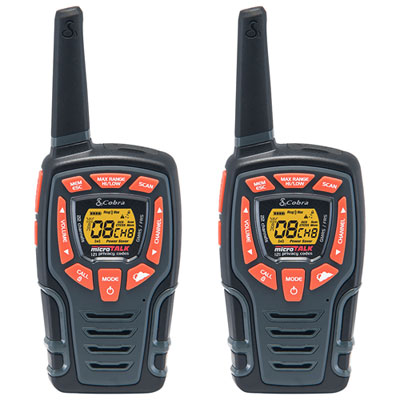
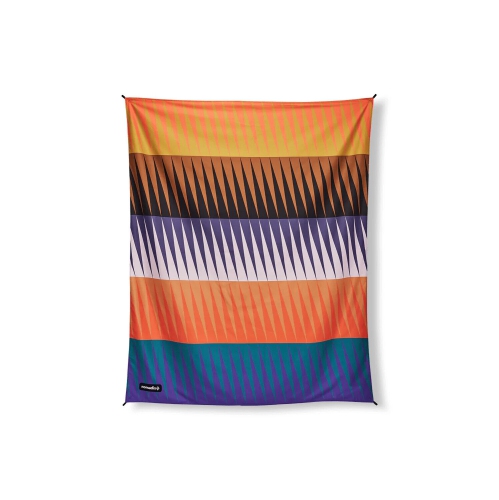
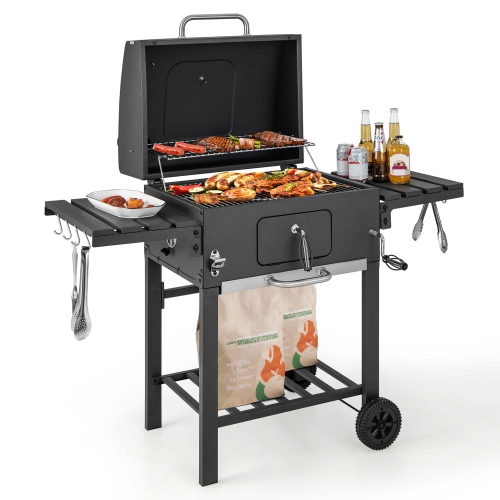
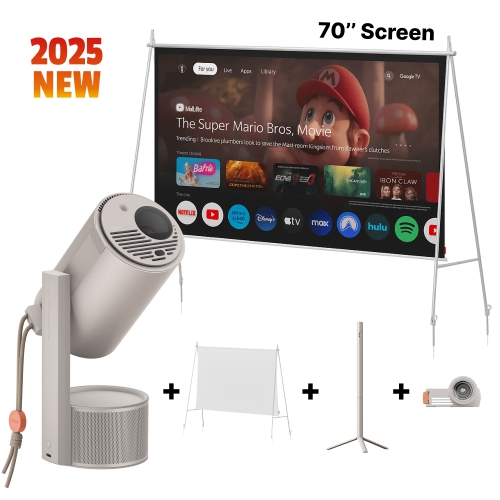
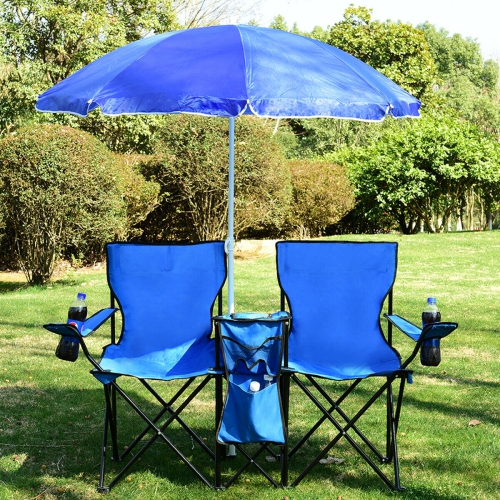
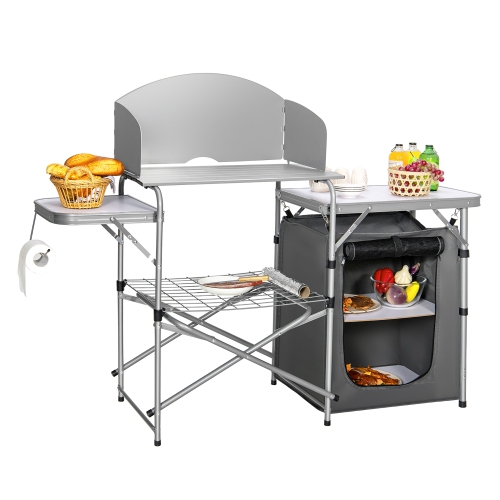
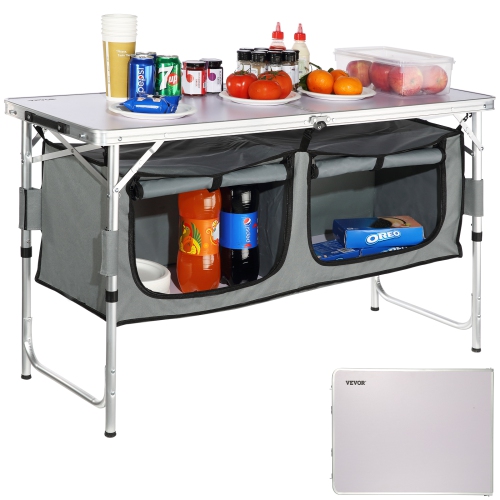
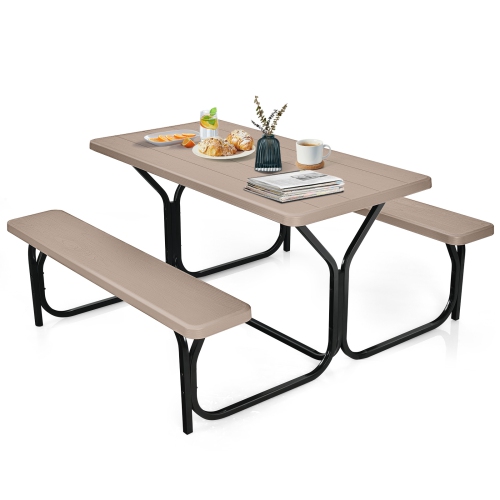
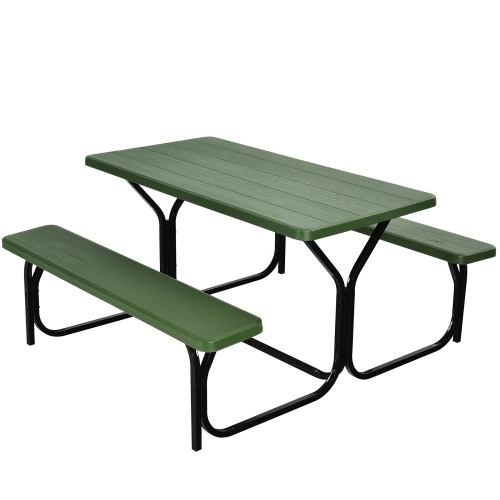
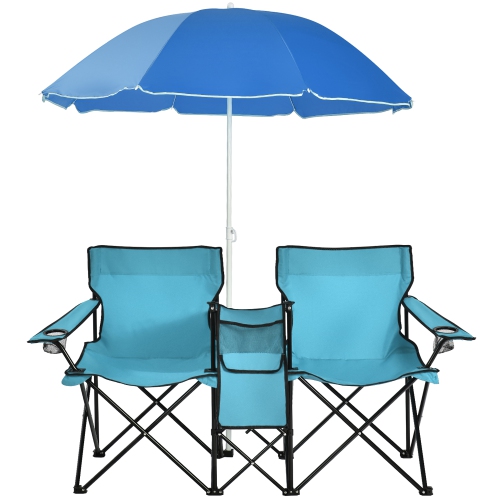
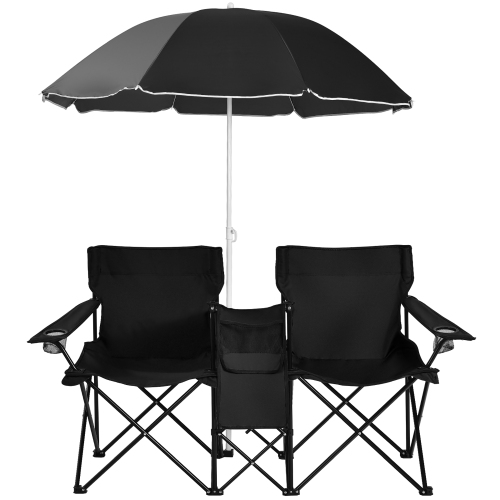
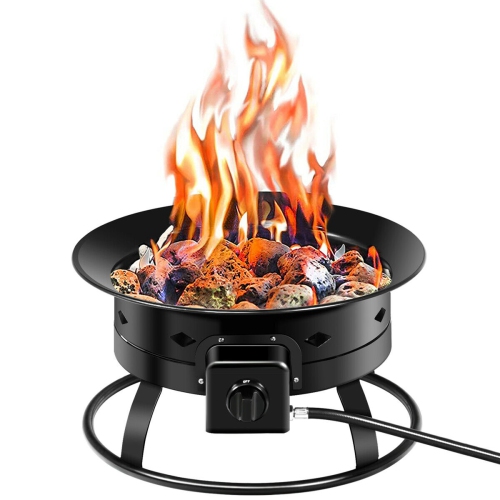
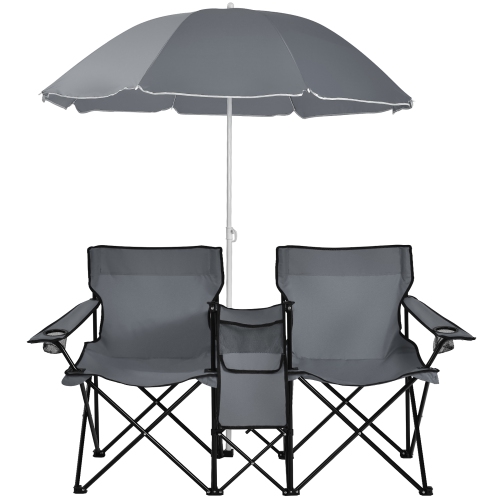
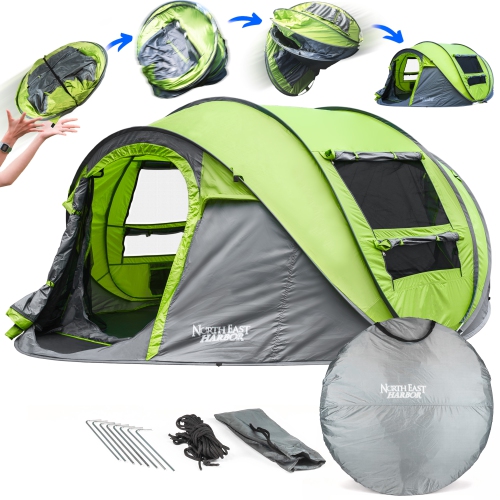
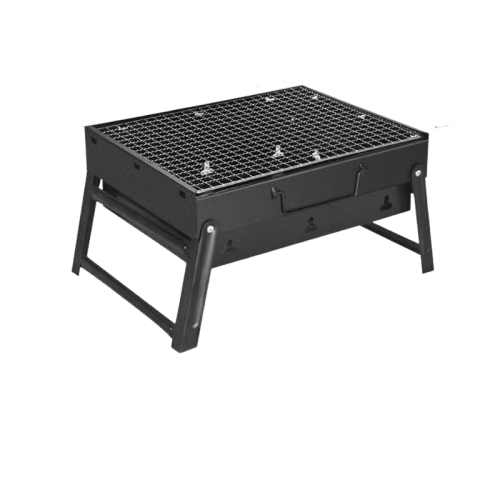
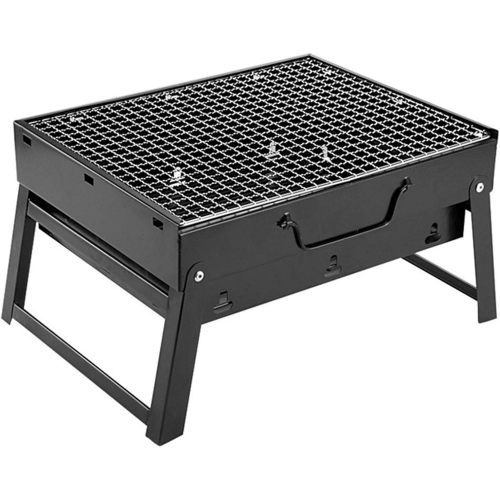
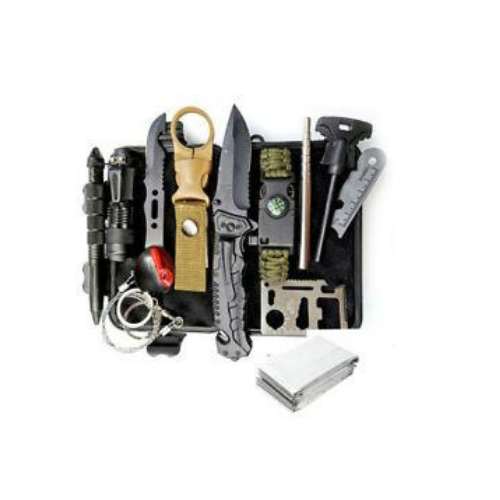
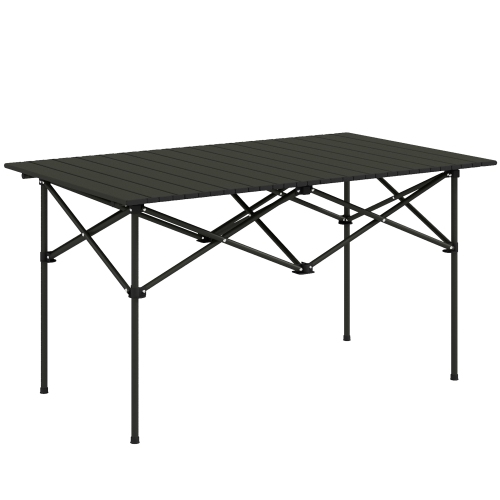
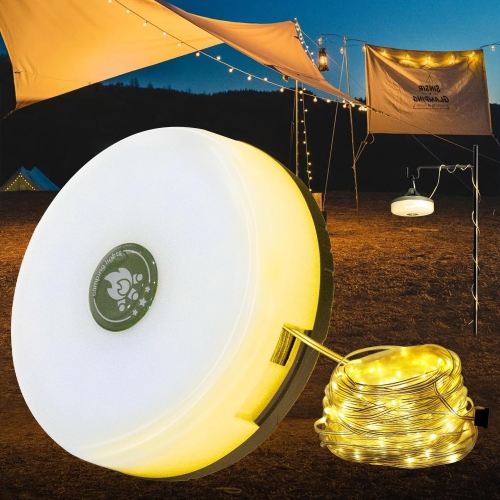
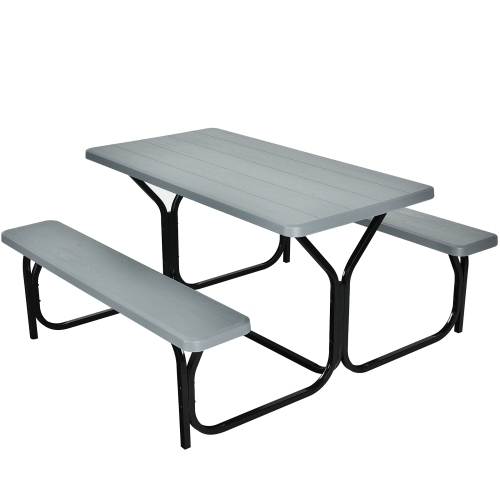
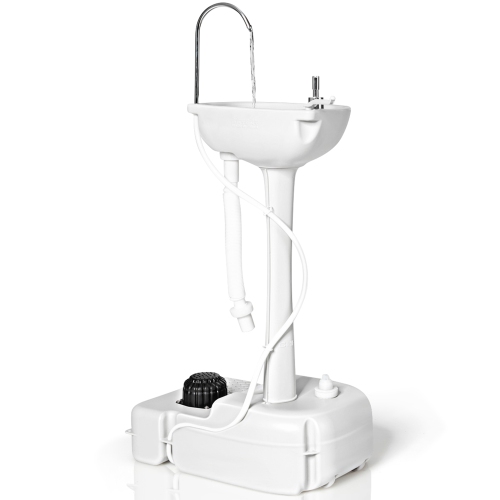
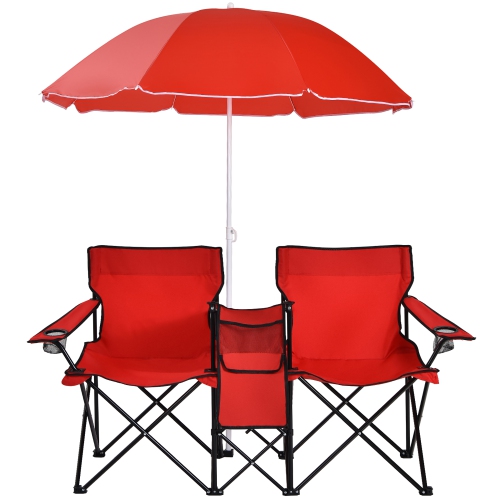
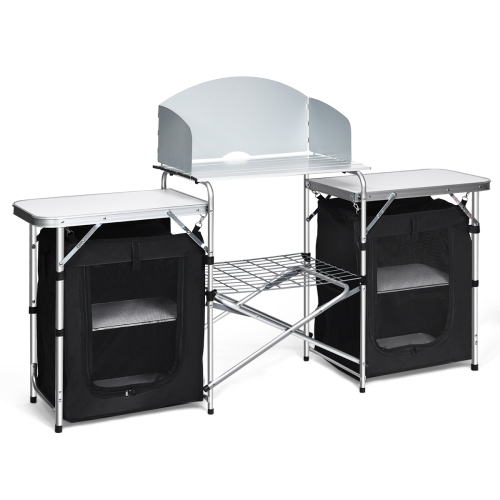

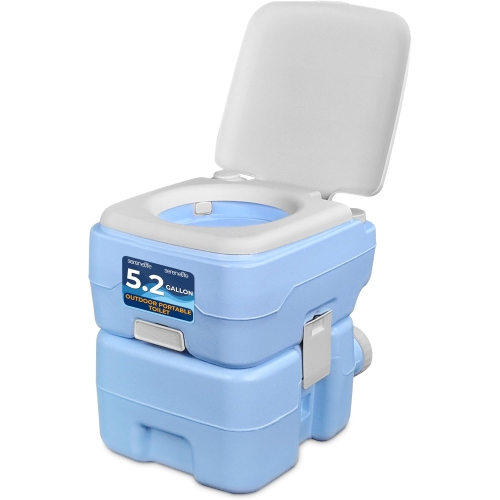
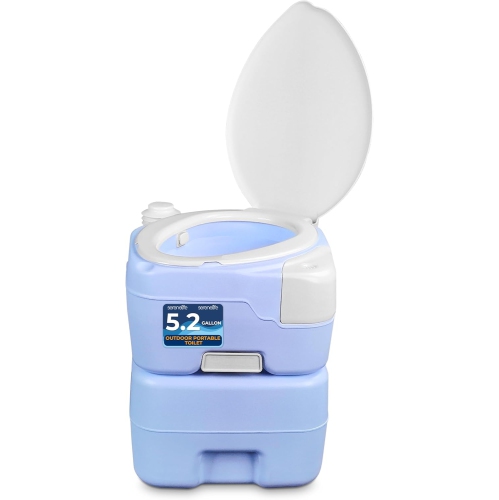
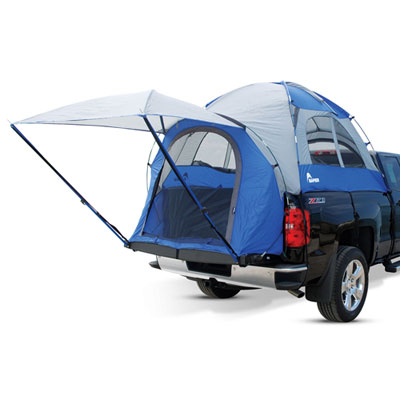
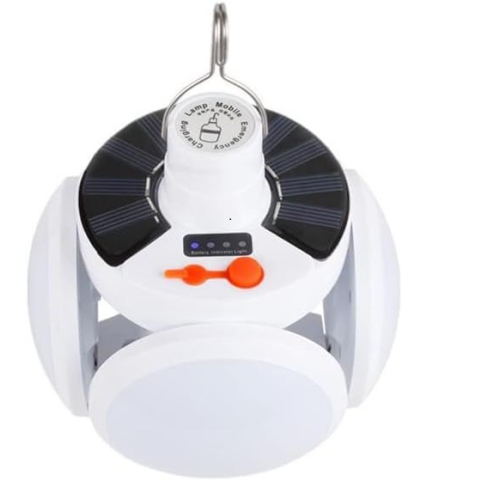
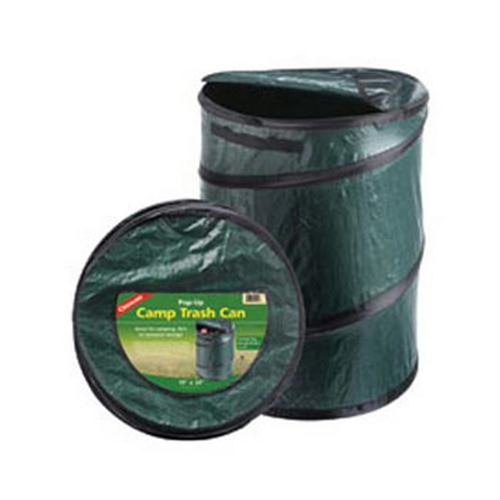
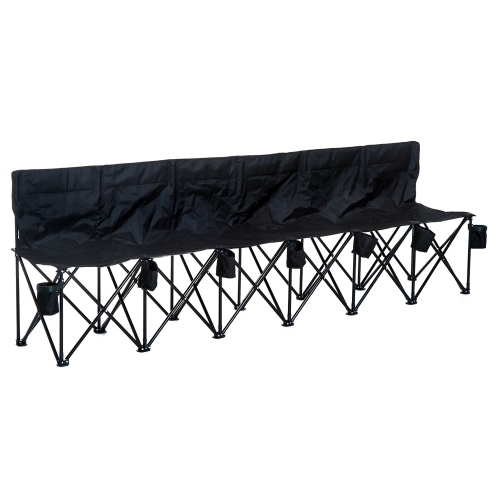
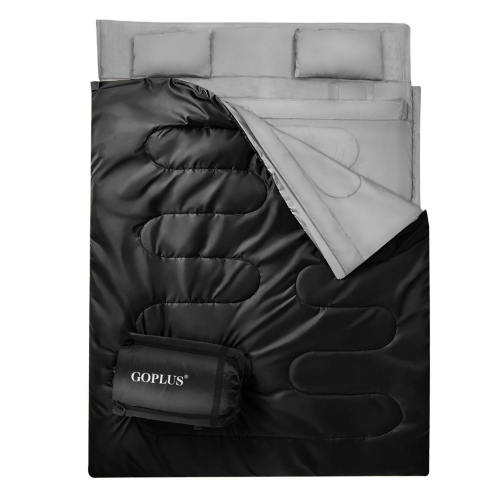
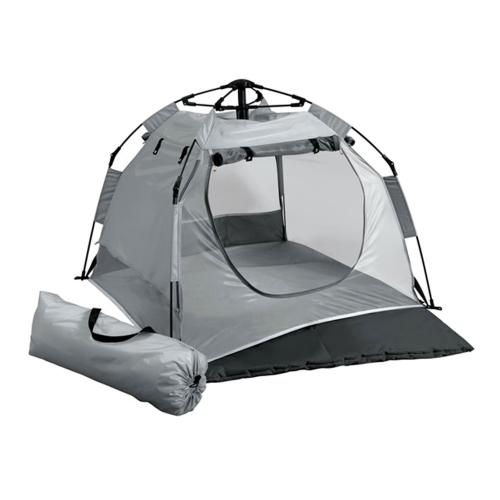
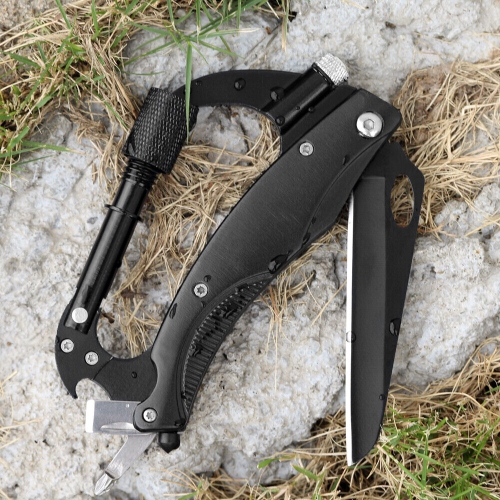
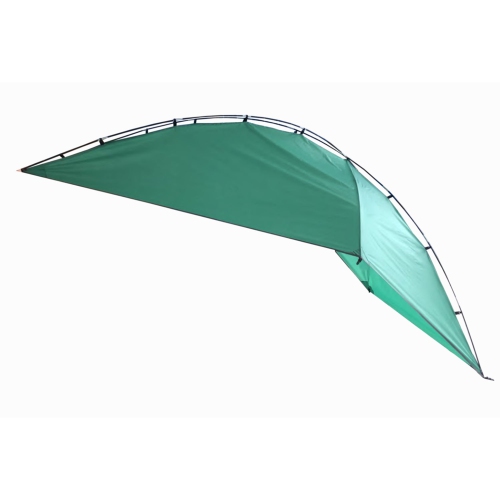
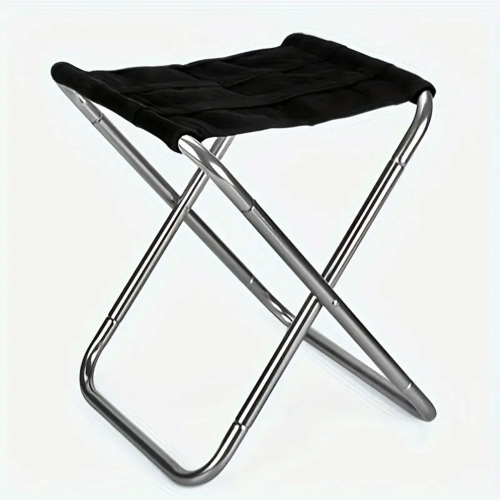
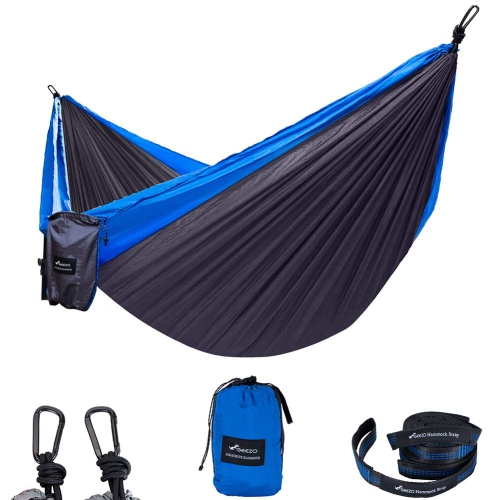

A more comfortable and organized family campground experience
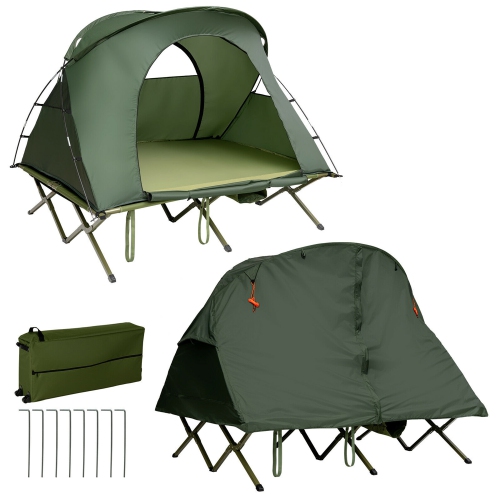
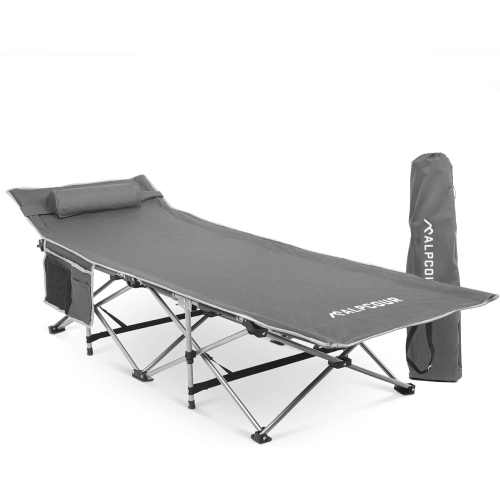
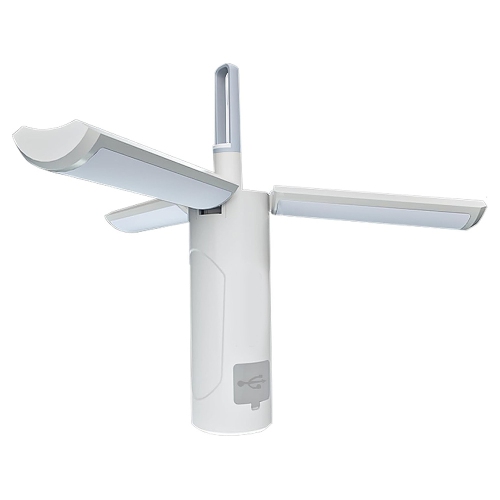
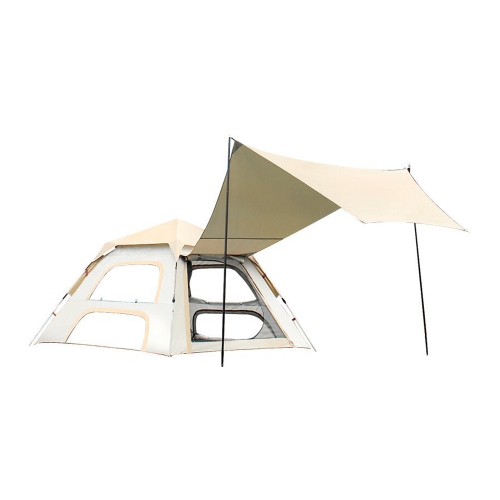
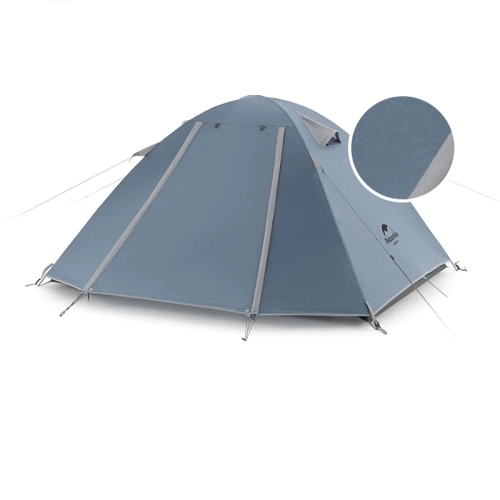
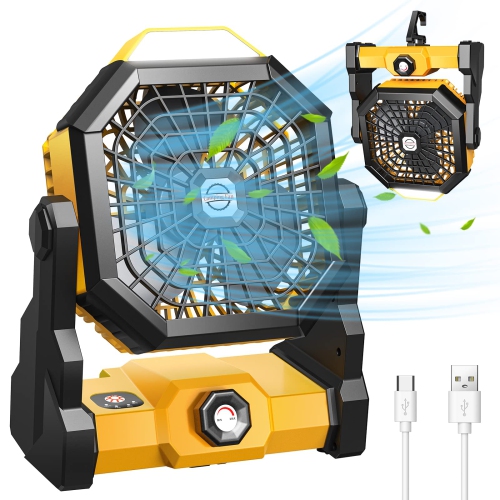
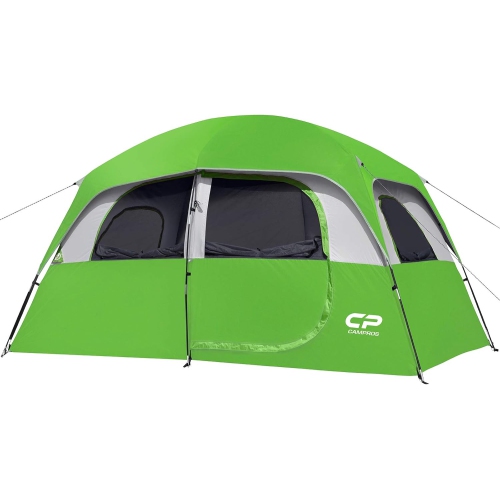
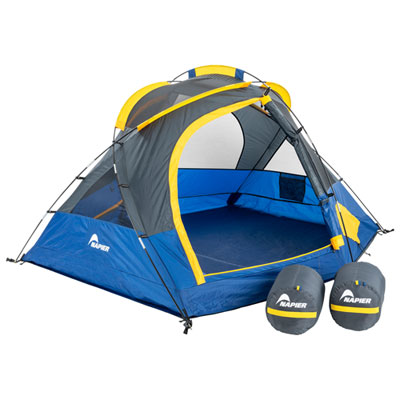
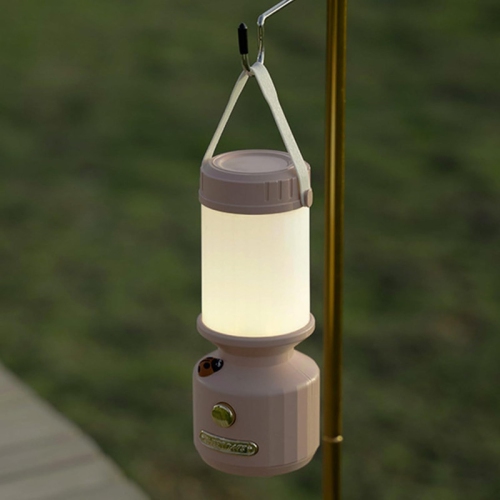
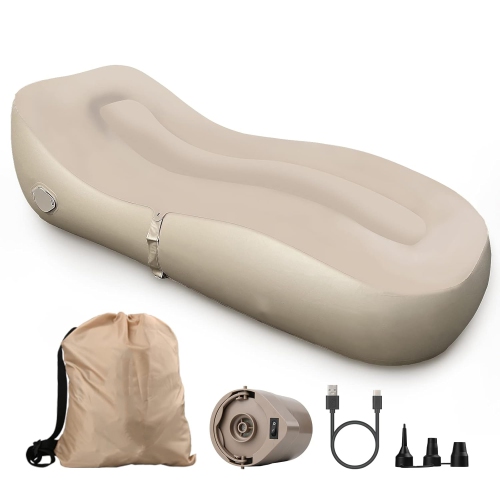
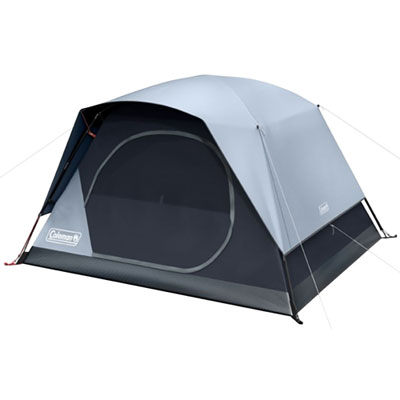
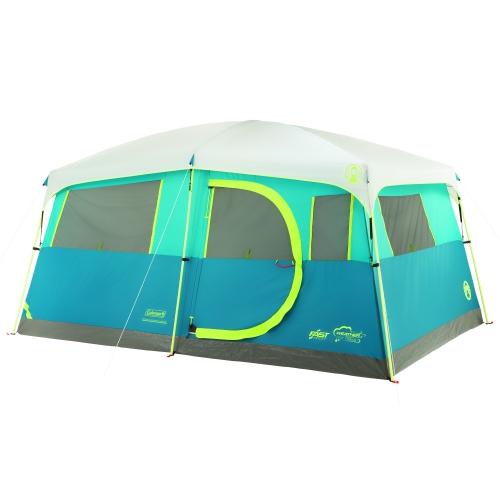
Family camping becomes much easier when everyone has a comfortable place to sleep, dependable shelter, and simple ways to prepare meals outdoors. The right essentials can help a weekend at a front-country campground feel organized rather than improvised, whether the trip includes young children, older kids, grandparents, or a group of friends travelling together. Start with a multi-person tent that provides enough room for sleeping bags, clothing, and a little movement around the sleeping area. A weather-resistant design with a full-coverage rainfly, secure doors, ventilation panels, and a practical layout can make a noticeable difference when the temperature drops or rain moves through during the night. Families may appreciate separate sleeping areas for children and adults, while households with smaller children may prefer an open layout that makes it easier to check on everyone. A tarp placed beneath the tent can help protect the floor from damp ground, provided its edges remain tucked under the tent so rain does not collect beneath the shelter. An outdoor floor mat near the entrance gives muddy shoes and wet boots a defined place to land, helping keep sleeping areas cleaner. For colder nights, pair the tent with insulated sleeping bags suited to the expected temperature range, sleeping pads or air mattresses for cushioning, and pillows that feel familiar after a long day outside. Children often settle more easily when they have a favourite blanket, small reading light, or comfort item from home, while adults may value a thicker sleeping pad and a sleeping bag with room to move. Consider how the sleeping gear will be transported, inflated, stored, and dried between trips. Compact designs can make packing easier, but generous dimensions may be worth the extra space when comfort is a priority. A small tent lantern, headlamp, or flashlight for each family member is also useful for finding shoes, visiting the washroom, or locating a lost item without waking the entire tent. Choose lighting with simple controls that children can manage, and keep spare batteries in a dry container. During the cooler months, layered clothing, warm socks, waterproof outerwear, hats, and gloves can help everyone stay comfortable as the evening air becomes crisp. A well-chosen collection of [Fall Camping Essentials] can extend the season and make early starts, chilly mornings, and damp walks around the campground more manageable.
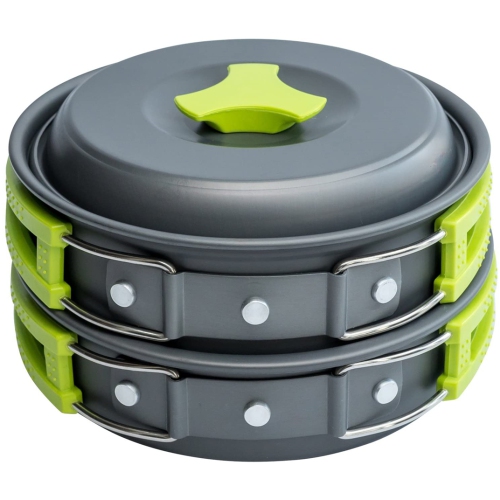
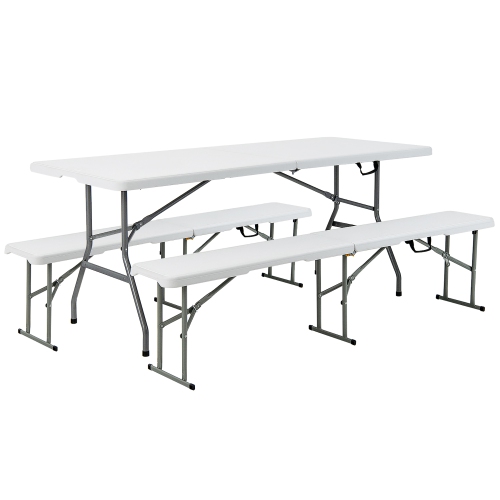
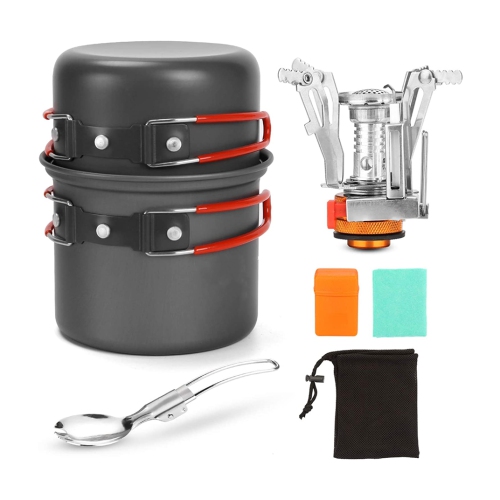
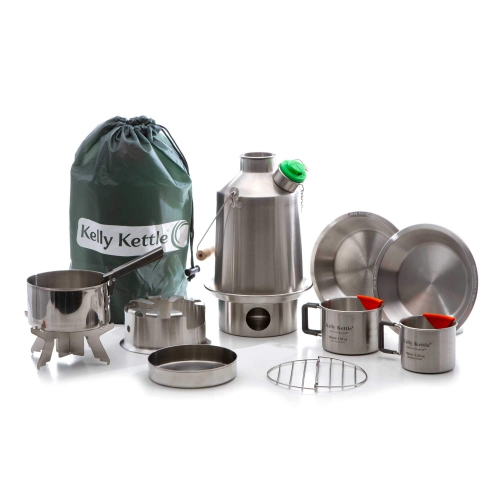
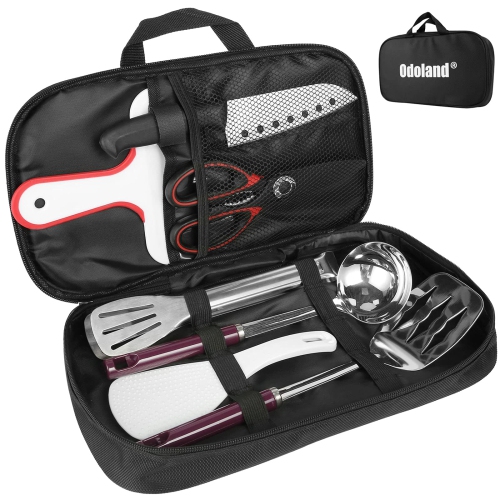
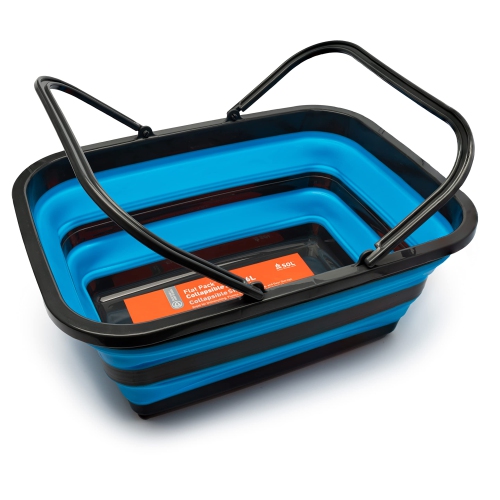
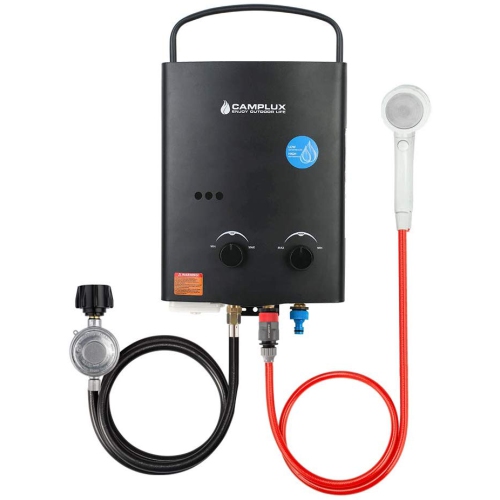
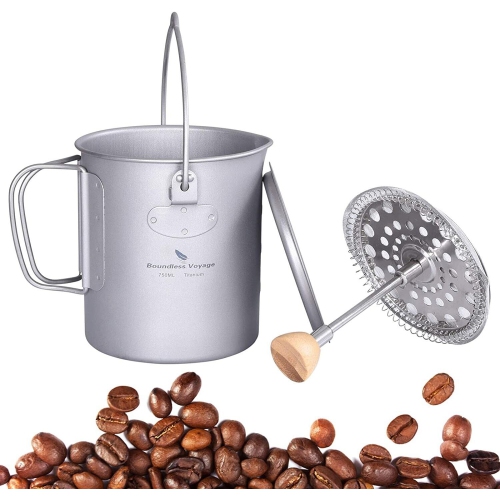
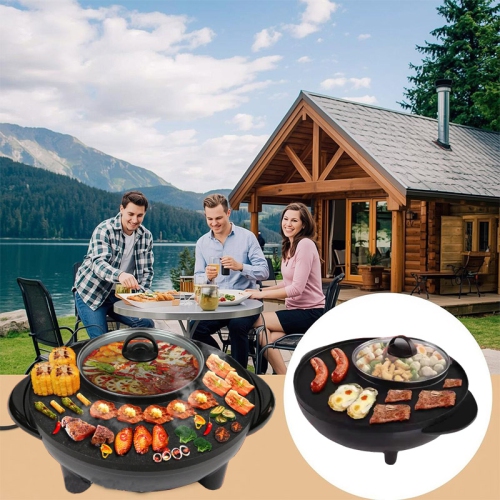
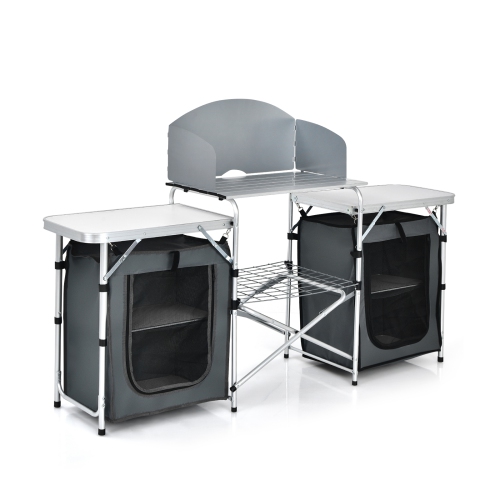
A practical camp kitchen gives families more flexibility and can turn mealtimes into one of the most enjoyable parts of the trip. A portable camp stove, the correct fuel, and a stable cooking surface are useful for boiling water, warming soup, making breakfast, or preparing a quick meal when a campfire is unavailable or local fire restrictions are in place. Before leaving, check the campsite rules and confirm that the cooking equipment is suitable for outdoor use. A nesting cookware set or a durable pan can save space in the vehicle, while a cutting board, chef’s knife, tongs, serving spoon, plates, bowls, mugs, and reusable utensils cover the basics for family meals. A cooler with enough capacity for food and drinks helps keep ingredients organized; separate compartments or smaller containers can make it easier to find snacks without exposing everything to warm air. Pack meals in stages, with frequently used items near the top, and bring ice or cold packs suited to the length of the trip. A sturdy outdoor tablecloth with clips creates a more welcoming eating area and helps keep plates and food away from rough picnic surfaces. Wash bins, biodegradable dish soap where permitted, sponges, drying towels, and hand sanitizer support easier clean-up, while heavy-duty rubbish bags help keep waste contained until it can be disposed of in the designated area. Families with young children may want easy-to-reach snacks, spill-resistant drink containers, and simple foods that can be eaten between activities. Older children can help with safe tasks such as sorting utensils, setting the table, or collecting clean dishes, giving them a useful role without placing them near hot surfaces or sharp tools. These essentials can also make thoughtful gifts for relatives who enjoy road trips, new parents preparing for their first family campground stay, or families building a shared outdoor kit. Gift-givers may find it helpful to focus on items that improve comfort and organization, such as camp lighting, insulated drinkware, compact cooking accessories, or storage solutions. The best choices are practical enough for regular use and straightforward enough to pack without extensive preparation.
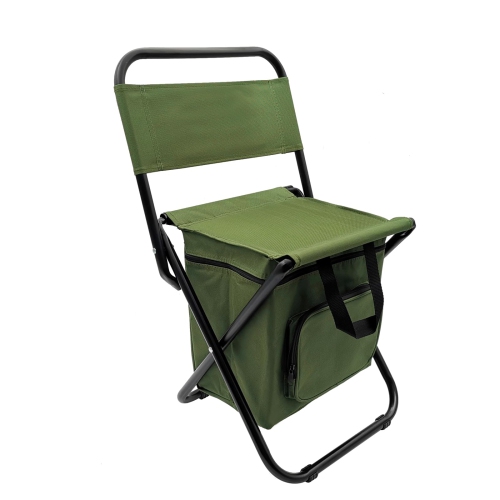
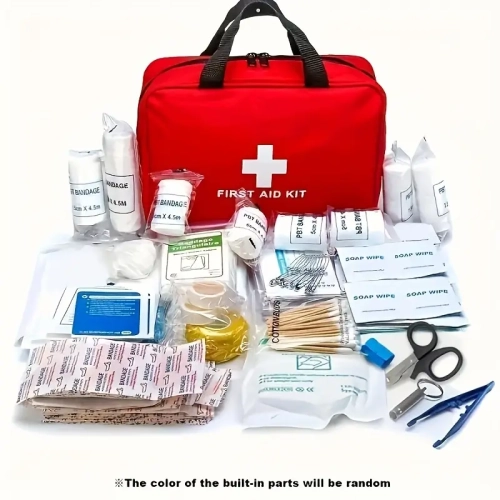
Safety and personal comfort deserve the same attention as shelter and food. A well-stocked first aid kit should include supplies for minor cuts, blisters, scrapes, insect bites, and other common campground mishaps, along with any personal medications and emergency information the family may need. Sun protection remains important even on cooler or cloudy days, so pack sunscreen, sunglasses, hats, and lip balm with sun protection. Insect repellent, hand sanitizer, baby wipes, tissues, and toiletries can make shared facilities and outdoor meals more comfortable. Families should also bring plenty of drinking water or a suitable way to treat water, depending on the campground and destination. Headlamps and flashlights are useful around the site, but reflective markers or bright clothing can help children remain visible near the tent after dark. Fire-starting supplies, such as waterproof matches or a lighter, should be stored securely and used only in approved fire areas, with local restrictions followed carefully. Keep fuel, matches, knives, and other potentially dangerous items away from children, and teach younger campers to stay clear of cooking equipment, lanterns, steep drop-offs, and unfamiliar plants or wildlife. A compact camp chair for each person can provide a comfortable place to eat, read, or warm up beside an approved fire, while a blanket or insulated layer helps during cool mornings. Think about the destination, the campground’s facilities, the length of the stay, and the ages of the campers before choosing what to pack. A family staying beside a vehicle can bring larger comfort items, while a walk-in site calls for lighter, more compact equipment. With reliable shelter, warm sleep systems, organized cooking gear, lighting, hygiene supplies, and basic safety equipment, families can spend less time searching through bags and more time sharing meals, telling stories, exploring nearby trails, and enjoying the quiet rhythm of the outdoors.
A practical camp kitchen gives families more flexibility and can turn mealtimes into one of the most enjoyable parts of the trip. A portable camp stove, the correct fuel, and a stable cooking surface are useful for boiling water, warming soup, making breakfast, or preparing a quick meal when a campfire is unavailable or local fire restrictions are in place. Before leaving, check the campsite rules and confirm that the cooking equipment is suitable for outdoor use. A nesting cookware set or a durable pan can save space in the vehicle, while a cutting board, chef’s knife, tongs, serving spoon, plates, bowls, mugs, and reusable utensils cover the basics for family meals. A cooler with enough capacity for food and drinks helps keep ingredients organized; separate compartments or smaller containers can make it easier to find snacks without exposing everything to warm air. Pack meals in stages, with frequently used items near the top, and bring ice or cold packs suited to the length of the trip. A sturdy outdoor tablecloth with clips creates a more welcoming eating area and helps keep plates and food away from rough picnic surfaces. Wash bins, biodegradable dish soap where permitted, sponges, drying towels, and hand sanitizer support easier clean-up, while heavy-duty rubbish bags help keep waste contained until it can be disposed of in the designated area. Families with young children may want easy-to-reach snacks, spill-resistant drink containers, and simple foods that can be eaten between activities. Older children can help with safe tasks such as sorting utensils, setting the table, or collecting clean dishes, giving them a useful role without placing them near hot surfaces or sharp tools. These essentials can also make thoughtful gifts for relatives who enjoy road trips, new parents preparing for their first family campground stay, or families building a shared outdoor kit. Gift-givers may find it helpful to focus on items that improve comfort and organization, such as camp lighting, insulated drinkware, compact cooking accessories, or storage solutions. The best choices are practical enough for regular use and straightforward enough to pack without extensive preparation.
Safety and personal comfort deserve the same attention as shelter and food. A well-stocked first aid kit should include supplies for minor cuts, blisters, scrapes, insect bites, and other common campground mishaps, along with any personal medications and emergency information the family may need. Sun protection remains important even on cooler or cloudy days, so pack sunscreen, sunglasses, hats, and lip balm with sun protection. Insect repellent, hand sanitizer, baby wipes, tissues, and toiletries can make shared facilities and outdoor meals more comfortable. Families should also bring plenty of drinking water or a suitable way to treat water, depending on the campground and destination. Headlamps and flashlights are useful around the site, but reflective markers or bright clothing can help children remain visible near the tent after dark. Fire-starting supplies, such as waterproof matches or a lighter, should be stored securely and used only in approved fire areas, with local restrictions followed carefully. Keep fuel, matches, knives, and other potentially dangerous items away from children, and teach younger campers to stay clear of cooking equipment, lanterns, steep drop-offs, and unfamiliar plants or wildlife. A compact camp chair for each person can provide a comfortable place to eat, read, or warm up beside an approved fire, while a blanket or insulated layer helps during cool mornings. Think about the destination, the campground’s facilities, the length of the stay, and the ages of the campers before choosing what to pack. A family staying beside a vehicle can bring larger comfort items, while a walk-in site calls for lighter, more compact equipment. With reliable shelter, warm sleep systems, organized cooking gear, lighting, hygiene supplies, and basic safety equipment, families can spend less time searching through bags and more time sharing meals, telling stories, exploring nearby trails, and enjoying the quiet rhythm of the outdoors.
Top selling and popular products
-
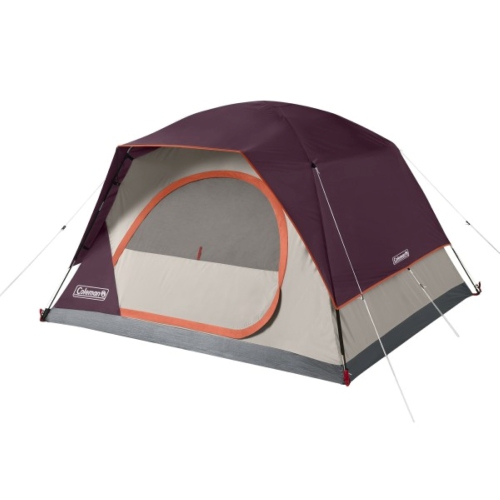 Your price for this item is $240.99
 -
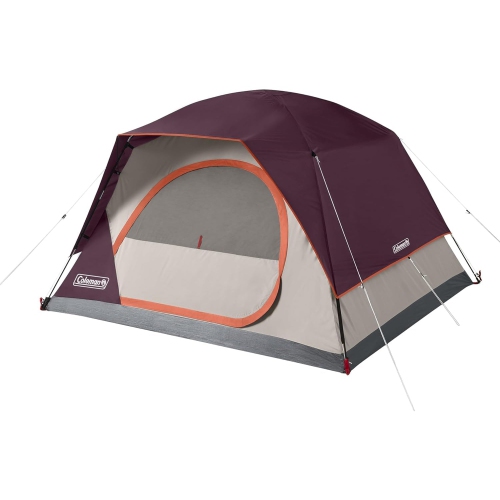 Your price for this item is $239.97
 -
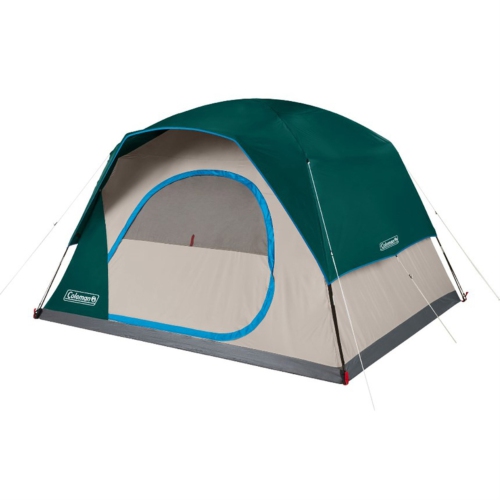 Your price for this item is $242.58
 -
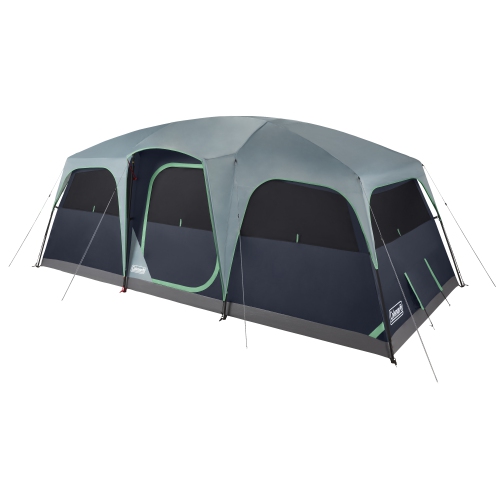 Your price for this item is $509.99
 -
 Your price for this item is $199.99
 -
 Your price for this item is $729.99
 -
 Your price for this item is $427.99
 -
 Your price for this item is $499.99
Discover more categories related to Family Camping Essentials
Top Collections:
Best Laptops for Video Editing, Pokemon Centers, Samsung Z Fold, Kindle Devices, Best Cell Phones Under $300, Best Laptops for Writers, Best Budget Office Chairs, Best Cell Phones Under $500, Best Laptop Computers for Students, iPhone 15 Apple
Some products may be subject to Environmental Handling Fees
(EHF) depending on your province.
Learn more about EHFs.