Family Indoor Games
Looking to add some excitement to your family game nights? Our collection of indoor games offers a variety of options to keep the fun going for hours on end. Whether you prefer classic board games, challenging puzzles, or interactive activities, we have something for everyone. From strategy games that test your skills to cooperative games that encourage teamwork, our selection is sure to bring laughter and friendly competition into your home.
Sort
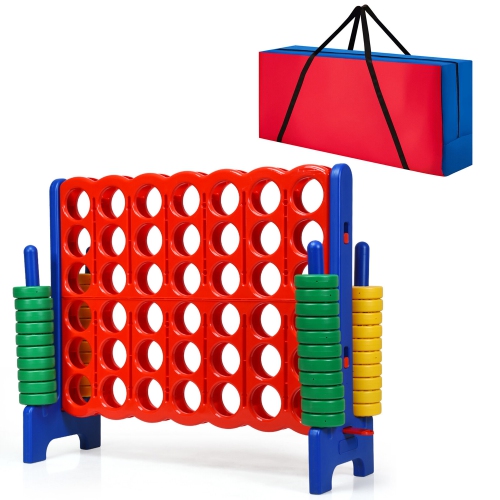
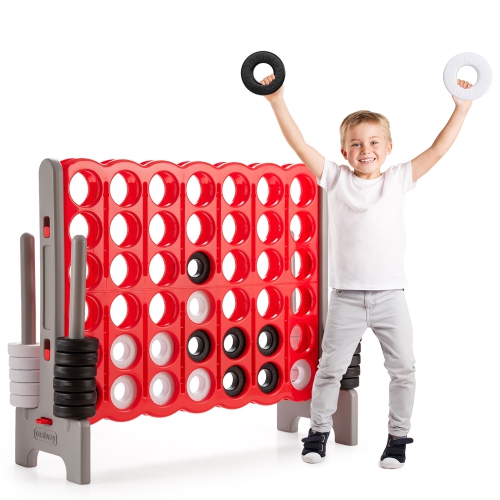
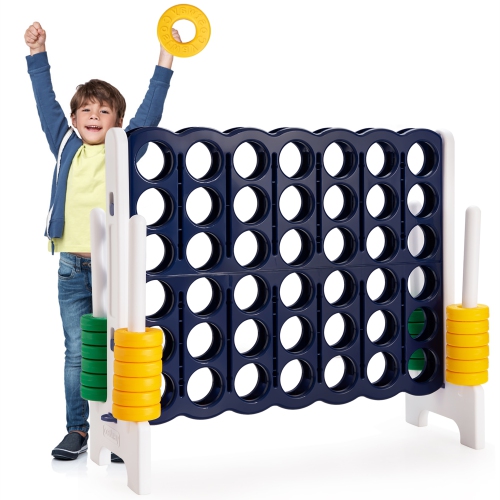
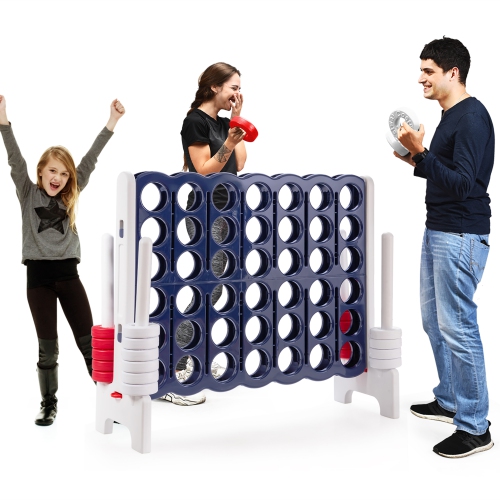
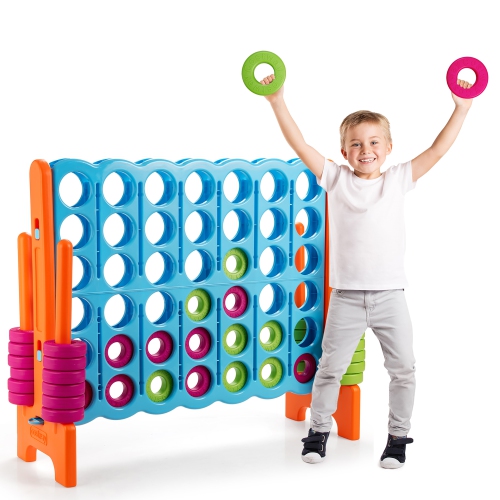
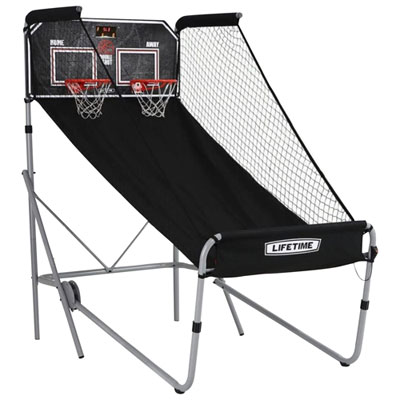
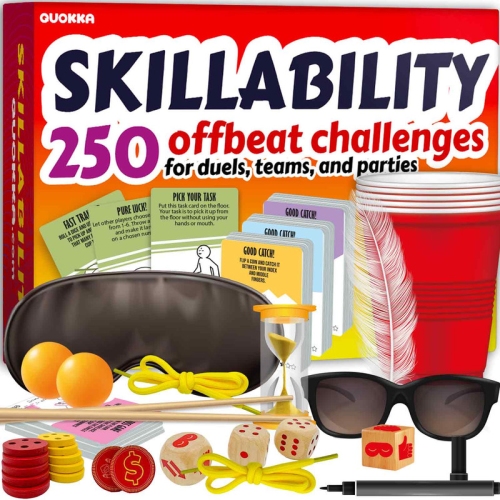
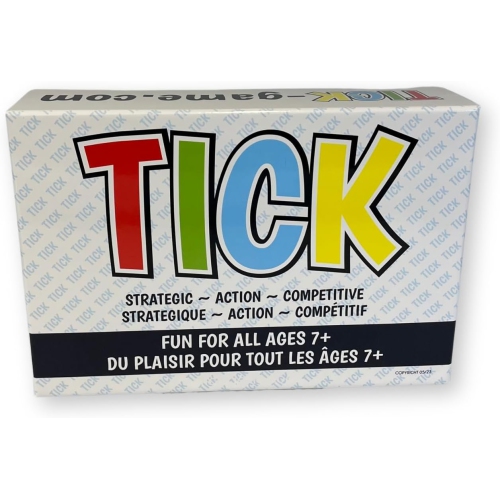
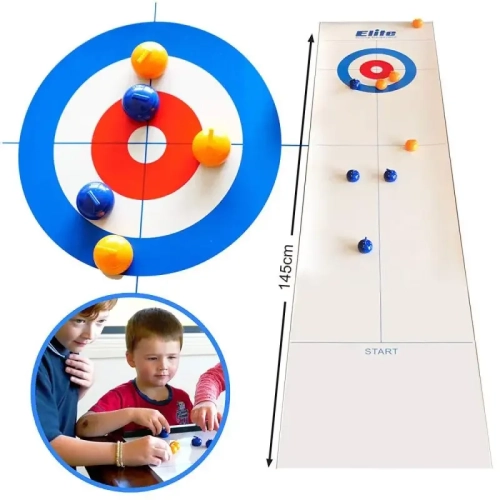
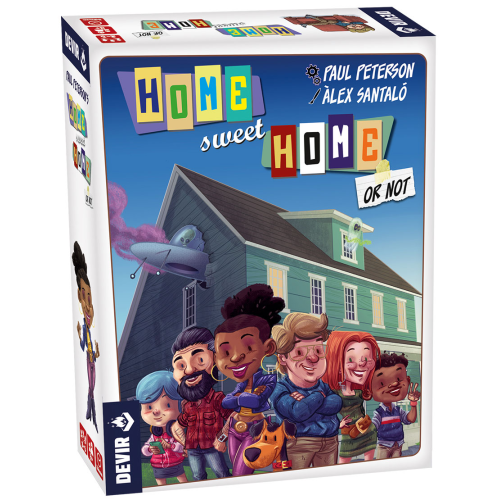

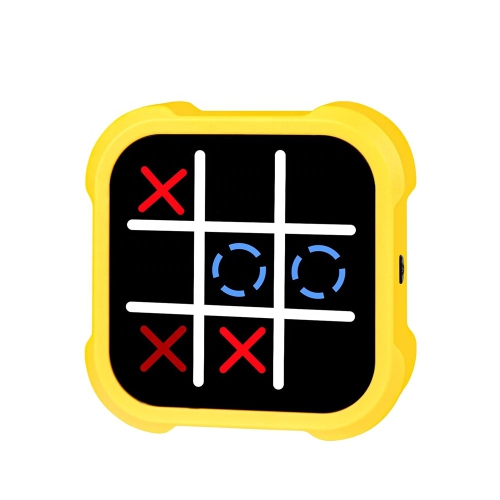
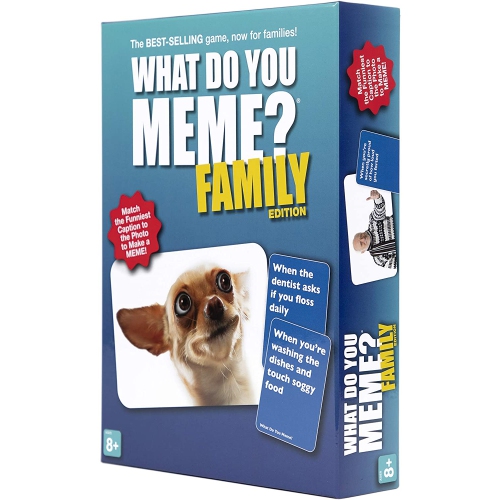
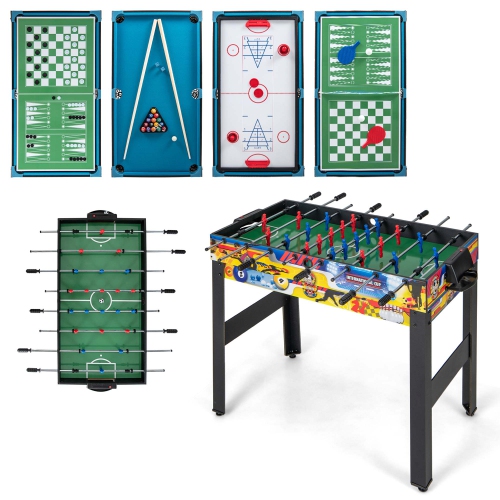


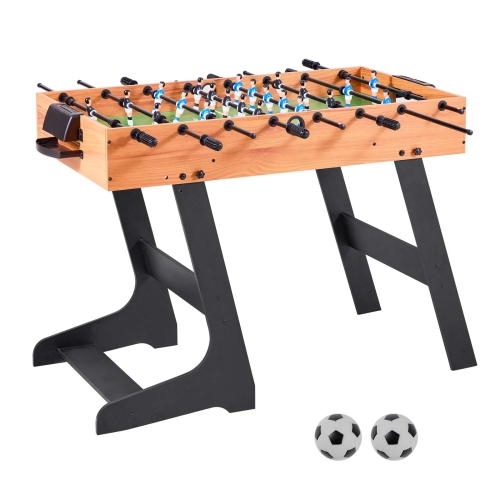

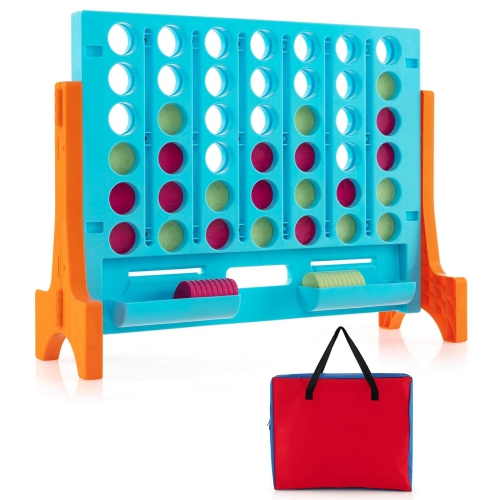
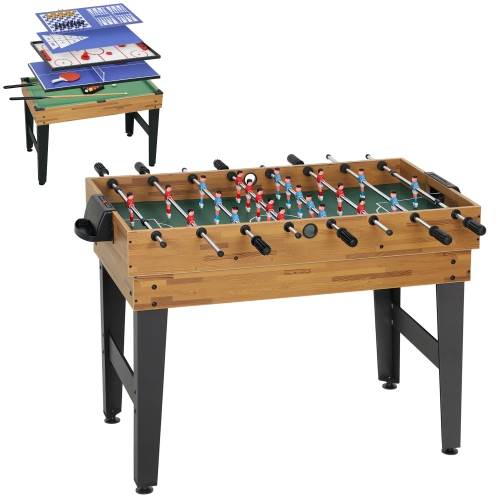
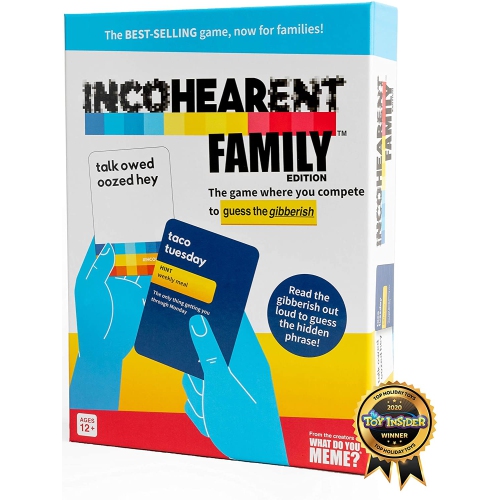
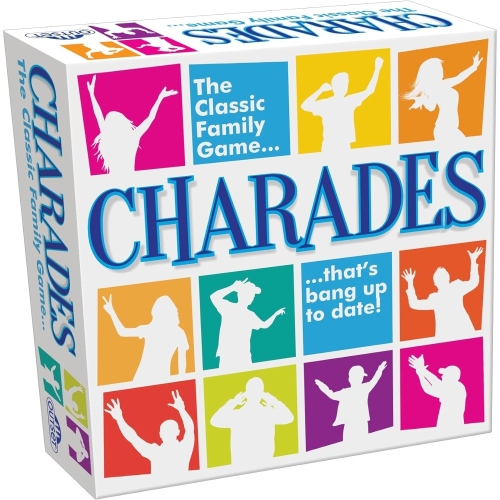
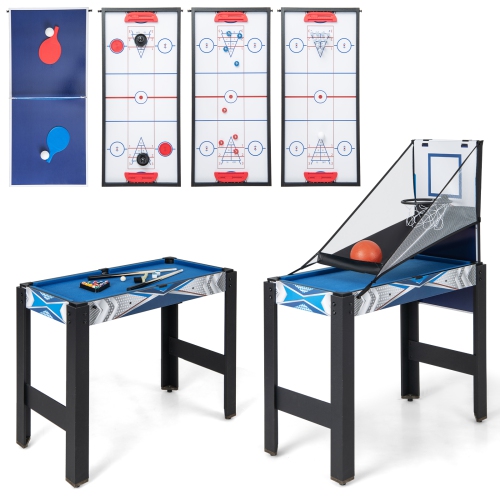
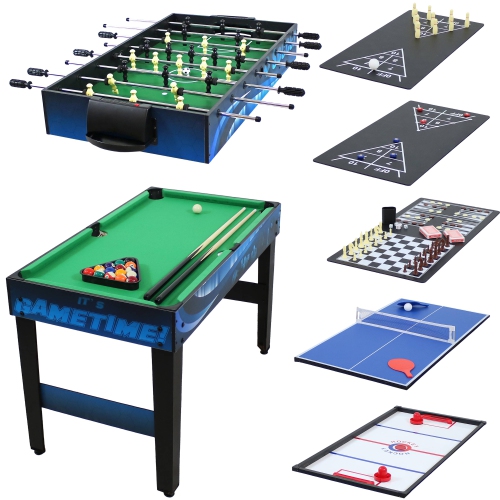
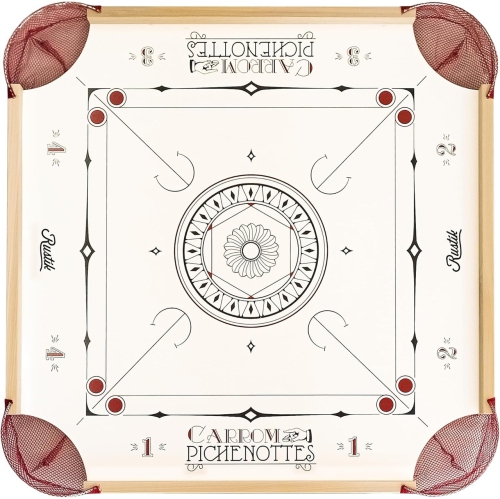
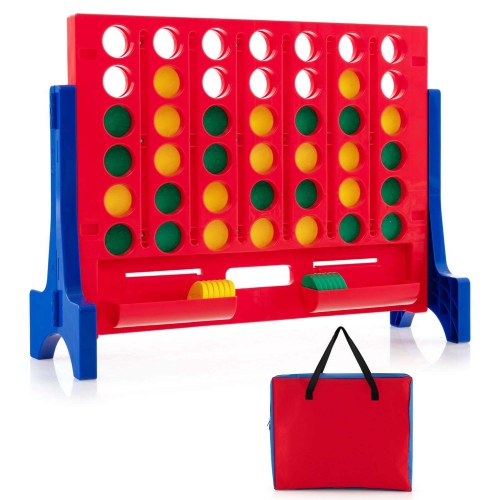
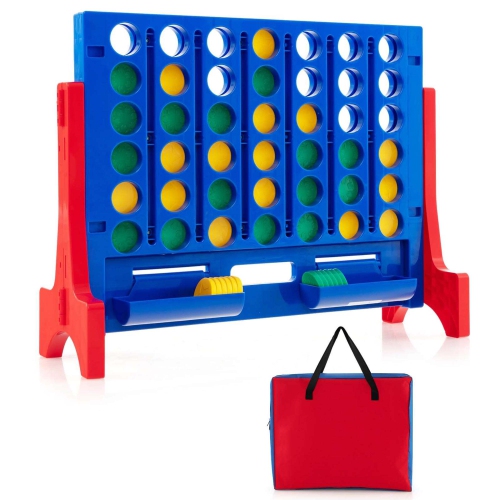
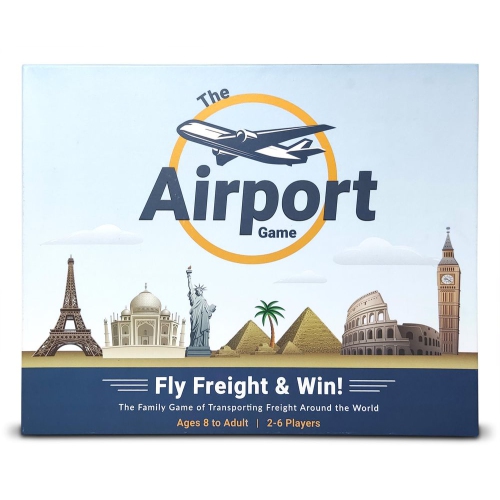
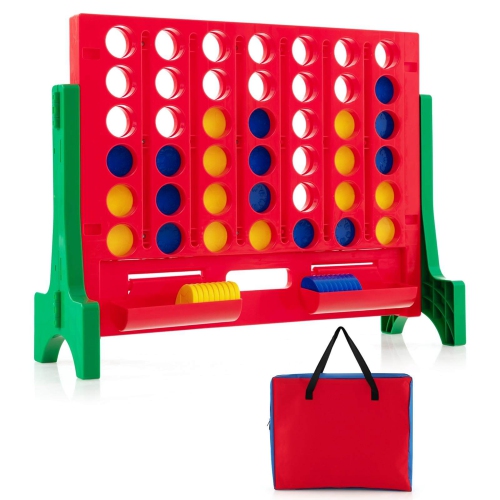

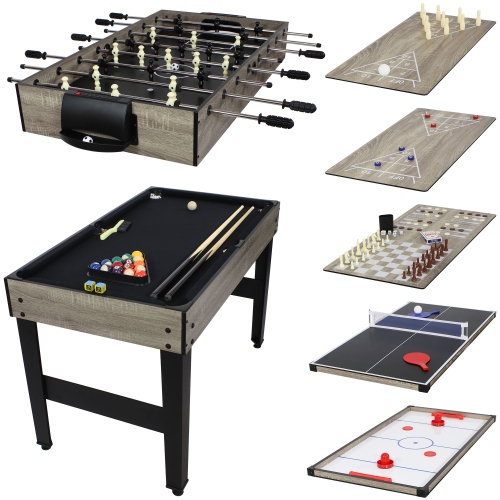

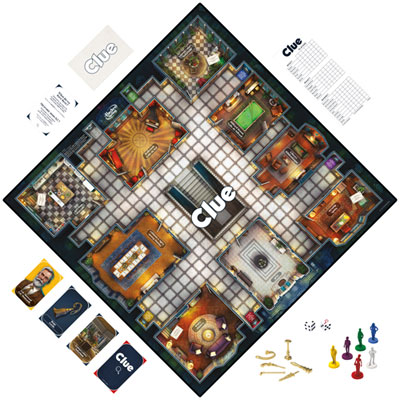
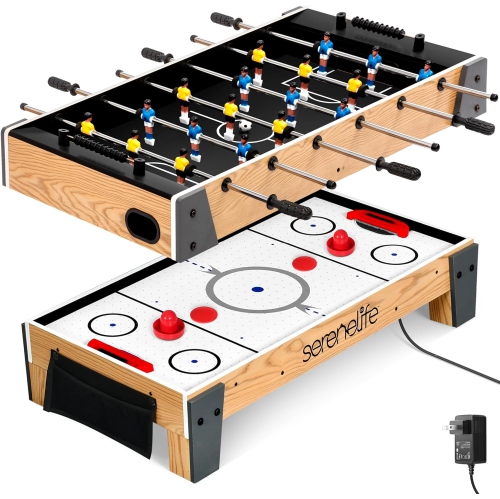



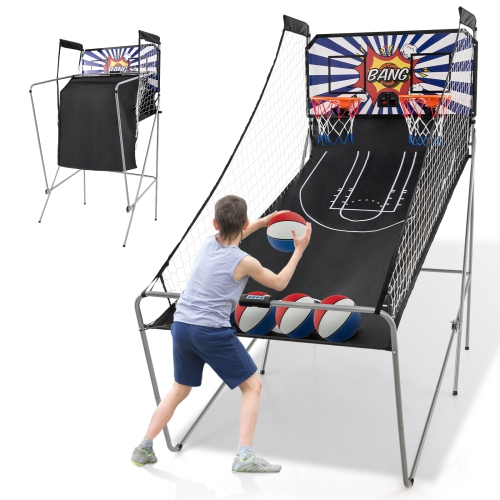

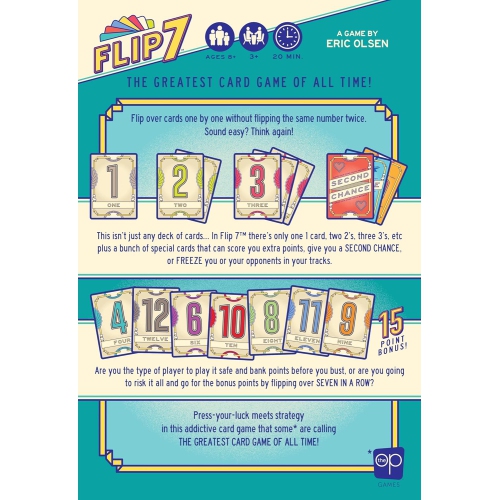

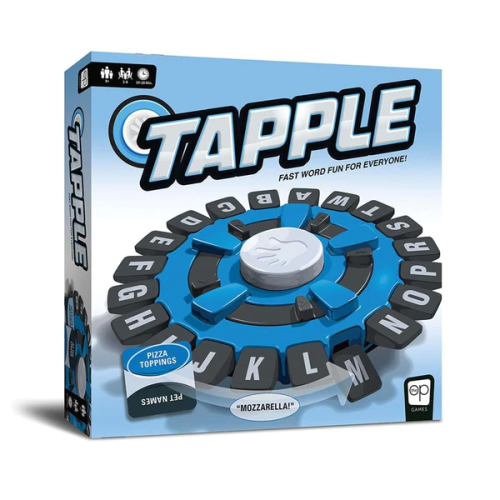
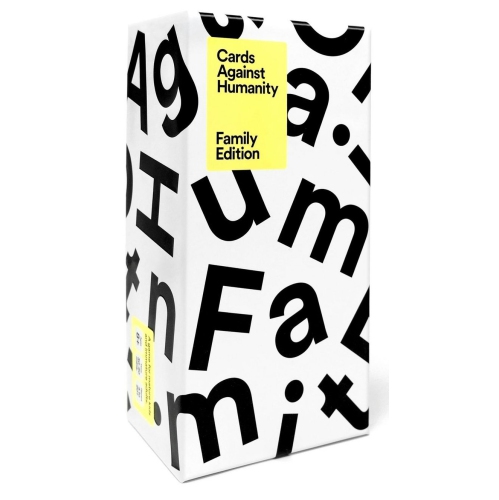
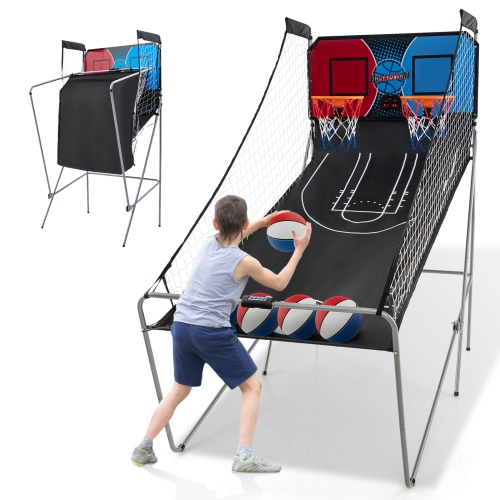
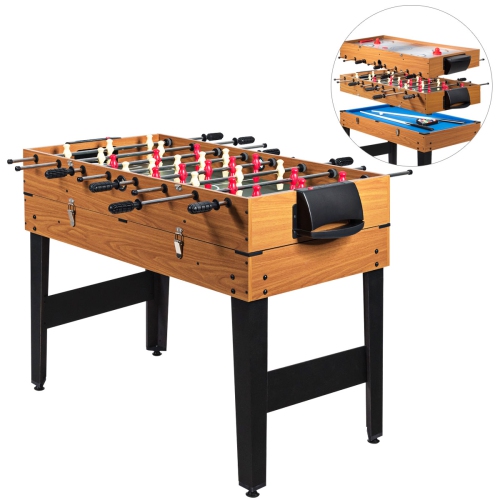


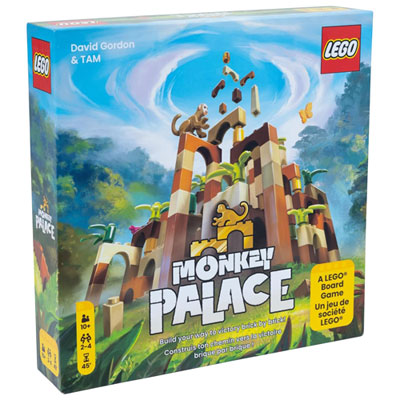

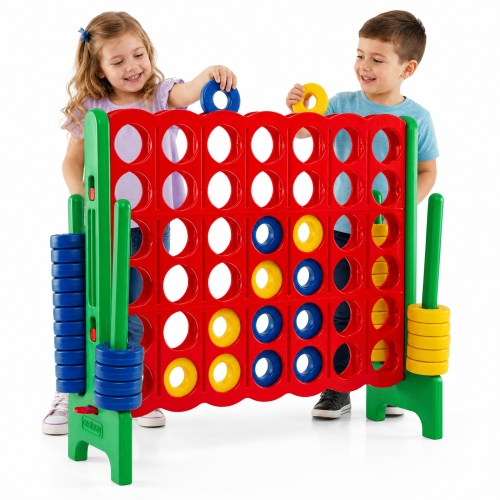

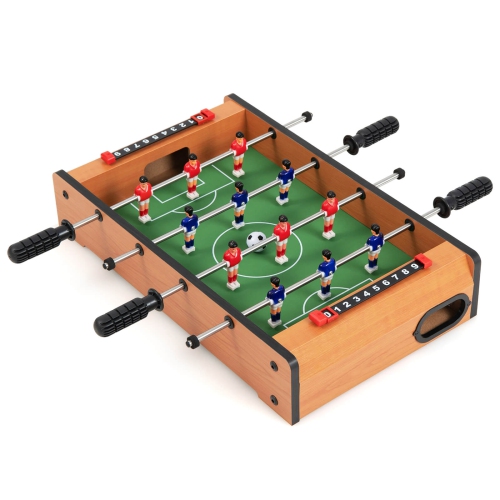
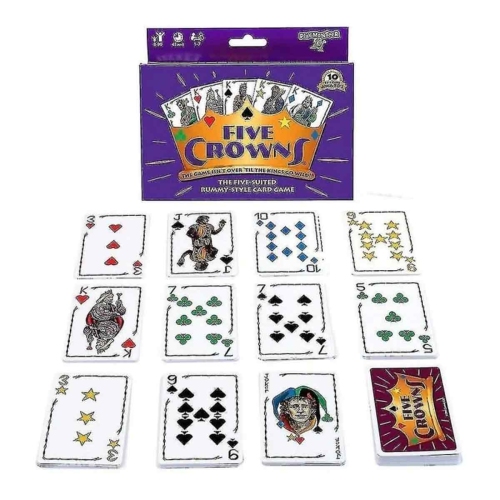
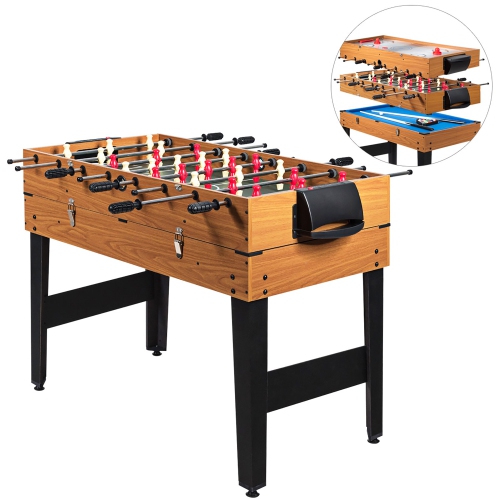
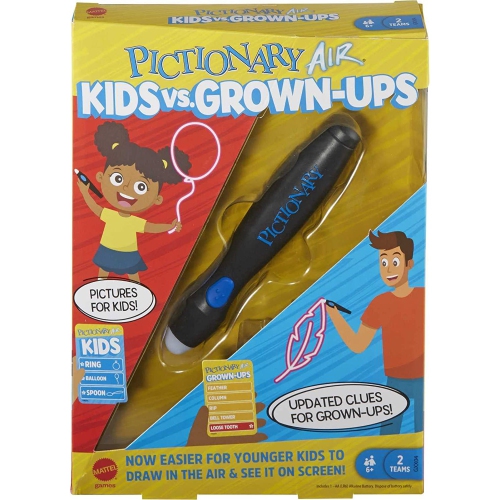
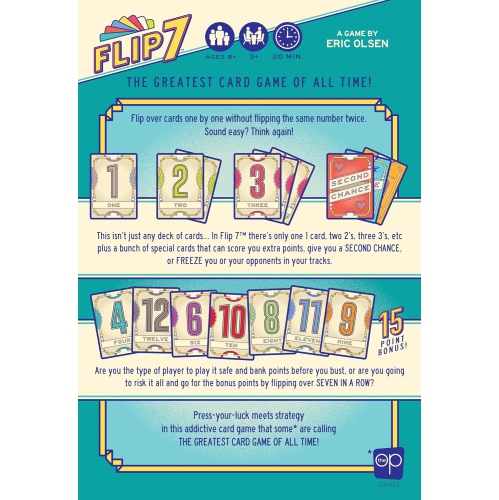
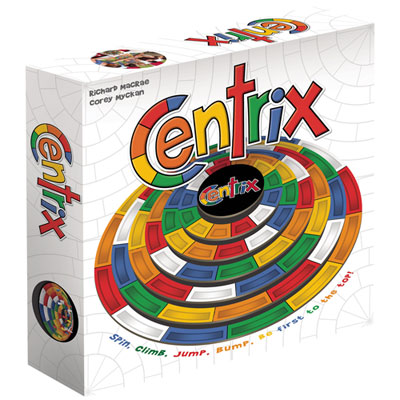
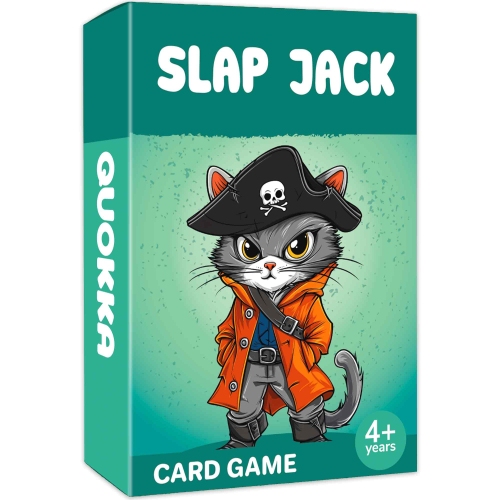

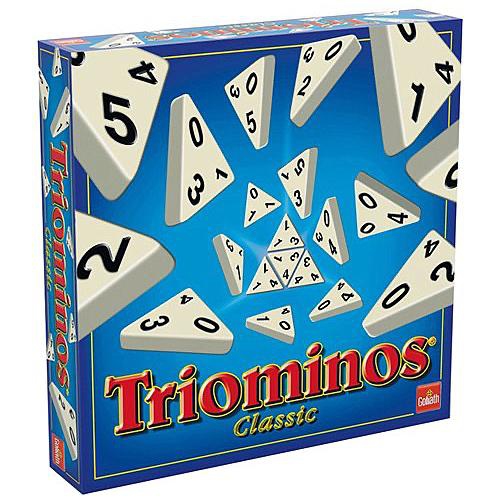
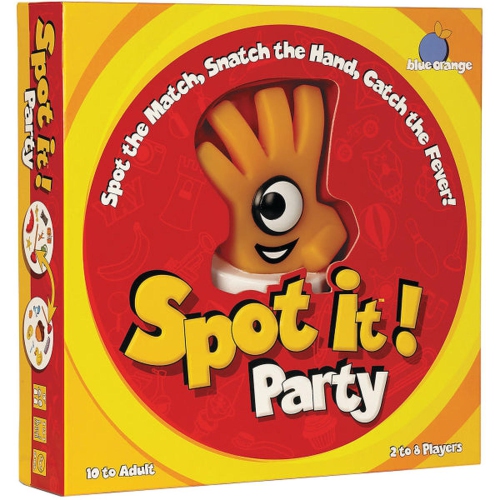
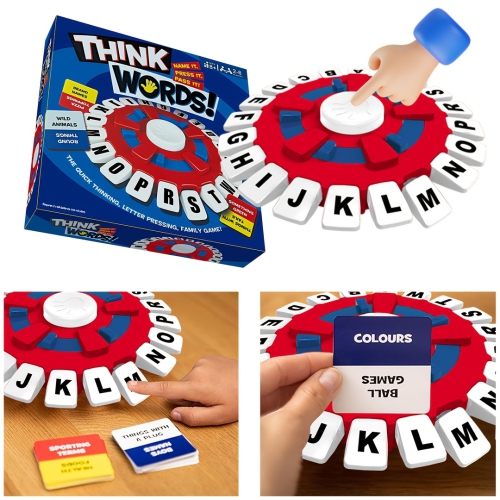
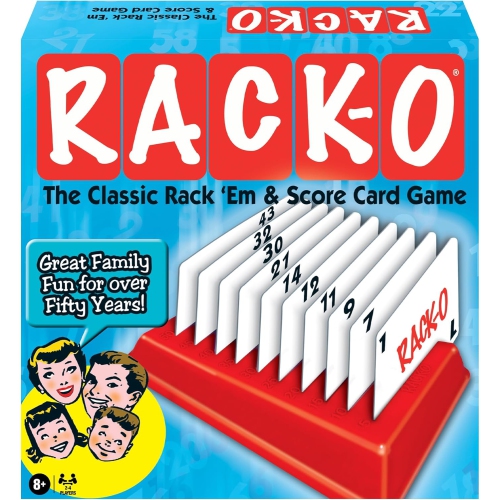
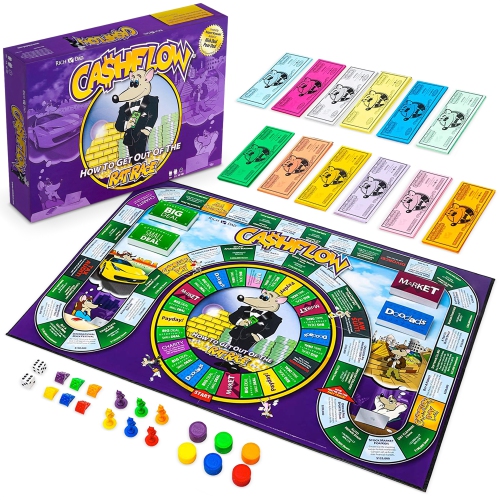
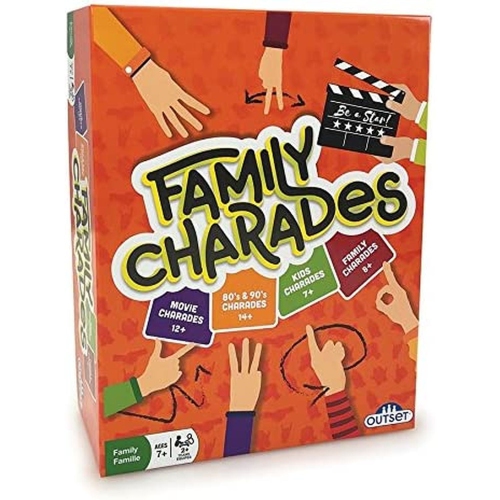

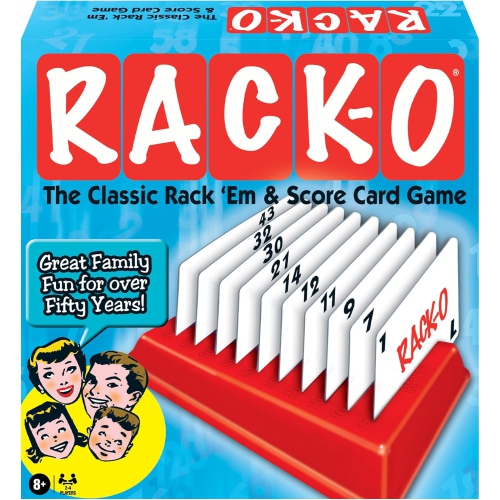

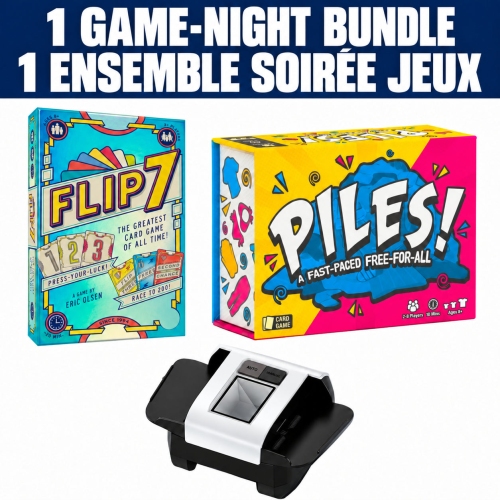
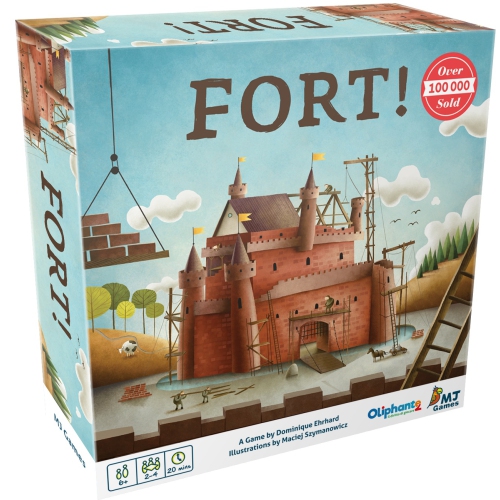
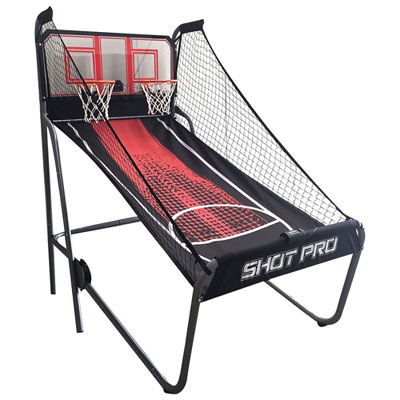
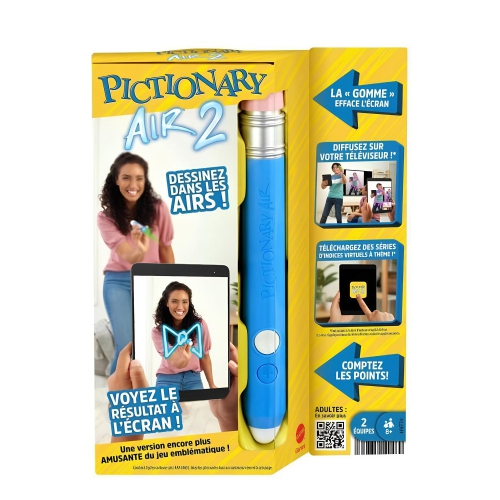
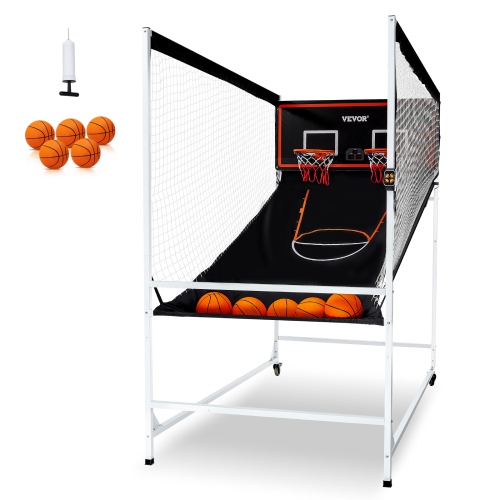
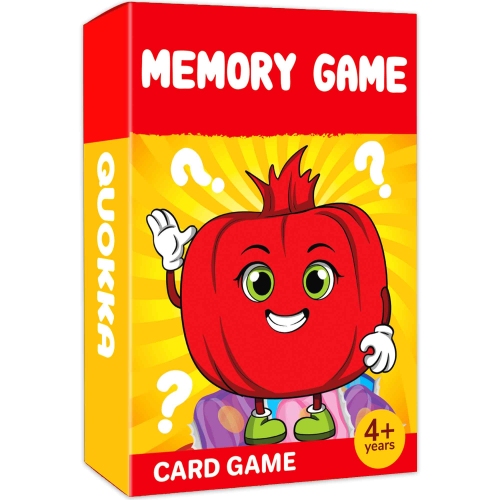
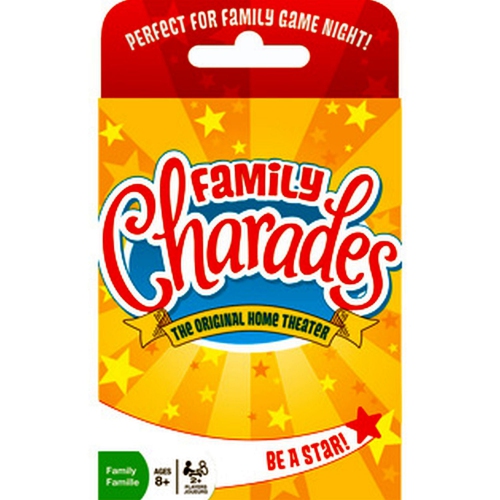
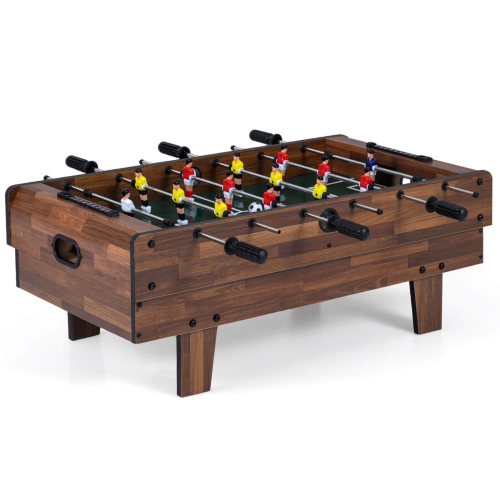

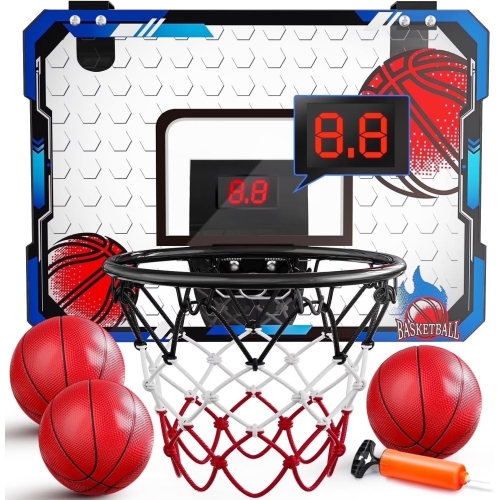
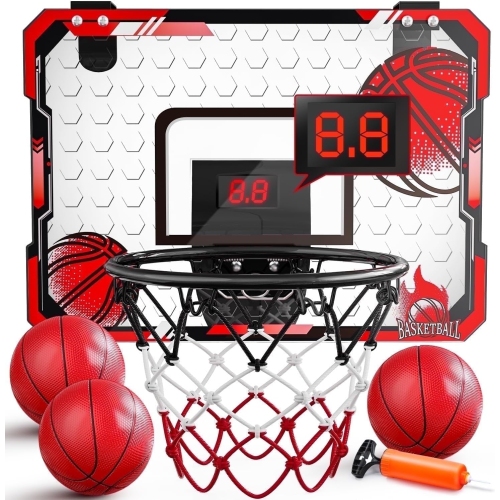
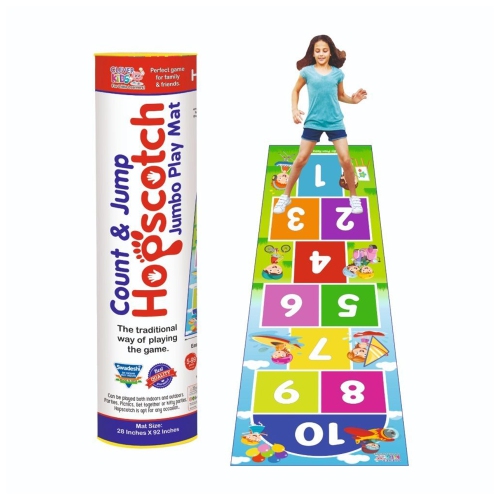
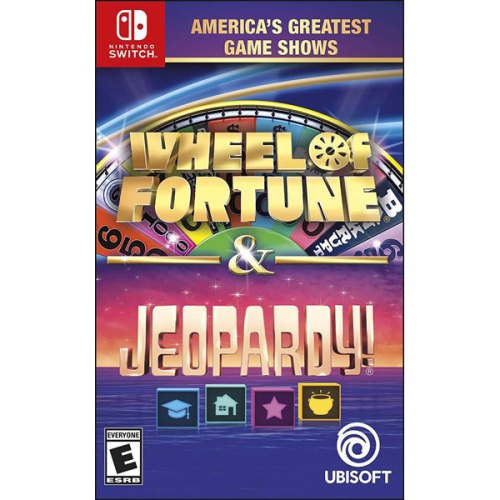




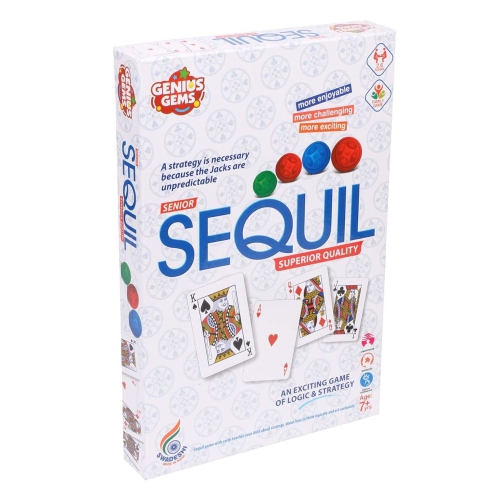
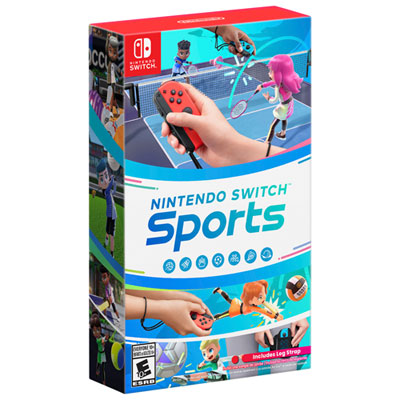
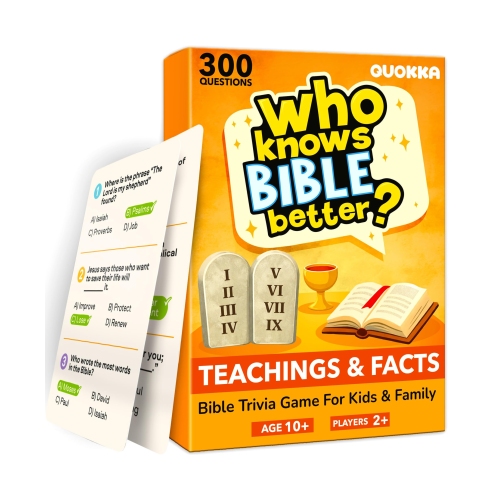
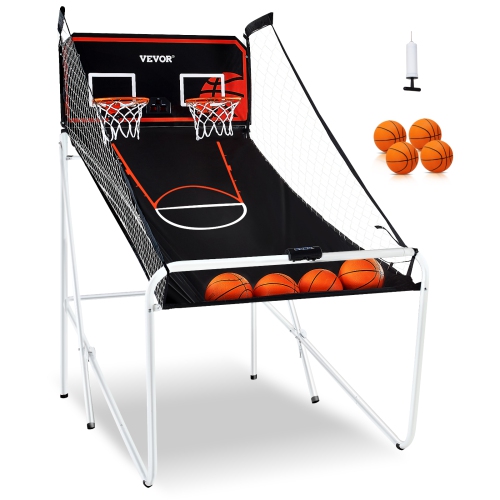

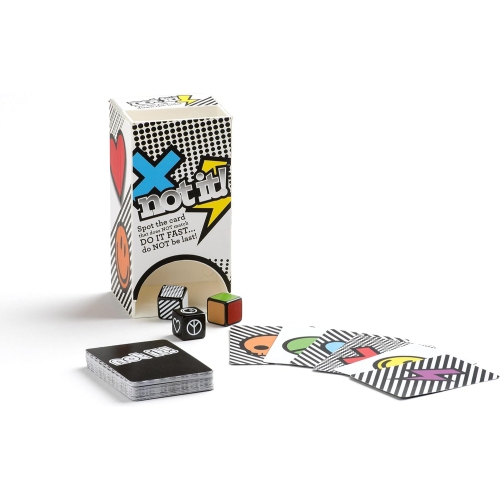
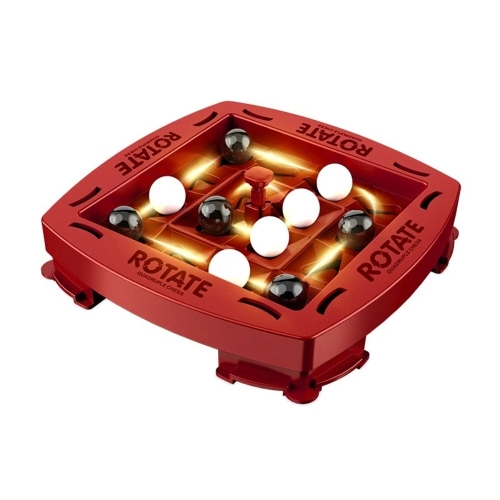

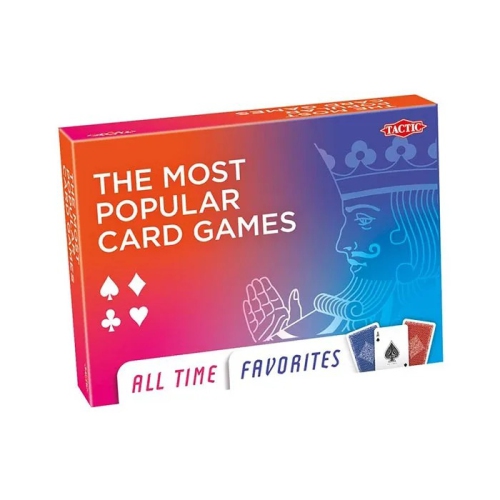
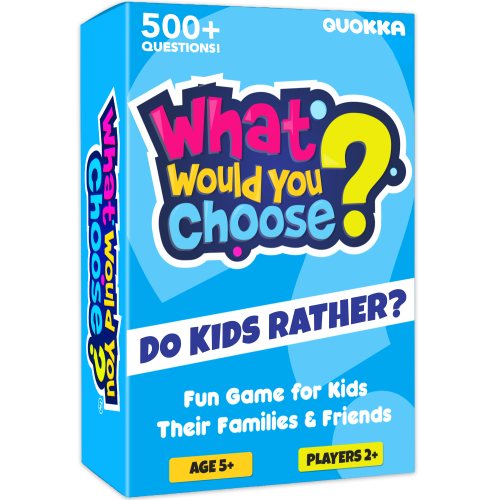
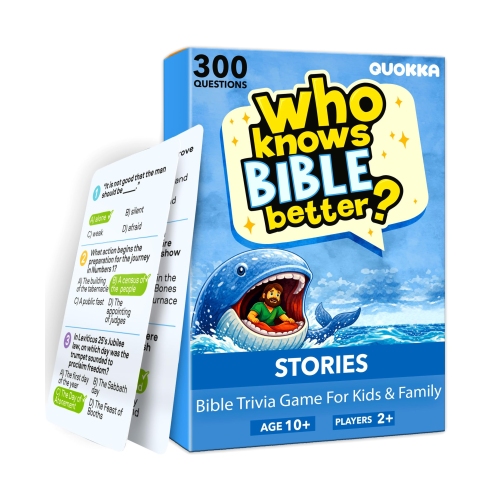
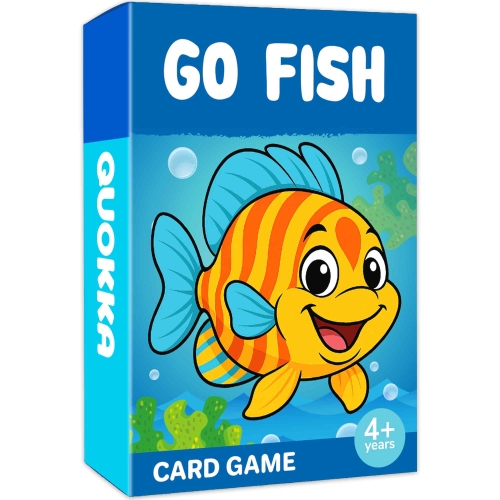




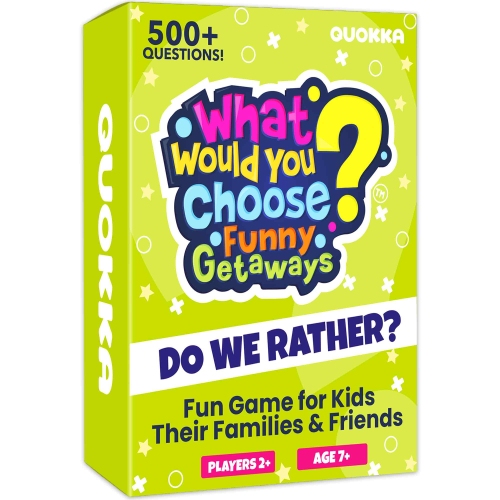
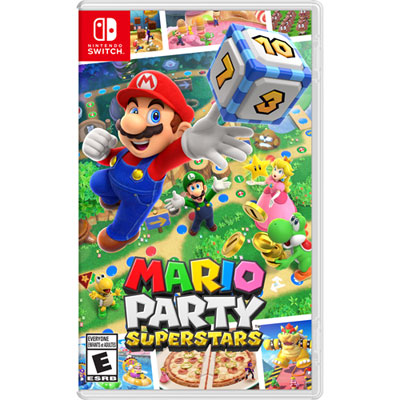
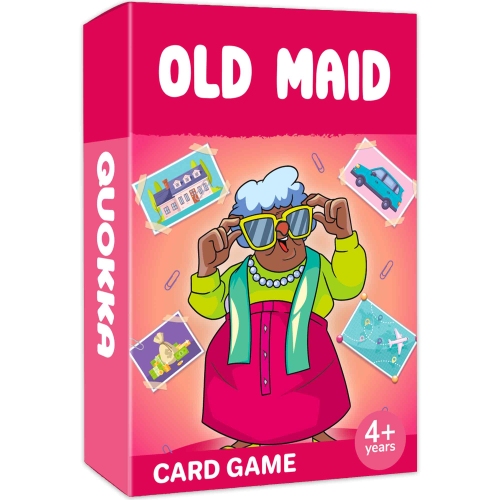
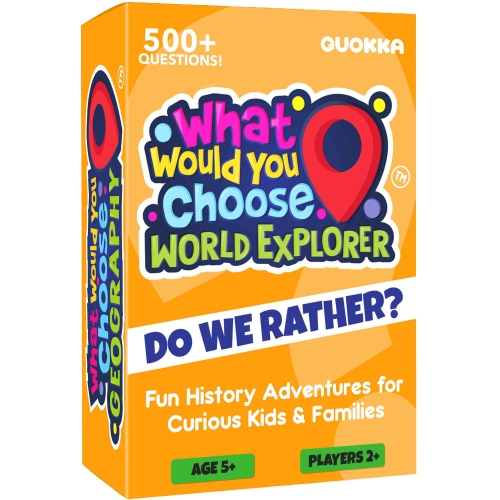
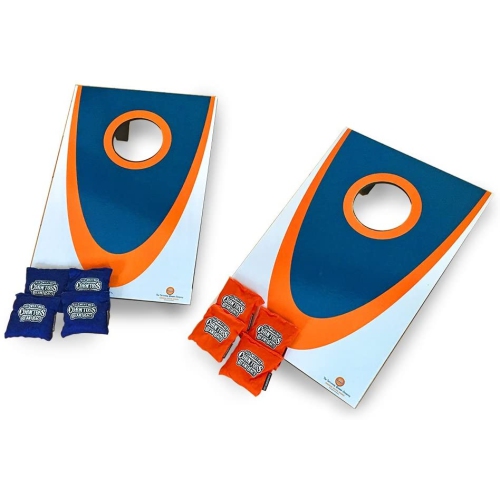


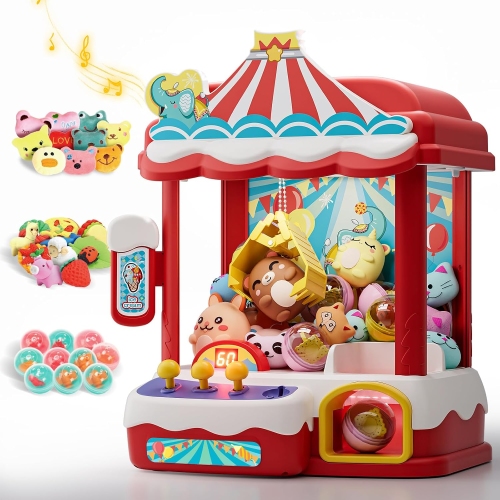
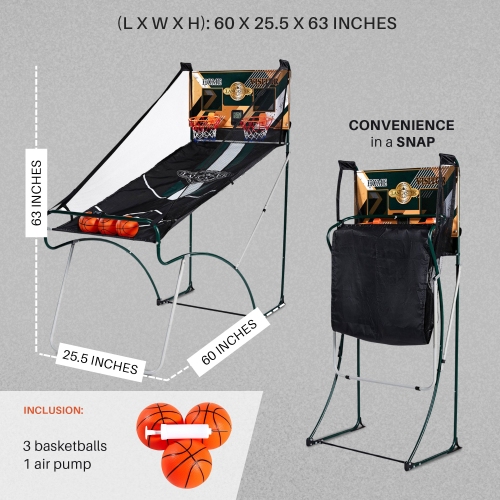
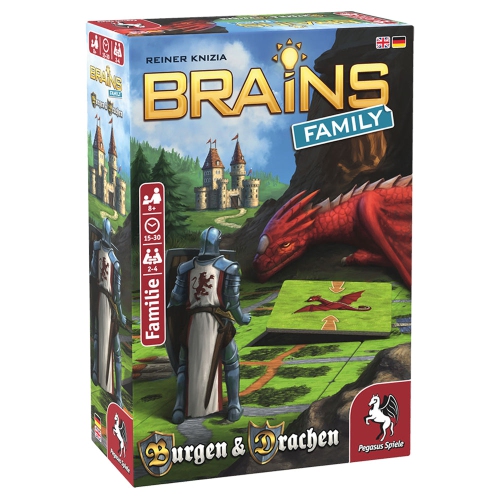
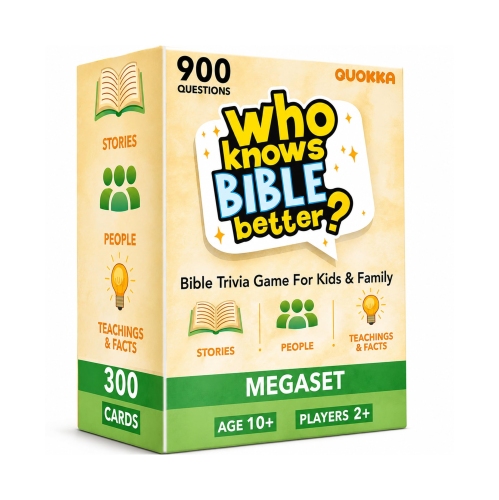

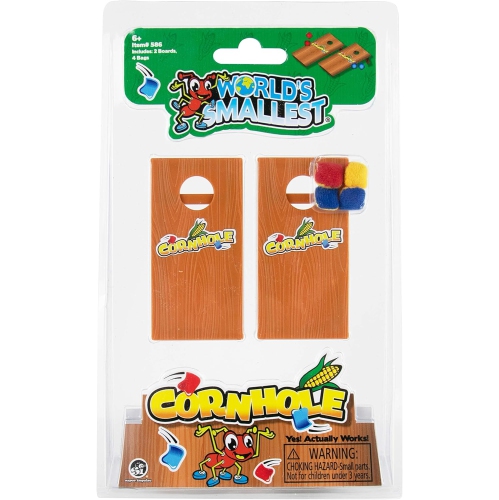
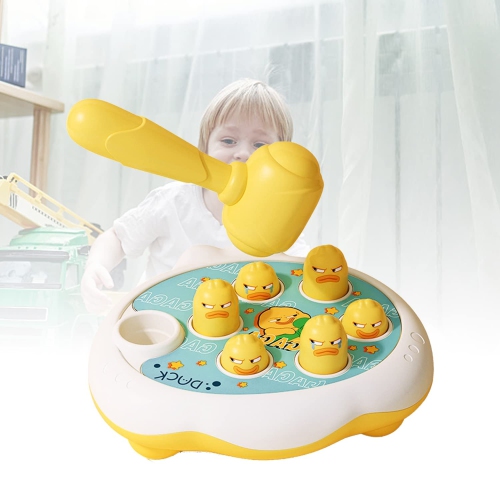
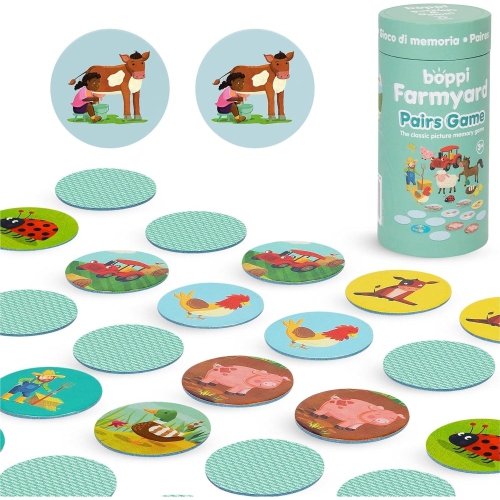
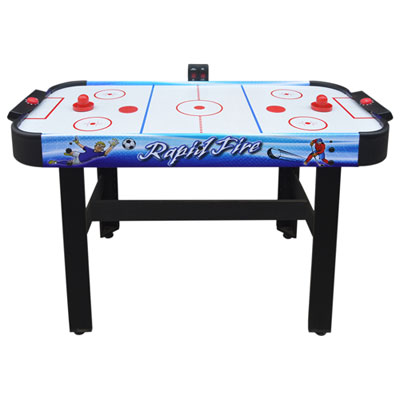
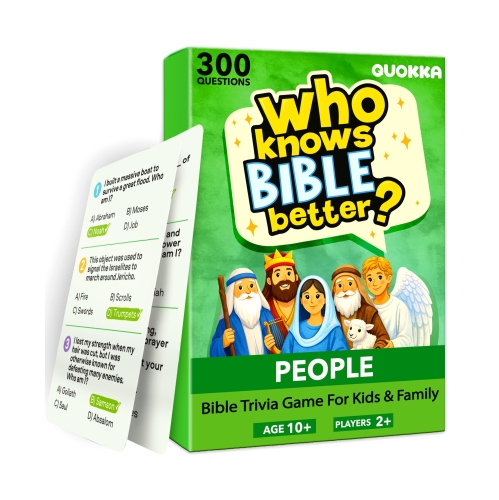
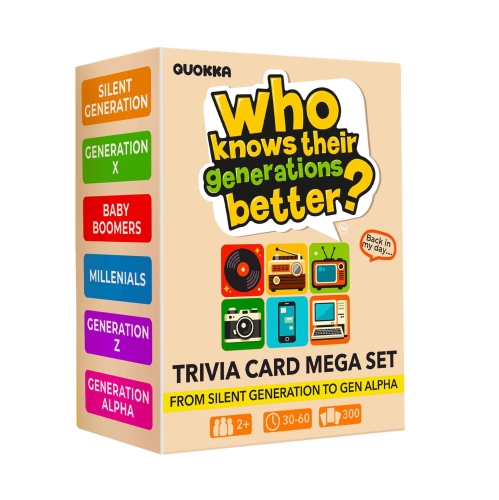
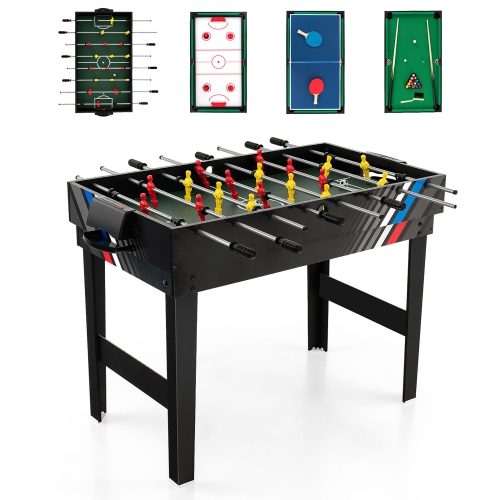

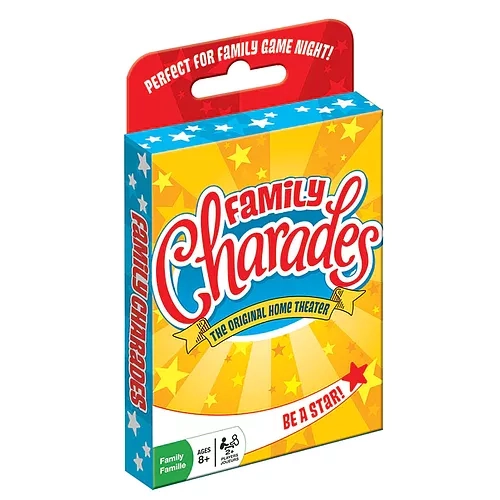

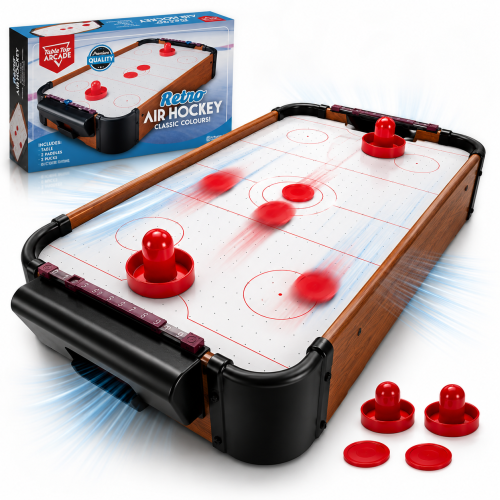

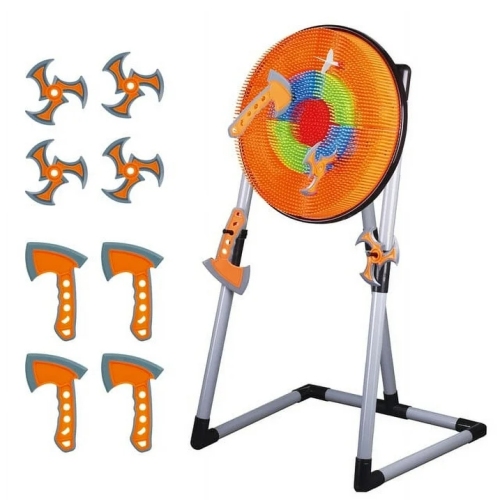
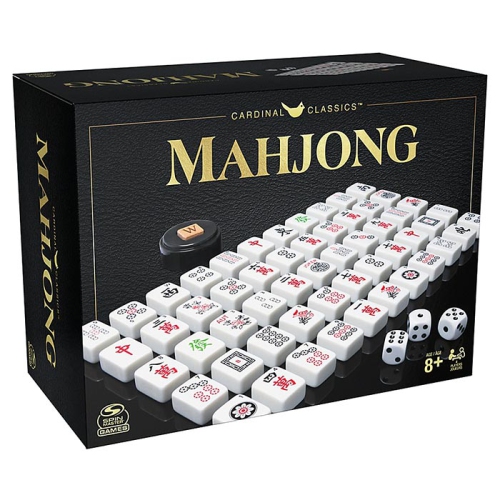


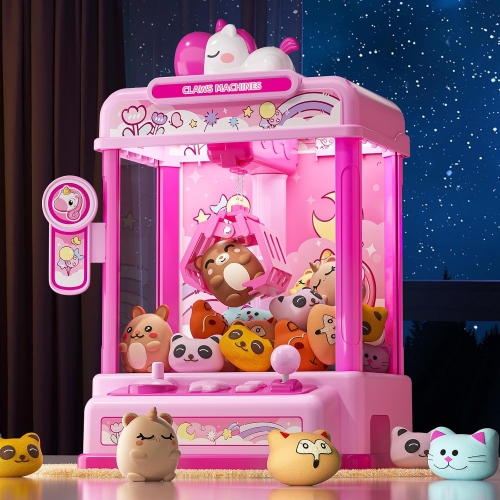
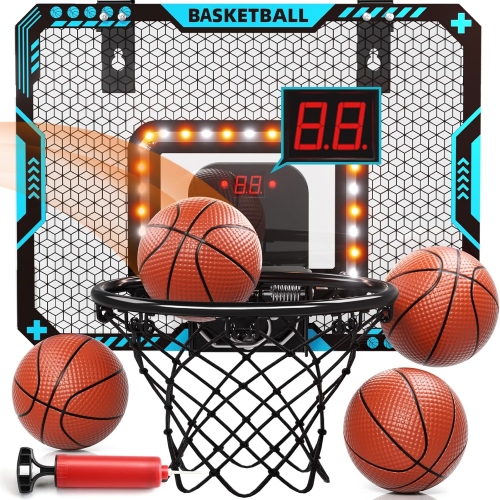
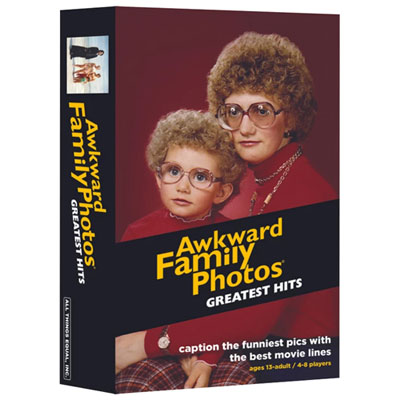
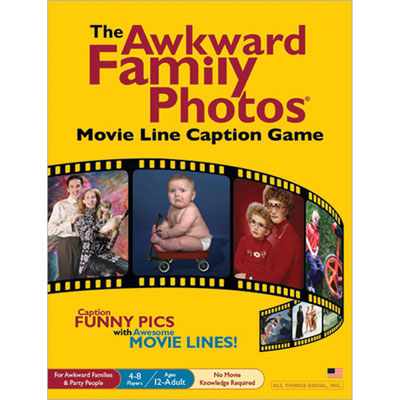

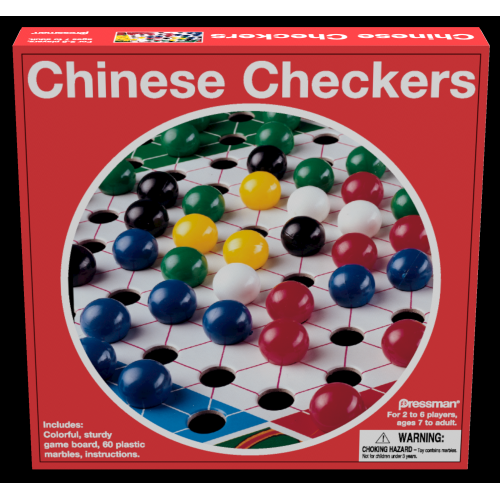
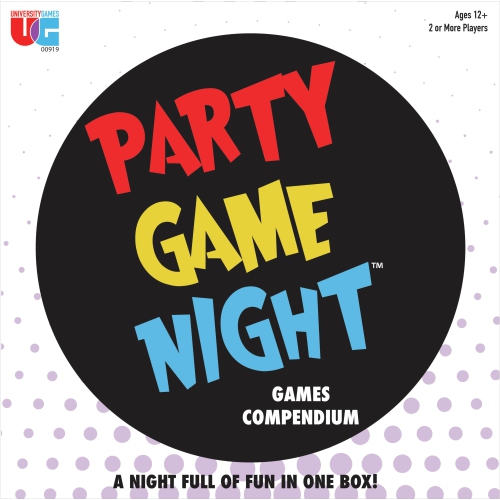
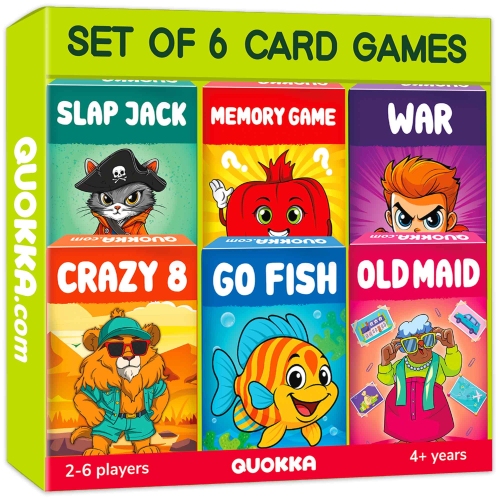

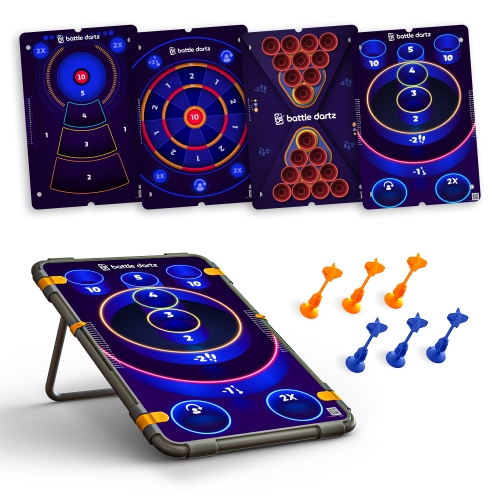
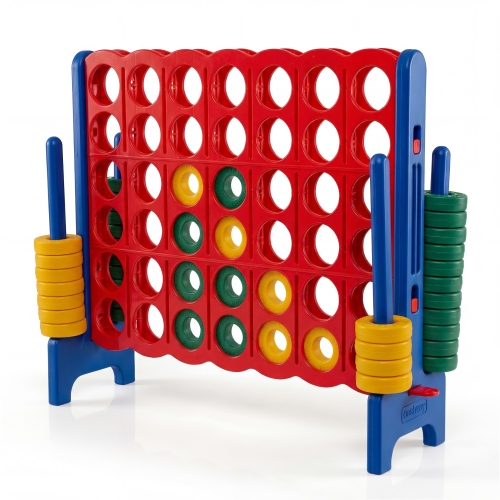


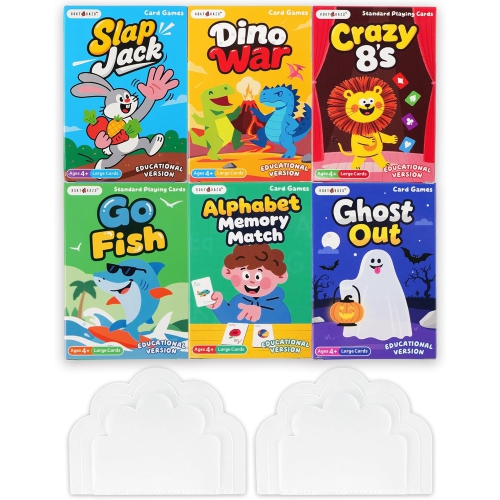
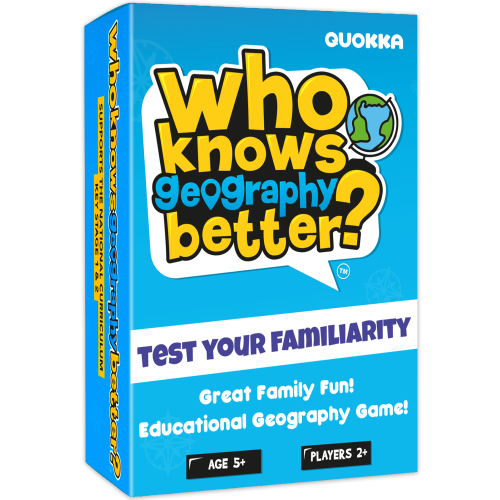
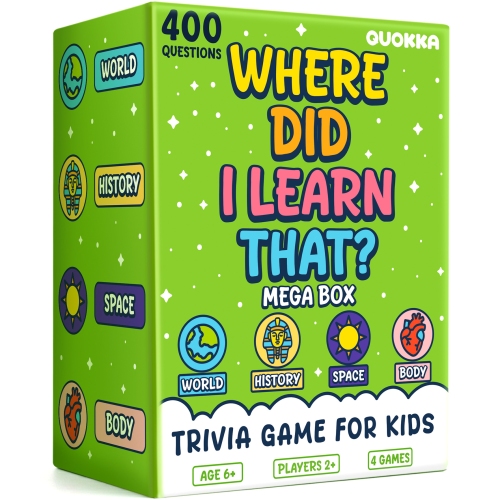
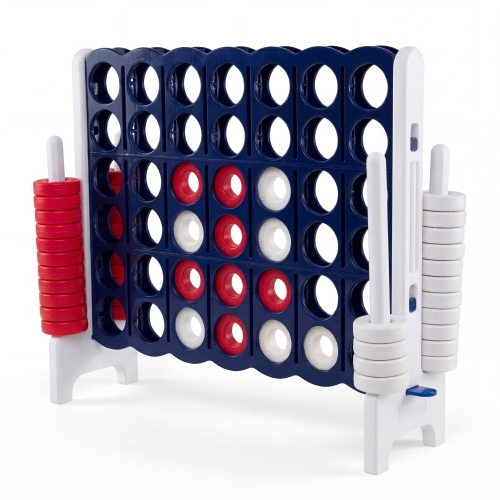
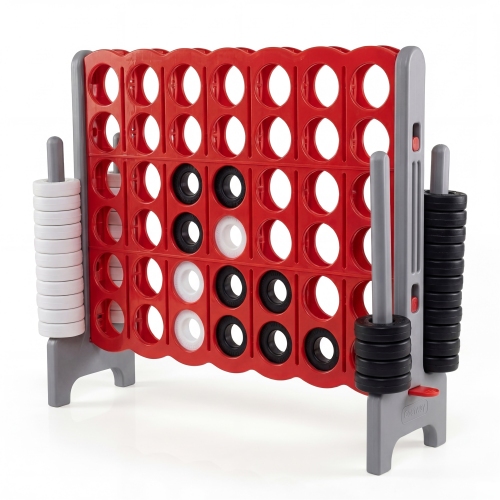
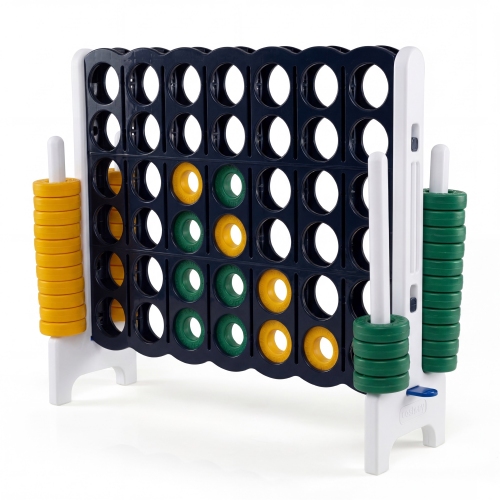
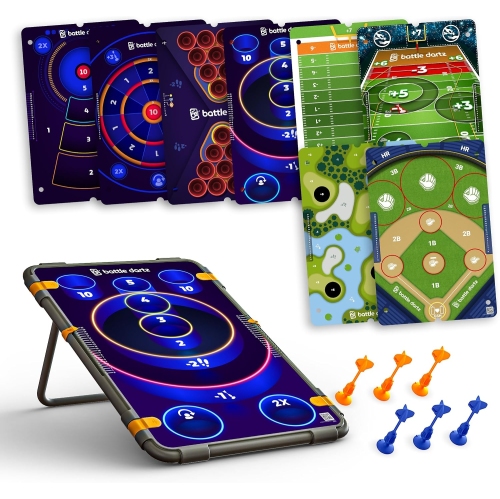
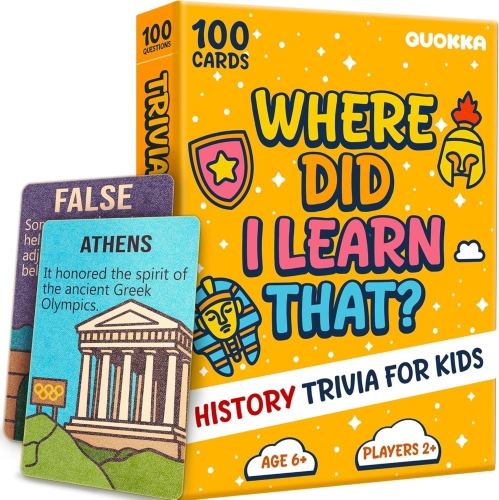

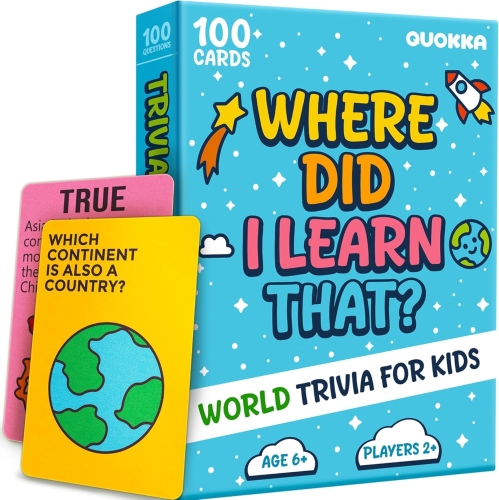
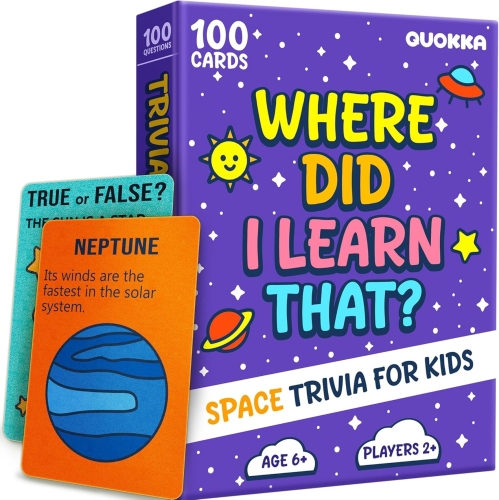

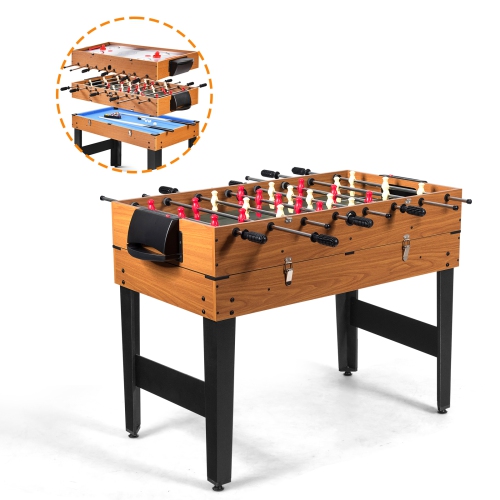
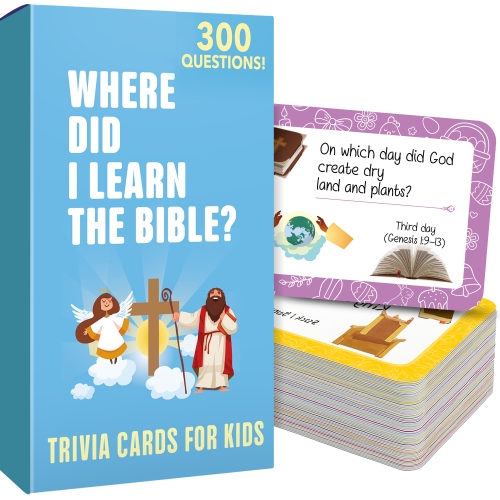

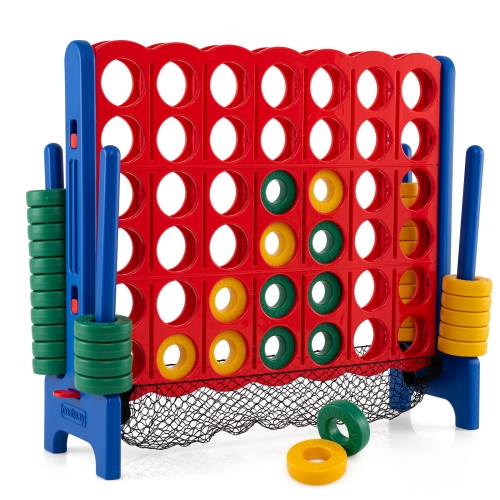
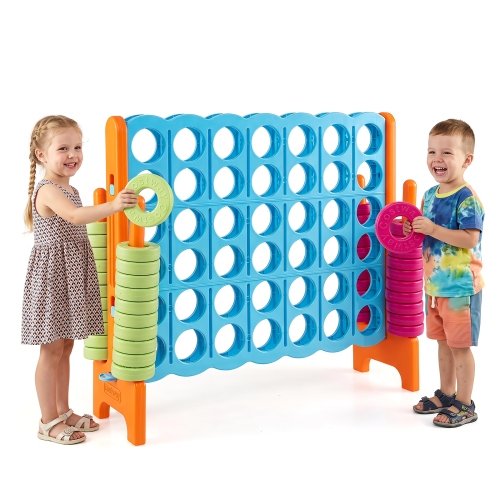
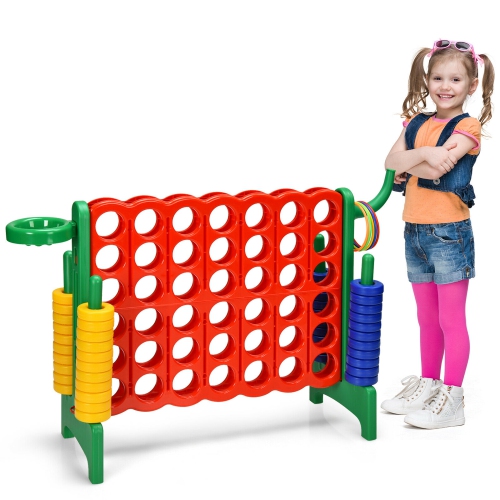

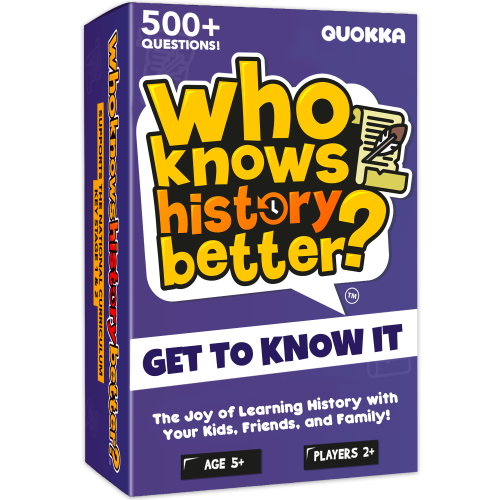
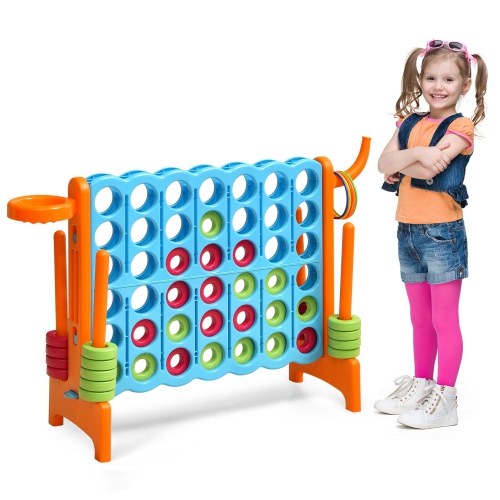
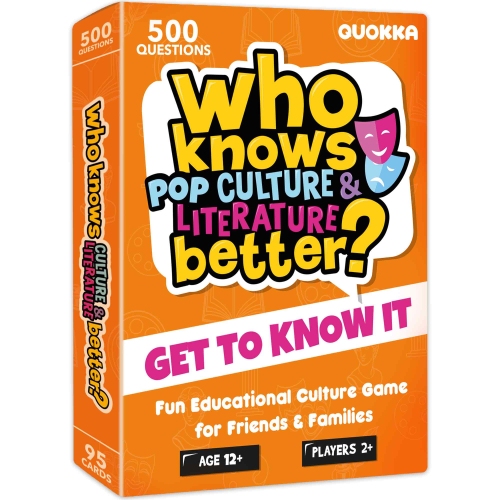
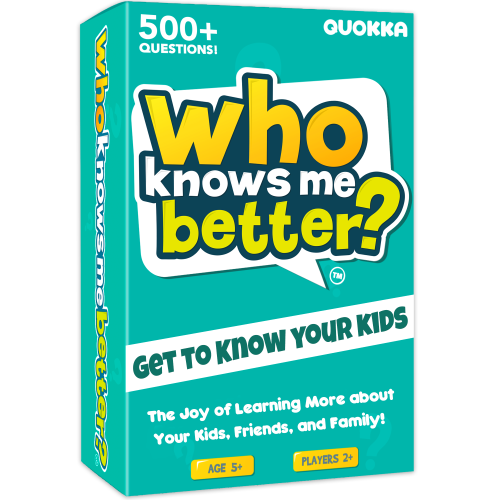

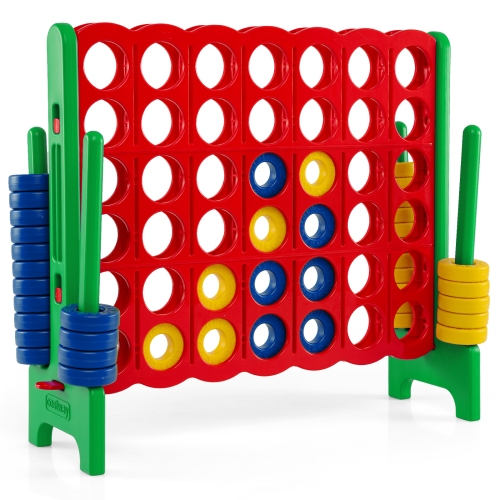

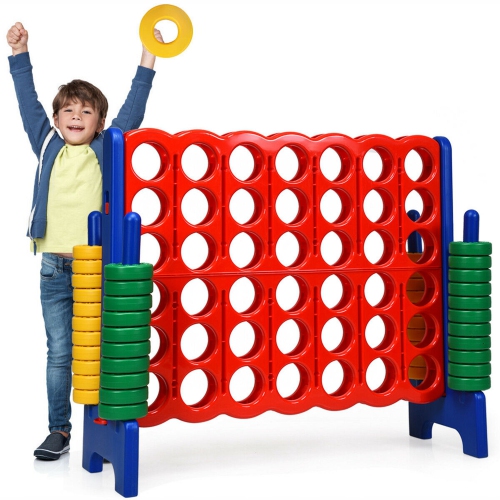

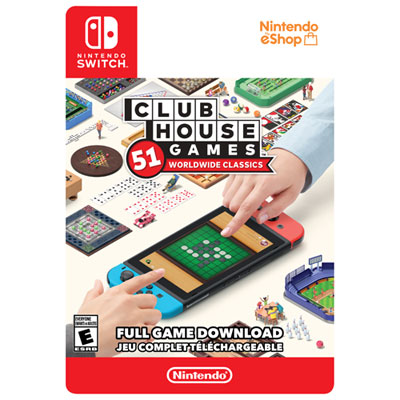
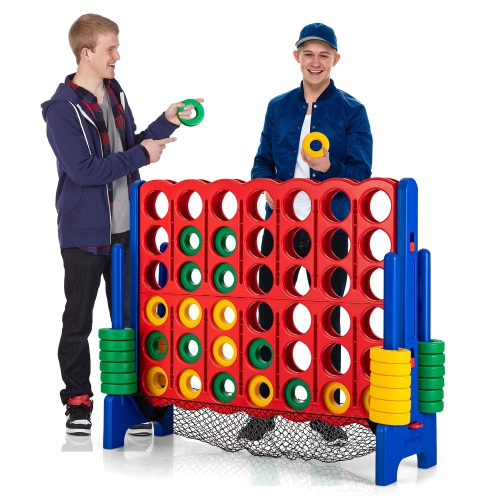
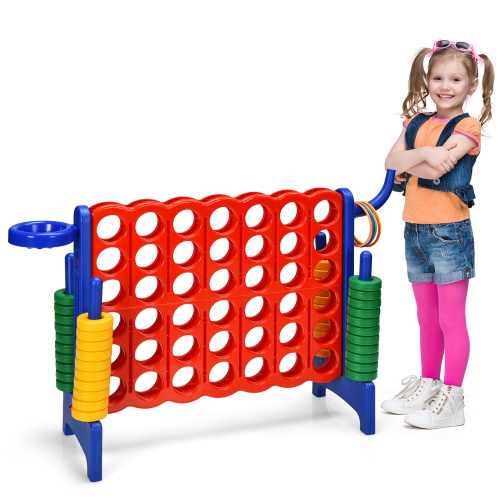


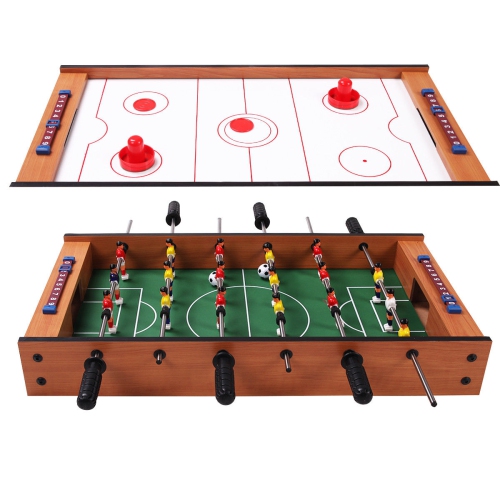
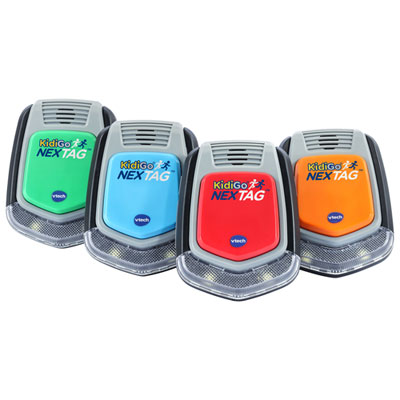
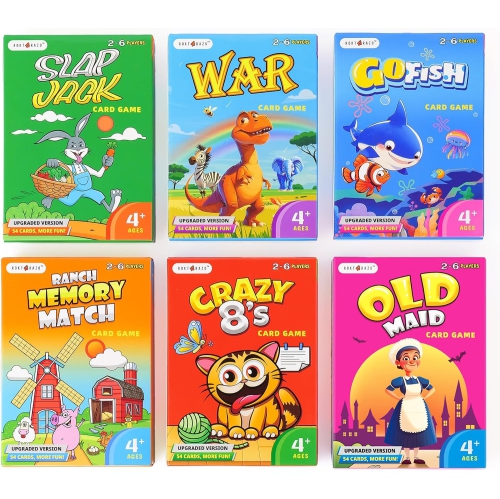

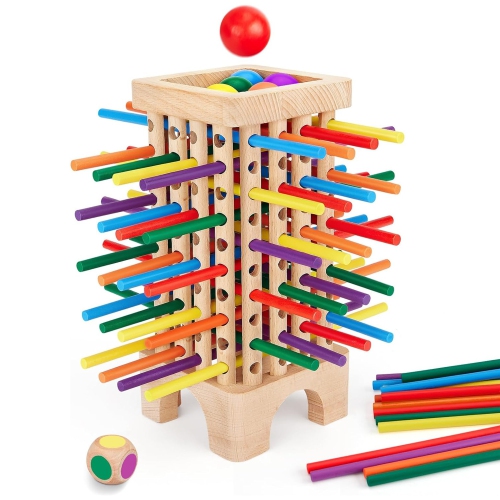

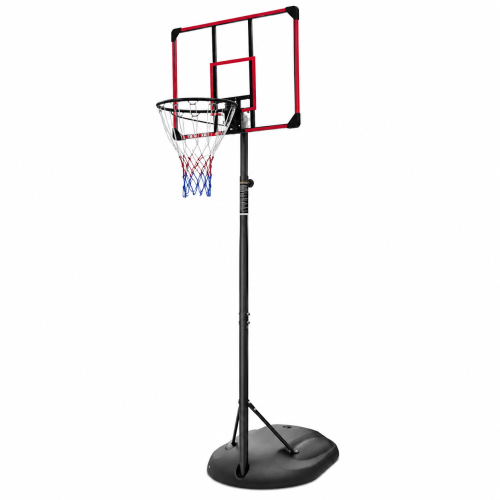
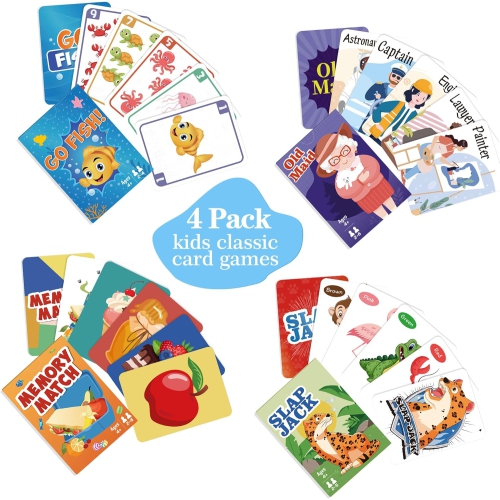

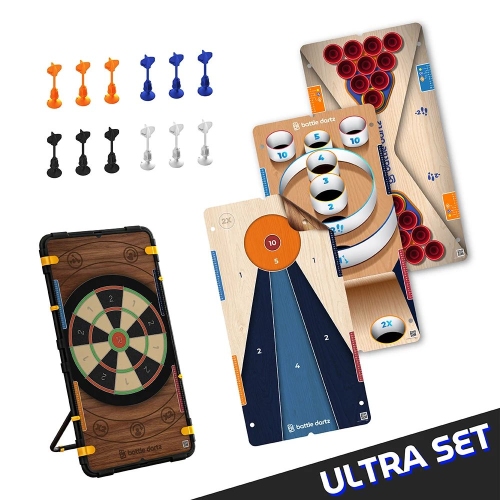
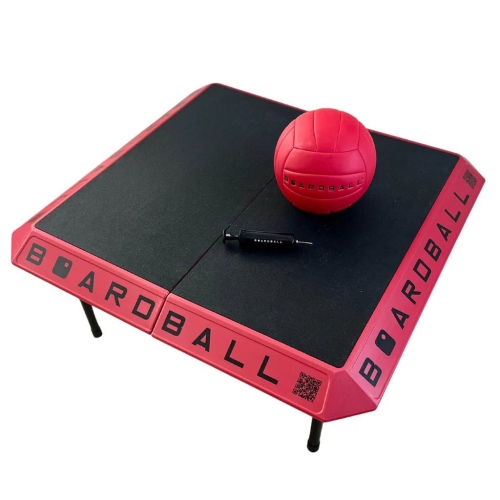
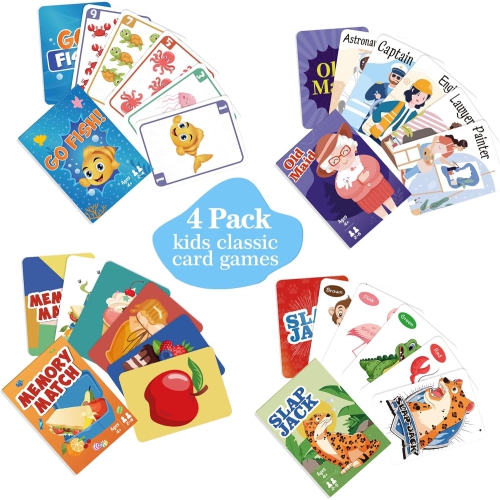
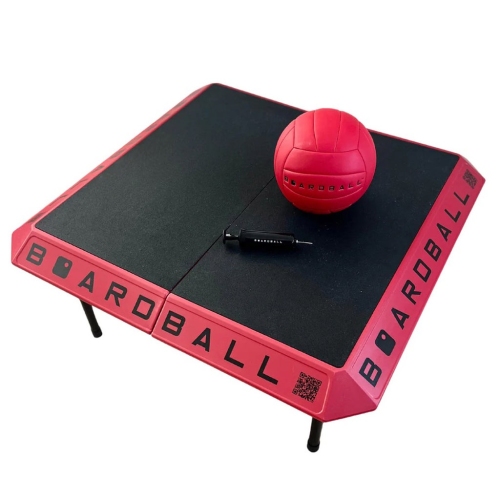
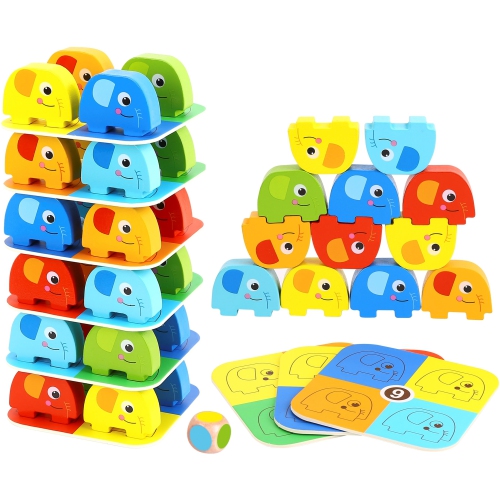
Shared challenges for quiet afternoons and lively gatherings
Family indoor games bring people together through shared challenges, friendly competition, creative play, and activities that suit the space inside a home. The category includes board games, card games, puzzles, guessing games, tabletop activities, and movement-based games designed for indoor use. Some give everyone a common goal, while others invite players to build, balance, match, draw, or think a few moves ahead. That variety makes indoor family games useful for everything from a quiet afternoon at the kitchen table to a lively gathering with grandparents, cousins, and friends. During the cooler months, a familiar game can turn the time after dinner into a chance to connect without needing a lengthy outing or elaborate setup. Short rounds work well when bedtime is approaching or someone has only a few minutes to join in; longer games give a relaxed afternoon a shared focus. The character of the play matters as much as the format. A cooperative challenge encourages players to share ideas and work towards a result together, while a light competitive game creates the anticipation of a close finish. Drawing, acting, and word-based play can fill a room with laughter, especially when a surprising clue sends guesses in several directions. Puzzles and quieter tabletop activities offer a gentler pace, with room for conversation between turns. For families who enjoy gathering around a shared playing surface, Board Games for Indoor Fun brings the focus to games built around face-to-face play. Across these formats, the best match is usually one that fits the people taking part: their ages, interests, comfort with rules, and appetite for either thoughtful concentration or energetic interaction. A game that feels inviting to a younger child, an occasional player, and an experienced adult is more likely to become part of a regular family routine than one whose complexity keeps someone on the sidelines.
Age guidance, player count, and playing time help distinguish family indoor games that may look similar at first glance. An age rating can reflect small-part safety, reading demands, or the level of reasoning involved, so it is useful alongside a clear sense of what each participant enjoys. Early learners may feel more involved when play relies on colours, shapes, pictures, and simple actions rather than long passages of text. Older children and adults may prefer layered decisions, wordplay, or challenges that reward planning. Mixed-age groups often suit games with straightforward turns and enough flexibility for an adult and child to play as a team, where the rules allow it. Clear symbols, readable text, comfortable-to-hold components, and an uncluttered playing area can also make participation easier for a wider range of players. The stated player range matters for the rhythm of an evening: a game intended for a small group may feel very different from one designed to keep a larger gathering involved. When waiting between turns tends to test younger players’ patience, simultaneous actions or brief rounds can help maintain interest. Setup and packing-away time belong in that picture too. A quick activity is particularly useful on a busy evening, while a more involved tabletop layout may suit a weekend when the table can stay occupied. Physical fit is another practical consideration. Boards need room for shared components and each player’s own space, and puzzles may require a surface that can remain undisturbed. Indoor movement games need a clear area away from stairs, furniture edges, fragile belongings, and other hazards, with use suited to the flooring and the manufacturer’s directions. In a smaller room or a shared living space, compact tabletop play can be easier to accommodate than an activity that involves throwing or stepping between targets. Sound levels matter as well, particularly when younger siblings are sleeping or another family member is working nearby. These everyday details help make game time comfortable rather than crowded or difficult to manage.
Materials and construction influence how family games feel in use and how well they stand up to repeated play. Sturdy board material can help a playing surface lie flat, while neatly finished edges and well-attached layers matter when components are handled often. Wooden pieces may offer a satisfying weight and grip, though their finish and age suitability still deserve attention. Moulded plastic components can be easy to handle and wipe clean when the care directions permit it, while foam or fabric elements used in active indoor play may need different cleaning and drying methods. Cards experience frequent shuffling, bending, and contact with hands, so their thickness and finish can make a noticeable difference over time. No material makes a game suitable for every age: small pieces still need to stay away from children who may put them in their mouths, and any battery compartments should remain secure. Care is usually a matter of protecting components from moisture, rough handling, and being misplaced. Dry hands and a clear table help keep cards and paper-based boards in good condition, while spills are best kept away from the playing area. Cleaning should follow the supplied directions, since soaking or applying strong cleaners can damage printed surfaces, adhesives, and finishes. Allowing washable components to dry fully before packing them away helps protect the rest of the contents. A box with useful compartments or separate storage for small pieces can make the next session easier to start, particularly when children help tidy up. For gifting, family indoor games offer a shared activity rather than something intended for just one person. They can suit a birthday, a visit to relatives, or a household that enjoys spending evenings together, provided the age range, space requirements, and style of play match the recipients. A smaller household may appreciate an engaging two-player format, while a family that regularly hosts visitors may value room for more participants. Familiar interests can provide a starting point, but ease of learning and comfortable participation often determine whether a game gets played again. With a suitable balance of challenge, durability, and everyday practicality, indoor games can become a welcome reason to clear the table and spend time together.
Top selling and popular products
-
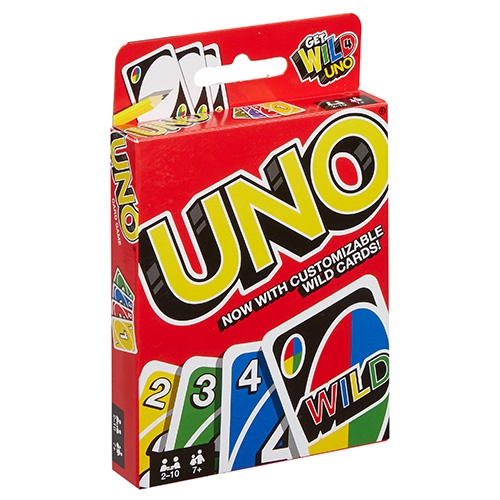 Your price for this item is $14.99
-
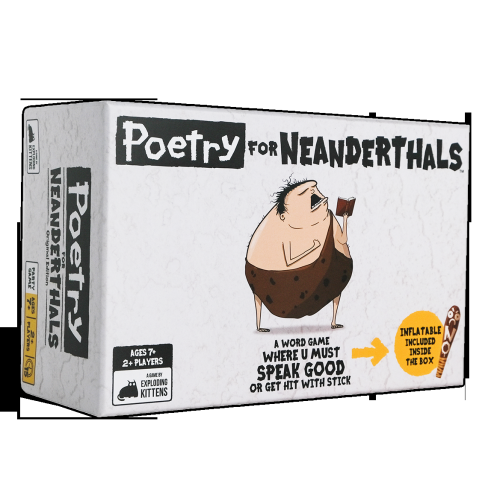 Your price for this item is $34.99
-
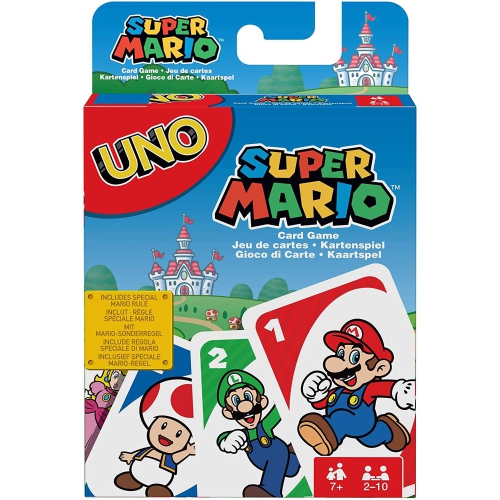 Your price for this item is $15
-
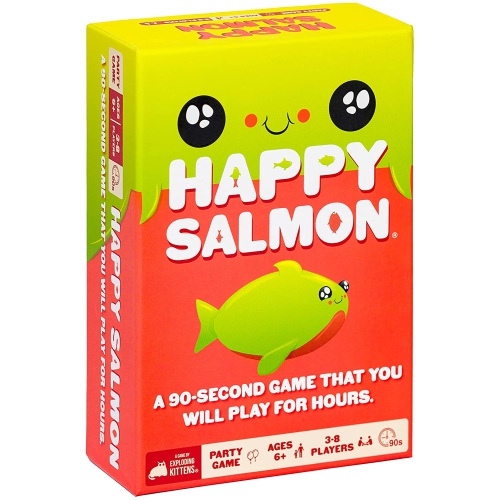 Your price for this item is $21.99
-
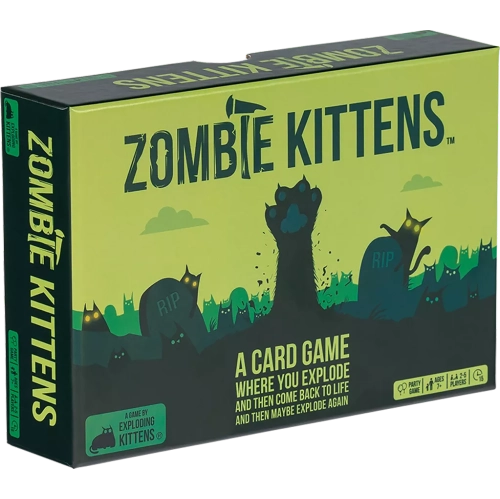 Your price for this item is $34.99
-
 Your price for this item is $24.99
-
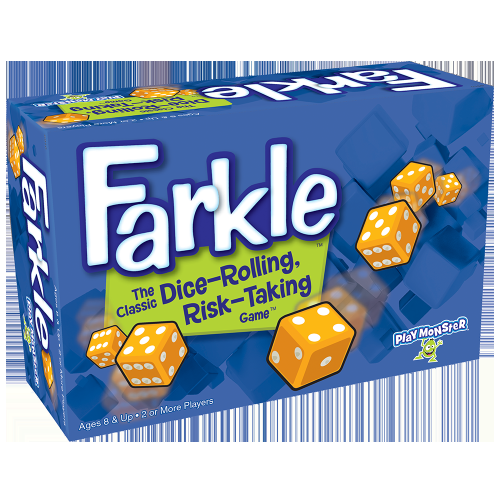 Your price for this item is $20.93
-
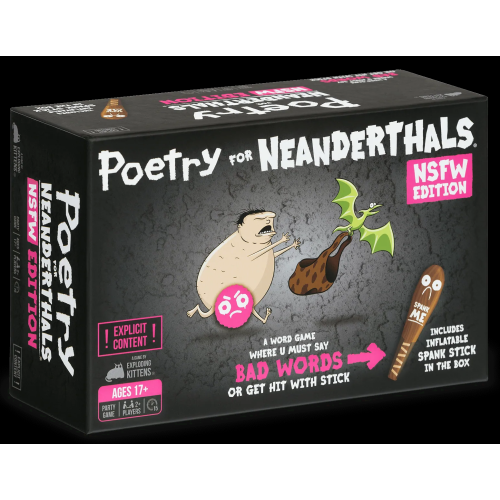 Your price for this item is $31.99
Discover more categories related to Family Indoor Games
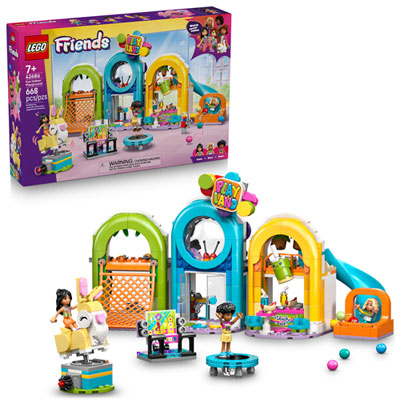
Top Collections:
Pokemon Centers, Best Cameras for Sports Photography, Kindle Devices, Samsung Galaxy Phones, Canon G7X Cameras, Pokémon 30th Celebration Cards, Refurbished Apple Laptops, iPhone 15 Apple, Laptops for Students, Budget Smartphones
Some products may be subject to Environmental Handling Fees
(EHF) depending on your province.
Learn more about EHFs.