Fat Tire Bikes
If you're looking to conquer rugged trails and rough terrains with ease, a fat tire bike might just be the perfect ride for you. These robust bicycles are equipped with extra-wide tires that provide excellent traction and stability, making them ideal for off-road adventures. Whether you're tackling sandy beaches, snowy paths, or rocky trails, a fat tire bike offers a smooth and comfortable ride that can handle various challenging conditions. Explore our selection of fat tire bikes to find the perfect match for your next outdoor escapade.
Sort
Why wider tires feel different beyond smooth pavement
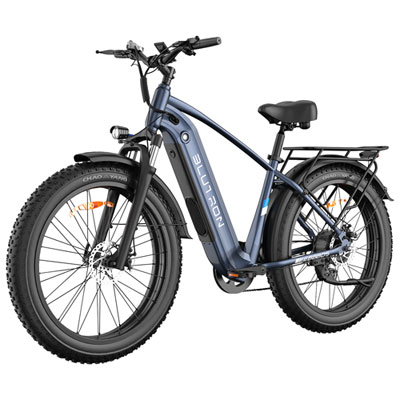
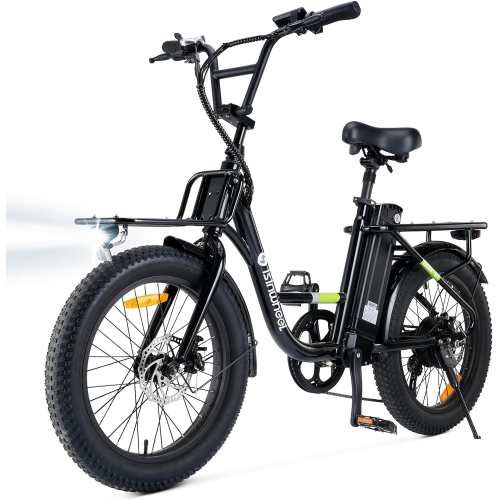
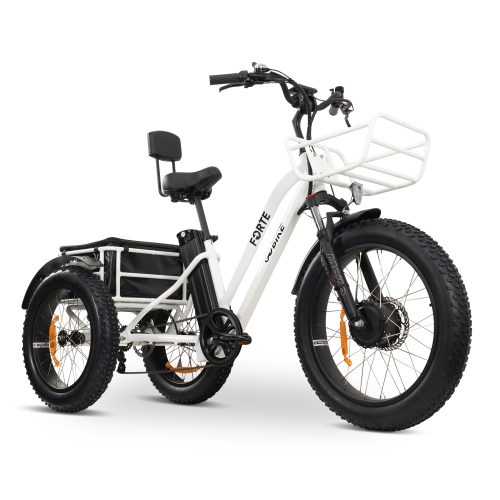
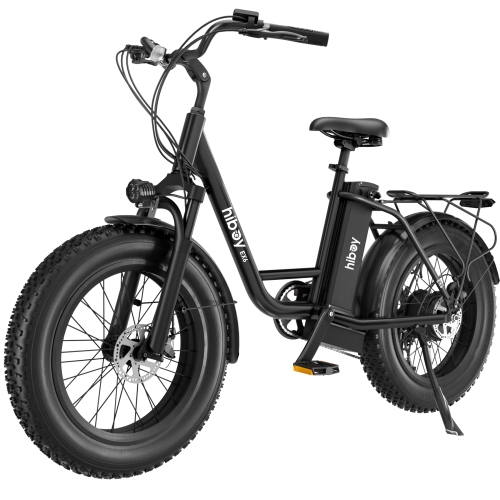
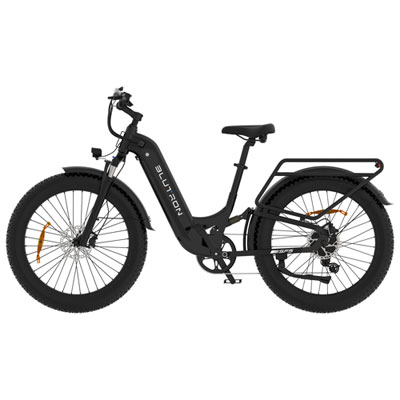
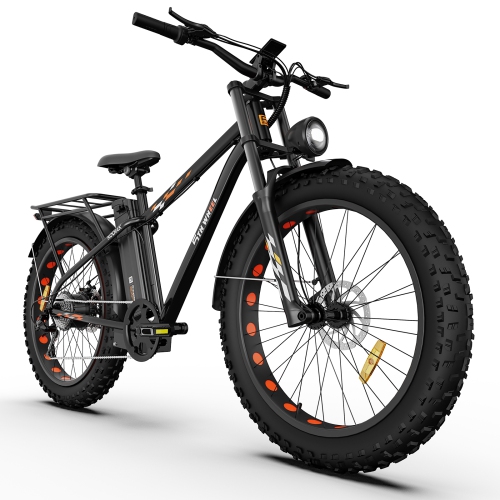
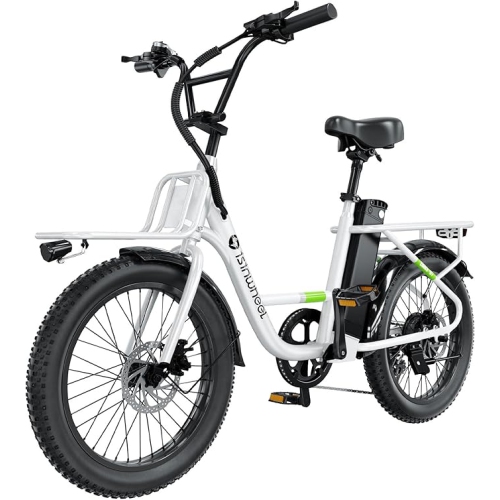
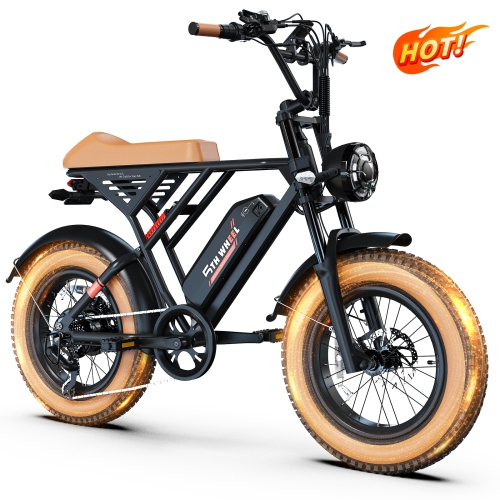
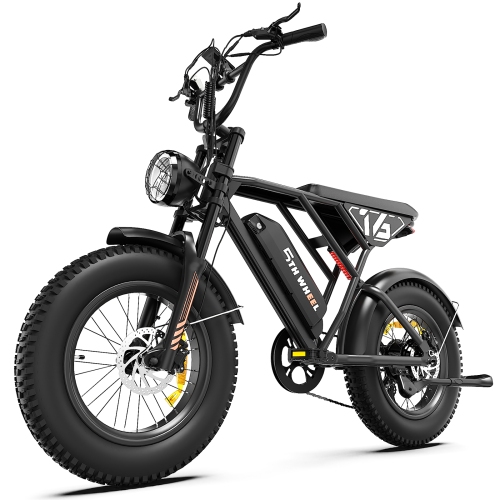
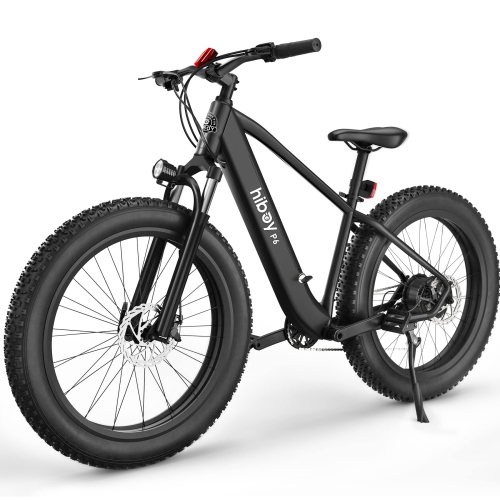
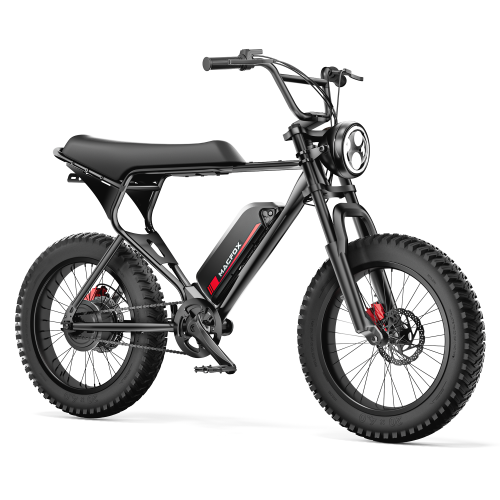
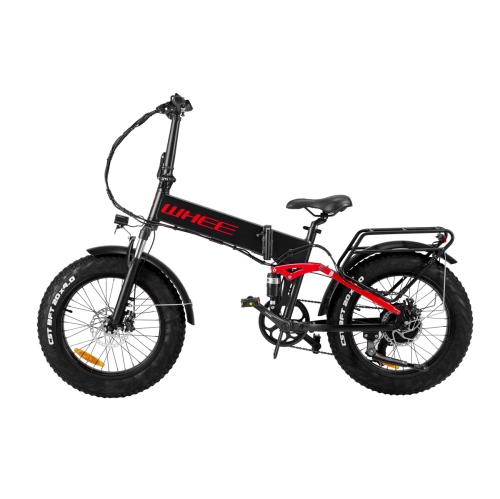
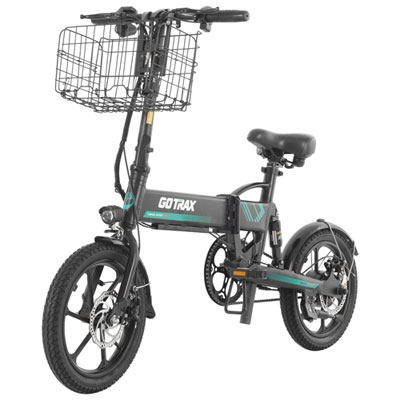
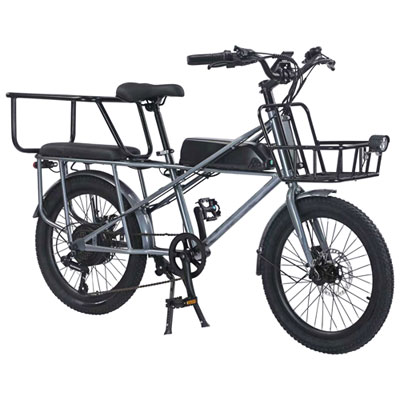
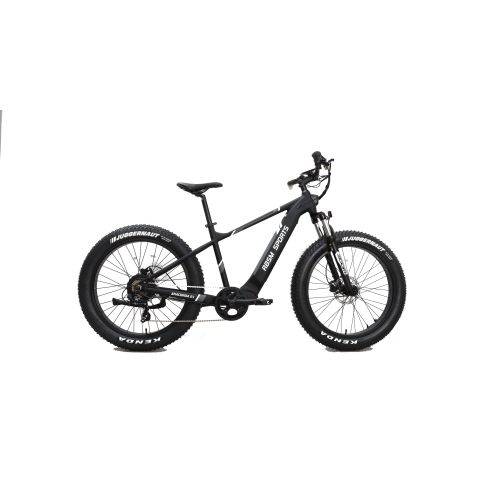
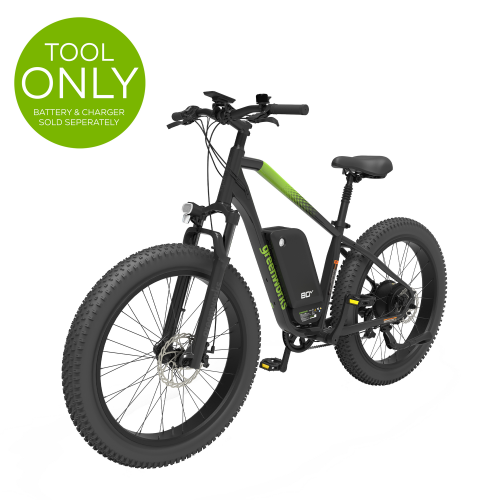
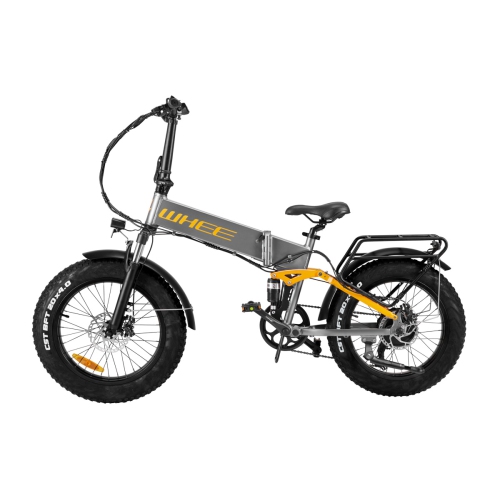
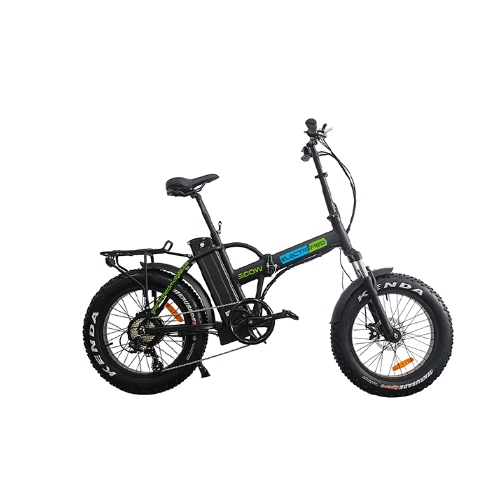
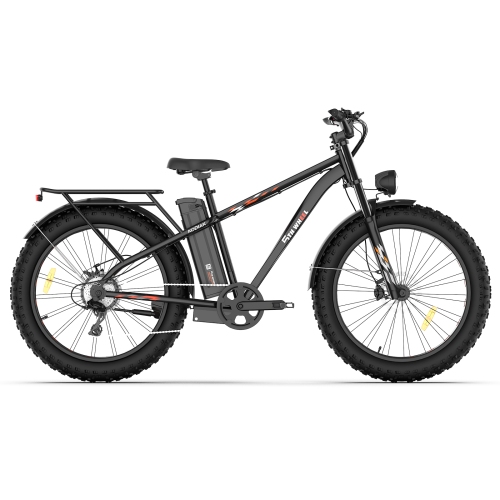
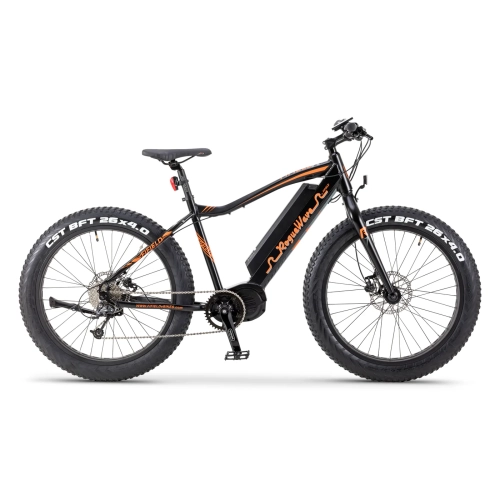
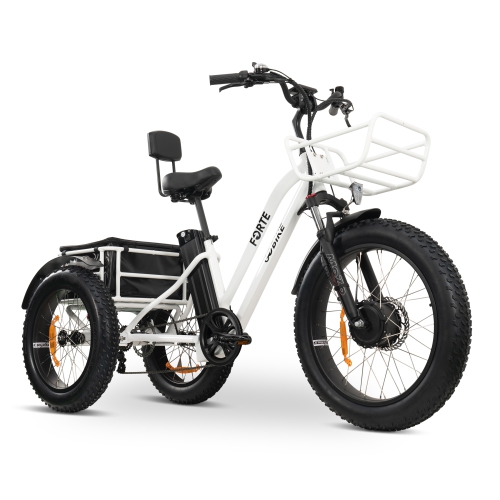
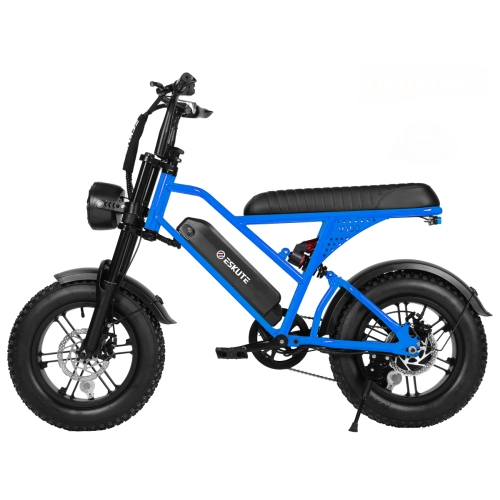
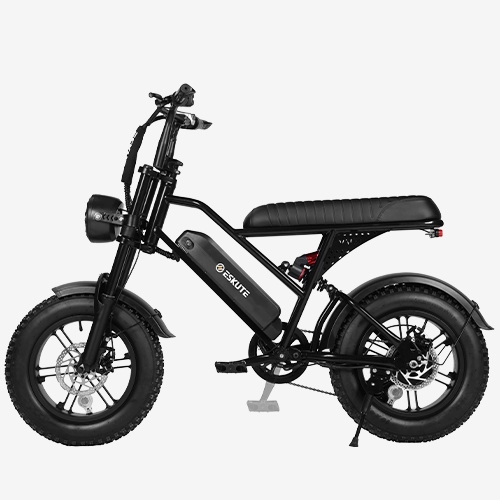
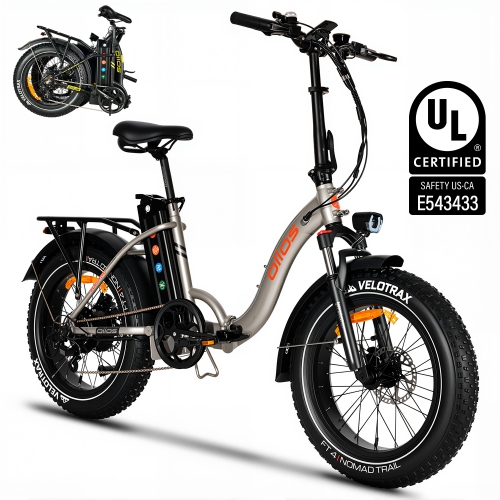
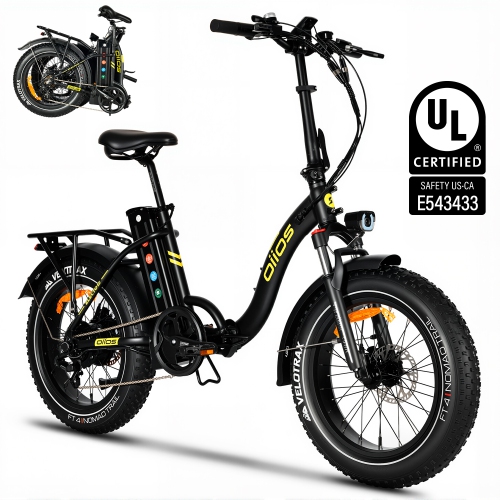
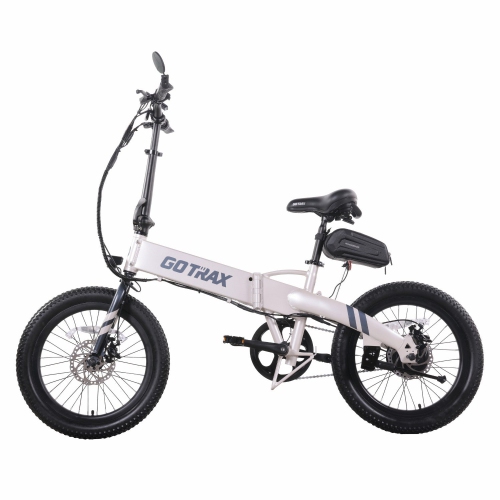
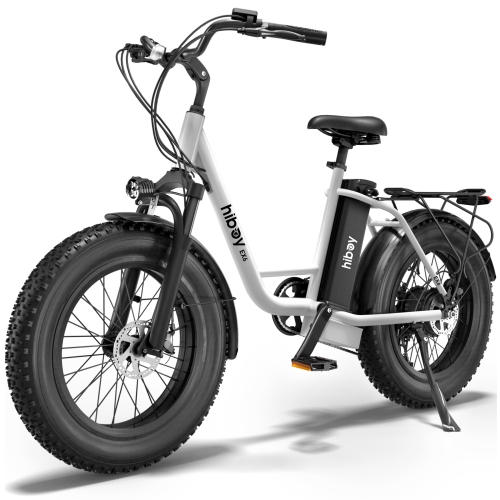
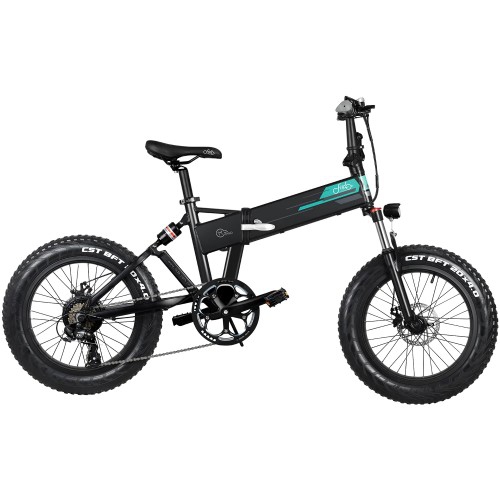
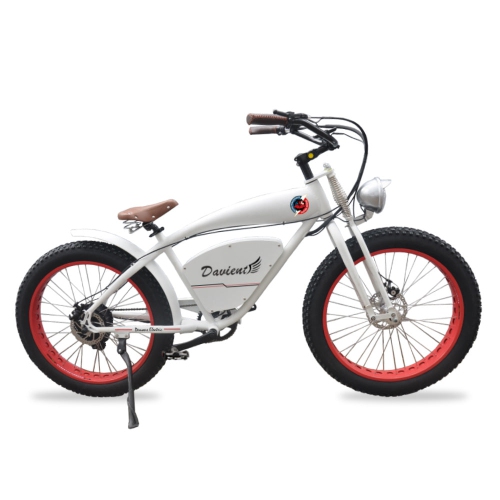
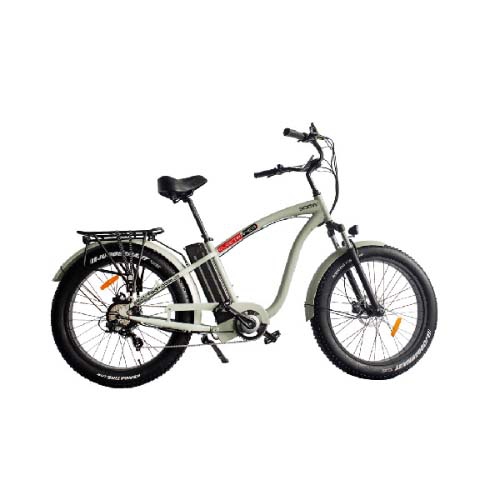
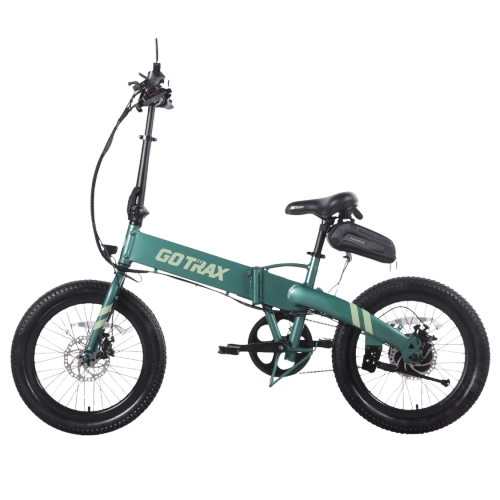
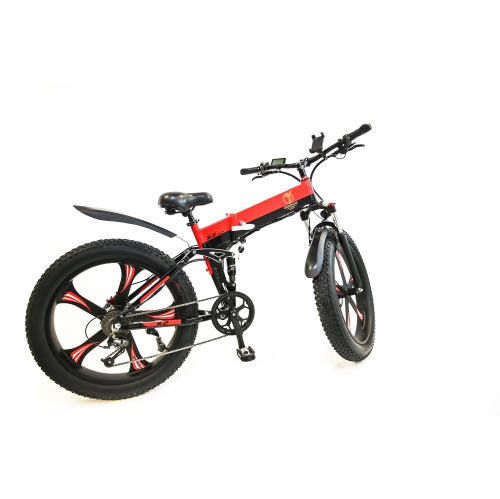
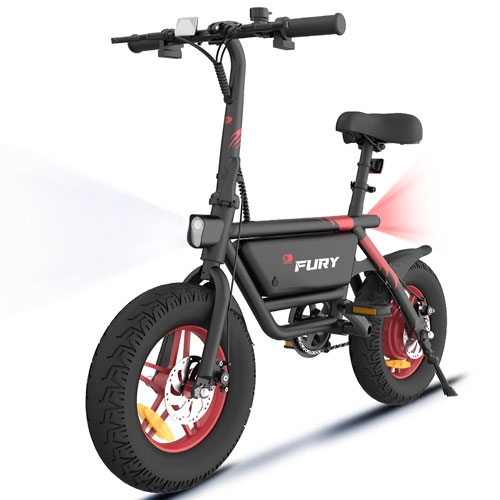
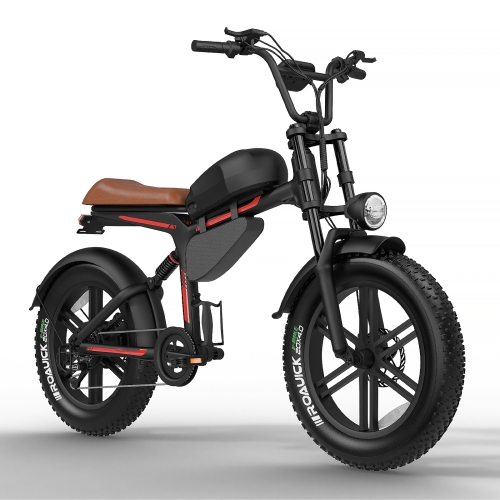
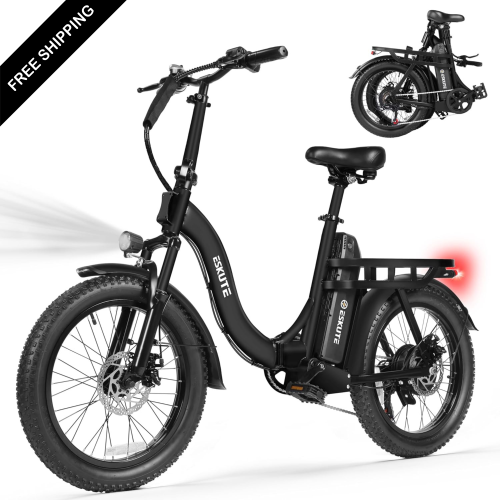
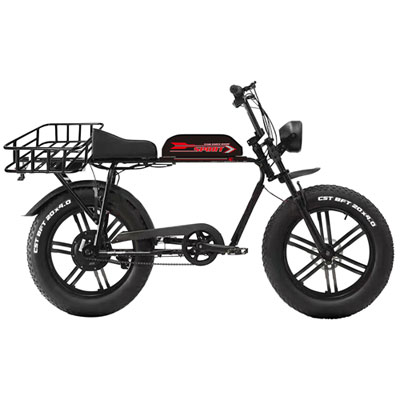
Fat tire bikes are bicycles built around oversized tires, typically about 3.8 to 5 inches wide, that spread the rider’s weight over a larger contact area than conventional bicycle tires. That wider footprint helps the bike travel over soft surfaces such as packed snow, loose sand, and uneven gravel with less sinking, while the extra tire volume cushions smaller bumps along the way. Often called fat bikes, they suit riders who want to explore beyond smooth pavement or keep riding during the cooler months when familiar routes take on a different character. Picture a firm, snow-covered path with a gentle crunch beneath the wheels, or a gravel lane where narrower tires tend to dig into loose patches. These are the kinds of surfaces where a fat bike’s traction and flotation can make a noticeable difference. The tires generally run at lower pressures than those on road or hybrid bikes; some setups use approximately 5 to 10 psi on soft terrain, but the appropriate pressure depends on the tire and rim, rider weight, cargo, and riding conditions. Staying within the manufacturer’s limits matters, since too little pressure can lead to tire squirm, rim strikes, or pinch flats with inner tubes. More pressure may suit firm ground, although it changes the feel of the ride. Wide tires do not make every surface easy: glare ice still calls for particular caution, and compatible studded tires can offer additional grip where permitted. Deep, loose snow can also be challenging even with a broad tire footprint. On pavement, the same large tires that feel reassuring on a rough path may create more rolling resistance and noise. For someone whose rides mix neighbourhood streets with gravel connectors and permitted trails, that trade-off may be worthwhile. Riders focused mainly on speed over smooth roads may prefer a narrower-tire bicycle, while those drawn to steady exploration often appreciate the fat bike’s planted feel.
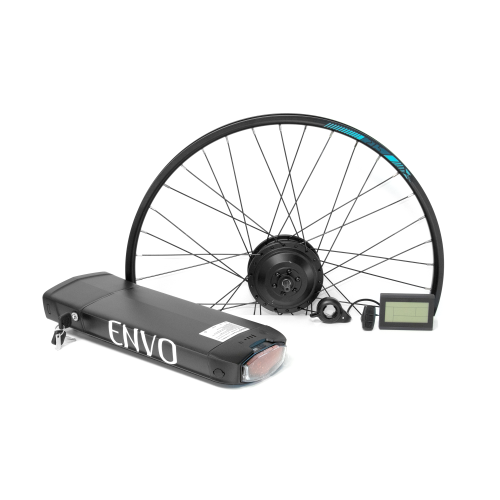
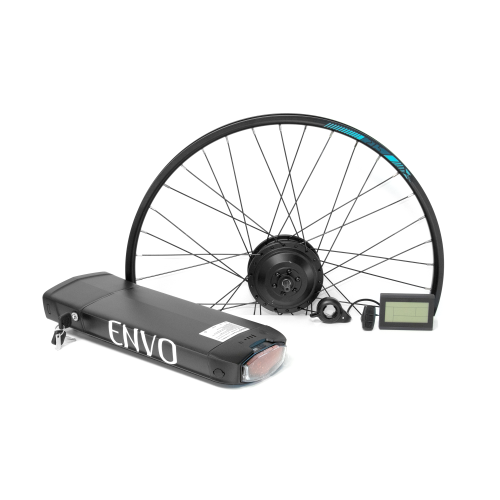
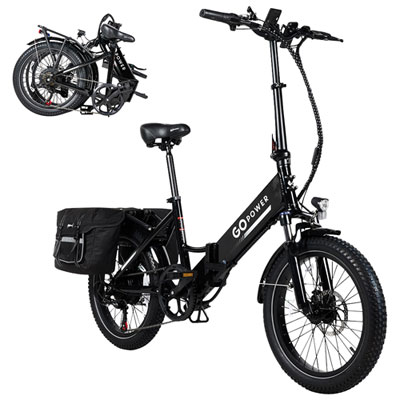
Choosing between a pedal-powered fat bike and an electric fat tire bike starts with how the bicycle will be used, where it will be stored, and how much weight the rider is comfortable handling. A conventional model offers a straightforward cycling experience without a battery to charge, making it appealing for exercise, shorter outings, and riders who enjoy supplying all the effort themselves. An electric model adds motor assistance that can make hills, longer distances, and starts on loose ground more manageable, though it also adds weight and requires charging access. Assistance does not replace traction or riding skill, and access rules can differ between roads, recreational paths, and trails. Motor output, assistance settings, battery capacity, and the complete bike’s weight all deserve attention rather than relying on a single advertised range figure. Cold temperatures, soft ground, hills, tire pressure, rider weight, and higher assistance levels can reduce the distance available from a charge. For riding that centres on sandy routes, Fat Tire Electric Bikes for Sand offers a more focused selection to explore, with the same need to check local access rules and suitability for the intended surface. Across both electric and non-electric designs, fit should remain a priority. Wheel diameter is not a substitute for frame sizing: the manufacturer’s height range, standover clearance, handlebar reach, and saddle adjustment help establish whether a bike will feel manageable. A step-through frame can make mounting easier, especially when wearing layers or carrying a bag on a rear rack, while other frame shapes may suit riders who prefer a more familiar mountain-bike position. Wide tires add cushioning, but they are not the same as suspension. A rigid fork can keep the setup simpler, whereas a suspension fork may add comfort and control on rougher routes. Low gearing helps with climbs and soft sections, and brakes should provide predictable stopping power for the combined weight of the bike, rider, and any cargo.
The details that matter most often become clear in ordinary moments: lifting the bike over a doorstep, finding room beside the car in a garage, or reaching the brake levers with gloves on. Fat tire bikes can be bulky, so checking overall dimensions and complete weight before buying is useful, particularly for anyone navigating stairs or loading a vehicle. A car rack needs sufficient weight capacity, wheelbase allowance, and trays or straps that accommodate wide tires; an electric bike can exceed the limits of racks designed for lighter bicycles. For commuting and errands, look for suitable mounting points and compatibility with racks, fenders, lights, and kickstands rather than assuming standard accessories will fit. Fenders with adequate tire clearance can make slushy trips more comfortable, while lights and reflectors support visibility as daylight becomes shorter. The bike’s maximum load rating should account for the rider and carried belongings, and any rack has its own separate capacity. Families shopping for a younger rider should pay close attention to fit, bike weight, braking reach, and the child’s ability to control the bicycle, rather than choosing a larger frame to grow into. As a gift, a fat bike can suit someone who enjoys outdoor activity, relaxed exploration, or extending their riding season, but confirming their size, preferred riding style, and storage space helps make it a practical choice. Ownership also involves a little regular care. Tire pressure needs checking with a gauge suited to low pressures, and wide replacement tubes or tires must match the wheel and rim specifications. After wet or salty rides, cleaning and drying the bike according to its care instructions, followed by appropriate chain lubrication, helps keep moving parts working smoothly. Electric models also need battery storage and charging that follow the manufacturer’s temperature limits, particularly after a cold outing. For many riders, the best match is not the most heavily equipped bike but the one that fits comfortably, handles their usual routes, and is easy enough to bring out for a ride without much fuss.
Choosing between a pedal-powered fat bike and an electric fat tire bike starts with how the bicycle will be used, where it will be stored, and how much weight the rider is comfortable handling. A conventional model offers a straightforward cycling experience without a battery to charge, making it appealing for exercise, shorter outings, and riders who enjoy supplying all the effort themselves. An electric model adds motor assistance that can make hills, longer distances, and starts on loose ground more manageable, though it also adds weight and requires charging access. Assistance does not replace traction or riding skill, and access rules can differ between roads, recreational paths, and trails. Motor output, assistance settings, battery capacity, and the complete bike’s weight all deserve attention rather than relying on a single advertised range figure. Cold temperatures, soft ground, hills, tire pressure, rider weight, and higher assistance levels can reduce the distance available from a charge. For riding that centres on sandy routes, Fat Tire Electric Bikes for Sand offers a more focused selection to explore, with the same need to check local access rules and suitability for the intended surface. Across both electric and non-electric designs, fit should remain a priority. Wheel diameter is not a substitute for frame sizing: the manufacturer’s height range, standover clearance, handlebar reach, and saddle adjustment help establish whether a bike will feel manageable. A step-through frame can make mounting easier, especially when wearing layers or carrying a bag on a rear rack, while other frame shapes may suit riders who prefer a more familiar mountain-bike position. Wide tires add cushioning, but they are not the same as suspension. A rigid fork can keep the setup simpler, whereas a suspension fork may add comfort and control on rougher routes. Low gearing helps with climbs and soft sections, and brakes should provide predictable stopping power for the combined weight of the bike, rider, and any cargo.
The details that matter most often become clear in ordinary moments: lifting the bike over a doorstep, finding room beside the car in a garage, or reaching the brake levers with gloves on. Fat tire bikes can be bulky, so checking overall dimensions and complete weight before buying is useful, particularly for anyone navigating stairs or loading a vehicle. A car rack needs sufficient weight capacity, wheelbase allowance, and trays or straps that accommodate wide tires; an electric bike can exceed the limits of racks designed for lighter bicycles. For commuting and errands, look for suitable mounting points and compatibility with racks, fenders, lights, and kickstands rather than assuming standard accessories will fit. Fenders with adequate tire clearance can make slushy trips more comfortable, while lights and reflectors support visibility as daylight becomes shorter. The bike’s maximum load rating should account for the rider and carried belongings, and any rack has its own separate capacity. Families shopping for a younger rider should pay close attention to fit, bike weight, braking reach, and the child’s ability to control the bicycle, rather than choosing a larger frame to grow into. As a gift, a fat bike can suit someone who enjoys outdoor activity, relaxed exploration, or extending their riding season, but confirming their size, preferred riding style, and storage space helps make it a practical choice. Ownership also involves a little regular care. Tire pressure needs checking with a gauge suited to low pressures, and wide replacement tubes or tires must match the wheel and rim specifications. After wet or salty rides, cleaning and drying the bike according to its care instructions, followed by appropriate chain lubrication, helps keep moving parts working smoothly. Electric models also need battery storage and charging that follow the manufacturer’s temperature limits, particularly after a cold outing. For many riders, the best match is not the most heavily equipped bike but the one that fits comfortably, handles their usual routes, and is easy enough to bring out for a ride without much fuss.
Top selling and popular products
-
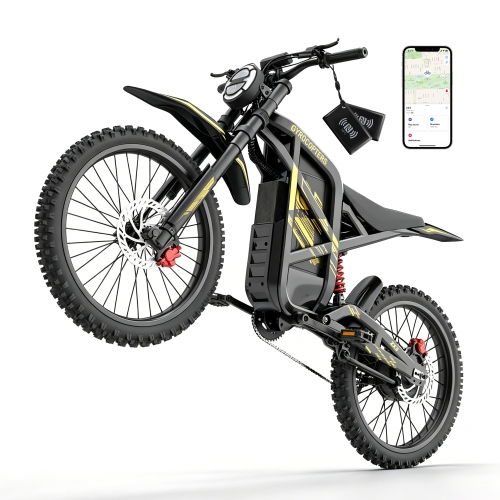 Your price for this item is $2199.97
 -
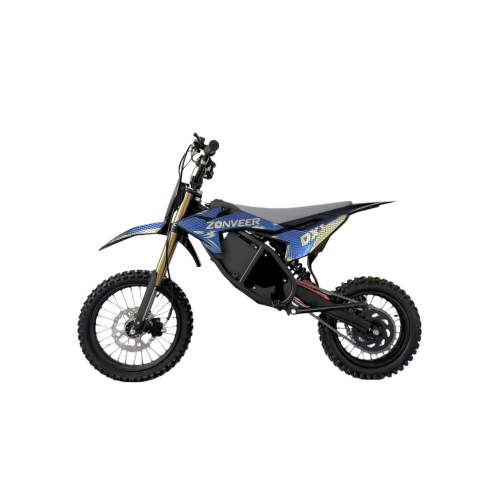 Your price for this item is $1999.97
 -
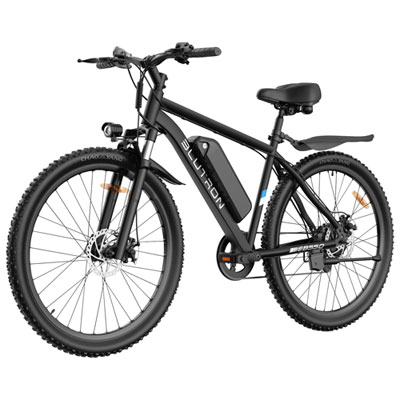 Your price for this item is $649.99
 -
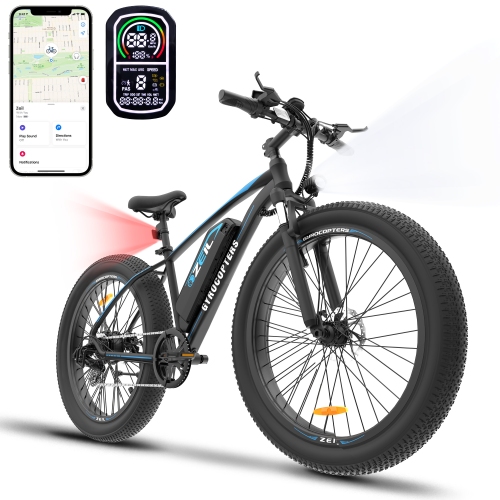 Your price for this item is $799.97
 -
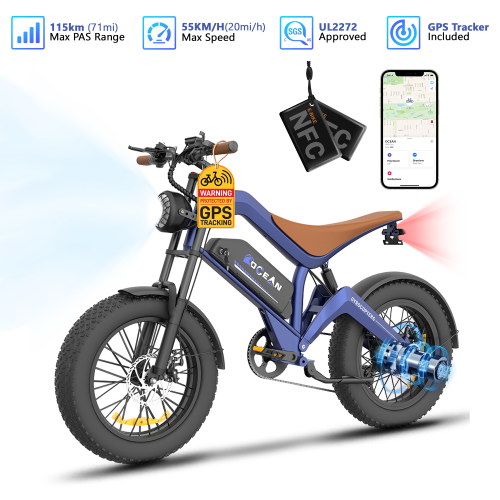 Your price for this item is $1399.97
 -
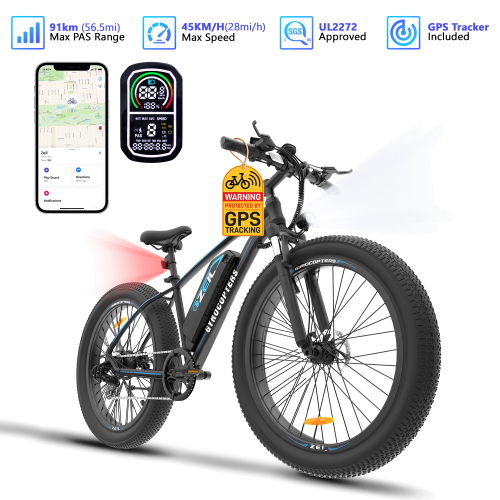 Your price for this item is $1099.97
 -
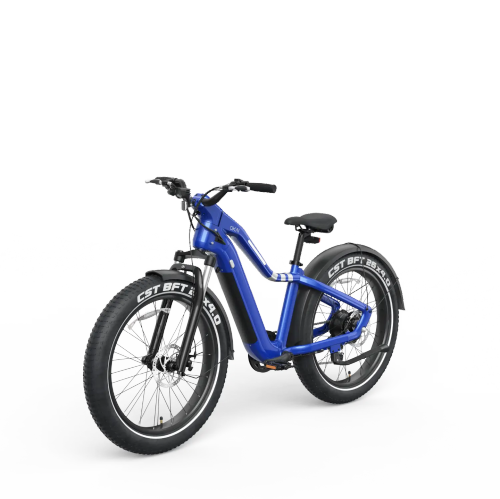 Your price for this item is $1499.99
 -
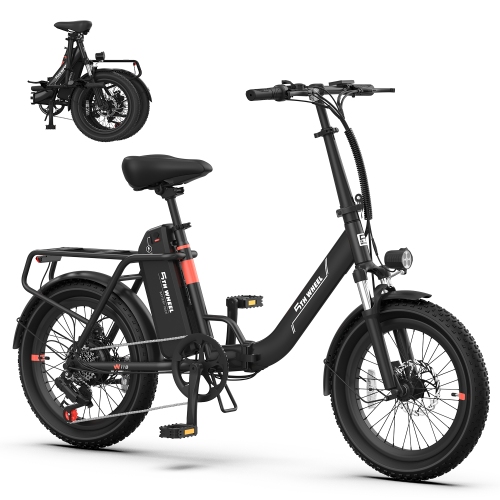 Your price for this item is $669.99
Discover more categories related to Fat Tire Bikes
Top Collections:
Pokemon Centers, Kindle Devices, Best Budget Office Chairs, Apple iPhones 16, Best Laptops for Writers, iPhone 15 Apple, Canon G7X Cameras, Refurbished Apple Laptops, Alarm Clock, Motorola Razr Phones
Some products may be subject to Environmental Handling Fees
(EHF) depending on your province.
Learn more about EHFs.