Fat Tire Electric Bikes for Snow
Fat Tire Electric Bikes for Snow are designed to help you take on winter terrain with confidence and ease. With robust tires built for extra stability, these bikes offer a reliable option for navigating snowy paths and icy roads. Whether you're commuting in cold weather or exploring snow-covered trails, Fat Tire Electric Bikes for Snow provide a versatile solution for year-round riding. Discover options that combine comfort, performance, and convenience to enhance your winter cycling adventures.
Sort
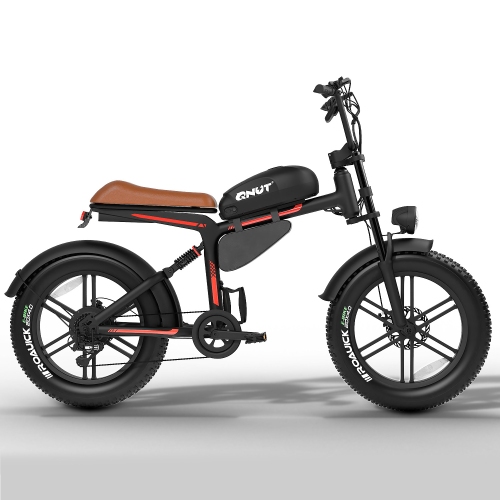
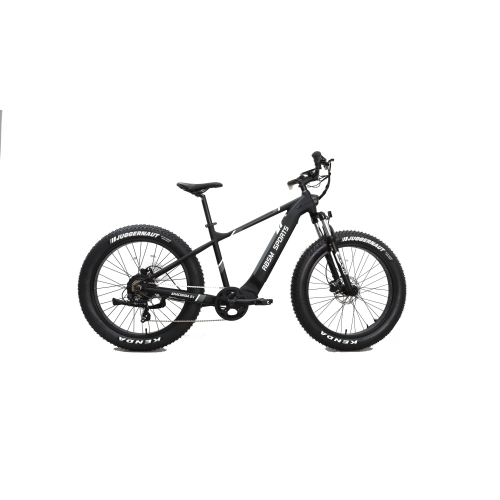
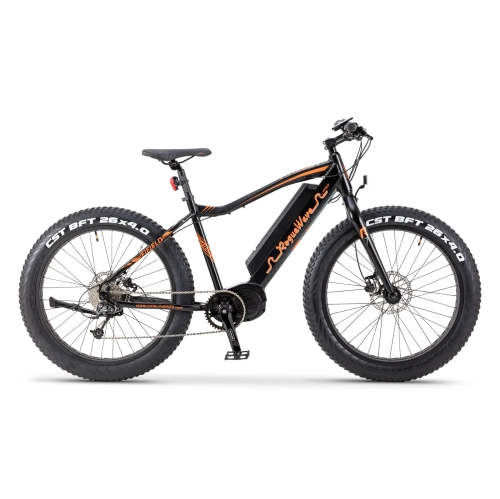
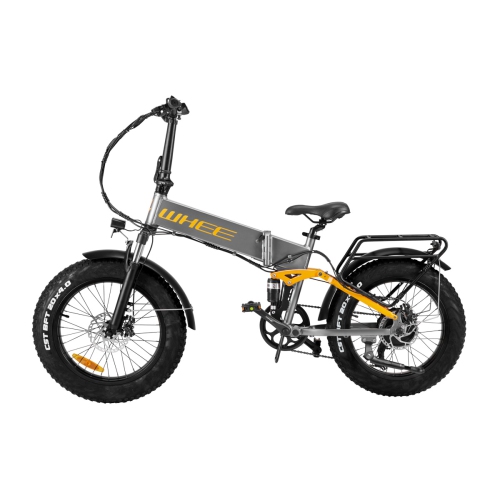
What wide tires can and can’t do on snow
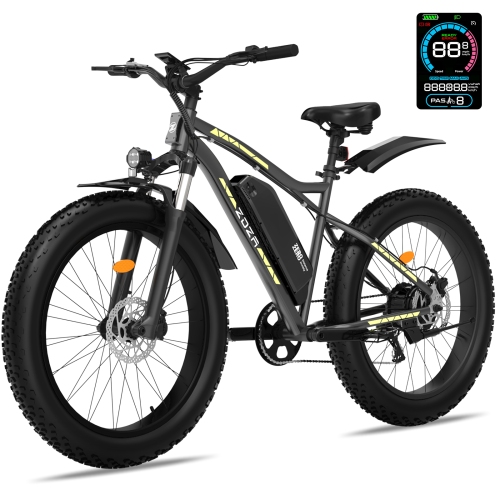
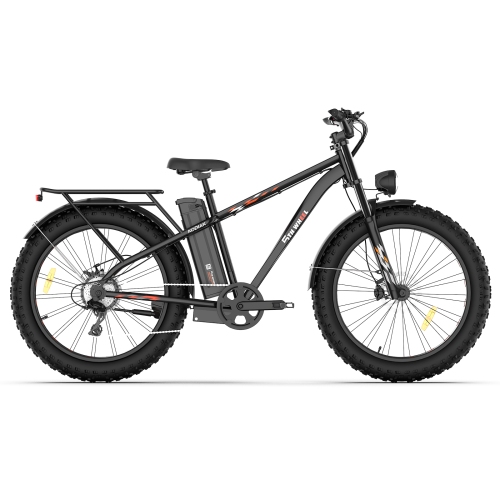
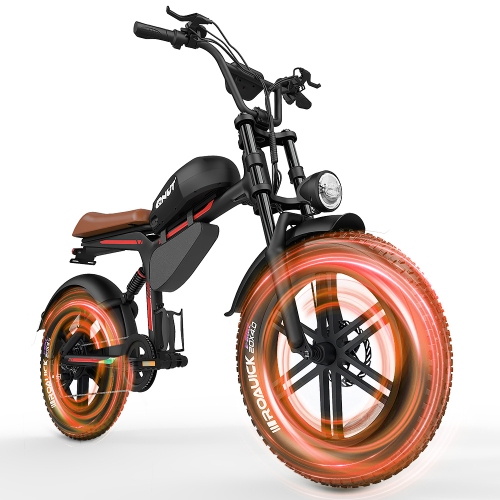
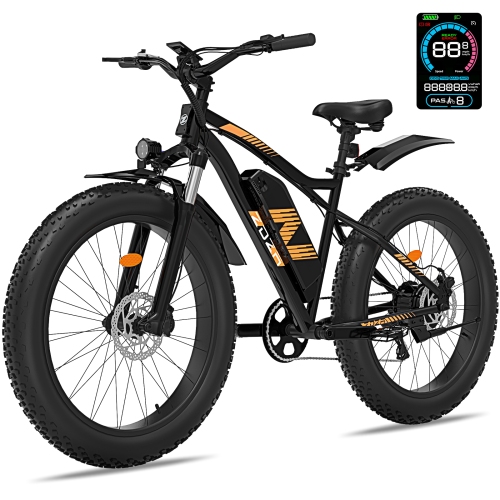
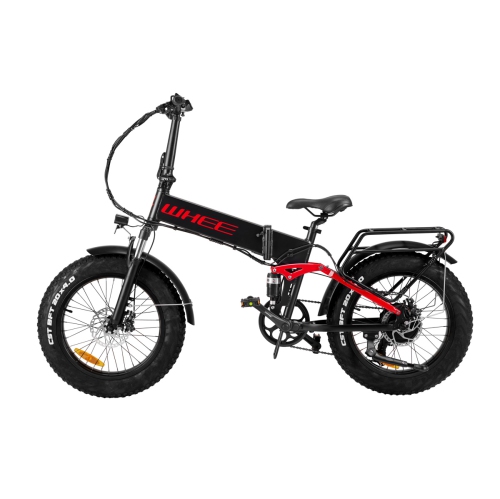
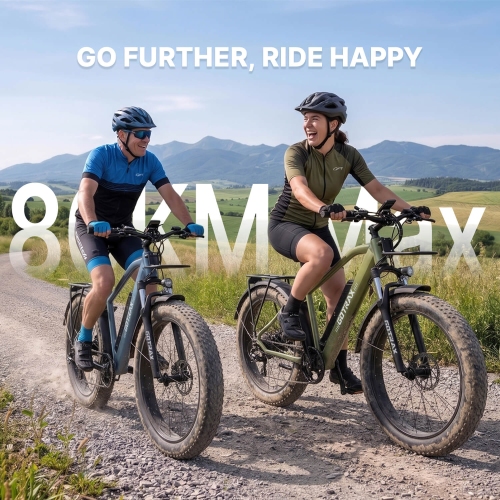
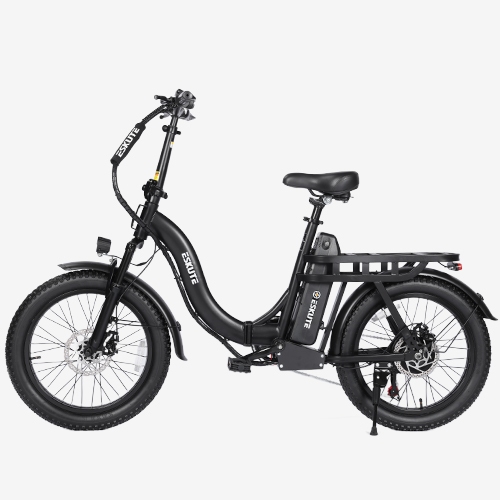
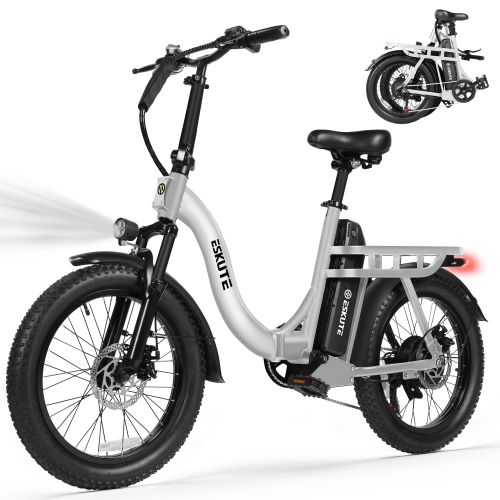
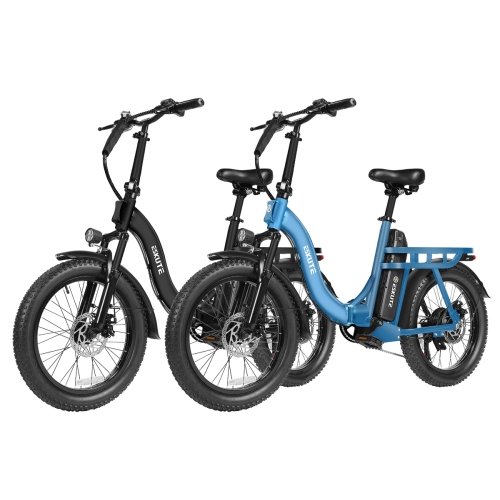
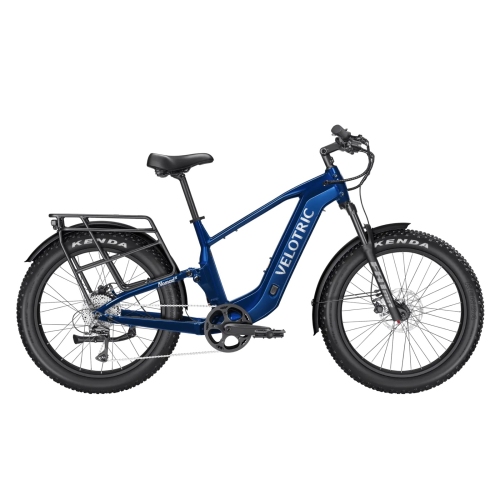
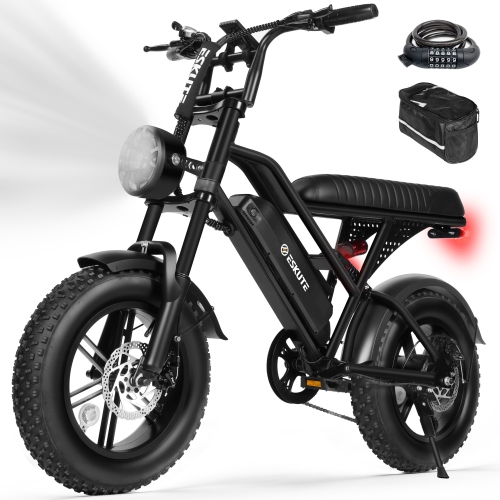
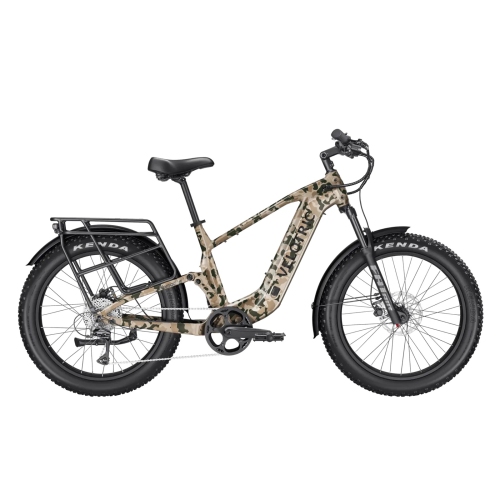
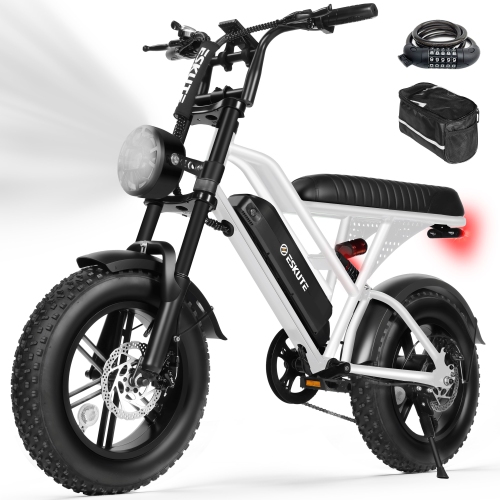
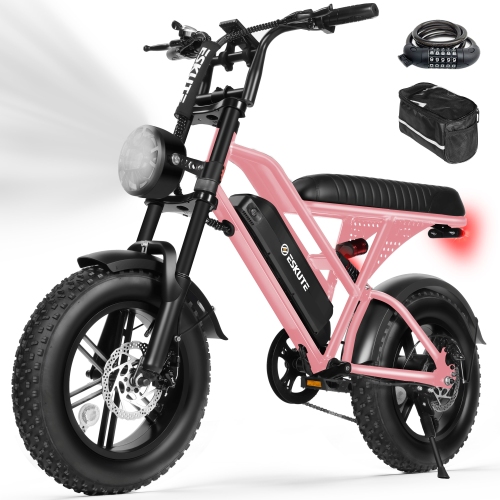
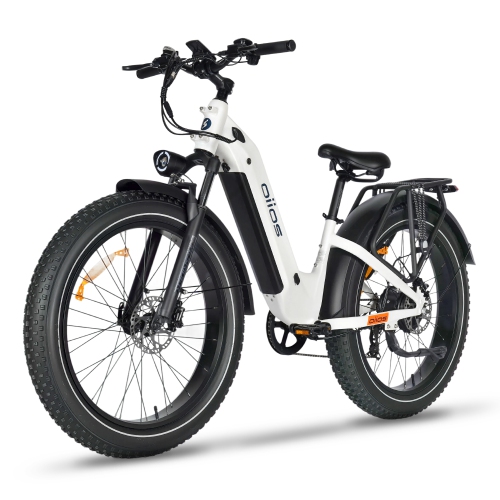
Fat tire electric bikes for snow pair wide tires with pedal assist for riding on packed snow, groomed winter trails and roads with a light cover of fresh snow. The tires are typically about 4 inches wide or wider and can often run at lower pressures than standard commuter bike tires. That combination spreads the load over a larger contact patch, helping the bike ride nearer the surface of soft snow instead of cutting a narrow rut. The motor helps with the extra effort of turning wide tires through snow or starting again on an incline, but it’s the tires that make contact with the ground. On a firm trail, a tread with defined shoulder knobs can help the bike hold its line through a bend. In loose snow, more space between the knobs gives snow room to clear from the tread as the wheel turns. Tire pressure matters as much as width: within the limits specified by the bike and tire makers, a small drop in pressure can help the tire conform to uneven packed snow. Too little pressure can make steering feel vague or let the rim strike a hidden curb. Deep, wet snow can still bog down a fat tire, and extra width alone won’t give rubber much grip on glare ice. Compatible studded tires can add traction on icy stretches, though they don’t eliminate the need to slow down and leave room to stop. A route with fresh snow over a frozen base can feel quite different from a groomed loop, even when both look smooth from a distance. Wide tires can also help on another loose surface, but the tread features that suit a winter route aren’t necessarily the same as those that suit Fat Tire Electric Bikes for Sand.
The right fit matters when a boot has to go down quickly at a snowy intersection or on a rutted trail. Frame size charts are a useful starting point, but reach to the handlebar, clearance when standing over the frame and access to the brake levers in winter gloves all affect how the bike feels. A step-through frame can make mounting easier in bulky layers, while a more upright position can make it easier to look ahead for slick patches and snowbanks. Frame material plays a part in how manageable the bike is off the saddle. Aluminum resists rust and can help keep frame weight down, but the battery, wheels and motor can still make the bike heavy to lift onto a rack or carry up steps. Steel frames can be sturdy, though chips in the finish deserve attention when the bike is exposed to road salt. A rigid fork keeps the front end simpler to maintain, while a suspension fork can take the edge off frozen ruts and rough trail surfaces. Disc brakes are common on fat tire e-bikes; smooth lever control is especially useful when braking on a surface with uneven grip. Predictable pedal assist matters for much the same reason. A gradual response can make it easier to pull away on a slippery incline without spinning the rear tire, and low gearing can help maintain a steady cadence through heavier snow. A commuter carrying a change of clothes may value full fenders and a compatible rack more than extra suspension travel. A rider spending more time on uneven trails may care more about tire clearance, handling at low speeds and how easily the bike can be manoeuvred around a rut. For a gift, knowing the rider’s measurements, usual routes and storage setup is more useful than choosing by tire width alone.
Battery range and day-to-day care can make a noticeable difference in winter. Cold can temporarily reduce the energy a battery delivers, while soft snow, climbs, higher assist levels and extra cargo can make the motor draw more power. A ride that uses only part of a charge on clear pavement may leave less in reserve on the same route after a snowfall. A removable battery can simplify indoor storage and charging, particularly when the bike itself stays in a garage or shed. Battery care depends on the model, so the maker’s limits for riding, storage and charging matter more than a general temperature rule. A battery brought inside from the cold should reach the permitted charging temperature and have dry contacts before it’s plugged in. The rest of the bike benefits from attention after rides through slush. Salt and grit can collect on the chain, around the fenders and near the brake hardware even when the frame looks clean. Gently clearing off that buildup, drying the bike and lubricating the chain as directed can help limit wear. High-pressure spray can force water into bearings and electrical connections, and chain lubricant should stay away from brake rotors and pads. Checking tire pressure with the bike at riding temperature helps account for the drop that can happen between a warm storage space and the outdoors. Fenders with adequate tire clearance can cut down on spray along plowed roads, and lights help on shaded paths and trips in low light. For riders choosing between a daily route and a groomed trail, local rules are worth a look: road and path requirements vary, and some winter trails that allow bicycles restrict electric assist. A bike that fits the rider, can be stored and charged conveniently, and feels predictable on the surfaces it will actually cross is more useful than one chosen for the widest tires or the longest stated range.
Top selling and popular products
-
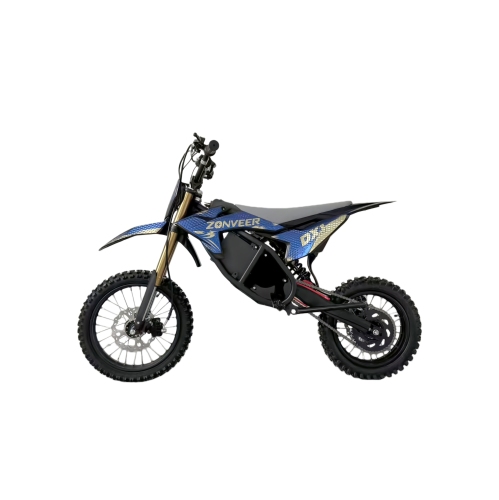 Your price for this item is $1699.97
-
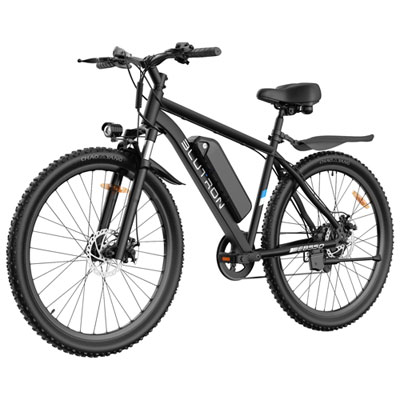 Your price for this item is $649.99
-
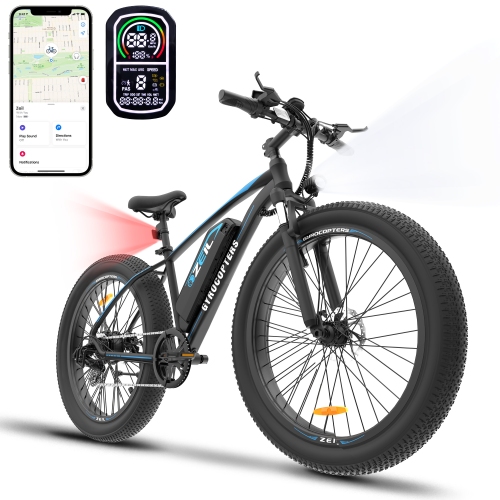 Your price for this item is $799.97
-
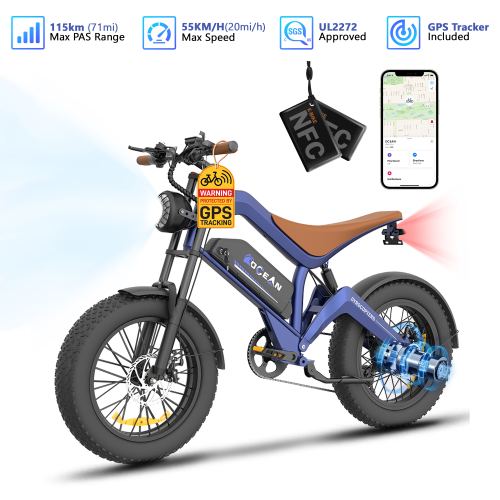 Your price for this item is $1399.97
-
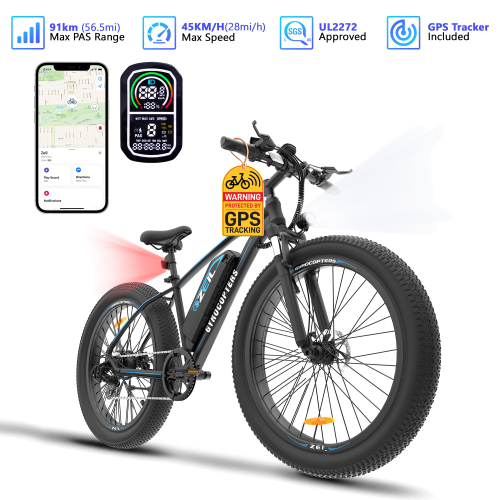 Your price for this item is $1099.97
-
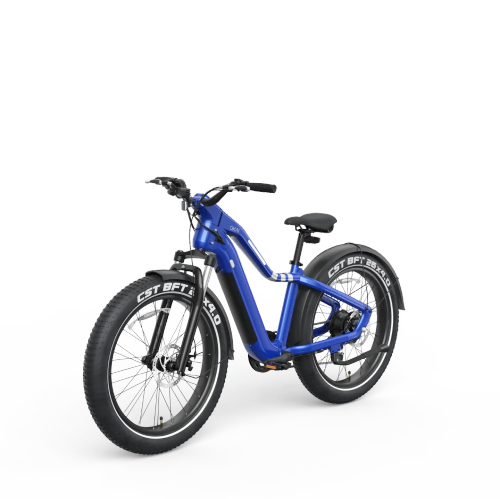 Your price for this item is $1299.99
-
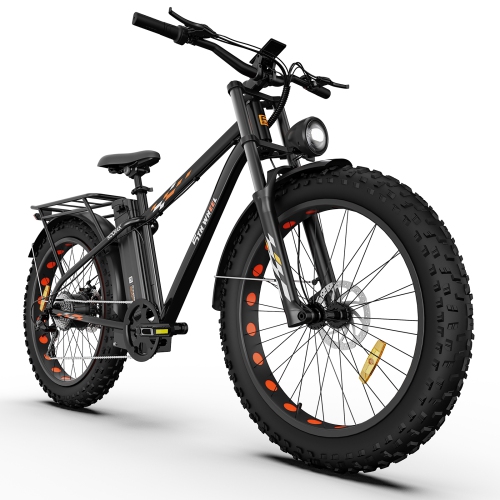 Your price for this item is $919.99
-
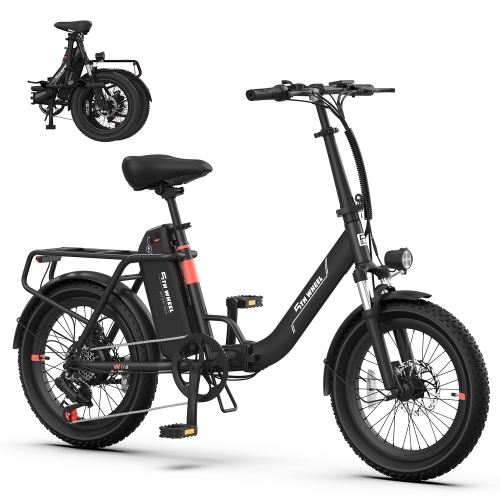 Your price for this item is $649.99
Discover more categories related to Fat Tire Electric Bikes for Snow
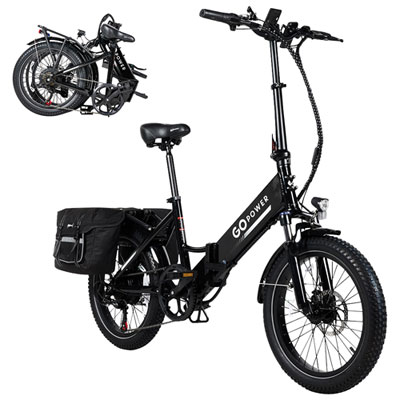
Top Collections:
Best Black Friday Deals This Year, Best Black Friday Deals On Electronics, Kindle Devices, Dyson Airwrap, Best Cameras for Sports Photography, Best Budget Office Chairs, Canon G7X Cameras, PS5 Pro Consoles, Best Black Friday Deals On Apple Products, XBOX One S Consoles
Some products may be subject to Environmental Handling Fees
(EHF) depending on your province.
Learn more about EHFs.