Gifts for Winter Campers
Gifts for Winter Campers are the perfect way to inspire memorable adventures in the great outdoors, even when the temperatures drop. Whether you’re shopping for an experienced explorer or someone gearing up for their first cold-weather outing, you’ll find thoughtful options designed to enhance comfort and convenience on frosty nights and snowy trails. Discover essentials that help create cozy campsites, keep spirits high, and make every winter camping trip a season to remember.
Sort
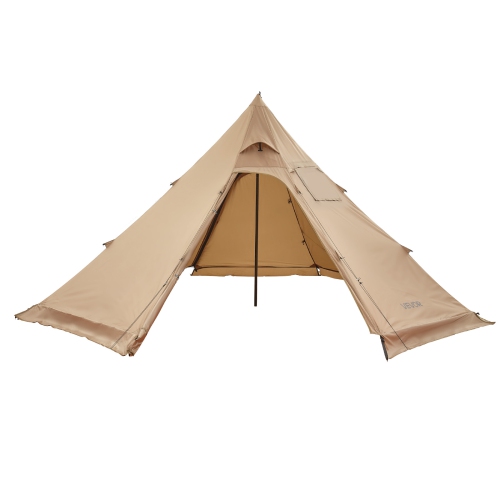
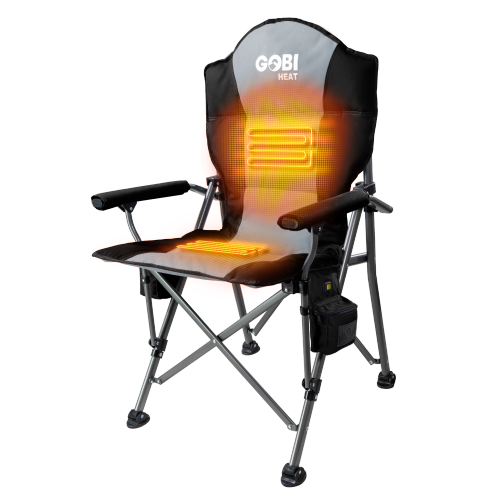
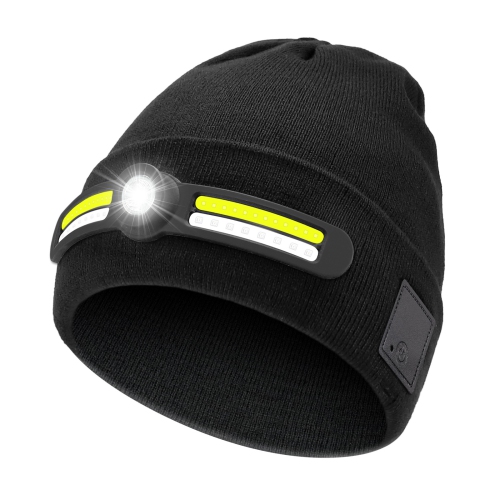
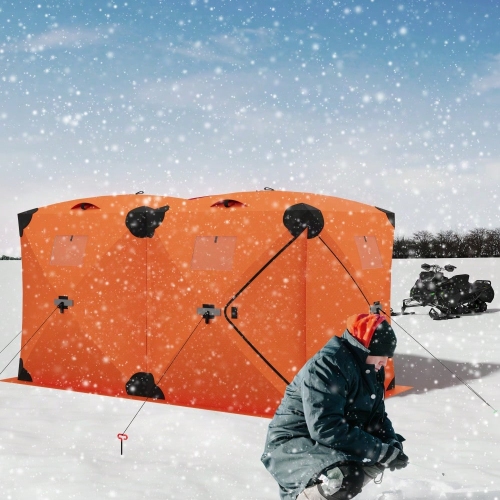
Thoughtful gear for warmer nights and easier campsite routines
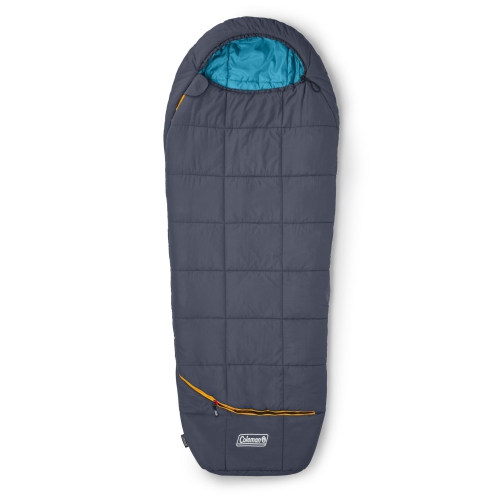
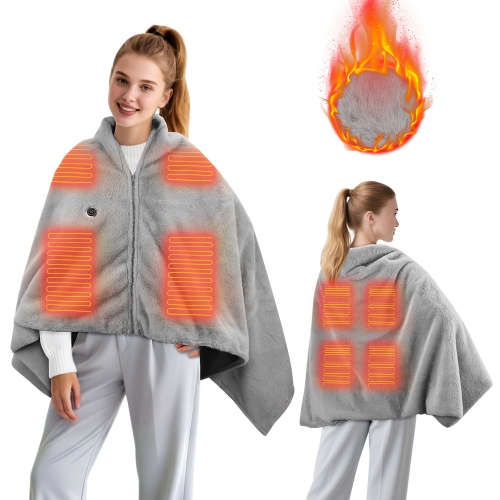
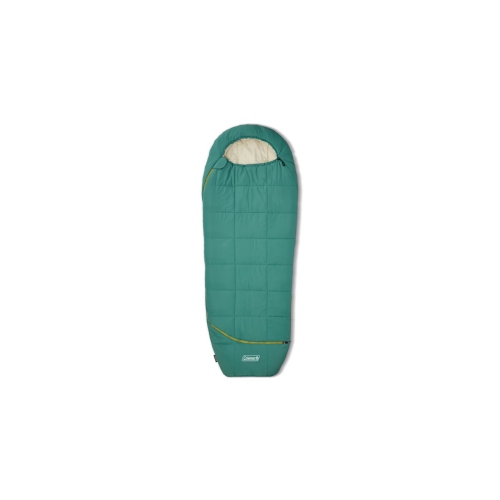
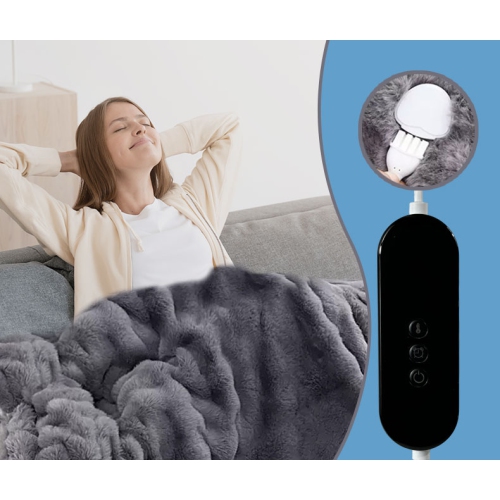
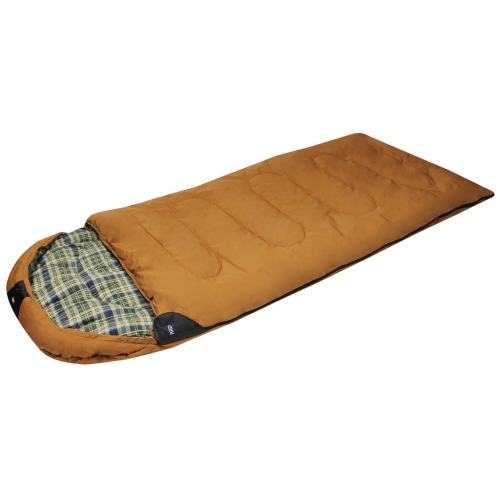
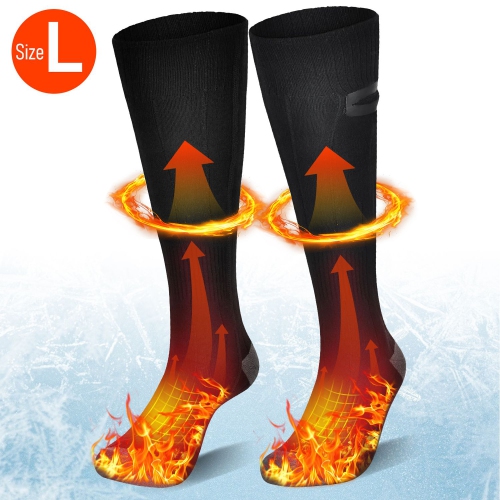
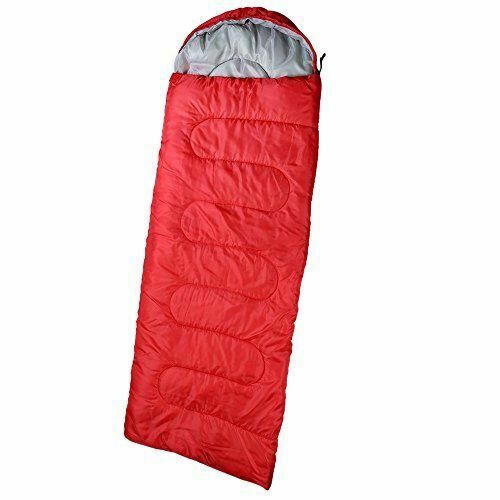
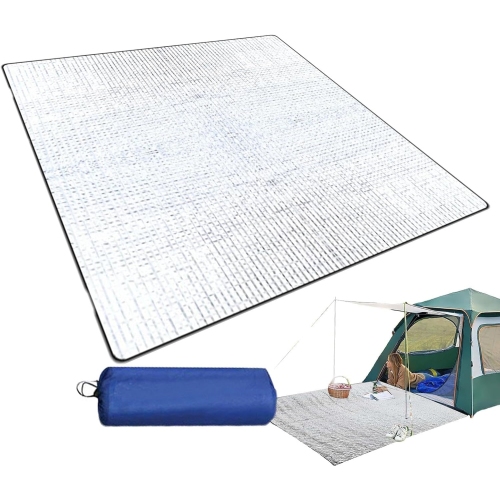
Gifts for winter campers centre on warmth, dependable equipment, and the small comforts that make time outside more enjoyable. Insulated sleeping pads, cold-weather sleeping bags, moisture-managing layers, rechargeable hand warmers, and insulated drinkware all suit the theme, with different benefits for overnight trips and days spent around a snowy campsite. A good match starts with the kind of camping the recipient enjoys. Someone carrying everything along a forest trail has different needs from someone unloading beside a tent platform, where bulk and weight matter less. For overnight comfort, insulation underneath the sleeper is as important as insulation above. A sleeping pad’s R-value describes its resistance to heat flow; a higher value means greater insulation from the ground, although the complete sleeping setup still needs to suit the expected conditions. Sleeping bag temperature labels also deserve attention, since a comfort rating and a lower-limit rating do not describe the same sleeping experience. Fit matters, too: enough room for comfortable movement is useful, but excessive empty space can take longer to warm. Down insulation offers warmth with relatively little weight and packs down well, while synthetic insulation generally retains more insulating ability when damp. Neither replaces protection from moisture. An insulated blanket can add comfort while sitting at camp or supplement a sleeping setup, rather than replace equipment rated for cold nights. Clothing gifts bring similar considerations. Merino wool and synthetic base layers help move moisture away from the skin, while insulating mid-layers and weather-resistant outer layers serve different purposes. Soft seams, comfortable cuffs, and a cut that allows movement make a difference when bending to fasten snowshoes or reaching into a pack. Socks need room inside boots without bunching or making the fit tight. For someone who already has their main camping equipment, a comfortable neck covering or an extra pair of well-fitting gloves can be a thoughtful addition to a familiar setup.
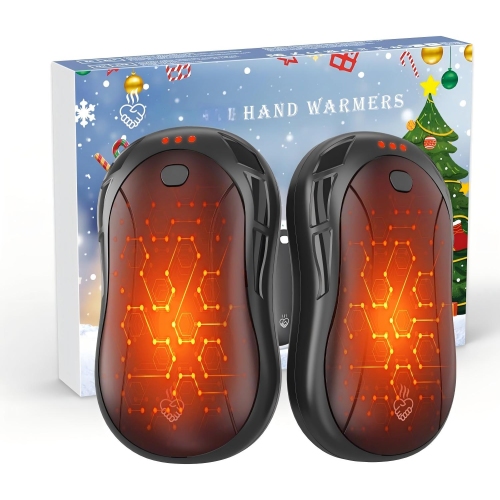
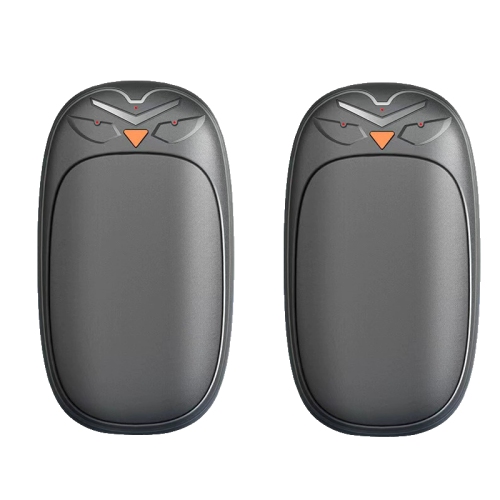
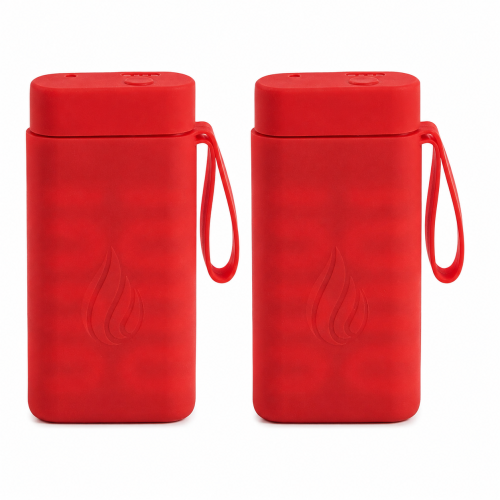
Campsite comfort often comes from details that are easy to appreciate with cold hands or fading daylight. Insulated bottles and mugs help slow temperature changes, whether they hold drinking water for a walk or a hot drink for a quiet breakfast beside the tent. Vacuum-insulated stainless steel is a common choice for durability, while lid design, seal quality, and ease of cleaning affect everyday usefulness. A wide opening can make filling and washing easier, and a secure closure matters when the container rides beside clothing in a pack. Controls and closures that work with gloves are valuable across many winter camping gifts: a large zipper pull, a headlamp button that is easy to locate by touch, or a bottle lid with a textured grip can make routine tasks less awkward. Lighting is especially useful for pitching a shelter, finding a dropped mitten, or sorting equipment after dark. Headlamps leave both hands free, while lanterns provide broader light around a shared campsite. Beam settings, runtime, weight, and water-resistance ratings help distinguish their intended uses; a splash-resistant light is not necessarily suitable for immersion. Cold temperatures can reduce battery performance, so battery-powered gifts are best considered alongside their operating limits and charging requirements. Portable power banks and rechargeable hand warmers can add convenience, but their usefulness depends on capacity, compatibility, and safe handling. Hand warmers provide supplemental comfort, not a substitute for appropriate gloves or protection against frostbite, and prolonged direct skin contact may cause burns. Cooking equipment belongs in the same practical conversation. Stove performance varies with fuel type, temperature, and design, making cold-weather suitability more important than compactness alone. Camping stoves and fuel-burning heaters must not be operated inside tents, enclosed shelters, or tent vestibules because of fire and carbon monoxide risks. Food containers, easy-clean utensils, and insulated drinkware can support the camp kitchen without requiring a change to the recipient’s established cooking system.
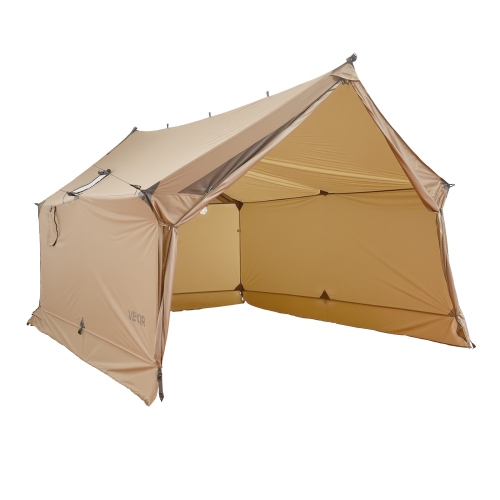
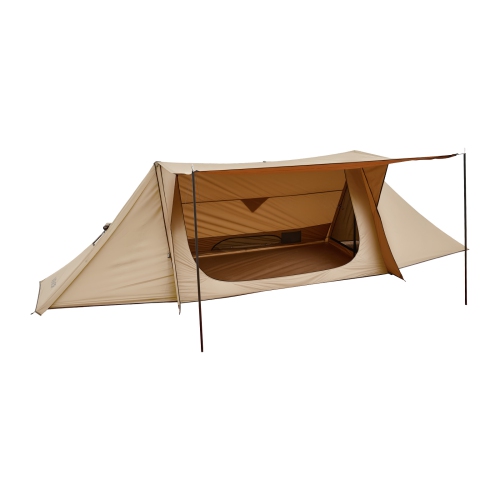
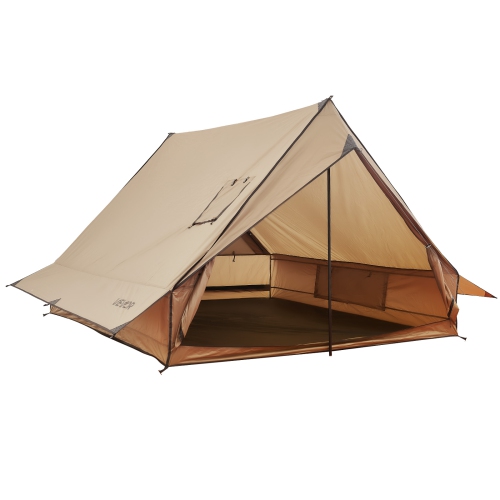
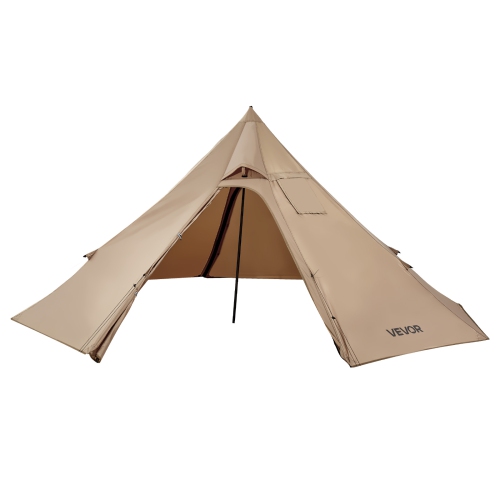
The most useful gifts fit naturally into the recipient’s habits, whether that means a short walk to a campsite, a multi-night backcountry route, or regular outings with family. There is natural overlap with Gifts for Tent Campers, particularly for people who enjoy a sheltered place to sleep and an organized campsite. For backpackers, packed dimensions, weight, and compatibility with existing equipment often matter more than extra features. Car campers may appreciate roomier insulation, larger drink containers, and lighting that serves a shared space. Someone who travels beyond mobile coverage may value communication equipment designed for remote use. Satellite communicators can support messaging and emergency signalling where compatible service is accessible, but functions vary, a service plan may be required, and a clear view of the sky can affect performance. They complement rather than replace navigation skills, trip planning, and an emergency plan. For clothing and fitted equipment, knowing the recipient’s size and preferences helps avoid a gift that restricts movement or duplicates something they already rely on. Accessories with straightforward compatibility can be easier to match, especially when the details of a sleeping system or pack are unknown. Durability is visible in reinforced wear points, secure stitching, sturdy closures, and materials suited to repeated packing and exposure to moisture. Colour can be practical as well as personal: a bright accessory is easier to spot against snow or inside a dim tent. Care requirements also influence how well a gift fits someone’s routine. Insulated clothing and sleeping bags need cleaning methods appropriate to their fill and shell fabrics, followed by thorough drying; long-term storage without tight compression helps preserve loft. Drinkware benefits from accessible seals and parts that can be cleaned properly, while electronics need dry connections and storage within their stated temperature limits. These details distinguish equipment that merely looks suitable from gifts that earn a regular place in a winter camping kit, ready for the next trail, campsite, and night outdoors.
Top selling and popular products
-
 Your price for this item is $399.99
-
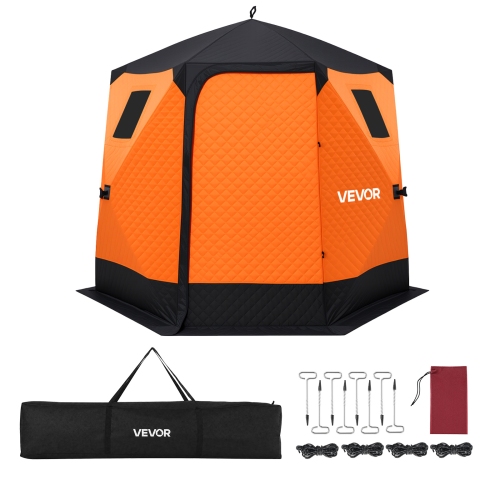 Your price for this item is $219.9
-
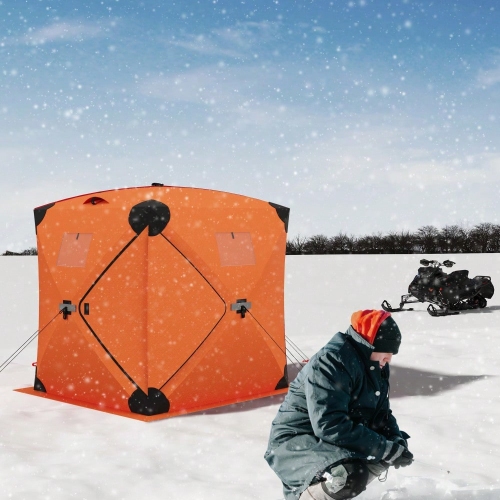 Your price for this item is $219.99
-
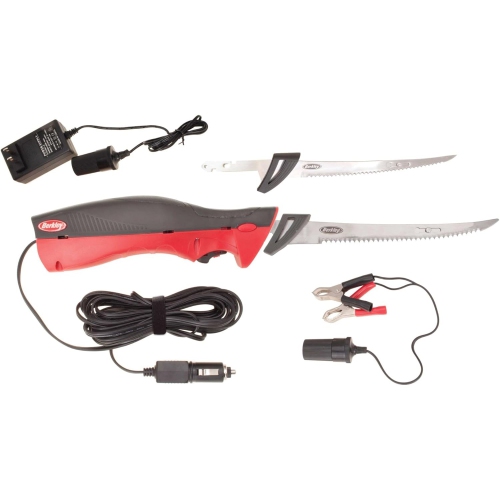 Your price for this item is $136.97
-
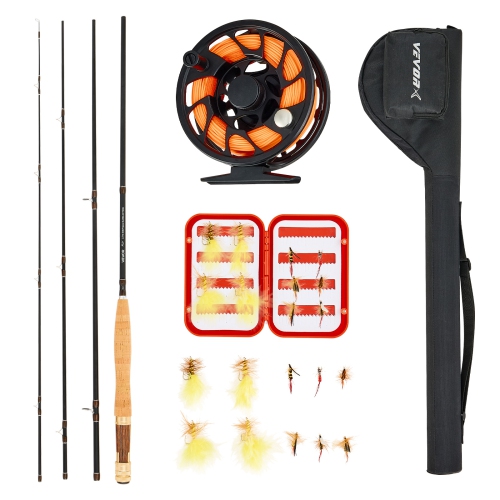 Your price for this item is $118.9
-
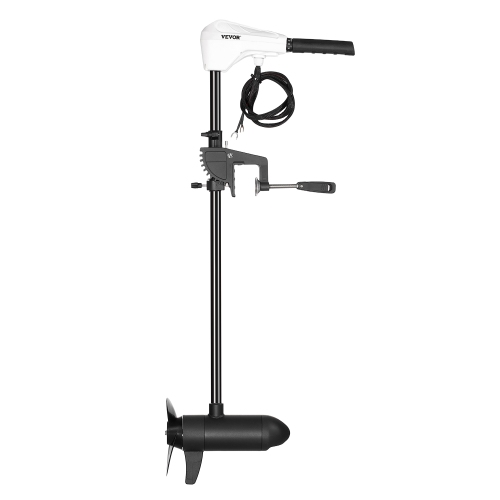 Your price for this item is $222.9
-
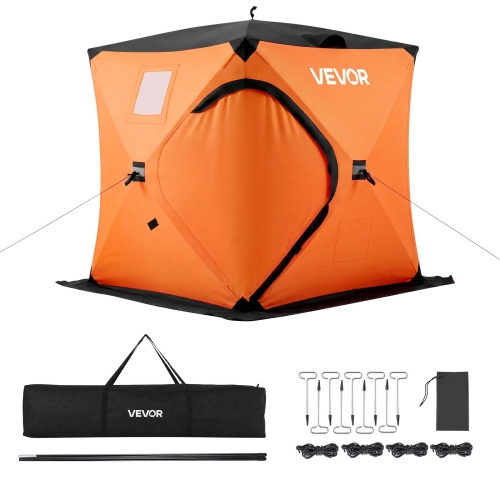 Your price for this item is $134.9
-
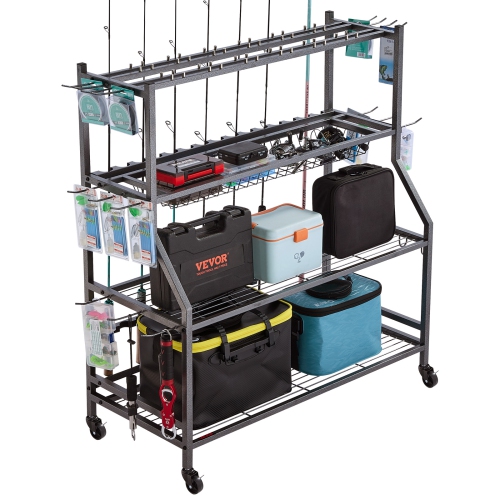 Your price for this item is $168.99
Discover more categories related to Gifts for Winter Campers
Top Collections:
Best Black Friday Deals This Year, Best Black Friday Deals On Electronics, Kindle Devices, Pokemon Centers, Best Black Friday Deals On Apple Products, Best Cameras for Sports Photography, Dyson Airwrap, Pokémon 30th Celebration Cards, Apple iPhone 17 Pro, Canon G7X Cameras
Some products may be subject to Environmental Handling Fees
(EHF) depending on your province.
Learn more about EHFs.