Golf Bags With Storage
Golf bags are one of the most important pieces of equipment for almost any golfer. These bags are designed to hold a golfer’s clubs, balls, tees, and other accessories. These bags can help you stay organized and prepared for every round. Here are some great options available.
Sort

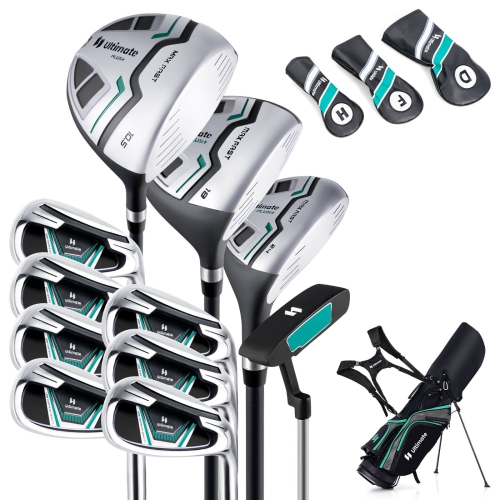

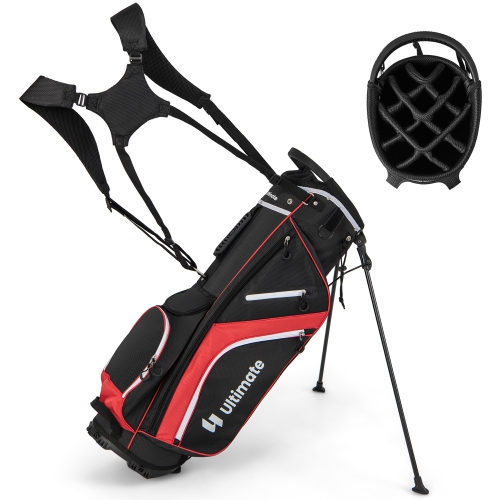
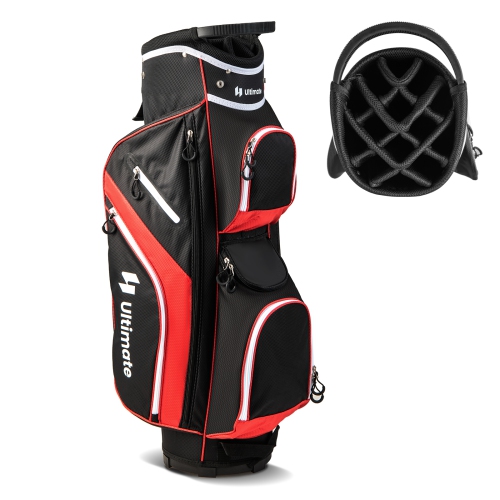
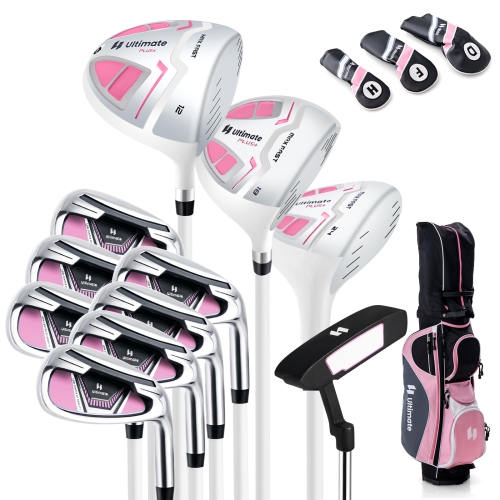
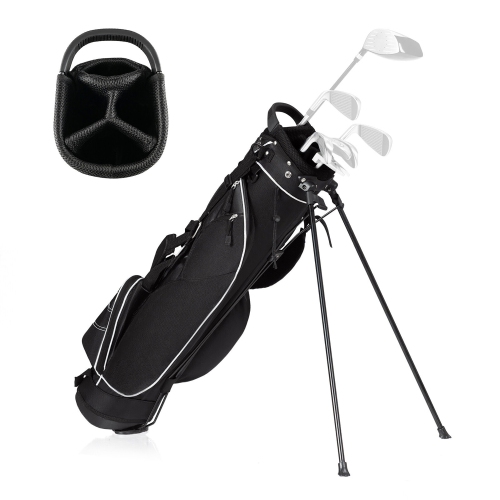
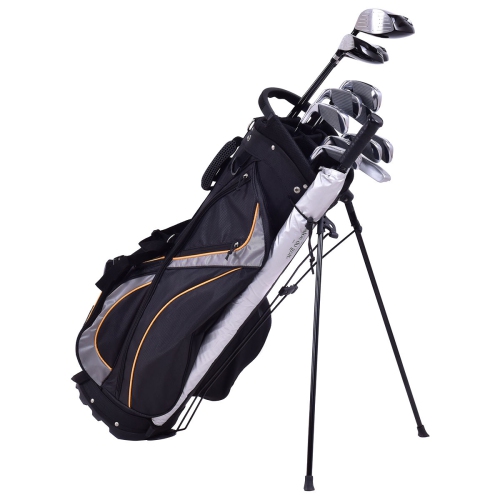
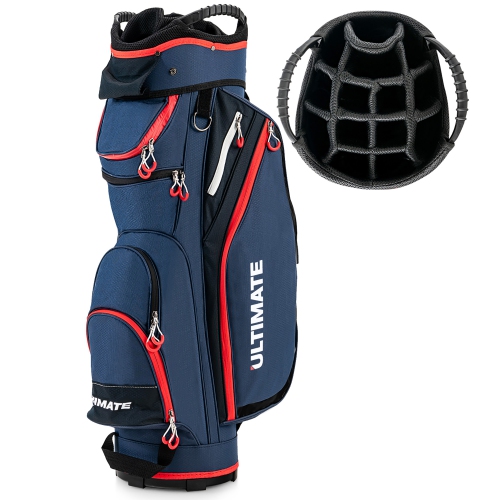
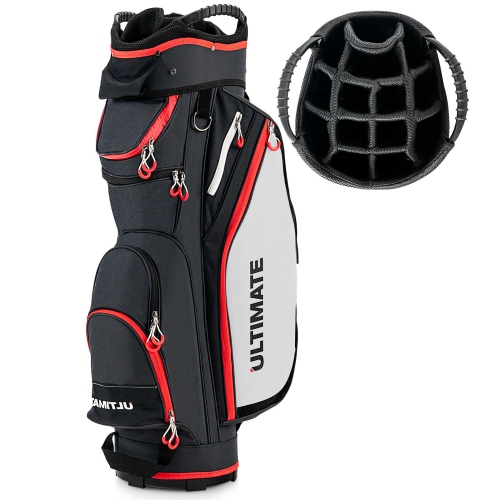
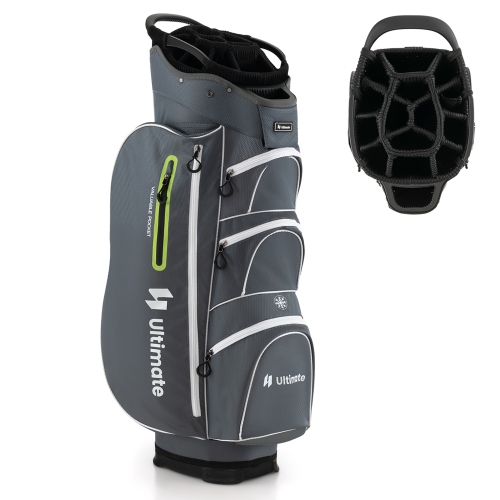
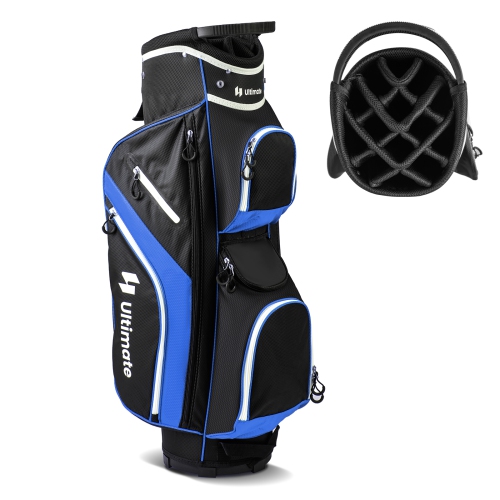
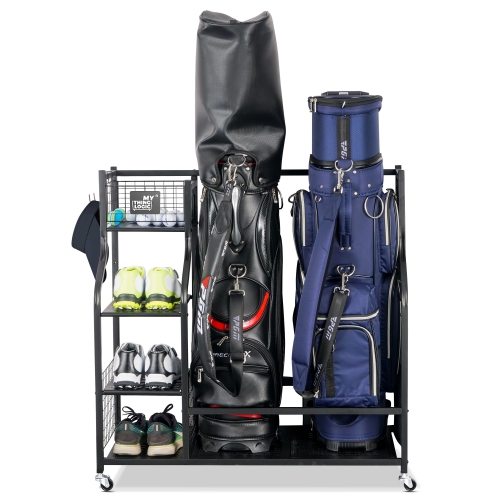
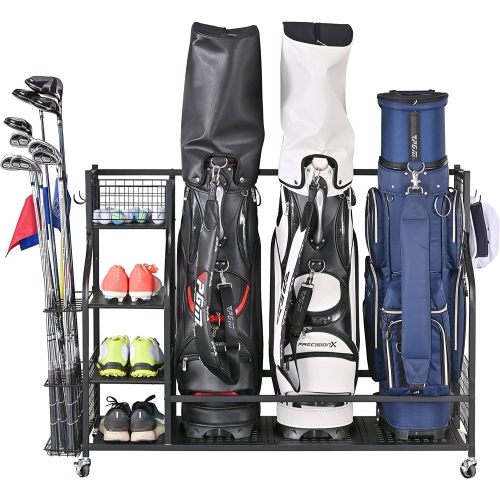
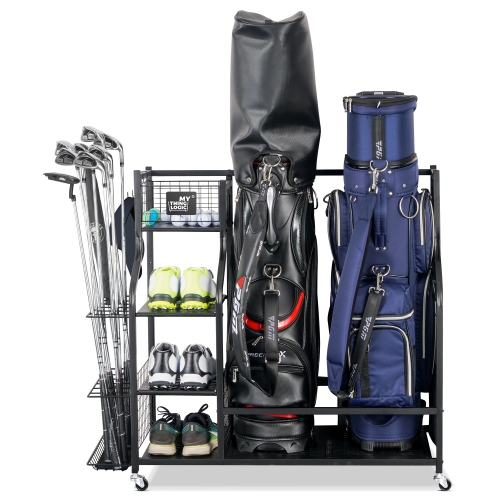
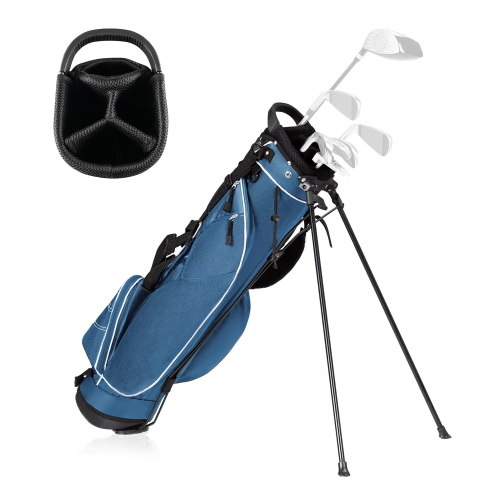
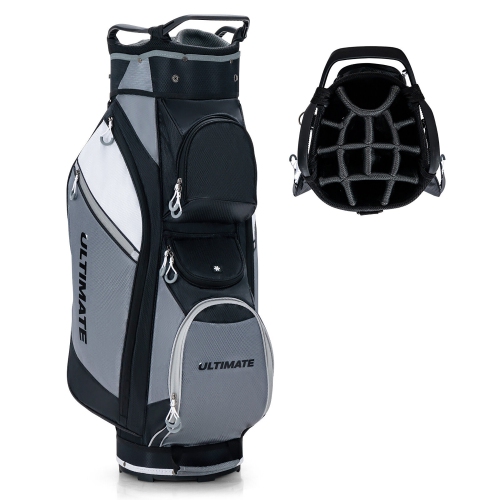
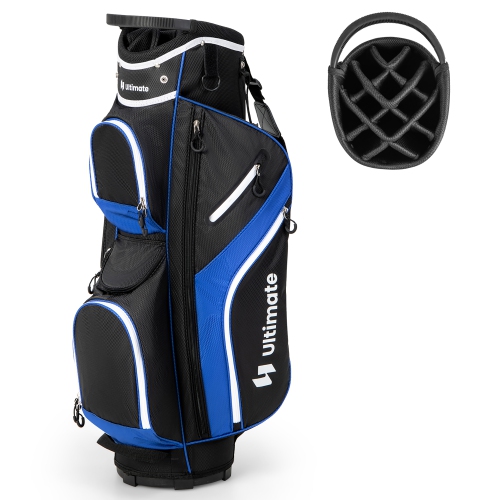
Pocket placement matters as much as storage capacity
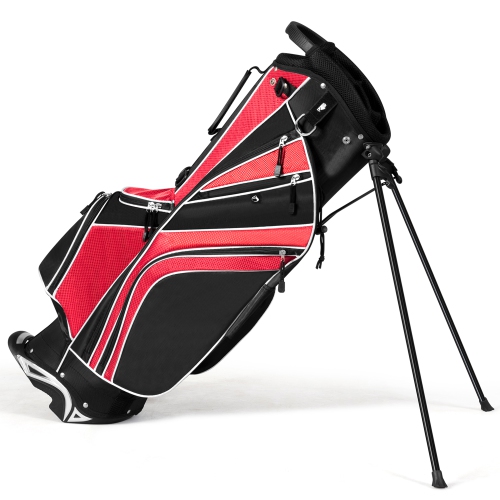
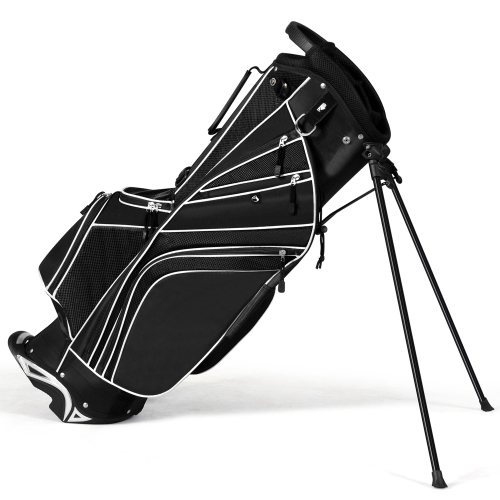
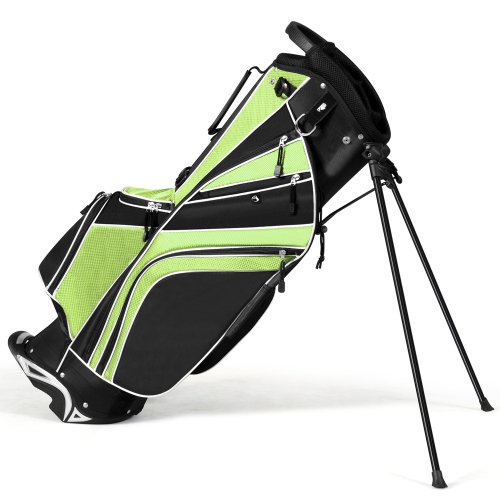
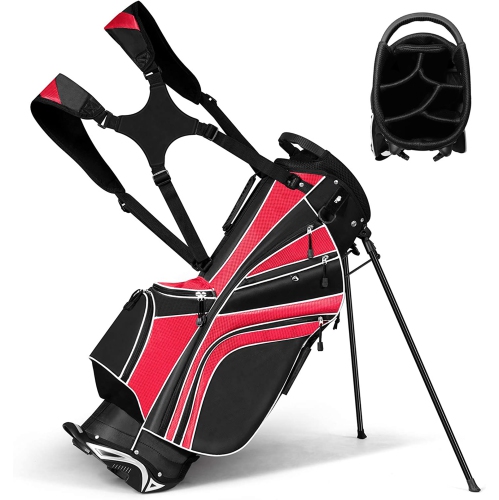
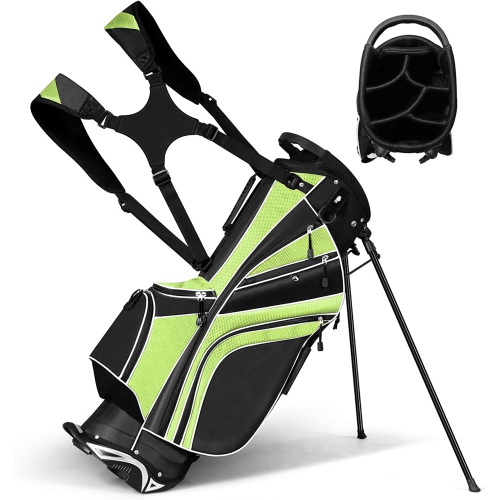
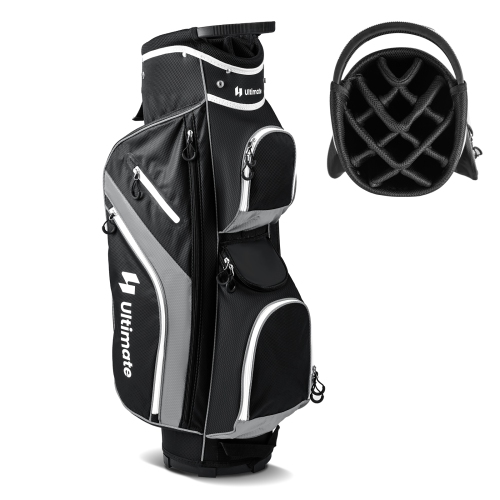
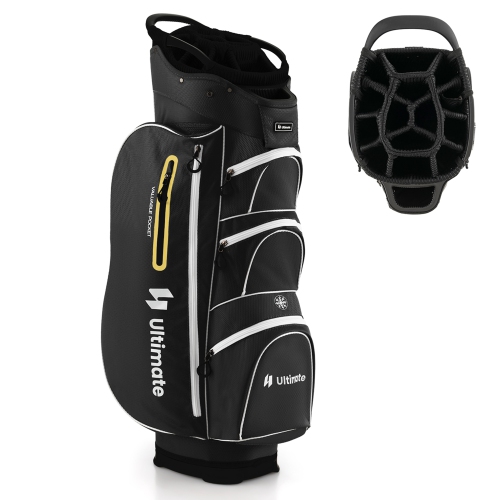
Golf bags with storage combine club organization with dedicated space for the accessories that accompany a round, from balls and tees to a rangefinder, drinks, and an extra layer of clothing. The most useful storage is not simply a large number of pockets; it is a layout that keeps frequently used gear within easy reach while separating smaller valuables from bulkier equipment. Stand bags, carry bags, and cart bags approach that balance differently. A carry bag typically prioritizes low weight and a compact shape, making it suitable for golfers who walk or take a smaller selection of clubs to the driving range. A stand bag adds folding legs that hold the bag at an angle when set down, helping keep pocket openings and club handles accessible between shots. Cart bags generally offer more compartment space and a broader base, with pockets arranged to face outward when the bag is secured to a riding cart or push cart. Some hybrid designs combine a stand with a cart-compatible shape, offering flexibility for golfers who alternate between walking and riding. Within each style, compartment placement can matter as much as capacity. A shallow ball pocket makes it easier to retrieve a replacement without reaching beneath other accessories, while a separate tee pocket prevents loose tees from collecting at the bottom of a larger compartment. An apparel pocket can hold a folded pullover without taking over the space used for everyday essentials. For golfers comparing overall bag styles alongside storage features, the Best Golf Bags collection provides a broader view of the category. The practical distinction remains how the bag will be used: a golfer carrying clubs over a full round has different needs from someone whose bag stays on a cart, and a compact practice setup does not require the same storage capacity as a bag packed for regular course play.
Club dividers form another important part of a golf bag’s storage system. A top with several grouped openings allows clubs to share sections, while a 14-way top provides an individual opening for each club in a full set. The number of top openings does not necessarily indicate how far the dividers extend into the bag. Full-length dividers help separate shafts below the opening and can reduce grip tangling, although the internal layout and the size of the grips still affect how smoothly clubs slide in and out. Golfers using oversized putter grips may appreciate a generously sized putter well, particularly when removing and replacing the putter several times during a round. Accessory compartments serve similarly specific purposes. A soft-lined valuables pocket provides a separate place for a phone, watch, or keys, though lining alone does not make the compartment impact-proof or watertight. A dedicated rangefinder pocket can reduce the need to open a large accessory section before every approach shot. Insulated drink storage helps keep beverages separate from clothing and electronics; capacity, closure style, and ease of cleaning vary by design. External bottle sleeves offer quick access but should hold a bottle securely while the bag is being carried. Towel rings, glove attachment patches, pen sleeves, and umbrella holders can free up interior pocket space without leaving small accessories loose among the clubs. Zipper direction also affects everyday convenience. A pocket that opens easily while the bag is standing may be less accessible once a cart strap crosses its front. Cart-strap pass-throughs, where included, allow the strap to secure the bag without blocking certain compartments. These details become noticeable in familiar moments: reaching for a ball at the tee, returning a distance device after a shot, or finding a scorecard without unloading half the bag. Well-arranged storage gives each essential a consistent place rather than turning one oversized pocket into a catch-all.
Materials, construction, and carrying fit influence how comfortably that storage capacity translates into regular use. Nylon and polyester fabrics are common in golf bags, with performance depending on the weave, thickness, coatings, stitching, and reinforcement rather than the fibre name alone. Coated fabrics and synthetic leather finishes may wipe clean more easily, while textured woven panels can be flexible and relatively light. Reinforced bases, securely stitched handles, sturdy zipper tracks, and protected high-contact areas are useful durability features, especially where the bag rests against a cart or is lifted into a vehicle. Empty weight is only part of the carrying experience: balls, drinks, accessories, and clothing all add to the load. On bags designed for walking, adjustable padded straps help position that load comfortably, and a dual-strap system can distribute weight across both shoulders. A cushioned hip panel can reduce contact with firmer parts of the bag. Storage that sits evenly around the body of the bag may also feel more balanced than a heavily loaded outer pocket. For cart use, base dimensions and shape should suit the cart’s support area, and the bag should remain secure without straps pressing awkwardly against zippers or stand mechanisms. Grab handles near the top and base make lifting and positioning easier, particularly when moving a loaded bag between a vehicle and the course. Routine care helps preserve these functional details. Loose dirt and grass can be brushed away, pocket interiors emptied of crumbs and broken tees, and suitable surfaces cleaned with a soft cloth according to the manufacturer’s instructions. The bag should be fully dry before being put away, and zippers should close without forcing overfilled compartments together. Golf bags with organized storage suit beginners building a consistent routine, frequent players who carry a full range of accessories, and golfers who want less rummaging between shots. They can also make thoughtful gifts when the recipient’s walking or riding habits, club setup, preferred colours, and carrying comfort are known. A bag that matches those habits keeps its storage useful without adding unnecessary bulk.
Club dividers form another important part of a golf bag’s storage system. A top with several grouped openings allows clubs to share sections, while a 14-way top provides an individual opening for each club in a full set. The number of top openings does not necessarily indicate how far the dividers extend into the bag. Full-length dividers help separate shafts below the opening and can reduce grip tangling, although the internal layout and the size of the grips still affect how smoothly clubs slide in and out. Golfers using oversized putter grips may appreciate a generously sized putter well, particularly when removing and replacing the putter several times during a round. Accessory compartments serve similarly specific purposes. A soft-lined valuables pocket provides a separate place for a phone, watch, or keys, though lining alone does not make the compartment impact-proof or watertight. A dedicated rangefinder pocket can reduce the need to open a large accessory section before every approach shot. Insulated drink storage helps keep beverages separate from clothing and electronics; capacity, closure style, and ease of cleaning vary by design. External bottle sleeves offer quick access but should hold a bottle securely while the bag is being carried. Towel rings, glove attachment patches, pen sleeves, and umbrella holders can free up interior pocket space without leaving small accessories loose among the clubs. Zipper direction also affects everyday convenience. A pocket that opens easily while the bag is standing may be less accessible once a cart strap crosses its front. Cart-strap pass-throughs, where included, allow the strap to secure the bag without blocking certain compartments. These details become noticeable in familiar moments: reaching for a ball at the tee, returning a distance device after a shot, or finding a scorecard without unloading half the bag. Well-arranged storage gives each essential a consistent place rather than turning one oversized pocket into a catch-all.
Materials, construction, and carrying fit influence how comfortably that storage capacity translates into regular use. Nylon and polyester fabrics are common in golf bags, with performance depending on the weave, thickness, coatings, stitching, and reinforcement rather than the fibre name alone. Coated fabrics and synthetic leather finishes may wipe clean more easily, while textured woven panels can be flexible and relatively light. Reinforced bases, securely stitched handles, sturdy zipper tracks, and protected high-contact areas are useful durability features, especially where the bag rests against a cart or is lifted into a vehicle. Empty weight is only part of the carrying experience: balls, drinks, accessories, and clothing all add to the load. On bags designed for walking, adjustable padded straps help position that load comfortably, and a dual-strap system can distribute weight across both shoulders. A cushioned hip panel can reduce contact with firmer parts of the bag. Storage that sits evenly around the body of the bag may also feel more balanced than a heavily loaded outer pocket. For cart use, base dimensions and shape should suit the cart’s support area, and the bag should remain secure without straps pressing awkwardly against zippers or stand mechanisms. Grab handles near the top and base make lifting and positioning easier, particularly when moving a loaded bag between a vehicle and the course. Routine care helps preserve these functional details. Loose dirt and grass can be brushed away, pocket interiors emptied of crumbs and broken tees, and suitable surfaces cleaned with a soft cloth according to the manufacturer’s instructions. The bag should be fully dry before being put away, and zippers should close without forcing overfilled compartments together. Golf bags with organized storage suit beginners building a consistent routine, frequent players who carry a full range of accessories, and golfers who want less rummaging between shots. They can also make thoughtful gifts when the recipient’s walking or riding habits, club setup, preferred colours, and carrying comfort are known. A bag that matches those habits keeps its storage useful without adding unnecessary bulk.
Top selling and popular products
-
 Your price for this item is $699.99
 -
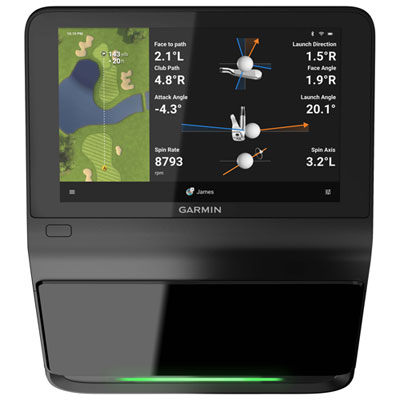 Your price for this item is $7249.99
 -
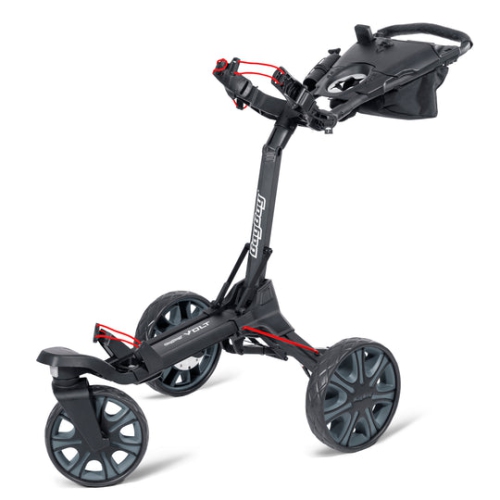 Your price for this item is $2249.95
 -
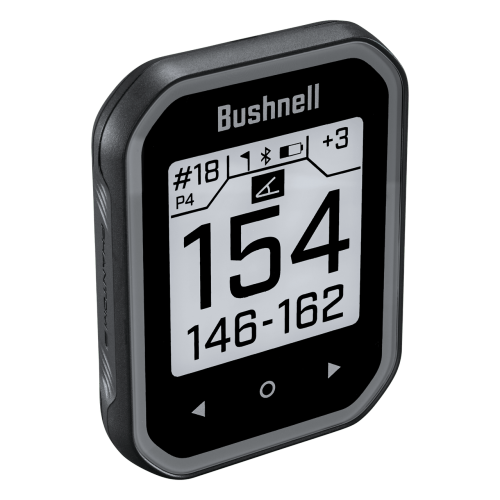 Your price for this item is $250
 -
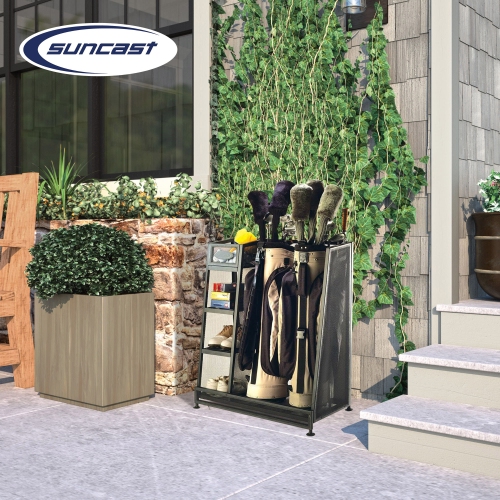 Your price for this item is $1003.99
 -
 Your price for this item is $448.99
 -
 Your price for this item is $439.99
 -
 Your price for this item is $119.99
Discover more categories related to Golf Bags With Storage
Top Collections:
Pokemon Centers, Kindle Devices, Best Budget Office Chairs, Apple iPhones 16, Best Laptops for Writers, iPhone 15 Apple, Canon G7X Cameras, Refurbished Apple Laptops, Alarm Clock, Motorola Razr Phones
Some products may be subject to Environmental Handling Fees
(EHF) depending on your province.
Learn more about EHFs.