Golf Bags With Rain Covers
Golf Bags With Rain Covers offer practical protection for your gear, letting you stay focused on your game no matter the weather. Designed to help keep clubs and accessories shielded from rain, these bags are a smart addition to any golfer’s collection. Whether you're heading out for a quick round or a day-long tournament, Golf Bags With Rain Covers provide convenience and peace of mind. Explore options that combine functionality and style, making it easy to carry everything you need from the first tee to the final hole.
Sort


Why rain protection depends on more than fabric
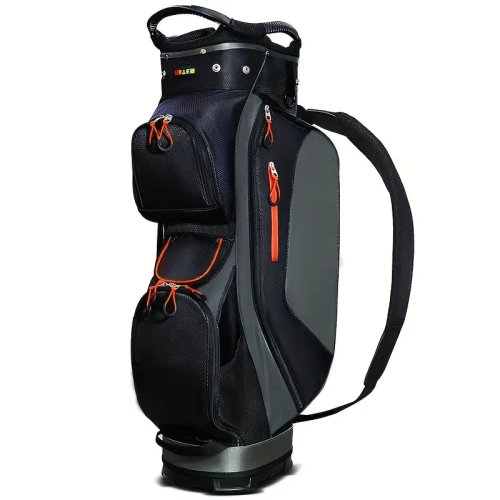
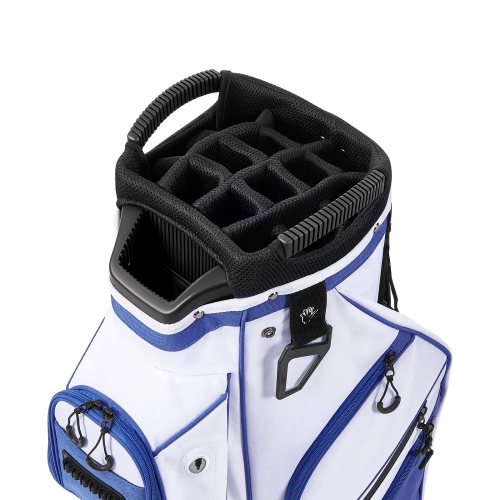
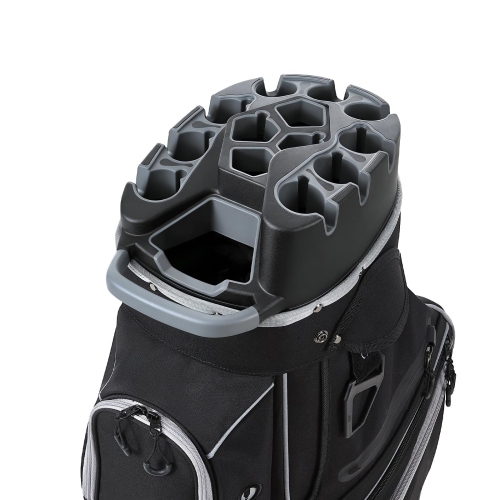
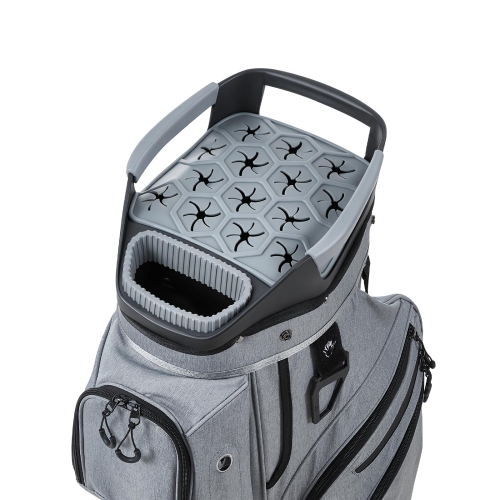
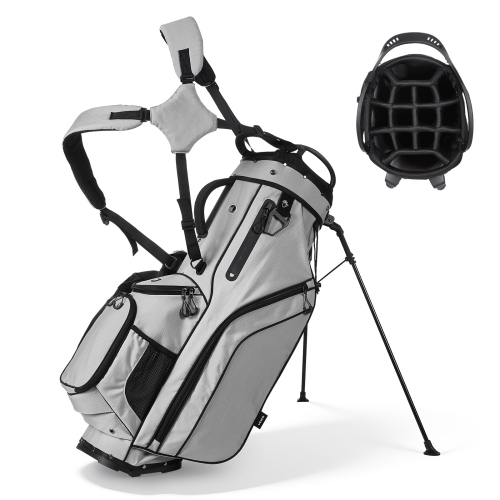
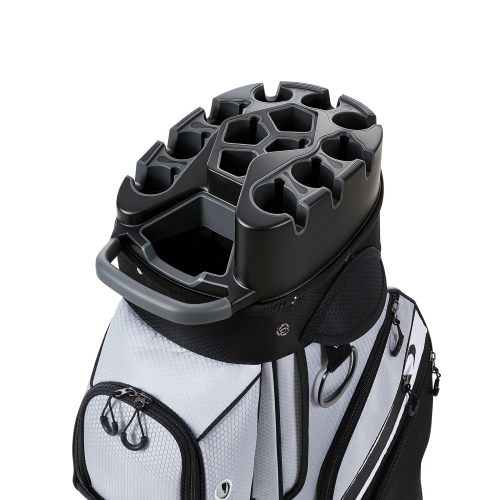
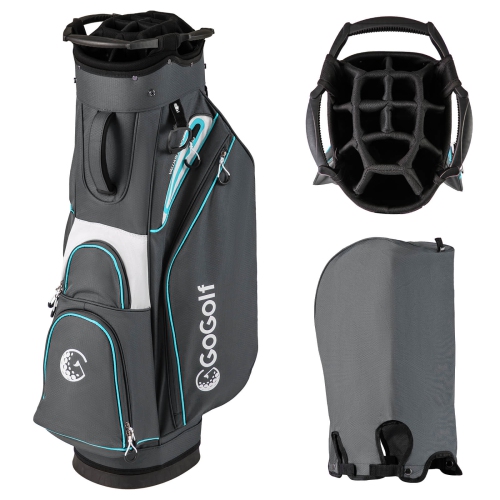
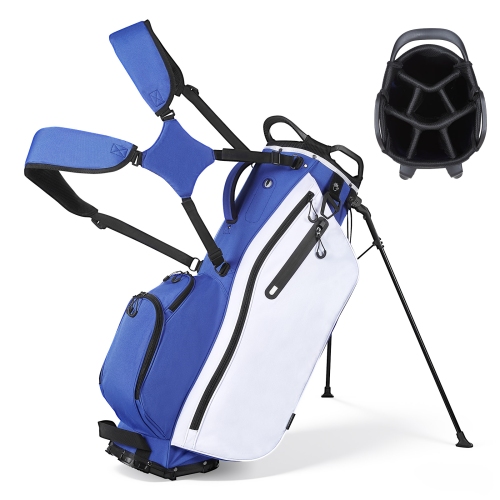
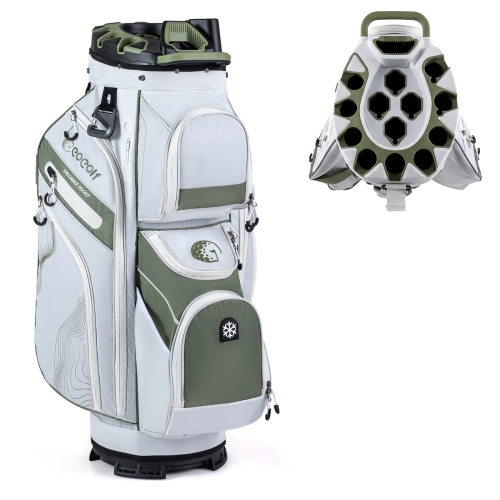
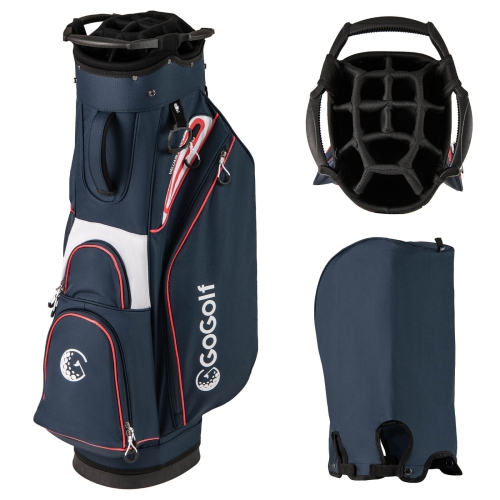
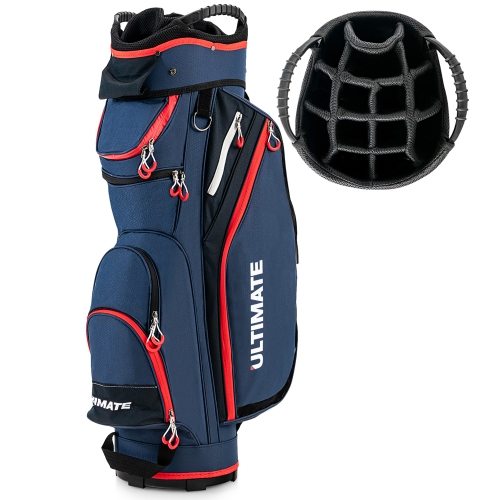
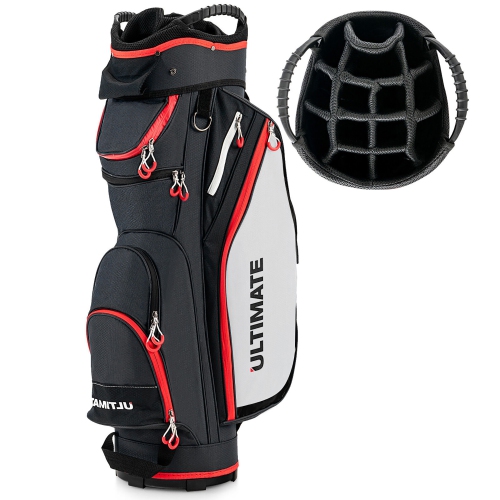
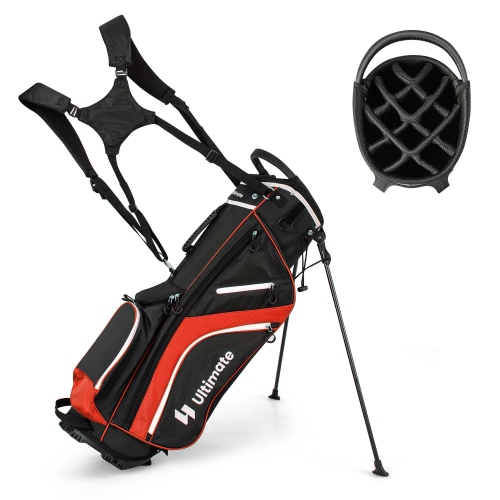
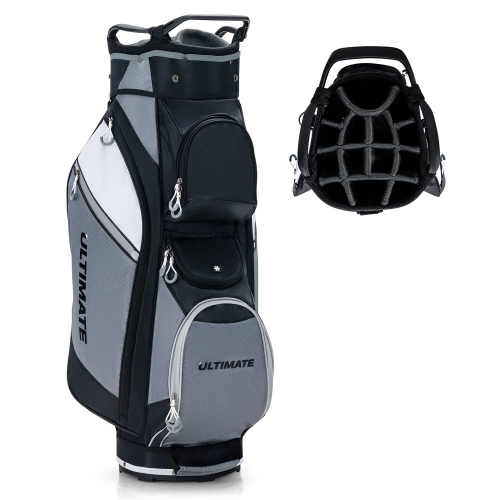
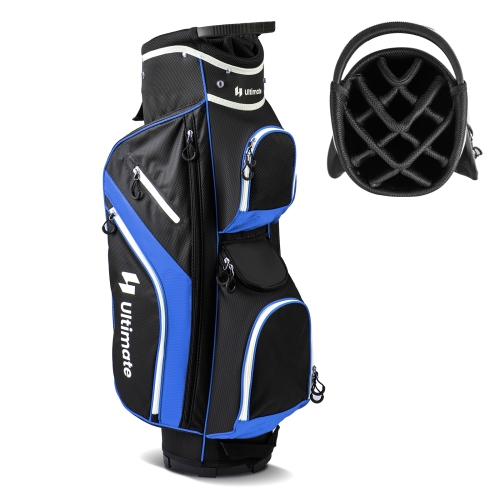
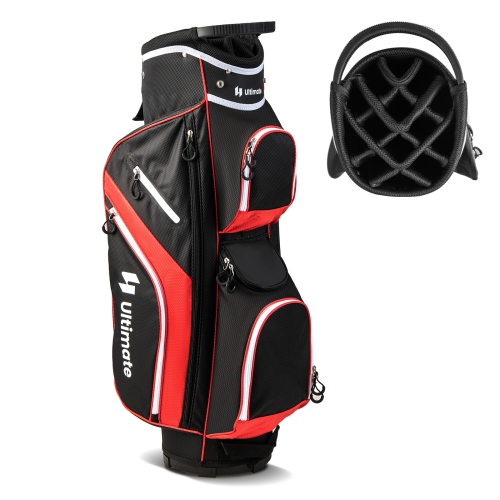
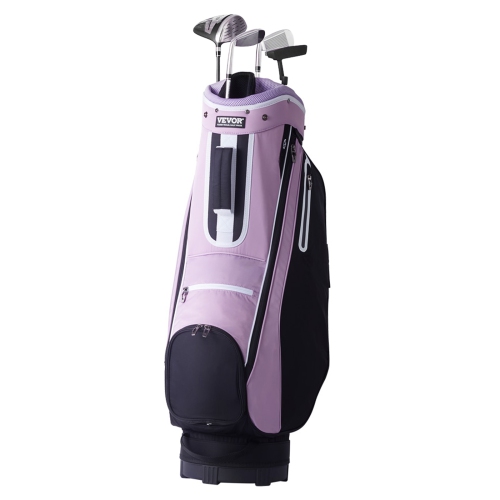
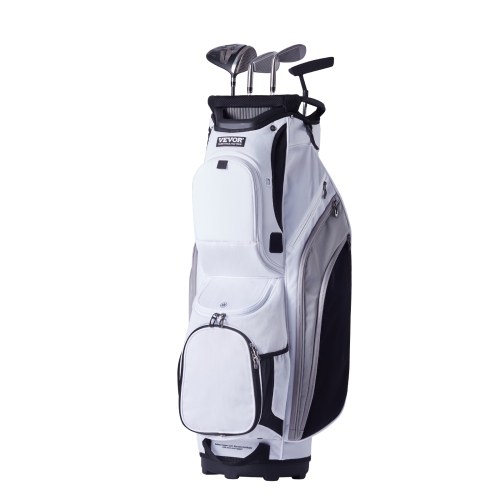
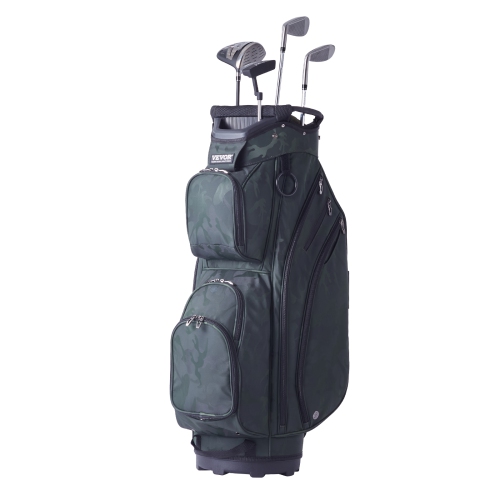
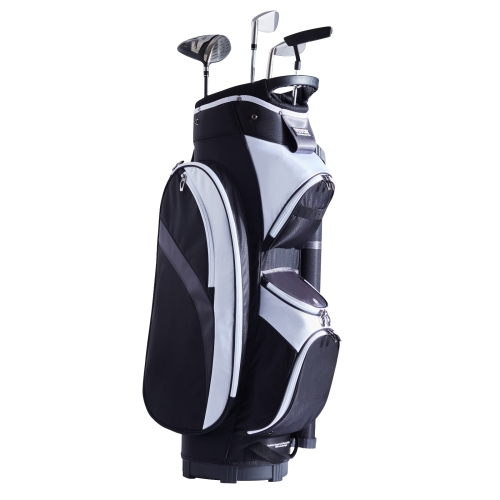
Golf bags with rain covers pair club storage with an added barrier against wet weather, helping shield clubheads, grips, and the bag opening when rain interrupts a round. The cover may be a fitted hood that fastens around the top of the bag or a larger protective layer that extends farther down the body. That distinction matters: a top hood protects the club opening, while coverage for exterior pockets depends on the bag’s construction and the design of the cover. A rain hood alone does not make an entire golf bag waterproof. Water-resistant fabrics can shed light moisture, but prolonged protection also depends on seams, zipper construction, attachment points, and how securely the cover closes. Nylon and polyester are common bag materials because they balance manageable weight with resistance to everyday abrasion. Coated fabrics can provide additional resistance to water penetration, although performance varies by construction and condition. Reinforced bases and durable panels help withstand contact with cart platforms, car boots, and the ground beside a tee box. A useful cover leaves enough room above the bag opening for longer clubs and headcovers without stretching tightly across them. Zippered openings or overlapping flaps can make it possible to remove a club while leaving most of the set covered, reducing the time the opening is exposed. Secure snaps, clips, straps, or elastic edges help keep the hood positioned, but attachment systems are not interchangeable across every bag. A cover supplied with a bag should still be fitted according to its intended fastening points rather than pulled over the top loosely. For golfers who continue playing through passing showers, this combination offers practical protection without requiring a separate storage arrangement for every club. It also keeps rain protection close at hand, particularly when the cover folds into a dedicated pocket between uses. Even with a cover in place, keeping exposed grips dry and wiping clubs before returning them to the bag remain important parts of managing moisture throughout a round.
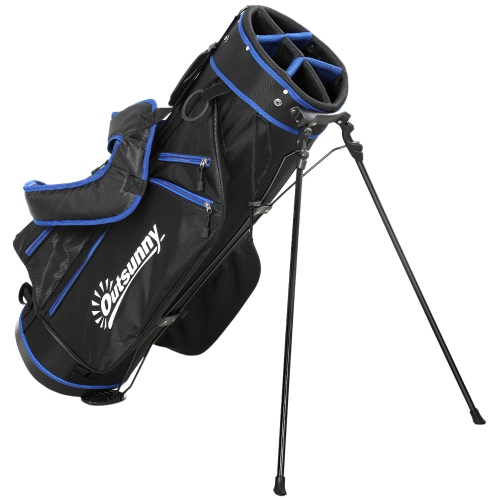
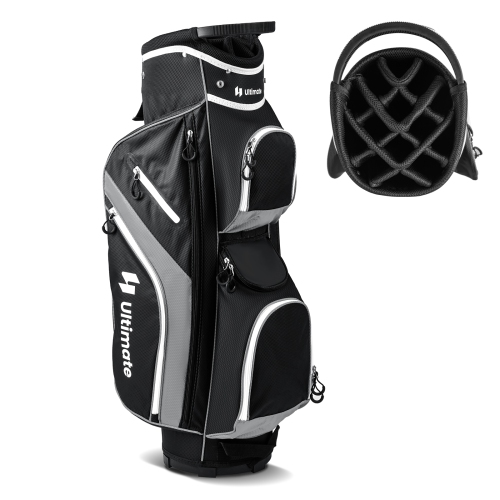
The right bag format depends on how the golfer moves around the course. Stand bags suit players who carry their clubs or alternate between walking and using a cart, with folding legs that keep the opening within reach when the bag is set down. Balanced shoulder straps, comfortable padding, and a manageable empty weight become especially noticeable over a full round. The rain cover needs to work with that carrying setup without obstructing strap connections, handles, or the stand mechanism. Cart bags place more emphasis on stable positioning and accessible storage while secured to a riding cart or push cart. Their pocket layout works best when frequently used compartments face outward and remain reachable beneath the cart straps. A bag that sits neatly on a cart should also allow the rain hood to open without catching against a support bracket or forcing clubs against the cart frame. Club capacity is another practical consideration. A roomy top opening can accommodate larger grips and headcovers, while dividers help organize the set and reduce crowding. Full-length dividers can help separate shafts, although the number of top openings alone does not indicate how far the internal partitions extend. Extra space around a putter grip may be useful for golfers who prefer an oversized grip. Storage matters just as much when rain arrives: a towel, spare glove, and folded cover are easier to use when they have accessible places rather than sitting beneath loose accessories. Golfers comparing pocket layouts can also explore Golf Bags With Storage for options centred on keeping essentials organized. Separate compartments for balls, tees, clothing, and personal belongings make it easier to find what is needed without opening every pocket. A valuables pocket offers convenient separation, but its lining or padding should not be mistaken for a waterproof seal. Phones, keys, and other moisture-sensitive belongings may still need their own protective pouch. On a wet fairway, thoughtful access makes a difference: the golfer can reach a towel, lift the hood opening, and replace a club without unpacking the bag or leaving the whole set exposed.
Durability comes from the details that receive repeated handling, including zipper pulls, carry handles, shoulder-strap anchors, and the points where the rain cover attaches. Reinforced stitching and securely mounted hardware are useful qualities for a bag that is regularly lifted into a vehicle, strapped onto a cart, and carried across the course. A cover should be easy to handle with damp fingers, with openings that move smoothly rather than requiring a hard tug near the clubheads. Enough room to replace a driver with its headcover on can make the difference between convenient protection and a hood that stays folded away. Colour and styling are matters of preference, but a distinctive colour or contrasting trim can make a bag easier to recognize among several lined up near a clubhouse. After a wet round, both the bag and its cover benefit from being opened and allowed to air-dry fully before storage. Leaving a damp hood compressed in a pocket can trap moisture and encourage odours or mould. Clubs and grips should also be dry before they are enclosed again, since a cover can hold moisture inside as well as keep rain out. Routine care generally involves removing loose dirt and wiping surfaces with a soft cloth, while cleaning products and any treatment for coated fabrics should follow the manufacturer’s directions. Excessive heat, harsh cleaners, and forceful scrubbing may damage finishes or protective layers. Occasional inspection of seams, fasteners, and zipper tracks can reveal wear before it interferes with use. These bags can make thoughtful gifts for regular golfers, newer players building a complete setup, or anyone whose existing bag no longer suits the way they play. The most useful match reflects the recipient’s habits: comfortable carrying for a walker, accessible pockets for a cart user, and a cover that fits the club arrangement without fuss. Together, those details support a bag that is practical in dry conditions and ready when rain reaches the course.
Top selling and popular products
-
 Your price for this item is $699.99
-
 Your price for this item is $6299.99
-
 Your price for this item is $1376.55
-
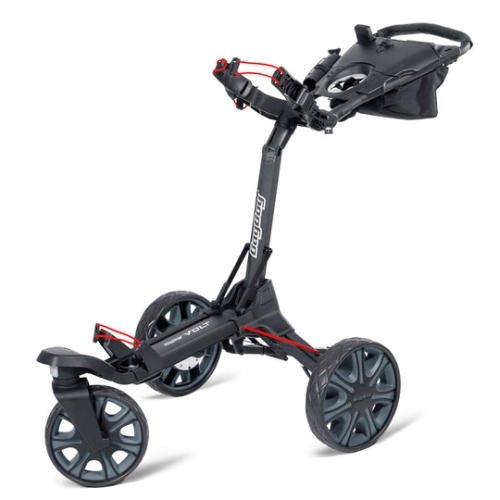 Your price for this item is $2249.95
-
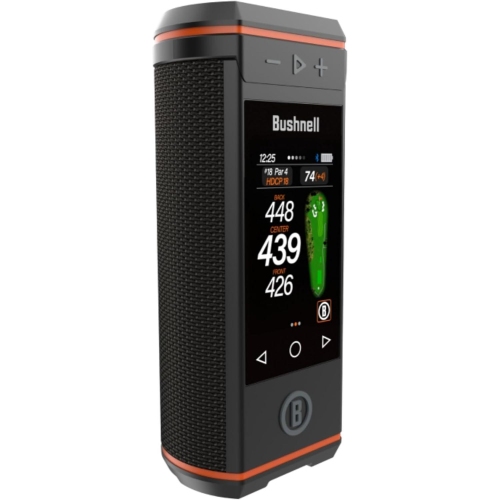 Your price for this item is $300
-
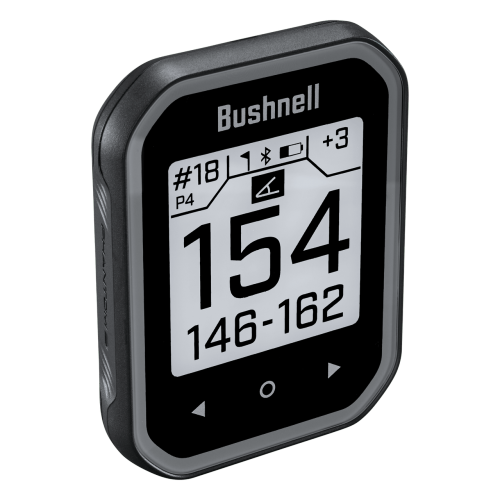 Your price for this item is $250
-
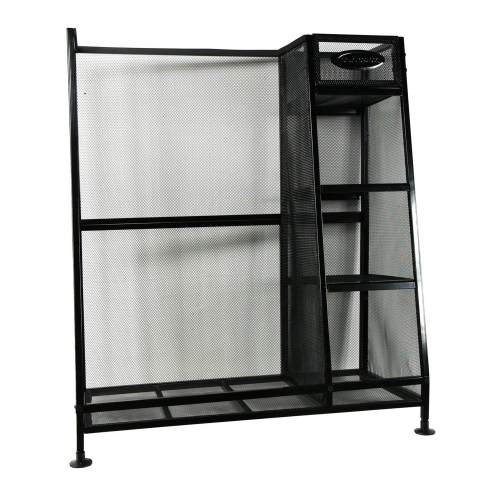 Your price for this item is $382.99
-
 Your price for this item is $962.99
Discover more categories related to Golf Bags With Rain Covers
Top Collections:
Best Black Friday Deals This Year, Best Black Friday Deals On Electronics, Kindle Devices, Best Black Friday Deals On Apple Products, Best Budget Office Chairs, Best Cameras for Sports Photography, Dyson Airwrap, Canon G7X Cameras, Best Laptops for Writers, Samsung Galaxy Phones
Some products may be subject to Environmental Handling Fees
(EHF) depending on your province.
Learn more about EHFs.