Graphite Pickleball Paddles
Elevate your game with graphite pickleball paddles, designed for players seeking a blend of performance and durability on the court. Whether you're a beginner or an experienced competitor, these paddles offer a reliable choice for every playing style. Explore a wide selection of graphite pickleball paddles to find the perfect fit for your next match and enjoy hours of fun and friendly competition.
Sort


What graphite construction means for speed, touch, and control
Graphite pickleball paddles are a popular choice for players who want a lightweight feel, quick handling, and a responsive connection with the ball. Their graphite face is thin, stiff, and designed to transfer energy efficiently, giving the paddle a crisp response during fast exchanges at the non-volley zone and controlled placement from the baseline. Most graphite paddles weigh between 7.0 and 8.2 ounces, although the exact weight varies by design. A lighter paddle can make it easier to react to a hard drive, reach for a wide shot, or keep the wrist moving through a long rally, while a slightly heavier option may provide additional stability and power. The balance of the paddle matters as much as the number on the scale. A head-heavy design can add momentum to serves and deep returns, whereas a handle-heavy paddle often feels nimble during quick volleys, resets, and hand battles. Graphite faces are commonly paired with polymer honeycomb cores for a softer, more controlled response, or Nomex honeycomb cores for a firmer feel and a louder, more immediate pop. The core thickness also influences performance: thicker cores generally absorb more impact and help with touch, while thinner cores can feel more lively and direct. For players learning to soften the ball into the kitchen, a graphite paddle with a stable face and a generous sweet spot can make those early sessions more encouraging. A mishit near the edge may still travel predictably, helping a new player build confidence while developing contact and timing. More experienced players may appreciate the precise feedback that makes it easier to shape a soft cross-court dink, block a fast shot at the net, or guide a third-shot drop over the net with a controlled arc.
When choosing among graphite pickleball paddles, consider your playing style, hand comfort, and the kind of sessions you expect to play. Control-focused players often look for a comfortable grip, a balanced frame, and a textured or responsive surface that supports spin without making every shot feel overly springy. A paddle with a larger face or widebody shape can offer a forgiving sweet spot, which is useful for beginners, recreational doubles players, and anyone who values consistency over maximum manoeuvrability. An elongated shape may provide extra reach and leverage, but its narrower face can require more accurate contact. Handle length is another practical detail. A shorter handle can feel comfortable for two-handed backhands and quick exchanges, while a longer handle may suit players who generate power with a larger swing or prefer room for a second hand. Grip circumference should allow the fingers to wrap naturally without squeezing tightly; an oversized grip can feel secure but may limit wrist movement, while a grip that is too small can encourage excessive hand tension. Take note of the paddle’s edge guard as well. A protective guard can help shield the perimeter during low scrapes and accidental contact with the court, while a low-profile edge may reduce interference near the face. Players who spend cooler months in indoor facilities may favour a paddle that feels consistent from one session to the next, while those who play outdoors as the weather warms may want a durable face and a grip that remains comfortable during extended games. Graphite paddles can also make thoughtful gifts for a pickleball enthusiast, a family member joining a local league, or a beginner setting up a recreational kit. If the paddle is intended as a gift, a versatile shape, moderate weight, comfortable grip, and broad sweet spot are usually safer choices than an extremely specialised design. Pairing the paddle with balls, a case, or court shoes can create a practical set for casual games, community-centre sessions, and weekend matches.
The best graphite pickleball paddle should feel like a natural extension of your hand rather than something you have to manage on every shot. During a fast doubles rally, the difference can be noticeable: a well-balanced paddle moves quickly from forehand to backhand, stays steady when blocking pace, and gives enough feedback to tell whether the ball caught the centre of the face. At the baseline, the stiff graphite surface can help produce a clean, penetrating serve or return without requiring an exaggerated swing. At the kitchen line, the same responsive construction can support delicate dinks, angled volleys, and compact punch shots when there is little time to react. Players who are still refining technique should avoid choosing based on appearance or maximum power alone. A paddle that feels comfortable after several games will generally be more useful than one that is difficult to control during longer play. It is also worth checking the stated weight, face shape, core construction, grip dimensions, and approved-use information before making a decision. A player moving up from a basic recreational paddle may notice the sharper feedback of graphite immediately, while a seasoned competitor may focus on fine differences in balance, surface texture, and edge design. For shoppers comparing materials, Carbon Fiber Pickleball Paddles offer another option to consider, with their own combination of stiffness, weight, and ball response. Whether you play on an indoor court during the cooler months, join outdoor games when the weather is comfortable, or keep a paddle ready for spontaneous rallies with friends, graphite pickleball paddles provide a practical blend of speed, touch, and control for a wide range of players.
Top selling and popular products
-
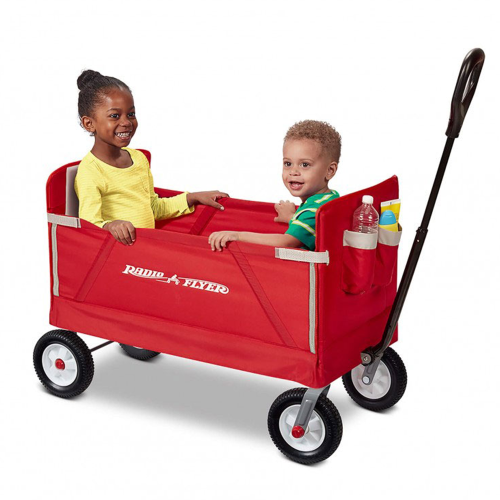 Your price for this item is $266.99
-
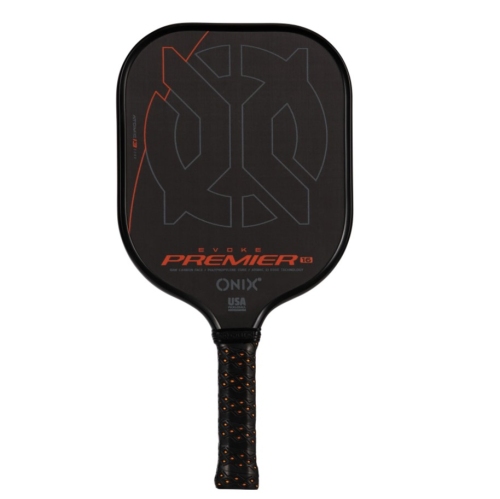 Your price for this item is $139.99
-
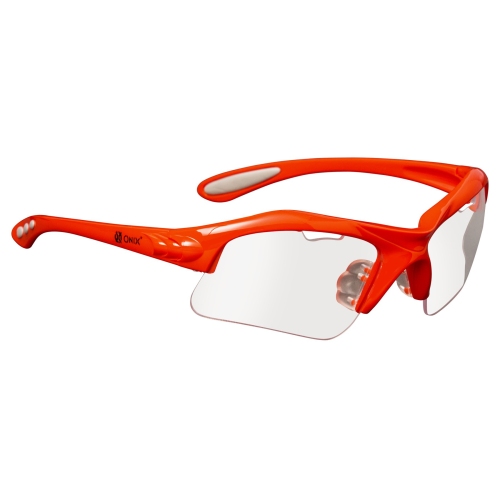 Your price for this item is $44.99
-
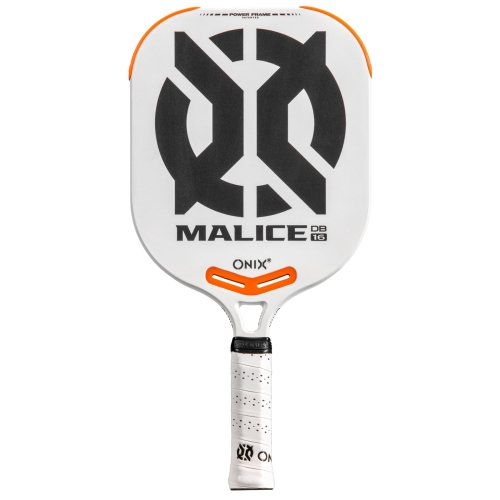 Your price for this item is $359.99
-
 Your price for this item is $34.99
-
 Your price for this item is $429.99
-
 Your price for this item is $28.99
-
 Your price for this item is $14.99
Discover more categories related to Graphite Pickleball Paddles

Top Collections:
Pokemon Centers, Best Cameras for Sports Photography, Kindle Devices, Samsung Galaxy Phones, Canon G7X Cameras, Pokémon 30th Celebration Cards, Refurbished Apple Laptops, iPhone 15 Apple, Laptops for Students, Budget Smartphones
Some products may be subject to Environmental Handling Fees
(EHF) depending on your province.
Learn more about EHFs.