Heated Accessories for Cold Weather

Find heated accessories for cold weather to help keep you warm on chilly commutes, winter walks, and outdoor outings. Browse options for added warmth where you need it, and compare power sources, heat settings, fit, and care requirements to choose accessories that suit your routine.
Read More

Sort

Adjustable warmth for bus stops and snowy trails

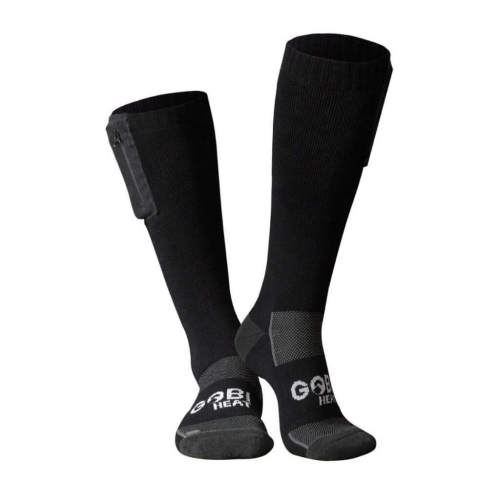
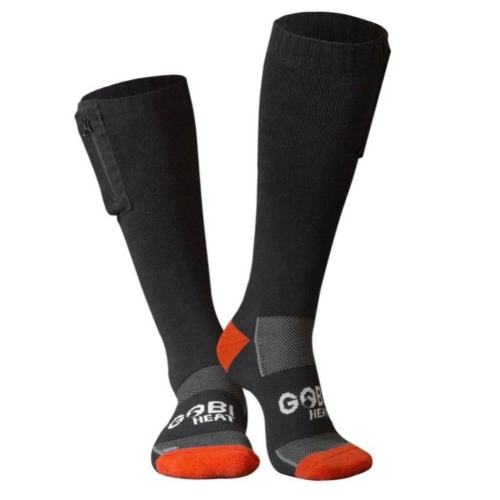
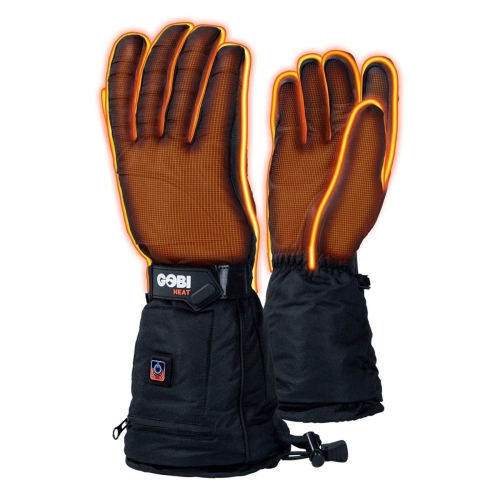
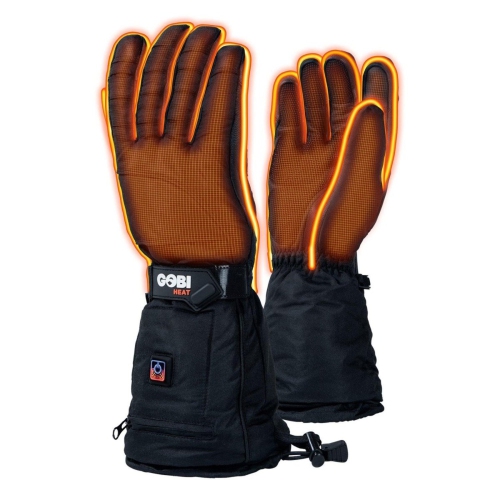
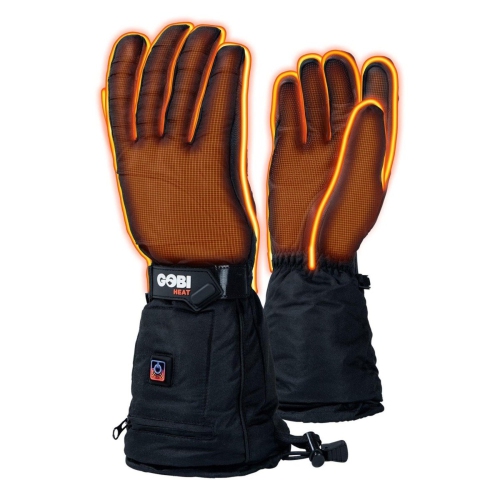
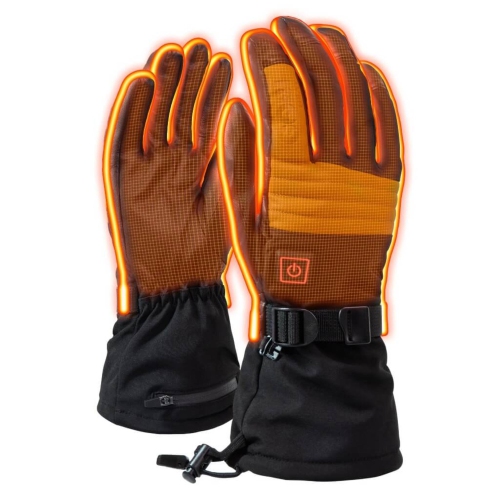
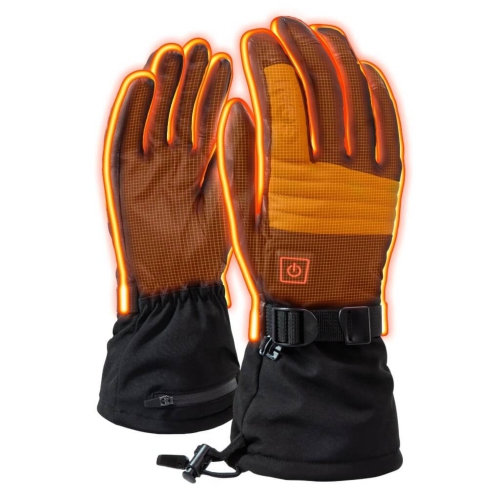
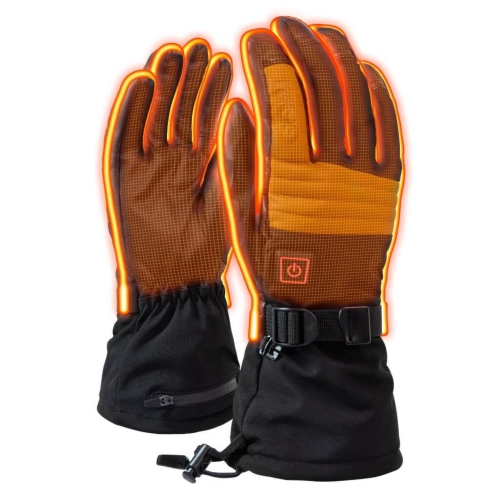
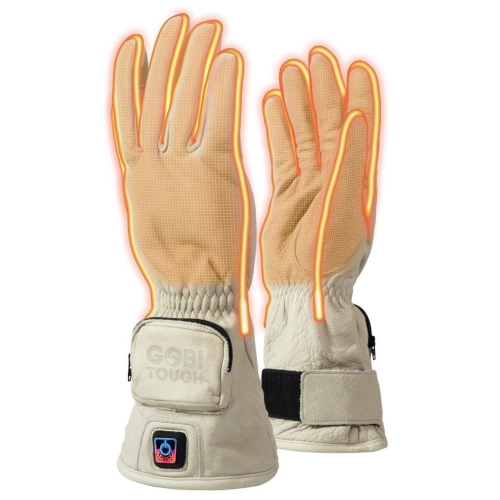
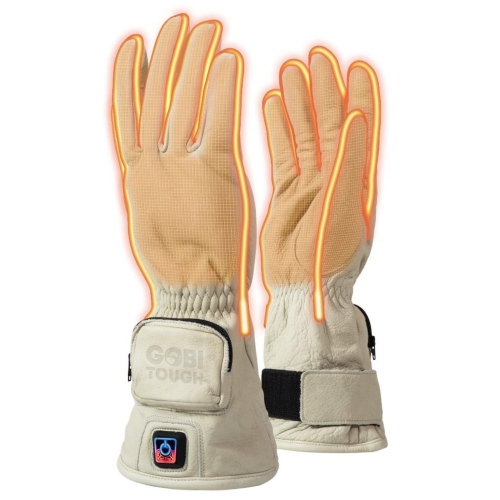
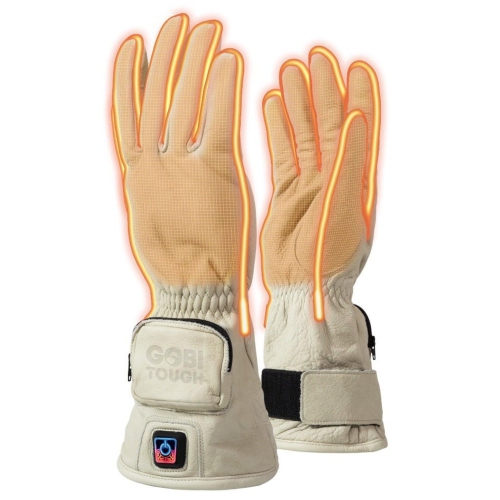
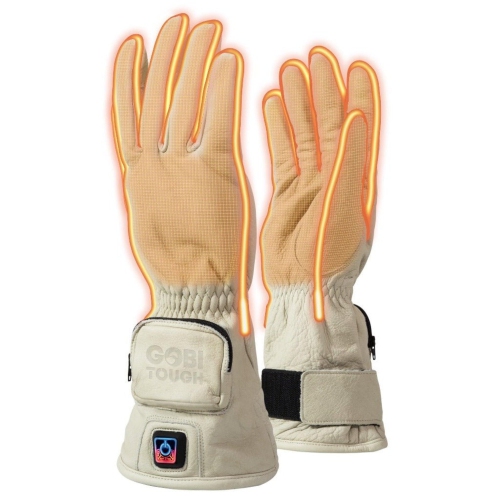
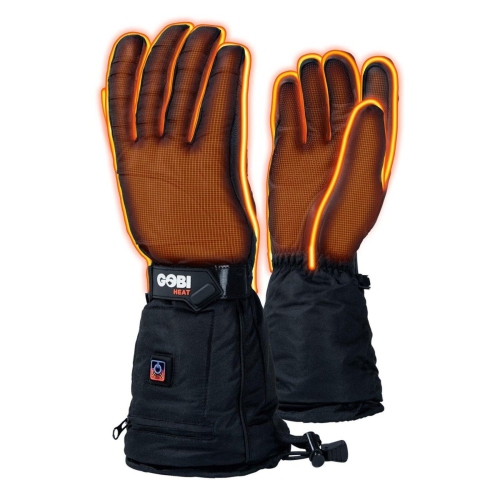
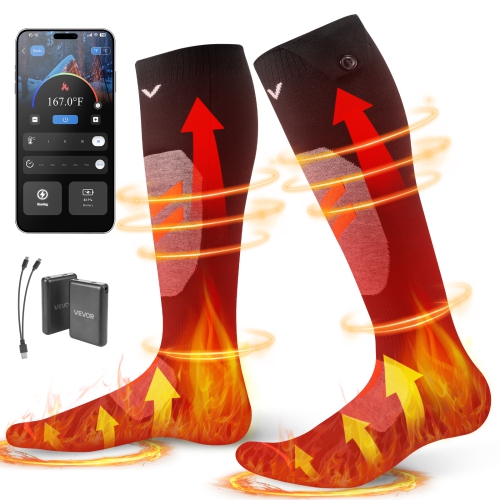
Heated accessories for cold weather add powered warmth to the layers that help make chilly days more comfortable. Common types include heated gloves, glove liners, socks, insoles, scarves, and vests, each designed to warm a different part of the body. Many use rechargeable batteries connected to heating elements within the fabric, with adjustable settings that let the wearer change the heat output as conditions shift. That extra warmth can be useful while waiting at an exposed bus stop, watching a game from the sidelines, walking the dog, or spending an afternoon on a snowy trail. Heated gloves and liners focus on the hands, although heating coverage varies: some designs warm the backs of the hands, while others extend warmth along the fingers. Heated socks and insoles bring warmth inside footwear, where a comfortable fit matters just as much as the heating system. Scarves offer warmth around the neck, while heated vests sit closer to the torso and can fit beneath a suitable outer layer. These accessories complement insulation rather than replace it. A wind-resistant shell, dry base layers, and properly fitted footwear still play an important role in keeping warmth close to the body. For someone who spends much of the day standing still, sustained gentle heat may matter more than a bulky layer intended for active movement. A person moving between a cold pavement and a warm train carriage may place greater value on accessible controls and settings that are easy to adjust. Heating zones, battery placement, and the feel of the fabric all influence everyday comfort. There is no single best format for every activity; the most useful choice depends on where warmth is needed, how long the wearer will be outside, and how the accessory fits with clothing already worn. For Canadian routines that mix outdoor time with heated indoor spaces, that flexibility is often what makes powered warmth practical.

Materials and fit shape the experience of wearing heated accessories long before the heat is switched on. Soft fleece can feel comfortable against the neck or wrists, while stretch-knit fabrics allow socks and liners to follow the shape of the body without excessive bunching. Moisture-wicking fabrics help move perspiration away from the skin, an important consideration when a brisk walk gives way to a long wait outdoors. Merino wool blends can offer insulation and moisture management, while synthetic blends may provide stretch, abrasion resistance, or faster drying, depending on their construction. Outer fabrics described as water-resistant can help with light moisture, but that description does not mean an accessory is waterproof or suitable for soaking. Seams, closures, battery pockets, and electrical connections also affect how well an accessory handles repeated wear. Reinforced palms can be useful for gripping walking poles or carrying bags, and flexible finger construction helps preserve dexterity when handling keys or fastening a zip. Glove liners need enough space inside an outer glove or mitten to avoid restricting movement or creating a tight fit. Similarly, heated socks and insoles should work with the available room in a boot; squeezing extra material into close-fitting footwear can create pressure points and reduce comfort. A scarf should sit comfortably without a battery pressing against the collarbone, and a vest should allow natural movement through the shoulders while fitting beneath outerwear without crowding it. Battery pockets are most comfortable when they hold their contents securely and away from areas that bend or bear pressure. These details matter during ordinary moments, such as sitting on a bench, crouching to fasten a boot, or carrying a backpack. Heated accessories can also make thoughtful gifts for commuters, outdoor spectators, walkers, and people whose daily routines include time in the cold. Sizing, intended activity, ease of operation, and the recipient’s existing winter clothing are more useful starting points than assuming the highest heat setting will suit everyone.

Battery performance, controls, and care requirements help distinguish accessories intended for brief outings from those suited to longer stretches outdoors. Runtime depends on battery capacity, heat setting, outside temperature, and the design of the heating system. Higher settings generally use power faster, and maximum runtime claims often refer to a lower setting under specified test conditions rather than steady use at full heat. An accessory that feels pleasantly warm indoors may perform differently in wind or deep cold, particularly without an insulating outer layer. Clearly marked controls, readable battery indicators, and buttons that are manageable with cold hands can make day-to-day use less fiddly. Charging time and the weight of the battery also matter when an accessory becomes part of a regular commute or workday. Some designs use dedicated battery packs, while others accept a specified USB power source; connections and electrical requirements vary, so batteries and chargers are not automatically interchangeable. Care labels deserve the same attention as fabric descriptions because heated textiles contain wiring and connectors as well as washable material. Cleaning methods differ, with some designs allowing gentle machine washing and others requiring hand washing or surface cleaning. Removable batteries should be disconnected before cleaning, following the manufacturer’s directions, and electrical components must be fully dry before reconnection. Wringing, sharp folding, or applying high drying heat can damage some heating systems, so the specified washing and drying method is important to long-term durability. Between uses, dry storage and gentle handling help protect fabrics and connections; battery storage and charging should follow the directions supplied with the accessory. Powered warmth should feel comfortable rather than hot, and prolonged heat against one area of skin can cause burns. People with reduced sensation or conditions that affect circulation should seek medical advice before using heated wearables. These accessories are intended for personal warmth during suitable activities, not for heating a room. For warmth in indoor spaces, Winter Heaters covers a different need. Outdoors, a well-fitting heated accessory works best as part of a complete cold-weather outfit, adding warmth without getting in the way of the day’s routine.
Read More

FAQ

Some products may be subject to Environmental Handling Fees (EHF) depending on your province. Learn more about EHFs.