Heated Socks for Winter

Heated socks for winter add warmth for cold-weather walks, outdoor work, and time on the slopes. Browse the selection with your activities in mind, and compare available sizes, heat settings, battery life, and care requirements to find a pair that fits comfortably inside your winter boots.
Read More

Sort

Active warmth for feet when movement slows

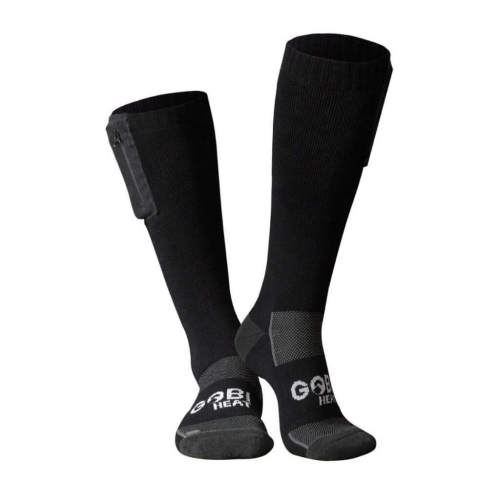
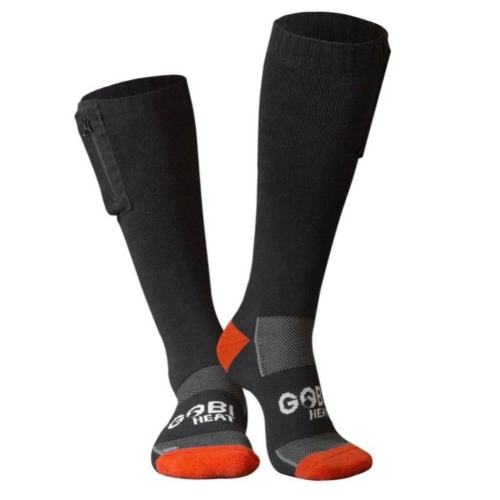
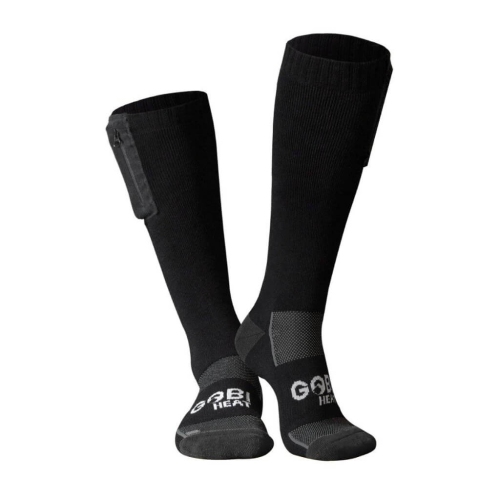
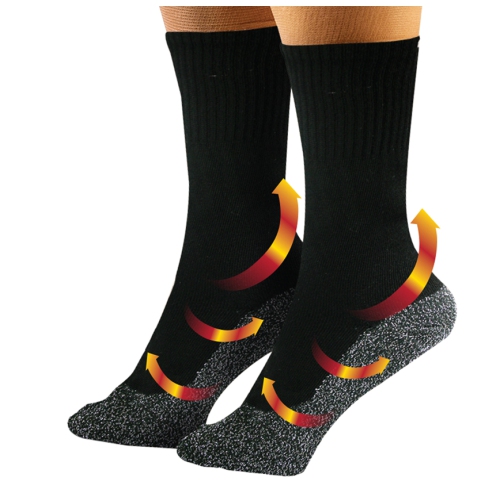
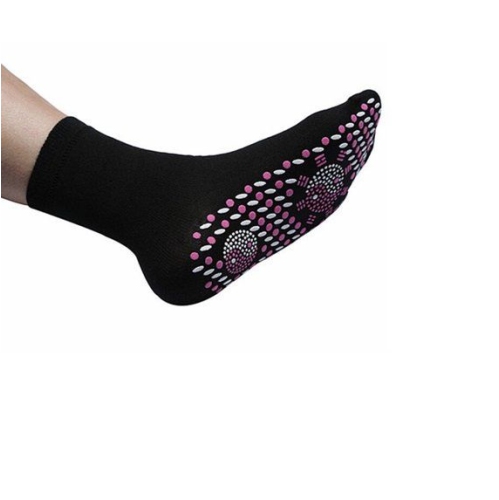
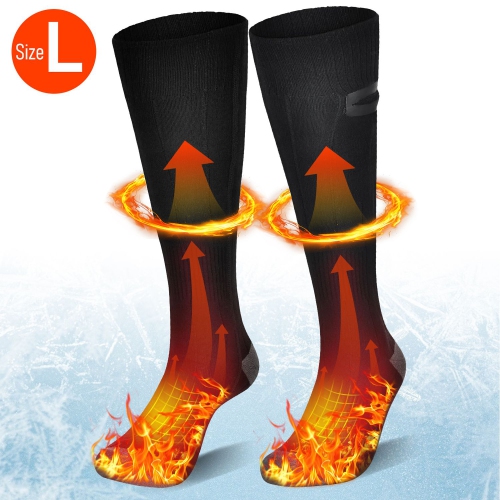
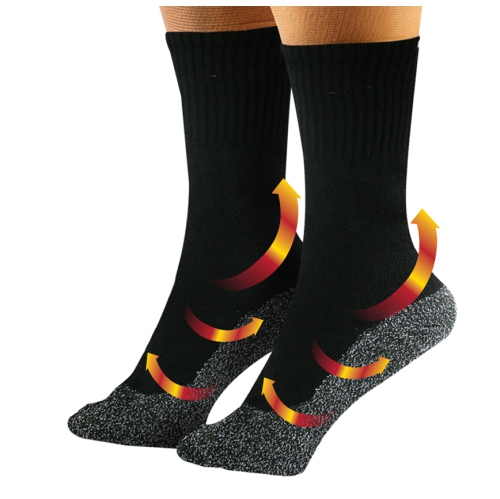
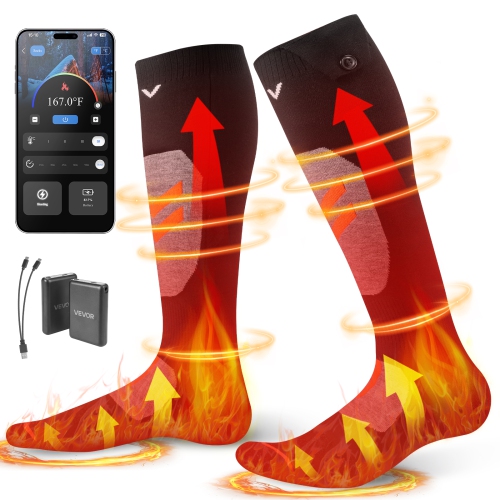
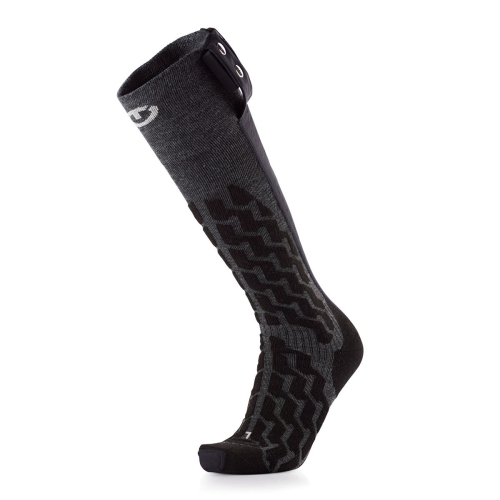
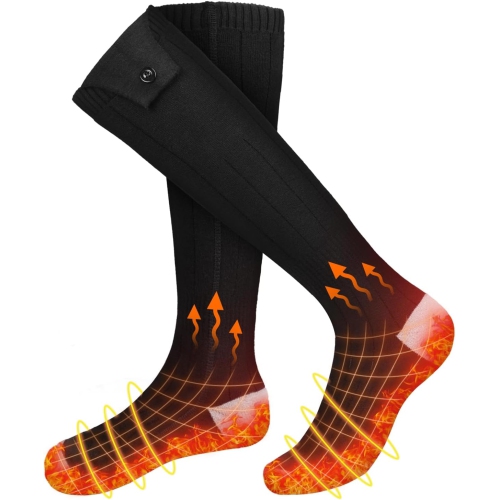
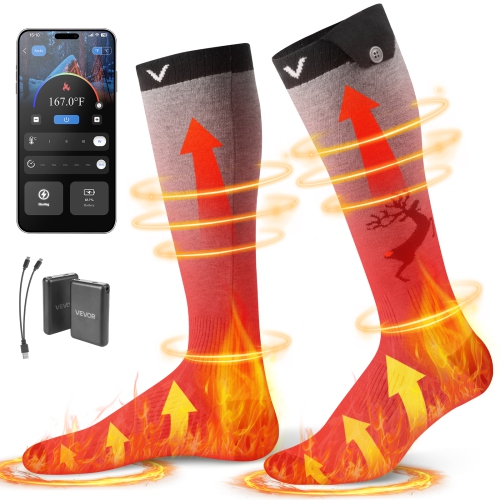
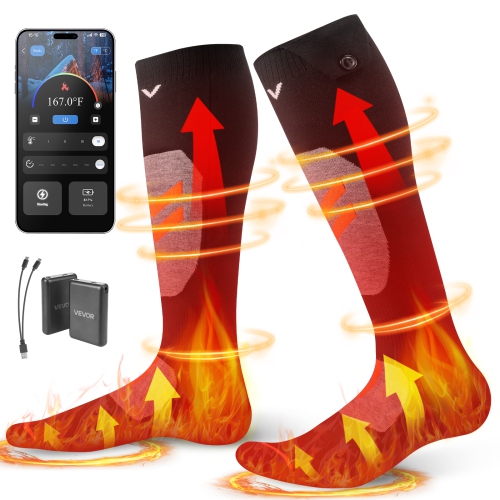
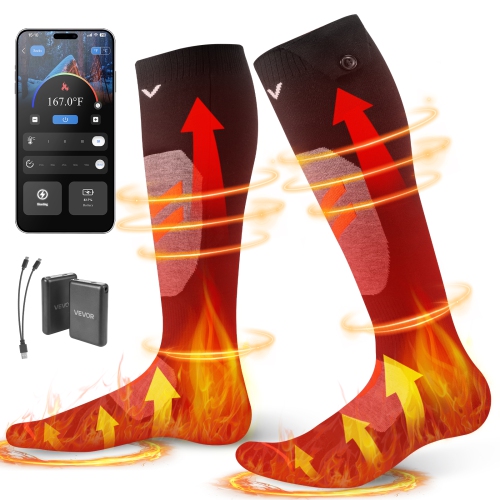
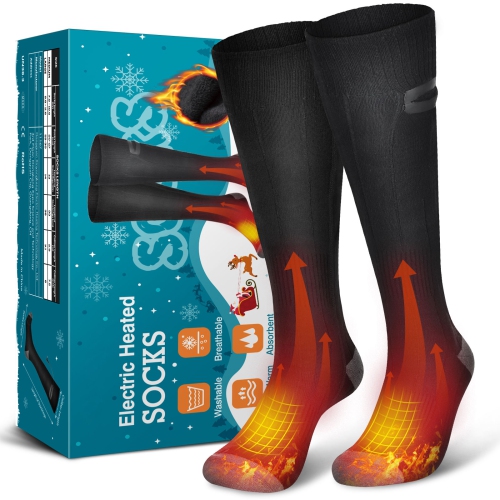
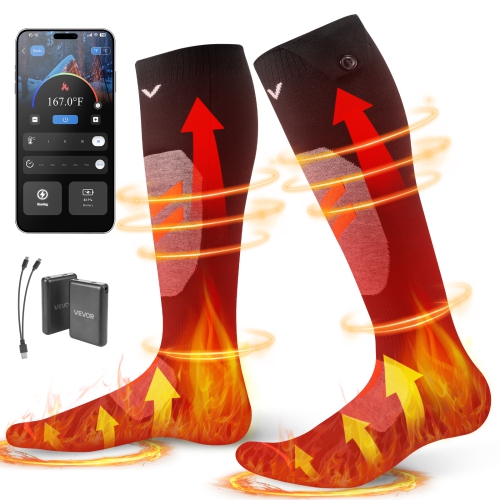
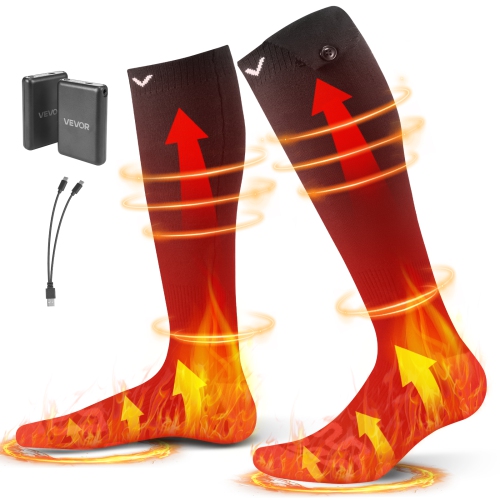
Heated socks for winter combine insulating fabric with battery-powered heating elements to add warmth around the toes and feet. Unlike standard thermal socks, which mainly help retain body heat, heated socks supply active warmth through integrated heating zones. That extra warmth can be useful during a frosty morning commute, a long stretch beside an outdoor rink, or a quiet afternoon of ice fishing, when feet may feel colder than they do during steady movement. Most battery-powered designs use rechargeable packs held in pockets near the cuffs, with adjustable heat settings controlled by a button or, on some designs, a compatible mobile app. Heating coverage varies: some socks concentrate warmth near the toes, while others extend it across more of the forefoot. The placement matters as much as the number of settings, particularly for someone whose toes get cold while the rest of their feet remain comfortable. Battery runtime depends on the selected setting, battery capacity, outside temperature, and how well the surrounding footwear holds warmth. Higher settings generally draw power faster, so a stated maximum runtime should not be treated as the expected duration at full heat. For an outdoor shift or a full day on the slopes, the useful comparison is the stated runtime at the setting likely to be used, along with charging time and any requirements for compatible spare batteries. Controls also play a practical role. A cuff-mounted button may be convenient before boots and snow pants go on, while app control can reduce the need to reach beneath clothing when adjustments are needed. Neither replaces checking that the socks feel comfortably warm rather than hot. Heated socks work best as part of a suitable cold-weather outfit, with dry footwear, adequate insulation, and enough room for toes to move. They add warmth, but they do not make unsuitable boots protective against prolonged cold or remove the need for breaks indoors.

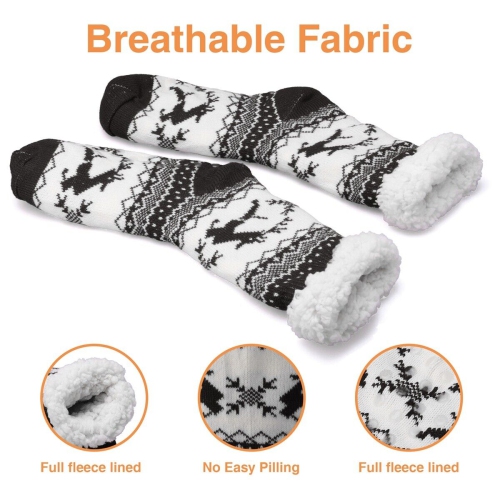
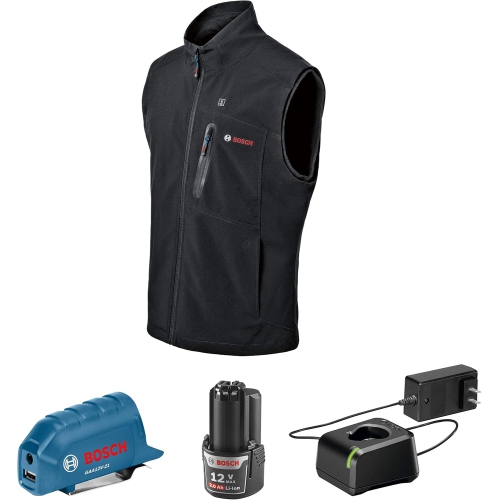
Materials and fit shape how heated socks feel over several hours, whether the day involves walking snowy paths or standing on a cold platform waiting for transit. Merino wool blends offer insulation and moisture management, while synthetic fibres such as polyester and nylon can help move perspiration away from the skin and support durability. Stretch fibres help the fabric stay close to the foot without bunching. The balance between these materials affects softness, drying time, thickness, and how easily the socks slide into everyday winter boots. A thicker sock is not automatically warmer in practice: if it makes a boot too tight, it can reduce the space needed for comfortable movement and leave the foot feeling compressed. This is especially relevant with closely fitted ski boots, where bulky seams, folds, or poorly placed battery pockets may create pressure points. Smooth toe seams, a shaped heel, and a cuff that stays up without digging into the leg can make a noticeable difference during a long outing. Sock height deserves attention too. The cuff and battery pocket should sit where they will not be trapped beneath a rigid boot edge or pressed against the leg by other equipment. Sizing is best assessed using the stated foot measurements or shoe-size range rather than assuming every stretchy design fits the same way. Moisture management matters even when active heating is available. Feet that become damp during a brisk walk can feel chilled once the pace slows, so breathable socks and footwear suited to the activity remain important. For someone alternating between a heated vehicle and outdoor deliveries, easy temperature adjustment may be more useful than constant high heat. For a spectator standing beside a snowy field, cushioning and steady, comfortable warmth may matter more. An outfit that also includes Heated Vests for Winter can provide adjustable warmth around the torso as well as the feet, with each garment used according to its own operating instructions.

Care and construction are particularly important for heated socks because they combine a washable textile with electrical components. Batteries generally need to be removed before cleaning, and the permitted washing method varies by design. Some socks allow a gentle machine cycle with specified precautions, while others require handwashing; the care label determines which approach is suitable. Connectors may also need to be secured or covered as directed. Unless expressly permitted, tumble drying, ironing, wringing, and direct heat can be unsuitable for integrated heating elements and wiring. Socks should be fully dry before batteries are reconnected, and charging should use only the equipment specified as compatible. Between outings, storing the socks clean and dry without sharply creasing the heating areas helps limit unnecessary strain. Battery storage and charging requirements also deserve attention when the socks will sit unused for an extended period. Reinforced heels and toes, secure battery pockets, and neatly finished seams are useful construction details for regular wear, although durability also depends on footwear fit, activity, and laundering. Visible damage to wiring, connectors, or battery packs is a reason to stop using the heating function and follow the manufacturer's support instructions. Intended use helps distinguish a practical choice from one that simply offers more features. A dog walker may value straightforward controls and easy care, while someone spending hours outdoors may place greater importance on battery capacity, comfort under winter trousers, and the weight of the packs. Heated socks can also be a thoughtful gift for an outdoor sports spectator, a keen winter walker, or someone who regularly works in cold conditions, provided the sizing and footwear compatibility are right. They are not a treatment for circulation problems or other medical conditions. Anyone with reduced temperature sensitivity or a condition affecting their feet should seek medical advice before using wearable heat. For everyday wear, comfortable low-level warmth, regular checks for pressure or irritation, and attention to changing conditions are more useful than simply choosing the highest setting. The most suitable heated winter socks bring together appropriate heating coverage, dependable fit, manageable care, and battery performance that matches the time spent outside.
Read More

FAQ

Some products may be subject to Environmental Handling Fees (EHF) depending on your province. Learn more about EHFs.