Heated Seat Cushions
Heated seat cushions offer a simple way to add extra comfort and warmth to your seating experience, whether at home, in the car, or at the office. Perfect for chilly days or anyone looking to enhance their relaxation, these cushions are designed to fit a variety of chairs and environments. Explore a wide selection of heated seat cushions and discover how easy it is to bring cozy warmth wherever you need it most.
Sort


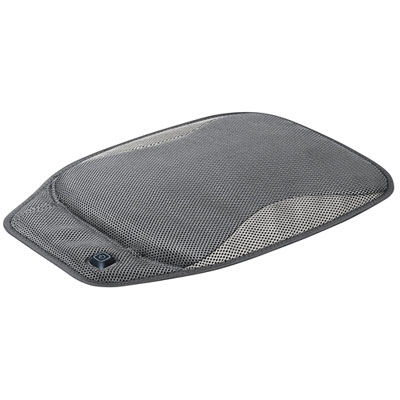
Extra warmth and padding without replacing your chair
Heated seat cushions add warmth and a layer of padding to compatible seats without replacing the chair or installing a built-in heating system. Depending on their design, they can suit a vehicle seat, an office chair, a reading chair, or a bench at an outdoor event. The main differences are the power source, the area covered by the heating elements, and the shape of the cushion. A seat-only pad concentrates warmth beneath the body and is generally easier to carry, while a full-length cushion extends up the backrest for broader contact. A heated car seat cushion commonly connects to a compatible 12V accessory outlet; cushions intended for indoor seating may use a household power adapter, and portable versions may draw power from a rechargeable battery or a compatible USB power bank. These power systems are not interchangeable unless the manufacturer explicitly supports them. A USB connection alone does not confirm compatibility, since the cushion and power supply also need matching electrical requirements. For someone sitting through a hockey practice on cold bleachers, a portable heated seat cushion offers a different kind of convenience than a back-and-seat pad used during a commute. At a desk, the more important details may be how neatly the cushion sits against the backrest and whether its controller stays within easy reach. Adjustable heat settings allow the warmth to be tailored to personal comfort, although the number of settings and the heating area vary by design. Surface fabric, clothing thickness, surrounding conditions, and the selected setting can all affect how noticeable the warmth feels. Warm-up time and battery runtime also vary, so there is no single duration that applies to every cushion. Battery-powered designs are especially dependent on battery capacity and heat level. For any setting, the intended use matters more than appearance: a cushion designed for a vehicle is not automatically suitable for a household chair, and a portable pad is not necessarily approved for exposure to rain or snow.
Materials and fit make a substantial difference to how a heated seat cushion feels over a longer stretch of sitting. Soft polyester, fleece-style coverings, and textured upholstery fabrics can each offer a different feel against clothing, while foam padding provides separation from a firm seat. Padding thickness is worth considering alongside warmth. A thin pad changes the seating position less noticeably, whereas a thicker cushion can raise the sitter, reduce the usable seat depth, or alter the relationship between the lower back and the chair’s existing support. Contoured padding may feel comfortable on one seat and awkward on another, particularly where the original upholstery already has pronounced side bolsters. Seat width, depth, and backrest height are more useful than a general claim of universal fit. On an office chair, a cushion should leave enough room to sit with feet supported and reach the desk comfortably. In a vehicle, it must not interfere with the seat belt, controls, visibility, side airbags, or seat sensors; both the vehicle’s instructions and the cushion’s stated compatibility are important. Heated cushions should not be added to a child’s car seat or booster seat unless expressly permitted by the relevant manufacturers. Securing straps and a slip-resistant underside can help limit movement on suitable seating, but they should be attached only as directed, with no obstruction of adjustment mechanisms. The placement of the cable and controller matters too. A cable that crosses a walkway, catches in a chair’s wheels, or reaches across the driver’s footwell creates an avoidable problem. For portable use, a carrying handle, a designated battery pocket, and a shape that packs down as instructed can make transport easier. A heated seat cushion can also be a thoughtful gift for someone who regularly watches outdoor sports or prefers added warmth while reading. The most useful match is one that suits the recipient’s usual seat, power access, and ability to operate the controls comfortably, rather than simply offering the thickest padding or the most settings.
Care, construction, and operating features help determine how well a heated seat cushion fits into everyday use. Secure stitching, neatly finished edges, and a well-supported cable connection are useful details to assess, especially when a cushion will be moved between approved seating locations. A removable, washable cover can simplify routine cleaning, but only if the care instructions identify it as washable; the heating pad itself, its controller, and its connectors may require a different approach. Many designs call for gentle spot cleaning rather than soaking or machine washing. Disconnecting the power before cleaning and allowing all permitted cleaned surfaces to dry fully before reconnecting helps protect the electrical components. Storage also deserves attention, because tightly folding a cushion, pinching its cable, or placing heavy objects on top can damage internal wiring. A portable design may have designated fold lines, while another cushion may need to stay flat or be loosely rolled according to its instructions. Before use, visible wear, exposed wiring, damaged plugs, or unusual hot spots are reasons to stop using the cushion. Features such as automatic shut-off, a timer, and overheat protection can offer useful safeguards, but they do not replace supervision or the operating directions. Automatic shut-off does not necessarily prevent a vehicle battery from draining if an accessory outlet remains powered after the engine is switched off, so the vehicle’s outlet behaviour still matters. Heated cushions are intended for comfort, not as a substitute for medical care, and prolonged heat contact can cause burns even when the warmth initially feels mild. Anyone with reduced heat sensitivity, impaired circulation, or difficulty adjusting or removing the cushion should seek appropriate medical advice before use. Sleeping on a heated seat cushion or adding blankets over it may be prohibited by its instructions. For those interested in warmth combined with kneading, rolling, or vibration features, Heated Massage Cushions offer a related seating option, with functions that vary by design. A straightforward heated cushion, by contrast, keeps the emphasis on warmth, manageable controls, and a comfortable fit for the seat where it will be used.
Top selling and popular products
-
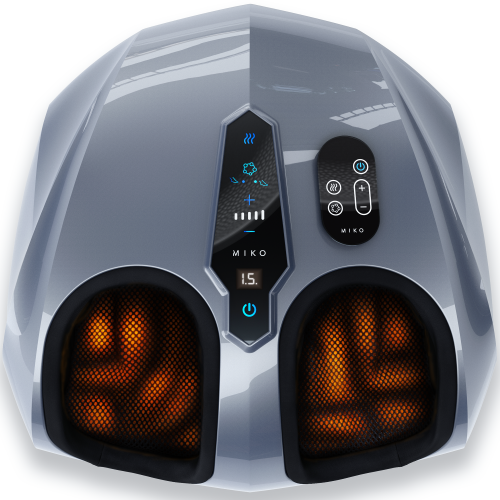 Your price for this item is $399.99
-
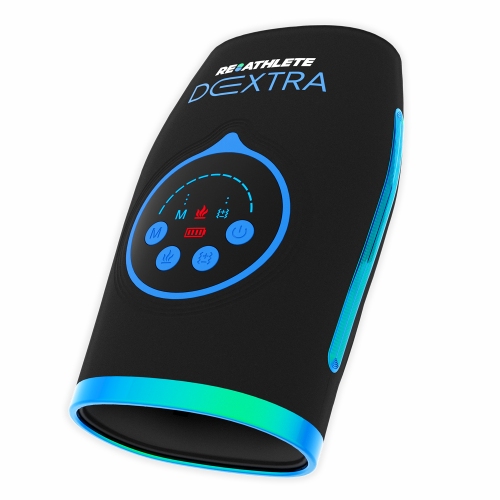 Your price for this item is $109.99
-
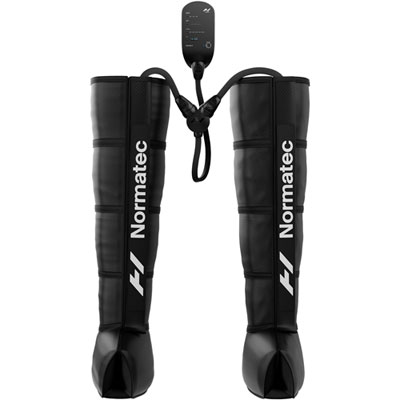 Your price for this item is $1149.99
-
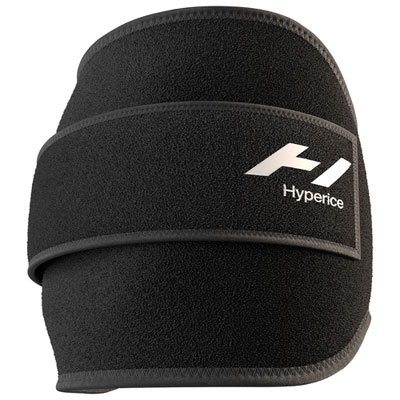 Your price for this item is $349
-
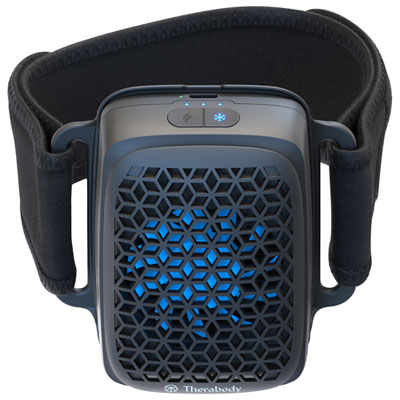 Your price for this item is $199.99
-
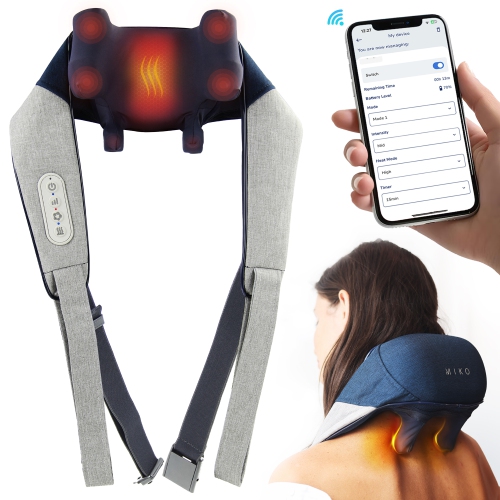 Your price for this item is $299.99
-
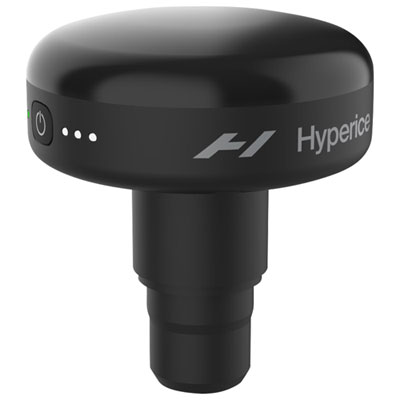 Your price for this item is $77.97
-
 Your price for this item is $39.99
Discover more categories related to Heated Seat Cushions

Top Collections:
Pokemon Centers, Best Cameras for Sports Photography, Kindle Devices, Samsung Galaxy Phones, Canon G7X Cameras, Pokémon 30th Celebration Cards, Refurbished Apple Laptops, iPhone 15 Apple, Laptops for Students, Budget Smartphones
Some products may be subject to Environmental Handling Fees
(EHF) depending on your province.
Learn more about EHFs.