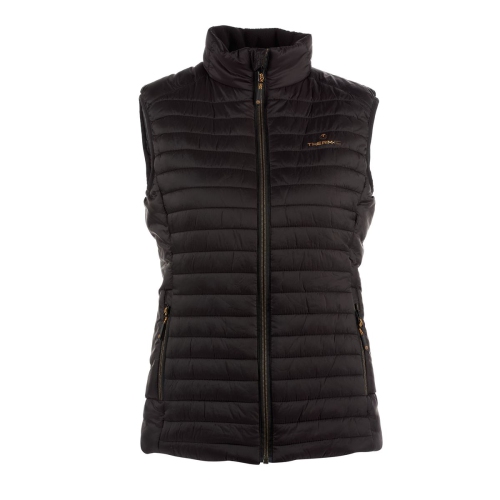
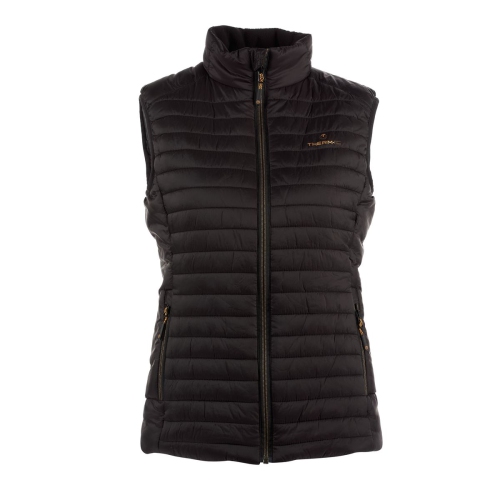
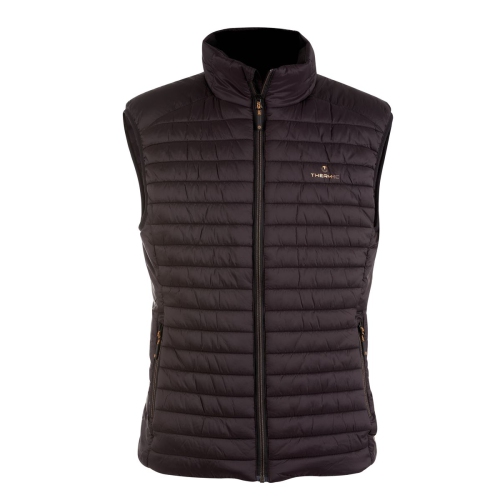
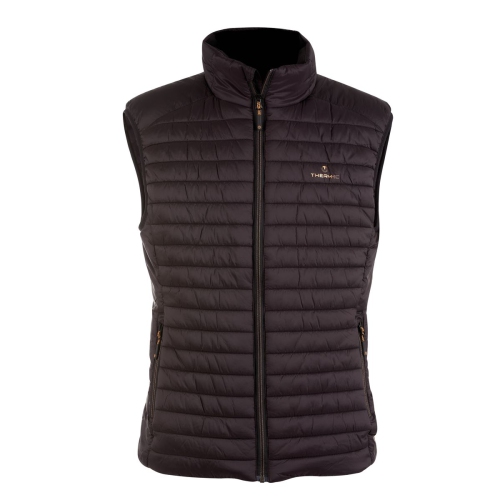
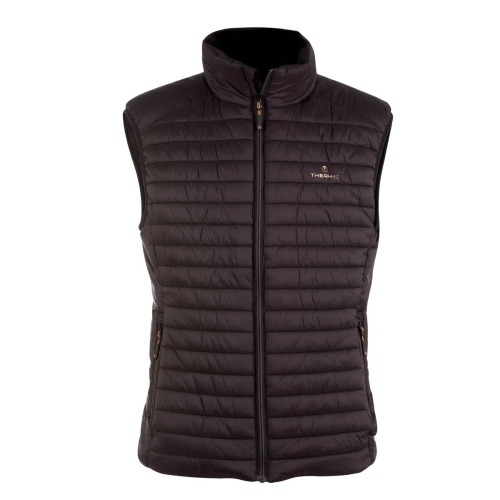
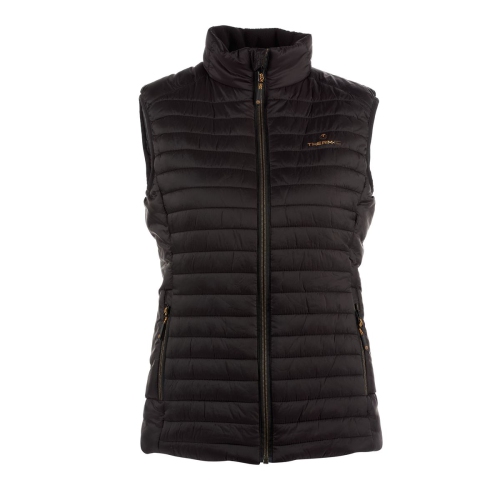
Heated Vests for Winter

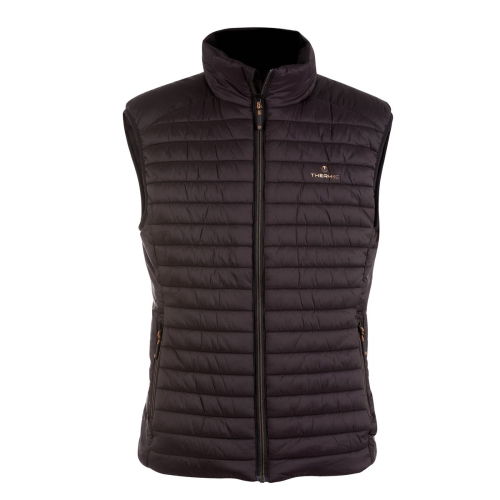
Heated vests for winter add warmth around your core while leaving your arms free to move, whether you’re commuting or spending time outdoors. Browse heated layers to wear under a jacket or over a base layer, and compare fit, heat settings, battery requirements, and care instructions to find an option that suits your cold-weather routine.
Read More

Adjustable warmth without the bulk of extra layers

Heated Vests for Winter bring adjustable warmth to the everyday moments that make a Canadian winter feel long: waiting on a windy train platform, walking the dog before sunrise, or standing beside an outdoor rink with a hot drink tucked between your gloves. By placing heating elements around the torso, these vests can add warmth without the bulk of another thick sweater, while leaving your arms free to move. They’re a practical option for commuters, outdoor spectators, and anyone who wants an extra layer for cold-weather errands or weekend outings. Some styles fit neatly beneath a winter coat, while others have a roomier cut suited to wearing over a fleece or hoodie. That distinction matters more than it might seem when shopping online. A vest that feels comfortable over a light shirt may become restrictive over heavier layers, so compare the sizing measurements with the clothing you actually plan to wear underneath. Look for a fit that sits close enough to keep warmth near your body without pulling across the shoulders or limiting movement when you bend, reach, or sit down.

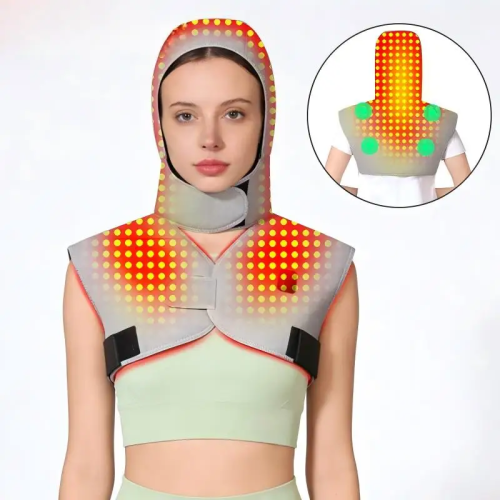
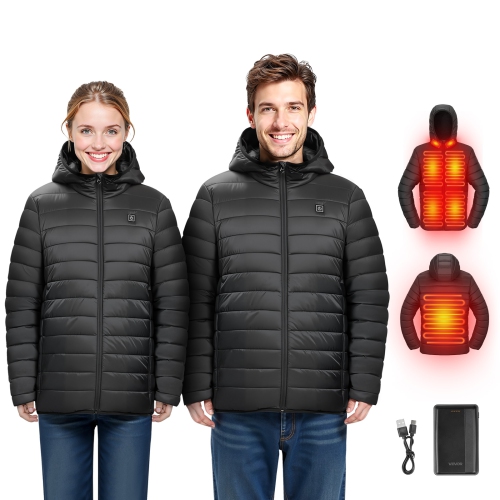
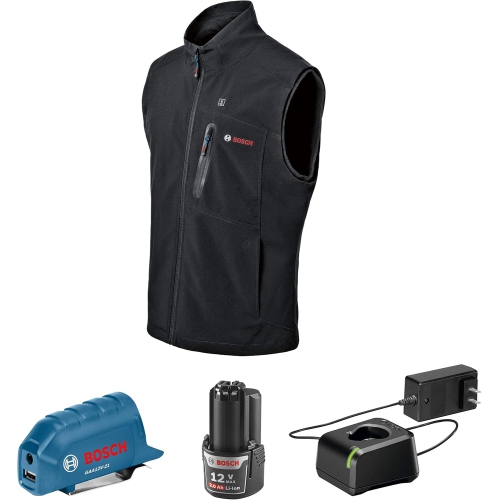
Heating coverage, controls, and battery details are worth comparing as carefully as the fit. Depending on the design, heating zones may be positioned across the back, chest, collar, or pockets, and their placement can make a difference to how the warmth feels. Someone spending an hour watching a hockey practice may have different priorities from someone wearing a vest for short walks between buildings. Adjustable heat settings let you choose the warmth that suits the moment, though battery runtime generally varies with the setting, outdoor temperature, and battery capacity. Treat a listed maximum runtime as a reference rather than a promise of all-day performance at the highest heat level. Check whether a compatible battery and charger are included, how long charging takes, and where the battery sits inside the vest. A battery pocket that presses against your side while driving or wearing a backpack can become an everyday annoyance. Easy-to-reach controls, clear setting indicators, and secure pockets are useful details, particularly when you’re wearing gloves or carrying keys, a phone, and a transit pass.

The outer fabric and insulation also help determine where a heated vest fits into your winter wardrobe. A wind-resistant shell can be useful on exposed paths, while a softer, lighter style may be more comfortable beneath a substantial coat. Water resistance should not be mistaken for waterproof protection; for wet snow or rain, choose an appropriate outer layer and follow the vest’s use instructions. Heated clothing adds warmth, but it does not replace weather-appropriate layers, a hat, or gloves in severe cold. For gifting, think about the recipient’s routine rather than simply choosing the most powerful heating option. A parent who spends weekends on the sidelines, a friend with an early-morning commute, or a family member who enjoys crisp winter walks may appreciate a vest that slips easily into the clothes they already own. Straightforward controls and manageable battery weight can be just as important as the number of heat settings. Finally, check the care label before purchasing: washing methods vary, batteries typically need to be removed, and charging should follow the manufacturer’s directions. A comfortable fit, suitable heating coverage, and a care routine that feels manageable make it easier to reach for that extra warmth whenever the temperature drops.

Read More

FAQ

Some products may be subject to Environmental Handling Fees (EHF) depending on your province. Learn more about EHFs.