Heavy Duty Cutters
If you're looking for heavy-duty cutters to tackle your toughest cutting tasks, look no further! This wide range of heavy-duty cutters is designed to provide you with the strength and durability you need for any cutting job. Whether you're working with thick materials, need precision cuts, or require extra power, these heavy-duty cutters have got you covered. From industrial-grade options to versatile handheld models, we have the perfect cutter to meet your needs.
Sort
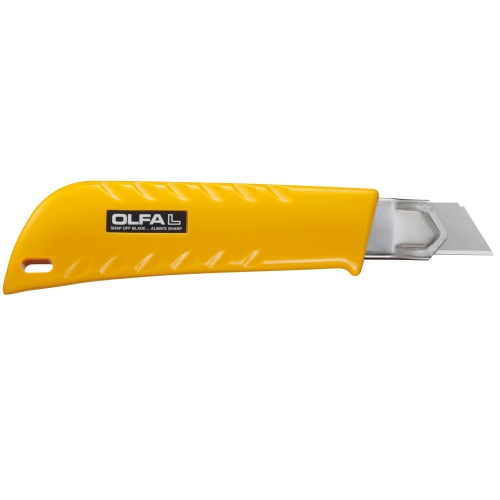
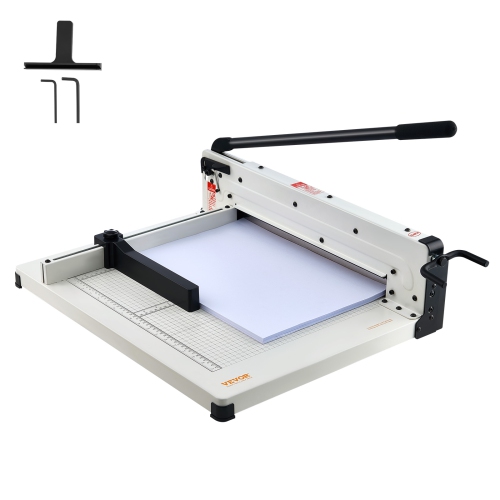
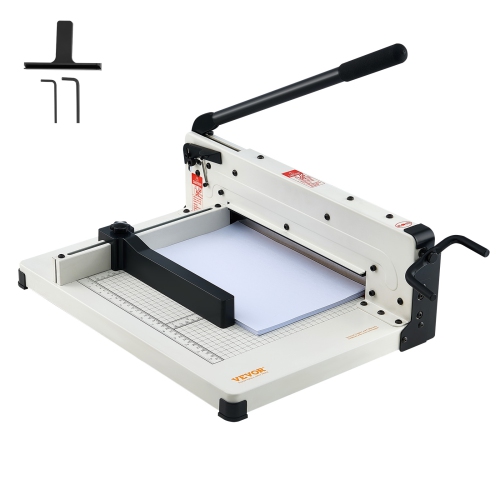

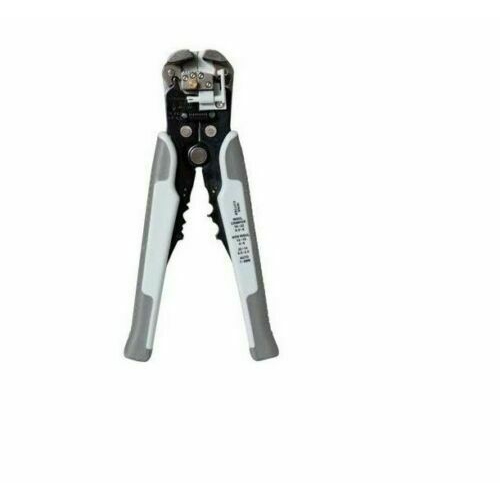
Heavy Duty Cutters
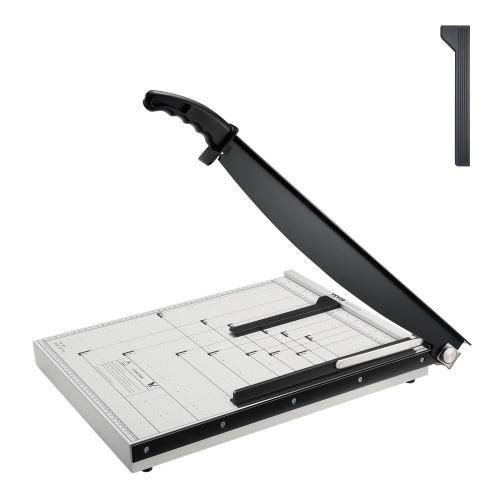
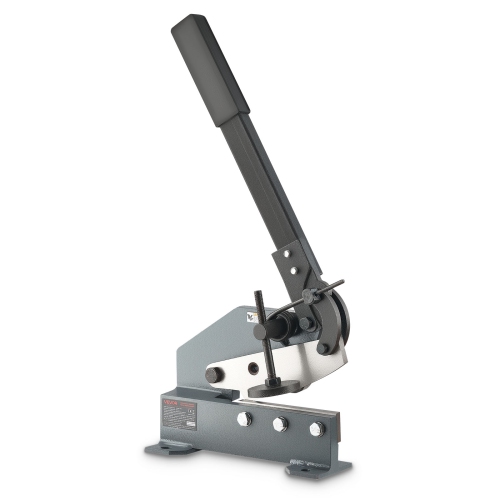
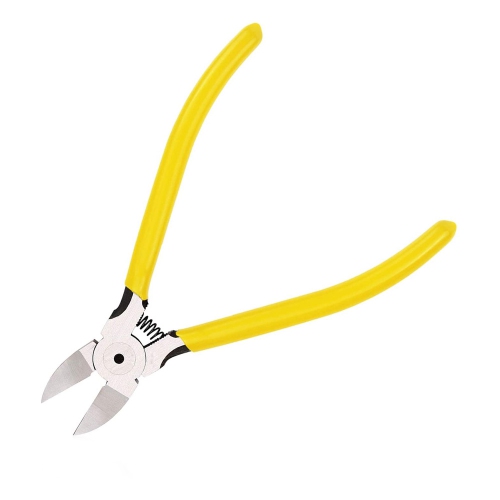
Heavy duty cutters are specialised hand tools designed for demanding cutting tasks that exceed the capacity of standard household scissors, craft tools, or general-purpose pliers. Depending on the design, they may be used to cut chain, thick wire, cable, wire rope, reinforcing rod, fencing materials, plastic strapping, or other dense materials in a workshop, garage, construction setting, garden, utility area, or jobsite. The right cutter depends primarily on the material, its diameter, and the amount of leverage required. Bolt cutters use long handles and compound leverage to apply substantial force through hardened jaws, making them suitable for certain chains, bolts, padlocks, and metal rods when the tool is properly matched to the job. Compact models are easier to store and carry, while longer handles can provide more leverage for larger diameters and tougher materials. High-leverage diagonal cutters and side cutters are often chosen for electrical, mechanical, and maintenance work where a controlled one-handed cut is useful, particularly with copper wire, aluminium wire, tie wire, and similar materials. Cable and wire rope cutters have curved or specially shaped jaws that help produce a cleaner cut through flexible cable while reducing crushing and fraying. Some are intended for soft copper or aluminium cable, while others are built for tougher steel or aircraft cable, so checking the manufacturer’s stated cutting capacity is essential. A cutter that looks robust may still be unsuitable for a particular alloy, hardened fastener, or cable construction, and forcing it beyond its rating can damage the jaws or create a hazardous release of tension.
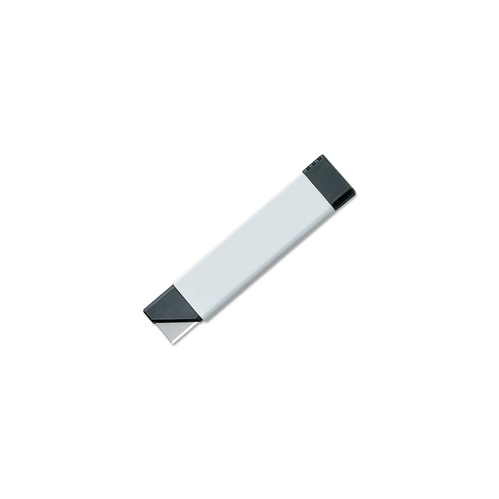
When choosing heavy duty cutters, begin by identifying the material you need to cut most often rather than selecting solely by handle length or appearance. Look for the maximum diameter and material ratings, as a tool designed for soft copper cable will not necessarily be appropriate for hardened steel wire or high-tensile chain. Jaw geometry also matters: an angled head can improve access in tight spaces, a centre-cut design may suit heavier stock, and a side-cutting profile can be more practical for flush or close work. Handles should provide a secure, comfortable grip, especially when repeated cuts are part of the task. Non-slip materials can help with control, while insulated handles are important for tools specifically rated for electrical work; insulation is not a substitute for de-energizing circuits and following appropriate electrical safety procedures. Consider the tool’s overall size and weight as well. A very long cutter can provide excellent leverage but may be awkward in a crowded workshop, whereas a compact model can be easier to carry in a toolbox or service bag. Hardened cutting edges, corrosion-resistant finishes, locking mechanisms, replaceable jaws, and protective storage features may also add practical value for people who use their tools frequently. Heavy duty cutters can be useful for tradespeople, maintenance staff, contractors, farmers, mechanics, facilities teams, and experienced do-it-yourselfers handling repairs or renovations. They can also make a thoughtful gift for someone setting up a new workshop, maintaining a property, building fencing, preparing a tool kit for a vehicle, or taking on regular home improvement projects. For lighter trimming, packaging, and general-purpose cutting, browse Heavy Duty Utility Knives as a separate option, since a utility knife is designed for different materials and cutting motions than a bolt cutter, cable shear, or high-leverage plier.
Safe handling is especially important with tools capable of cutting dense metal or cable under tension. Wear appropriate eye protection to guard against chips, broken wire strands, and cut-off pieces, and use gloves that provide grip without interfering with control. Keep both hands on the handles when the tool is designed for two-handed operation, maintain stable footing, and position the work so that the handles and cut material cannot swing unexpectedly towards your body or another person. Never extend the handles with pipes or other improvised accessories unless the manufacturer expressly permits that method, since added leverage can overload the jaws, hinges, or fastener. Inspect the cutter before use for loose pivots, damaged grips, chipped edges, bent handles, or signs of excessive wear. When cutting cable or wire rope, be aware that individual strands can separate and become sharp; securing the material and covering the cut end can help limit movement and snags. For chains, locks, and other security-related hardware, use these tools only when you own the item or have clear authorization to modify or remove it, and follow local requirements for electrical, construction, workplace, and property-maintenance tasks. Clean the jaws after use, keep the pivot lightly maintained according to the care instructions, and store the tool closed or secured where children cannot access it. During the warmer part of the year, heavy duty cutters may be useful for fencing, outdoor repairs, landscaping supports, and renovation work; during cooler months, they can earn their place in a garage, workshop, utility room, or vehicle kit for maintenance and repair tasks. Selecting a cutter with the correct jaw style, cutting capacity, handle length, and safety features helps make each job more controlled and gives the tool lasting usefulness across a wide range of practical projects.
When choosing heavy duty cutters, begin by identifying the material you need to cut most often rather than selecting solely by handle length or appearance. Look for the maximum diameter and material ratings, as a tool designed for soft copper cable will not necessarily be appropriate for hardened steel wire or high-tensile chain. Jaw geometry also matters: an angled head can improve access in tight spaces, a centre-cut design may suit heavier stock, and a side-cutting profile can be more practical for flush or close work. Handles should provide a secure, comfortable grip, especially when repeated cuts are part of the task. Non-slip materials can help with control, while insulated handles are important for tools specifically rated for electrical work; insulation is not a substitute for de-energizing circuits and following appropriate electrical safety procedures. Consider the tool’s overall size and weight as well. A very long cutter can provide excellent leverage but may be awkward in a crowded workshop, whereas a compact model can be easier to carry in a toolbox or service bag. Hardened cutting edges, corrosion-resistant finishes, locking mechanisms, replaceable jaws, and protective storage features may also add practical value for people who use their tools frequently. Heavy duty cutters can be useful for tradespeople, maintenance staff, contractors, farmers, mechanics, facilities teams, and experienced do-it-yourselfers handling repairs or renovations. They can also make a thoughtful gift for someone setting up a new workshop, maintaining a property, building fencing, preparing a tool kit for a vehicle, or taking on regular home improvement projects. For lighter trimming, packaging, and general-purpose cutting, browse Heavy Duty Utility Knives as a separate option, since a utility knife is designed for different materials and cutting motions than a bolt cutter, cable shear, or high-leverage plier.
Safe handling is especially important with tools capable of cutting dense metal or cable under tension. Wear appropriate eye protection to guard against chips, broken wire strands, and cut-off pieces, and use gloves that provide grip without interfering with control. Keep both hands on the handles when the tool is designed for two-handed operation, maintain stable footing, and position the work so that the handles and cut material cannot swing unexpectedly towards your body or another person. Never extend the handles with pipes or other improvised accessories unless the manufacturer expressly permits that method, since added leverage can overload the jaws, hinges, or fastener. Inspect the cutter before use for loose pivots, damaged grips, chipped edges, bent handles, or signs of excessive wear. When cutting cable or wire rope, be aware that individual strands can separate and become sharp; securing the material and covering the cut end can help limit movement and snags. For chains, locks, and other security-related hardware, use these tools only when you own the item or have clear authorization to modify or remove it, and follow local requirements for electrical, construction, workplace, and property-maintenance tasks. Clean the jaws after use, keep the pivot lightly maintained according to the care instructions, and store the tool closed or secured where children cannot access it. During the warmer part of the year, heavy duty cutters may be useful for fencing, outdoor repairs, landscaping supports, and renovation work; during cooler months, they can earn their place in a garage, workshop, utility room, or vehicle kit for maintenance and repair tasks. Selecting a cutter with the correct jaw style, cutting capacity, handle length, and safety features helps make each job more controlled and gives the tool lasting usefulness across a wide range of practical projects.
Top selling and popular products
-
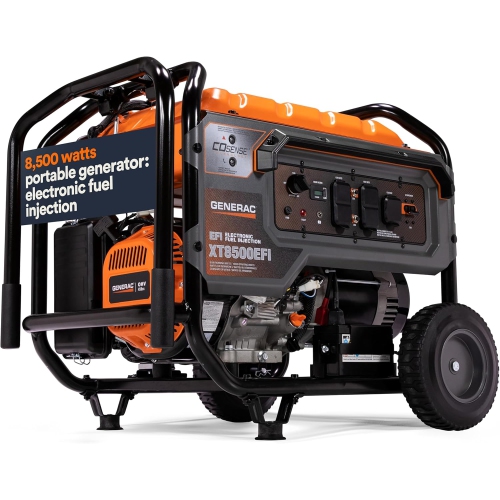 Your price for this item is $3000
 -
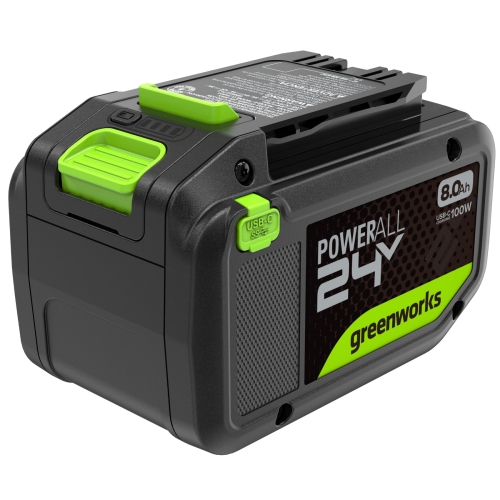 Your price for this item is $139.99
 -
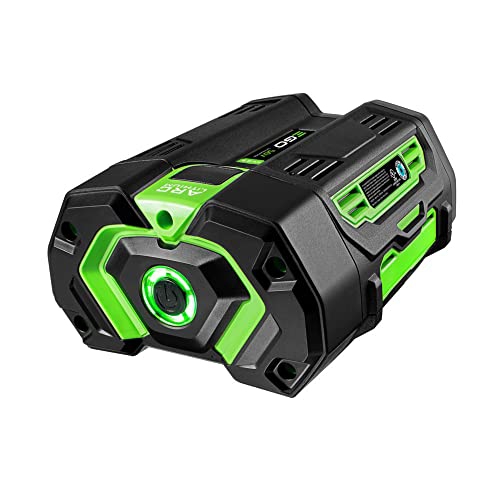 Your price for this item is $269
 -
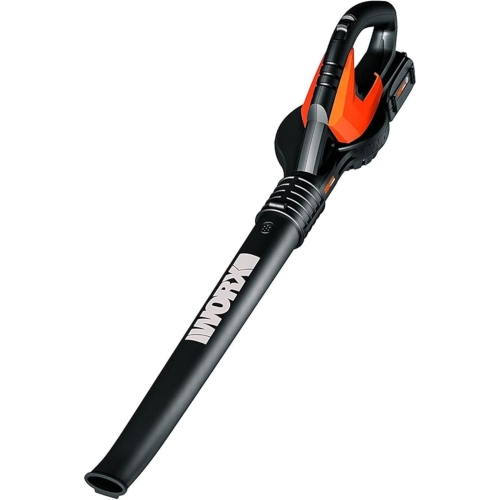 Your price for this item is $199.5
 -
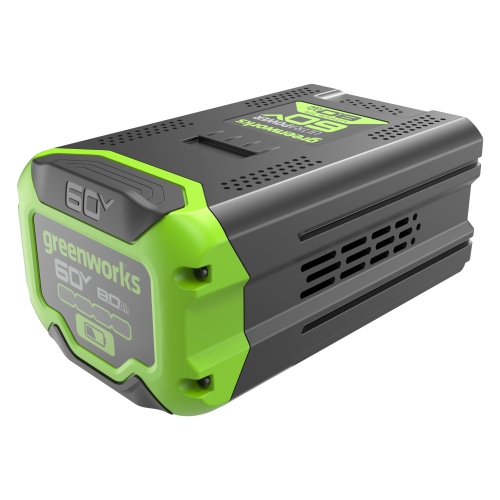 Your price for this item is $329.99
 -
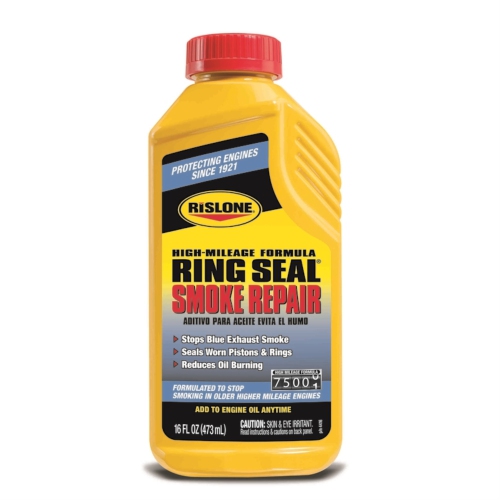 Your price for this item is $27.59
 -
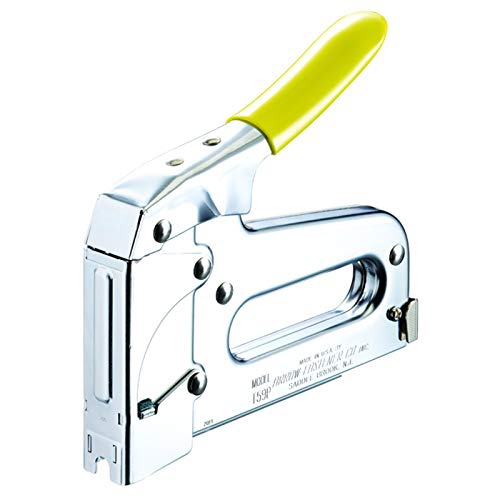 Your price for this item is $82.97
 -
 Your price for this item is $33.35
Discover more categories related to Heavy Duty Cutters
Top Collections:
Pokemon Centers, Kindle Devices, Budget Smartphones, Budget 4K TVs, Apple iPhones 16, Canon G7X Cameras, iPhone 15 Apple, Alarm Clock, Budget-Friendly Wireless Earbuds, iPhone 14 256GB
Some products may be subject to Environmental Handling Fees
(EHF) depending on your province.
Learn more about EHFs.