Heavy Duty Scissors
Looking for a reliable pair of scissors that can tackle even the toughest cutting tasks? Look no further than our collection of heavy-duty scissors. These sturdy tools are designed to handle everything from thick fabrics and tough materials to intricate crafts and DIY projects. Whether you're a professional crafter, a DIY enthusiast, or simply need a reliable pair of scissors for everyday use, our heavy-duty scissors are up to the challenge. With their durable construction and sharp blades, they make cutting through various materials a breeze. Explore our selection today and discover the perfect pair of heavy-duty scissors to meet your needs.
Sort
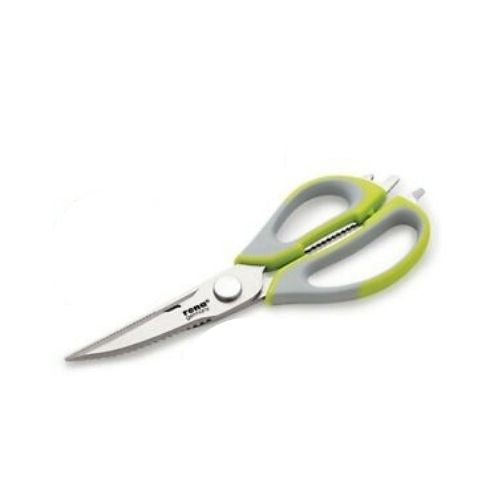
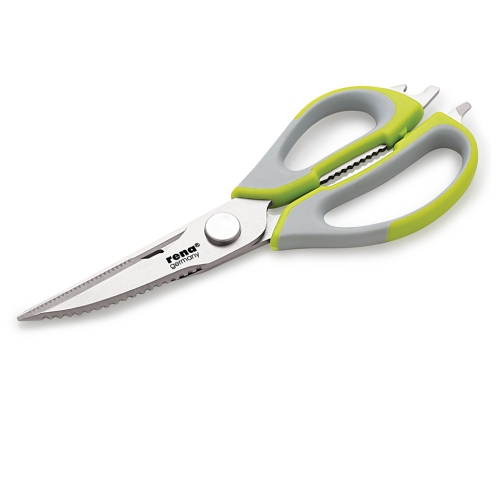
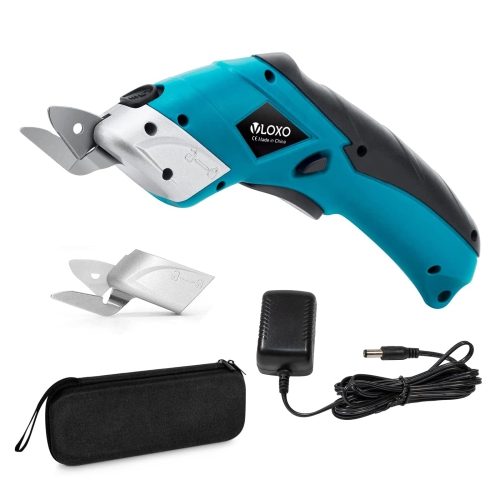
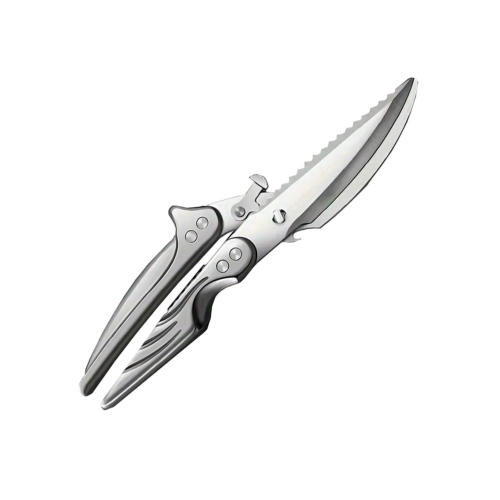
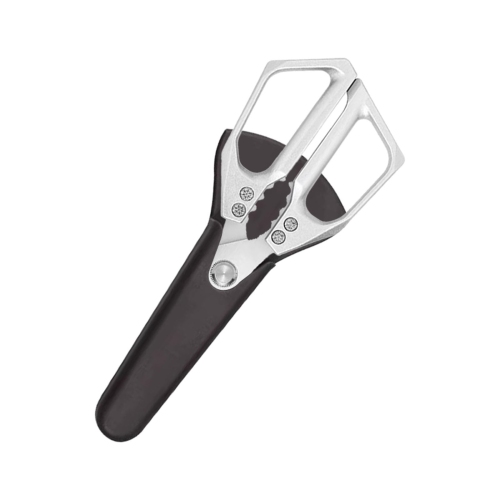
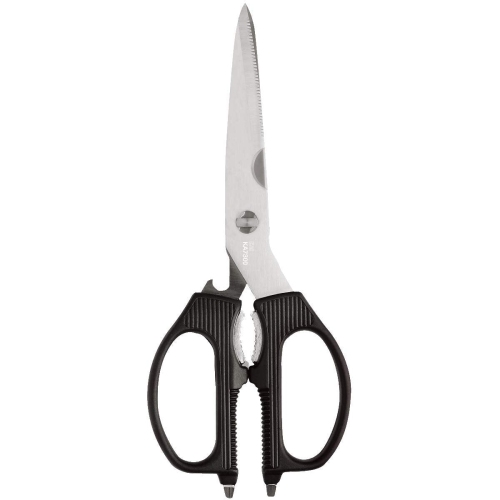
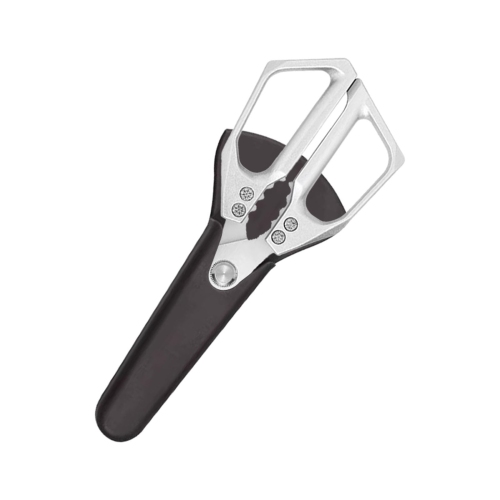
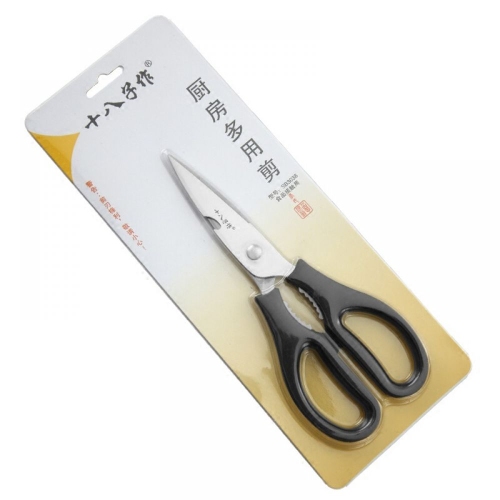
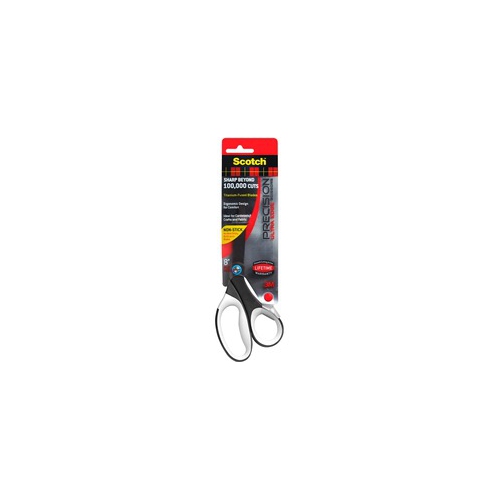
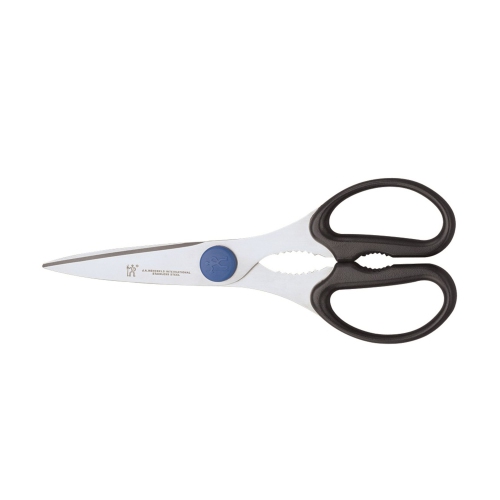
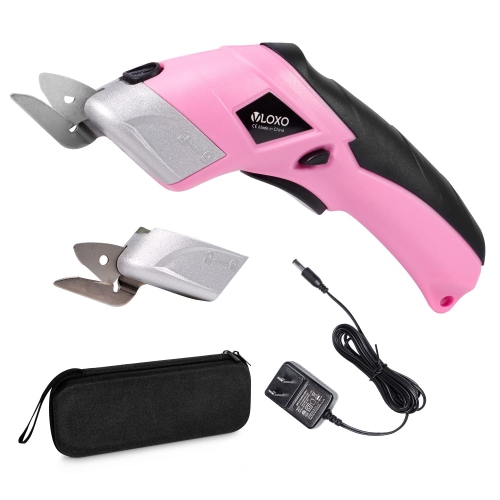
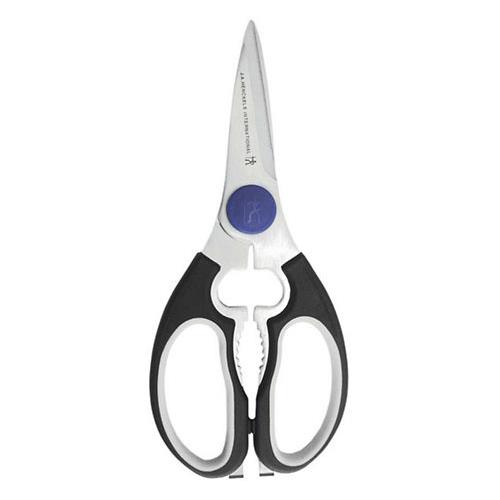

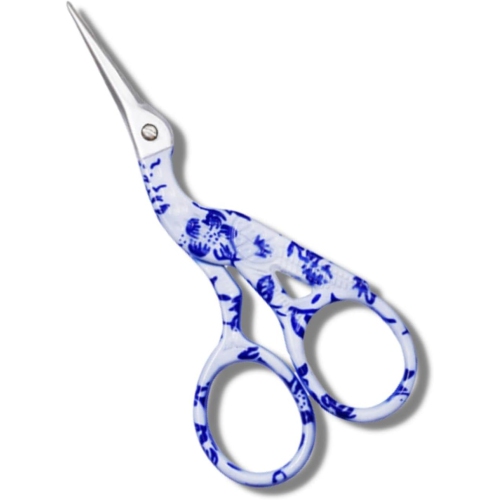
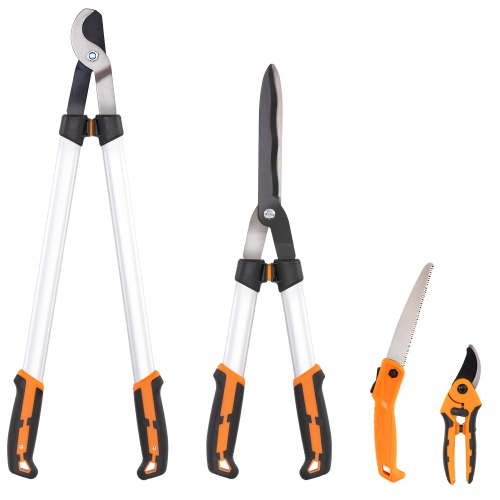
Built for demanding materials, precise cuts, and comfortable handling
Heavy duty scissors are designed for cutting jobs that can quickly wear out ordinary household scissors. Often called shop shears, utility shears, tradesman shears, or fabric shears, they typically have thicker, hardened blades and a sturdy pivot that can handle demanding materials such as denim, canvas, leather, upholstery fabric, vinyl, cardboard, rope, insulation, duct tape, plastic packaging, and other tough household or workshop materials. Their solid construction gives them the control needed for clean, deliberate cuts, whether you are trimming several layers of fabric for a sewing project, opening reinforced packaging, shortening carpet or upholstery material, or preparing supplies for a renovation. A dependable pair can be useful in a sewing room, craft area, garage, utility drawer, workshop, classroom, or home office, especially where ordinary scissors tend to bend, snag, or lose their edge. For slippery materials, a serrated blade can provide extra grip and help prevent the material from sliding away during each cut. Straight, knife-edge blades are often preferred when a smooth, precise line matters, such as when shaping fabric, leather, paperboard, or vinyl. The best choice depends on the material, thickness, frequency of use, and level of precision required. Heavy-duty scissors made for fabric may offer long, sharp blades that glide through broad sections of material, while compact tradesman shears can be easier to manoeuvre around packaging, cords, tubing, and awkward corners. Kitchen tasks call for purpose-built tools, so shoppers comparing options for food preparation may also wish to explore Heavy Duty Kitchen Shears rather than using workshop shears for culinary work.
When choosing heavy duty scissors, start by matching the blade design to the materials you expect to cut most often. Serrated edges are helpful for gripping fabric, plastic film, rubbery materials, and other surfaces that may shift beneath a smooth blade. A straight edge is well suited to controlled trimming and detail work, particularly when an even finish is more important than extra traction. Stainless steel blades are valued for their resistance to staining and everyday wear, while hardened or carbon-steel constructions can provide the strength needed for repeated cuts through dense materials. Blade length also affects handling: longer blades can cover more ground with each closing motion, whereas shorter blades may provide better control in tight spaces or around curves. Pay attention to the pivot as well. A strong, well-made pivot helps the blades open and close smoothly, and an adjustable screw pivot can allow tension to be fine-tuned as the scissors are used over time. If the blades feel loose, cutting can become uneven; if they are too tight, repeated use may feel tiring. Handles are equally important, particularly for anyone tackling long runs of fabric, multiple layers of cardboard, or a series of packaging tasks. Rubberized grips, contoured finger rings, and wave-shaped handle designs can improve comfort and reduce pressure across the hand. Left-handed users should check whether the blade alignment and handle shape are suitable for their preferred cutting hand, as some designs are optimized for right-handed use. For safety and longevity, use heavy duty scissors only on materials they are designed to handle. They may be suitable for rope, tape, thin plastic, fabric, and light flexible tubing, but thicker wire, metal, nails, and other rigid materials should be cut with the appropriate dedicated tool. Keeping the blades clean, dry, and free from adhesive residue will help preserve smooth operation, while storing them closed and out of reach of children helps protect both the edge and the people around them.
Heavy duty scissors are a practical addition for people who prefer to keep capable tools close at hand. They can help a home sewer cut through denim or layered quilt fabric, give an upholsterer cleaner control over canvas and vinyl, and make light work of thick packaging in a busy home office or small business. Crafters may use them for foam sheets, felt, ribbon, laminated material, and sturdy paperboard, while homeowners may reach for them when preparing moving supplies, trimming carpet underlay, cutting rope, or handling repair materials during the cooler months. They can also be a thoughtful gift for someone setting up a craft room, workshop, sewing space, student residence, or first home, since a well-built pair is useful across many projects rather than being limited to a single hobby. Consider the recipient’s habits before choosing: someone who works with fabric may benefit from long, exceptionally sharp shears with a comfortable grip, while a person who handles parcels and general repairs may prefer compact utility shears with a serrated edge and a robust pivot. Those who spend extended periods cutting should prioritize hand comfort and balanced weight, as an awkward tool can make even simple work feel strenuous. It is also helpful to keep separate scissors for different materials. Using fabric shears on adhesive tape, cardboard, or packaging can leave residue on the blades, while using utility shears on delicate cloth may create rough or uneven edges. With the right match between blade style, handle design, and intended materials, heavy duty scissors can provide dependable cutting control for everyday repairs, creative projects, packing tasks, and workshop work throughout the year.
When choosing heavy duty scissors, start by matching the blade design to the materials you expect to cut most often. Serrated edges are helpful for gripping fabric, plastic film, rubbery materials, and other surfaces that may shift beneath a smooth blade. A straight edge is well suited to controlled trimming and detail work, particularly when an even finish is more important than extra traction. Stainless steel blades are valued for their resistance to staining and everyday wear, while hardened or carbon-steel constructions can provide the strength needed for repeated cuts through dense materials. Blade length also affects handling: longer blades can cover more ground with each closing motion, whereas shorter blades may provide better control in tight spaces or around curves. Pay attention to the pivot as well. A strong, well-made pivot helps the blades open and close smoothly, and an adjustable screw pivot can allow tension to be fine-tuned as the scissors are used over time. If the blades feel loose, cutting can become uneven; if they are too tight, repeated use may feel tiring. Handles are equally important, particularly for anyone tackling long runs of fabric, multiple layers of cardboard, or a series of packaging tasks. Rubberized grips, contoured finger rings, and wave-shaped handle designs can improve comfort and reduce pressure across the hand. Left-handed users should check whether the blade alignment and handle shape are suitable for their preferred cutting hand, as some designs are optimized for right-handed use. For safety and longevity, use heavy duty scissors only on materials they are designed to handle. They may be suitable for rope, tape, thin plastic, fabric, and light flexible tubing, but thicker wire, metal, nails, and other rigid materials should be cut with the appropriate dedicated tool. Keeping the blades clean, dry, and free from adhesive residue will help preserve smooth operation, while storing them closed and out of reach of children helps protect both the edge and the people around them.
Heavy duty scissors are a practical addition for people who prefer to keep capable tools close at hand. They can help a home sewer cut through denim or layered quilt fabric, give an upholsterer cleaner control over canvas and vinyl, and make light work of thick packaging in a busy home office or small business. Crafters may use them for foam sheets, felt, ribbon, laminated material, and sturdy paperboard, while homeowners may reach for them when preparing moving supplies, trimming carpet underlay, cutting rope, or handling repair materials during the cooler months. They can also be a thoughtful gift for someone setting up a craft room, workshop, sewing space, student residence, or first home, since a well-built pair is useful across many projects rather than being limited to a single hobby. Consider the recipient’s habits before choosing: someone who works with fabric may benefit from long, exceptionally sharp shears with a comfortable grip, while a person who handles parcels and general repairs may prefer compact utility shears with a serrated edge and a robust pivot. Those who spend extended periods cutting should prioritize hand comfort and balanced weight, as an awkward tool can make even simple work feel strenuous. It is also helpful to keep separate scissors for different materials. Using fabric shears on adhesive tape, cardboard, or packaging can leave residue on the blades, while using utility shears on delicate cloth may create rough or uneven edges. With the right match between blade style, handle design, and intended materials, heavy duty scissors can provide dependable cutting control for everyday repairs, creative projects, packing tasks, and workshop work throughout the year.
Top selling and popular products
-
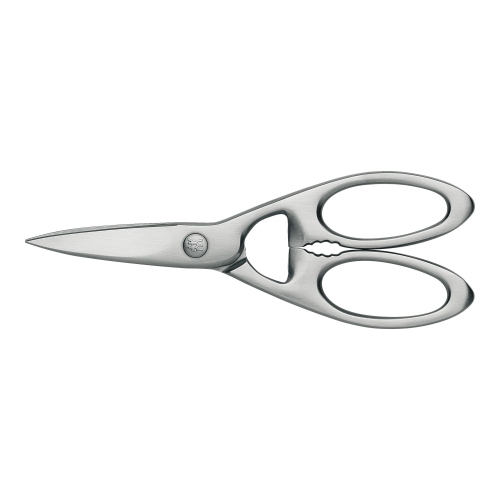 Your price for this item is $91.99
 -
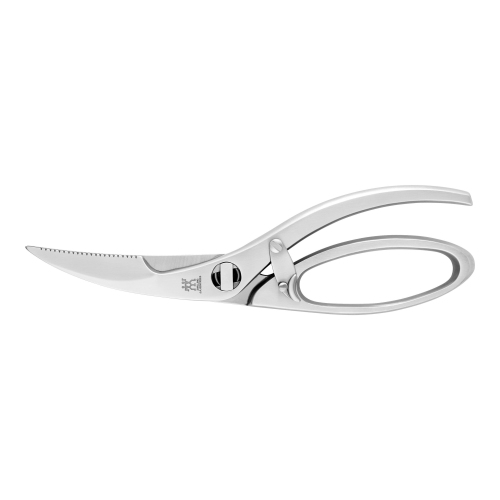 Your price for this item is $119.99
 -
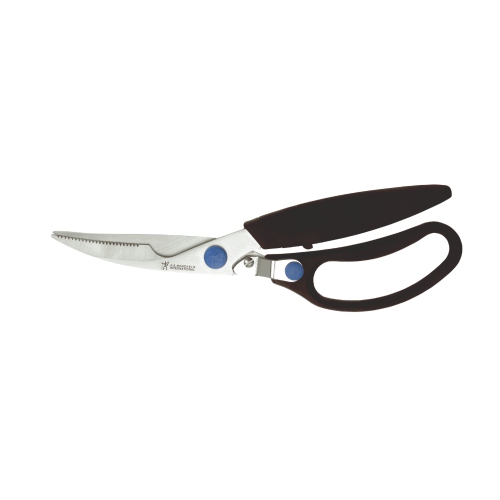 Your price for this item is $59.99
 -
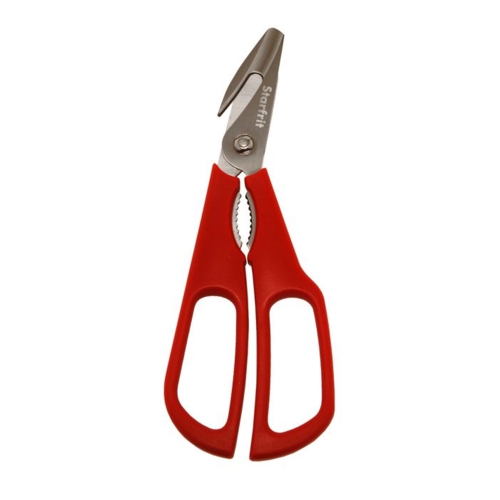 Your price for this item is $13.96
 -
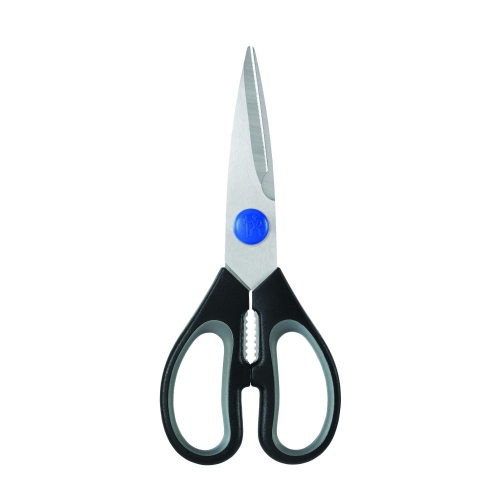 Your price for this item is $14.99
 -
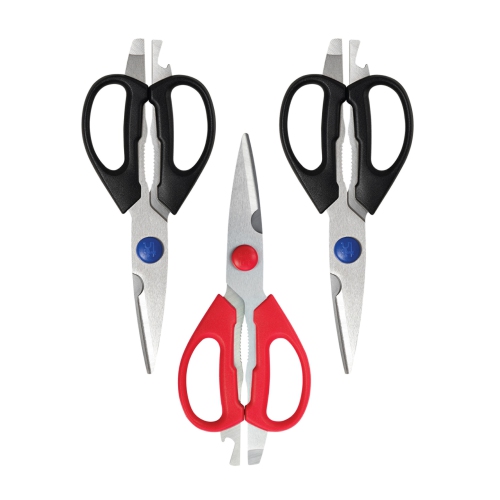 Your price for this item is $79.99
 -
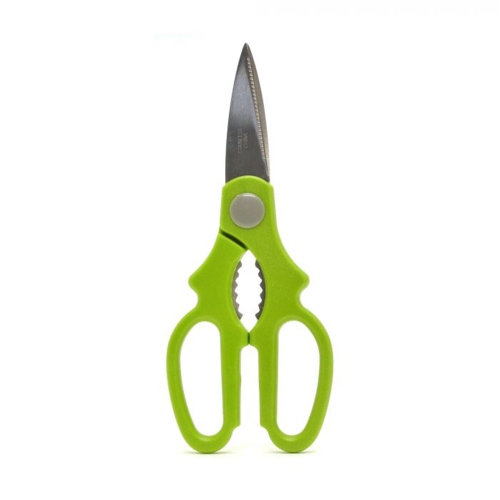 Your price for this item is $8.97
 -
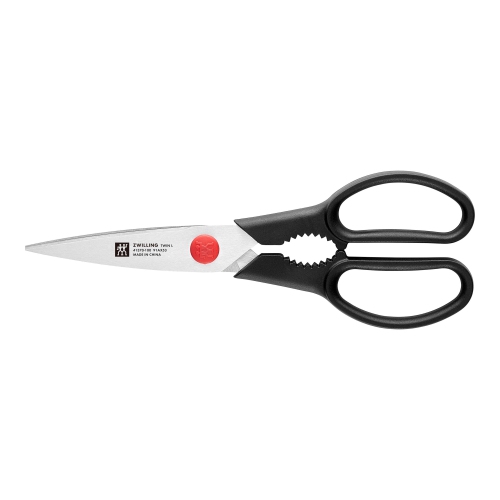 Your price for this item is $39.99
Discover more categories related to Heavy Duty Scissors
Top Collections:
Pokemon Centers, Kindle Devices, Best Budget Office Chairs, Apple iPhones 16, Best Laptops for Writers, iPhone 15 Apple, Canon G7X Cameras, Refurbished Apple Laptops, Alarm Clock, Motorola Razr Phones
Some products may be subject to Environmental Handling Fees
(EHF) depending on your province.
Learn more about EHFs.