Helmet Communication Devices
Stay connected on the road with our range of helmet communication devices designed to enhance your riding experience. Whether you're cruising down the highway or hitting the trails, these innovative gadgets allow you to communicate with fellow riders, listen to music, take calls, and more, all while keeping your focus on the journey ahead. Explore our selection of helmet communication devices and take your riding adventures to the next level.
Sort
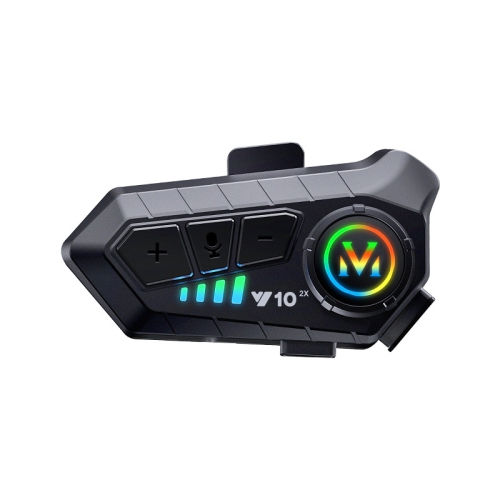
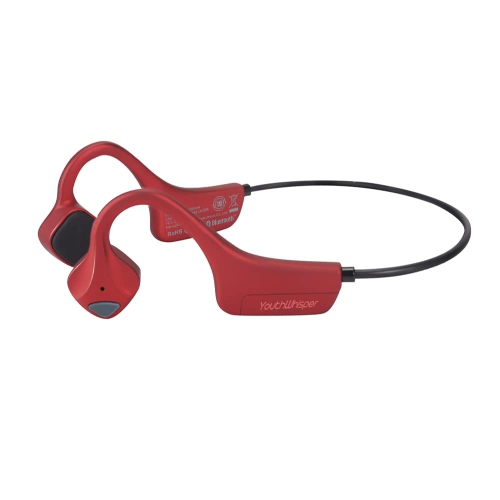


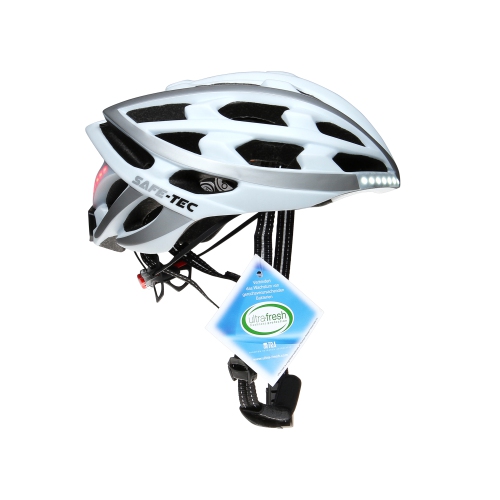

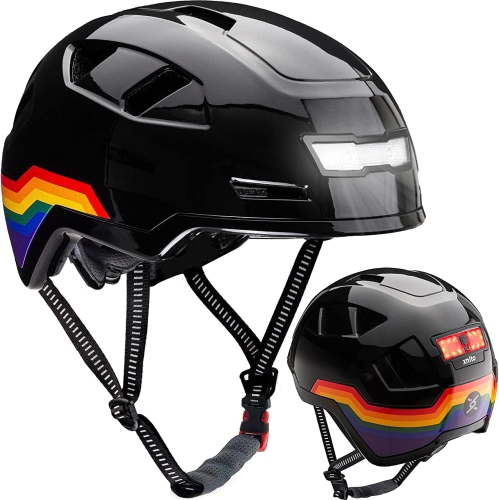

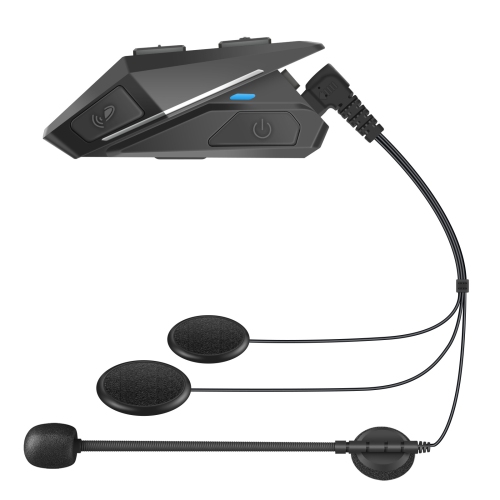
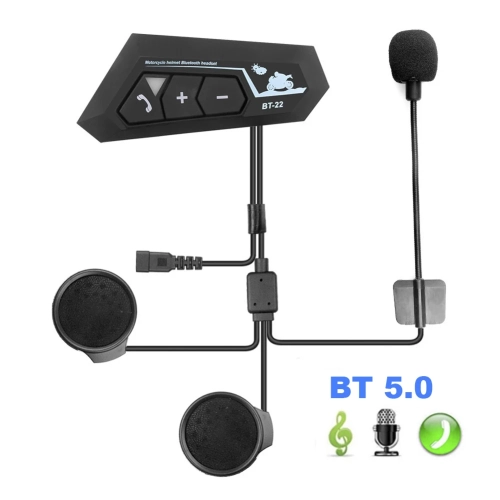

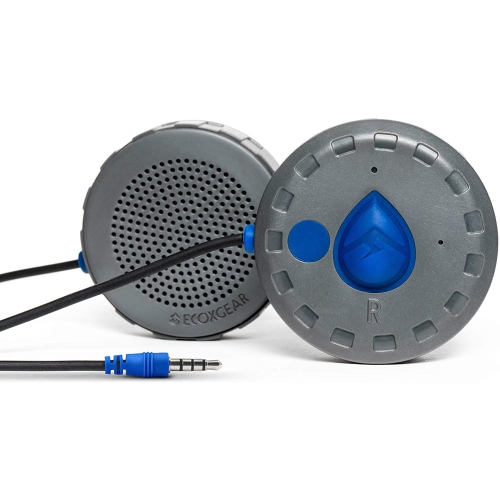

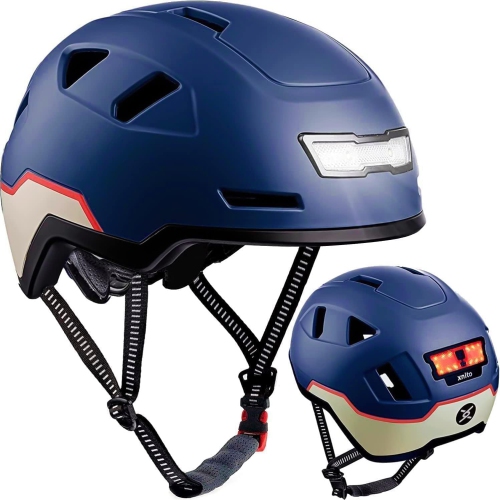



Stay connected across roads, trails, and changing conditions
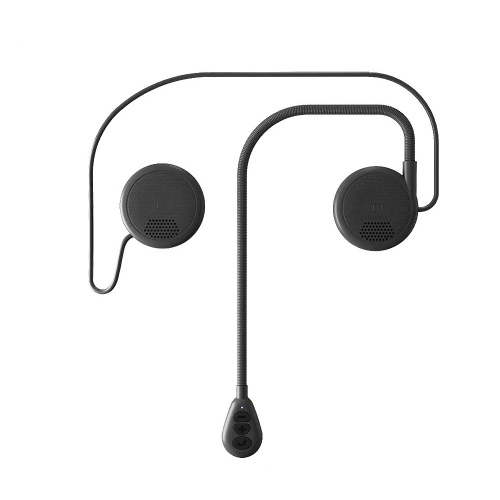
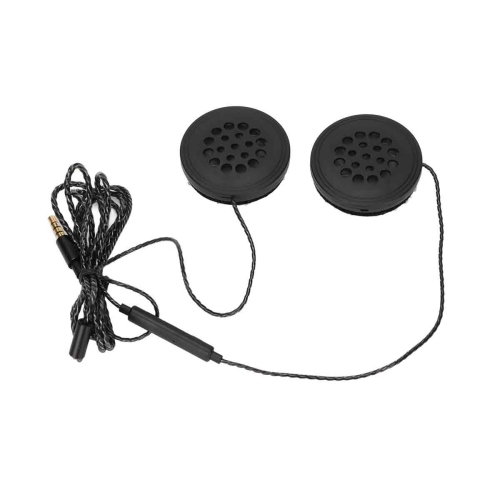
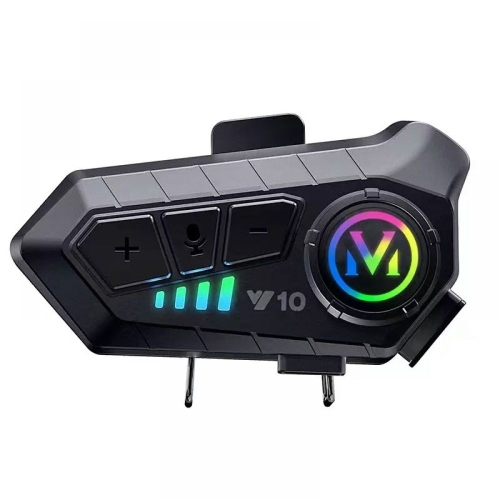
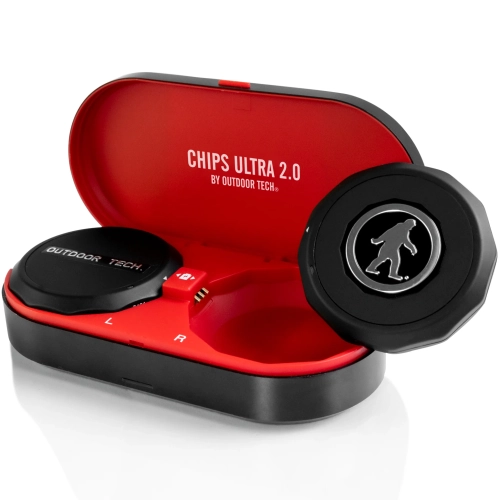
Helmet communication devices bring hands-free audio and rider-to-rider communication into activities where staying connected matters. Designed to fit inside or attach to a helmet, these devices can pair with a smartphone or connect directly with other compatible units, depending on the technology used. A Bluetooth connection is often a practical choice for solo riders who want to hear GPS directions, manage music, make or answer calls, or speak with a passenger over a relatively short distance. For group rides, Mesh intercom technology can offer a more flexible connection between multiple riders, with devices able to communicate across a network and reconnect when someone moves out of range and later returns. This can be useful on winding roads, wooded trails, open highways, or snowmobile routes where a group naturally spreads out. Communication devices may suit motorcycle riders, touring enthusiasts, snowmobilers, cyclists who ride in organised groups, and passengers who want a clearer way to stay in touch without reaching for a phone. They can also make a thoughtful gift for someone preparing for a road trip, joining a riding club, or spending more time outdoors during the warmer and cooler seasons. For a simpler audio-focused setup, explore Bluetooth Motorcycle Helmet Speakers, which can be used to bring music, navigation prompts, and other phone audio into a compatible helmet.
When comparing helmet communication devices, start with the type of riding and the way the helmet will be used. A person who usually rides alone may place greater value on dependable smartphone pairing, clear audio, voice controls, and an easy-to-use microphone than on advanced group features. Someone who travels with several riders may prefer Mesh connectivity, a larger communication network, automatic reconnection, and controls that are easy to operate while wearing gloves. Range is another important consideration, but stated distances can vary with terrain, buildings, trees, weather, traffic, and the position of each rider. A device that works well on an open road may behave differently on a busy city route or a narrow trail. Compatibility also deserves close attention. Universal systems generally attach to a range of helmets using a clamp, adhesive mount, or another external fitting, while some helmets are designed to accommodate specific communication components within dedicated recesses. Check the helmet shape, available speaker pockets, liner space, mounting area, and microphone placement before making a choice. A full-face helmet may need a boom microphone positioned near the mouth, while an open-face or modular design can call for a different microphone arrangement. Riders who switch between helmets should also consider how easily the unit can be transferred, removed, or paired with another helmet.
Audio quality is especially important when wind, road noise, engine sound, or blowing snow is part of the environment. Look for speakers and microphones designed for helmet use, along with noise management that helps voices remain understandable without requiring uncomfortable volume levels. Some devices allow separate adjustment of music, intercom, calls, and GPS directions, making it easier to follow a navigation prompt without losing a conversation. Physical buttons can be useful with gloves, while voice commands may help when the device is mounted in a position that is difficult to reach. Battery life should match the length of typical outings, including time spent stopped between rides or away from a charger. A removable or rechargeable battery, charging connection, battery indicator, and convenient charging routine can all make a difference on longer journeys. Weather resistance is also worth checking, particularly for riders who may encounter rain, road spray, dust, or wet snow. Weather-resistant does not necessarily mean the device can be submerged, so review the stated protection level and installation instructions. Keep in mind that communication equipment is intended to support awareness, not replace it. Riders should remain attentive to surrounding traffic, trail conditions, warning sounds, and local laws governing helmet use, phone operation, and audio equipment. Keeping the volume at a level that allows important environmental sounds to remain noticeable can help maintain a more comfortable and responsible ride.
Helmet communication devices can also make group outings feel more coordinated and less fragmented. A lead rider can share a change in route, a passenger can point out an upcoming stop, or friends travelling together can communicate when conditions change without relying on hand signals alone. On a long touring route, a rider may use the system to hear turn-by-turn directions while keeping both hands on the controls; on a snowmobile trail, a group may use intercom communication to confirm a meeting point or alert others to a slower pace. Cyclists may appreciate the ability to communicate during training rides or organised events, provided the equipment fits securely and complies with the rules for the route. For a gift, consider the recipient’s helmet style, preferred activity, typical group size, smartphone habits, and comfort with technology. A compact, straightforward Bluetooth unit may suit a casual rider, while a frequent touring partner may benefit from expanded intercom capabilities and more adaptable controls. It is also helpful to think about installation time, charging habits, replacement accessories, speaker placement, microphone options, and whether the device will remain attached to one helmet or move between several. The right helmet communication device should feel like a natural part of the riding setup: secure against the helmet, clear enough for everyday listening, simple to control, and suited to the distances, companions, and conditions that define each journey.
When comparing helmet communication devices, start with the type of riding and the way the helmet will be used. A person who usually rides alone may place greater value on dependable smartphone pairing, clear audio, voice controls, and an easy-to-use microphone than on advanced group features. Someone who travels with several riders may prefer Mesh connectivity, a larger communication network, automatic reconnection, and controls that are easy to operate while wearing gloves. Range is another important consideration, but stated distances can vary with terrain, buildings, trees, weather, traffic, and the position of each rider. A device that works well on an open road may behave differently on a busy city route or a narrow trail. Compatibility also deserves close attention. Universal systems generally attach to a range of helmets using a clamp, adhesive mount, or another external fitting, while some helmets are designed to accommodate specific communication components within dedicated recesses. Check the helmet shape, available speaker pockets, liner space, mounting area, and microphone placement before making a choice. A full-face helmet may need a boom microphone positioned near the mouth, while an open-face or modular design can call for a different microphone arrangement. Riders who switch between helmets should also consider how easily the unit can be transferred, removed, or paired with another helmet.
Audio quality is especially important when wind, road noise, engine sound, or blowing snow is part of the environment. Look for speakers and microphones designed for helmet use, along with noise management that helps voices remain understandable without requiring uncomfortable volume levels. Some devices allow separate adjustment of music, intercom, calls, and GPS directions, making it easier to follow a navigation prompt without losing a conversation. Physical buttons can be useful with gloves, while voice commands may help when the device is mounted in a position that is difficult to reach. Battery life should match the length of typical outings, including time spent stopped between rides or away from a charger. A removable or rechargeable battery, charging connection, battery indicator, and convenient charging routine can all make a difference on longer journeys. Weather resistance is also worth checking, particularly for riders who may encounter rain, road spray, dust, or wet snow. Weather-resistant does not necessarily mean the device can be submerged, so review the stated protection level and installation instructions. Keep in mind that communication equipment is intended to support awareness, not replace it. Riders should remain attentive to surrounding traffic, trail conditions, warning sounds, and local laws governing helmet use, phone operation, and audio equipment. Keeping the volume at a level that allows important environmental sounds to remain noticeable can help maintain a more comfortable and responsible ride.
Helmet communication devices can also make group outings feel more coordinated and less fragmented. A lead rider can share a change in route, a passenger can point out an upcoming stop, or friends travelling together can communicate when conditions change without relying on hand signals alone. On a long touring route, a rider may use the system to hear turn-by-turn directions while keeping both hands on the controls; on a snowmobile trail, a group may use intercom communication to confirm a meeting point or alert others to a slower pace. Cyclists may appreciate the ability to communicate during training rides or organised events, provided the equipment fits securely and complies with the rules for the route. For a gift, consider the recipient’s helmet style, preferred activity, typical group size, smartphone habits, and comfort with technology. A compact, straightforward Bluetooth unit may suit a casual rider, while a frequent touring partner may benefit from expanded intercom capabilities and more adaptable controls. It is also helpful to think about installation time, charging habits, replacement accessories, speaker placement, microphone options, and whether the device will remain attached to one helmet or move between several. The right helmet communication device should feel like a natural part of the riding setup: secure against the helmet, clear enough for everyday listening, simple to control, and suited to the distances, companions, and conditions that define each journey.
Top selling and popular products
-
 Your price for this item is $69.99
 -
 Your price for this item is $157.99
 -
![UNIVERSAL STUDIOS Pokémon Journeys: Season 23 - Destination: Coronation [DVD] In Multicolor](https://multimedia.bbycastatic.ca/multimedia/products/500x500/181/18197/18197813.jpeg) Your price for this item is $19.99
Your price for this item is $19.99 -
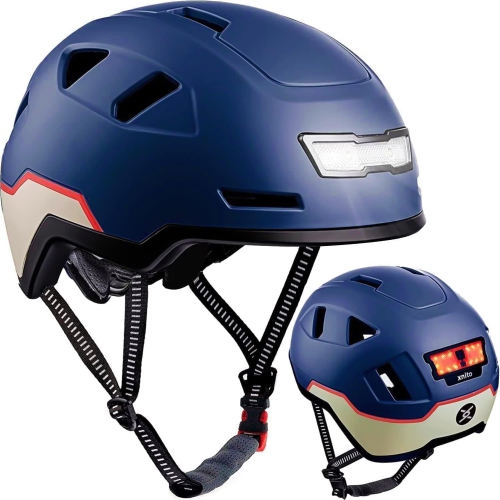 Your price for this item is $169
 -
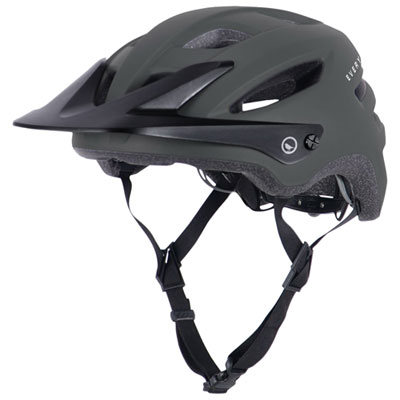 Your price for this item is $39.99
 -
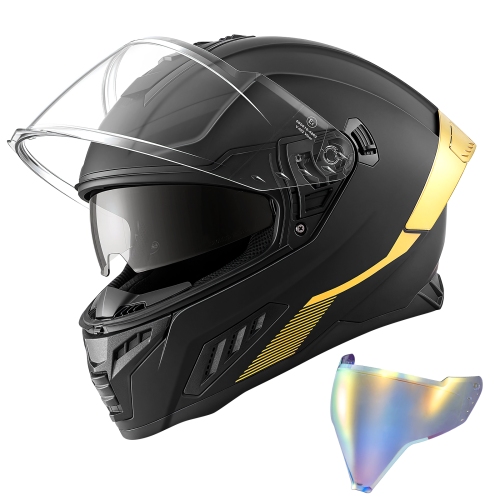 Your price for this item is $101.99
 -
 Your price for this item is $169
 -
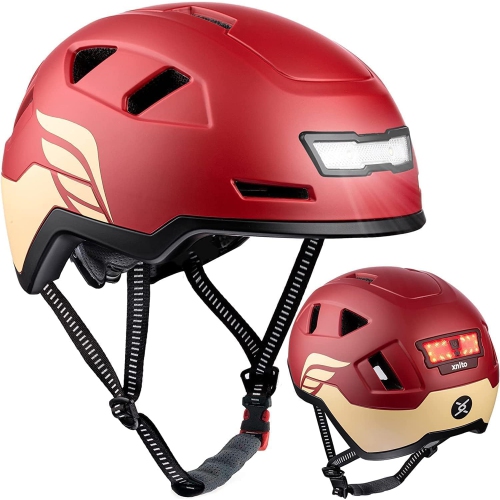 Your price for this item is $169
Discover more categories related to Helmet Communication Devices
Top Collections:
Pokemon Centers, Kindle Devices, Best Budget Office Chairs, Apple iPhones 16, Best Laptops for Writers, iPhone 15 Apple, Canon G7X Cameras, Refurbished Apple Laptops, Alarm Clock, Motorola Razr Phones
Some products may be subject to Environmental Handling Fees
(EHF) depending on your province.
Learn more about EHFs.