High Pressure Air Pumps
If you're looking to inflate your inflatable toys, sports equipment, or even tires quickly and efficiently, look no further than these high-pressure air pumps. These powerful devices are designed to provide a strong burst of air, allowing you to inflate your items in no time. Whether you're heading to the beach, going camping, or simply needing to top up the air in your car tires, our high-pressure air pumps are here to help.
Sort
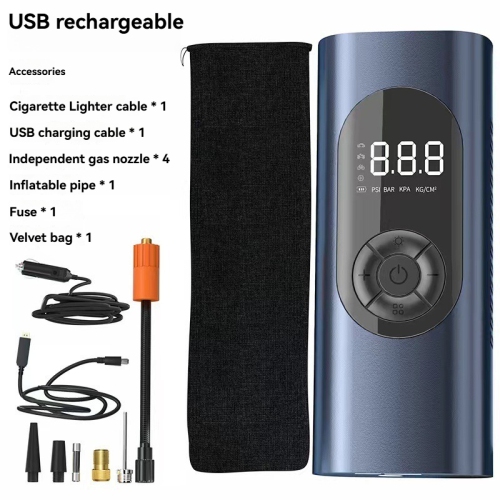
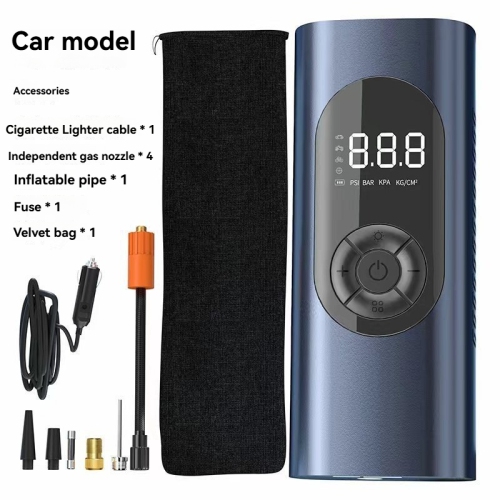
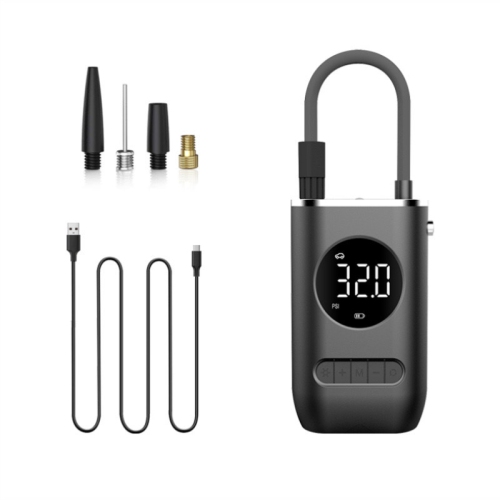
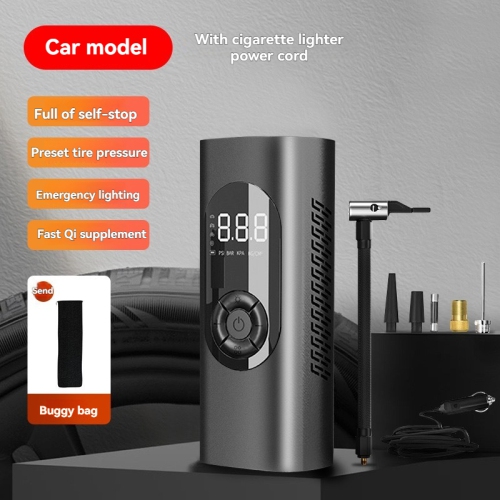











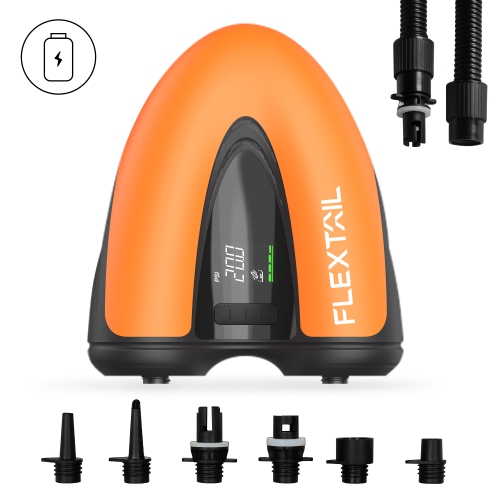

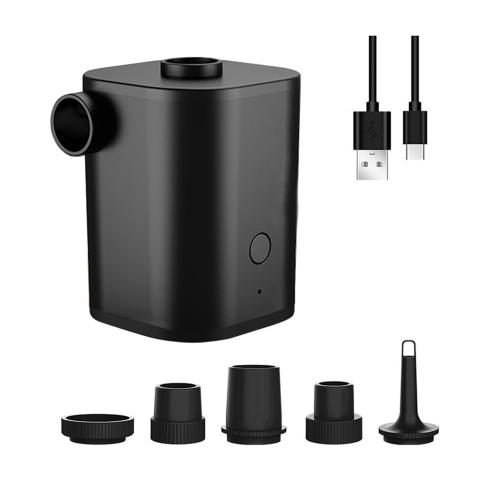


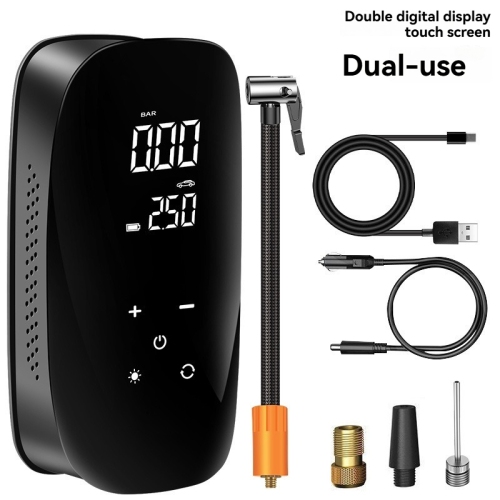


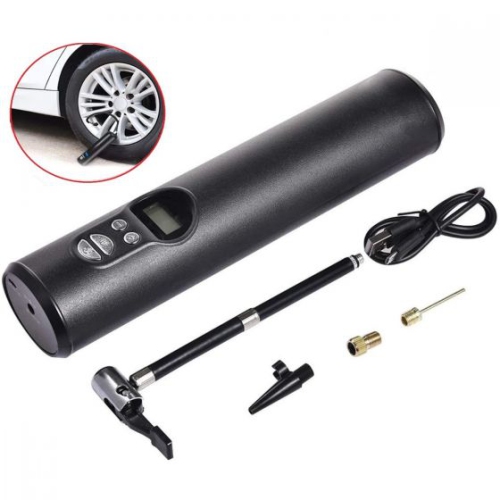






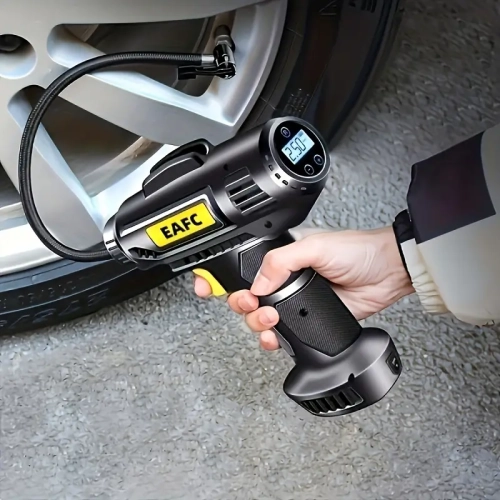


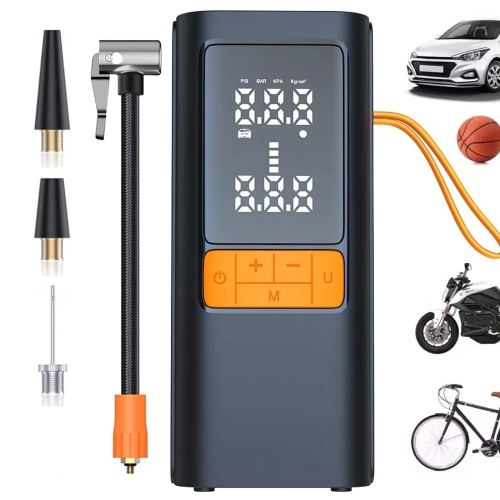
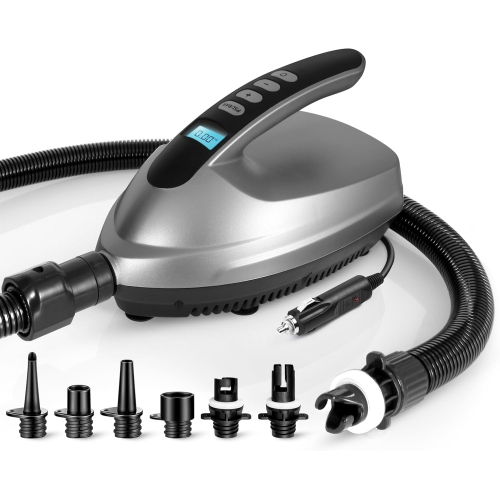
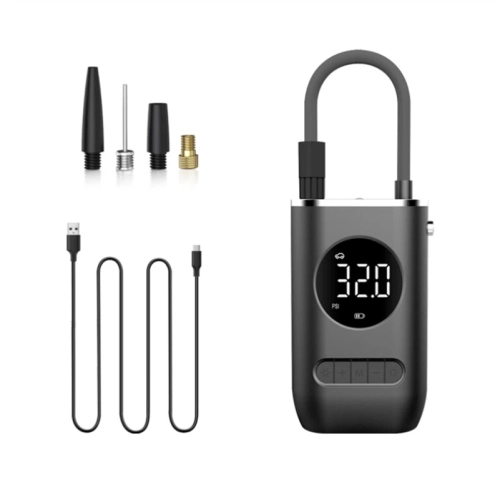

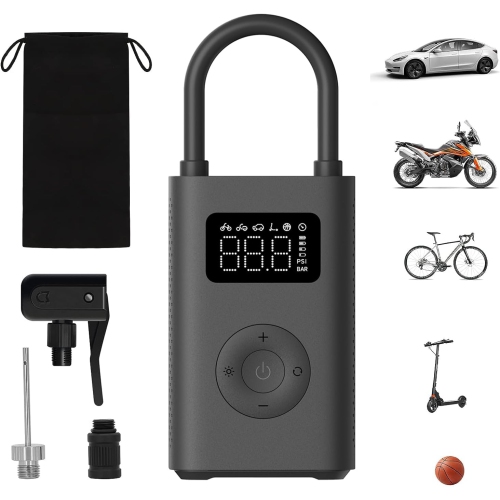
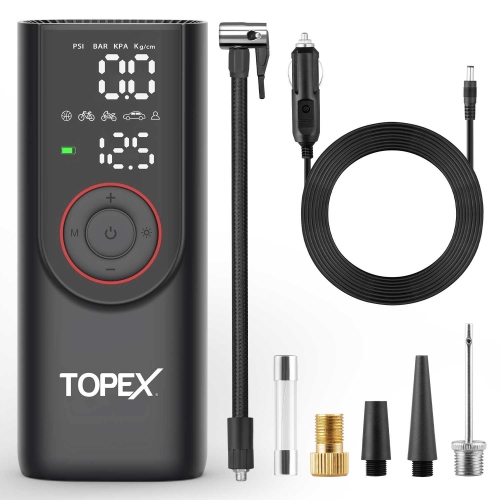
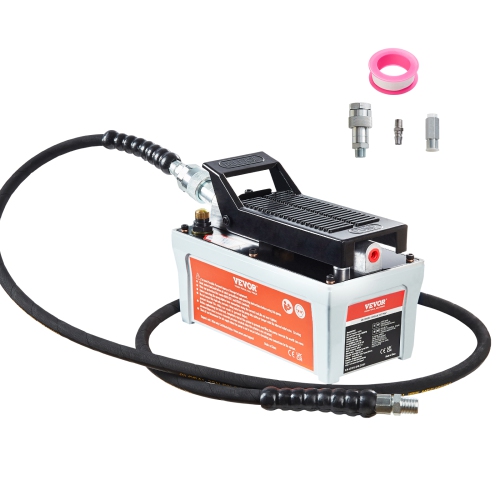
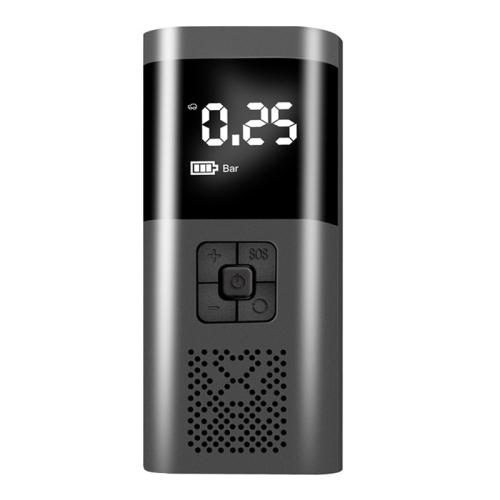











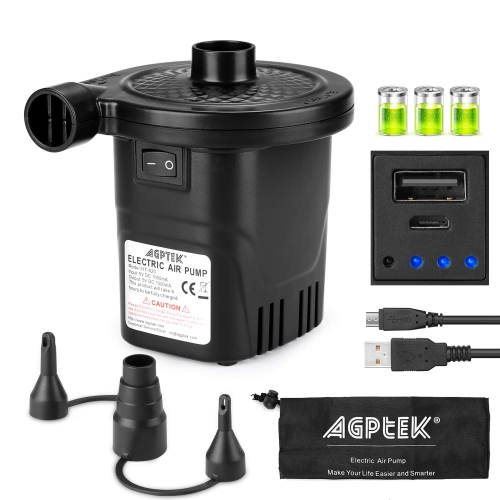
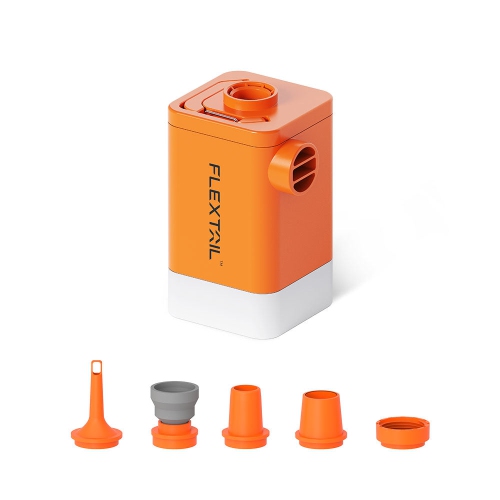
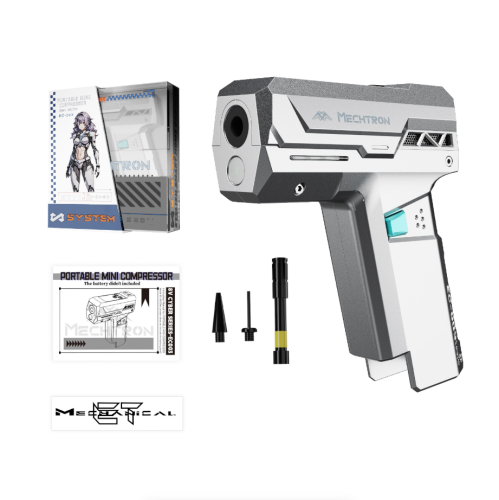

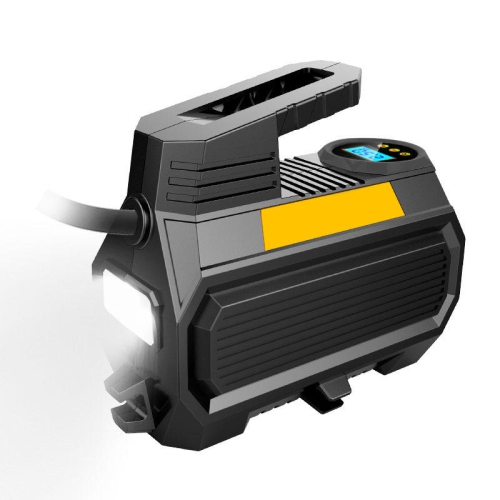

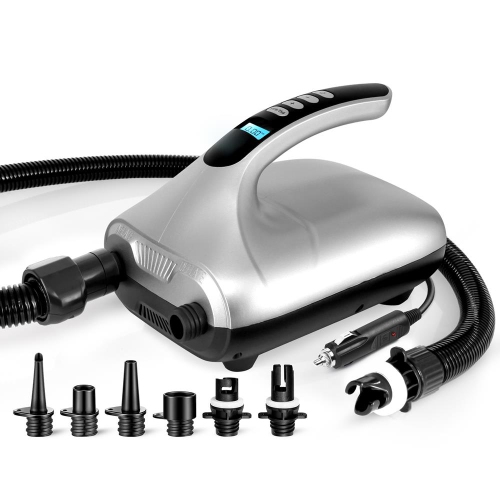

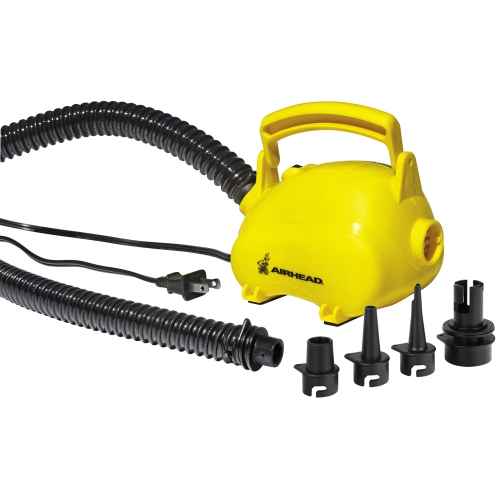


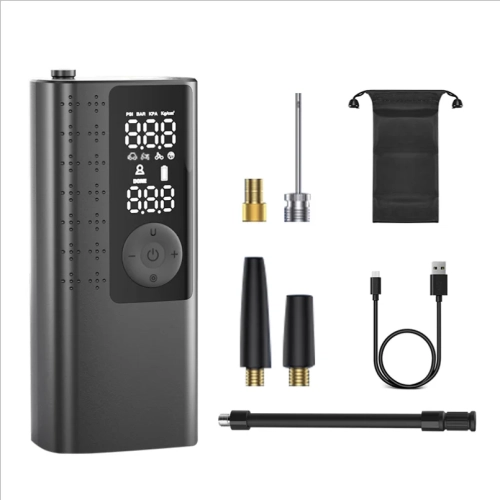
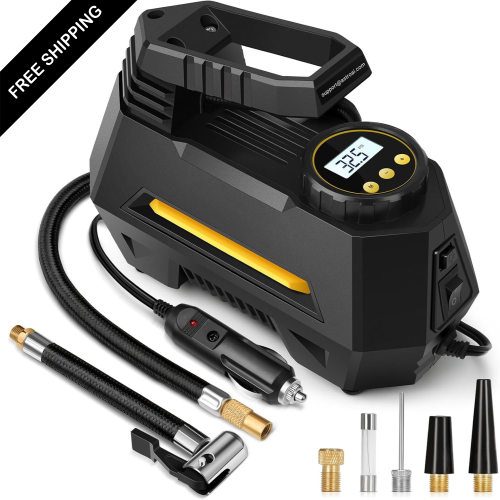

















The right pump depends on more than pressure
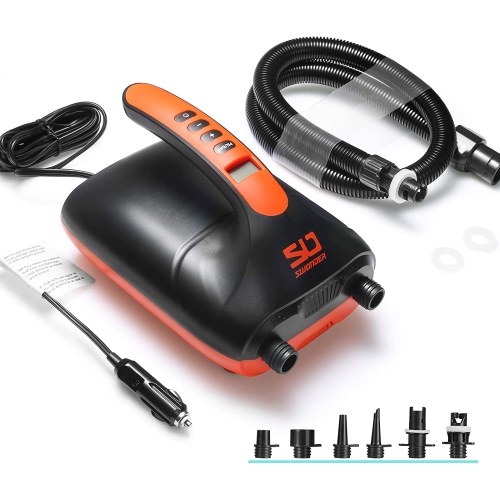
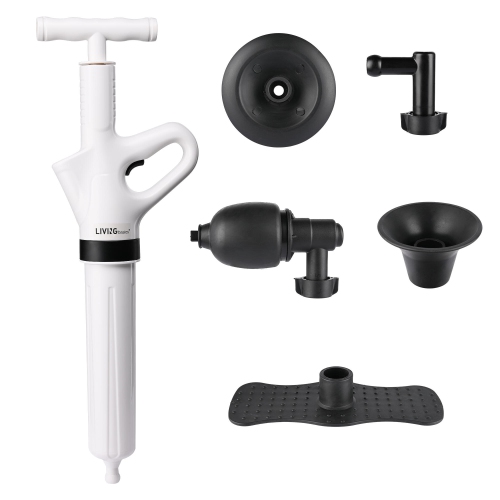
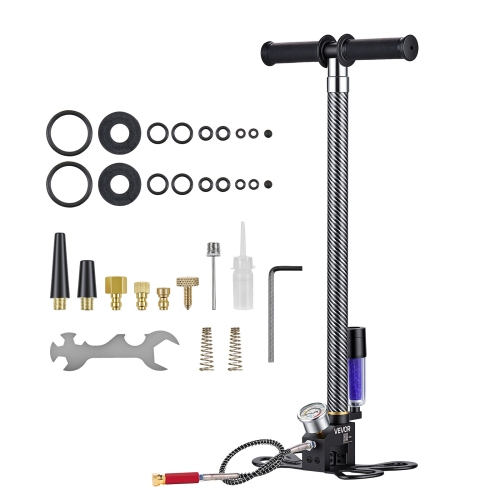
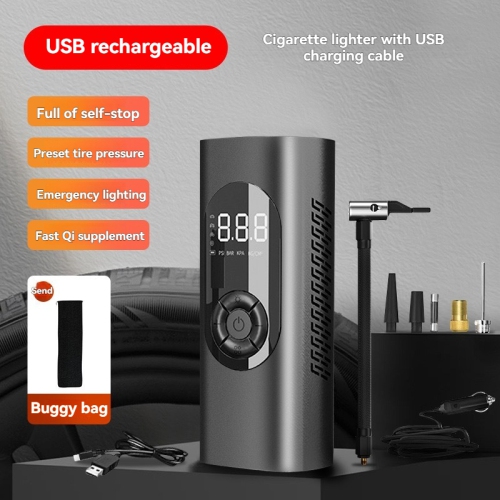
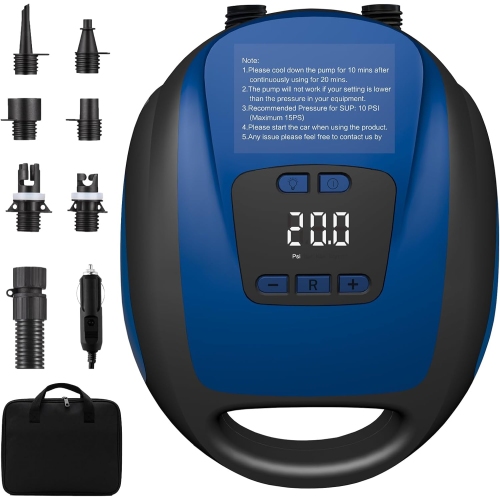
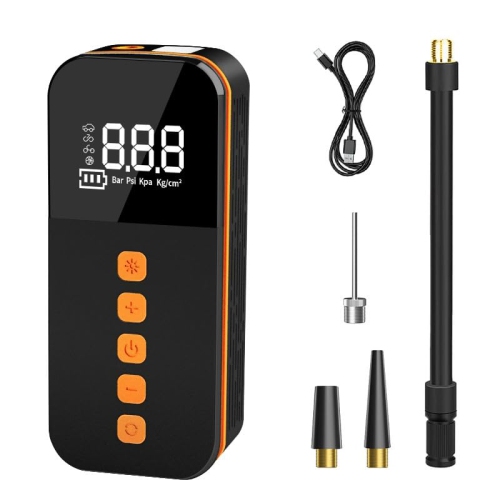
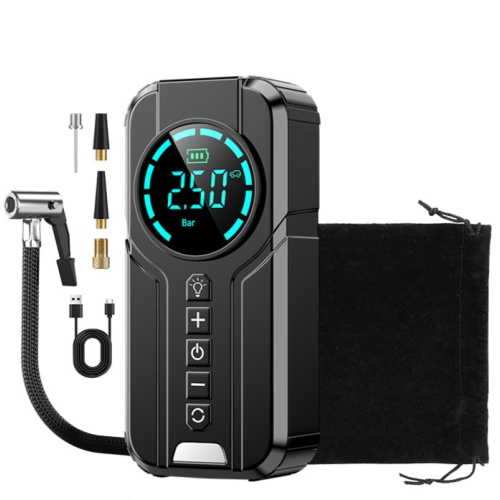
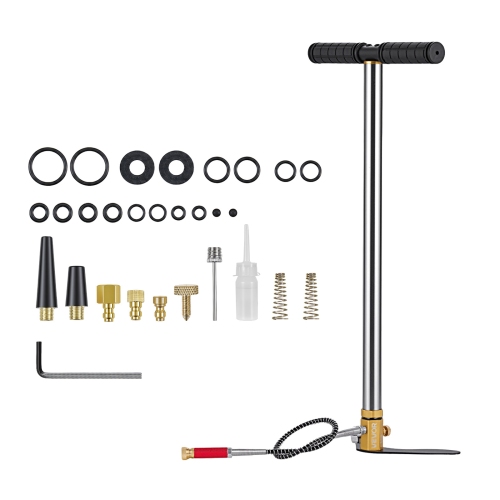
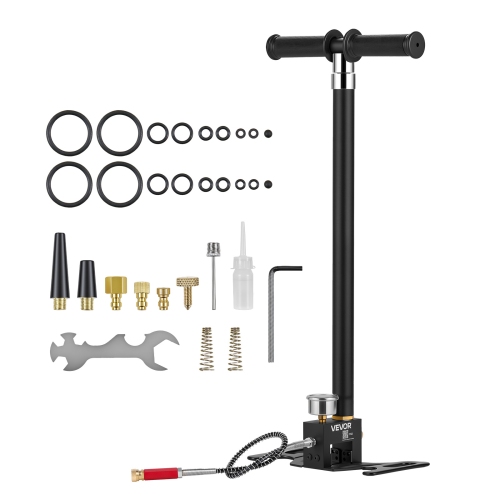
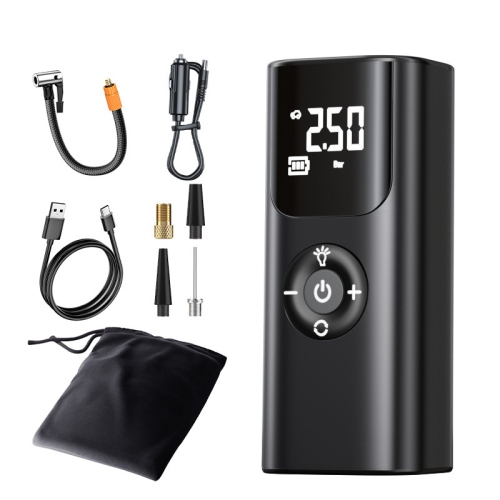
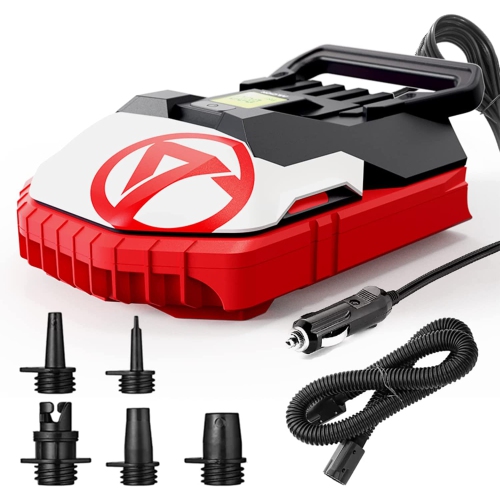
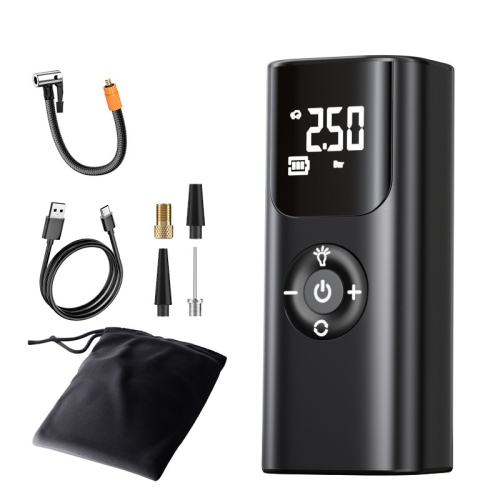
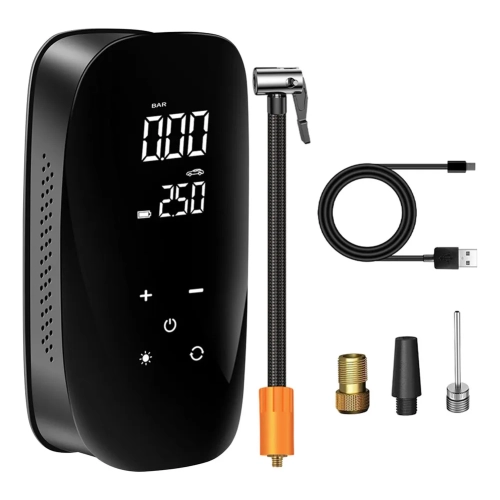
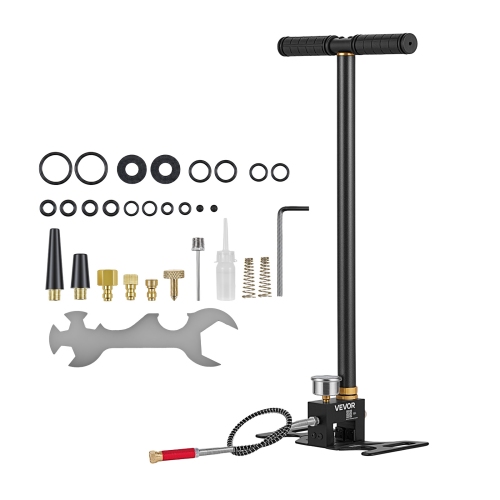
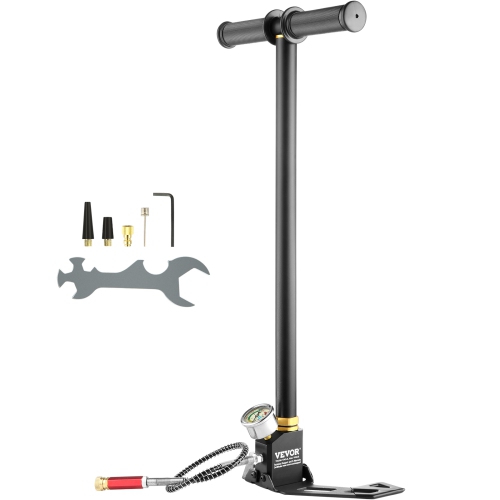
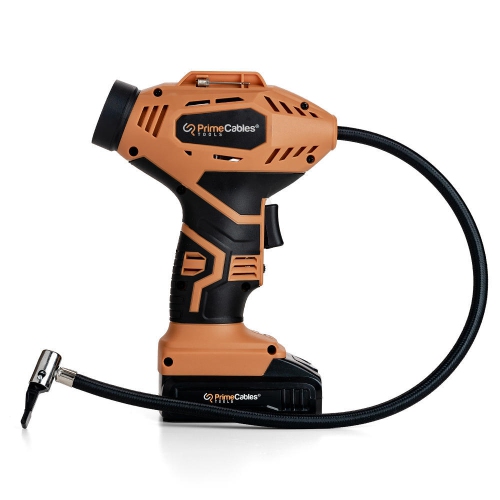
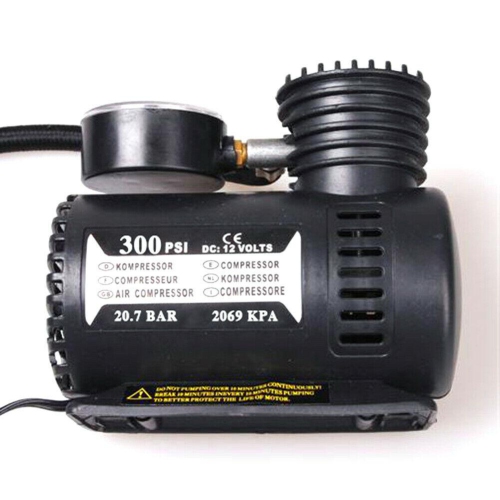
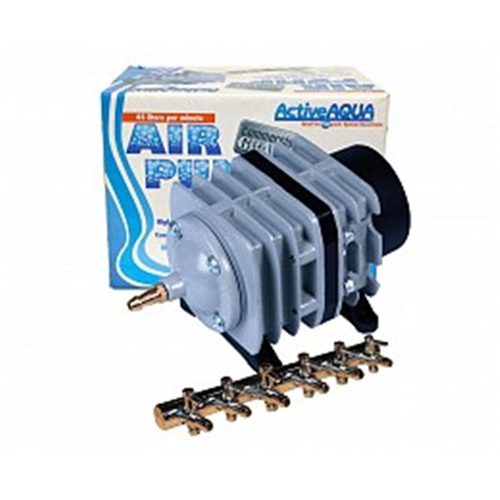
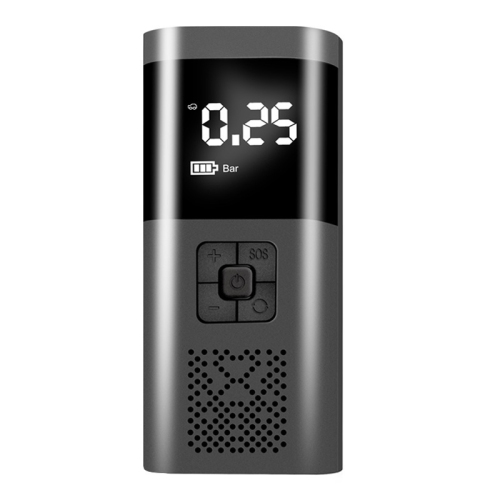
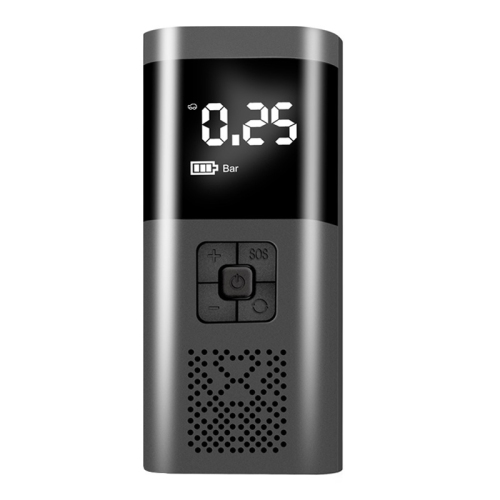
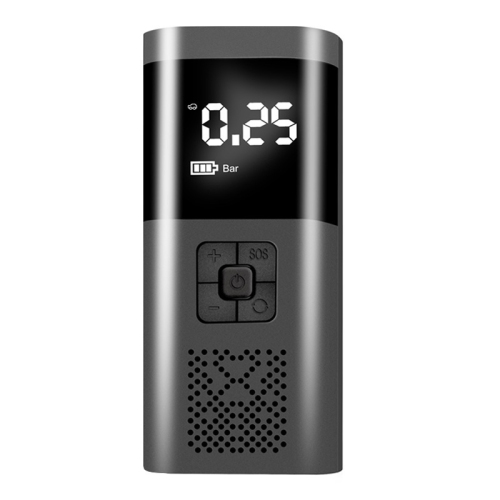
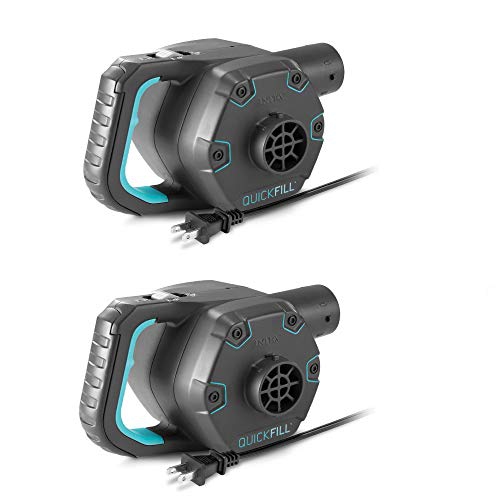
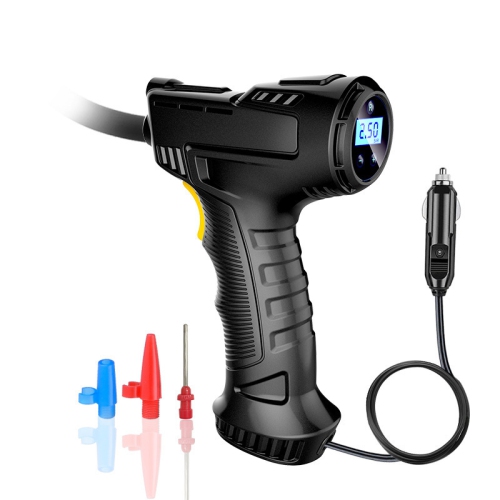
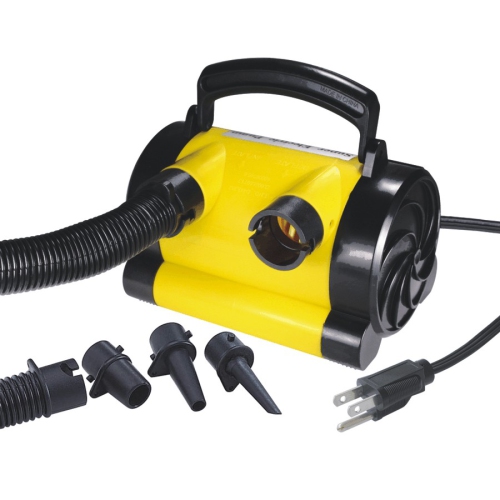
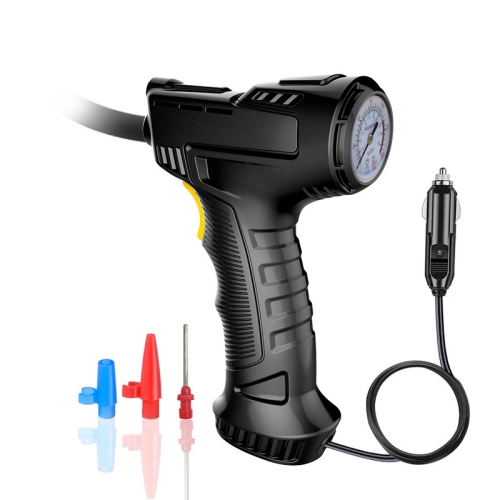
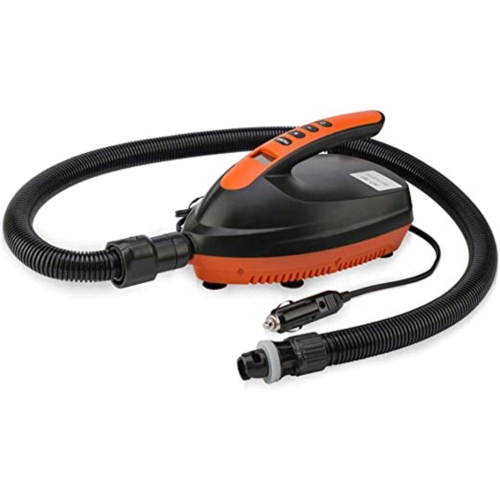
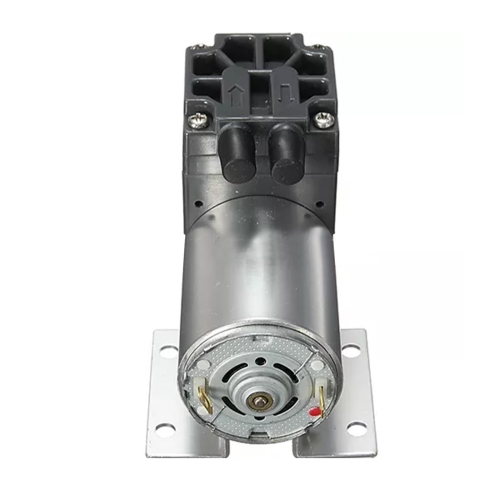
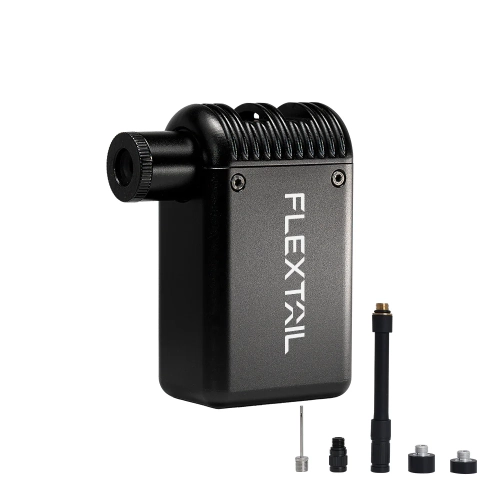
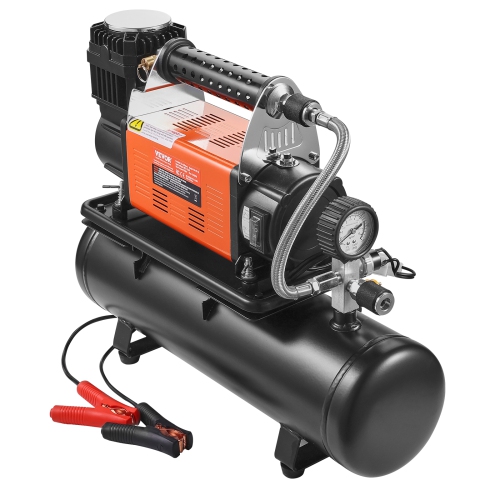
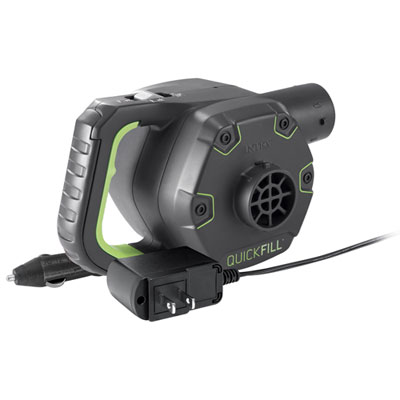
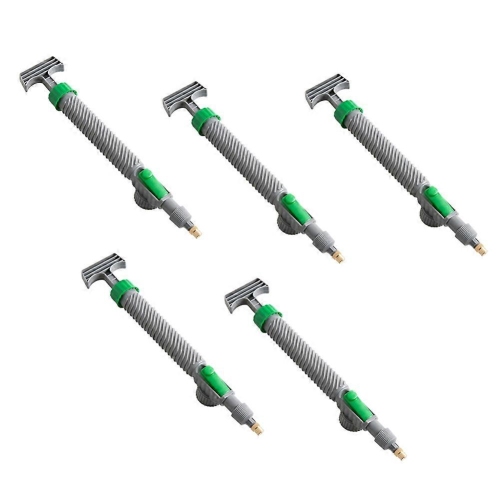
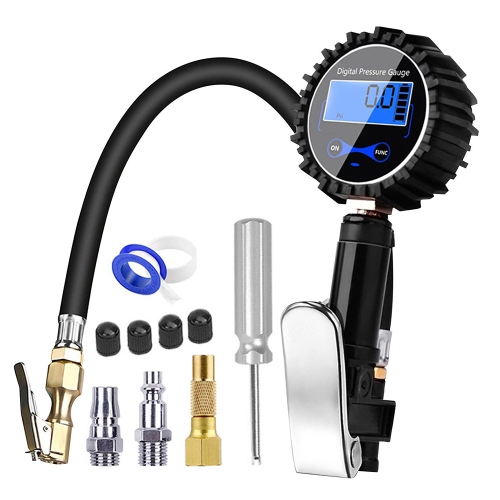
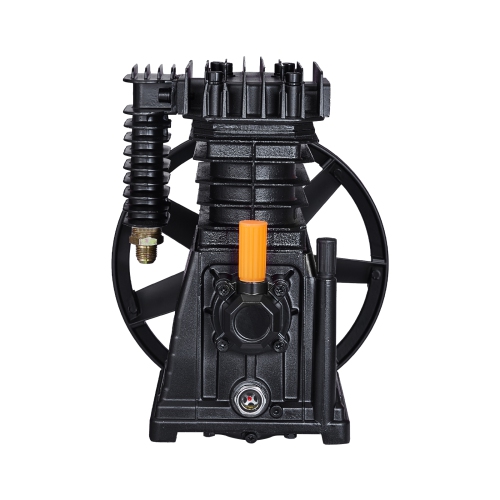
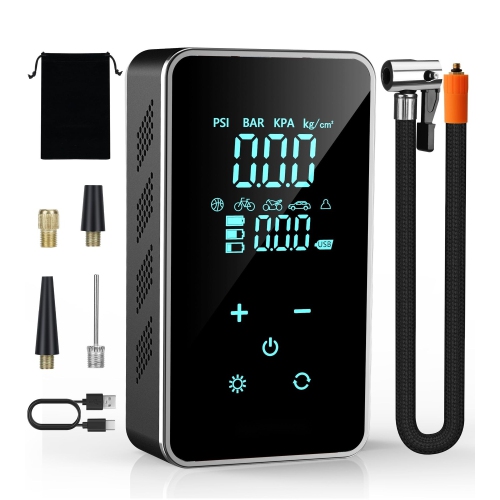
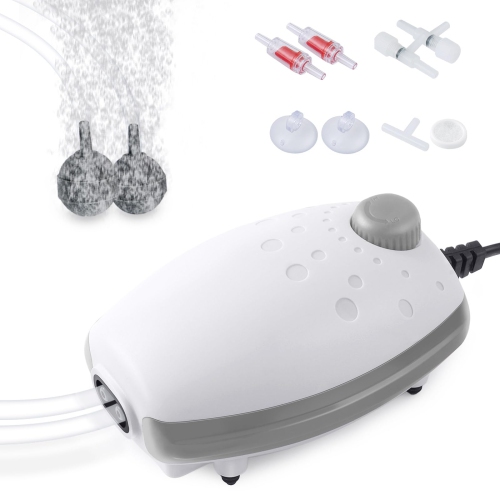
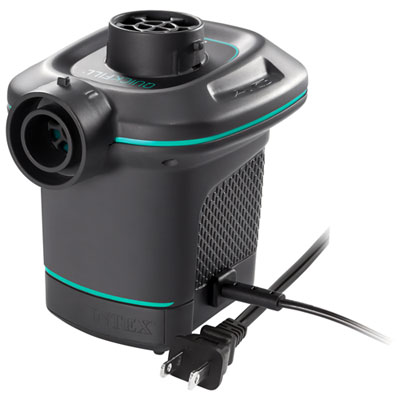
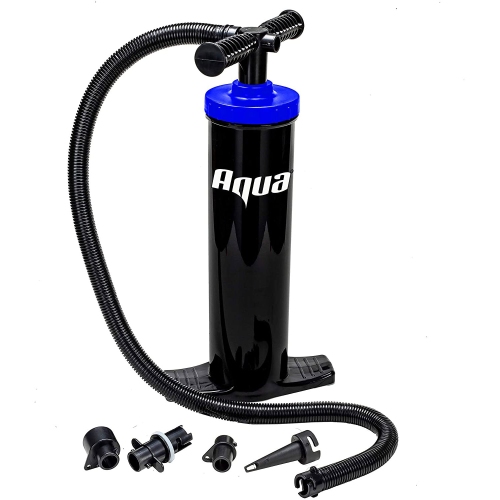
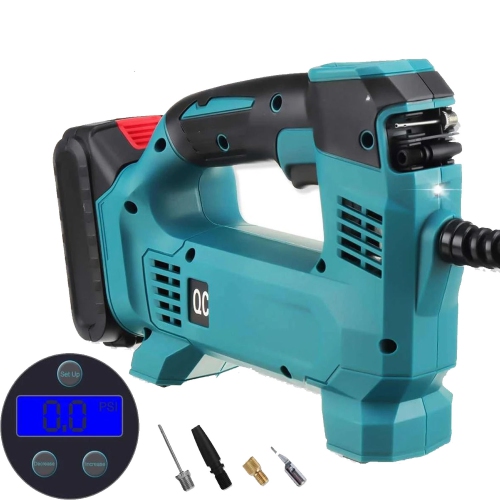
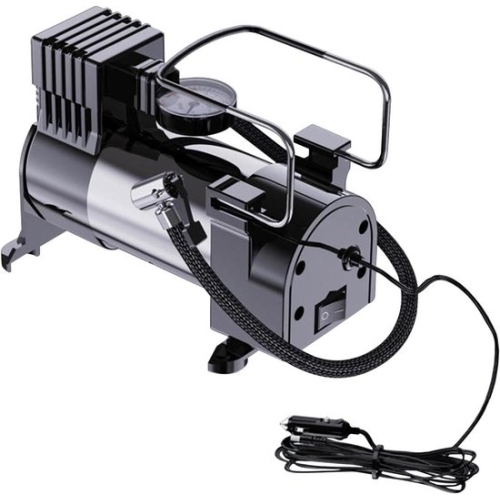
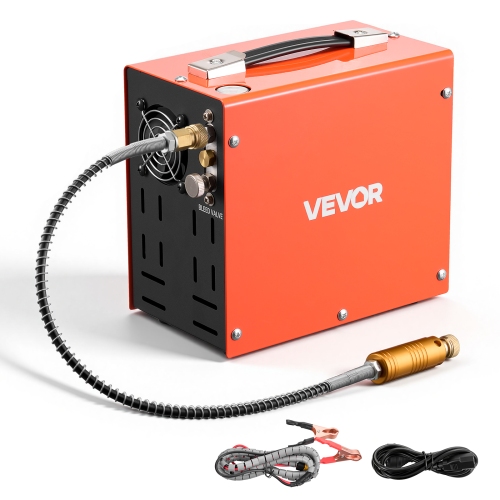
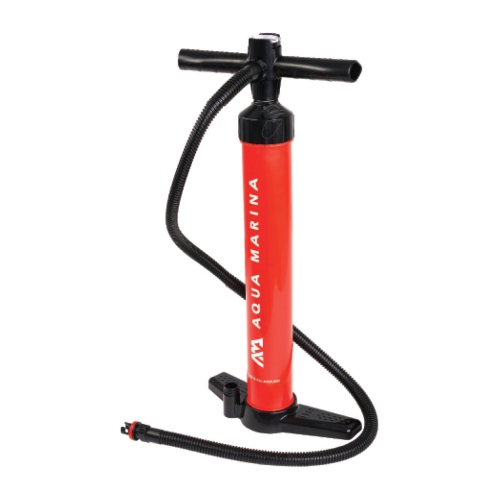
High-pressure air pumps move air into equipment that needs a controlled level of inflation, from bicycle tires and vehicle tires to inflatable paddleboards and certain types of sporting equipment. The term covers several different pump designs, so pressure capability alone does not tell the whole story. A compact tire inflator, a floor pump and a paddleboard pump may all deliver pressurized air, but they are built around different combinations of pressure, airflow and valve connections. Pressure describes how firmly the air is compressed, while airflow describes how much air the pump can move over time. A narrow bicycle tire needs relatively little air compared with a large inflatable board, making a pump’s intended application more useful than its maximum pressure rating on its own. Manual floor pumps use a stable base, a long barrel and a handle operated with both hands, offering a straightforward way to inflate compatible tires without an electrical connection. Smaller hand pumps put portability first and can fit into a riding bag, although their shorter stroke generally means more pumping. Electric pumps reduce the physical effort involved and may provide digital controls, preset pressure settings or automatic shut-off, depending on their design. Some paddleboard pumps use a high-volume stage to fill the board’s shape before switching to a higher-pressure stage as resistance builds. Specialist pumps for pre-charged pneumatic equipment operate in a different pressure range and require equipment-specific connections and procedures; they are not interchangeable with ordinary recreational inflators. For everyday use, the most suitable design is the one that matches the equipment’s required pressure, air volume and connection type. A pump that works well beside a bicycle rack may not be suitable for filling a paddleboard, even when both gauges display the same units. Understanding those differences helps narrow the choice to equipment built for the task rather than relying on a broad high-pressure label.
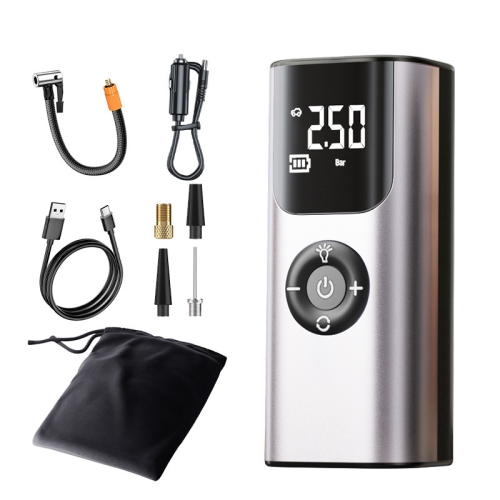
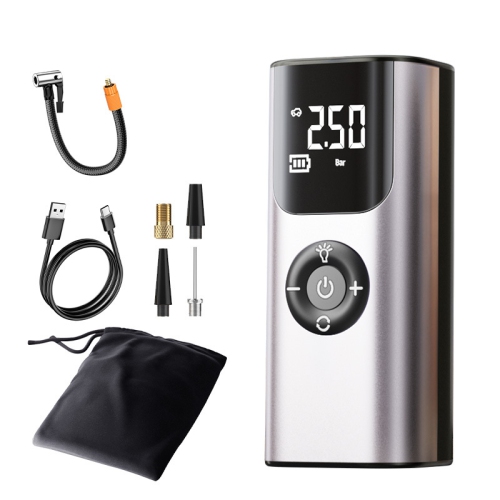
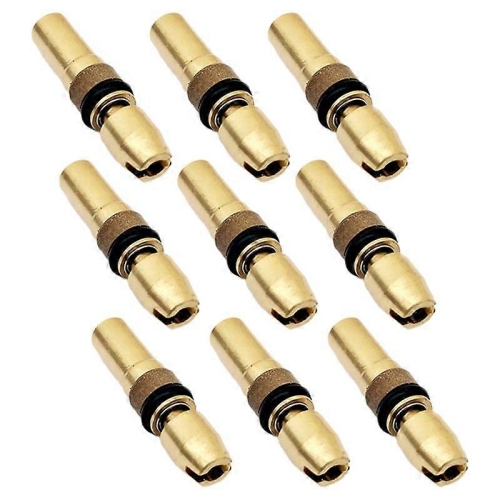
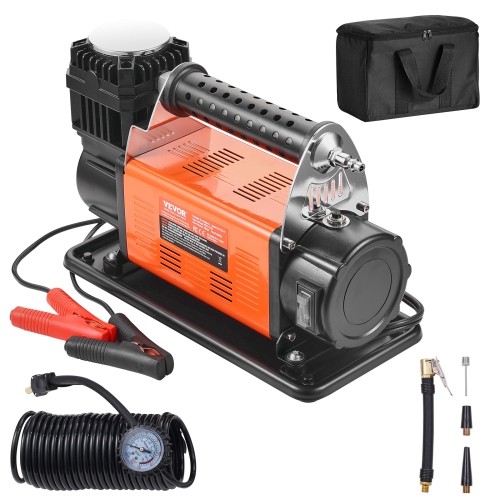
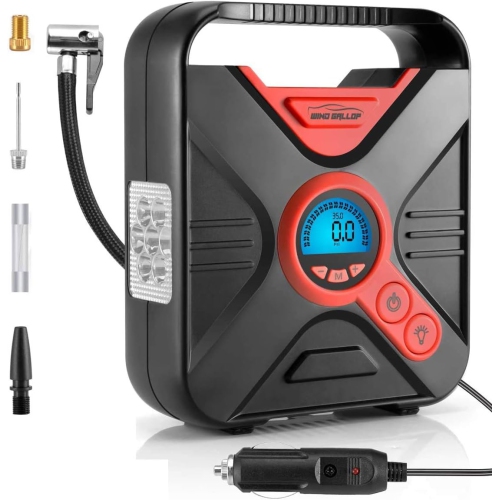
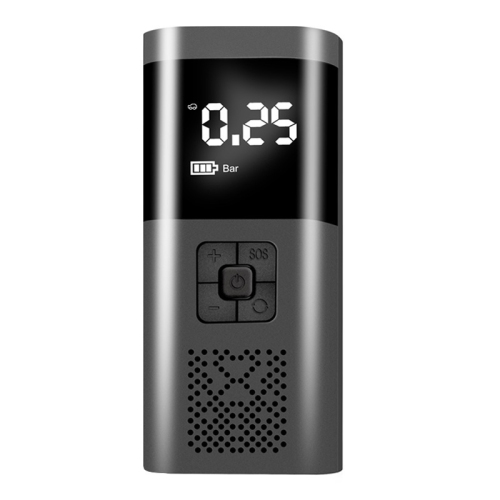
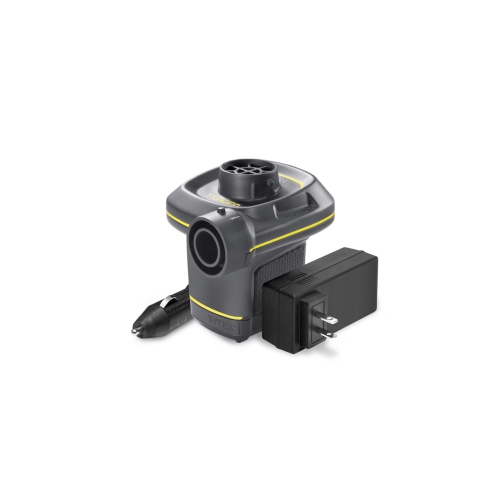
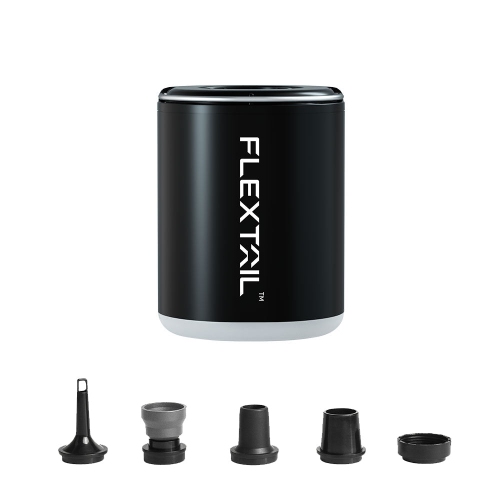
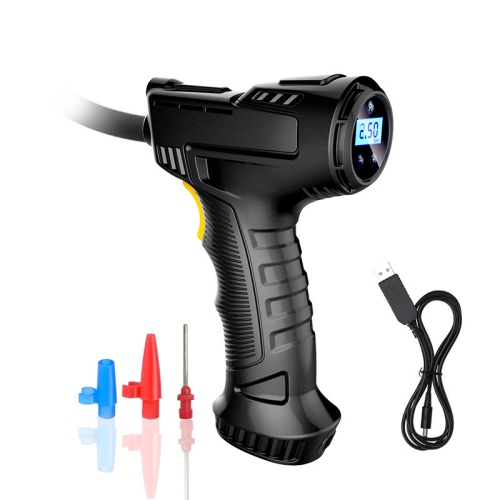
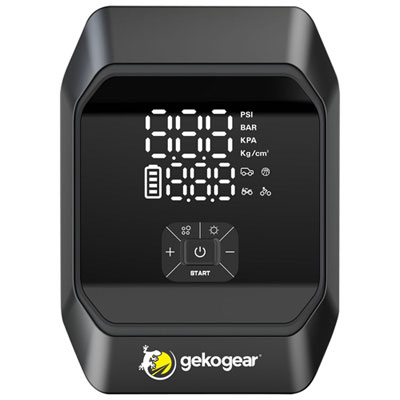
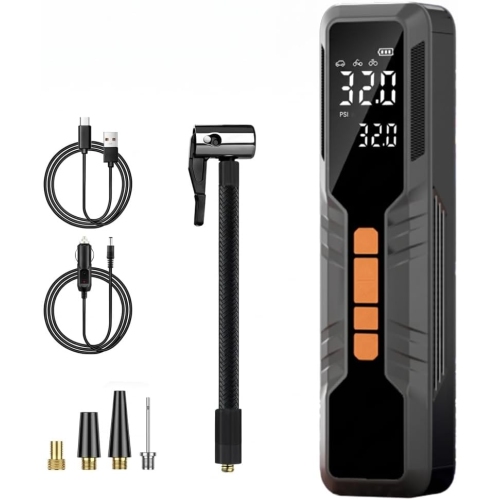
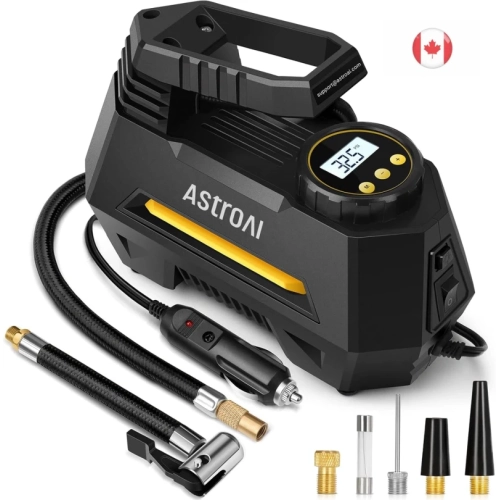
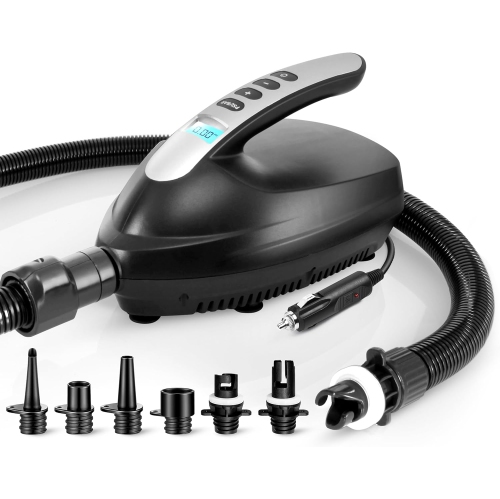
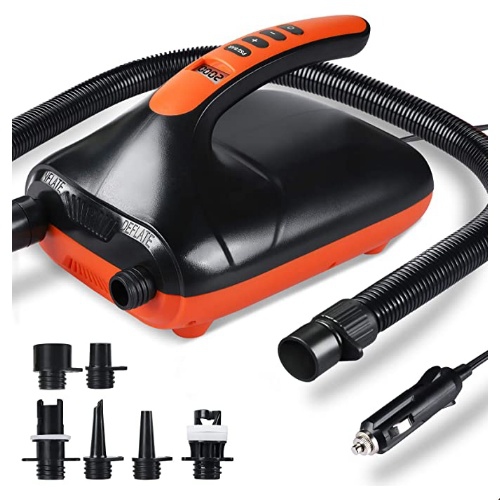
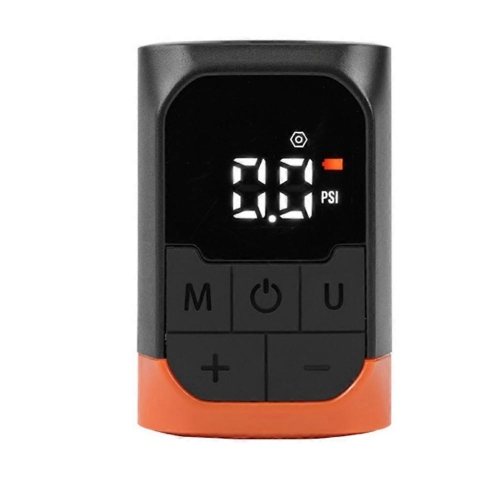
Compatibility starts at the valve. Bicycle tires commonly use Presta or Schrader valves, while inflatable paddleboards often use a locking connection designed for their particular valve system. An assortment of small nozzles can be useful for balls and other inflatables, but the presence of several adapters does not make a pump suitable for every application. The connector needs to fit securely, form a proper seal and tolerate the pressure required by the equipment. A threaded tire connector can provide a secure attachment, while a lever-lock head may be convenient for frequent use; either needs enough clearance around the valve to attach without bending or straining it. Hose length and flexibility matter here, especially when a valve sits between bicycle spokes or close to the ground. Paddleboard owners can explore Sup Air Pumps when matching a pump to a board’s valve, inflation volume and recommended pressure. For electric models, the power source is another practical distinction. A rechargeable design can be convenient where an outlet is not within reach, while a vehicle-powered pump depends on a compatible power socket and sufficient cable reach. Cordless operation should be considered alongside battery capacity, charging time and the work expected between charges, rather than treated as a guarantee that one charge will handle several large inflatables. Controls also affect everyday convenience. A clearly marked gauge with appropriate pressure units makes readings easier to interpret, and a backlit display can help in a dim garage. Automatic shut-off can reduce the need to watch the gauge continuously, but the pressure setting still needs to follow the equipment manufacturer’s instructions. For vehicle tires, the vehicle manufacturer’s recommended inflation pressure is the relevant reference, not simply the maximum printed on the tire sidewall. A deflation function can be useful for compatible inflatables that need to pack down tightly, though not every electric pump provides one. These details become especially noticeable when preparing several pieces of equipment in succession or working in a space where power access and room to move are limited.
Materials and construction influence how a high-pressure air pump feels in use and how well it stands up to repeated handling. Metal barrels and reinforced bases can give a manual floor pump a planted feel, while moulded housings can keep portable electric designs manageable to carry. Neither material tells the full durability story: hose quality, connector construction, seals, handle shape and the security of moving parts all contribute. A broad footplate helps keep a floor pump steady through repeated strokes, and a comfortable handle can make a difference when inflation requires sustained effort. Some manual pumps move air on both the upward and downward stroke, with a single-action setting that can make the final stage of inflation easier as resistance increases. For electric pumps, ventilation and the stated duty cycle deserve attention. A compact motor may need rest periods, particularly during repeated inflation, and blocked vents can interfere with cooling. Routine care is usually straightforward but should follow the pump’s instructions: keep connectors free of grit, avoid pulling the unit by its hose, inspect seals and cables for wear, and store attachments together so the correct fitting is easy to find. A hose should rest without sharp bends or heavy objects pressing against it, and a pump should not be assumed to tolerate water exposure unless its specifications explicitly allow it. Unusual air leaks, damaged wiring or a gauge that no longer reads reliably are reasons to stop and address the problem before further use. For cyclists, a dependable floor pump can become part of regular equipment checks; for paddleboard users, a suitable electric pump can take much of the manual effort out of setup. A pump can also make a practical gift for someone who regularly maintains compatible sports equipment, provided the valve type and power requirements are known. The most useful choice fits both the equipment and the person’s routine, with controls, storage and handling that make regular use straightforward.
Top selling and popular products
-
 Your price for this item is $159.99
-
 Your price for this item is $49.97
-
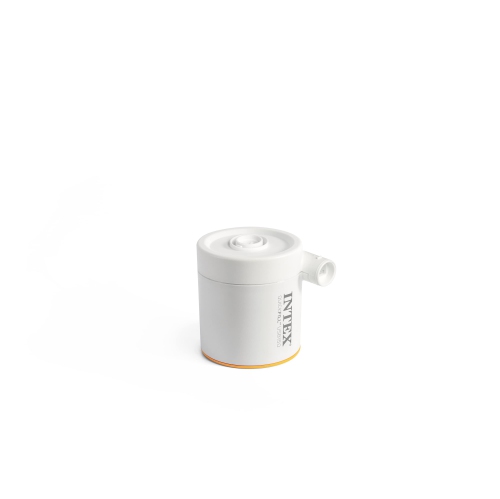 Your price for this item is $24.99
-
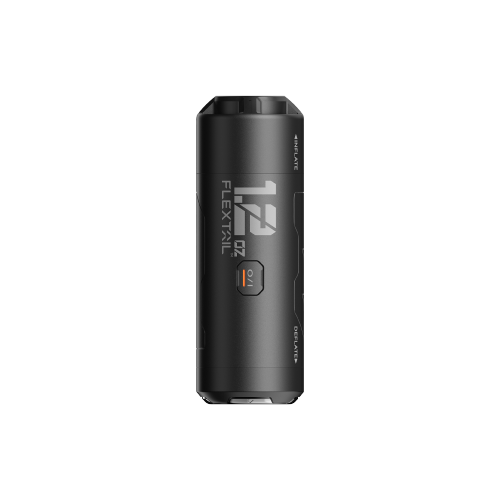 Your price for this item is $50
-
 Your price for this item is $50.99
-
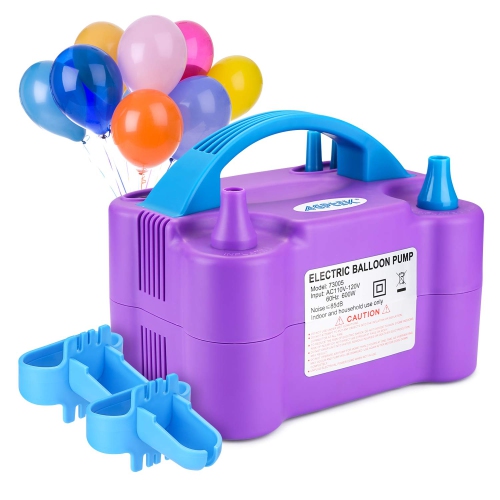 Your price for this item is $69.99
-
 Your price for this item is $24.99
-
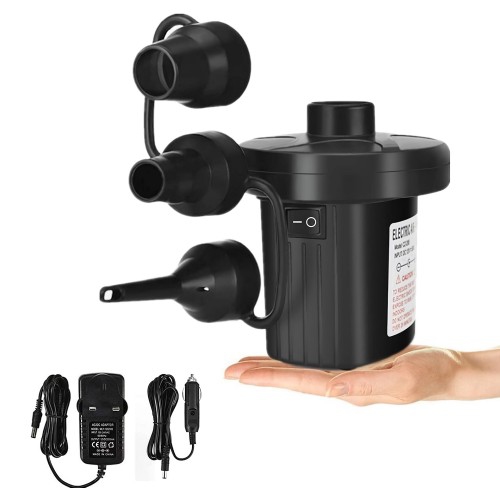 Your price for this item is $16.99
Discover more categories related to High Pressure Air Pumps
Top Collections:
Pokemon Centers, Best Cameras for Sports Photography, Kindle Devices, Samsung Galaxy Phones, Canon G7X Cameras, Pokémon 30th Celebration Cards, Refurbished Apple Laptops, iPhone 15 Apple, Laptops for Students, Budget Smartphones
Some products may be subject to Environmental Handling Fees
(EHF) depending on your province.
Learn more about EHFs.