Ice Fishing Gifts
From practical gear to innovative gadgets, we have everything you need to make their next ice fishing adventure a memorable one. Whether they're a seasoned angler or just starting out, these thoughtful and functional gifts are sure to bring joy and excitement to their icy escapades. Discover the perfect present that will keep them warm, entertained, and fully equipped for their time on the frozen waters. Explore our selection of ice fishing gifts today and make this winter season one to remember.
Sort
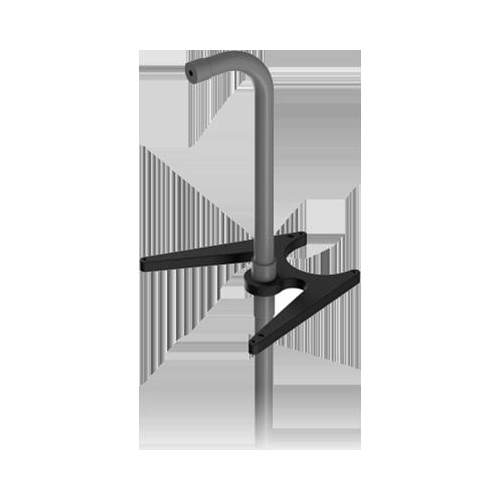


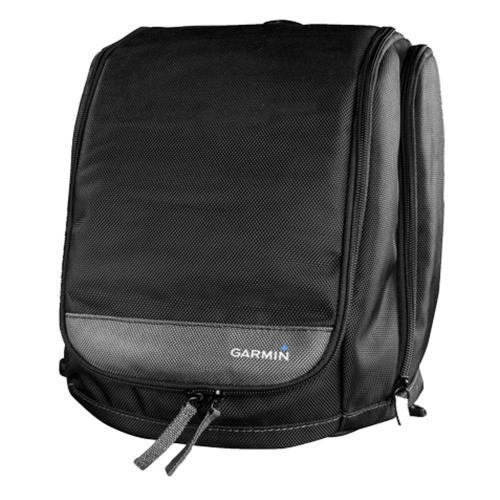

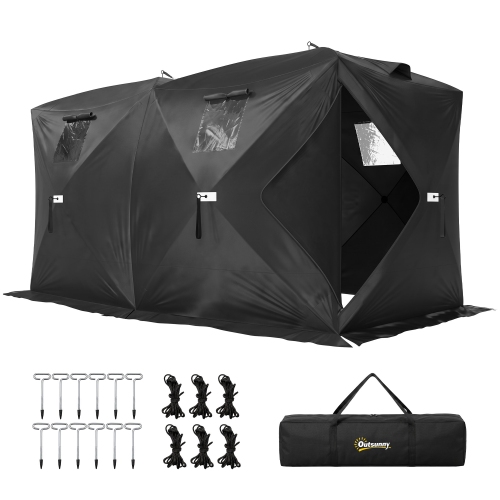
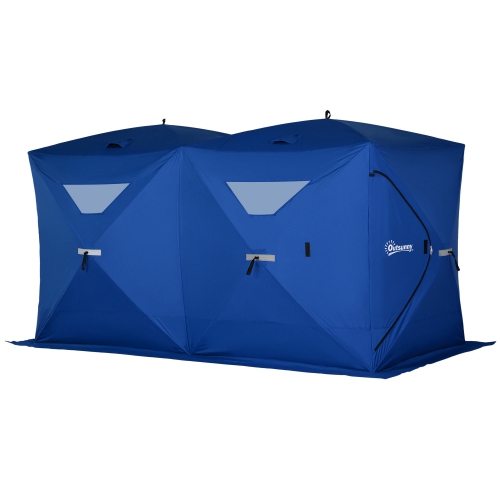
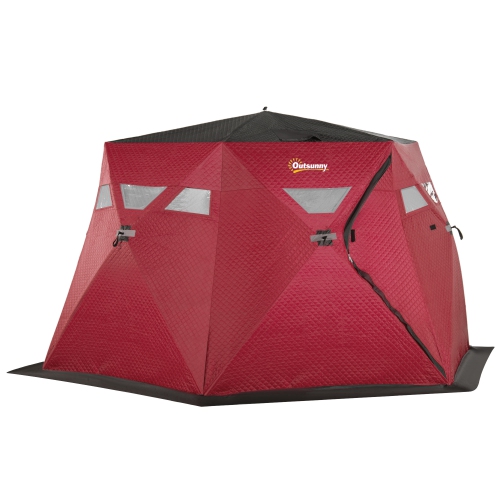
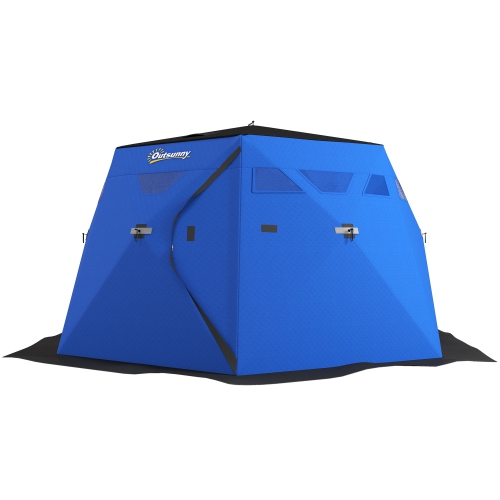
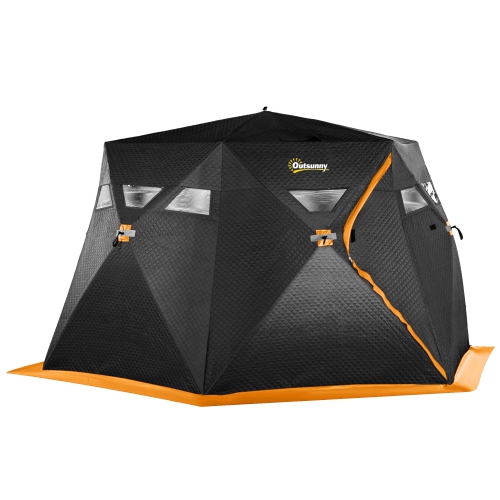


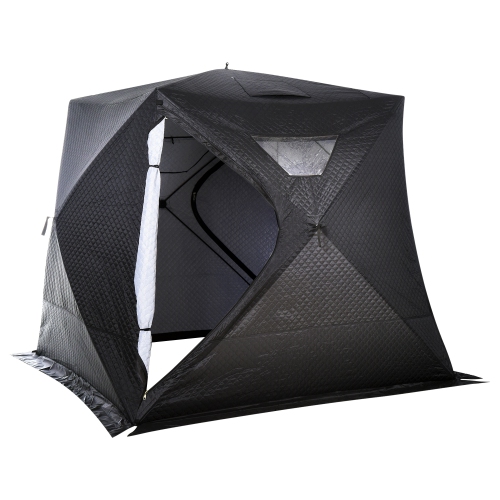
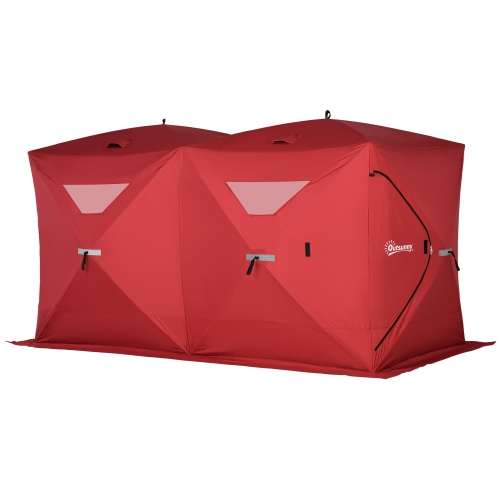
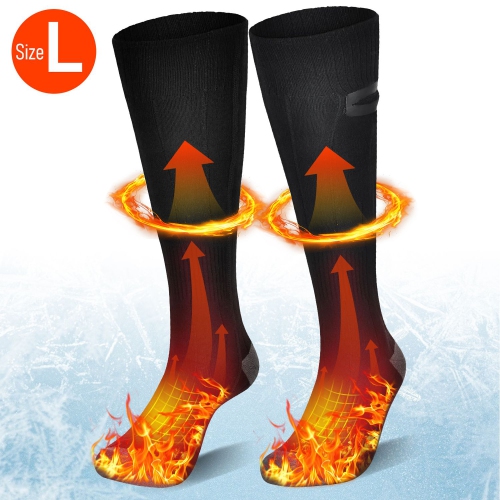
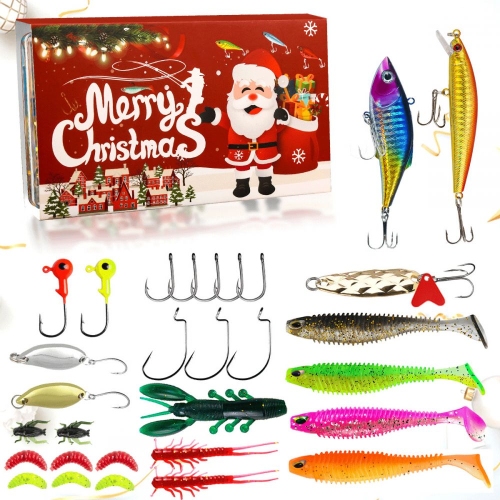
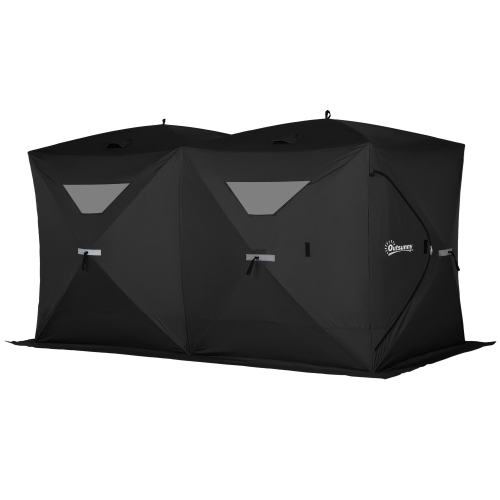
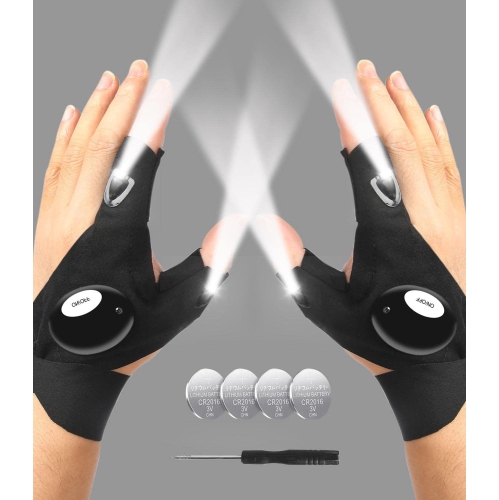

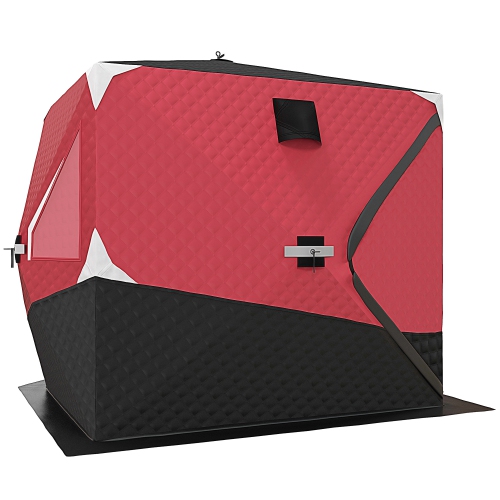


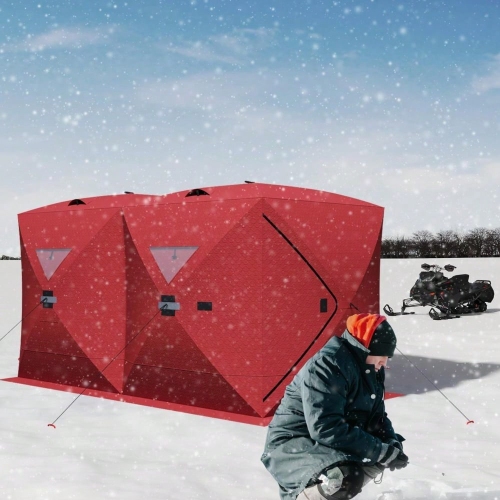
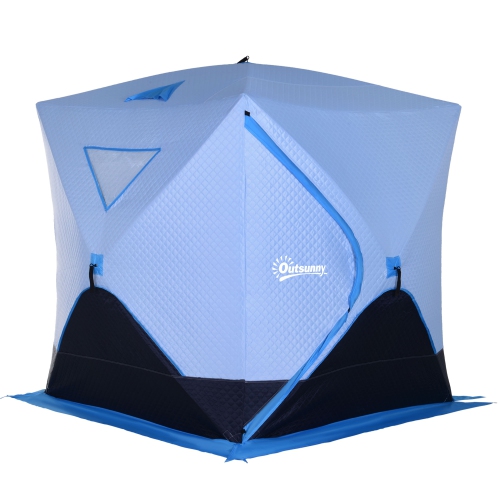
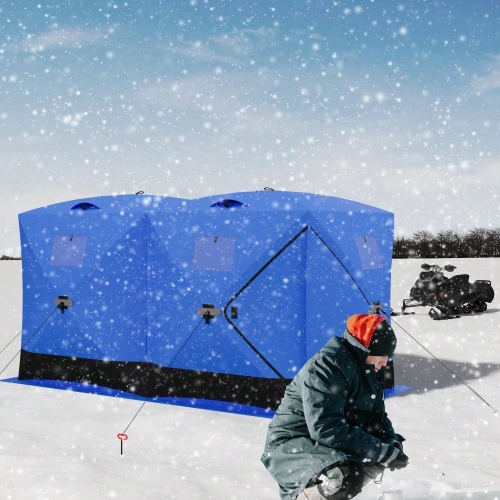
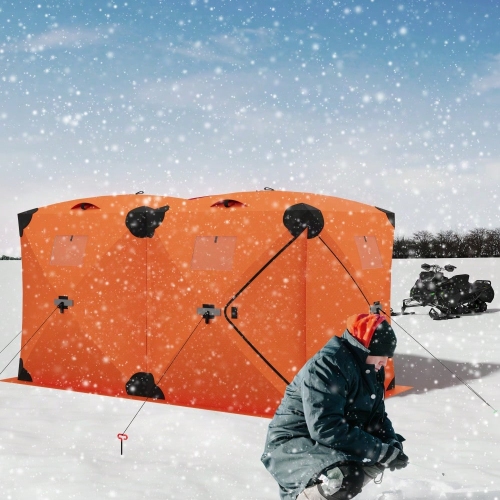

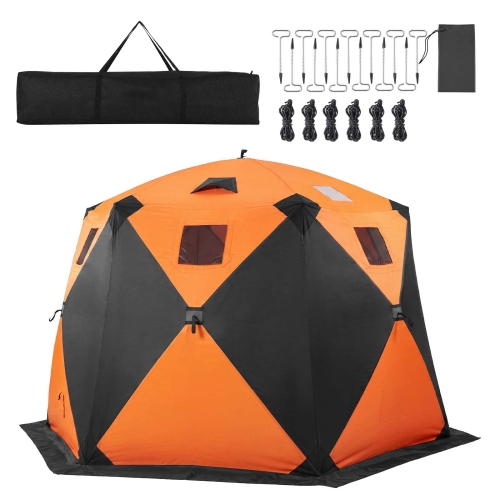

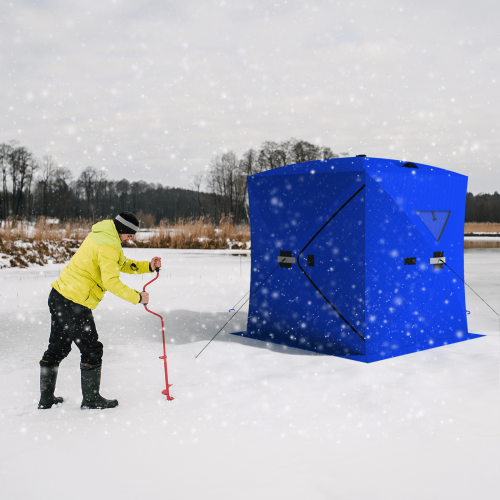
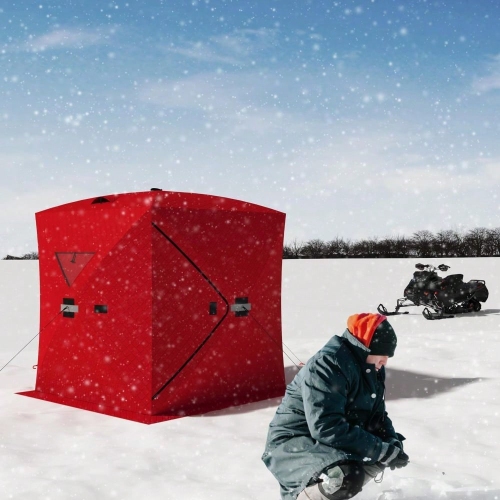
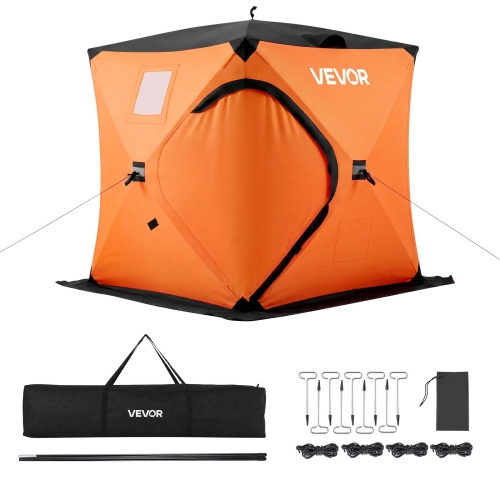
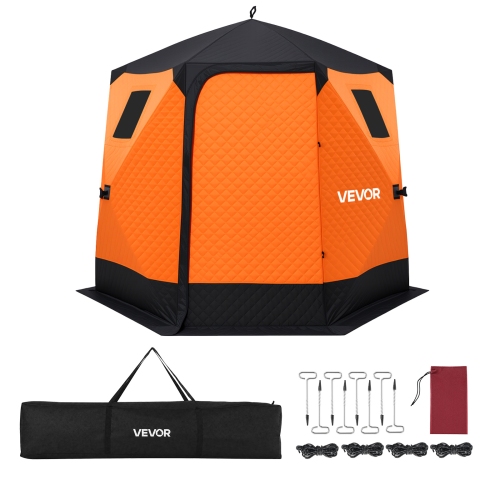
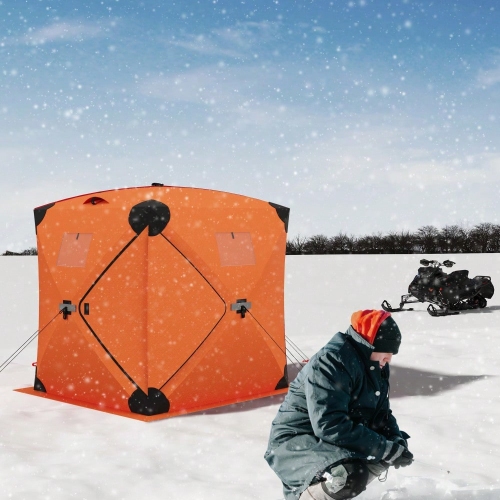


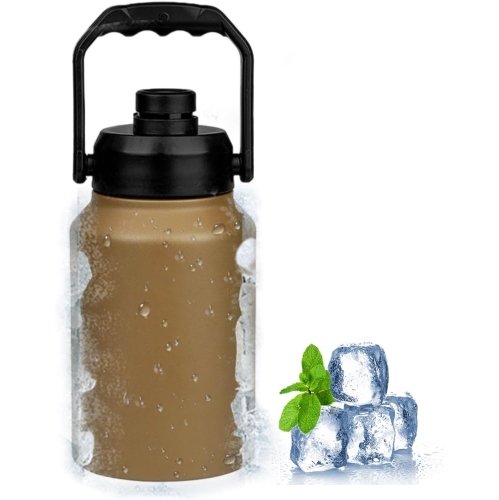
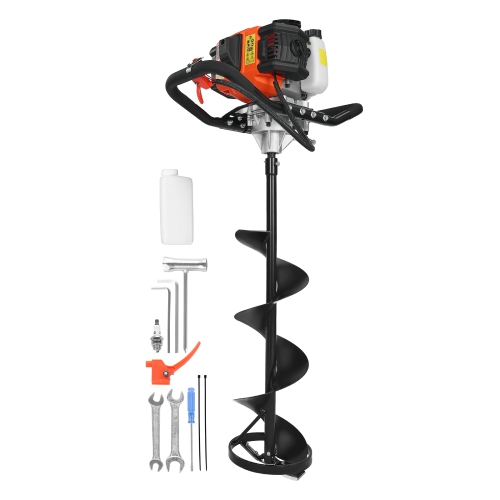


Practical gifts for the way they fish the ice
Ice fishing gifts bring together practical fishing equipment, cold-weather comfort, and the small conveniences that make time on a frozen lake more enjoyable. Useful gift categories include tackle, protective storage, insulated clothing, portable fish-finding electronics, and accessories designed for winter use. The strongest match depends on how the recipient fishes: an angler who moves between several holes needs compact, manageable gear, while someone who settles into a shelter may place more value on seating, organization, and warmth during long stretches of waiting. For a beginner, straightforward equipment with easy-to-handle features can make the routine of setting up, fishing, and packing away feel less complicated. Experienced anglers often appreciate gifts that fit neatly into an established setup, especially when they address a familiar frustration such as tangled line, damp gloves, or small tackle that is difficult to sort with cold fingers. Ice fishing tackle tends to be compact, with presentations suited to working vertically through a hole rather than casting across open water. The recipient’s preferred species matters: equipment intended for smaller panfish has different demands from gear used for larger, harder-fighting fish. Rod action, line capacity, and tackle weight all influence how well fishing equipment suits those demands. Compact storage with secure closures and adjustable compartments can help keep different sizes separated and make delicate components easier to find. A gift does not have to change someone’s whole approach to earn a regular place in their kit. Something that keeps essential gear dry during a slushy walk, makes a shelter less cluttered, or reduces the amount of loose equipment carried by hand can be particularly welcome. For a friend, partner, parent, or other family member who enjoys fishing through the cooler months, that connection to their actual habits makes the gift feel personal rather than simply winter-themed. It also helps distinguish equipment made for ice fishing from general outdoor accessories that may not be suited to prolonged cold, moisture, or repeated handling on the ice.
Materials, fit, and construction make a noticeable difference when fishing involves both movement and extended periods of sitting still. Clothing that feels warm during a brisk walk may feel very different once the wearer is seated over a hole with wind pressing against the shelter fabric. Layer-friendly fits allow room for insulation without restricting movement at the shoulders, elbows, and knees. Moisture-managing inner layers, insulating middle layers, and outer fabrics that resist wind and wet snow serve different purposes, so a clothing gift works best when it complements what the recipient already wears. Wool blends and synthetic fabrics offer different combinations of warmth, drying time, and care requirements; the garment’s stated use and care label are more useful than thickness alone. Reinforced knees, sturdy stitching, and abrasion-resistant panels are worthwhile details for someone who regularly kneels beside a hole or loads equipment into a sled. Gloves need enough room for comfortable movement without leaving excess material at the fingertips, particularly when handling line or operating small controls. Footwear should accommodate suitable socks without squeezing the foot, and traction features should suit the surfaces the wearer expects to cross. Water resistance and waterproof construction are not interchangeable, especially where wet snow, slush, and standing water are involved. Similar distinctions matter for bags and storage: a water-resistant fabric does not necessarily mean every seam, zipper, and closure keeps moisture out. Easy-grip zipper pulls, handles that can be grasped with mittens, and smooth surfaces that wipe clean are practical details in everyday use. For shelters and larger accessories, packed dimensions, carrying weight, and setup requirements affect how comfortably they fit into a recipient’s routine. A compact setup suits someone transporting equipment in a smaller vehicle, while more interior space may matter to an angler who fishes with a companion. After an outing, drying fabric thoroughly before storage, clearing moisture from metal components, and following manufacturer care instructions help preserve condition. Gifts that are easy to clean, dry, and pack away can remain useful well beyond a single season.
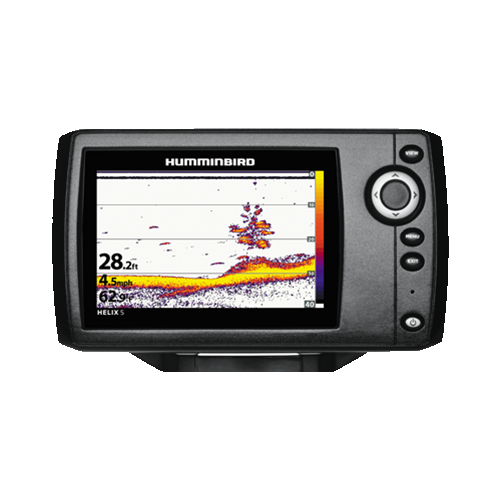
Electronics and powered accessories add another dimension to ice fishing gifts, particularly for anglers who enjoy seeing more of what is happening beneath the surface. Portable sonar can display depth and help reveal fish activity, but useful features depend on the complete setup rather than the screen alone. Compatibility with an ice-fishing transducer, a suitable power supply, and a carrying arrangement matters, as do readable displays and controls that remain manageable in cold conditions. Some anglers value a simple view of depth and movement; others prefer more detailed displays that support their existing fishing style. Battery performance can change in low temperatures, making the manufacturer’s operating limits, charging instructions, and storage guidance important considerations. A protective case and an organized way to carry cables can also make delicate equipment easier to transport alongside heavier gear. Comfort accessories deserve the same attention to intended use. Stable seating, supportive padding, and surfaces that shed moisture can make a long session more pleasant, while portable lighting can help with sorting tackle and packing equipment in dim conditions. Any fuel-burning heating equipment requires particular care: use must follow the manufacturer’s instructions, including ventilation requirements, clearances, and restrictions on enclosed spaces. Safety-related gifts can support preparation, but no accessory establishes that a lake is safe to travel on. Ice conditions vary across a body of water and can change with weather, currents, and other factors; local information and sound judgement remain essential. Equipment described as offering flotation also needs to be understood according to its stated purpose and limitations rather than assumed to replace a lifejacket. For recipients who fish in more than one season, Fishing Equipment Gifts provides a broader theme alongside winter-focused choices. Across both, the most thoughtful gifts suit the person’s preferred species, transport space, physical comfort, and existing equipment. Whether the outing means moving frequently with a light load or sharing a sheltered spot with family, practical details help a gift become part of the familiar rhythm of fishing.
Top selling and popular products
-
 Your price for this item is $44.98
-
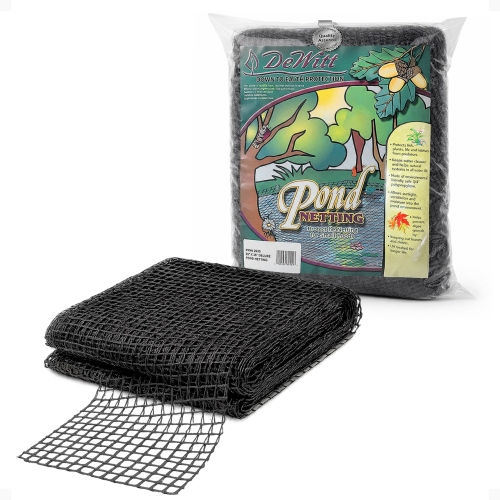 Your price for this item is $224.99
-
 Your price for this item is $29.98
-
 Your price for this item is $229.45
-
 Your price for this item is $139.98
-
 Your price for this item is $49.98
-
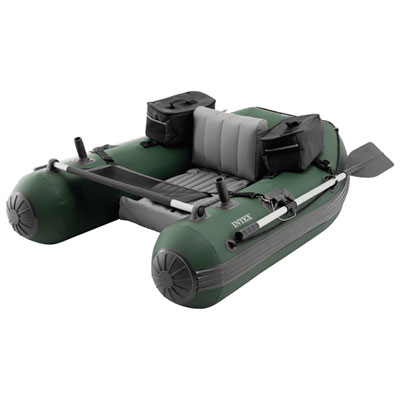 Your price for this item is $399.99
-
 Your price for this item is $136.97
Discover more categories related to Ice Fishing Gifts


Top Collections:
Pokemon Centers, Best Cameras for Sports Photography, Kindle Devices, Samsung Galaxy Phones, Canon G7X Cameras, Pokémon 30th Celebration Cards, Refurbished Apple Laptops, iPhone 15 Apple, Laptops for Students, Budget Smartphones
Some products may be subject to Environmental Handling Fees
(EHF) depending on your province.
Learn more about EHFs.