Indoor Mountain Bike Trainers
Looking to keep up with your cycling training even when the weather outside isn't cooperating? Look no further than indoor mountain bike trainers. These innovative pieces of equipment allow you to bring the thrill of outdoor biking indoors, providing a realistic and challenging workout experience. Whether you're a seasoned cyclist looking to maintain your fitness during the off-season or a beginner wanting to improve your skills, indoor mountain bike trainers are a versatile and convenient solution. With their adjustable resistance levels and compatibility with various bikes, you can enjoy an effective and efficient workout from the comfort of your own home.
Sort






Indoor training with the trail bike you already know
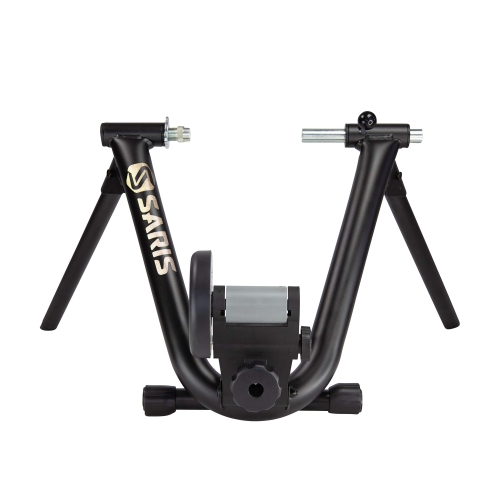
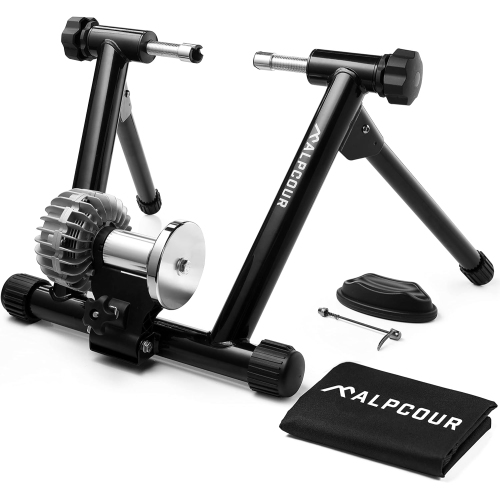
Indoor mountain bike trainers turn a compatible mountain bike into a stationary cycling setup, making it possible to keep pedalling when wet trails, shorter days, or cooler temperatures limit outdoor riding. Rather than replacing the bike with a separate exercise machine, a trainer lets riders use familiar handlebars, saddle positioning, and pedal contact points at home. That familiarity suits trail riders maintaining their fitness, cross-country cyclists working on steady power, and recreational riders fitting movement into a busy schedule. The two main types are direct-drive trainers and wheel-on trainers. A direct-drive trainer replaces the rear wheel, with the bike mounted to the trainer so the chain drives a compatible cassette or supported drivetrain interface. Because the rear tire does not touch a roller, this design avoids the vibration, tread noise, and tire wear that knobby mountain bike tires can produce on a wheel-on setup. A wheel-on trainer holds the bike with its rear wheel in place and applies resistance through a roller pressed against the tire. It can make the transition between indoor and outdoor riding straightforward, but tire tread and roller compatibility matter. A smooth tire approved for trainer use generally provides more consistent contact than an aggressive trail tire, provided it fits the wheel and meets the trainer’s requirements. Neither design recreates the balance, cornering, braking, or changing traction of a real trail. Their purpose is controlled pedalling: a steady spin before work, repeated efforts that build climbing endurance, or a longer session when an outdoor ride is impractical. For riders who also own a drop-bar bicycle, Road Bike Indoor Trainers offer a related category to explore, although compatibility always depends on the individual bike and trainer rather than the bike category alone. A suitable mountain bike trainer brings the focus back to repeatable exercise without requiring a dedicated stationary bicycle.
Fit begins with the frame, rear axle, drivetrain, and the clearances around the trainer’s mounting points. Mountain bikes may use a quick-release skewer or a thru-axle, and the axle diameter and rear hub spacing must match the trainer’s supported specifications. Wider hub standards are common on trail bikes, but support is not universal, and an adapter cannot make every frame compatible. The bike manufacturer’s guidance also matters, particularly where frame shape, suspension components, or carbon fibre construction affect mounting clearance and approved use. Wheel-on models add another layer of fit: the supported wheel diameter, maximum tire width, and roller adjustment range. A trainer that accepts a particular wheel diameter may still be unsuitable for an especially wide or deeply treaded tire. Direct-drive models remove the rear tire from the equation, but require attention to cassette speed, sprocket spacing, freehub compatibility, and derailleur clearance. Matching the number of gears alone is not enough; the cassette must also work with the bike’s chain and drivetrain system. Some trainers include a cassette, while others require a compatible cassette or an alternative shifting arrangement, so the supplied components deserve a close look. Once fit is established, resistance type helps distinguish the riding experience. Magnetic and fluid resistance systems can provide straightforward indoor exercise, while electronically controlled smart trainers may adjust resistance in response to compatible training software. Smart describes connected functions, not a mounting style: both wheel-on and direct-drive designs can have connected capabilities. Depending on the model, supported features may include power measurement, cadence reporting, simulated gradients, and automatic resistance changes during structured workouts. Bluetooth or ANT+ connectivity can link a trainer or separate sensors to a compatible phone, tablet, or computer, but the exact data and controls vary. A basic trainer may transmit workout information through added sensors without being able to change resistance automatically. Riders interested in seated climbing efforts or short, forceful intervals should consider the stated resistance capacity, power accuracy, and intended use alongside the frame’s stability. Consistent resistance at a comfortable cadence is often more useful for everyday sessions than a headline maximum that rarely reflects how the trainer will be used.
Materials and construction influence how an indoor mountain bike trainer feels under load and how easily it fits into daily life. Steel or aluminium structural components, secure axle interfaces, and well-supported folding joints help create a stable base, while protective housings cover moving resistance components. A broad footprint and adjustable feet can reduce rocking on a suitable, level floor; rider and bicycle weight must remain within the stated limits. Heavier units can feel planted during hard pedalling, whereas folding legs and carrying handles are useful when the workout space also serves as a spare room or home office. Noise deserves attention in shared homes. Direct-drive designs eliminate tire-to-roller noise, but the chain, gears, resistance unit, and floor can still transmit sound or vibration. A suitable trainer mat helps protect flooring from sweat and marks and may soften vibration, although it does not make a setup silent. Leave clear space around the bike, keep children and pets away from moving parts, and use a front-wheel support if the trainer’s setup requires one. Indoor riding produces less cooling airflow than outdoor riding, so a fan, accessible water bottle, and washable towel can make a steady session more comfortable. Care is mostly practical: wipe perspiration from the bike and trainer after use, keep the drivetrain clean and lubricated according to the manufacturer’s directions, and check mounting hardware for security. Sweat left around bolts, handlebars, or exposed metal can encourage corrosion. Wheel-on setups also need consistent tire pressure and roller tension, while calibration requirements vary by trainer. Store the unit somewhere dry and protect connectors when it is folded away. As a gift for a committed mountain biker, a trainer can support regular activity through the cooler months, but it is best chosen with access to the recipient’s axle, drivetrain, and frame details. The most useful setup is one that mounts securely, works with the rider’s preferred devices, and is convenient enough to use between outdoor rides.
Top selling and popular products
-
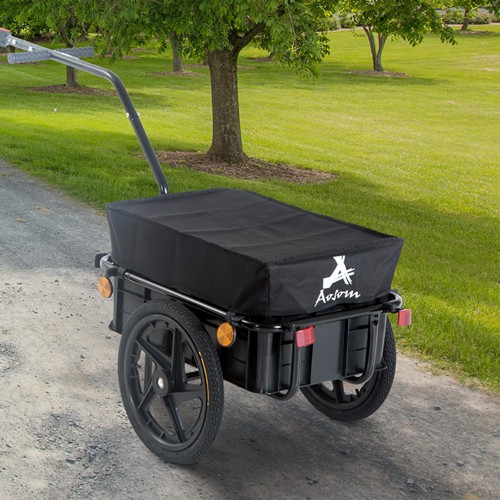 Your price for this item is $139.97
-
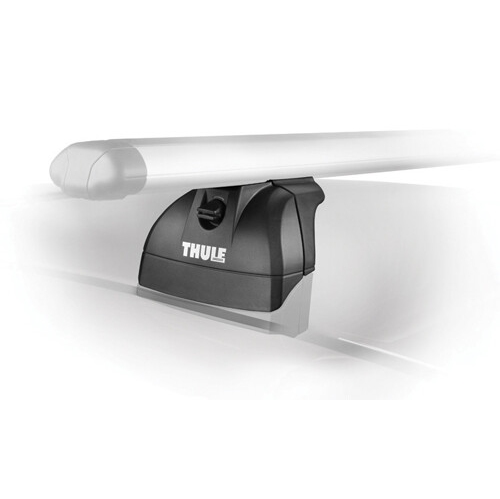 Your price for this item is $285
-
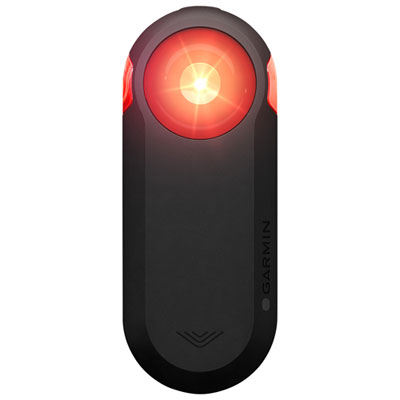 Your price for this item is $289.99
-
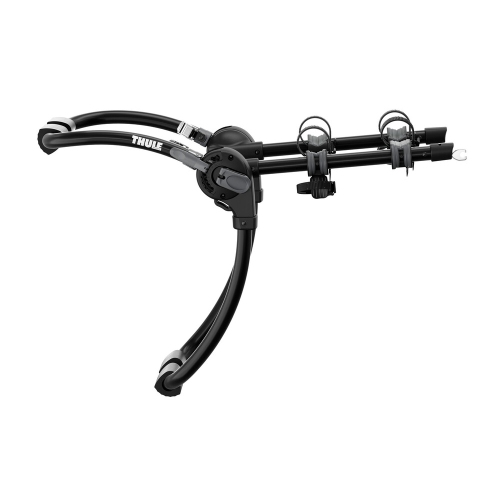 Your price for this item is $499
-
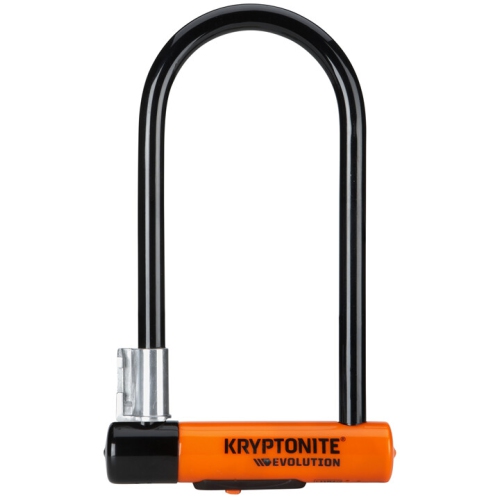 Your price for this item is $209.99
-
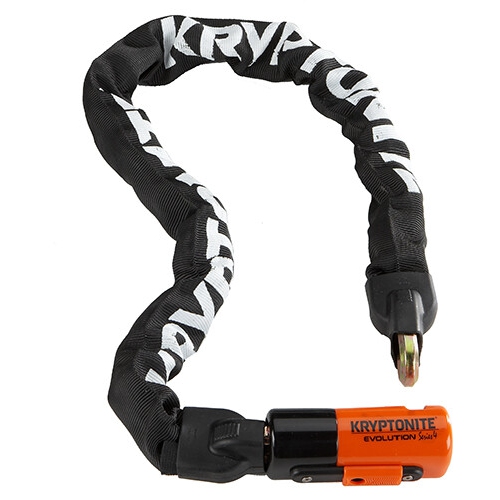 Your price for this item is $199.99
-
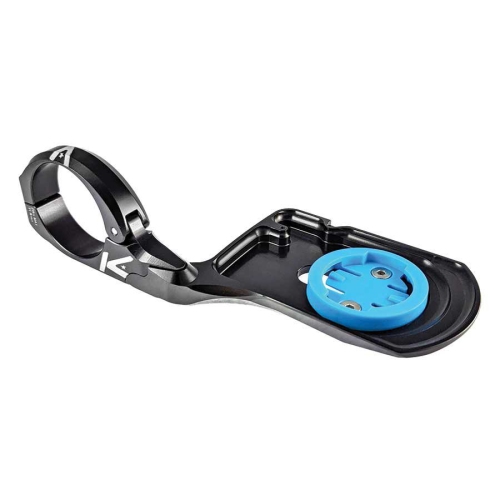 Your price for this item is $134.99
-
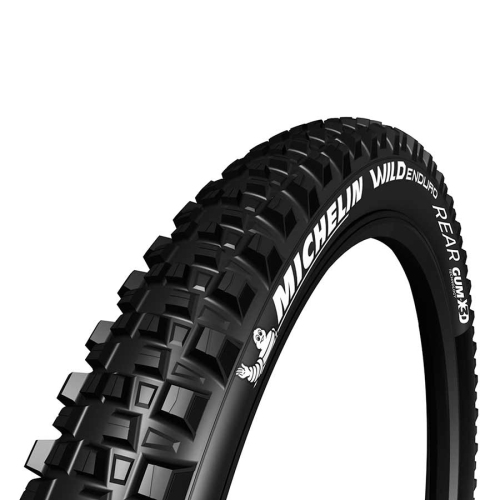 Your price for this item is $120.99
Discover more categories related to Indoor Mountain Bike Trainers

Top Collections:
Pokemon Centers, Kindle Devices, Best Budget Office Chairs, Canon G7X Cameras, Apple iPhones 16, Samsung Galaxy Phones, Refurbished Apple Laptops, Laptops for Students, iPhone 15 Apple, Budget Smartphones
Some products may be subject to Environmental Handling Fees
(EHF) depending on your province.
Learn more about EHFs.