Inflatable Kayak
Explore the freedom of exploring the open waters with an inflatable kayak. Perfect for outdoor enthusiasts and adventure seekers, inflatable kayaks offer a convenient and portable way to enjoy kayaking without the need for a roof rack or large storage space. Whether you're planning a relaxing day on the lake or embarking on a thrilling river expedition, an inflatable kayak provides versatility and ease of transport for all your aquatic adventures. Discover the benefits of owning an inflatable kayak and enhance your next outdoor experience with this versatile watercraft.
Sort
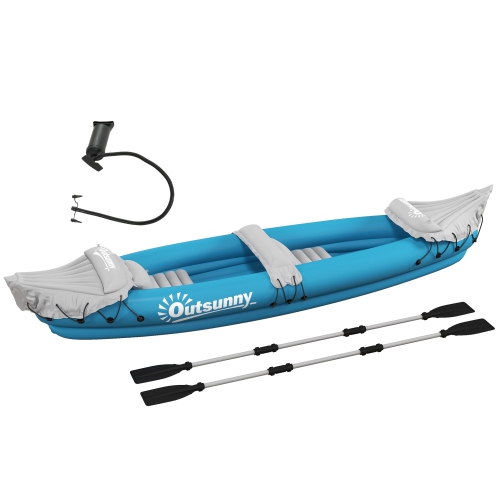
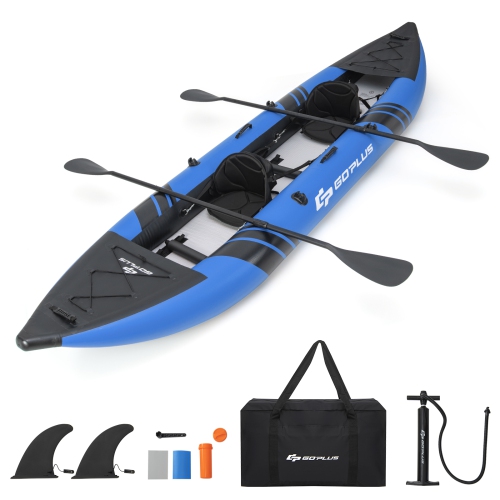
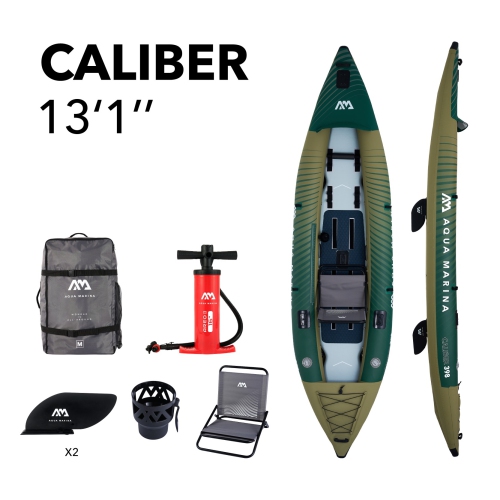
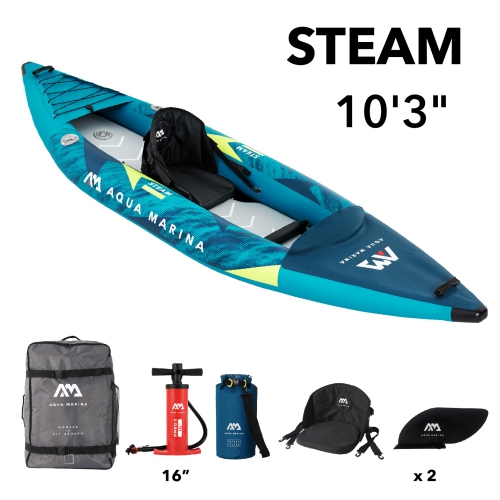
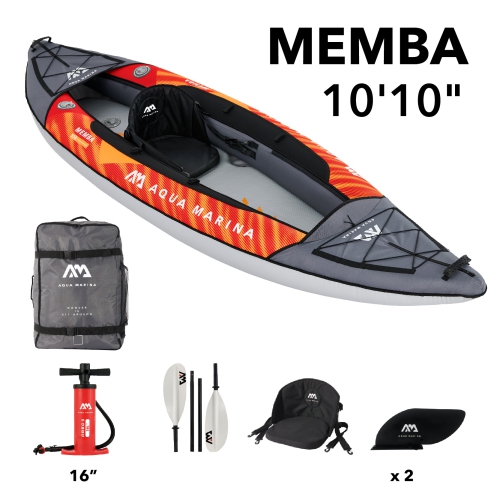
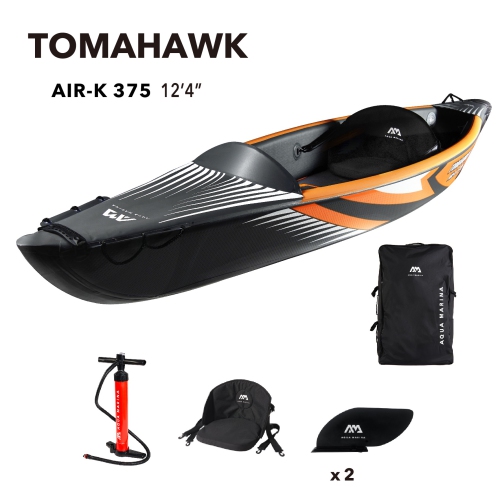
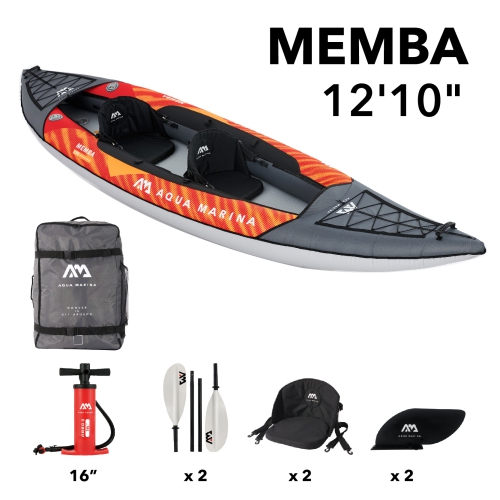
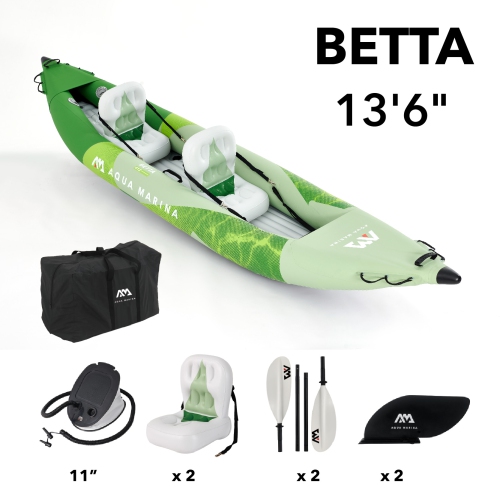
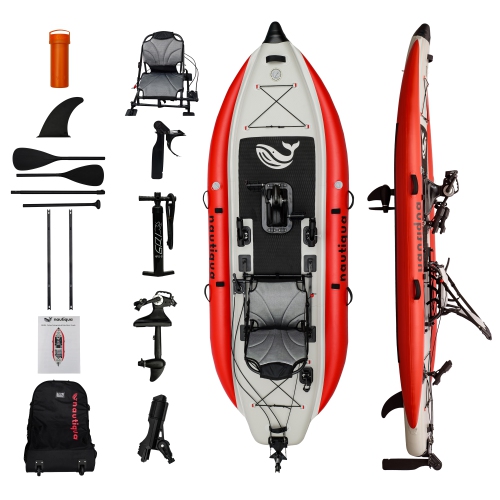
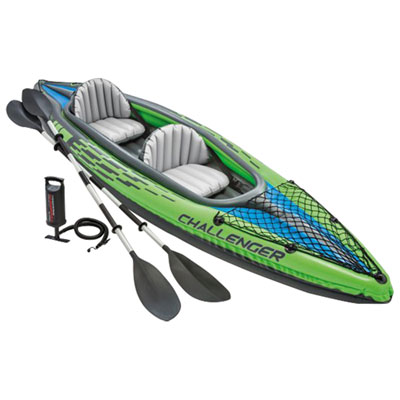
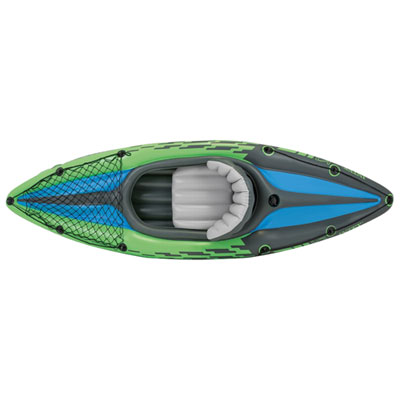
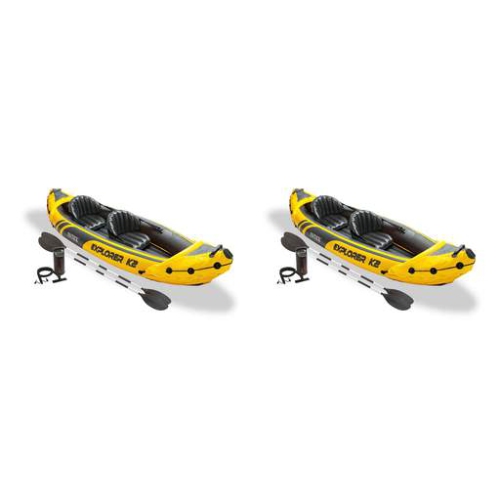
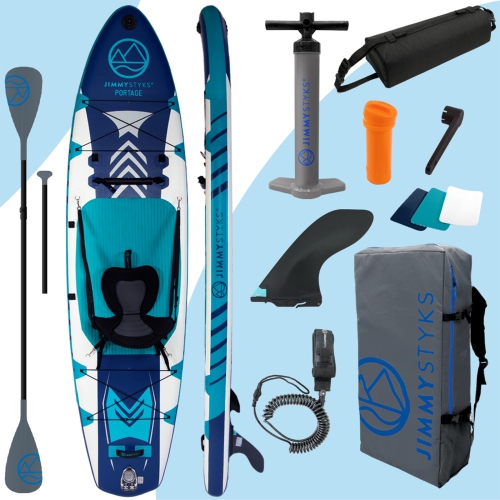
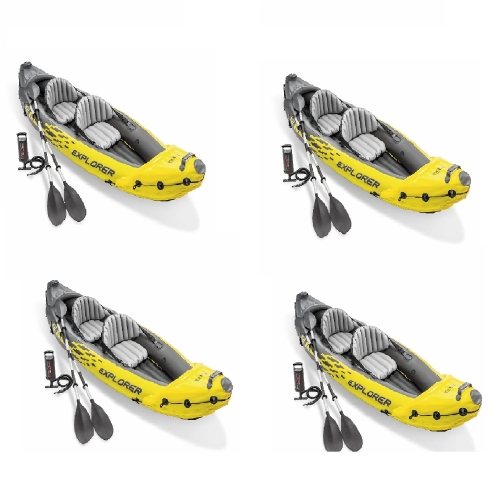
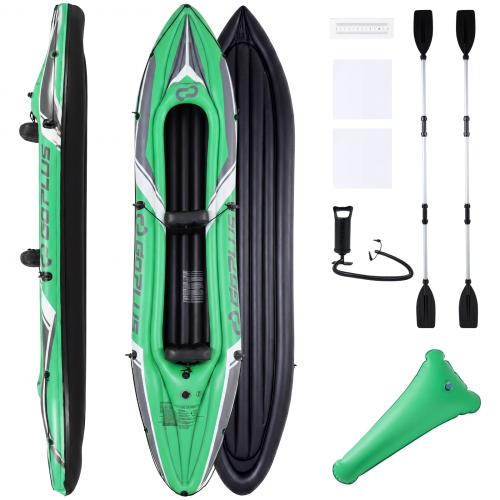
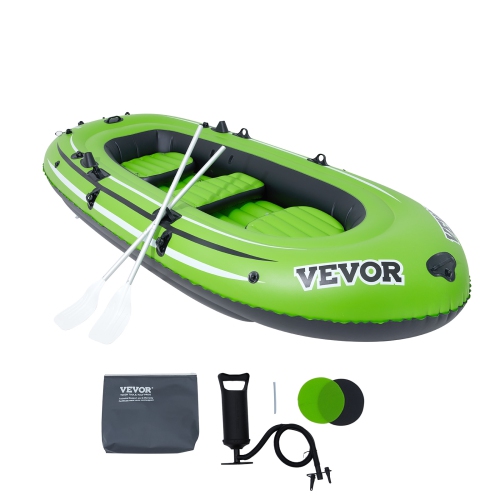
A boat in a bag for your next paddle
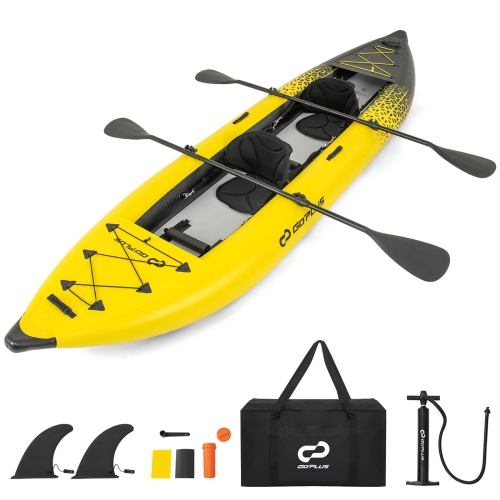
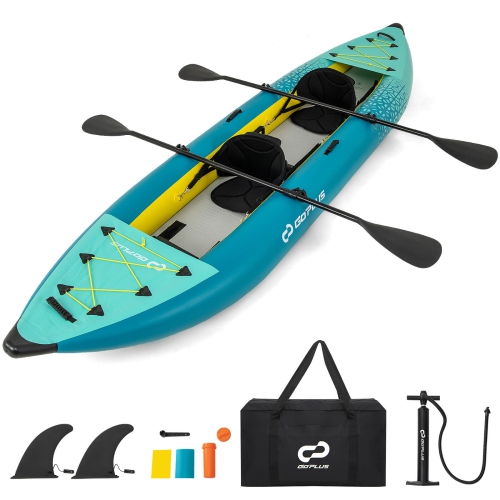
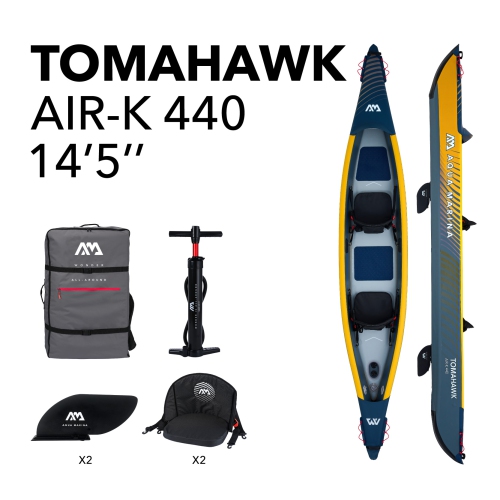
An inflatable kayak is a paddle-powered watercraft that fills with air for use and deflates for transport and storage. Its main appeal is the ability to carry a usable boat in a bag rather than keep a full-length hull on a roof rack or in a garage. For paddlers living in a condo, sharing storage space, or travelling to a lakeside launch in a smaller vehicle, that difference can make kayaking more practical. Packed dimensions and carry weight still matter: a boat that fits in a car boot may feel quite different when carried down a long path alongside paddles, a pump, and personal gear. Inflatable kayaks range from compact solo designs to tandem layouts with space for two paddlers, with some configurations allowing a seat to be repositioned for solo use. Passenger count is only part of the fit. The stated load capacity needs to accommodate everyone aboard plus drinking water, dry bags, safety equipment, and any other permitted cargo. Interior legroom, seat width, back support, and foot support help determine whether a short paddle feels comfortable or cramped. Taller paddlers may appreciate a longer seating area, while two adults sharing a tandem need enough separation to paddle without repeatedly touching blades. A broad hull often feels steady for relaxed outings, although width alone does not establish a kayak’s safety or suitability for a particular body of water. Longer, narrower designs generally favour straighter tracking and more efficient progress, while shorter boats can be easier to turn. Recreational inflatable kayaks are commonly associated with sheltered lakes and gentle waterways, but suitability for moving water, exposed crossings, or more demanding routes depends on the individual design and its stated rating. Within the wider category of Inflatable Watercraft, kayaks offer a seated paddling position and typically use a double-bladed paddle, making them distinct from inflatable paddle boards and many other portable boats.
Materials and construction influence how an inflatable kayak feels on the water, how much it weighs, and how it stands up to repeated outings. Lightweight vinyl construction can suit occasional recreational use within the boat’s intended limits, while reinforced PVC and other coated fabrics are used in designs built for greater abrasion resistance. Fabric layers, protective outer covers, seam construction, and reinforcement around the underside all contribute to durability; a material name by itself does not tell the whole story. Drop-stitch construction uses many internal threads to connect opposing surfaces, allowing designated chambers to hold their shape at higher pressures than conventional low-pressure chambers. When used in a floor or hull panel, it can create a firmer platform and reduce flex, but it does not make a kayak puncture-proof. Each chamber has its own specified pressure, and a high-pressure floor does not mean that the side tubes should be inflated to the same level. Multiple independent air chambers provide a measure of redundancy if one loses air, without replacing sound maintenance or proper safety equipment. On the water, a removable skeg or tracking fin can help a kayak hold a straighter course, especially during steady forward paddling. Fin depth also affects clearance near shallow launches, so attachment style and removal requirements are worth noting. Seating details can be equally important: adjustable backrests, supportive seat bases, and usable footrests help paddlers maintain a comfortable position without sliding around the cockpit. An open seating area offers easy access to gear, while a more enclosed design may provide additional splash protection. Self-bailing openings are intended to let water drain in suitable applications, though their operation and whether they can be closed vary by design. Storage areas, attachment loops, handles, and paddle holders add convenience when they are well positioned. Fishing-oriented features may suit someone carrying tackle, whereas an uncluttered deck may better suit a paddler who wants room for a small dry bag and little else. These details are most useful when matched to the intended outing rather than treated as interchangeable extras.
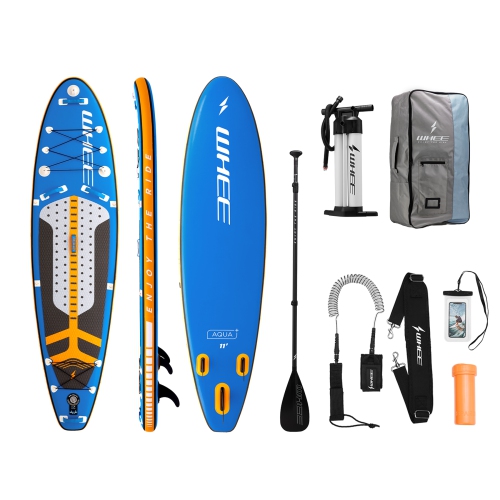
Ownership involves more than the packed boat, and the surrounding equipment affects both convenience and readiness at the launch. A compatible pump, the correct valve adapters, and a pressure gauge make inflation more predictable; pump suitability depends on both the required pressure and the volume of air involved. Valve access and a clear inflation sequence can simplify setup when the kayak is laid out beside a launch. Paddle length should suit the paddler’s height, the kayak’s width, and the seating position, while a paddle that breaks into sections is easier to pack alongside the deflated hull. Package contents vary, so paddles, pumps, seats, fins, carry bags, and repair supplies should not be assumed to be included together. Before every outing, properly fitted, Transport Canada-approved lifejackets or personal flotation devices for everyone aboard are essential, along with the other safety equipment required for the vessel and route. Children need appropriately sized flotation devices and attentive adult supervision; extra space in a tandem does not automatically mean it is rated for an additional passenger. For beginners, a sheltered launch with an easy return point offers a more manageable setting than a route involving current, boat traffic, or a distant landing. Care between outings helps preserve the kayak’s usefulness. Sand and grit around valves, seat fittings, and folds can cause wear, while dragging the underside over gravel or sharp edges can damage even reinforced fabric. Rinsing away dirt and salt, following the maker’s cleaning directions, and allowing chambers, covers, and seating areas to dry fully before packing help limit odours and mildew. Storage works best in a clean, dry place away from direct sunlight, sharp objects, and damaging heat sources, with folding and long-term storage handled according to the manufacturer’s directions. Periodic checks of seams, valves, attachment points, and pressure retention can reveal issues before the next launch. Repairs require materials and adhesives compatible with the hull, plus the specified curing time. As a gift, an inflatable kayak is best matched to the recipient’s paddling plans, transport space, lifting comfort, and preferred seating arrangement: the thoughtful choice is a boat that fits both the person and the places they intend to paddle.
Materials and construction influence how an inflatable kayak feels on the water, how much it weighs, and how it stands up to repeated outings. Lightweight vinyl construction can suit occasional recreational use within the boat’s intended limits, while reinforced PVC and other coated fabrics are used in designs built for greater abrasion resistance. Fabric layers, protective outer covers, seam construction, and reinforcement around the underside all contribute to durability; a material name by itself does not tell the whole story. Drop-stitch construction uses many internal threads to connect opposing surfaces, allowing designated chambers to hold their shape at higher pressures than conventional low-pressure chambers. When used in a floor or hull panel, it can create a firmer platform and reduce flex, but it does not make a kayak puncture-proof. Each chamber has its own specified pressure, and a high-pressure floor does not mean that the side tubes should be inflated to the same level. Multiple independent air chambers provide a measure of redundancy if one loses air, without replacing sound maintenance or proper safety equipment. On the water, a removable skeg or tracking fin can help a kayak hold a straighter course, especially during steady forward paddling. Fin depth also affects clearance near shallow launches, so attachment style and removal requirements are worth noting. Seating details can be equally important: adjustable backrests, supportive seat bases, and usable footrests help paddlers maintain a comfortable position without sliding around the cockpit. An open seating area offers easy access to gear, while a more enclosed design may provide additional splash protection. Self-bailing openings are intended to let water drain in suitable applications, though their operation and whether they can be closed vary by design. Storage areas, attachment loops, handles, and paddle holders add convenience when they are well positioned. Fishing-oriented features may suit someone carrying tackle, whereas an uncluttered deck may better suit a paddler who wants room for a small dry bag and little else. These details are most useful when matched to the intended outing rather than treated as interchangeable extras.
Ownership involves more than the packed boat, and the surrounding equipment affects both convenience and readiness at the launch. A compatible pump, the correct valve adapters, and a pressure gauge make inflation more predictable; pump suitability depends on both the required pressure and the volume of air involved. Valve access and a clear inflation sequence can simplify setup when the kayak is laid out beside a launch. Paddle length should suit the paddler’s height, the kayak’s width, and the seating position, while a paddle that breaks into sections is easier to pack alongside the deflated hull. Package contents vary, so paddles, pumps, seats, fins, carry bags, and repair supplies should not be assumed to be included together. Before every outing, properly fitted, Transport Canada-approved lifejackets or personal flotation devices for everyone aboard are essential, along with the other safety equipment required for the vessel and route. Children need appropriately sized flotation devices and attentive adult supervision; extra space in a tandem does not automatically mean it is rated for an additional passenger. For beginners, a sheltered launch with an easy return point offers a more manageable setting than a route involving current, boat traffic, or a distant landing. Care between outings helps preserve the kayak’s usefulness. Sand and grit around valves, seat fittings, and folds can cause wear, while dragging the underside over gravel or sharp edges can damage even reinforced fabric. Rinsing away dirt and salt, following the maker’s cleaning directions, and allowing chambers, covers, and seating areas to dry fully before packing help limit odours and mildew. Storage works best in a clean, dry place away from direct sunlight, sharp objects, and damaging heat sources, with folding and long-term storage handled according to the manufacturer’s directions. Periodic checks of seams, valves, attachment points, and pressure retention can reveal issues before the next launch. Repairs require materials and adhesives compatible with the hull, plus the specified curing time. As a gift, an inflatable kayak is best matched to the recipient’s paddling plans, transport space, lifting comfort, and preferred seating arrangement: the thoughtful choice is a boat that fits both the person and the places they intend to paddle.
Top selling and popular products
-
 Your price for this item is $259.99
 -
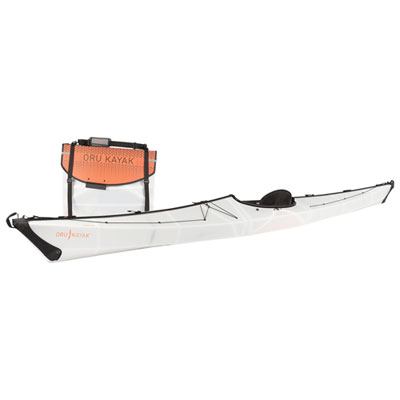 Your price for this item is $2647.99
 -
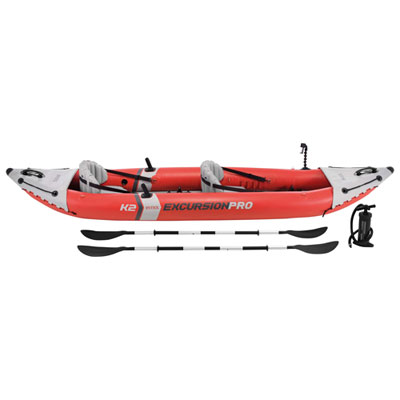 Your price for this item is $331.98
 -
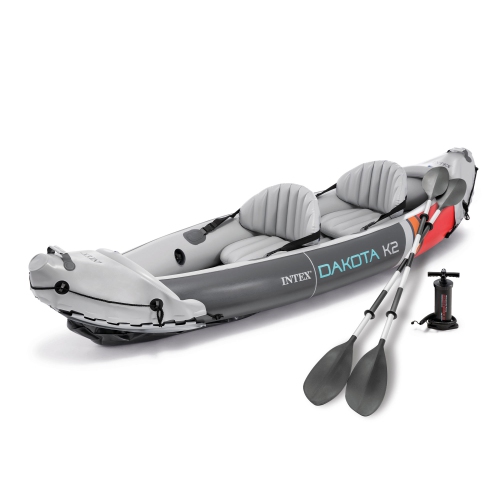 Your price for this item is $463.99
 -
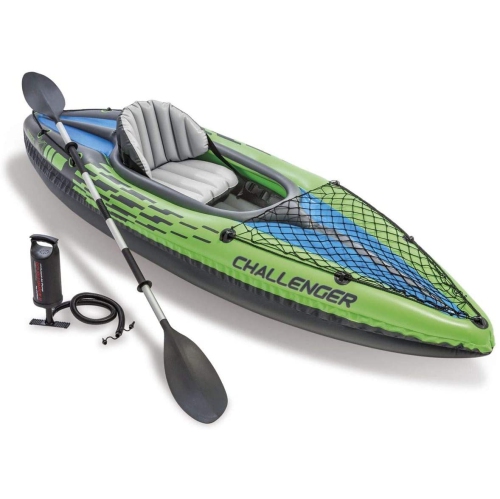 Your price for this item is $219.99
 -
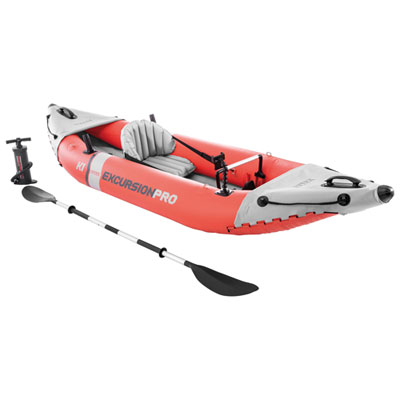 Your price for this item is $235.98
 -
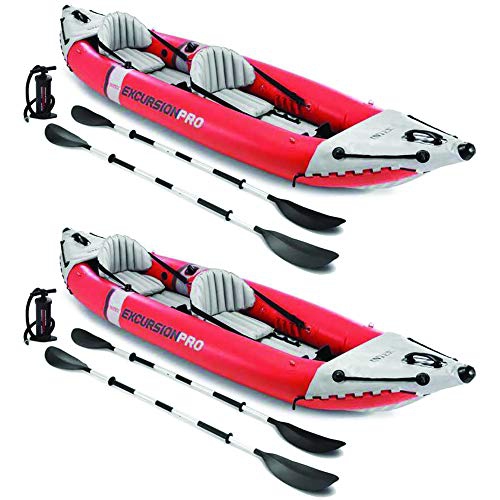 Your price for this item is $1454.99
 -
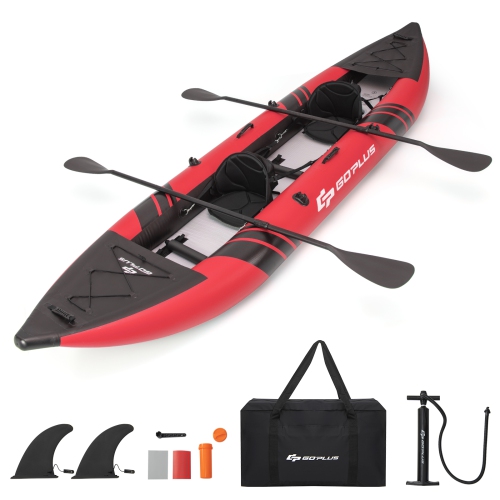 Your price for this item is $393.99
Discover more categories related to Inflatable Kayak
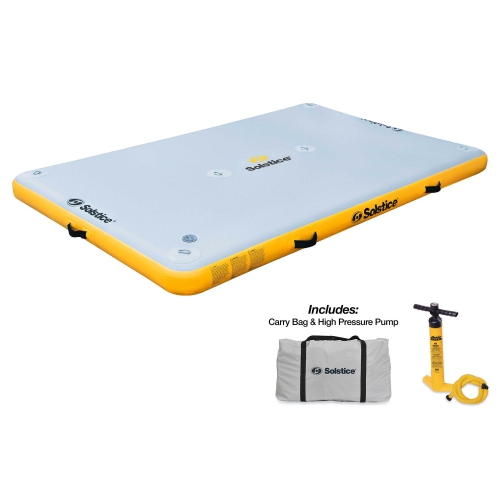

Top Collections:
Pokemon Centers, Kindle Devices, Apple iPhones 16, Samsung Galaxy Phones, Canon G7X Cameras, iPhone 15 Apple, Flip Phones, Apple Wired Earphones, Best Budget Office Chairs, Refurbished Apple Laptops
Some products may be subject to Environmental Handling Fees
(EHF) depending on your province.
Learn more about EHFs.