Inflatable Watercraft
Watercraft are a great way to have fun in the water. They are also a great way to exercise and stay in shape. Watercraft can be used for swimming, tubing, or even just riding around. You can even use them to explore new places. Here are some of our favorites.
Sort
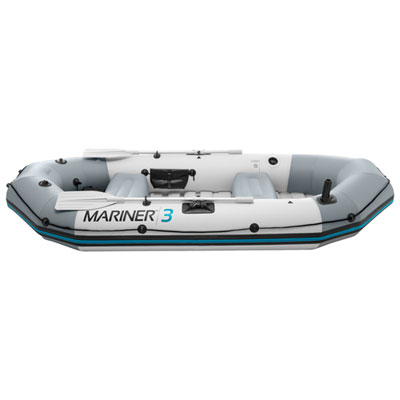
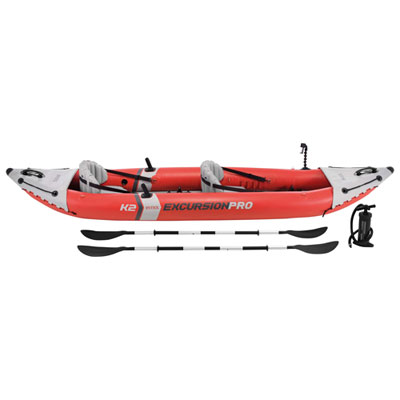
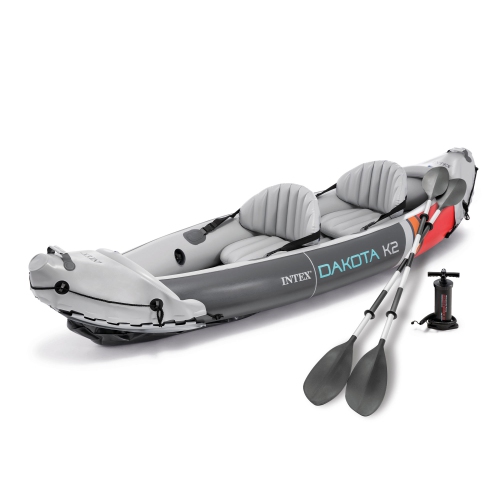
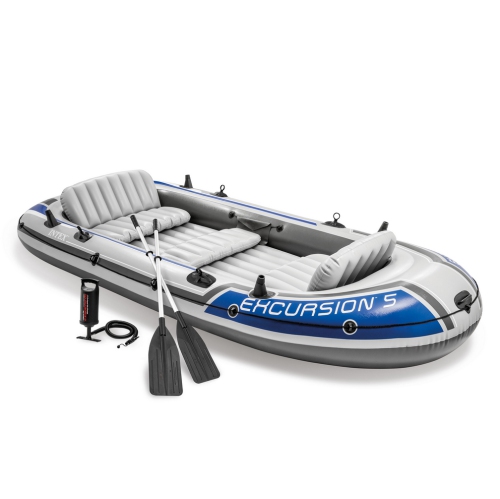
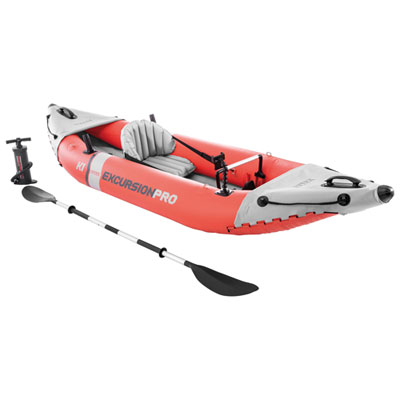
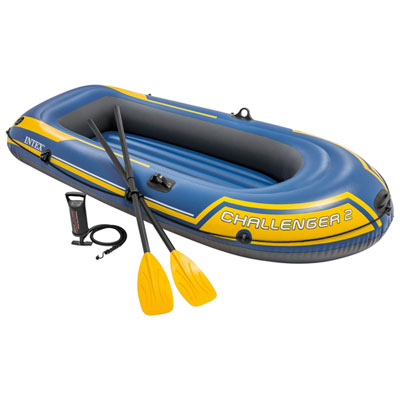
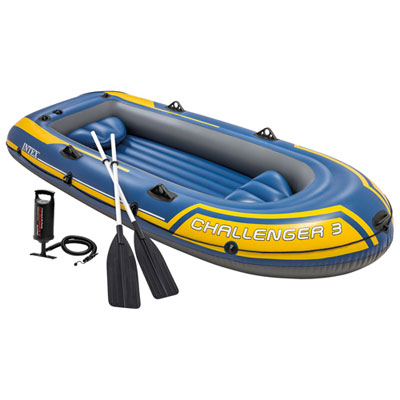
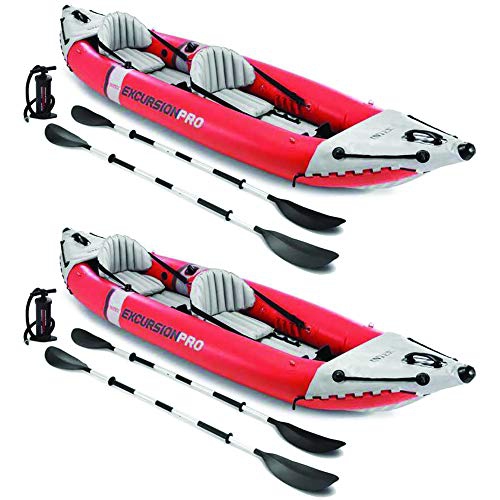
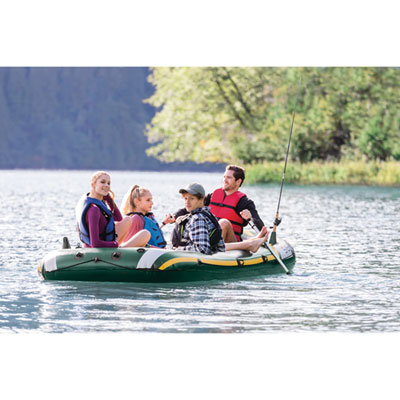
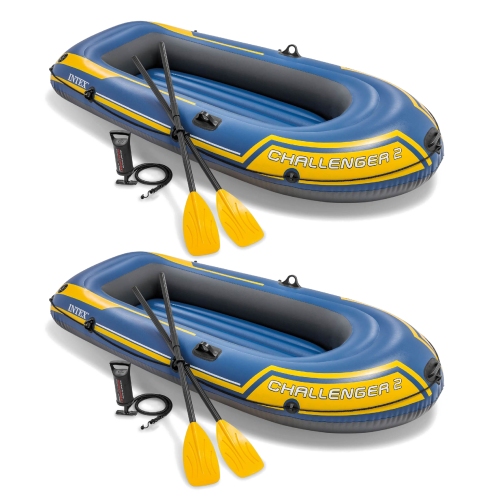
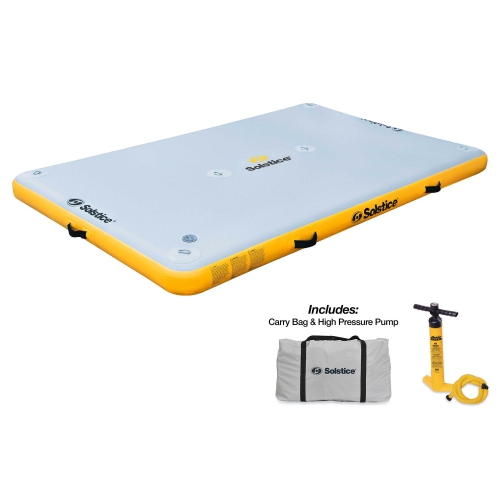
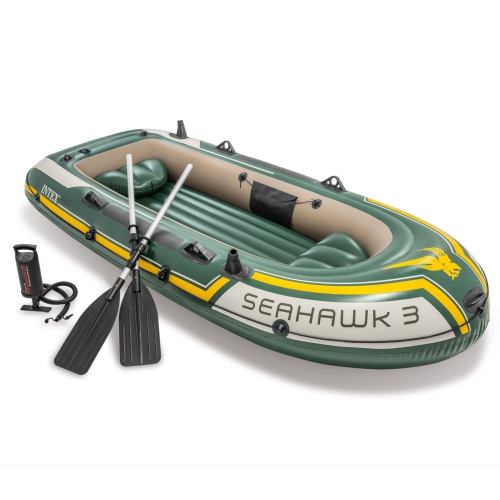
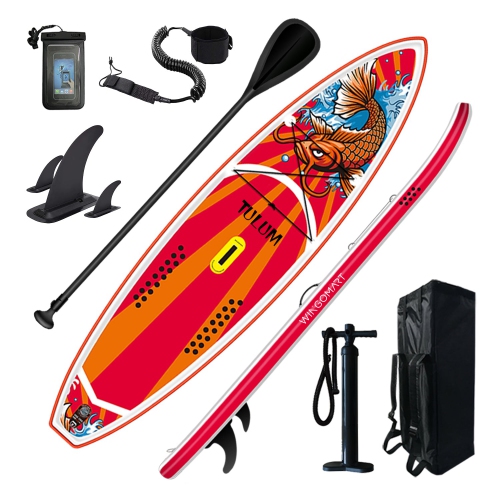
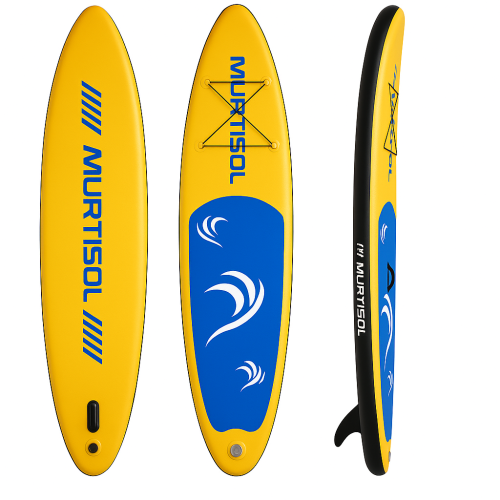

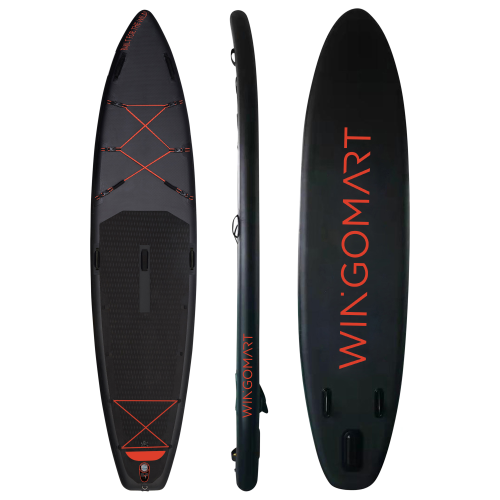
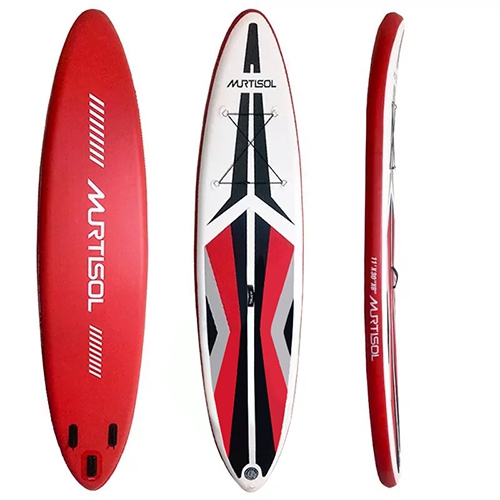
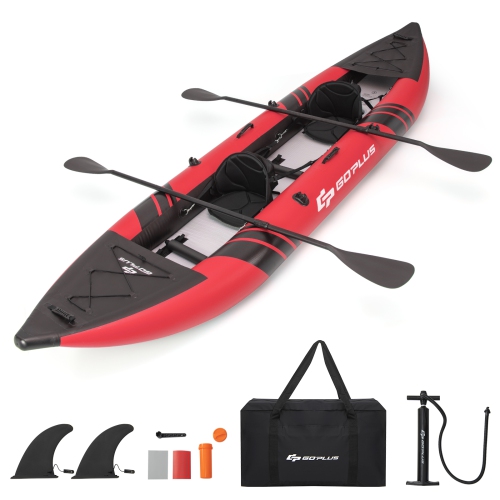
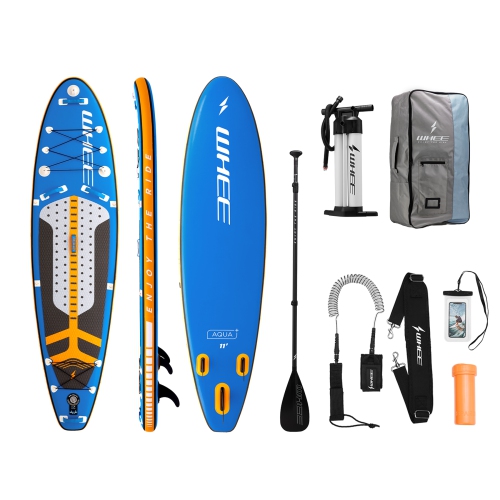
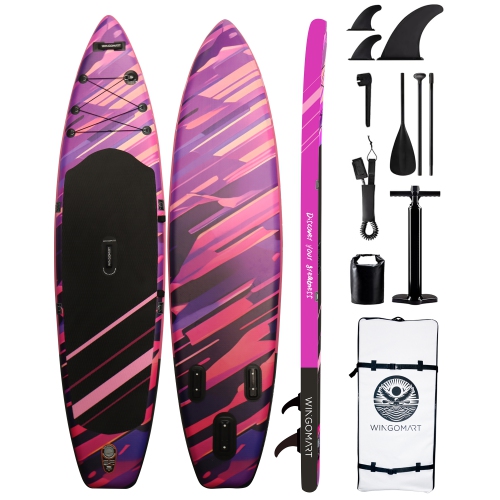
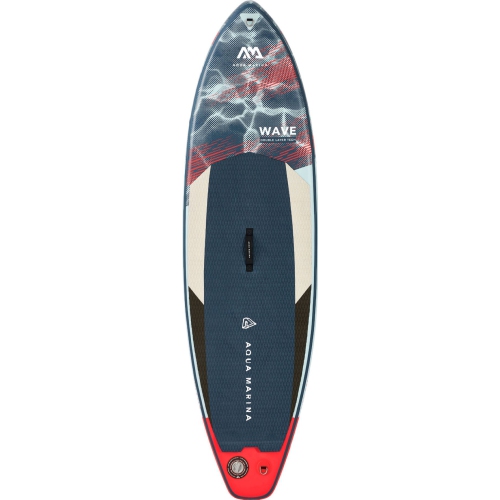
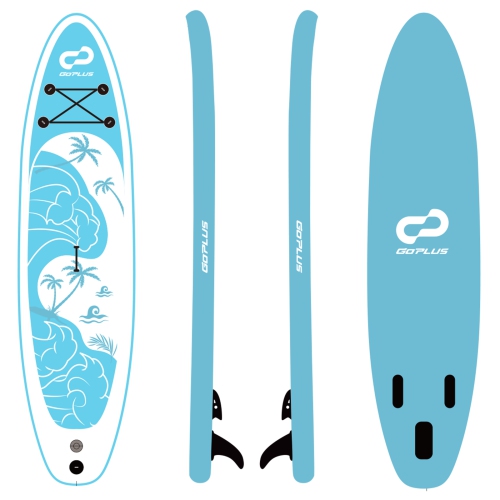
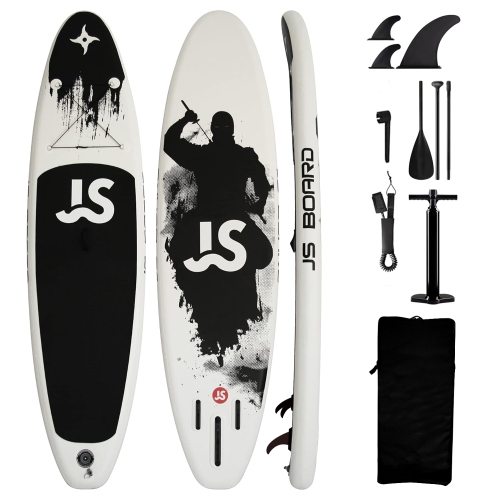
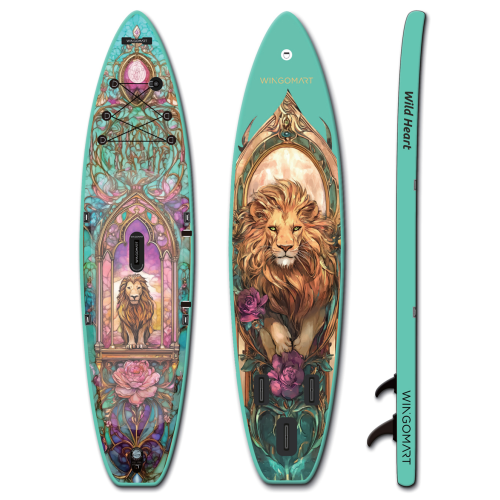
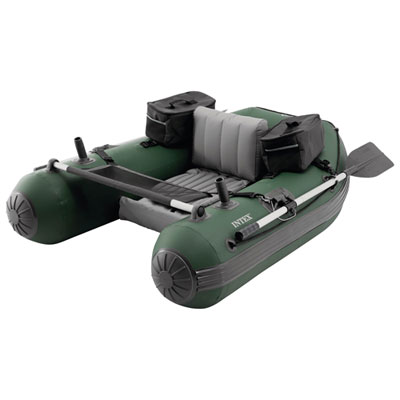
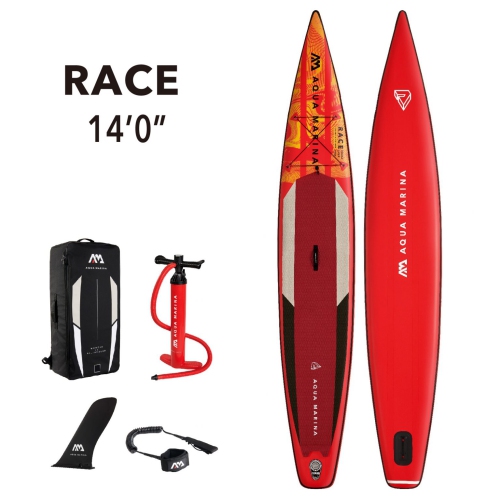
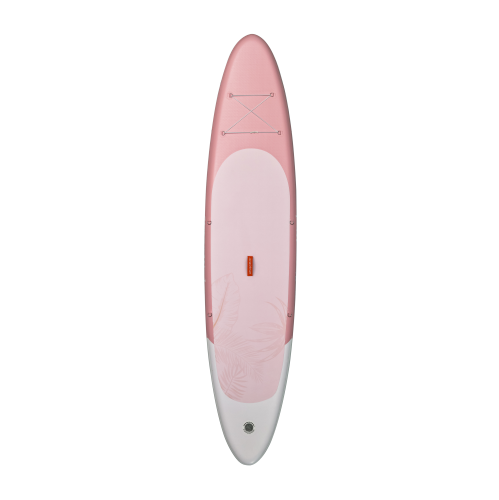
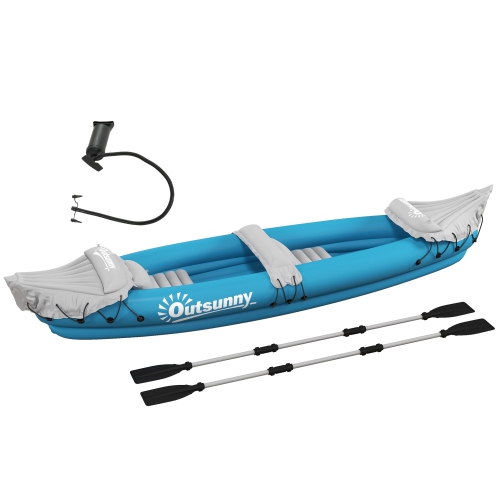
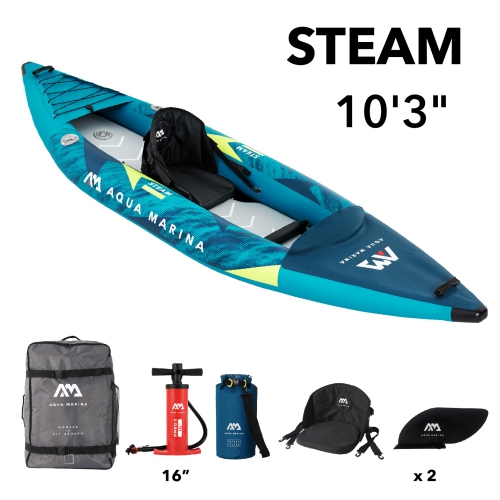
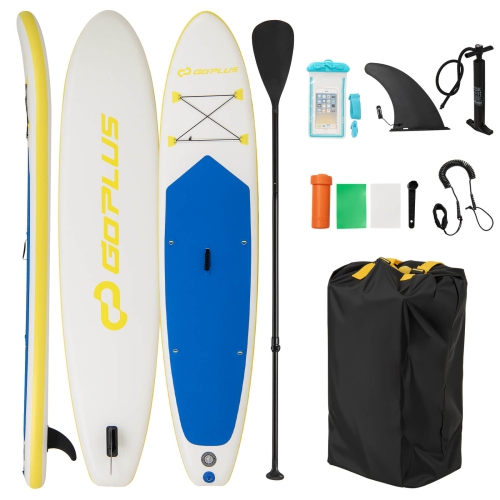
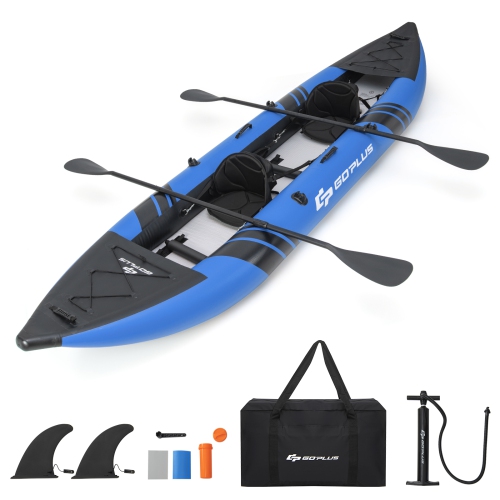
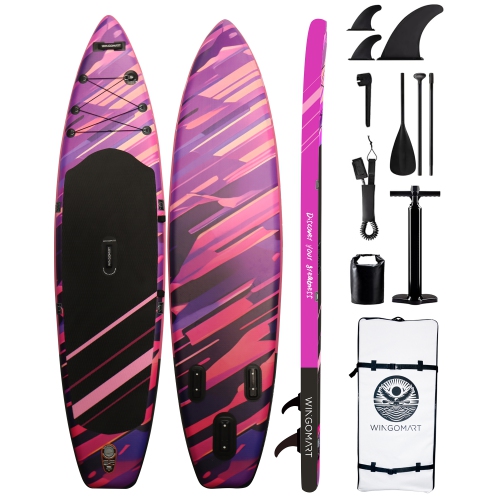
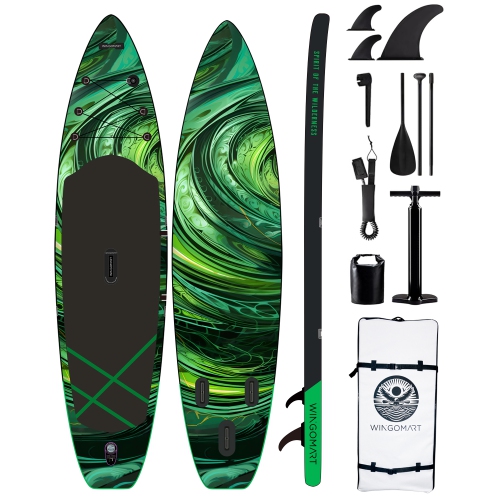
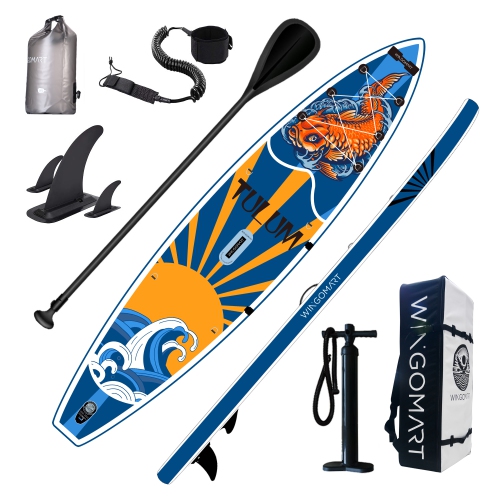
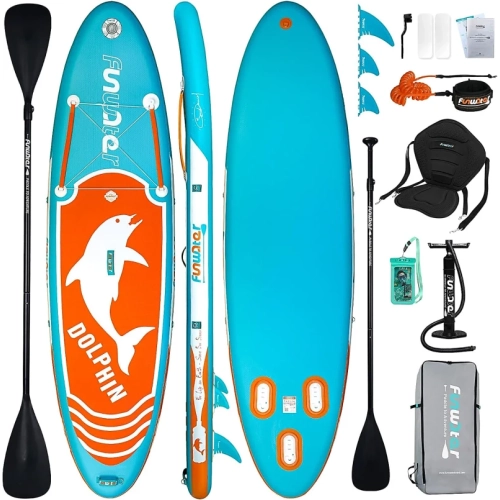
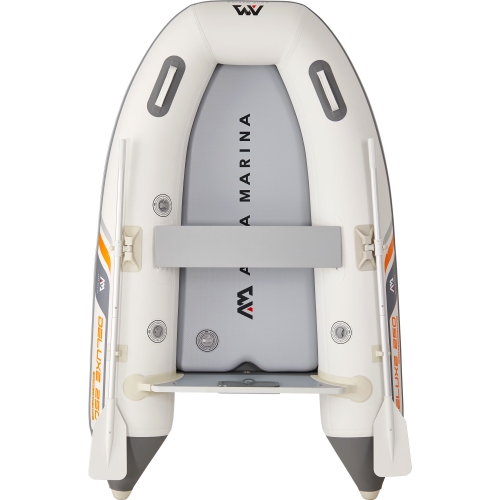
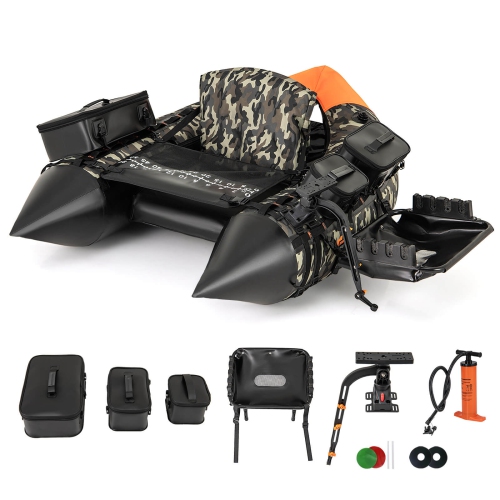
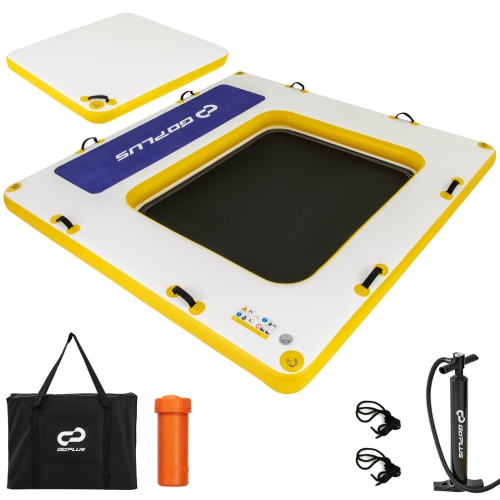
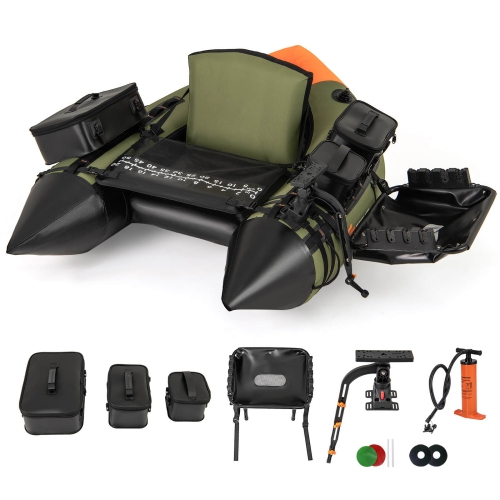
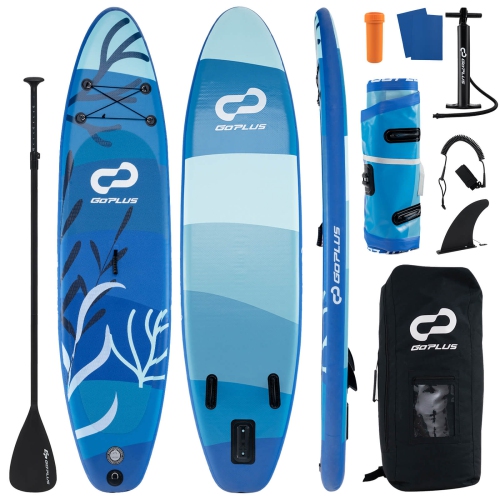
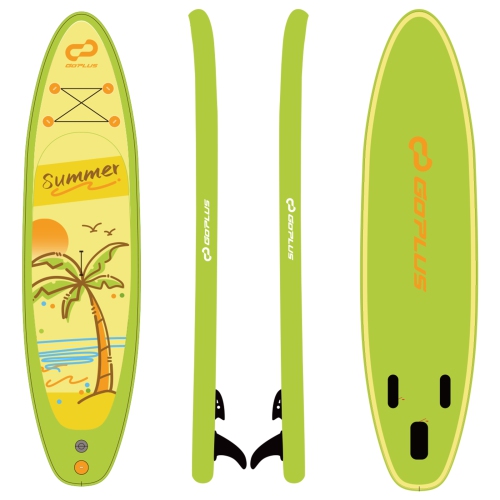
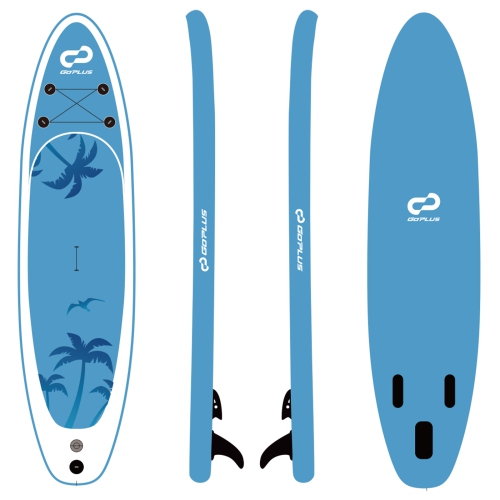
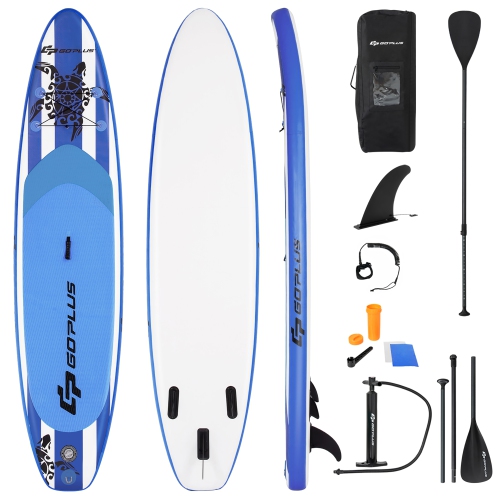
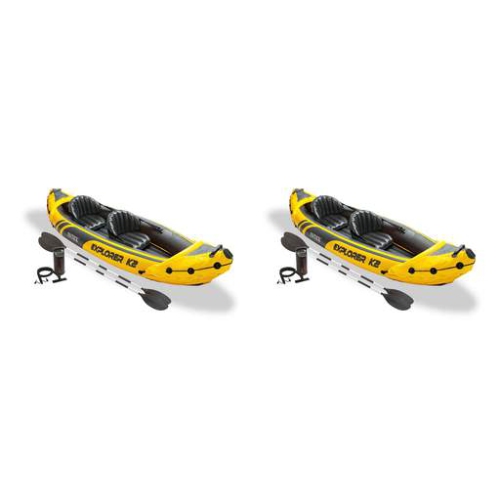
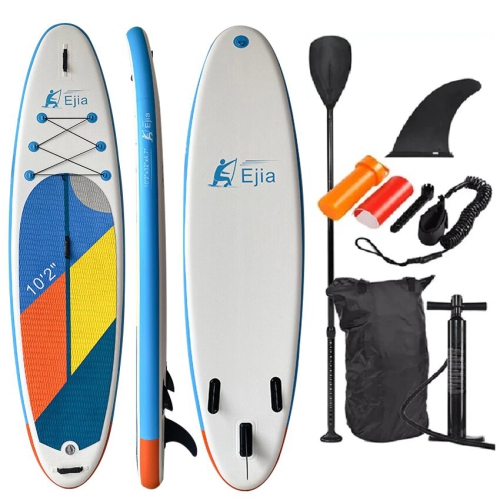
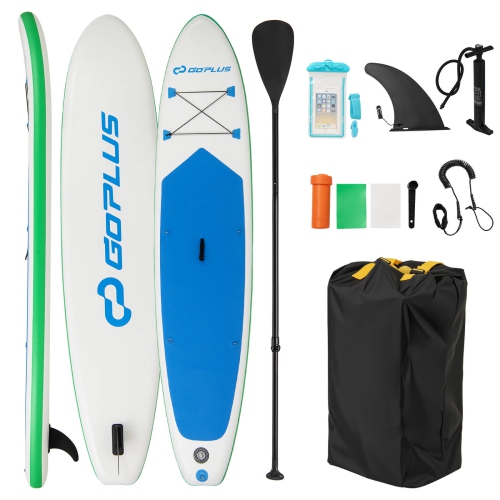
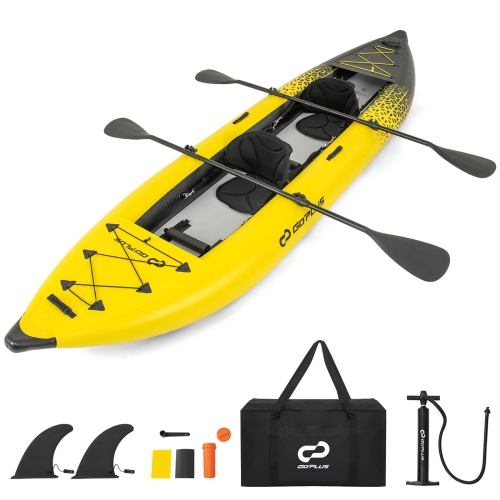
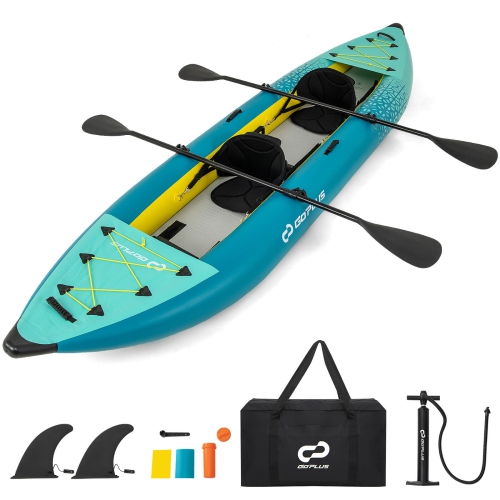
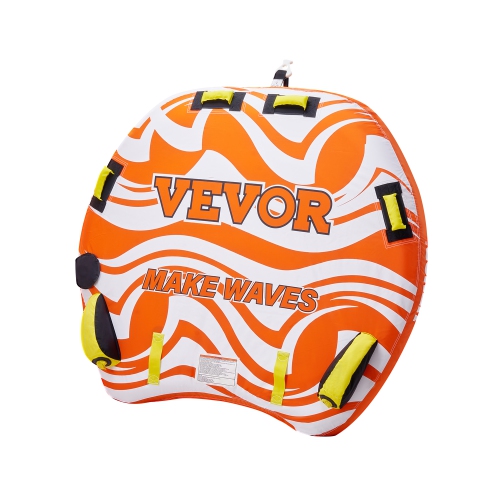
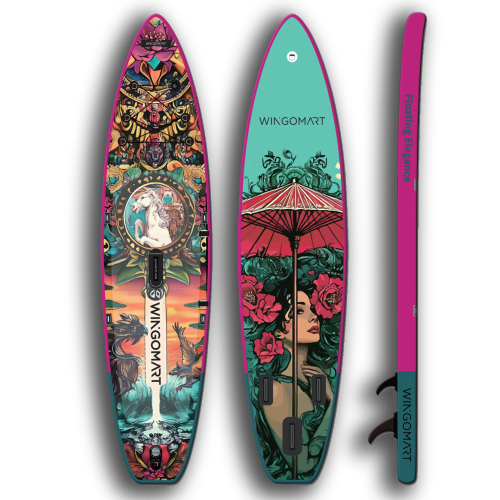
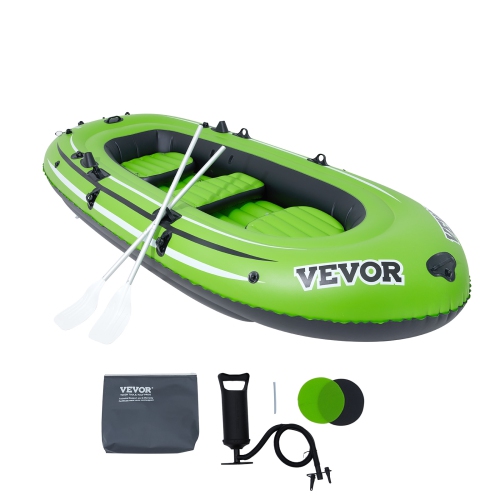
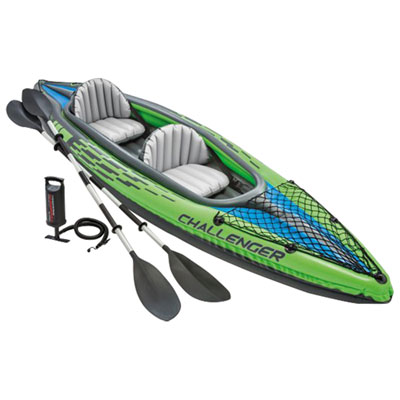
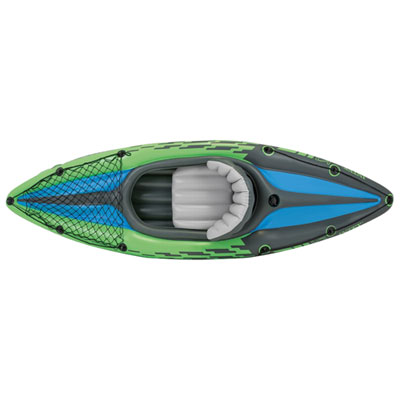
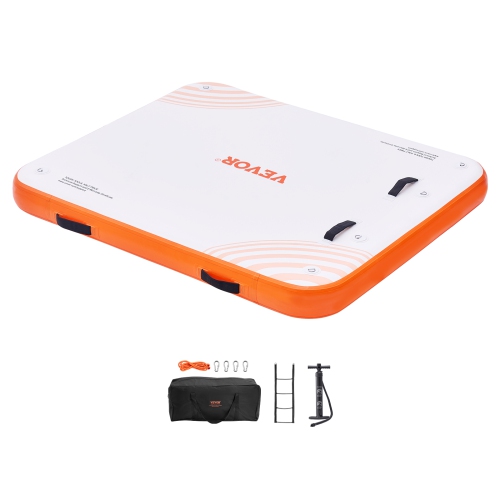
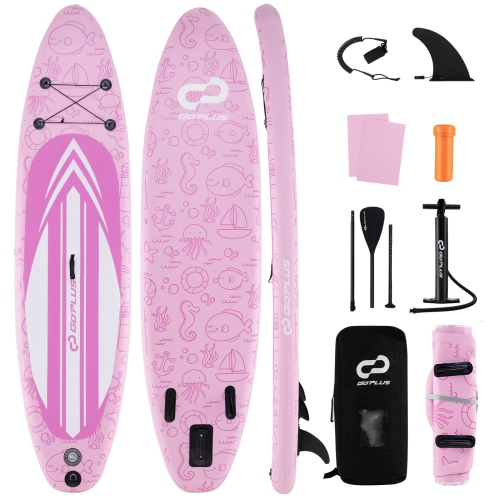
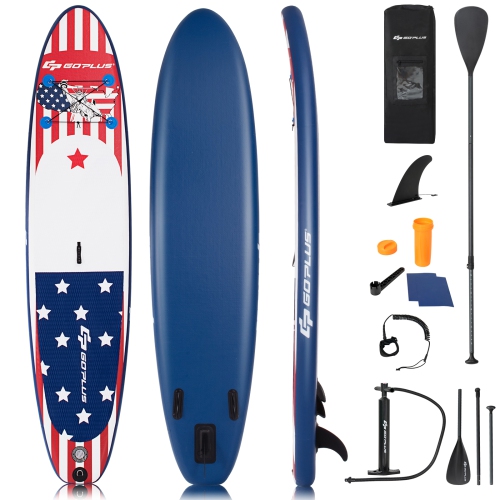
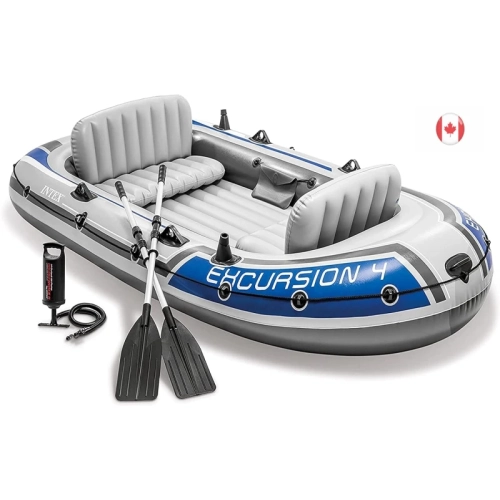

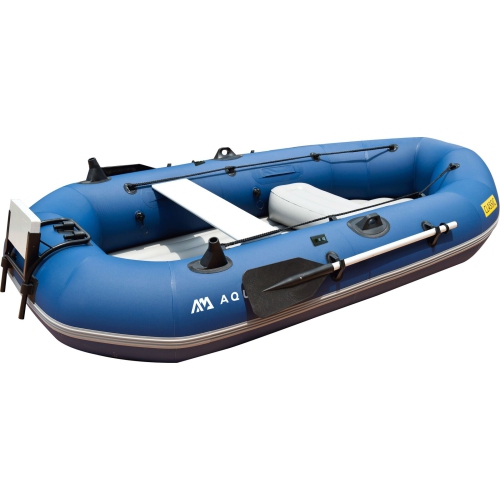
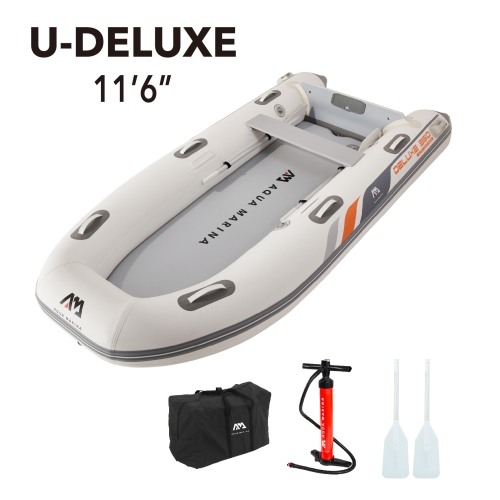
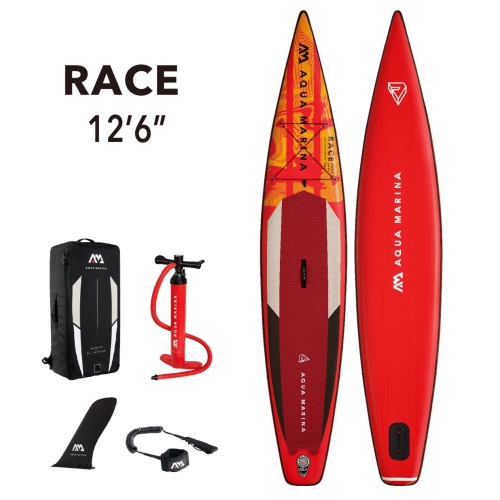
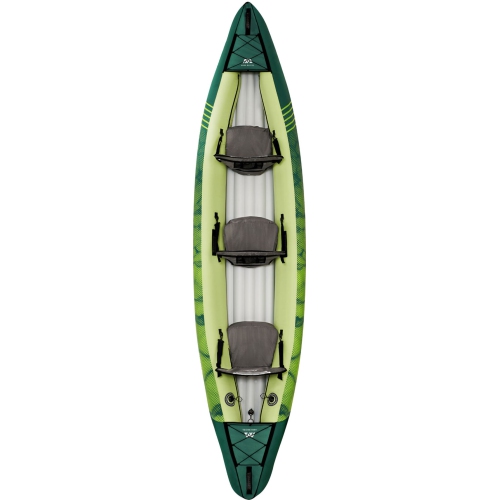
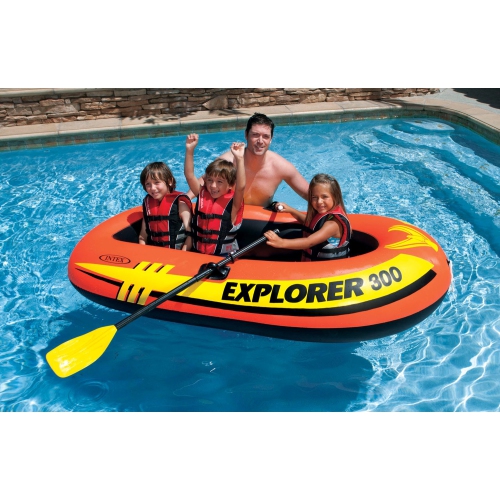
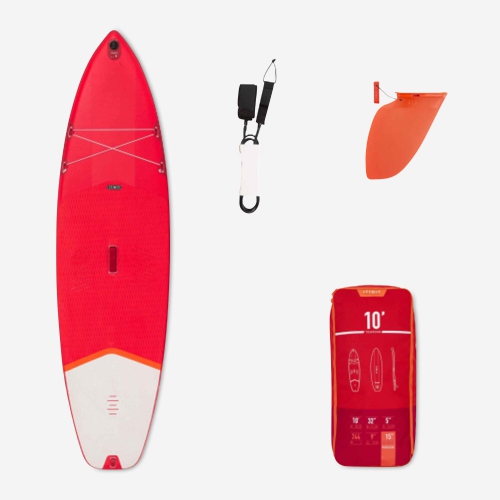
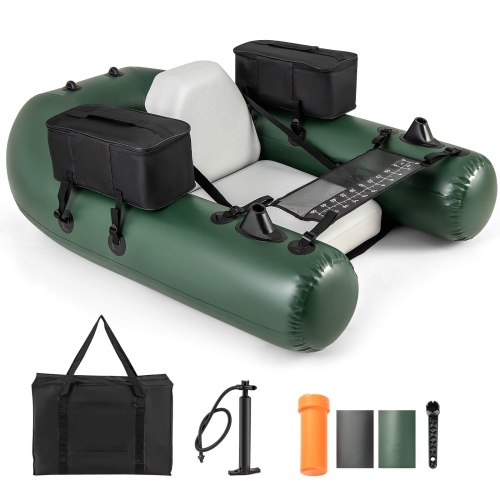
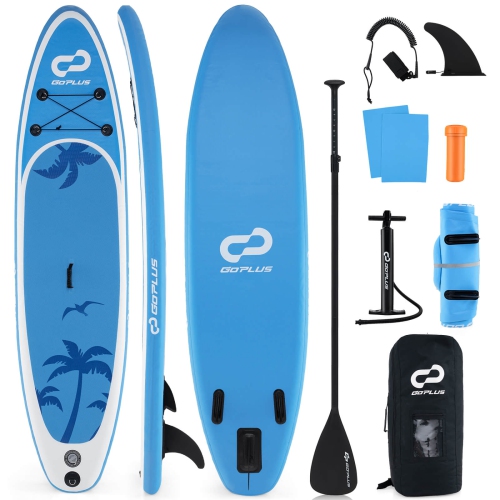
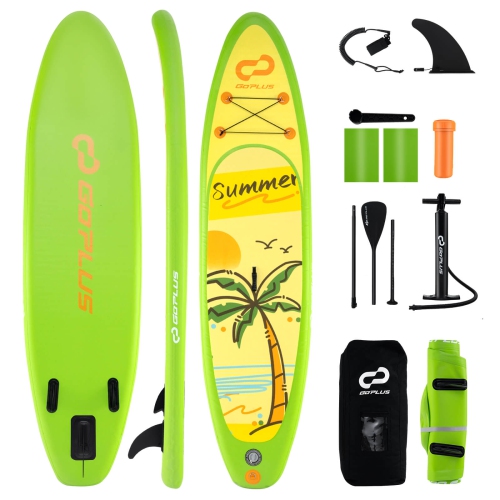
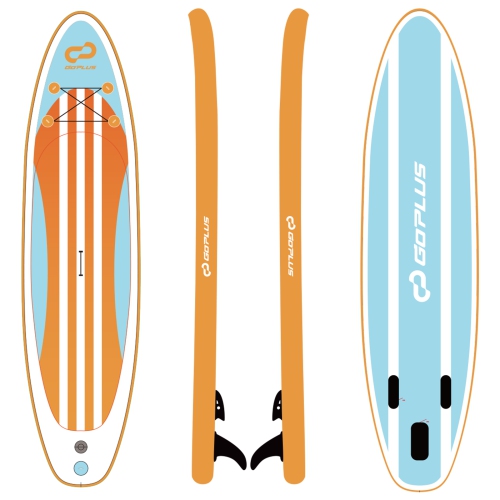

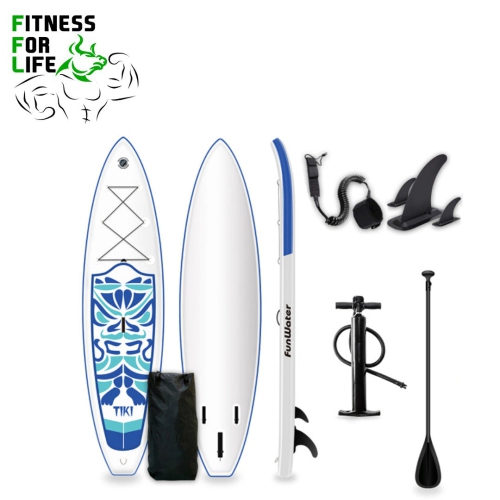
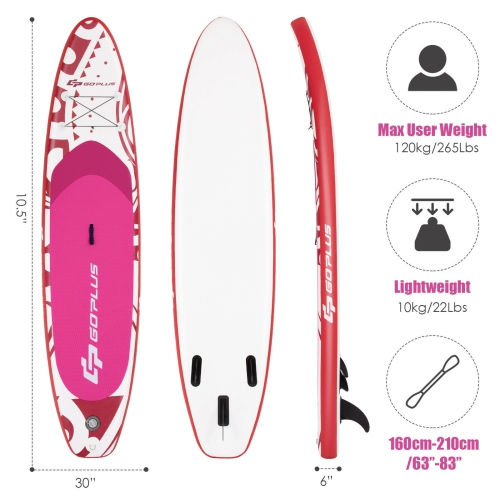
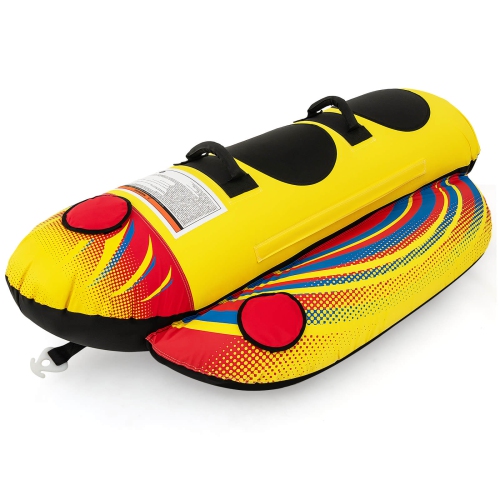
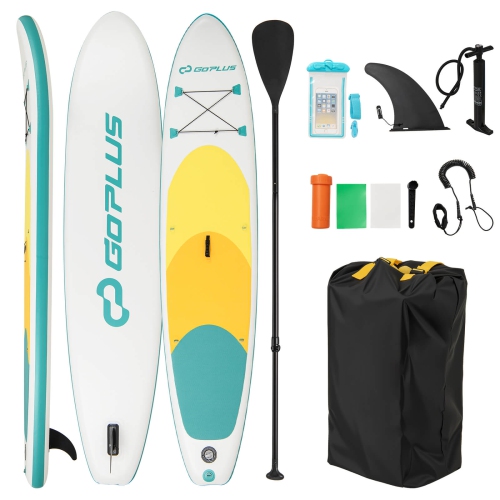
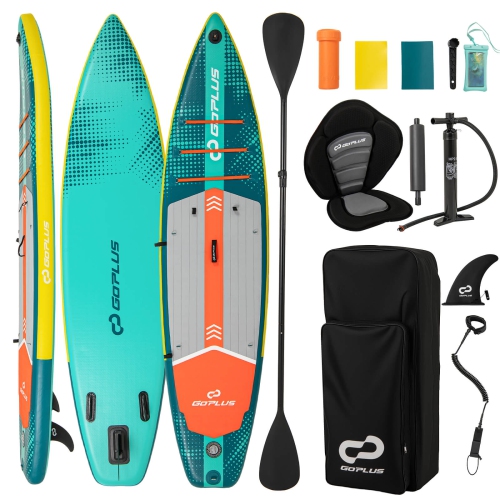
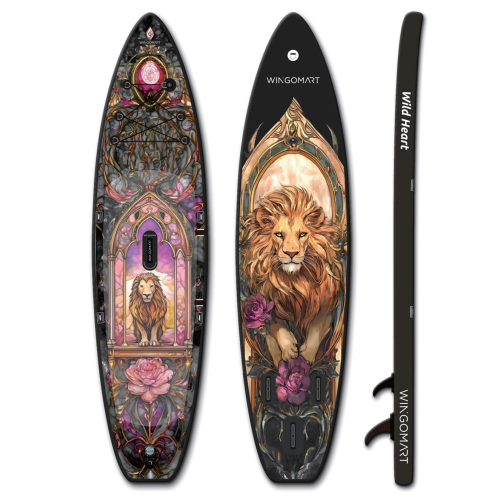
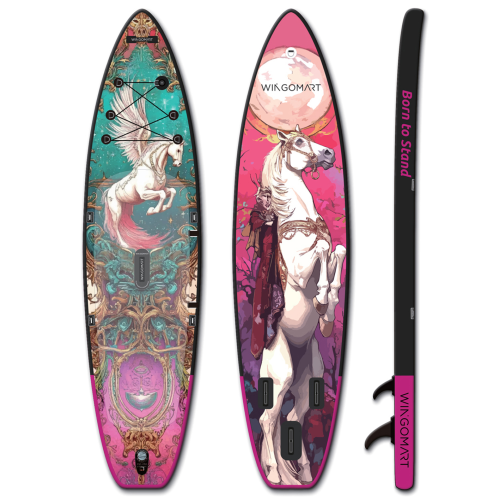
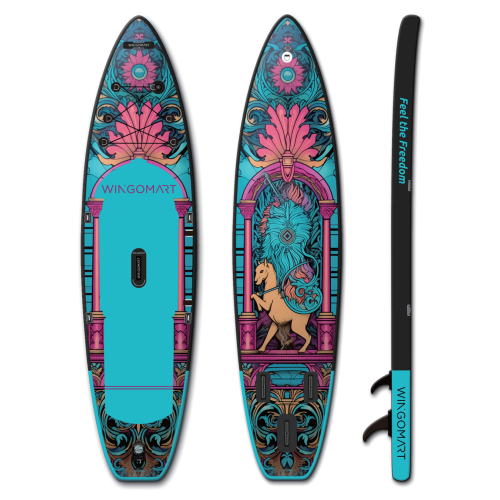
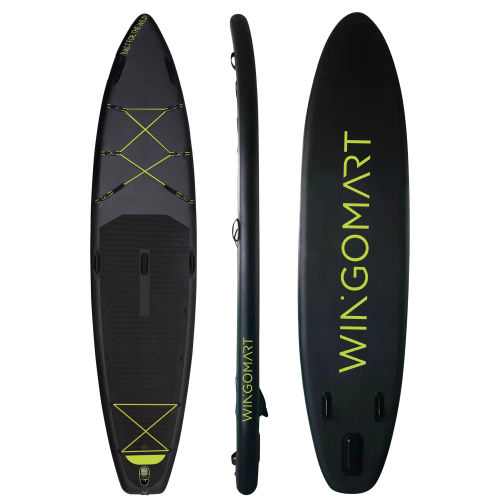
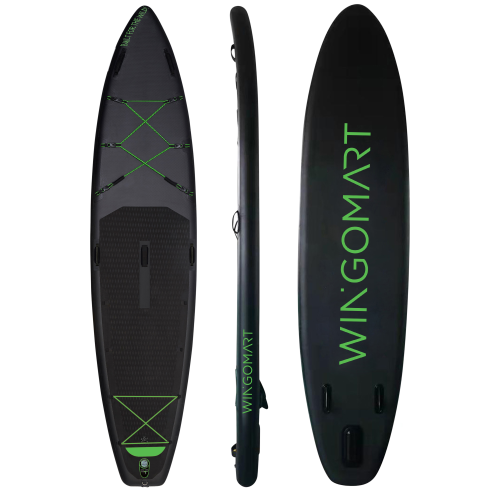
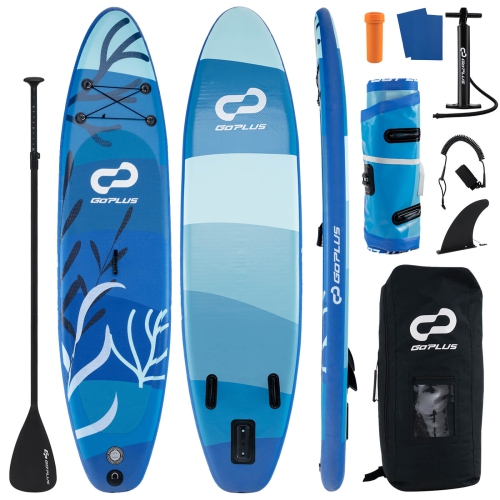
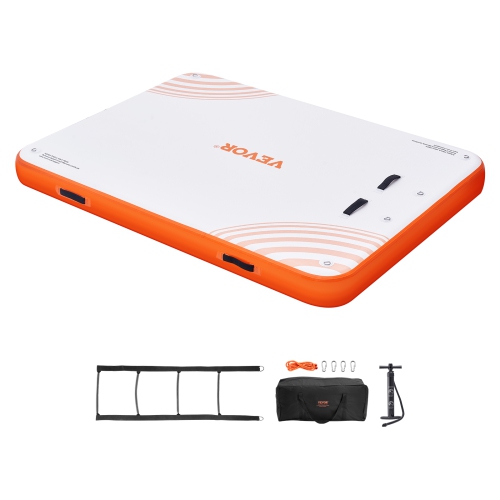
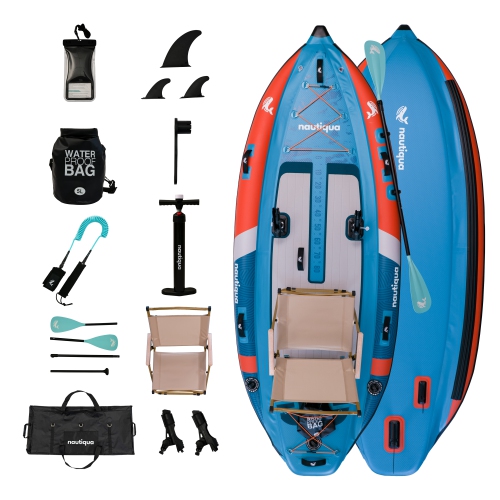
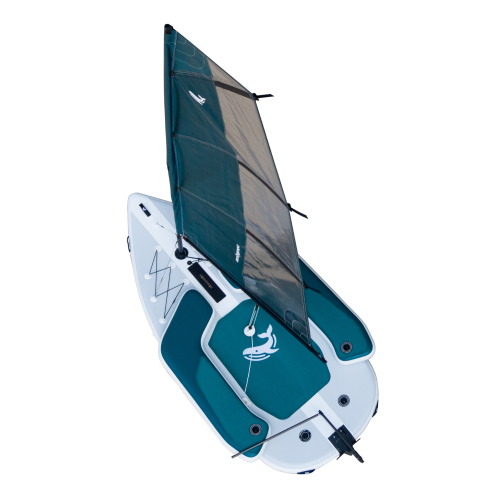
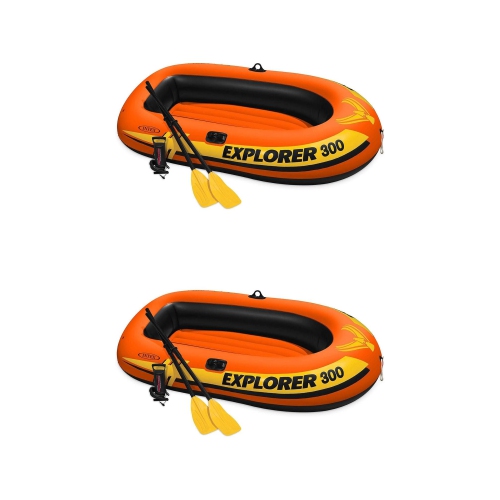
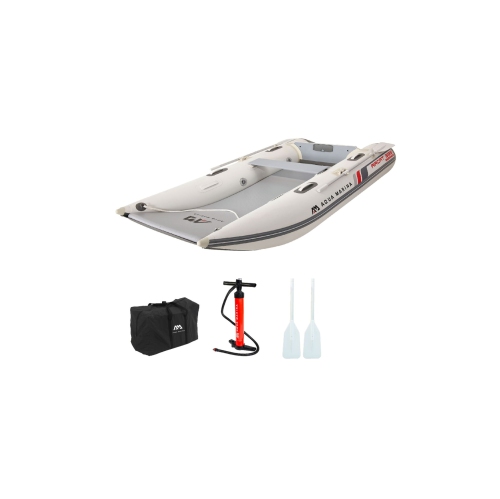
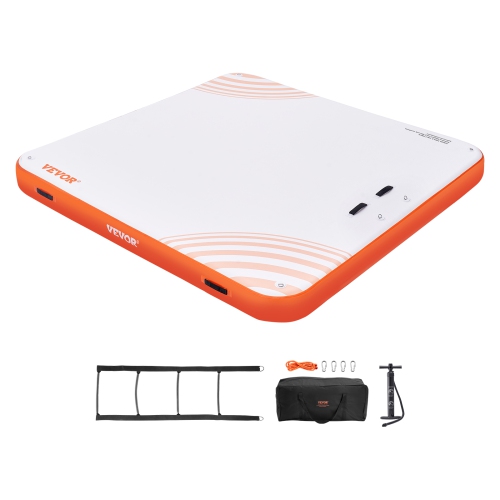
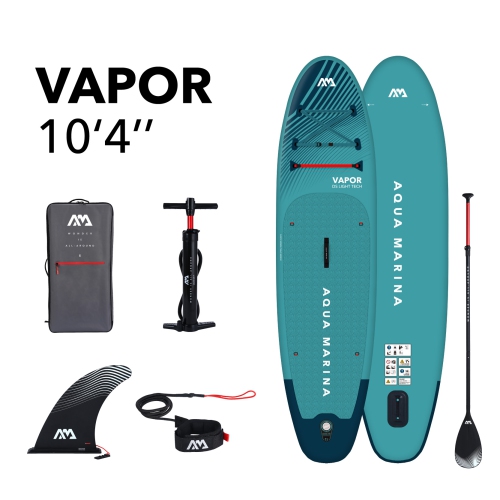

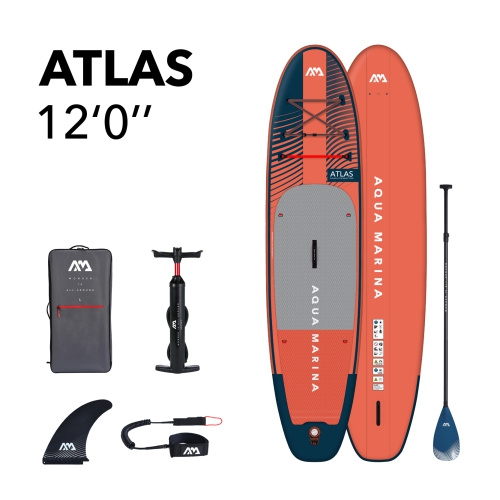
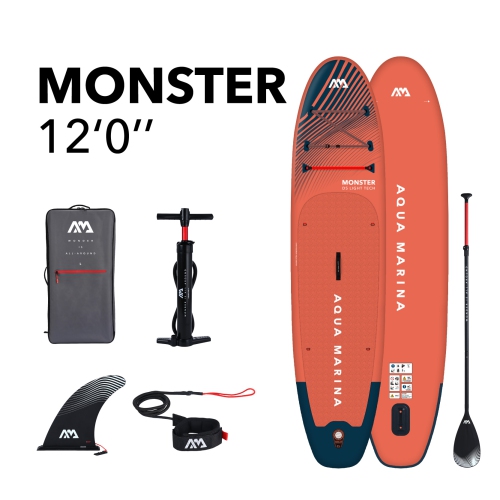
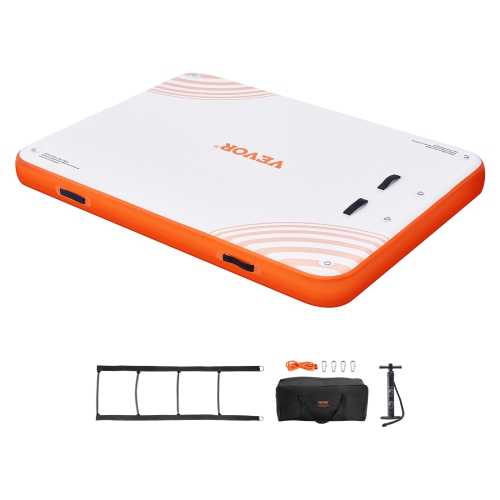
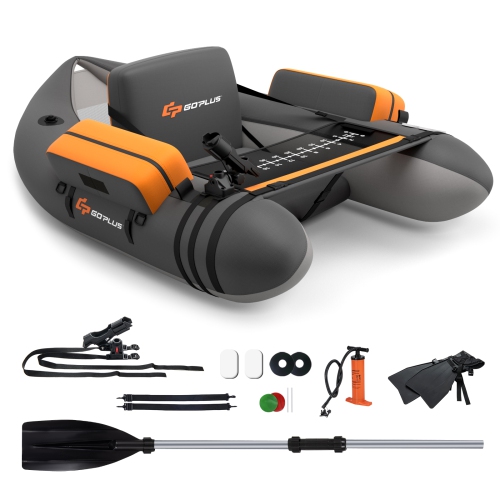
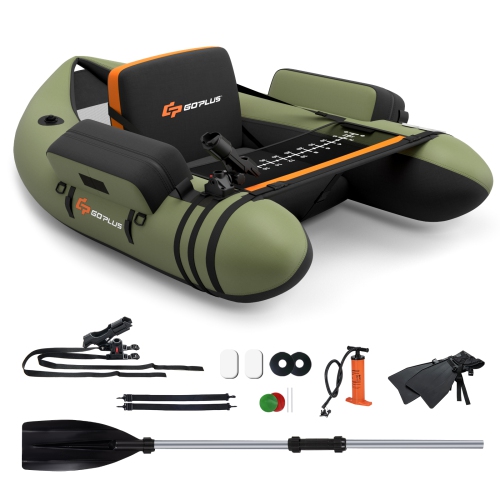
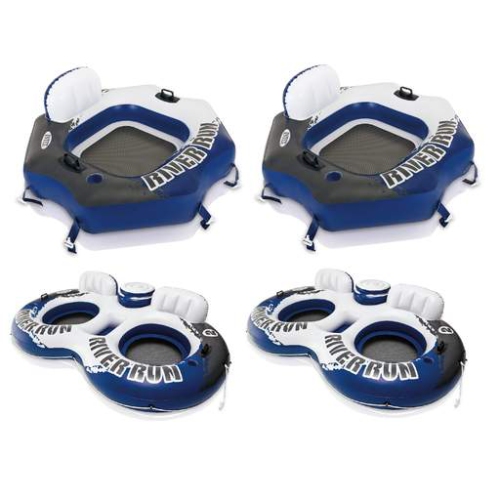
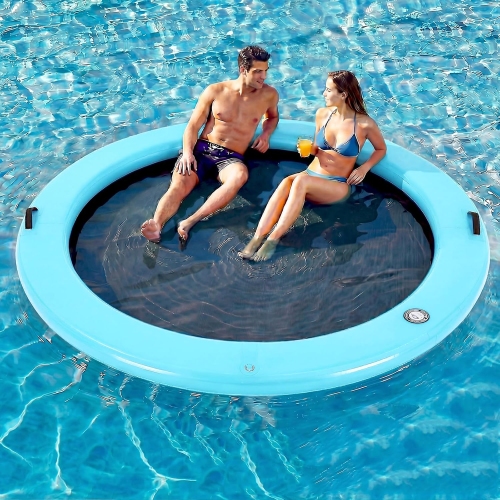
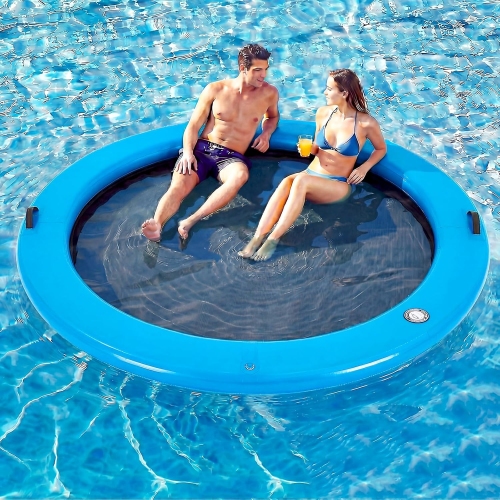
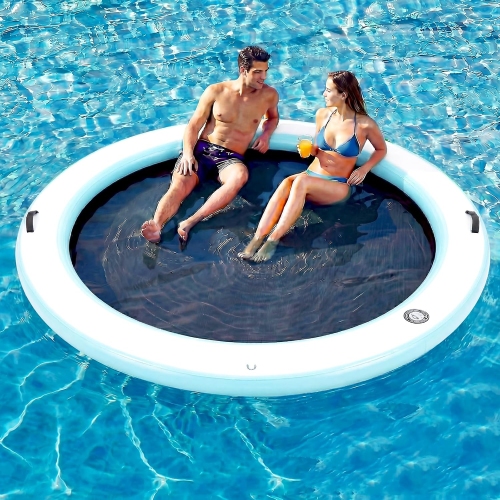
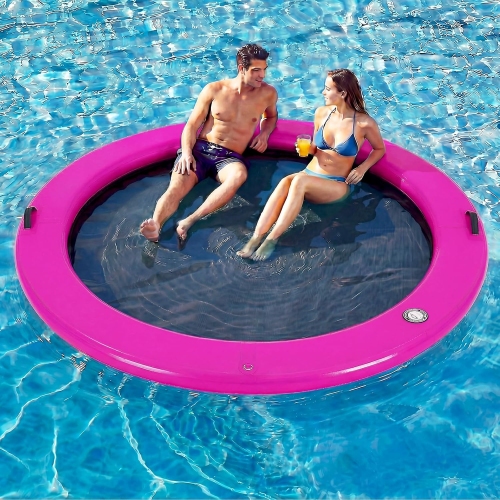
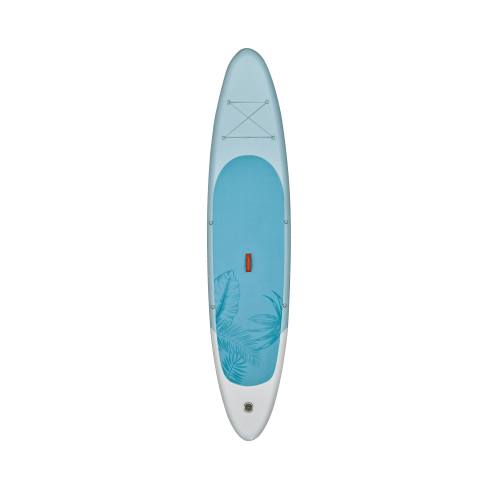
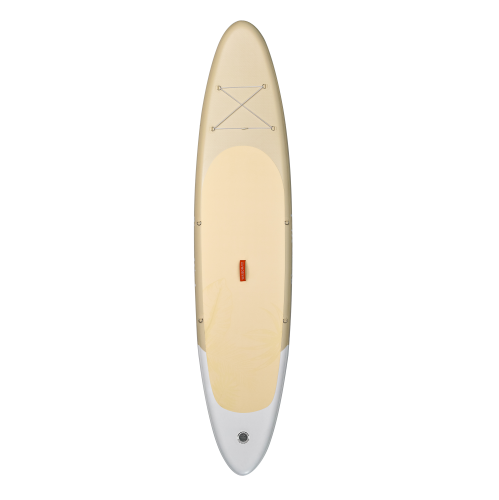
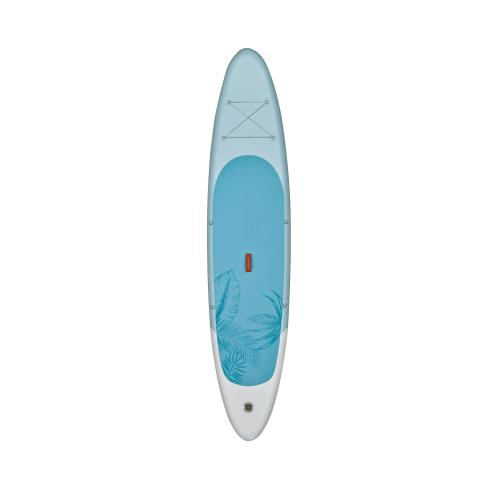
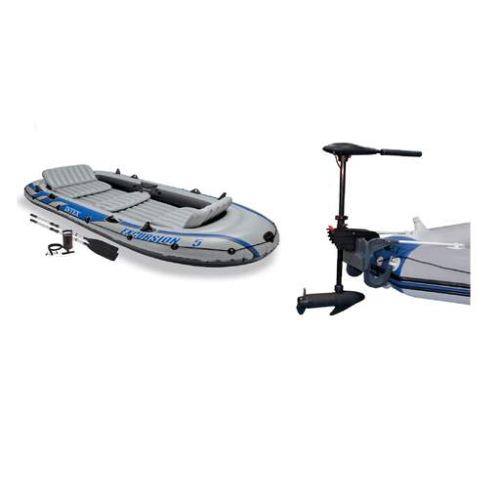
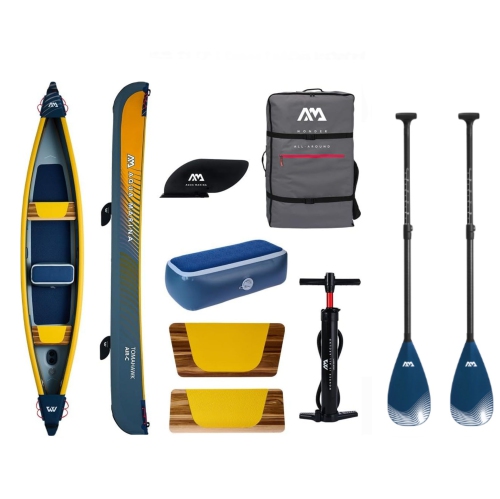
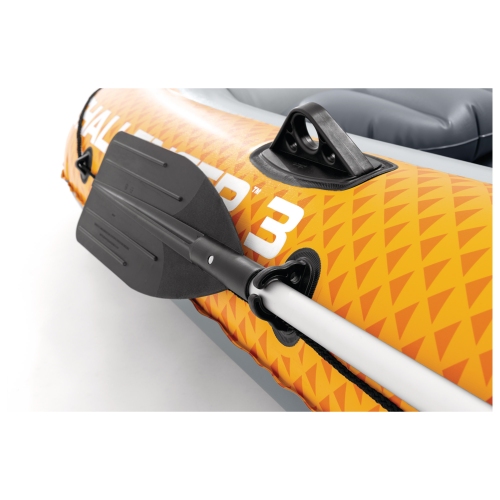
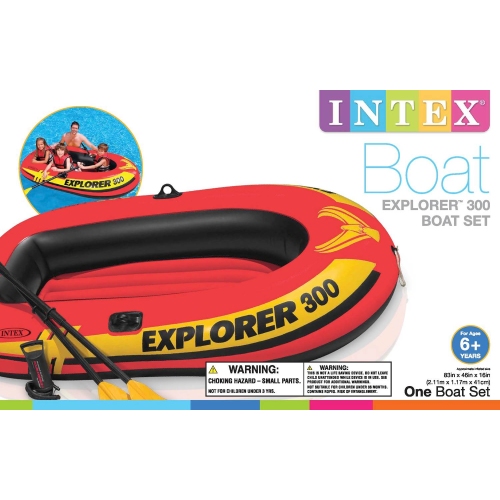
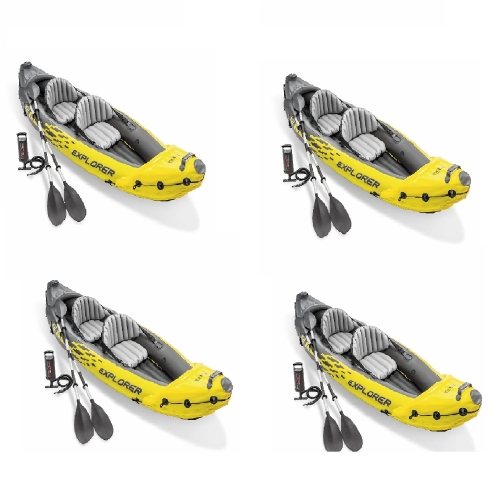
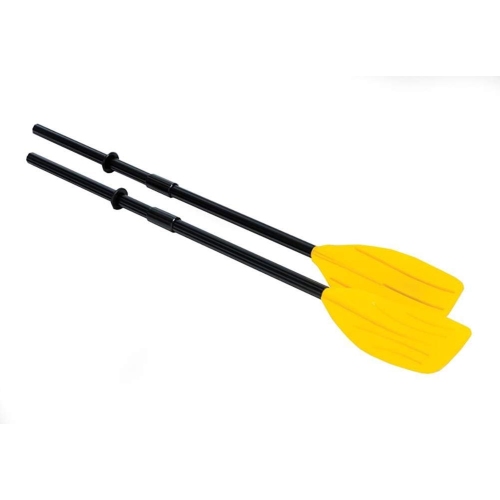
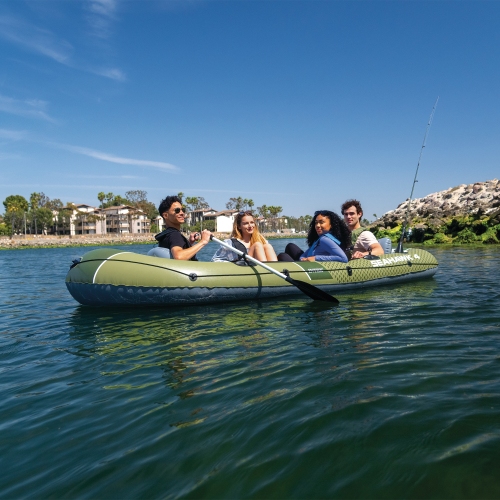
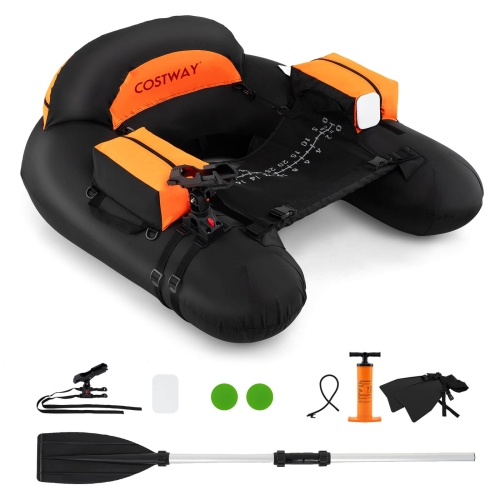
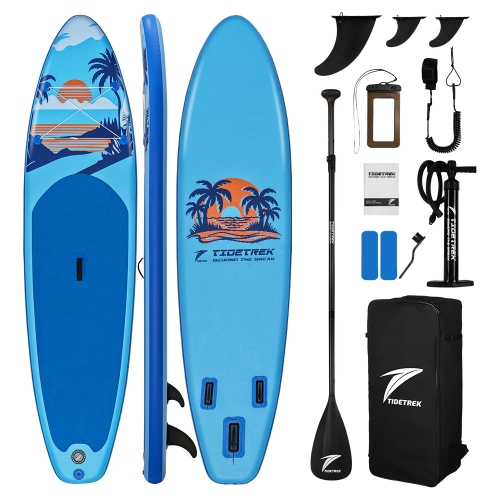
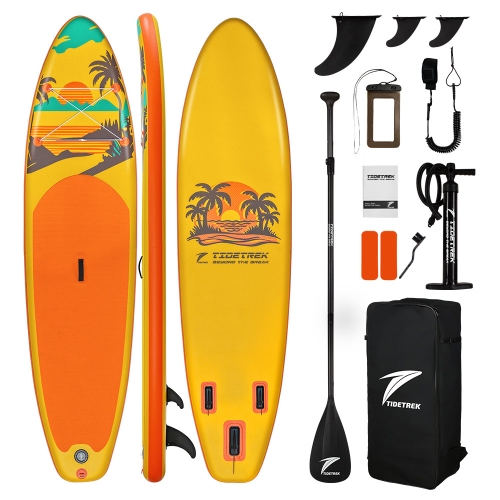
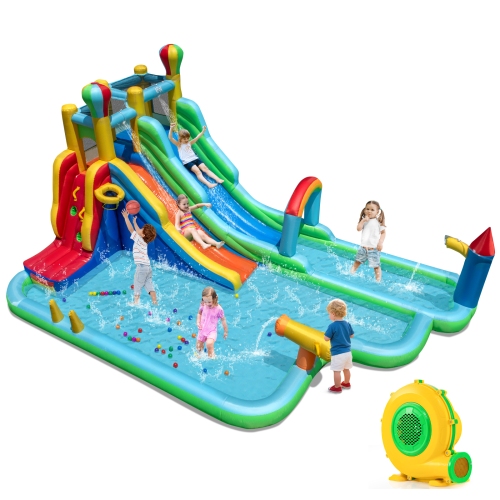
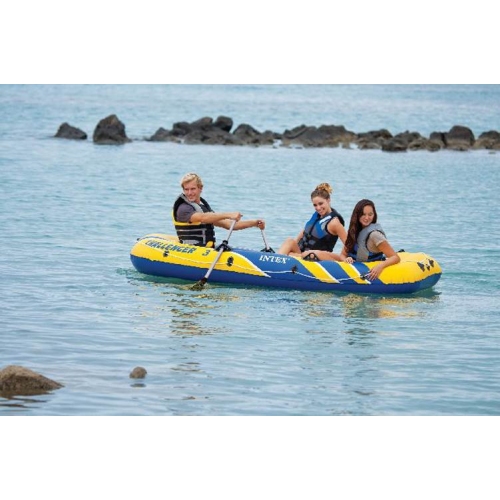
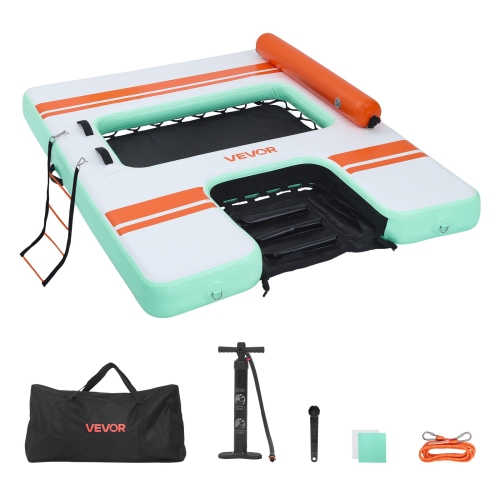
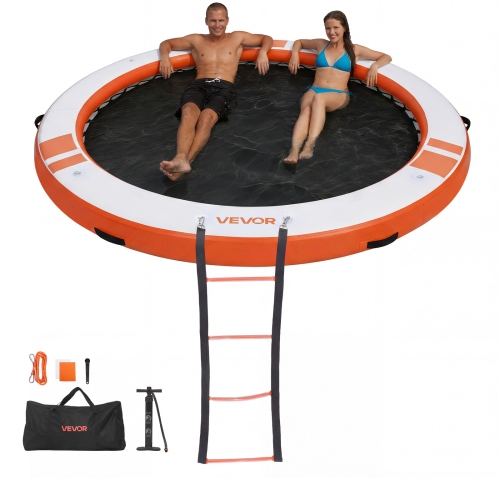
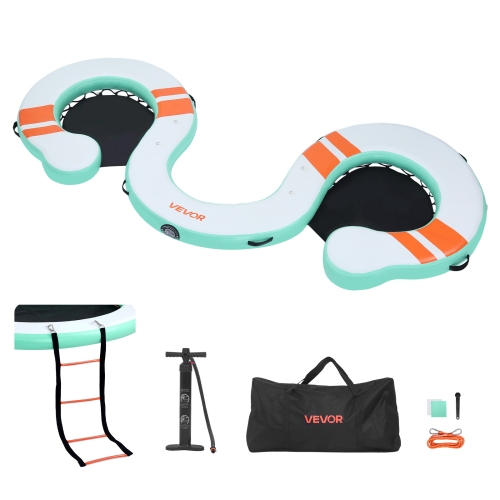
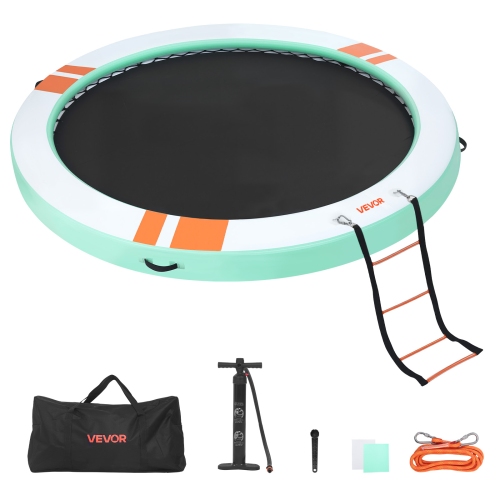
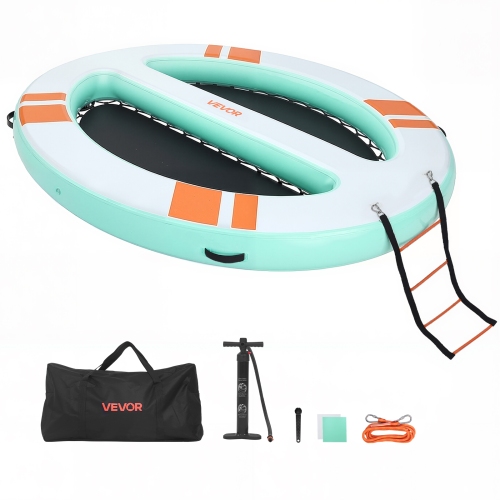
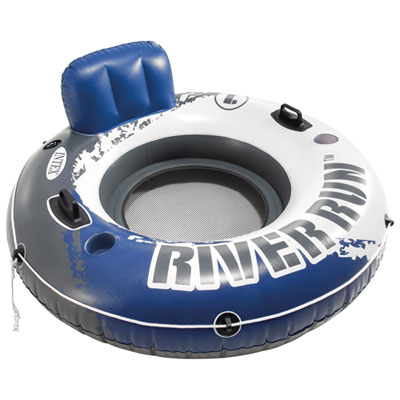
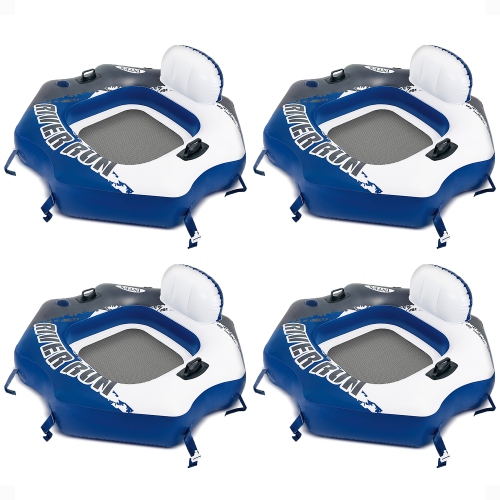
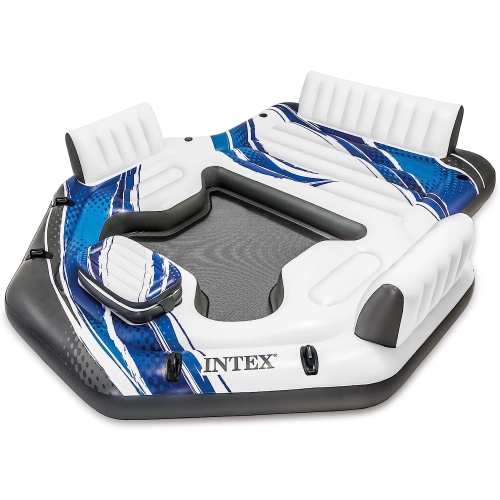
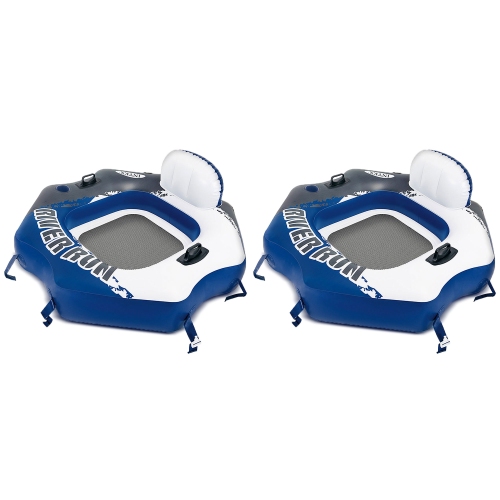
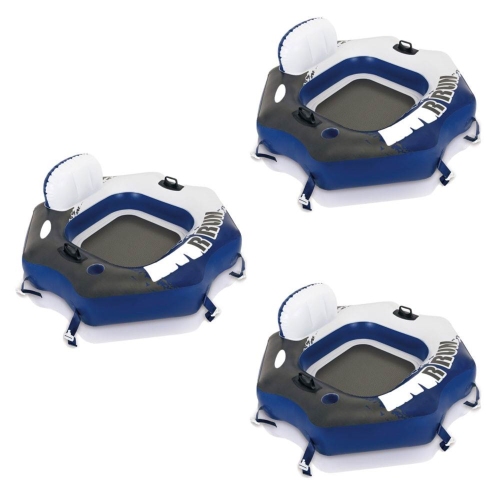
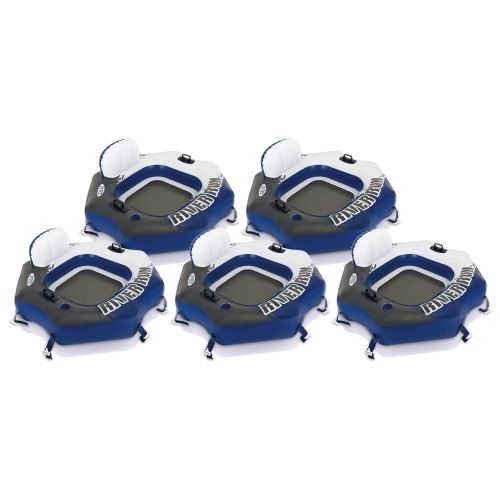
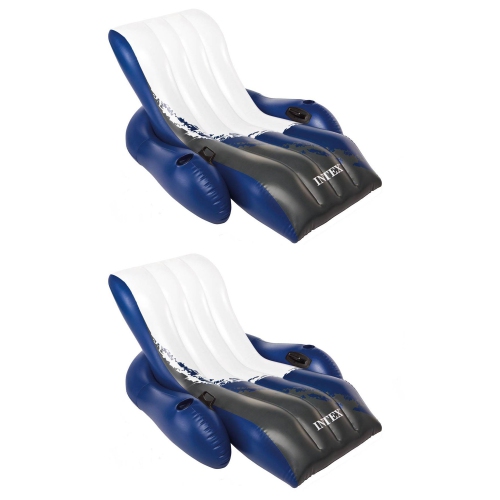
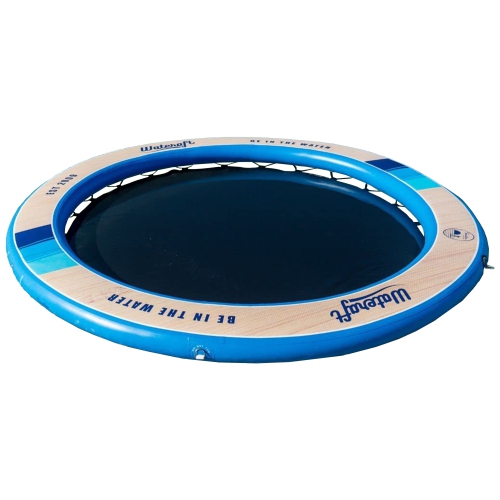

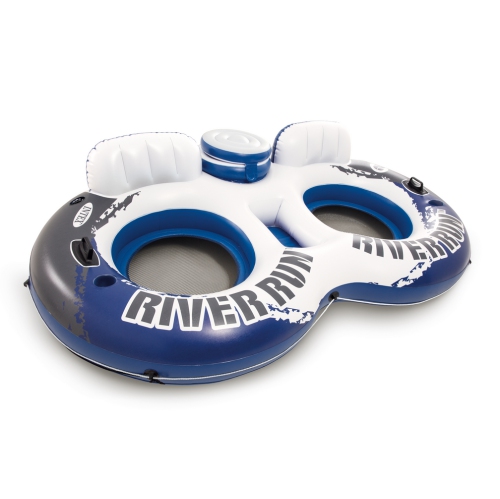
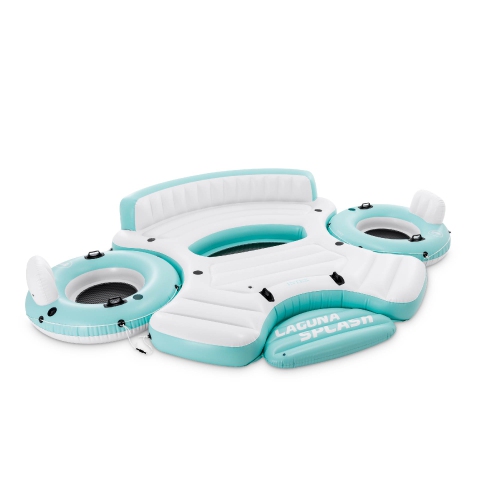
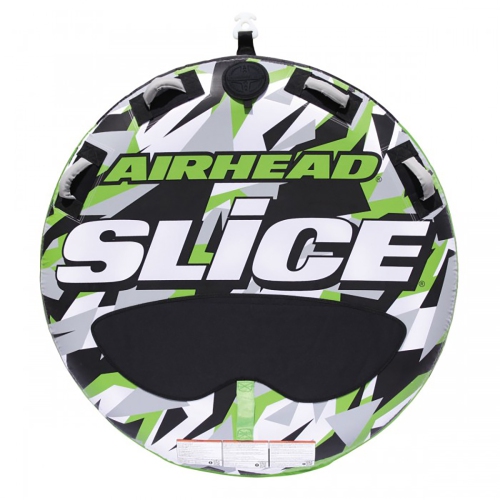
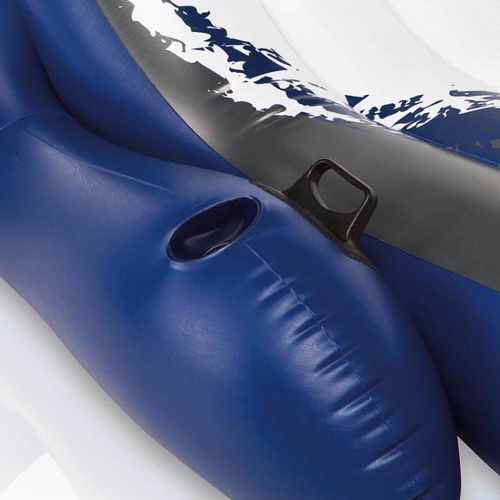
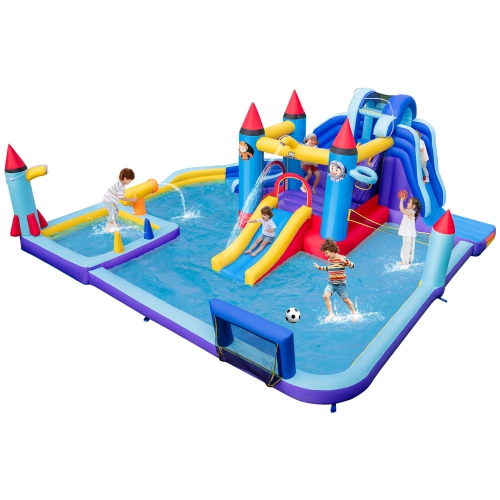
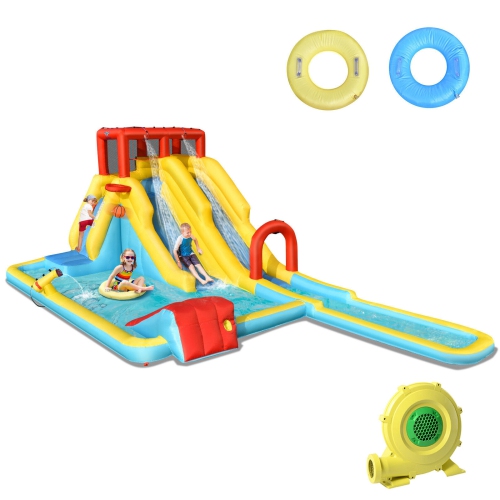

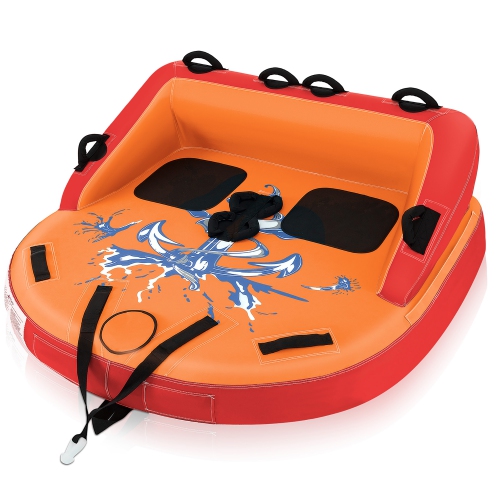
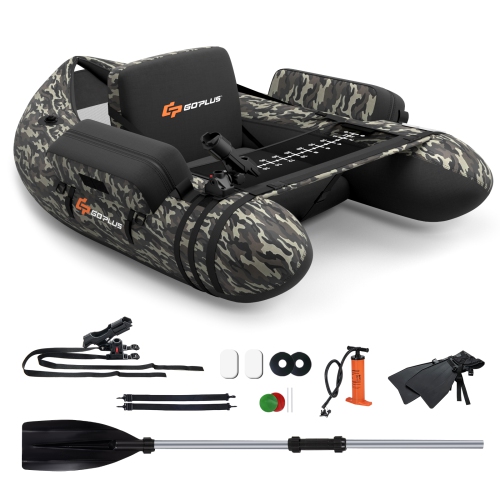
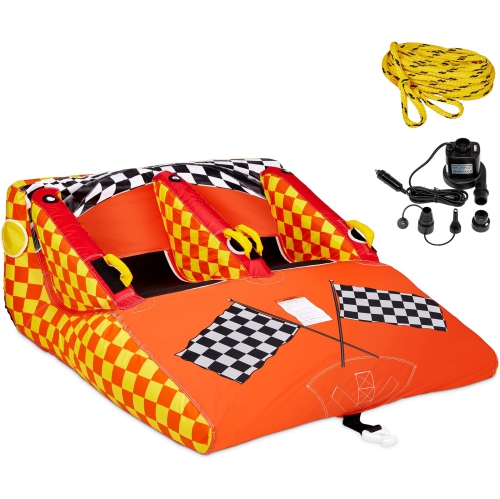
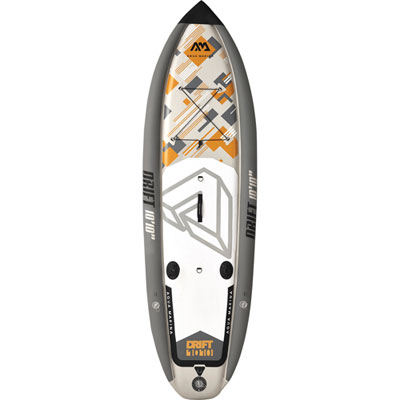
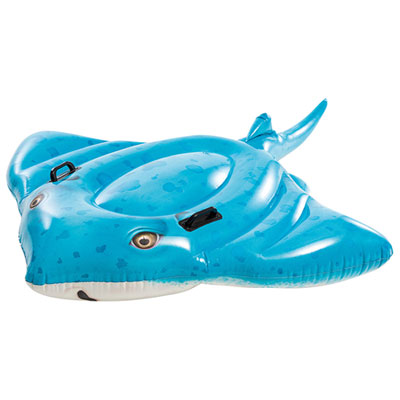
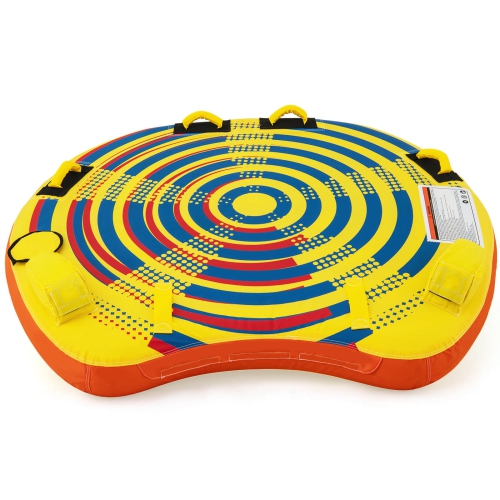

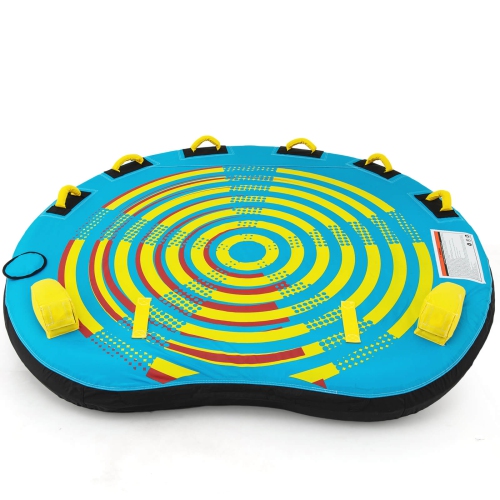
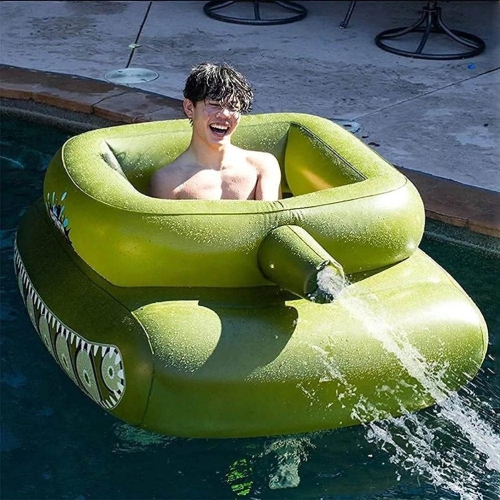
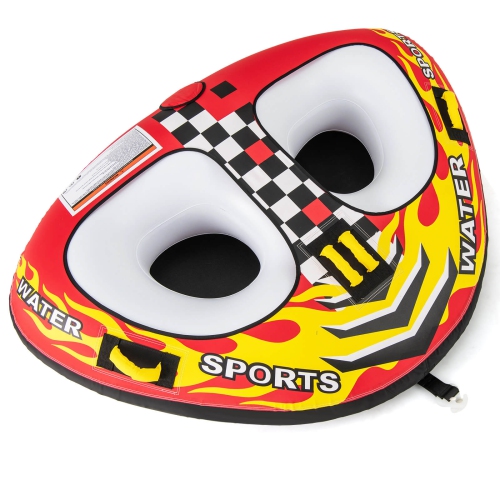
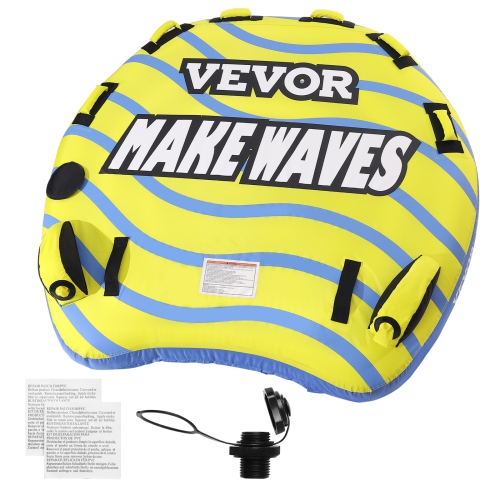
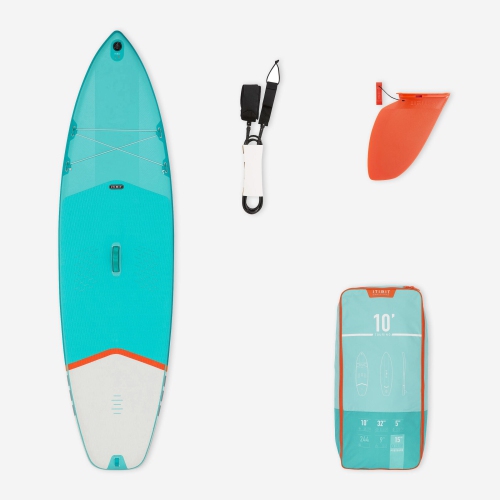
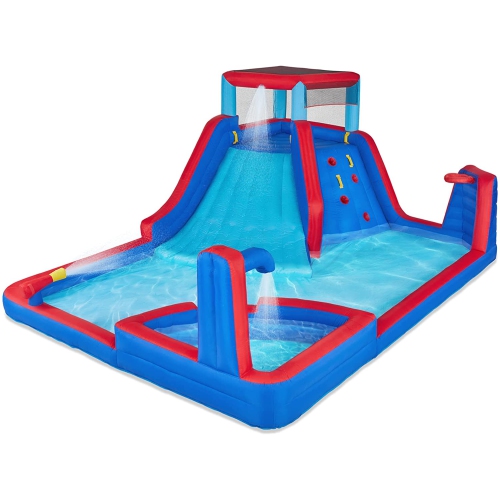
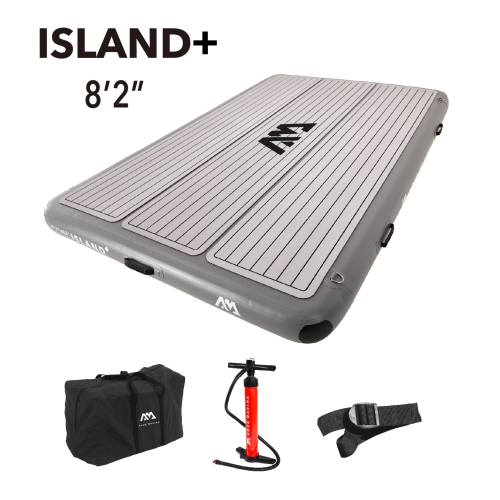
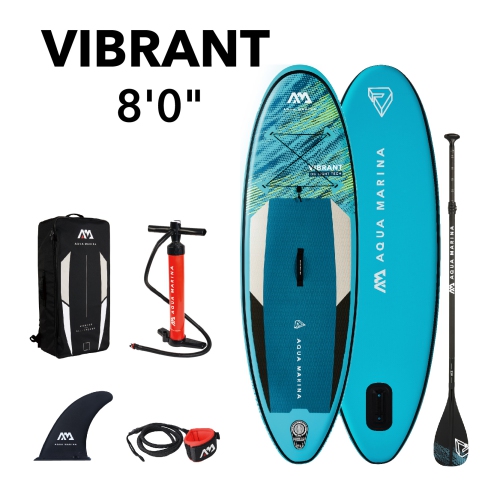
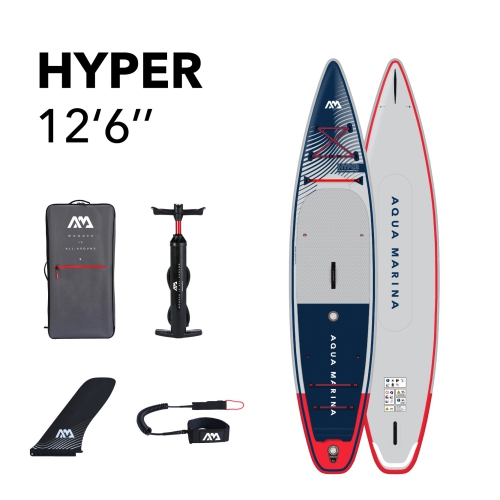
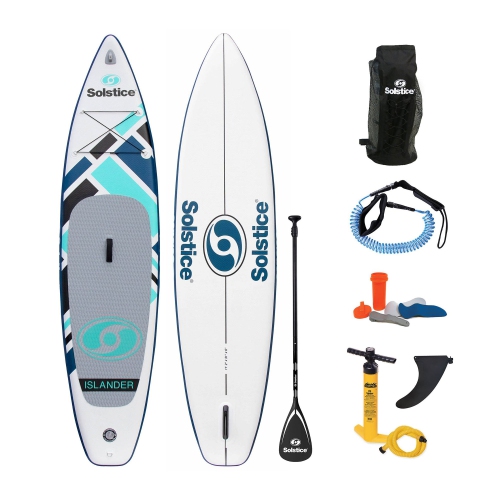
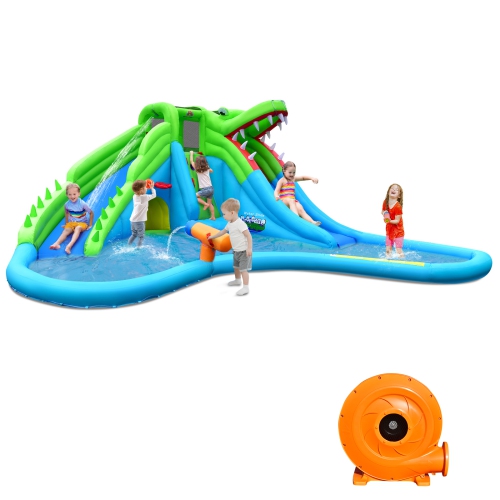
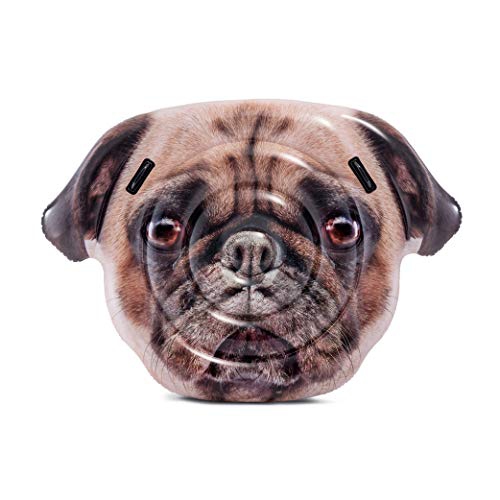
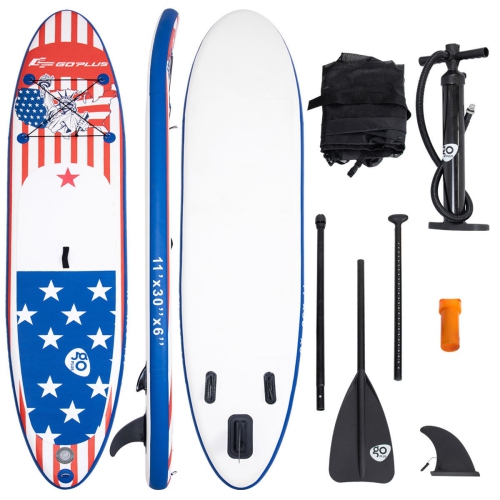
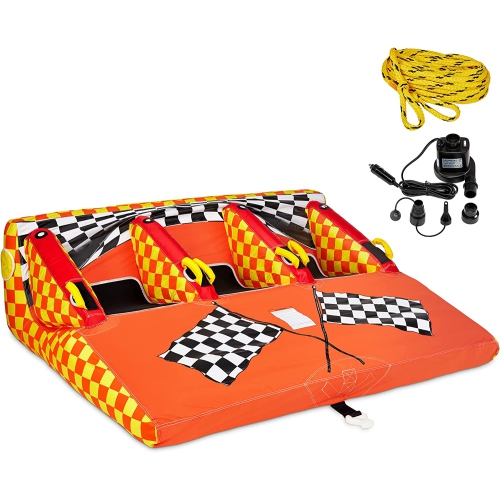
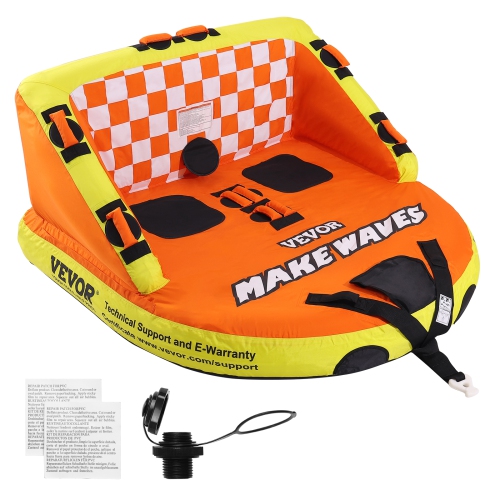
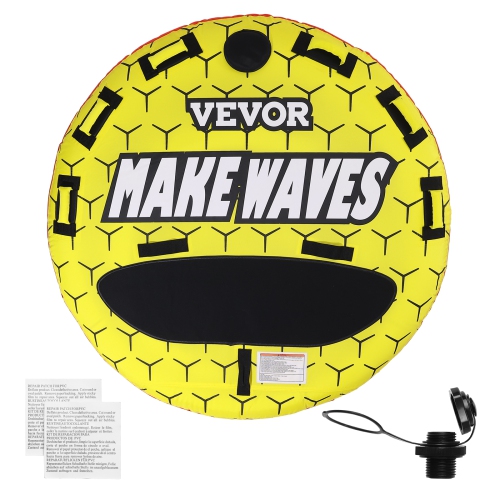
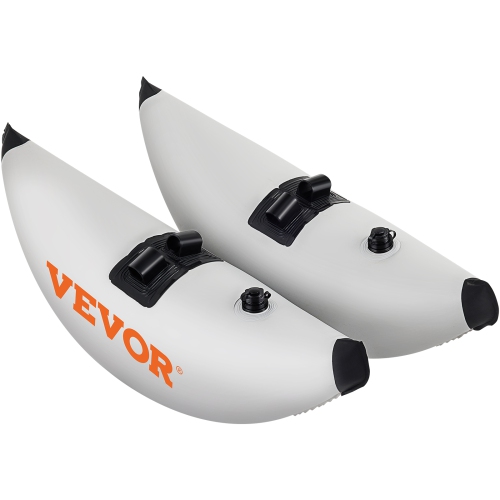
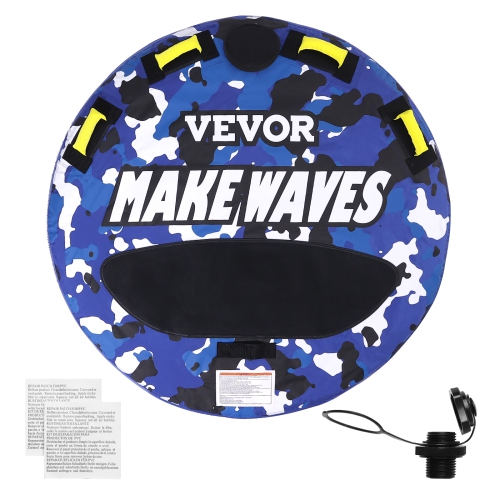
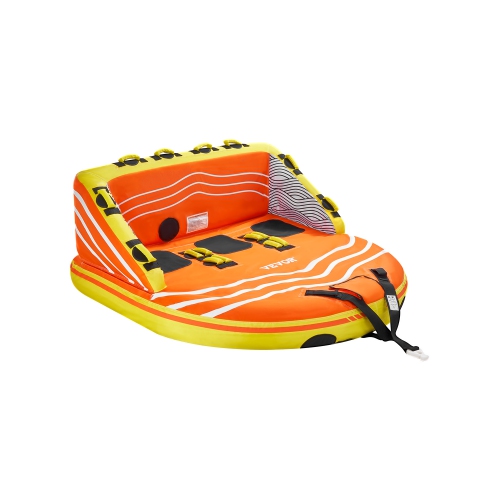
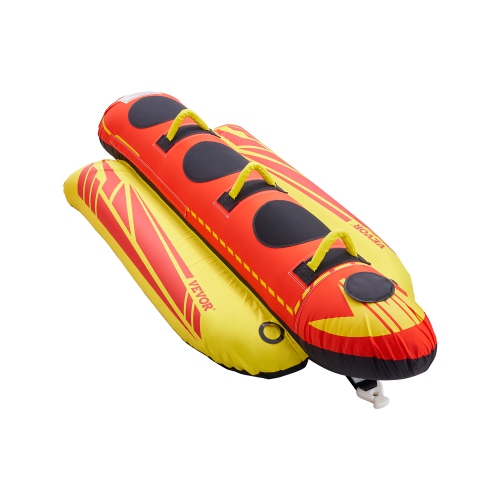

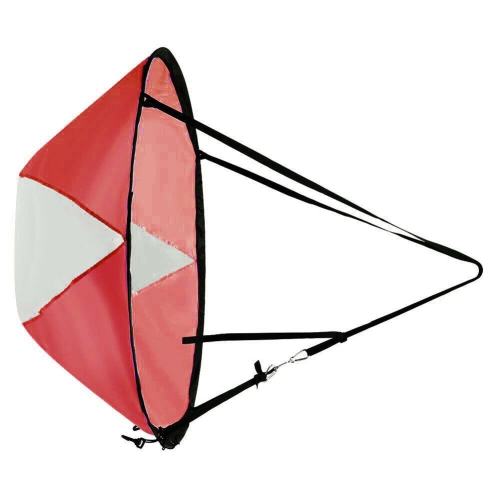
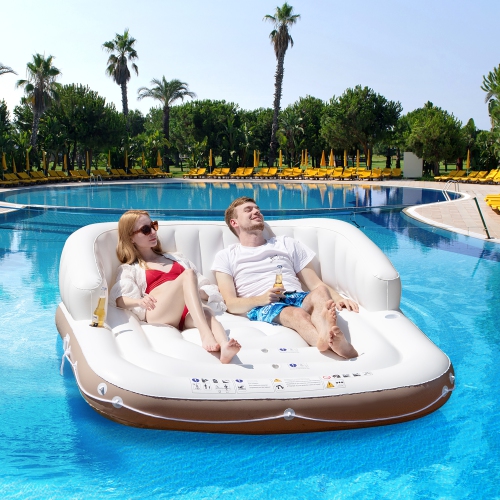
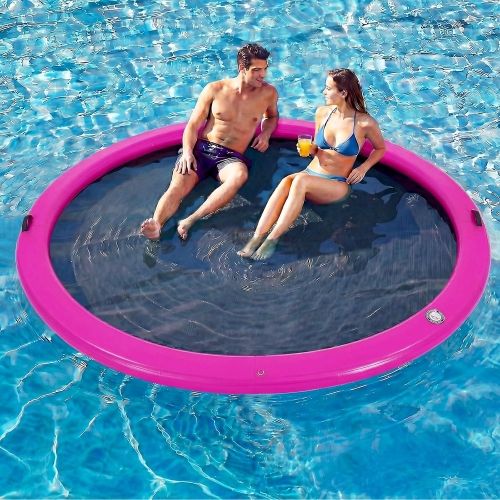
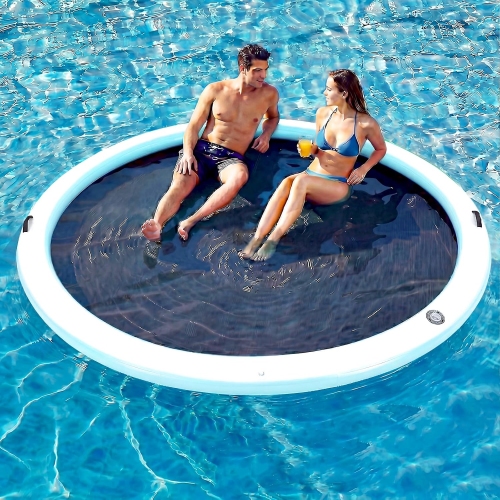
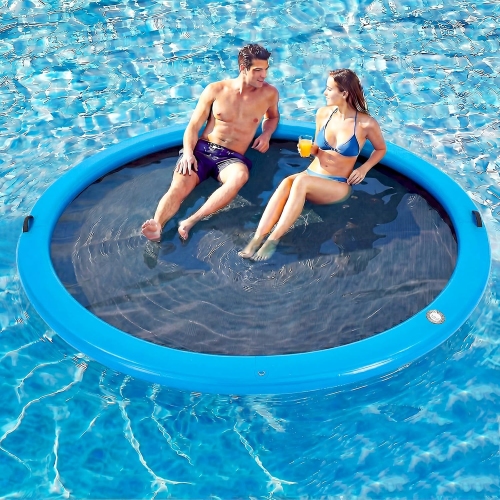
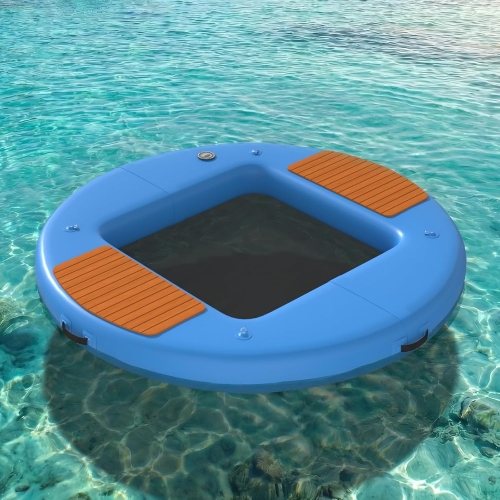
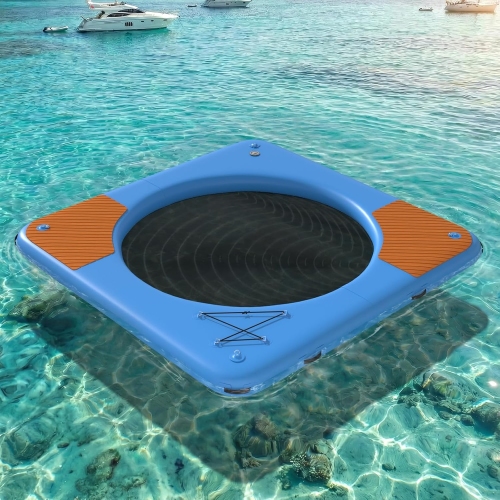
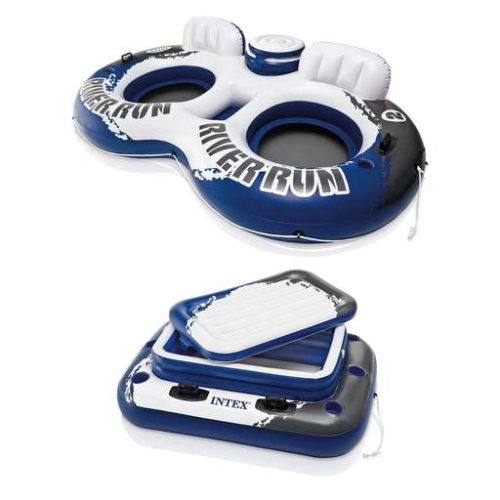
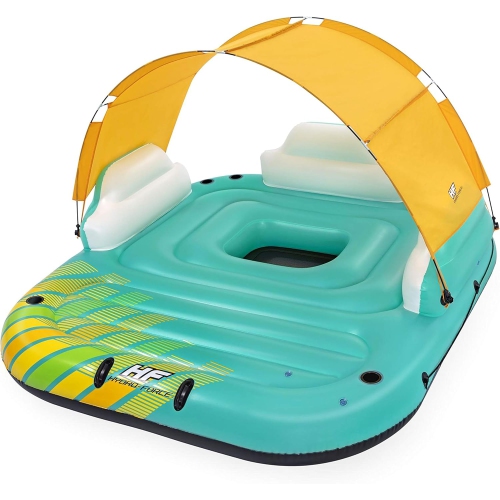
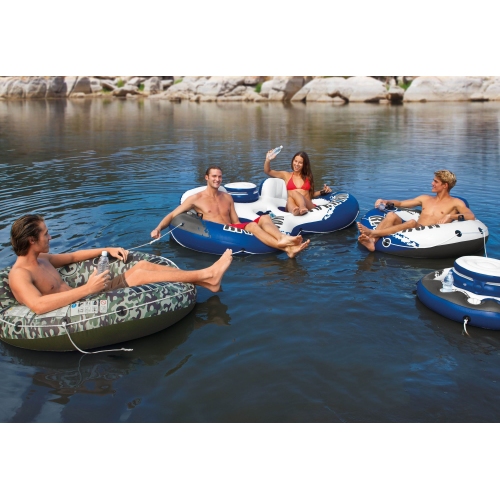
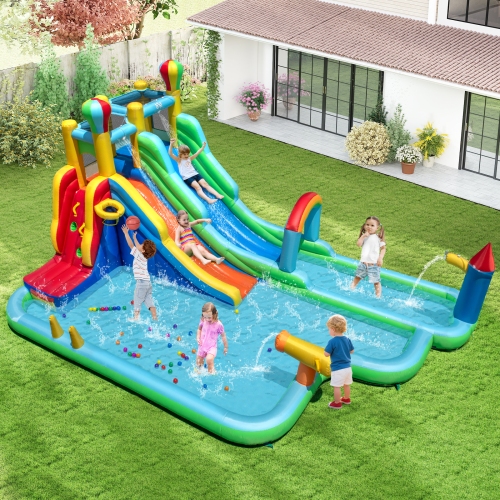
Portable options for paddling, fishing, and family outings
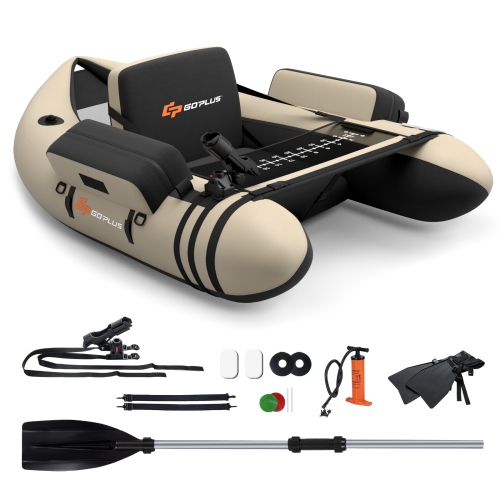
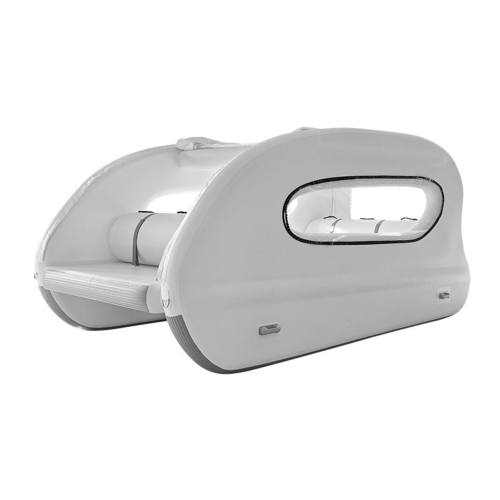
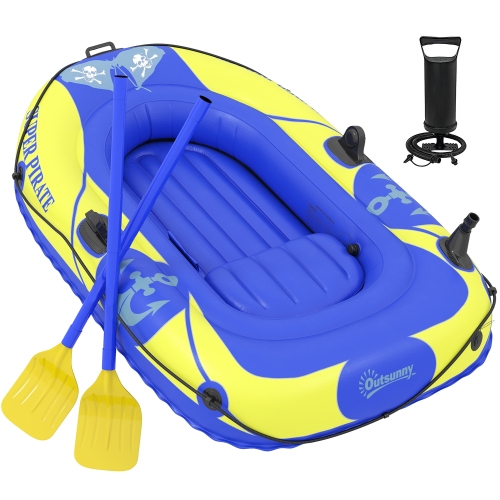
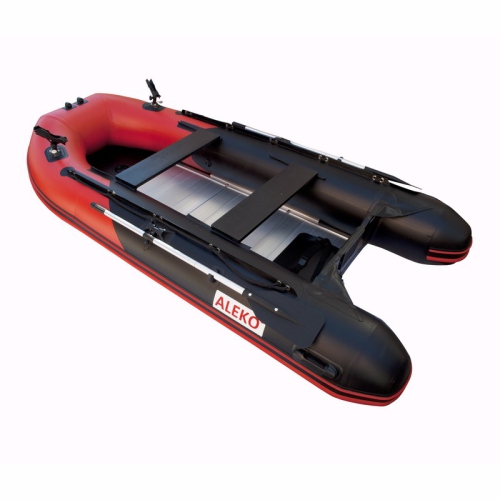
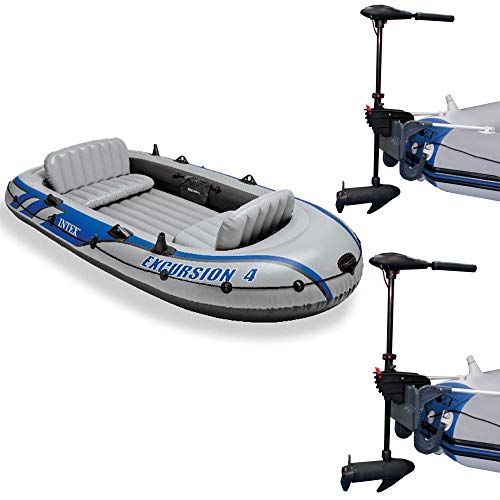
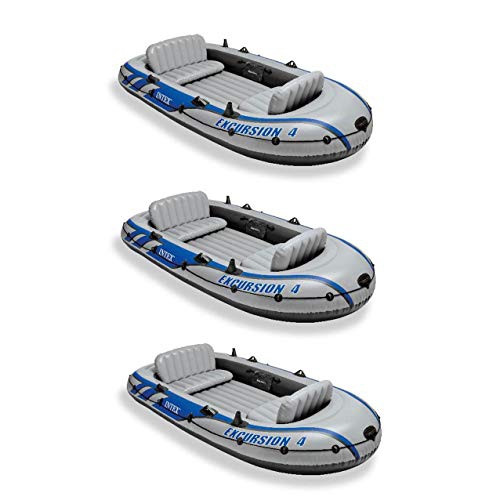
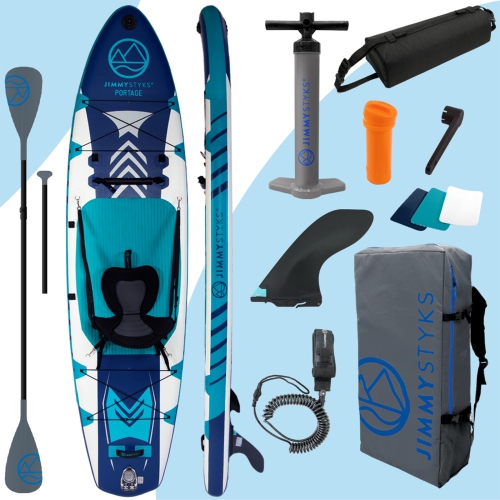
Inflatable watercraft offer a practical way to enjoy time on the water without the storage demands of a conventional hard-shell boat. Designed to deflate into a compact package, these boats, kayaks, dinghies, and rafts can often be transported in a vehicle and stored in a closet, garage, or equipment room between outings. That portability makes them useful for cottage weekends, road trips, fishing excursions, leisurely paddles, and days spent exploring calm lakes or slow-moving rivers. Some models are shaped for solo paddling, while wider designs provide room for two or more passengers, fishing equipment, a cooler, or other essentials. Open-floor rafts can be well suited to relaxed floating and family outings, while narrower inflatable kayaks are generally easier to manoeuvre when travelling along a shoreline or winding waterway. Fishing-focused watercraft may include built-in rod holders, accessory fittings, or a transom area that accommodates a compatible motor, depending on the design. For casual play and supervised floating, shoppers may also wish to explore Inflatable Water Toys, which are intended for a different type of water activity than inflatable boats and kayaks. As the weather warms, an inflatable watercraft can turn an ordinary afternoon into a quiet paddle across glassy water, with the sound of a gentle stroke and the shoreline slowly unfolding ahead.
Choosing the right inflatable watercraft starts with matching its design to the intended activity, the number of passengers, and the conditions where it will be used. Check the stated weight capacity carefully, allowing room for people, clothing, personal flotation devices, paddles, fishing gear, and any supplies brought aboard. A tandem or family-sized craft can be a comfortable choice for shared outings, but a solo kayak may be simpler to carry, inflate, launch, and control independently. Multiple air chambers provide added reassurance because a problem in one chamber should not cause the entire craft to lose air at once, although every chamber still needs to be inflated according to the manufacturer’s instructions. Look for durable construction, secure valves, reinforced seams, grab lines, carry handles, and a floor that feels stable enough for the way you plan to use the boat. Removable seats can improve comfort on longer paddles, and adjustable footrests may help with balance and control. A skeg or tracking fin can help a kayak travel straighter, while oarlocks, fishing rod holders, and motor-mount fittings may be valuable for anglers. Consider what comes included, such as a hand or foot pump, paddles, seats, carry bag, pressure gauge, and repair kit, since having the necessary accessories together makes preparation easier. An inflatable watercraft can be a thoughtful gift for a cottage owner, an outdoor enthusiast, or someone who enjoys fishing but does not have room for a trailer or permanent dock. It is also a useful option for families who want shared adventures and straightforward storage once the water season winds down.
Inflatable watercraft are generally best suited to calm lakes, sheltered bays, quiet inlets, and slow rivers rather than heavy surf, strong currents, severe winds, or rough ocean conditions. Before launching, inspect the craft for cuts, abrasions, loose fittings, and signs of low pressure, then confirm that every passenger has a properly fitted Canadian-approved personal flotation device. Follow the capacity and operating instructions, keep heavier items low and centred, secure loose gear, and let someone know where you are going when paddling away from shore. Weather can change quickly, particularly during the transition into cooler months, so checking local forecasts, water conditions, and any area-specific boating requirements is an important part of planning. Beginners may prefer a sheltered launch point and short route close to shore, while experienced users can select a craft with the tracking, seating, storage, or motor compatibility suited to longer excursions. After each use, rinse away sand and dirt, allow the material to dry fully, and deflate it carefully rather than folding it while damp. Store the watercraft in a cool, dry location away from sharp objects, extreme heat, and prolonged direct sunlight, and keep the repair kit with the boat so small punctures can be addressed before the next outing. During the cooler months, thoughtful storage helps keep the craft ready for its next trip, whether that means a peaceful sunrise paddle, an afternoon of fishing, or a relaxed float shared with family and friends.
Choosing the right inflatable watercraft starts with matching its design to the intended activity, the number of passengers, and the conditions where it will be used. Check the stated weight capacity carefully, allowing room for people, clothing, personal flotation devices, paddles, fishing gear, and any supplies brought aboard. A tandem or family-sized craft can be a comfortable choice for shared outings, but a solo kayak may be simpler to carry, inflate, launch, and control independently. Multiple air chambers provide added reassurance because a problem in one chamber should not cause the entire craft to lose air at once, although every chamber still needs to be inflated according to the manufacturer’s instructions. Look for durable construction, secure valves, reinforced seams, grab lines, carry handles, and a floor that feels stable enough for the way you plan to use the boat. Removable seats can improve comfort on longer paddles, and adjustable footrests may help with balance and control. A skeg or tracking fin can help a kayak travel straighter, while oarlocks, fishing rod holders, and motor-mount fittings may be valuable for anglers. Consider what comes included, such as a hand or foot pump, paddles, seats, carry bag, pressure gauge, and repair kit, since having the necessary accessories together makes preparation easier. An inflatable watercraft can be a thoughtful gift for a cottage owner, an outdoor enthusiast, or someone who enjoys fishing but does not have room for a trailer or permanent dock. It is also a useful option for families who want shared adventures and straightforward storage once the water season winds down.
Inflatable watercraft are generally best suited to calm lakes, sheltered bays, quiet inlets, and slow rivers rather than heavy surf, strong currents, severe winds, or rough ocean conditions. Before launching, inspect the craft for cuts, abrasions, loose fittings, and signs of low pressure, then confirm that every passenger has a properly fitted Canadian-approved personal flotation device. Follow the capacity and operating instructions, keep heavier items low and centred, secure loose gear, and let someone know where you are going when paddling away from shore. Weather can change quickly, particularly during the transition into cooler months, so checking local forecasts, water conditions, and any area-specific boating requirements is an important part of planning. Beginners may prefer a sheltered launch point and short route close to shore, while experienced users can select a craft with the tracking, seating, storage, or motor compatibility suited to longer excursions. After each use, rinse away sand and dirt, allow the material to dry fully, and deflate it carefully rather than folding it while damp. Store the watercraft in a cool, dry location away from sharp objects, extreme heat, and prolonged direct sunlight, and keep the repair kit with the boat so small punctures can be addressed before the next outing. During the cooler months, thoughtful storage helps keep the craft ready for its next trip, whether that means a peaceful sunrise paddle, an afternoon of fishing, or a relaxed float shared with family and friends.
Top selling and popular products
-
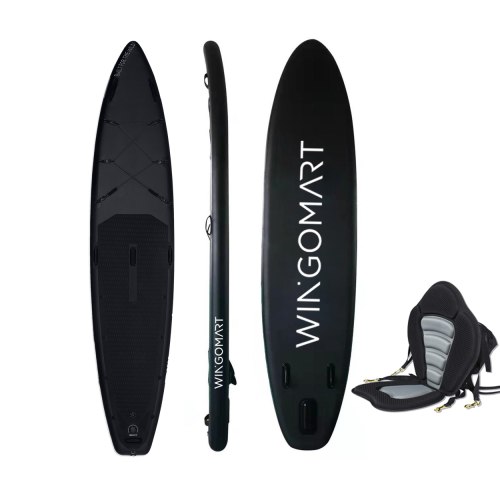 Your price for this item is $299.9
 -
 Your price for this item is $599
 -
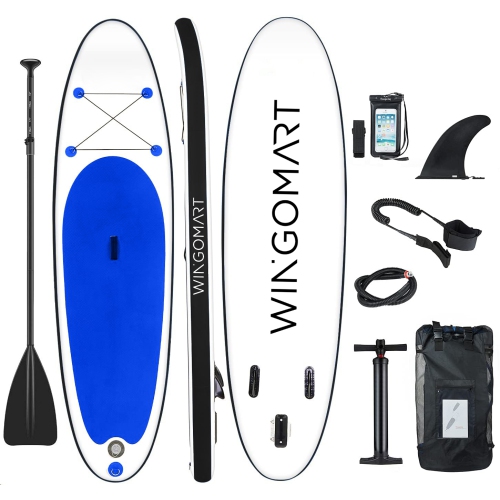 Your price for this item is $179.99
 -
 Your price for this item is $249.99
 -
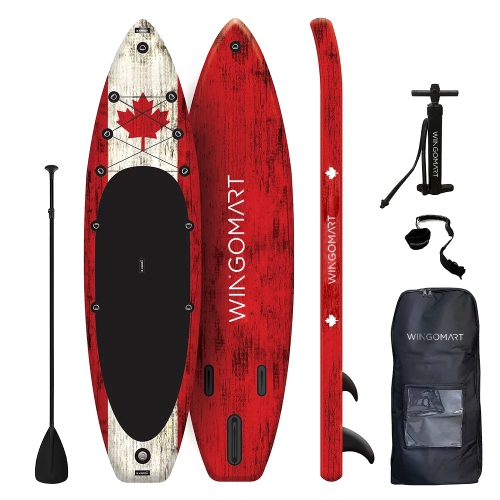 Your price for this item is $329.99
 -
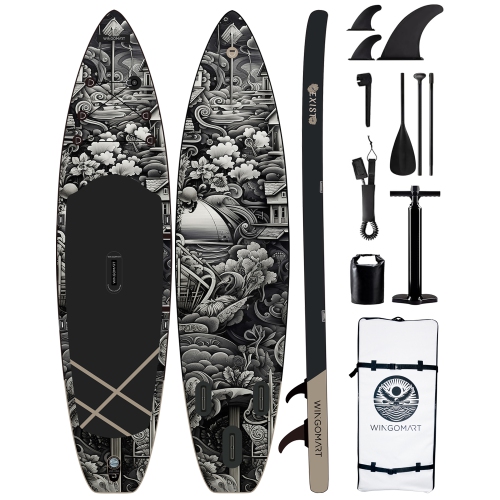 Your price for this item is $259.99
 -
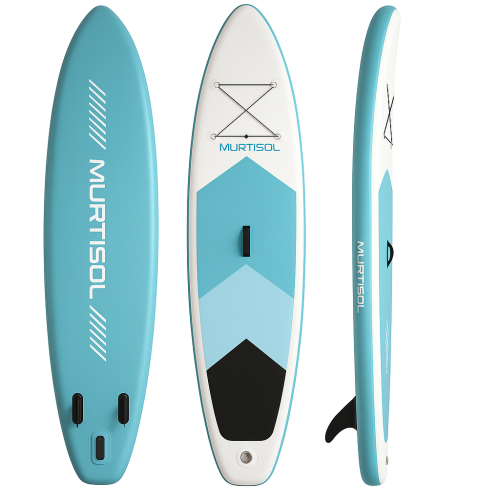 Your price for this item is $179.7
 -
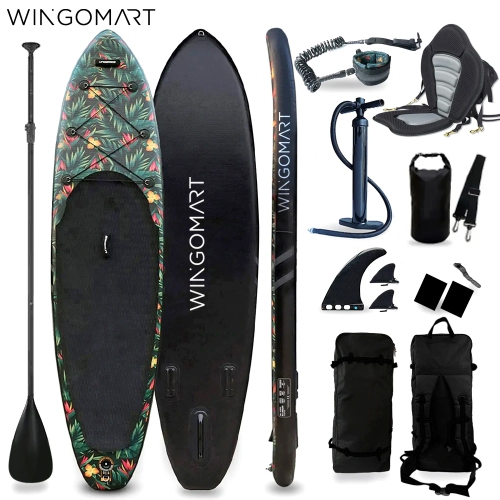 Your price for this item is $279.7
Discover more categories related to Inflatable Watercraft
Top Collections:
Pokemon Centers, Kindle Devices, Apple iPhones 16, Samsung Galaxy Phones, Canon G7X Cameras, iPhone 15 Apple, Flip Phones, Apple Wired Earphones, Best Budget Office Chairs, Refurbished Apple Laptops
Some products may be subject to Environmental Handling Fees
(EHF) depending on your province.
Learn more about EHFs.