Inflatable Boat Rafts
Looking to embark on your next aquatic adventure? Look no further than our selection of inflatable boat rafts. Whether you're planning a relaxing day on the lake, an exciting fishing trip, or a thrilling whitewater rafting expedition, these versatile and portable vessels are designed to provide you with endless fun and excitement on the water. With their durable construction, easy inflation and deflation, and convenient storage capabilities, our inflatable boat rafts offer the perfect solution for those seeking a reliable and enjoyable boating experience. So, gear up and get ready to set sail with our wide range of inflatable boat rafts that suit every need and budget.
Sort



Why passenger ratings tell only part of the story
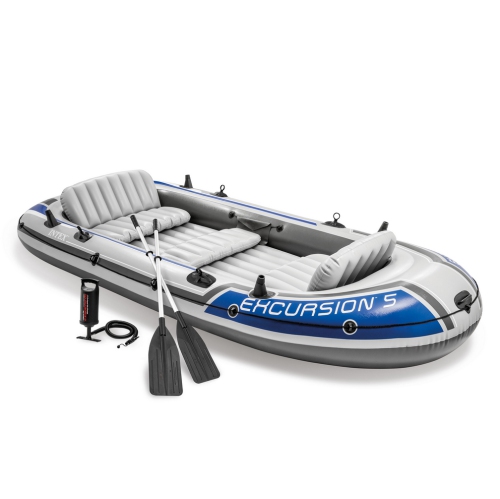
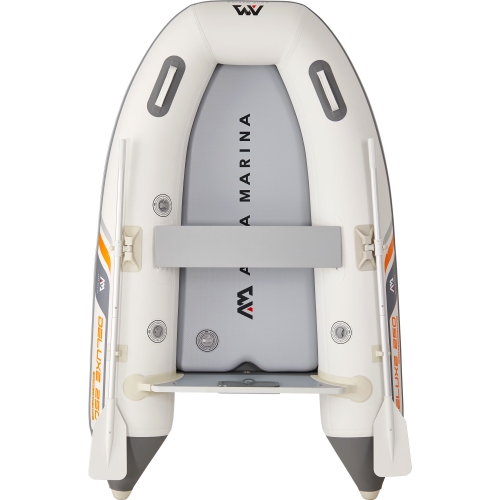
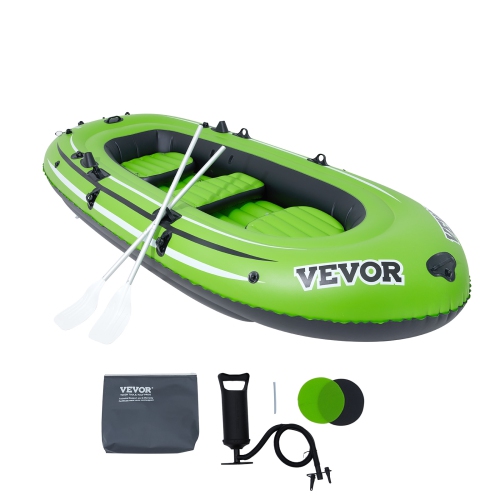
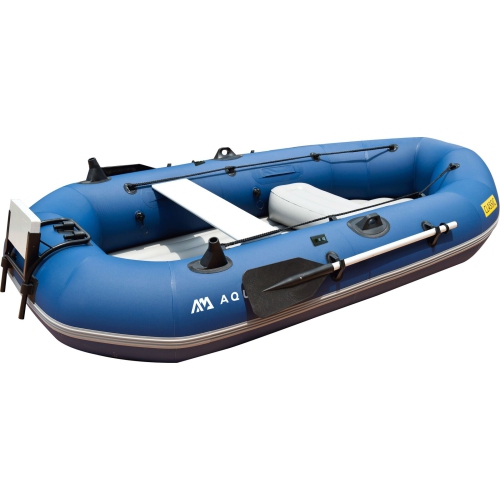
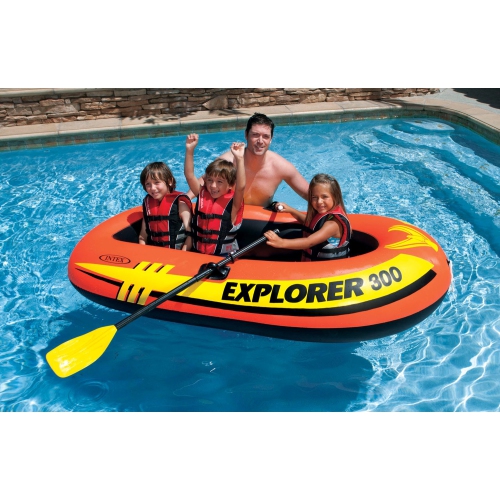
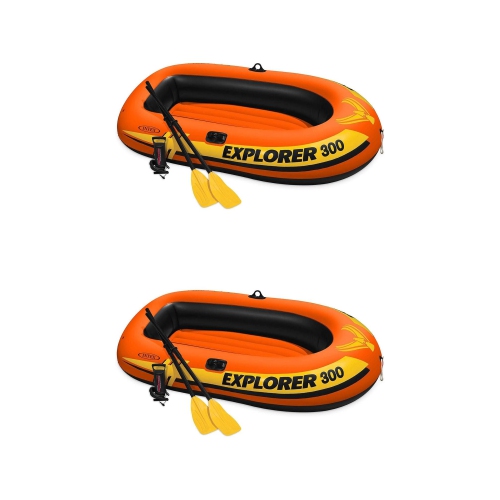
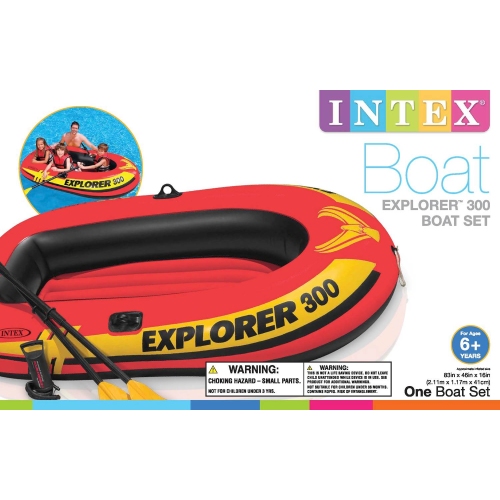
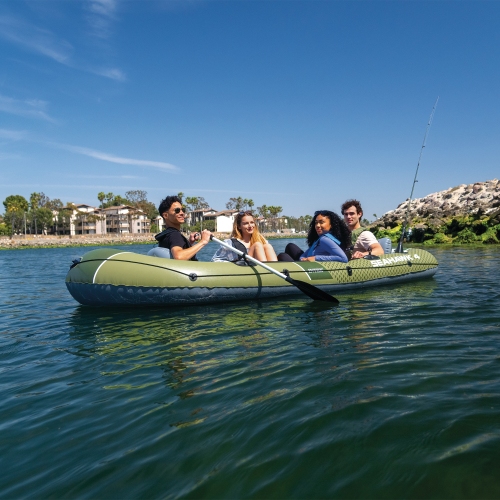
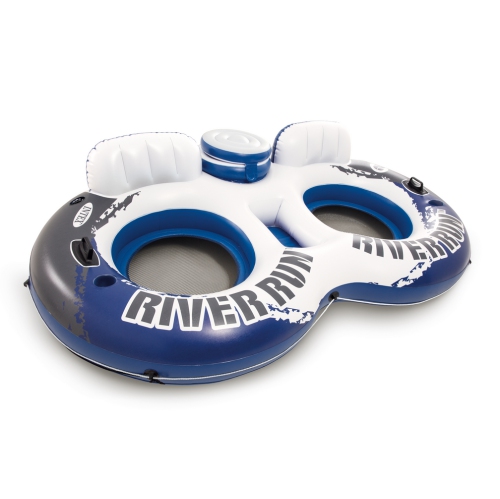
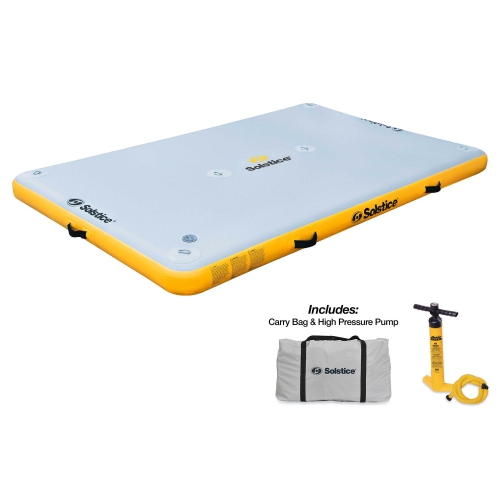
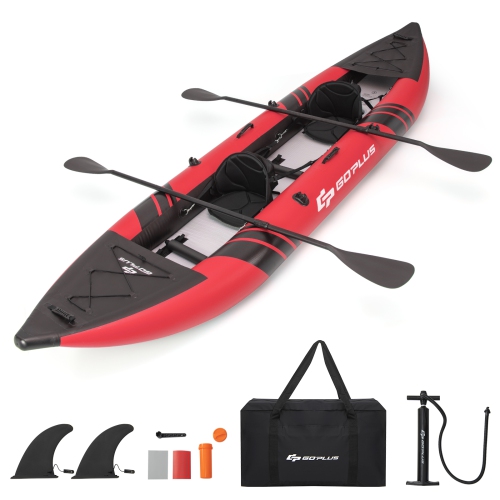
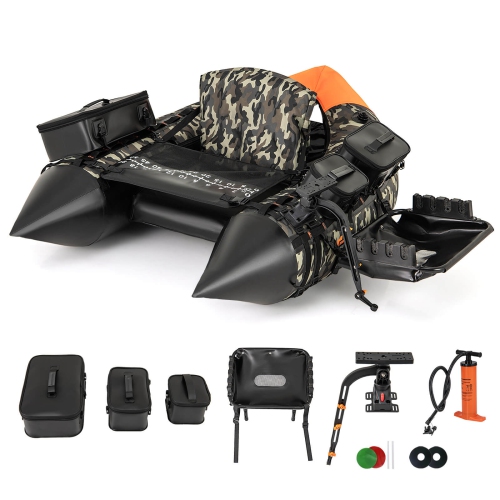
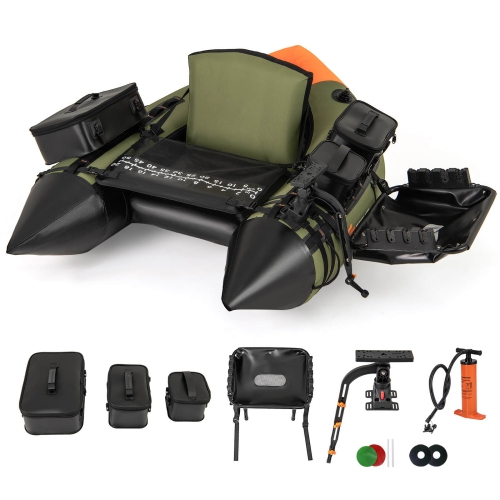
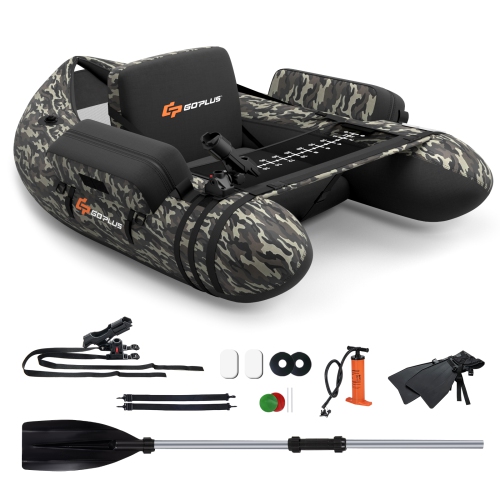
Inflatable boat rafts are portable watercraft designed to provide seating, buoyancy, and usable space on the water while packing down for transport and storage. The category ranges from lightweight recreational boats for sheltered lake outings to reinforced inflatable dinghies and purpose-built rafts with more substantial floors and fittings. Their intended use matters more than their appearance: a compact boat for relaxed rowing near shore is different from a raft engineered for moving water or a dinghy rated to carry a motor. For cottage visitors, campers, and people without space for a rigid boat, the appeal is practical. A deflated hull can travel in a suitable vehicle and be stored between trips without taking up the footprint of a full-size boat, although packed dimensions and lifting weight vary considerably. On the water, broad inflatable tubes create a perimeter around the passenger area, while the floor and seating arrangement determine how comfortable that space feels. Someone taking a short paddle with a companion may value simple seating and easy handling; an angler carrying a tackle bag, landing net, and other equipment may need more clear floor space and secure attachment points. Passenger ratings alone do not describe that difference. A boat rated for several occupants may feel crowded once everyone brings a bag, and a higher weight capacity does not necessarily mean more legroom. Useful comparisons include overall length and width, interior dimensions, maximum load, and the manufacturer’s stated operating conditions. The load calculation needs to account for passengers, equipment, and any permitted motor or battery, following the manufacturer’s definition of capacity. Within the broader selection of Inflatable Watercraft, inflatable boat rafts are distinct from pool floats and lounging tubes: seating, propulsion, carrying capacity, and construction should suit the planned boating activity. A familiar shoreline outing still calls for a boat rated for the setting, rather than a floating leisure accessory that merely looks spacious.
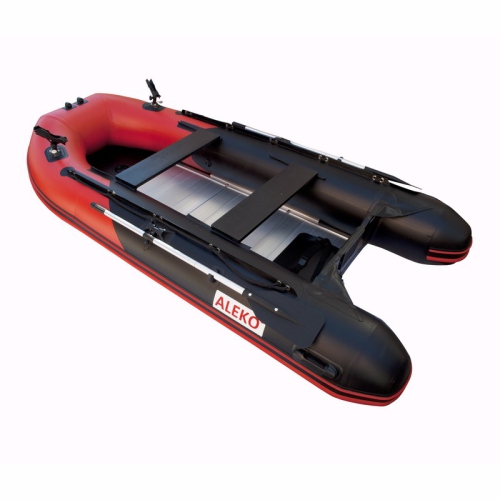
Materials and construction influence how an inflatable raft handles repeated packing, shoreline contact, and time on the water. PVC is common in inflatable boats, with lighter constructions favouring portability and fabric-reinforced versions adding strength for more demanding use. Material thickness can be useful information, but it does not tell the whole story; the reinforcing fabric, seam construction, protective layers, and overall design also affect durability. Some heavier-duty inflatable boats use CSM-based fabrics valued for resistance to sunlight, abrasion, and exposure over time. No inflatable material is puncture-proof, and even a reinforced hull needs care around sharp rocks, hooks, and submerged obstacles. Rub strips and reinforced contact areas can help protect parts of the boat that receive frequent wear. Multiple independent air chambers provide separate sections of buoyancy, but the number and layout vary, and they do not make a damaged boat safe to continue using. Floor construction is another important distinction. A basic inflatable floor offers a softer surface and keeps the package relatively simple, while a high-pressure drop-stitch floor can provide greater firmness when inflated to its specified pressure. Slatted or sectional rigid floors create a different underfoot feel and may involve additional assembly, weight, and storage space. A firm floor can make boarding and moving equipment easier, but standing is appropriate only when the boat is designed for it and conditions permit. Inflatable seats often pack down compactly; rigid bench seats provide a defined rowing position but need space in the transport package. Oarlocks, grab lines, carrying handles, and attachment points each serve different purposes, so a convenient handle should not be assumed to be suitable for towing or anchoring. Motor use requires an explicitly motor-rated design with the correct transom or approved mounting arrangement, along with compliance with power and weight limits. A mounting point by itself is not proof that a boat can safely accept any small motor. These construction details distinguish a simple rowing raft from a more substantial inflatable boat without relying on broad labels such as “heavy-duty.”
Ownership also involves setup, cleaning, and storage, all of which affect how easily an inflatable boat raft fits into regular outings. A compact carrying bag is useful only if the packed boat can be lifted comfortably and there is room for the floor sections, seats, pump, and propulsion equipment. At a launch area, a clear patch of ground helps keep sand and grit away from valves and gives enough space to unfold the hull without dragging it. Pump compatibility matters because valve fittings and pressure requirements differ, particularly between the main tubes and high-pressure floors. Inflation should follow the specified sequence and pressure for each chamber, using an appropriate gauge rather than judging firmness by touch alone. Sun exposure and changes in air temperature can alter pressure, so checks during use are part of normal care. After an outing, fresh-water rinsing helps remove dirt and salt where applicable, while thorough drying before folding limits trapped moisture and mildew. Valves, seams, floor surfaces, and fittings benefit from regular inspection, especially before a boat returns to use after storage. Cleaning products, adhesives, and repair patches need to be compatible with the hull material; a repair method suitable for one fabric may not suit another. Folding along the manufacturer’s directions and storing the boat in a dry place away from direct sunlight, sharp objects, and heavy loads helps protect the packed hull. For families, comfort also includes accessible seating and properly fitted, Canadian-approved lifejackets or personal flotation devices for every person aboard. Children require close supervision, and the boat’s inflatable tubes are not a substitute for wearable flotation. Required safety equipment depends on the vessel and how it is used, with applicable Transport Canada rules and local restrictions forming part of trip planning. An inflatable raft can be a thoughtful gift for an experienced cottage boater or camping enthusiast when their passenger needs, transport space, and intended waterways are known. The most useful fit is a boat whose capacity, handling, and care requirements match the outings it will actually make, whether that means quiet rowing close to a sheltered launch or fishing from a suitably equipped inflatable hull.
Materials and construction influence how an inflatable raft handles repeated packing, shoreline contact, and time on the water. PVC is common in inflatable boats, with lighter constructions favouring portability and fabric-reinforced versions adding strength for more demanding use. Material thickness can be useful information, but it does not tell the whole story; the reinforcing fabric, seam construction, protective layers, and overall design also affect durability. Some heavier-duty inflatable boats use CSM-based fabrics valued for resistance to sunlight, abrasion, and exposure over time. No inflatable material is puncture-proof, and even a reinforced hull needs care around sharp rocks, hooks, and submerged obstacles. Rub strips and reinforced contact areas can help protect parts of the boat that receive frequent wear. Multiple independent air chambers provide separate sections of buoyancy, but the number and layout vary, and they do not make a damaged boat safe to continue using. Floor construction is another important distinction. A basic inflatable floor offers a softer surface and keeps the package relatively simple, while a high-pressure drop-stitch floor can provide greater firmness when inflated to its specified pressure. Slatted or sectional rigid floors create a different underfoot feel and may involve additional assembly, weight, and storage space. A firm floor can make boarding and moving equipment easier, but standing is appropriate only when the boat is designed for it and conditions permit. Inflatable seats often pack down compactly; rigid bench seats provide a defined rowing position but need space in the transport package. Oarlocks, grab lines, carrying handles, and attachment points each serve different purposes, so a convenient handle should not be assumed to be suitable for towing or anchoring. Motor use requires an explicitly motor-rated design with the correct transom or approved mounting arrangement, along with compliance with power and weight limits. A mounting point by itself is not proof that a boat can safely accept any small motor. These construction details distinguish a simple rowing raft from a more substantial inflatable boat without relying on broad labels such as “heavy-duty.”
Ownership also involves setup, cleaning, and storage, all of which affect how easily an inflatable boat raft fits into regular outings. A compact carrying bag is useful only if the packed boat can be lifted comfortably and there is room for the floor sections, seats, pump, and propulsion equipment. At a launch area, a clear patch of ground helps keep sand and grit away from valves and gives enough space to unfold the hull without dragging it. Pump compatibility matters because valve fittings and pressure requirements differ, particularly between the main tubes and high-pressure floors. Inflation should follow the specified sequence and pressure for each chamber, using an appropriate gauge rather than judging firmness by touch alone. Sun exposure and changes in air temperature can alter pressure, so checks during use are part of normal care. After an outing, fresh-water rinsing helps remove dirt and salt where applicable, while thorough drying before folding limits trapped moisture and mildew. Valves, seams, floor surfaces, and fittings benefit from regular inspection, especially before a boat returns to use after storage. Cleaning products, adhesives, and repair patches need to be compatible with the hull material; a repair method suitable for one fabric may not suit another. Folding along the manufacturer’s directions and storing the boat in a dry place away from direct sunlight, sharp objects, and heavy loads helps protect the packed hull. For families, comfort also includes accessible seating and properly fitted, Canadian-approved lifejackets or personal flotation devices for every person aboard. Children require close supervision, and the boat’s inflatable tubes are not a substitute for wearable flotation. Required safety equipment depends on the vessel and how it is used, with applicable Transport Canada rules and local restrictions forming part of trip planning. An inflatable raft can be a thoughtful gift for an experienced cottage boater or camping enthusiast when their passenger needs, transport space, and intended waterways are known. The most useful fit is a boat whose capacity, handling, and care requirements match the outings it will actually make, whether that means quiet rowing close to a sheltered launch or fishing from a suitably equipped inflatable hull.
Top selling and popular products
-
 Your price for this item is $399.99
 -
 Your price for this item is $148.99
 -
 Your price for this item is $89.99
 -
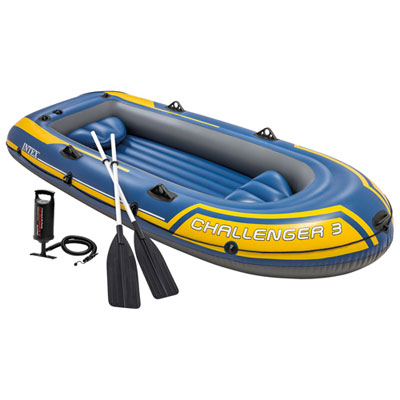 Your price for this item is $148.98
 -
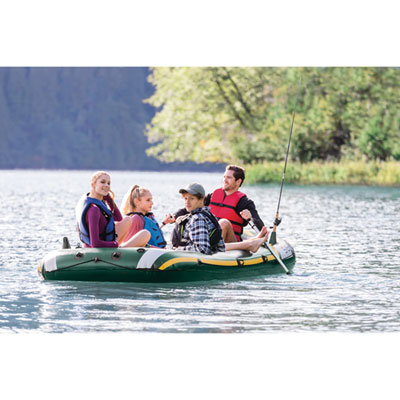 Your price for this item is $209.99
 -
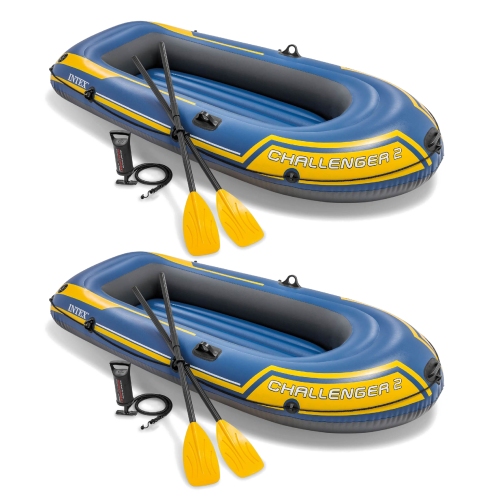 Your price for this item is $273.99
 -
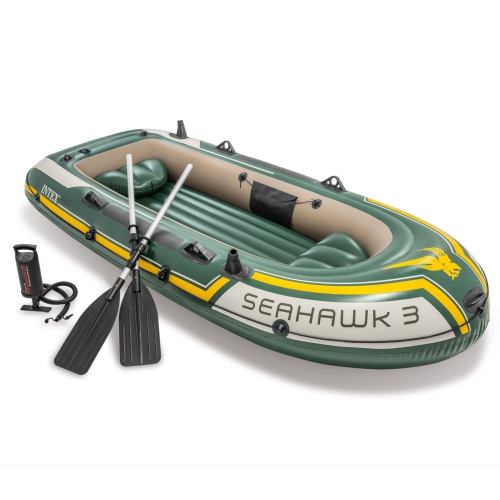 Your price for this item is $283.99
 -
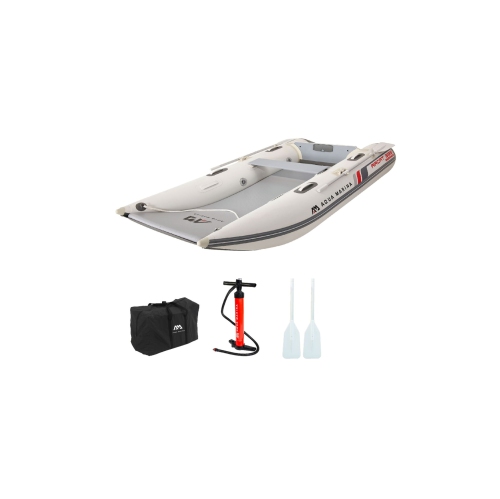 Your price for this item is $1199.99
Discover more categories related to Inflatable Boat Rafts
Top Collections:
Pokemon Centers, Kindle Devices, Apple iPhones 16, Samsung Galaxy Phones, Canon G7X Cameras, iPhone 15 Apple, Flip Phones, Apple Wired Earphones, Best Budget Office Chairs, Refurbished Apple Laptops
Some products may be subject to Environmental Handling Fees
(EHF) depending on your province.
Learn more about EHFs.