Jumping Castle
Our selection of jumping castles is sure to delight both kids and adults alike. Whether you're hosting a birthday bash, a family gathering, or simply want to bring some excitement to your backyard, these inflatable play structures provide hours of entertainment for all ages. With various sizes and designs available, you can easily find the perfect jumping castle to suit your space and preferences. Get ready to elevate the fun factor at your gatherings with our range of jumping castles that promise endless laughter and joy!
Sort
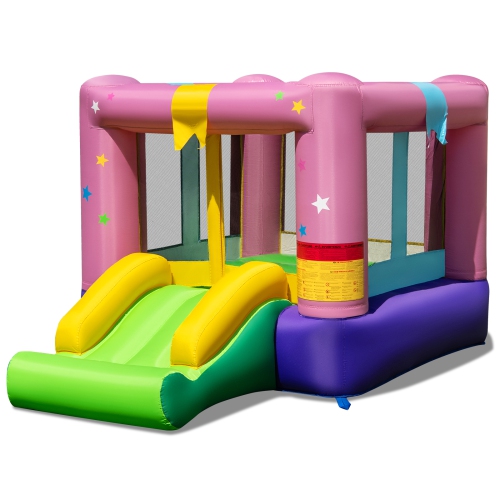

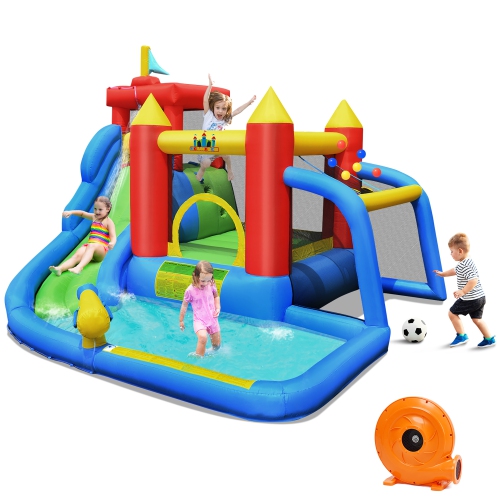

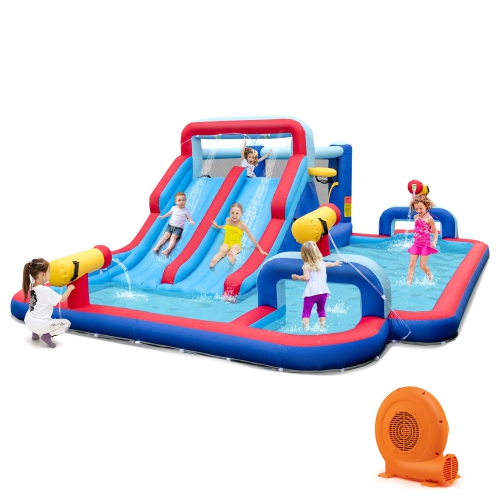
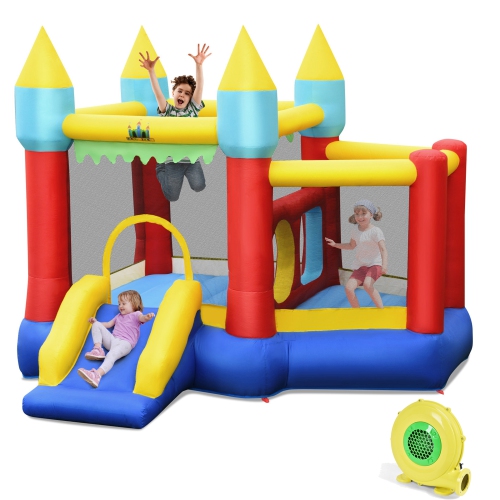

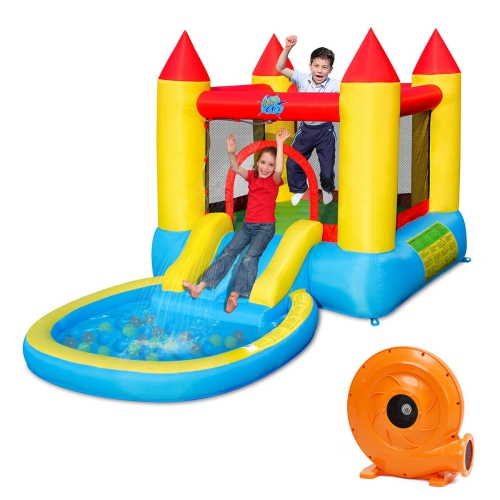
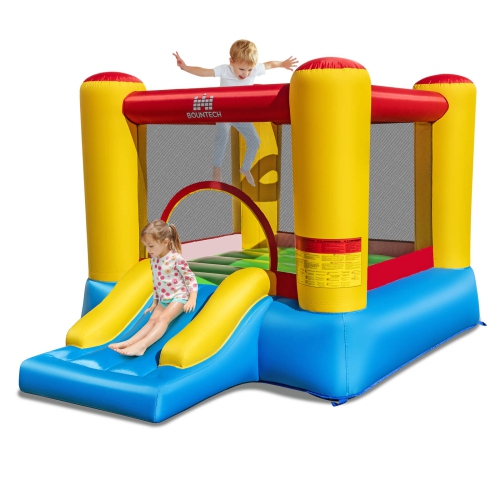
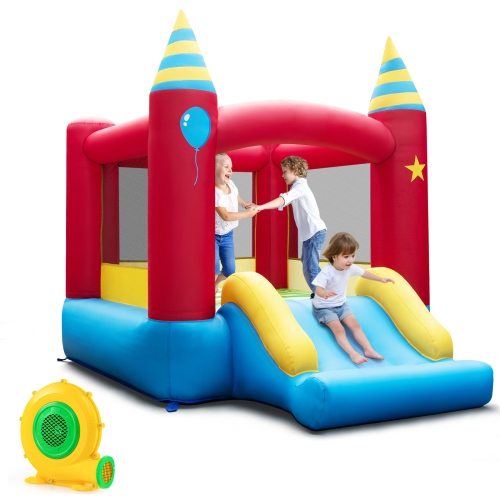
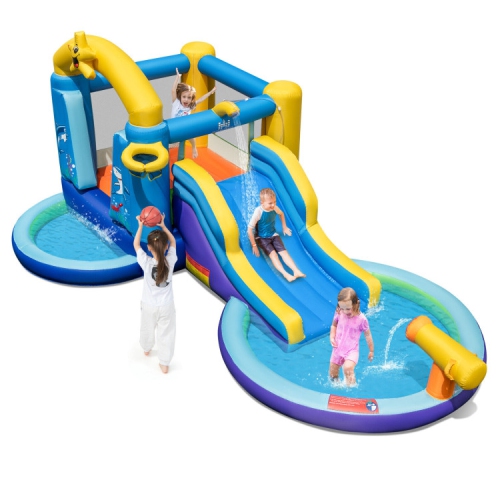
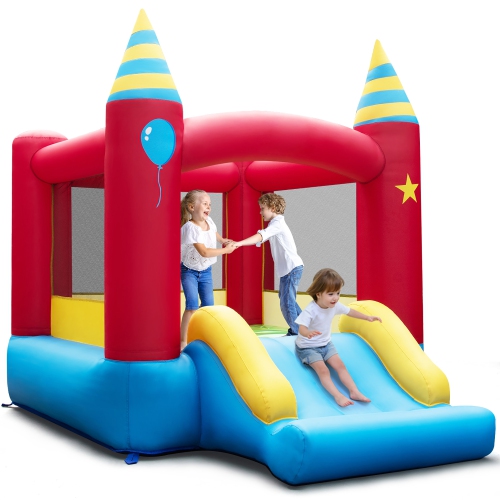
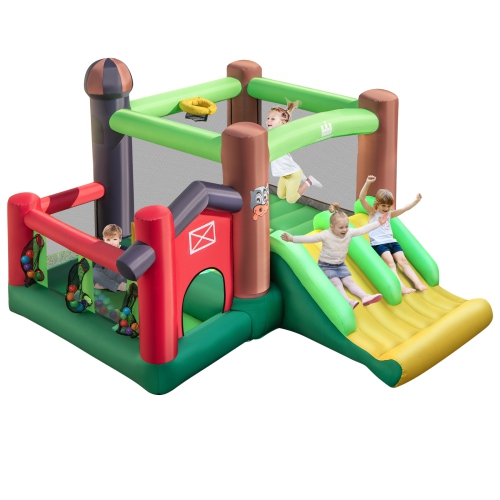
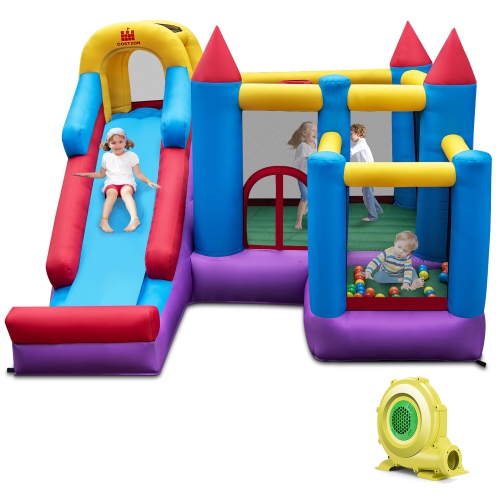
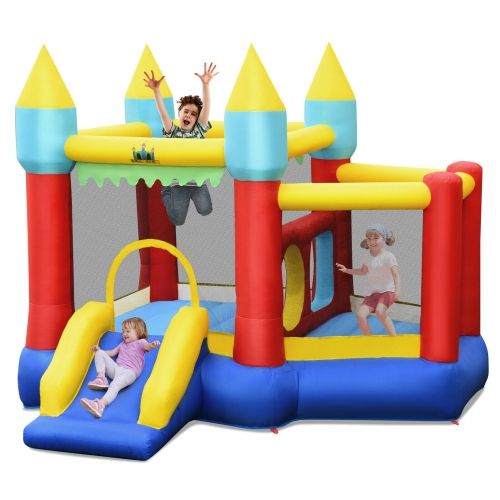
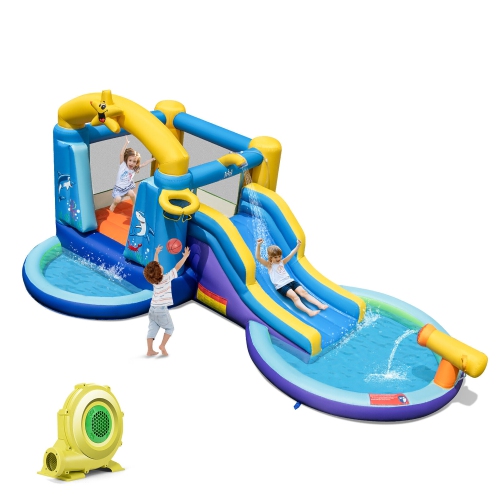
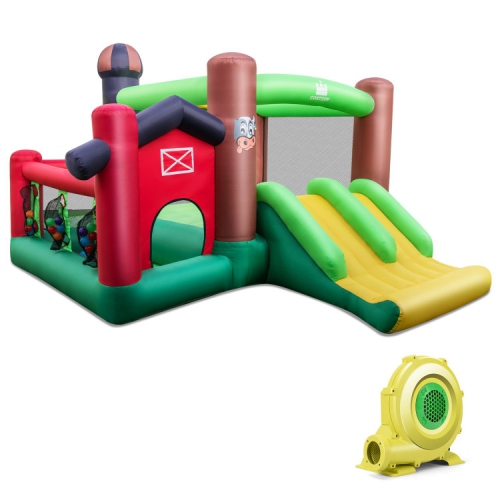
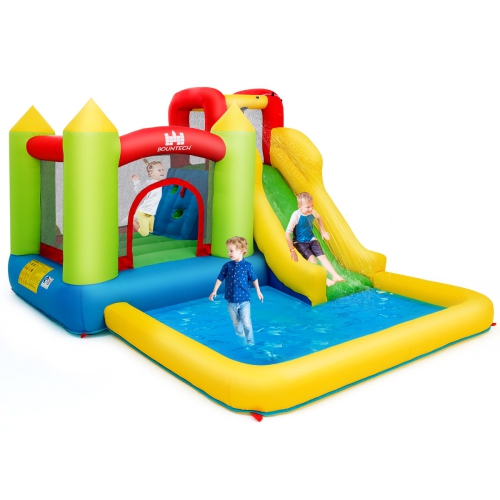
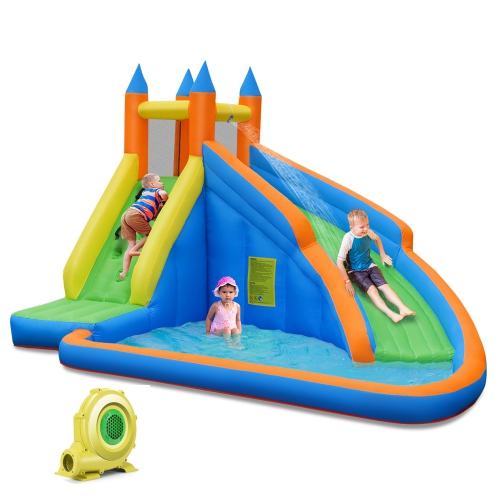
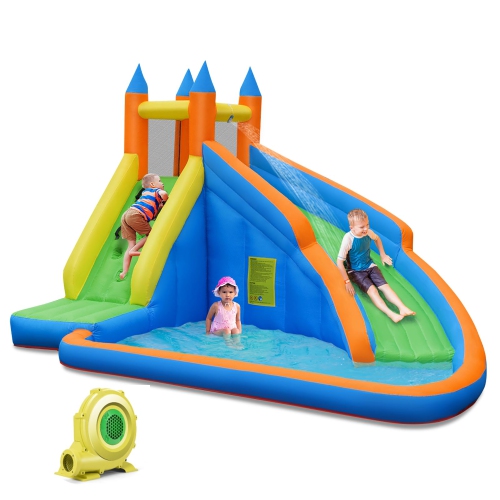
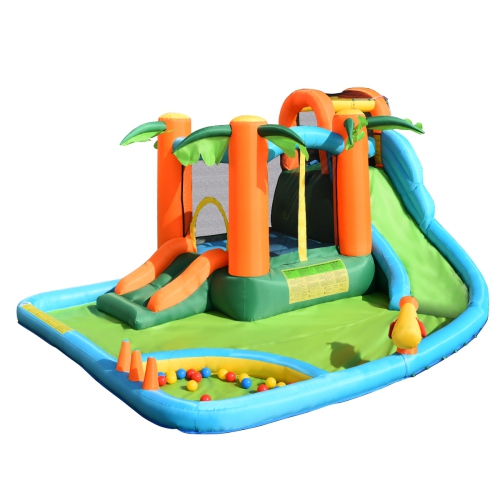
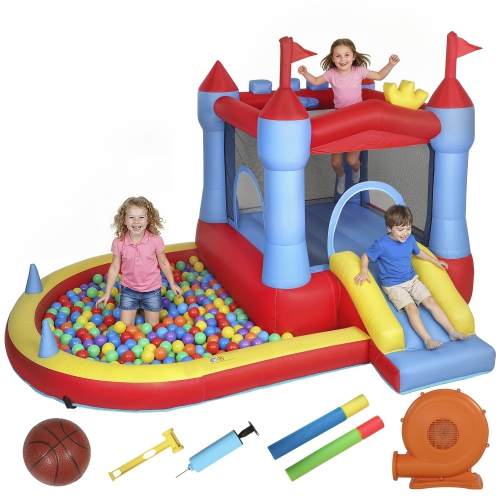
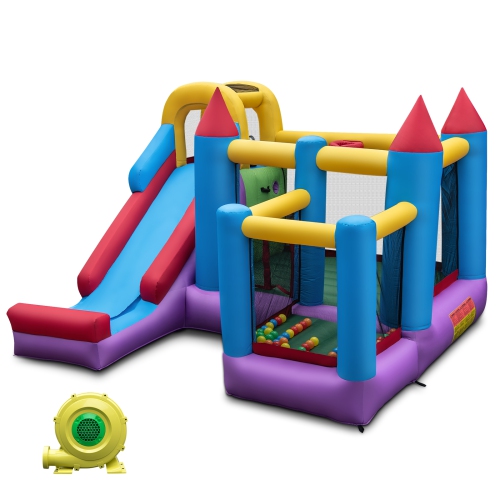
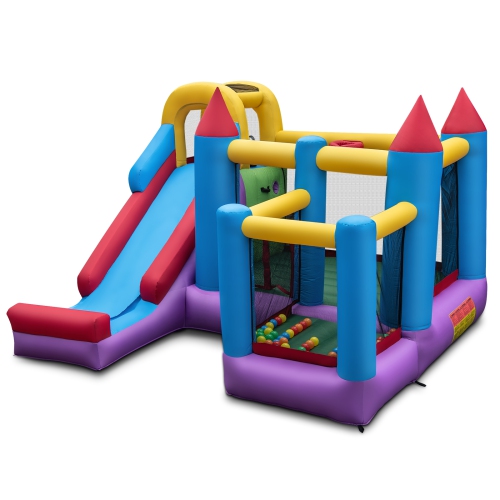
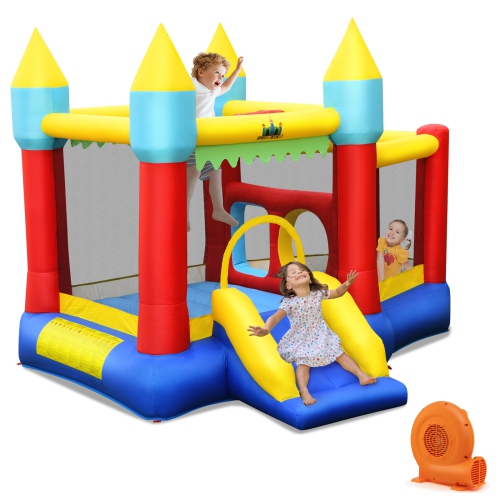
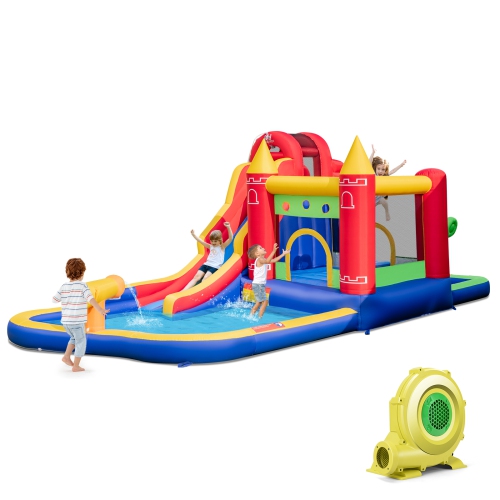
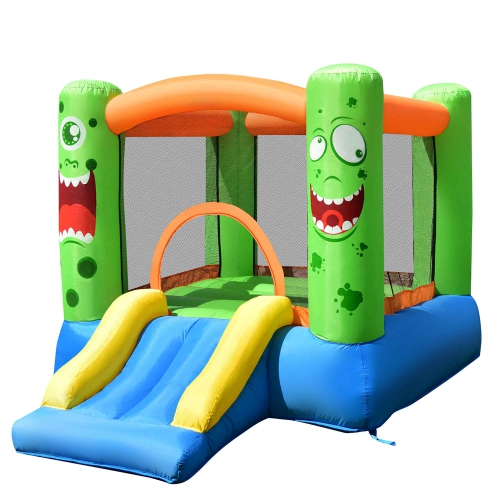
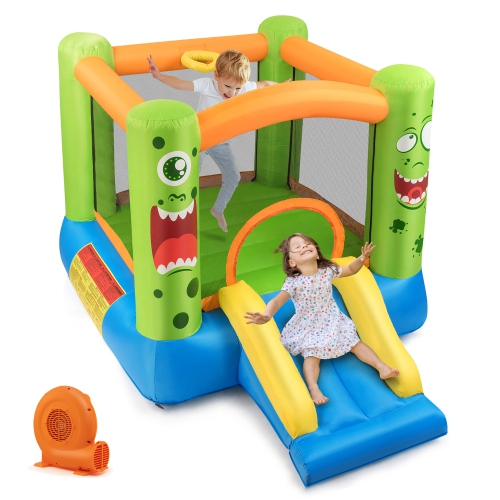
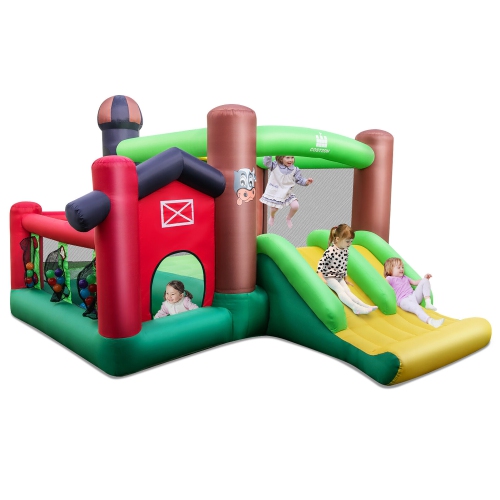
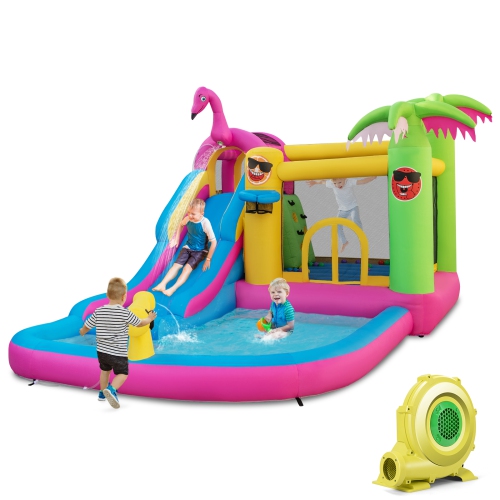
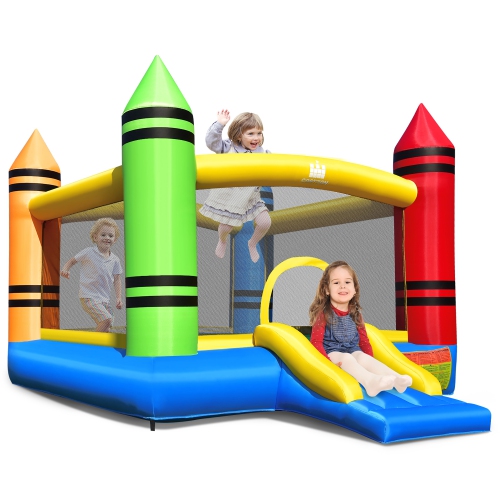
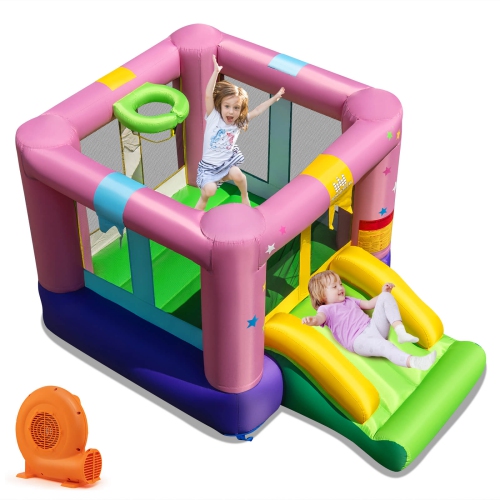
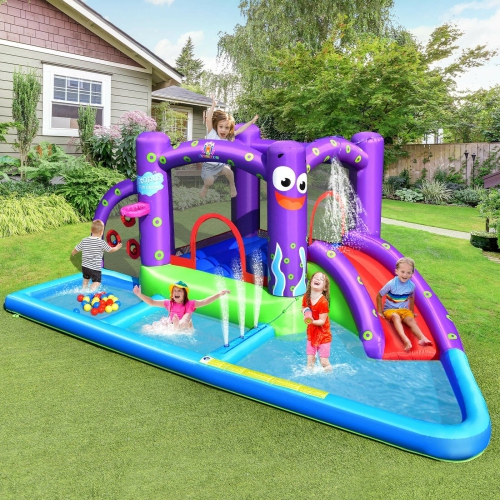
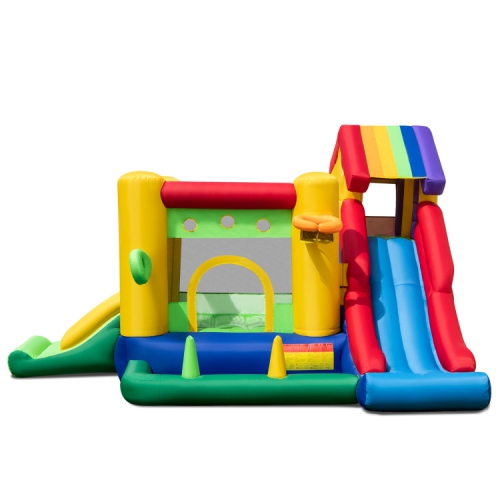

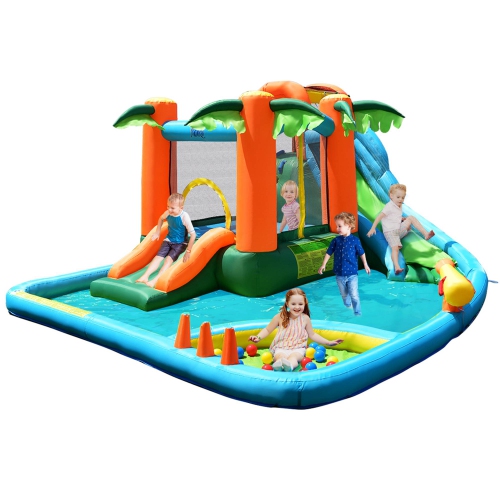
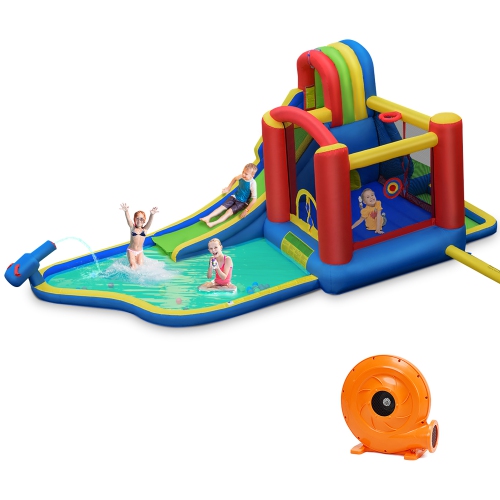
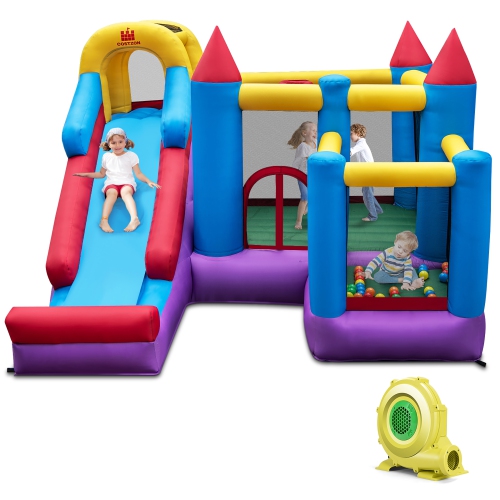
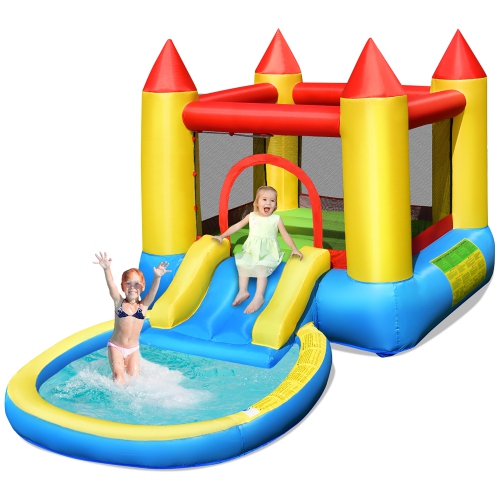
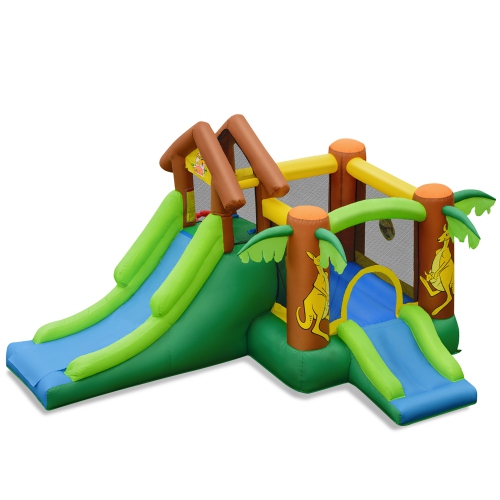
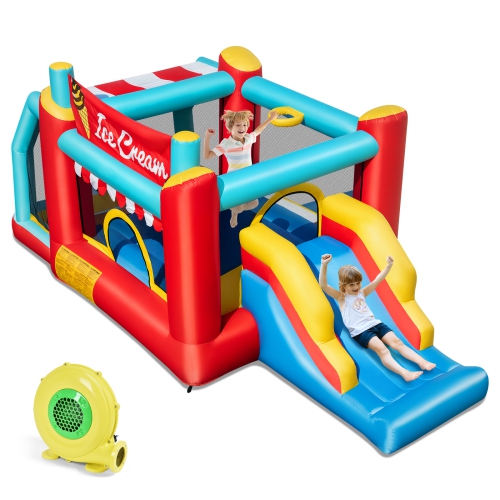
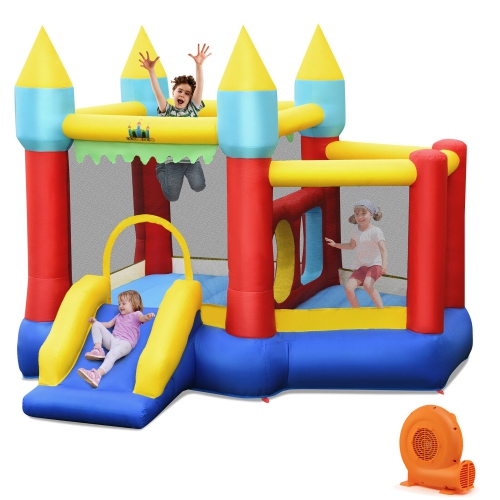
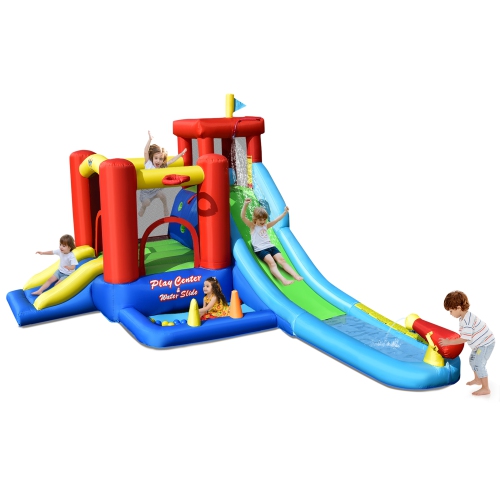
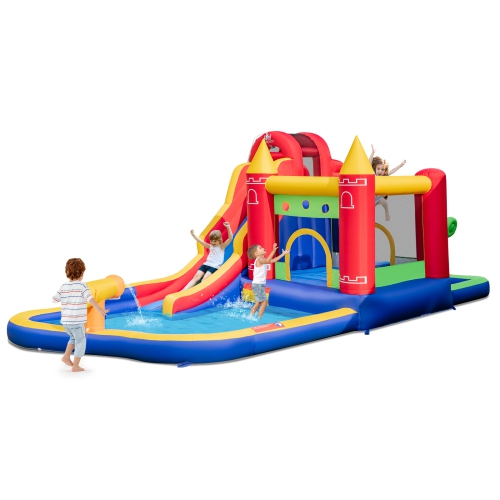
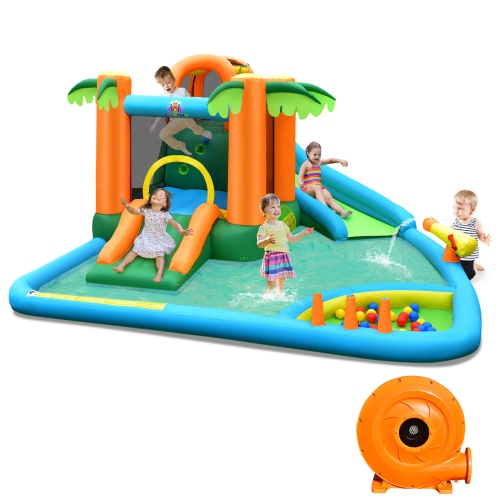

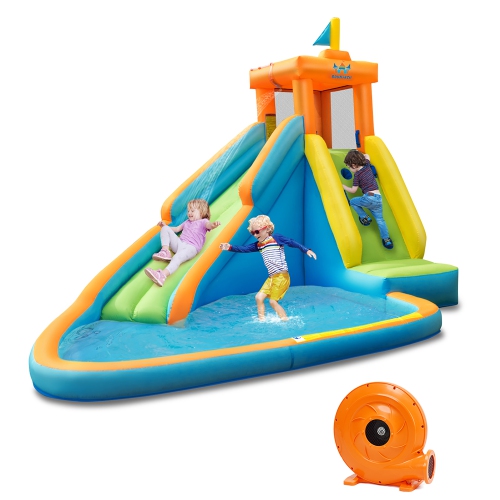
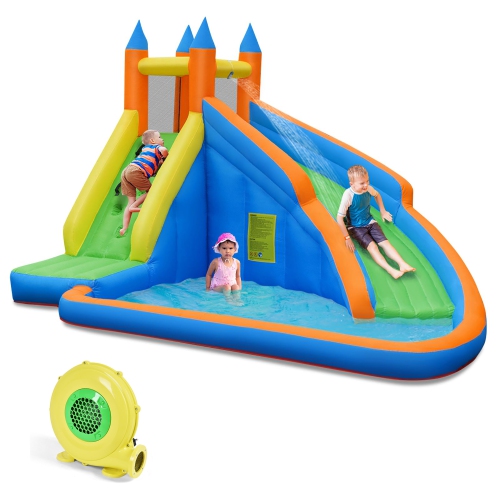
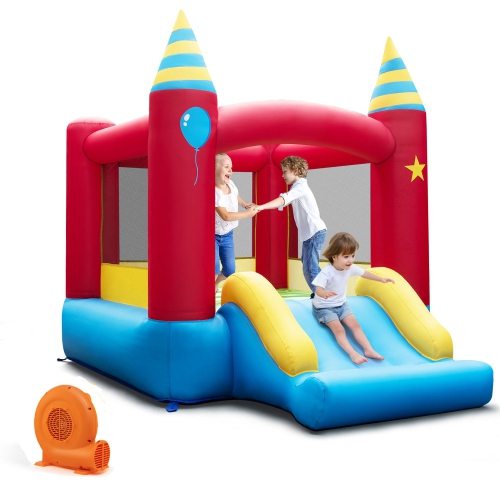
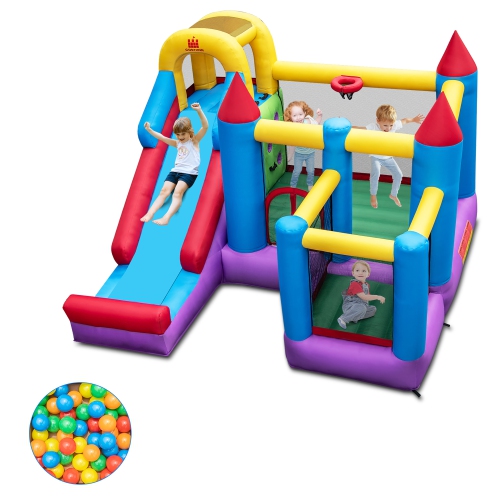
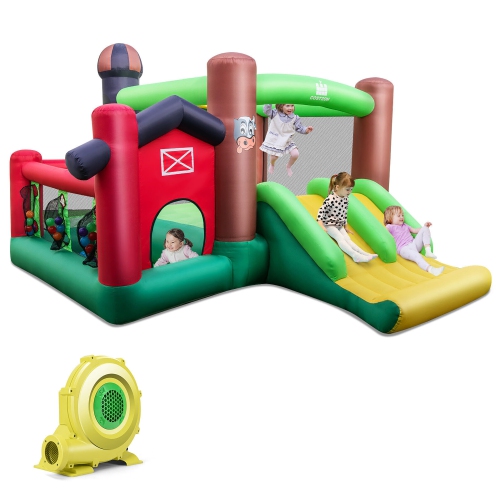
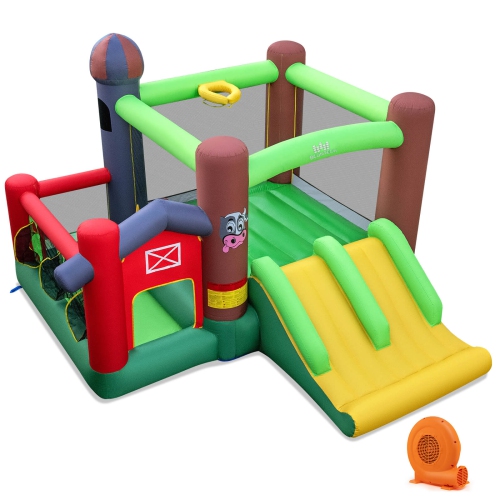
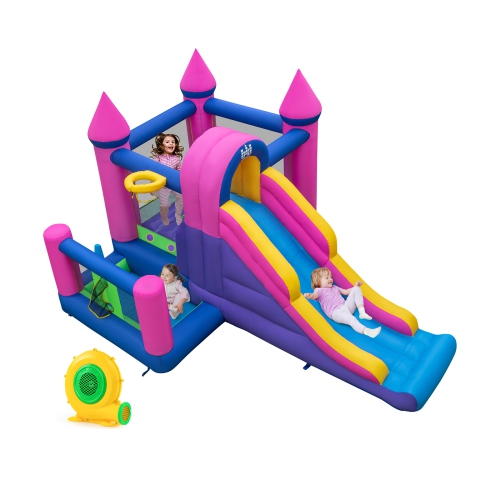
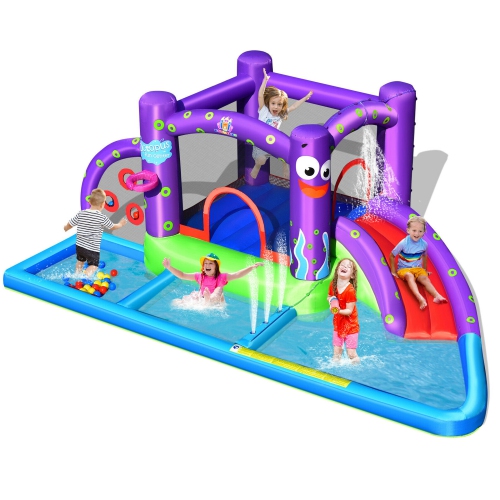
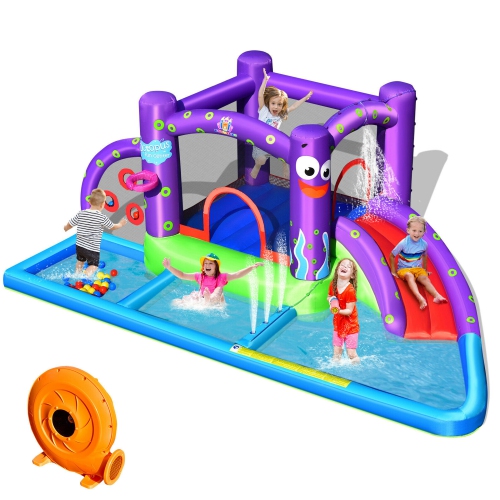
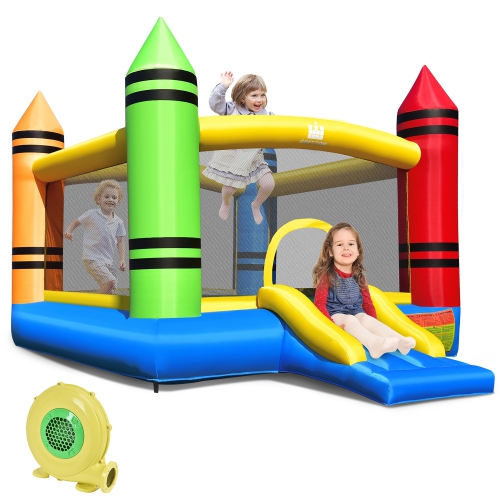
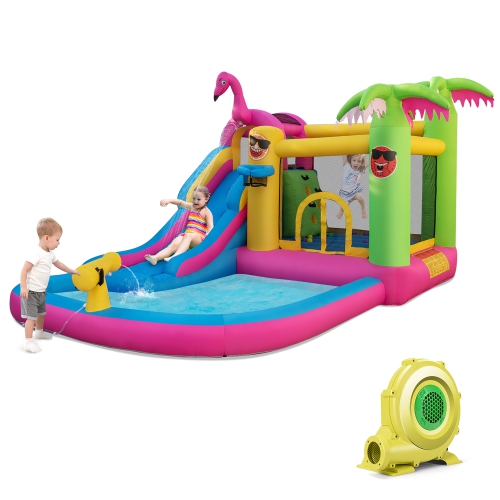
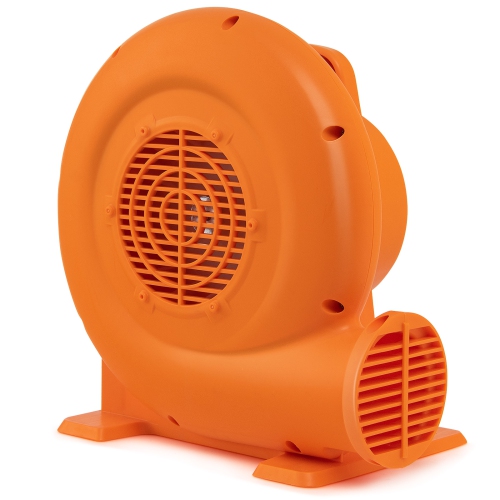
Bouncing adventures sized for your children and your space
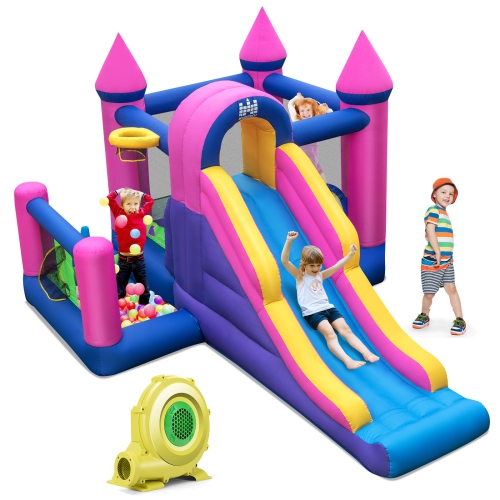
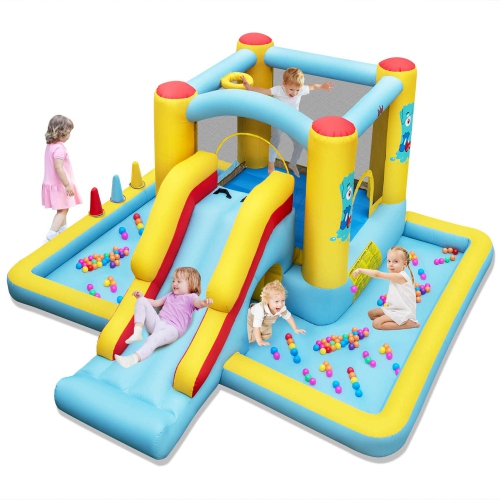
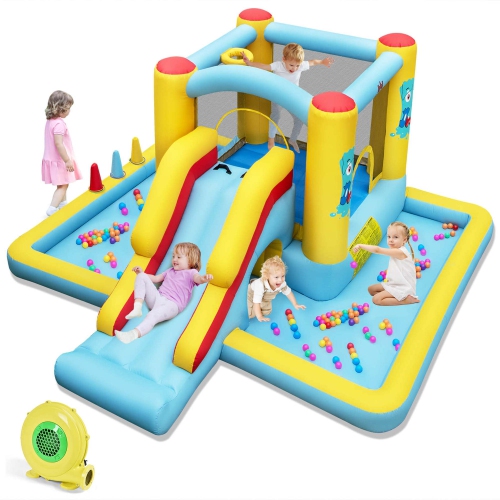
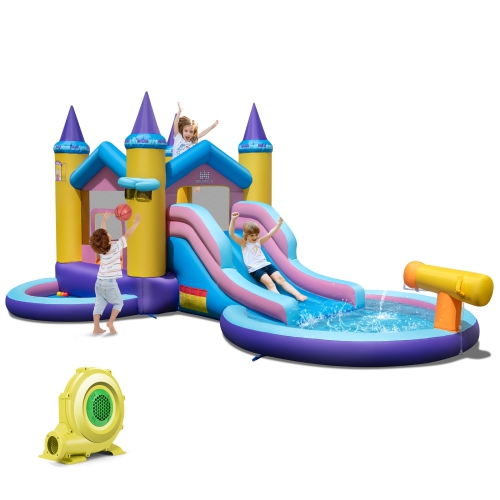
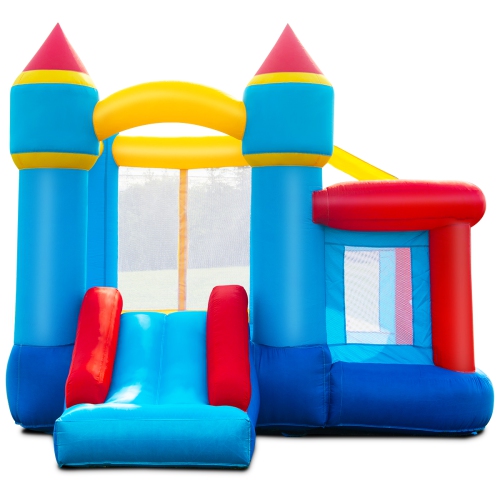
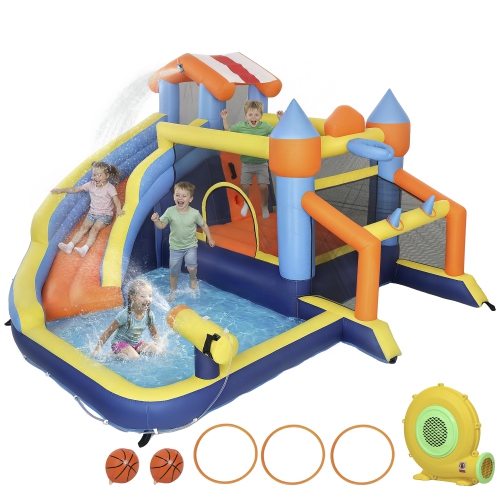
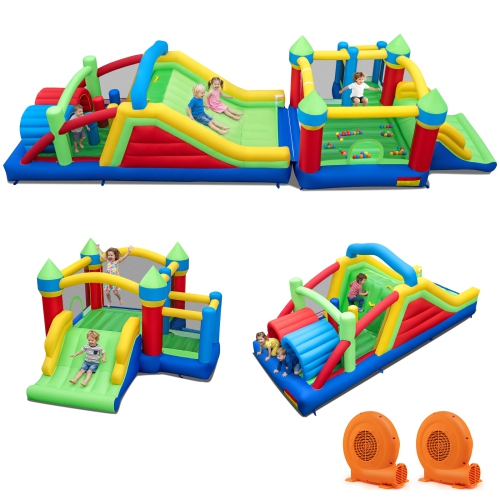
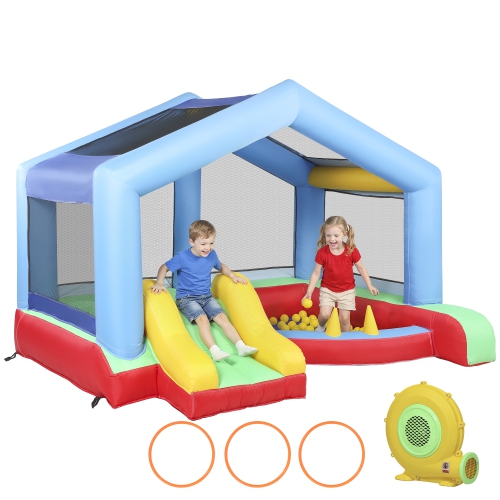
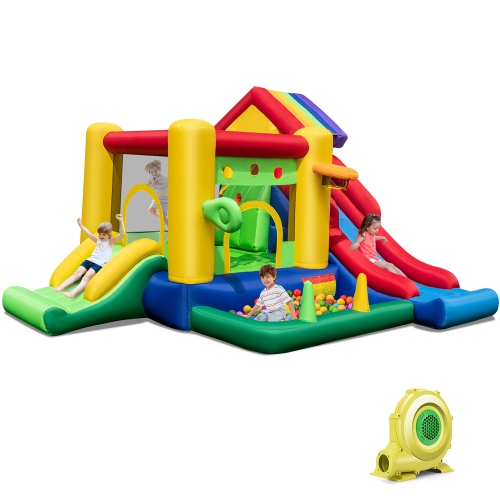
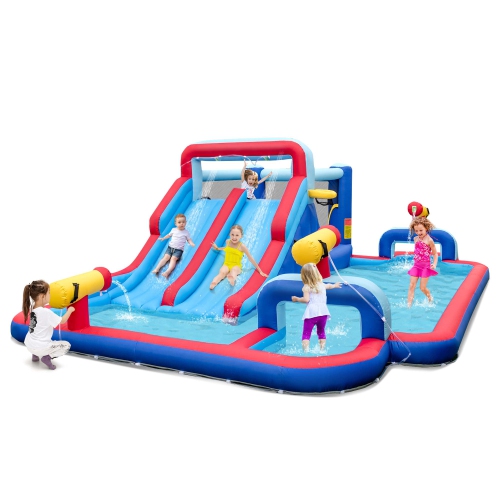
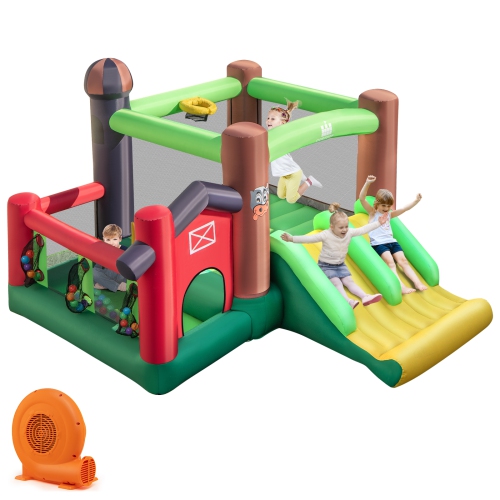
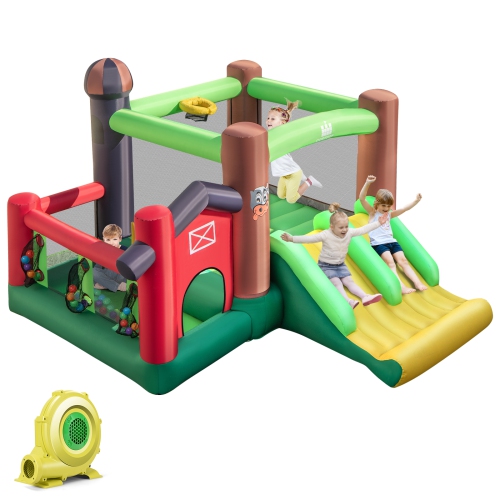
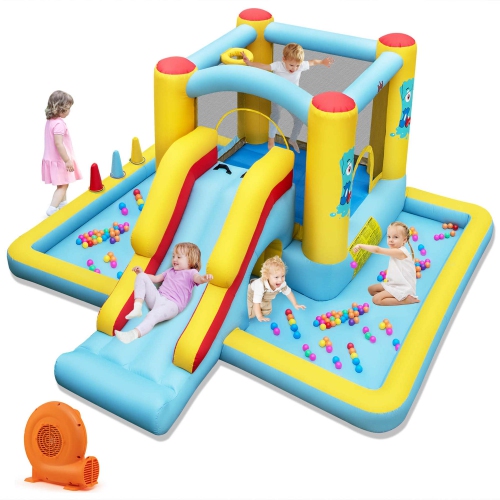
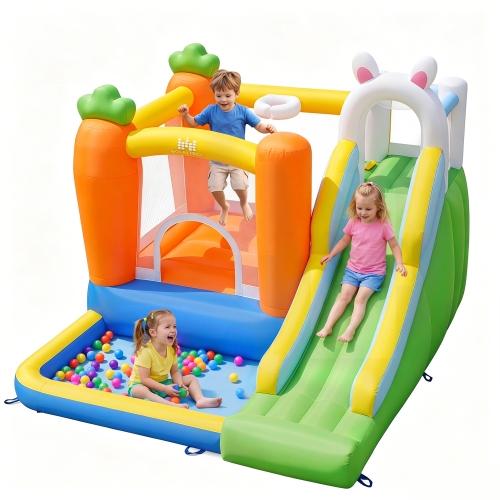
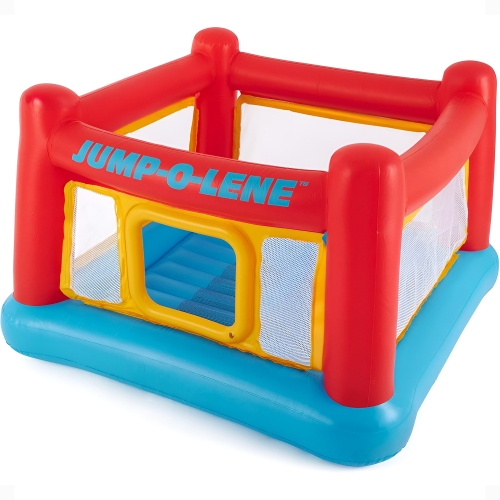
A jumping castle is an inflatable play structure with a cushioned bouncing area, usually surrounded by mesh walls and shaped with colourful towers, arches, or other playful details. Also called a bounce house or bouncy castle, it brings active play into a dedicated space where children can jump, crawl, and enjoy imaginative games. Home-use jumping castles are generally designed for children rather than adults, with suitability determined by the manufacturer’s age range, height restrictions, and weight limits. A compact bouncing area can suit a household with younger children, while a larger layout may offer room for siblings or friends, provided everyone stays within its stated capacity. Some designs keep the focus on an open bounce floor; others add a short slide, crawl-through tunnel, climbing section, or soft basketball hoop. These features change how children move through the structure, so a castle with several activities may need more usable space than its main jumping area suggests. For a child who enjoys make-believe, turrets and bright colours can turn ordinary playtime into a pretend royal adventure. For birthday gatherings and family visits, an inflatable can provide a shared activity, though it still needs a supervising adult throughout use. A jumping castle can also be a memorable family gift when the recipient has suitable setup space, storage, and time for supervision. The range of Inflatable Castles reflects the same broad play category, with differences in shape, layout, and intended use. The most useful distinctions are not simply how tall the towers stand or how elaborate the artwork looks, but how comfortably the play area suits the children using it and how well the complete footprint fits the designated space. An oversized structure can be awkward in a small yard, while a smaller castle may not accommodate a growing group of playmates. Residential designs also differ from commercial inflatables intended for rental or public use; a home model should not be treated as interchangeable with equipment built for those settings.
Materials and construction influence the feel, durability, and care requirements of a jumping castle. Depending on the design, the body may use woven polyester or nylon fabric with a protective coating, PVC-coated fabric, or vinyl components. Material names alone do not establish strength: fabric weight, seam construction, reinforced attachment points, and the manufacturer’s intended use all matter. Areas around the entrance, slide, and climbing footholds receive repeated contact, making their construction particularly relevant for regular family use. Mesh side panels let supervising adults see into the jumping area while helping define the play space, but they are not climbing surfaces or a substitute for supervision. A low entrance may make access easier for younger children, while a clearly separated slide exit can help keep children who are landing away from those waiting to enter. Fit includes both the users and the setup location. Published dimensions may describe the inflatable itself without accounting for the blower, air tube, anchoring points, or required clearance around it. A castle that appears to fit between a fence and a patio may still lack the surrounding space specified in its instructions. Indoor use is appropriate only when the manufacturer permits it and the room meets all clearance and anchoring requirements, including space above the tallest point and separation from lights, ceiling fans, and other obstacles. Outdoor placement requires a suitable level surface free of sharp objects, with anchoring completed exactly as directed. Stakes and other fastening methods are not interchangeable unless the manufacturer allows the substitution. User limits deserve the same attention as dimensions: a maximum combined weight does not override a lower limit for each child or a stated maximum number of users. Children of substantially different sizes should take separate turns, since the movement of a larger jumper can unsettle a smaller child. A design matched to the youngest intended users is often more practical than a complex layout they cannot yet navigate comfortably.
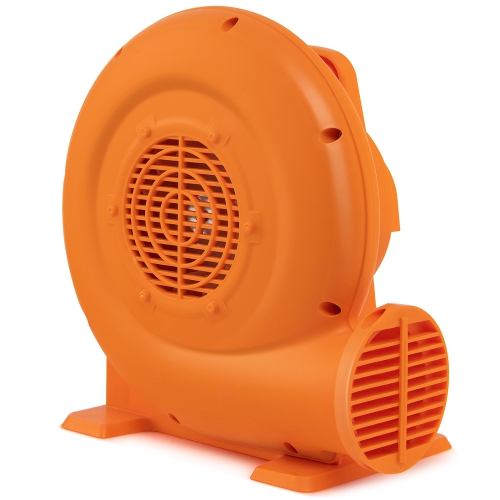
Setup and storage are part of owning a jumping castle, not just details for the first day. Many residential fabric models use a continuous-air system, meaning a compatible electric blower runs for the entire play session to keep the structure inflated. Other inflatable products use sealed air chambers, so the inflation method should be checked rather than assumed. With continuous-air designs, some airflow through stitched seams can be normal; the manufacturer’s instructions explain the expected operation and signs that need attention. Blower requirements, electrical connections, and cord placement matter wherever the castle is used, and the air intake must remain unobstructed. Whether a blower, anchors, carrying bag, or repair materials are included varies, making the contents and setup requirements important parts of the overall choice. Before children enter, the castle needs to be fully inflated, properly secured, and checked for damage or loose attachments. Shoes, sharp accessories, food, and drinks should stay outside, and jumping games should exclude flips, rough play, and climbing on the walls. A nearby adult needs a clear view of the play area and entrance, with enough attention to manage turns rather than simply being present elsewhere in the yard. Care between uses helps preserve both the fabric and the next play session. Loose dirt can be removed before cleaning, and marks can be treated using the cleaning method specified for the material; harsh cleaners and abrasive tools may damage coatings or seams. The inflatable must be completely dry before folding and storing to reduce the risk of mildew and unpleasant odours. Storage also takes more room than the packed fabric alone might suggest, since a blower and accessories need their own dry, protected space. Routine checks of seams, mesh, anchor loops, and the bounce floor help identify wear before it becomes a larger problem. Damage affecting support, containment, or anchoring calls for stopping use and following the manufacturer’s repair or replacement guidance. A well-matched jumping castle balances inviting play features with manageable setup, clear user limits, and care requirements that fit everyday family life.
Materials and construction influence the feel, durability, and care requirements of a jumping castle. Depending on the design, the body may use woven polyester or nylon fabric with a protective coating, PVC-coated fabric, or vinyl components. Material names alone do not establish strength: fabric weight, seam construction, reinforced attachment points, and the manufacturer’s intended use all matter. Areas around the entrance, slide, and climbing footholds receive repeated contact, making their construction particularly relevant for regular family use. Mesh side panels let supervising adults see into the jumping area while helping define the play space, but they are not climbing surfaces or a substitute for supervision. A low entrance may make access easier for younger children, while a clearly separated slide exit can help keep children who are landing away from those waiting to enter. Fit includes both the users and the setup location. Published dimensions may describe the inflatable itself without accounting for the blower, air tube, anchoring points, or required clearance around it. A castle that appears to fit between a fence and a patio may still lack the surrounding space specified in its instructions. Indoor use is appropriate only when the manufacturer permits it and the room meets all clearance and anchoring requirements, including space above the tallest point and separation from lights, ceiling fans, and other obstacles. Outdoor placement requires a suitable level surface free of sharp objects, with anchoring completed exactly as directed. Stakes and other fastening methods are not interchangeable unless the manufacturer allows the substitution. User limits deserve the same attention as dimensions: a maximum combined weight does not override a lower limit for each child or a stated maximum number of users. Children of substantially different sizes should take separate turns, since the movement of a larger jumper can unsettle a smaller child. A design matched to the youngest intended users is often more practical than a complex layout they cannot yet navigate comfortably.
Setup and storage are part of owning a jumping castle, not just details for the first day. Many residential fabric models use a continuous-air system, meaning a compatible electric blower runs for the entire play session to keep the structure inflated. Other inflatable products use sealed air chambers, so the inflation method should be checked rather than assumed. With continuous-air designs, some airflow through stitched seams can be normal; the manufacturer’s instructions explain the expected operation and signs that need attention. Blower requirements, electrical connections, and cord placement matter wherever the castle is used, and the air intake must remain unobstructed. Whether a blower, anchors, carrying bag, or repair materials are included varies, making the contents and setup requirements important parts of the overall choice. Before children enter, the castle needs to be fully inflated, properly secured, and checked for damage or loose attachments. Shoes, sharp accessories, food, and drinks should stay outside, and jumping games should exclude flips, rough play, and climbing on the walls. A nearby adult needs a clear view of the play area and entrance, with enough attention to manage turns rather than simply being present elsewhere in the yard. Care between uses helps preserve both the fabric and the next play session. Loose dirt can be removed before cleaning, and marks can be treated using the cleaning method specified for the material; harsh cleaners and abrasive tools may damage coatings or seams. The inflatable must be completely dry before folding and storing to reduce the risk of mildew and unpleasant odours. Storage also takes more room than the packed fabric alone might suggest, since a blower and accessories need their own dry, protected space. Routine checks of seams, mesh, anchor loops, and the bounce floor help identify wear before it becomes a larger problem. Damage affecting support, containment, or anchoring calls for stopping use and following the manufacturer’s repair or replacement guidance. A well-matched jumping castle balances inviting play features with manageable setup, clear user limits, and care requirements that fit everyday family life.
Top selling and popular products
-
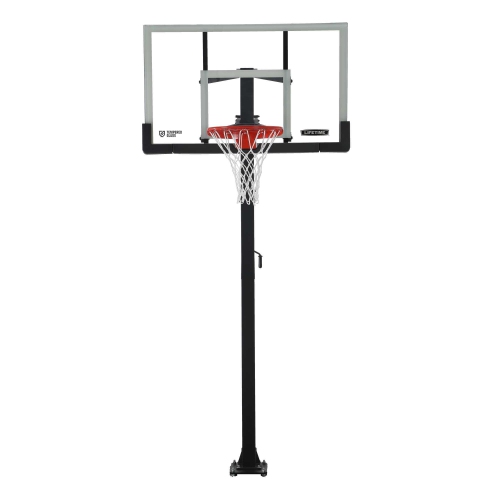 Your price for this item is $1369.99
 -
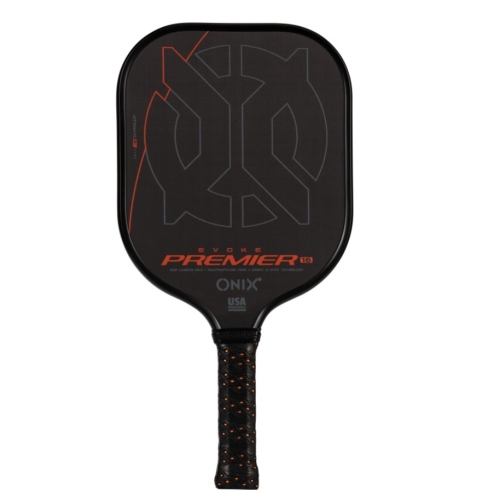 Your price for this item is $139.99
 -
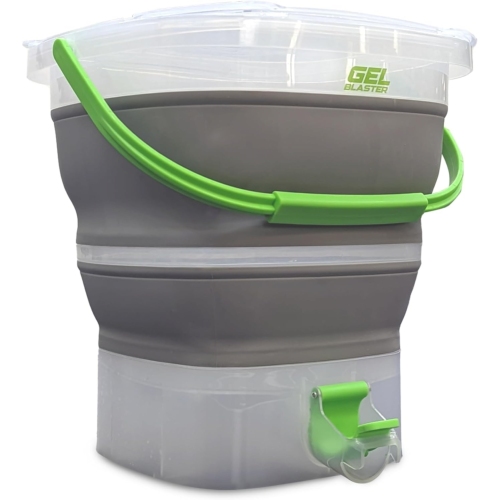 Your price for this item is $34.99
 -
 Your price for this item is $999.99
 -
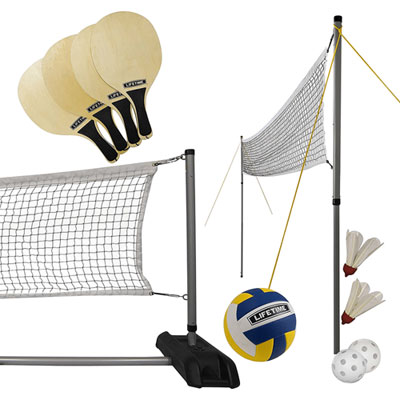 Your price for this item is $218.98
 -
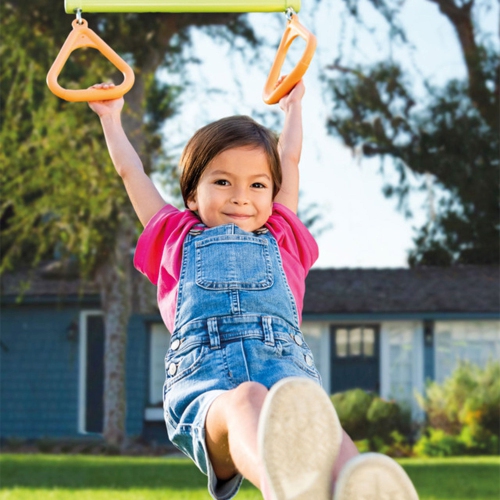 Your price for this item is $347.99
 -
 Your price for this item is $289.99
 -
 Your price for this item is $237.99
Discover more categories related to Jumping Castle
Top Collections:
Pokemon Centers, Budget 4K TVs, Kindle Devices, Canon G7X Cameras, Apple iPhones 16, iPhone 15 Apple, Laptops for Business Work, Flip Phones, Xiaomi Phones, Refurbished Apple Laptops
Some products may be subject to Environmental Handling Fees
(EHF) depending on your province.
Learn more about EHFs.