Koolatron Coolers
Discover the convenience and versatility of the Koolatron cooler, a must-have for anyone seeking portable cooling solutions. Whether you're planning a road trip, heading to the beach, or simply need extra cooling space at home, these coolers provide reliable performance to keep your items chilled wherever you go. With options designed to fit various needs and lifestyles, Koolatron coolers offer an ideal blend of functionality and style. Explore our selection and find the perfect match for your cooling requirements today.
Sort




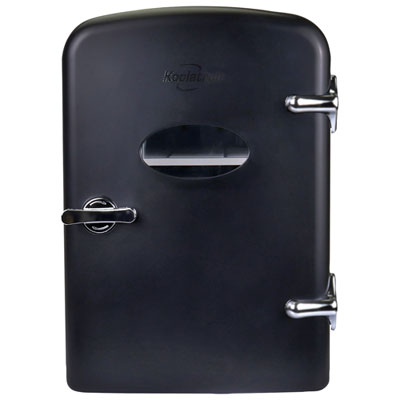
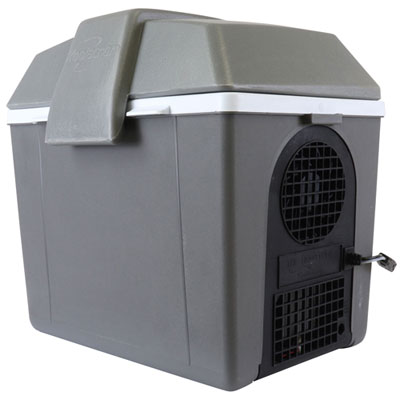
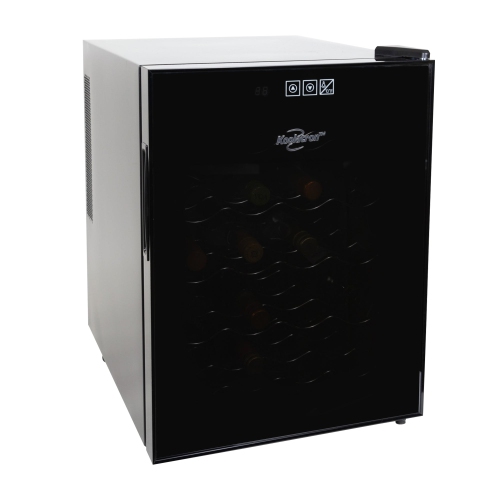
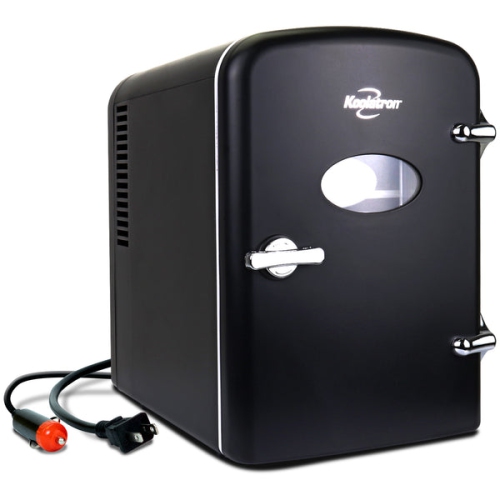
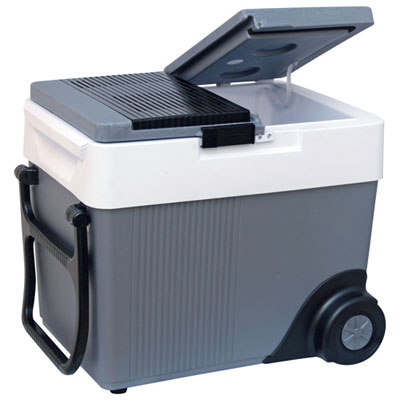
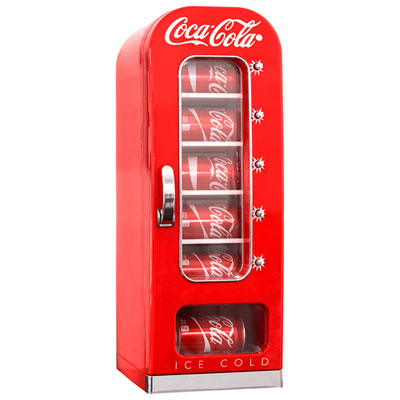
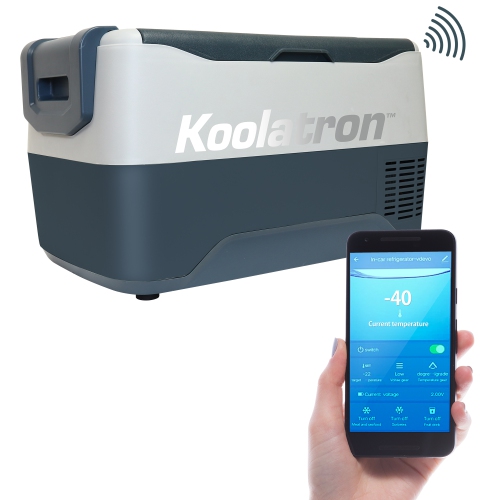
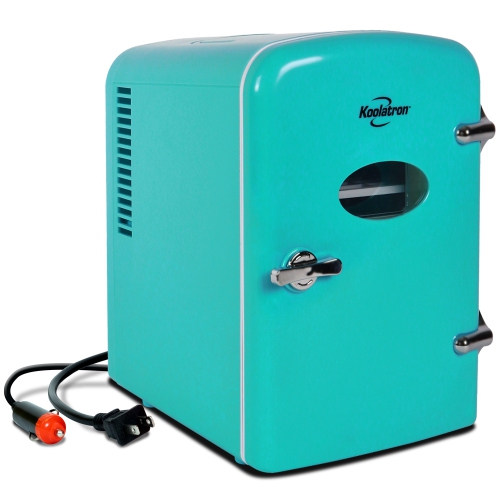
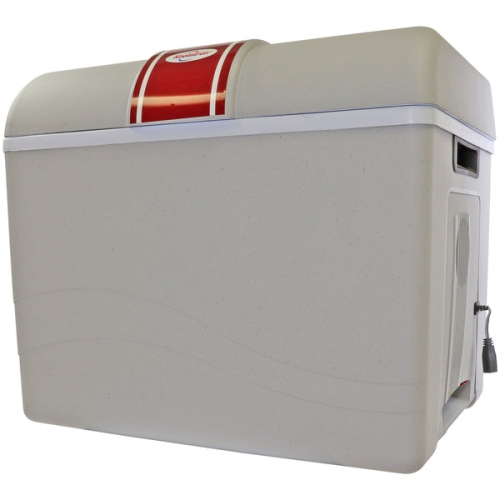
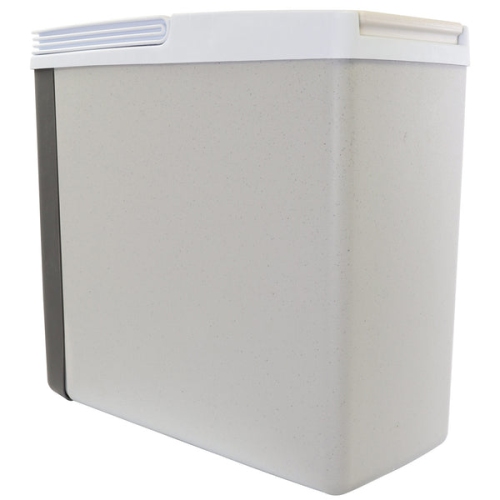
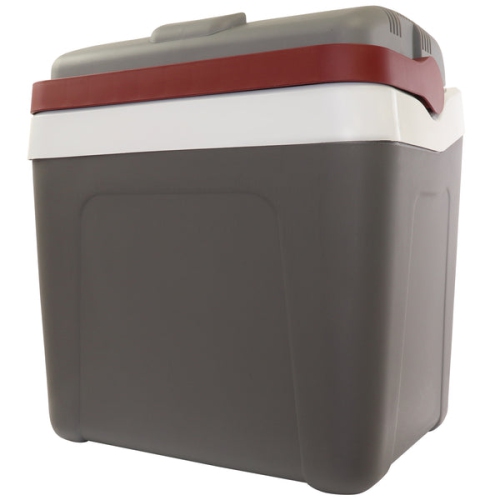

How ice-free cooling works on the road
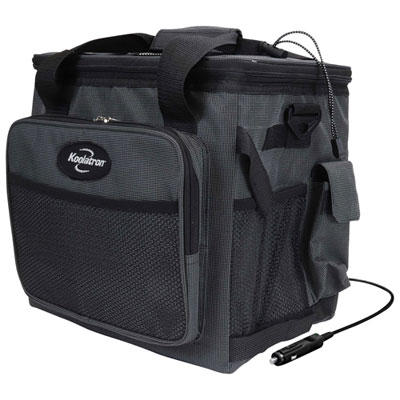
Portable electric coolers keep drinks, snacks, and packed meals close at hand on road trips, at the cottage, and during long days away from home. Thermoelectric models use the Peltier effect: an electrical current moves heat from one side of a cooling module to the other, while a fan helps release that heat outside the insulated compartment. This design provides cooling without ice, leaving more of the interior usable for containers and bottles and avoiding the puddle that melting ice can leave behind. Many portable electric coolers connect to a compatible 12V DC vehicle outlet, making them practical for drivers, passengers, tradespeople, and families travelling between activities. Indoor use may also be possible with a manufacturer-approved AC adapter, although compatibility and whether an adapter is included vary by model. Unlike a compressor refrigerator, a thermoelectric cooler generally cools relative to the surrounding air rather than maintaining a fixed refrigerator temperature under all conditions. Some designs are rated to cool up to approximately 22°C below the surrounding temperature, but actual results depend on ventilation, the starting temperature of the contents, how often the lid is opened, and other operating conditions. A cooler sitting in a hot parked vehicle therefore performs differently from one running in a shaded, well-ventilated space. Starting with chilled drinks and food reduces the amount of heat the cooler needs to remove, while keeping the lid closed helps preserve the temperature inside. For perishables, an appliance thermometer provides a more reliable check than touching the lining or judging how cold a bottle feels. Meat, dairy, and other perishable foods need to remain at 4°C or below; an electric cooler should not be assumed to meet that requirement simply because its fan is running. For a long drive with sandwiches, yoghurt, and milk, temperature performance matters as much as the convenience of plugging in beside the passenger seat.
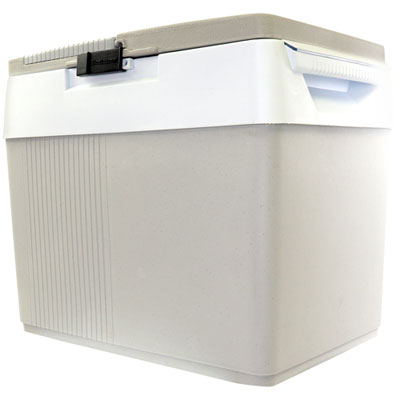
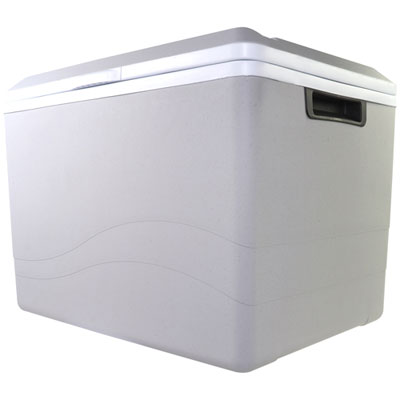
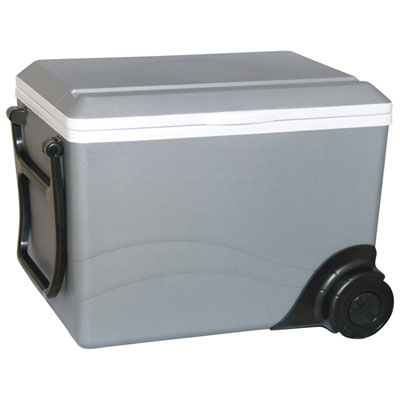
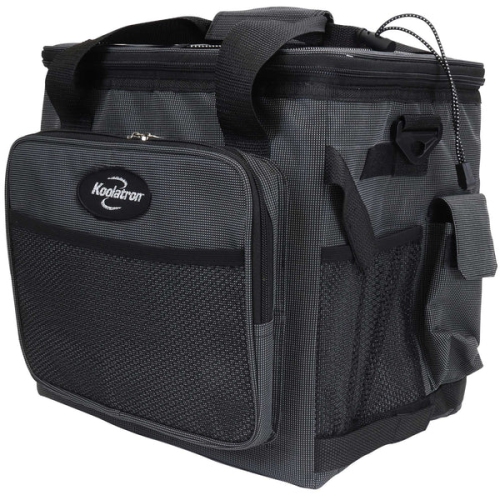
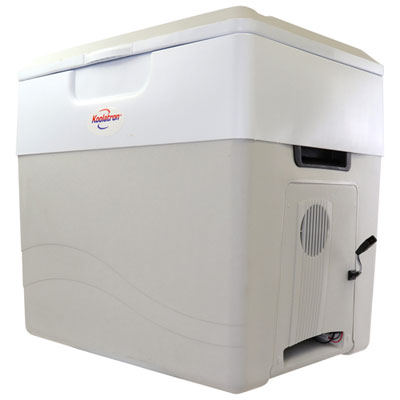
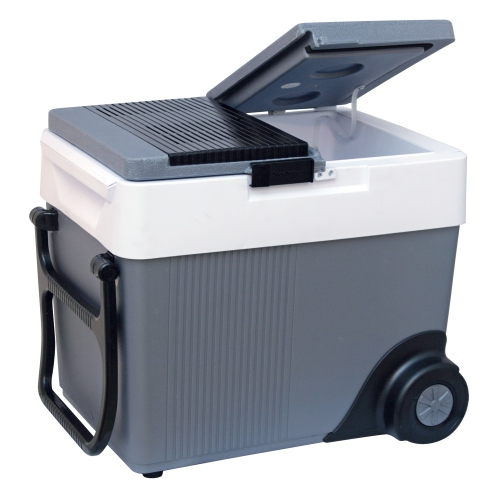
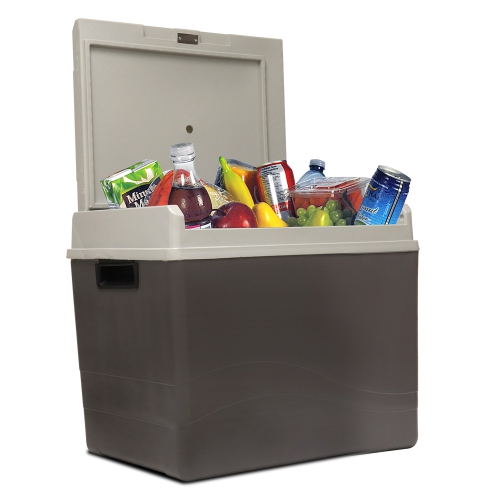
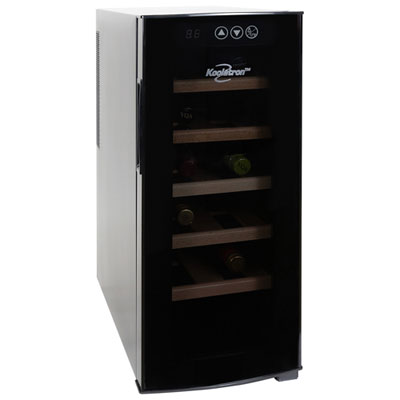
Size and shape make a noticeable difference in how a cooler fits into everyday travel. Capacity in litres offers a useful starting point, but interior dimensions determine whether a tall reusable bottle stands upright, a lunch container lies flat, or enough drinks fit alongside food for several people. A compact cooler can suit a commuter carrying lunch and a few beverages, while a larger compartment may be more practical for a family heading to a cabin or spending a day beside a sports field. The exterior needs to fit the intended space without blocking access to seat belts, interfering with vehicle controls, or crowding the cooling vents. Measuring the space between seats or the usable portion of a cargo area helps account for handles, hinges, and the room needed to open the lid. Hard-sided designs commonly combine moulded plastic shells with insulated walls and wipe-clean interiors. The shell helps protect the contents from everyday bumps, while the lid, hinges, latch, and handle attachments deserve attention because they receive repeated use during loading and unloading. An empty cooler may feel easy to carry, yet bottles and food can quickly make it heavy; a comfortable handle and manageable loaded weight are especially useful when walking from a parking area to a picnic table. Removable shelves or dividers, where included, can separate drinks from delicate food containers and make the interior easier to organise. Certain designs are approved for use upright or on their side, allowing a chest-style arrangement or a small fridge-style setup, but operating position should always follow the manufacturer's directions. Cord length and outlet placement also affect fit. A cable should reach its power source without being pinched in a door, stretched across a walkway, or pulled tight around luggage. For indoor storage focused on wine rather than portable refreshments, Koolatron Wine Cellars offers a related category with a different purpose. Portable coolers are better understood as travel companions whose suitability depends on the load, power connection, and conditions of each outing.
Day-to-day care is straightforward, but a few habits help protect both the cooler and its contents. Disconnect the power before cleaning, remove loose crumbs and spills with a soft cloth and mild detergent, and dry the compartment thoroughly before closing it for storage. Electrical connections, fans, and cooling assemblies should not be immersed in water or sprayed directly. Keeping vents free of dust, pet hair, and luggage allows heat to escape, so a cooler should not be tucked tightly beneath a blanket or surrounded by bags while operating. Although a hard exterior is useful for travel, it does not automatically make the electrical components waterproof; boating and campsite use still call for protection from rain, splashes, and standing water. The power source needs equal attention. Vehicle outlets differ: some switch off with the ignition, while others remain live and can allow a connected cooler to drain the starting battery. Overnight operation therefore requires a suitable power arrangement and an understanding of the cooler's electrical requirements rather than an assumption that any vehicle socket will do. Some thermoelectric designs also have a warming setting, which can be useful for carrying food that is already hot when the rated performance suits the task. A warming setting is not a cooking function, and safe hot holding requires food to stay at 60°C or above. Switching between modes should follow the operating instructions, including any required waiting period. During the cooler months, temperature management still matters: a cold vehicle can expose contents to freezing, and a portable cooler should not be treated as automatic protection against every temperature change. These practical details make electric coolers particularly useful gifts for frequent drivers, cottage visitors, and people who prefer to bring their own meals, provided the size and power needs suit the recipient's routine. A well-matched cooler earns its place through ordinary moments: a chilled drink at a roadside stop, lunch kept organised during a busy workday, or refreshments within reach after unloading at a weekend retreat.
Size and shape make a noticeable difference in how a cooler fits into everyday travel. Capacity in litres offers a useful starting point, but interior dimensions determine whether a tall reusable bottle stands upright, a lunch container lies flat, or enough drinks fit alongside food for several people. A compact cooler can suit a commuter carrying lunch and a few beverages, while a larger compartment may be more practical for a family heading to a cabin or spending a day beside a sports field. The exterior needs to fit the intended space without blocking access to seat belts, interfering with vehicle controls, or crowding the cooling vents. Measuring the space between seats or the usable portion of a cargo area helps account for handles, hinges, and the room needed to open the lid. Hard-sided designs commonly combine moulded plastic shells with insulated walls and wipe-clean interiors. The shell helps protect the contents from everyday bumps, while the lid, hinges, latch, and handle attachments deserve attention because they receive repeated use during loading and unloading. An empty cooler may feel easy to carry, yet bottles and food can quickly make it heavy; a comfortable handle and manageable loaded weight are especially useful when walking from a parking area to a picnic table. Removable shelves or dividers, where included, can separate drinks from delicate food containers and make the interior easier to organise. Certain designs are approved for use upright or on their side, allowing a chest-style arrangement or a small fridge-style setup, but operating position should always follow the manufacturer's directions. Cord length and outlet placement also affect fit. A cable should reach its power source without being pinched in a door, stretched across a walkway, or pulled tight around luggage. For indoor storage focused on wine rather than portable refreshments, Koolatron Wine Cellars offers a related category with a different purpose. Portable coolers are better understood as travel companions whose suitability depends on the load, power connection, and conditions of each outing.
Day-to-day care is straightforward, but a few habits help protect both the cooler and its contents. Disconnect the power before cleaning, remove loose crumbs and spills with a soft cloth and mild detergent, and dry the compartment thoroughly before closing it for storage. Electrical connections, fans, and cooling assemblies should not be immersed in water or sprayed directly. Keeping vents free of dust, pet hair, and luggage allows heat to escape, so a cooler should not be tucked tightly beneath a blanket or surrounded by bags while operating. Although a hard exterior is useful for travel, it does not automatically make the electrical components waterproof; boating and campsite use still call for protection from rain, splashes, and standing water. The power source needs equal attention. Vehicle outlets differ: some switch off with the ignition, while others remain live and can allow a connected cooler to drain the starting battery. Overnight operation therefore requires a suitable power arrangement and an understanding of the cooler's electrical requirements rather than an assumption that any vehicle socket will do. Some thermoelectric designs also have a warming setting, which can be useful for carrying food that is already hot when the rated performance suits the task. A warming setting is not a cooking function, and safe hot holding requires food to stay at 60°C or above. Switching between modes should follow the operating instructions, including any required waiting period. During the cooler months, temperature management still matters: a cold vehicle can expose contents to freezing, and a portable cooler should not be treated as automatic protection against every temperature change. These practical details make electric coolers particularly useful gifts for frequent drivers, cottage visitors, and people who prefer to bring their own meals, provided the size and power needs suit the recipient's routine. A well-matched cooler earns its place through ordinary moments: a chilled drink at a roadside stop, lunch kept organised during a busy workday, or refreshments within reach after unloading at a weekend retreat.
Top selling and popular products
-
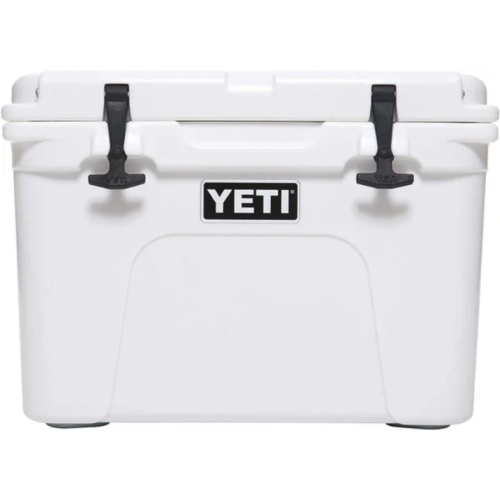 Your price for this item is $388.9
 -
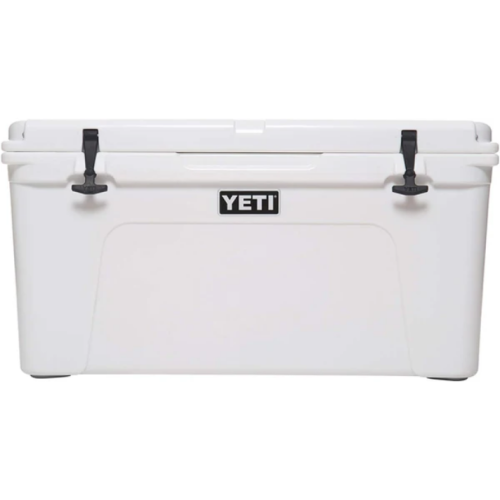 Your price for this item is $618.9
 -
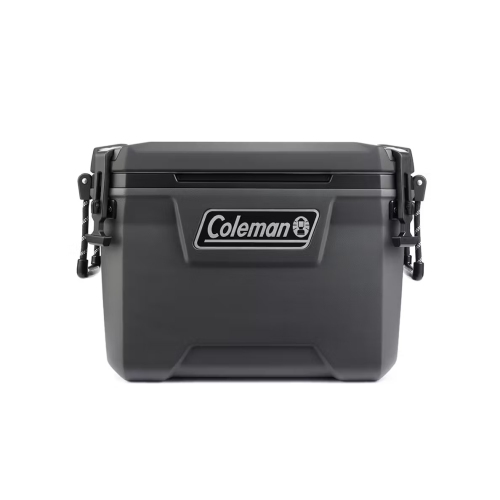 Your price for this item is $249.99
 -
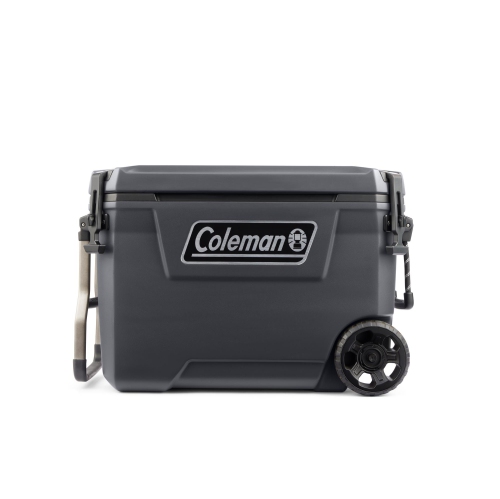 Your price for this item is $379.99
 -
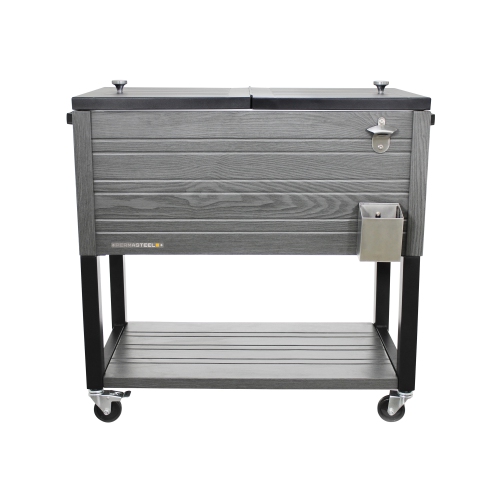 Your price for this item is $379.99
 -
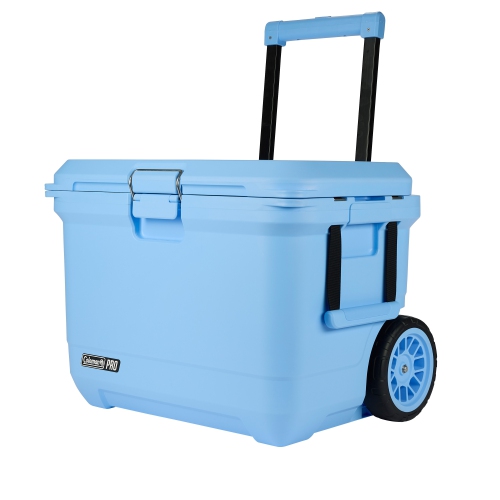 Your price for this item is $374.99
 -
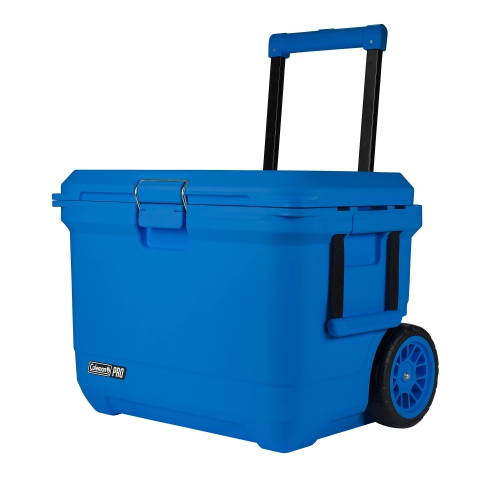 Your price for this item is $374.99
 -
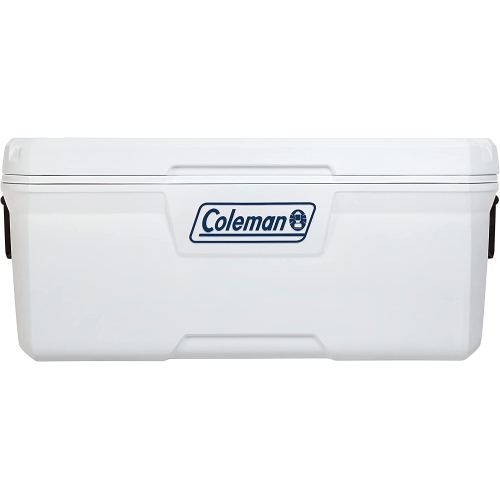 Your price for this item is $202.99
Discover more categories related to Koolatron Coolers
Top Collections:
Pokemon Centers, Kindle Devices, Best Budget Office Chairs, Apple iPhones 16, Best Laptops for Writers, iPhone 15 Apple, Canon G7X Cameras, Refurbished Apple Laptops, Alarm Clock, Motorola Razr Phones
Some products may be subject to Environmental Handling Fees
(EHF) depending on your province.
Learn more about EHFs.