Vehicle Coolers
Stay cool on the road with this selection of vehicle coolers, designed to keep your beverages chilled and snacks fresh during long drives or outdoor adventures. Whether you're heading out for a road trip, camping excursion, or simply need to keep groceries cold on the way home, these portable coolers are the perfect solution. With various sizes and features to choose from, finding the ideal cooler to fit your needs has never been easier.
Sort
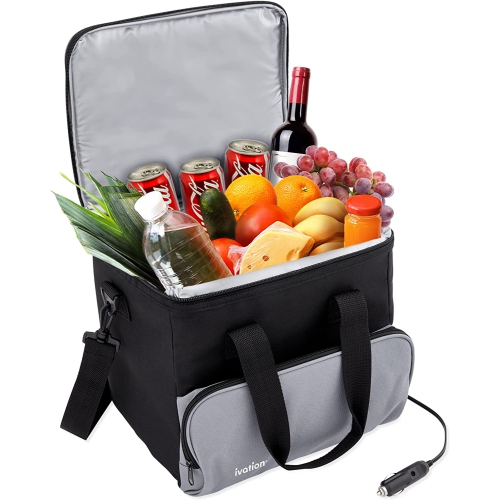
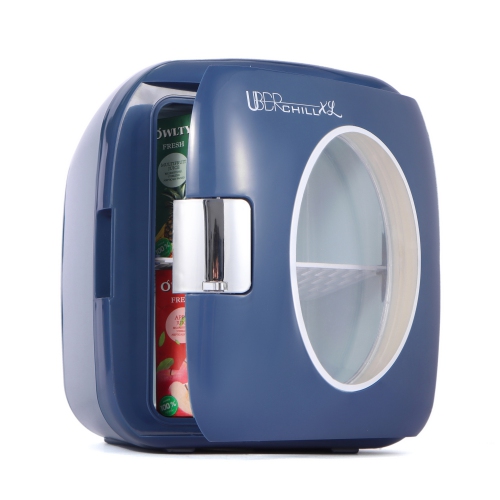
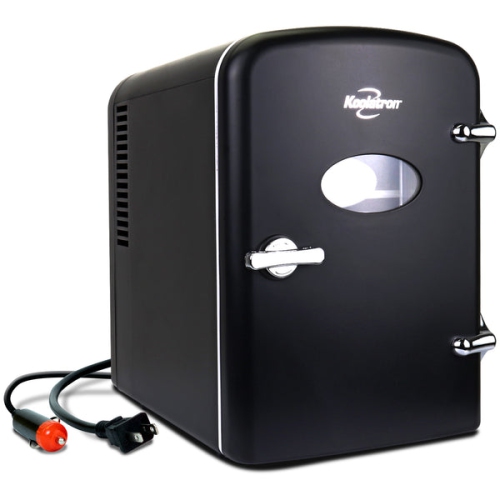
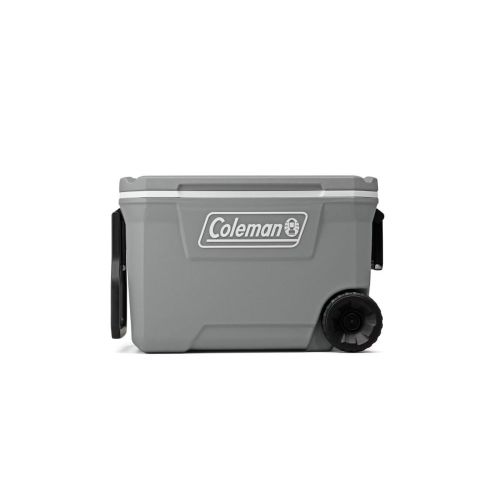
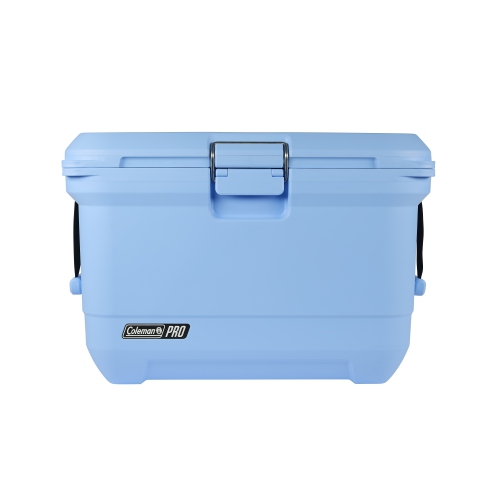
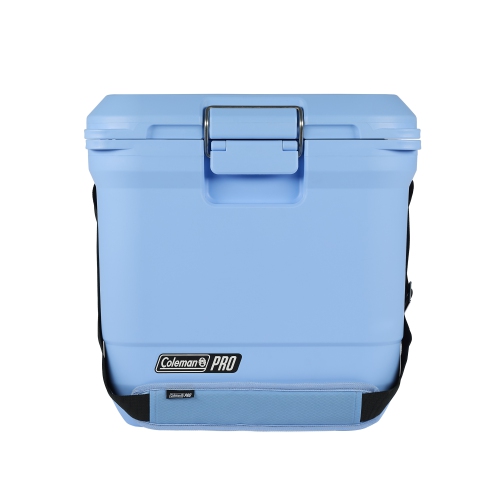

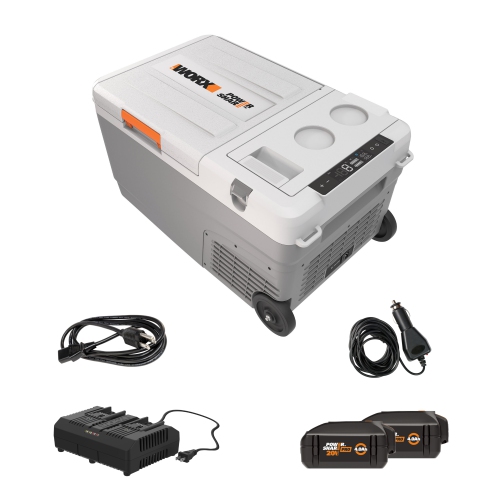
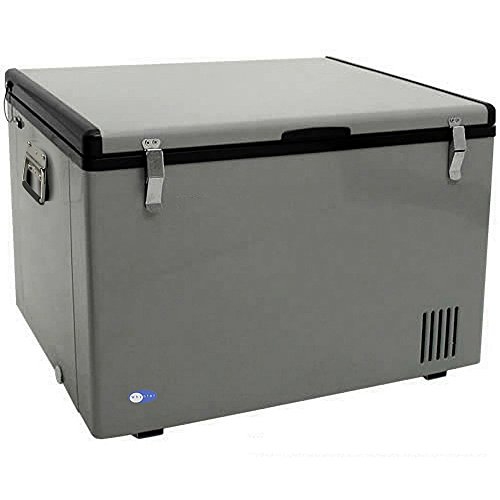
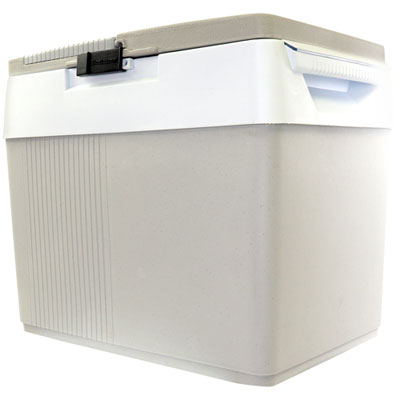
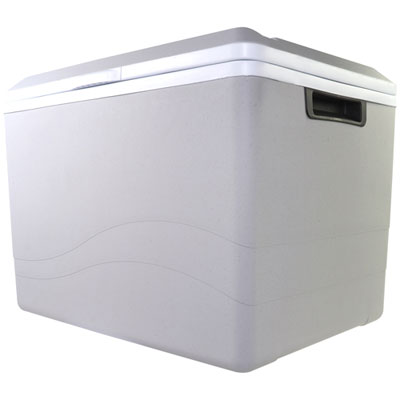

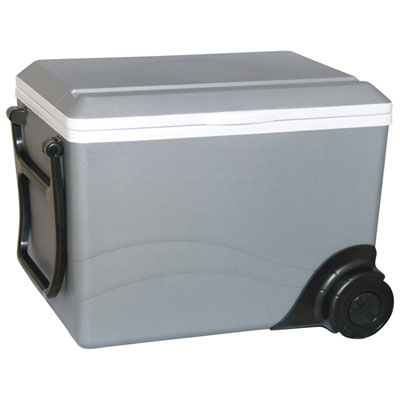
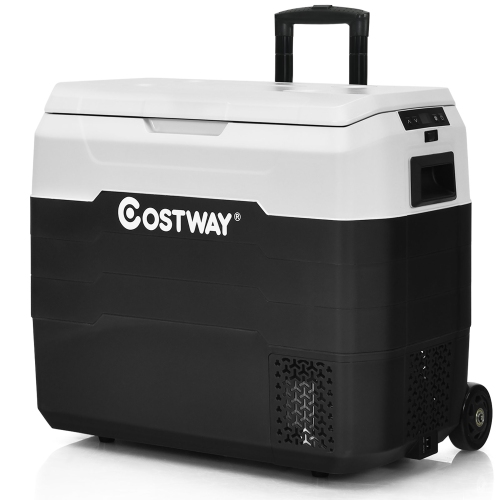

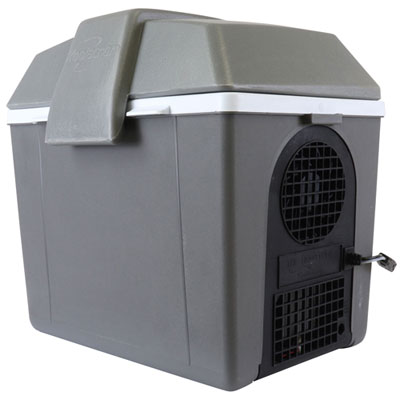
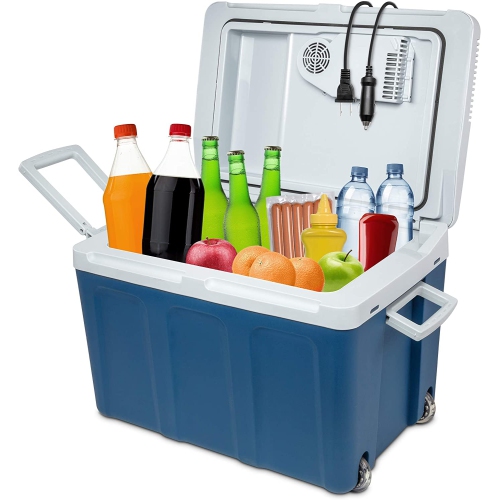
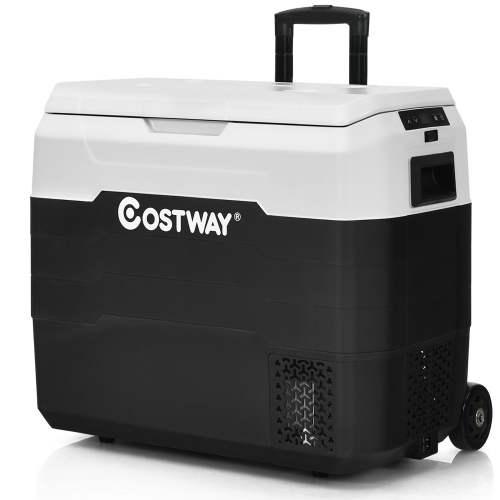
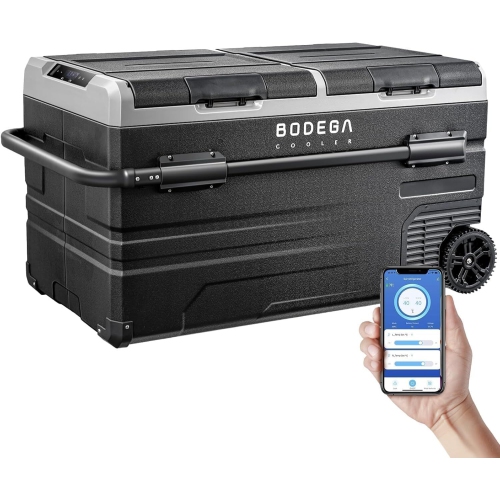
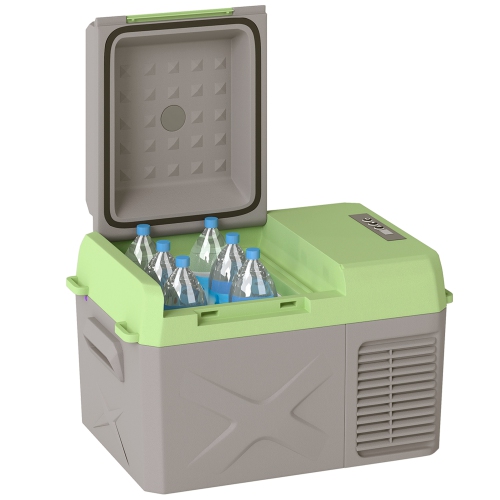
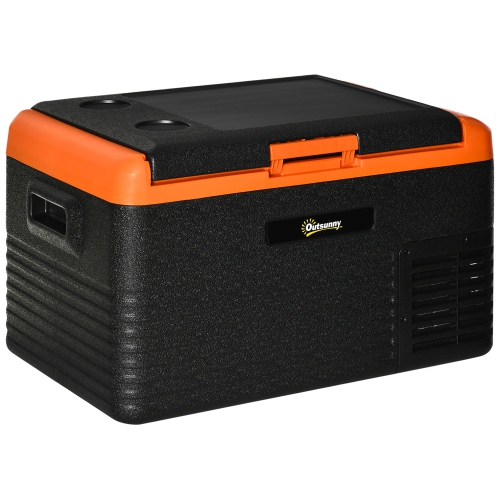

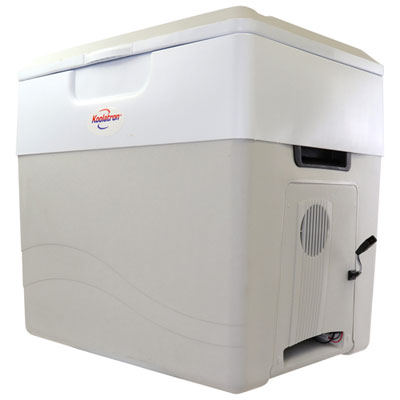
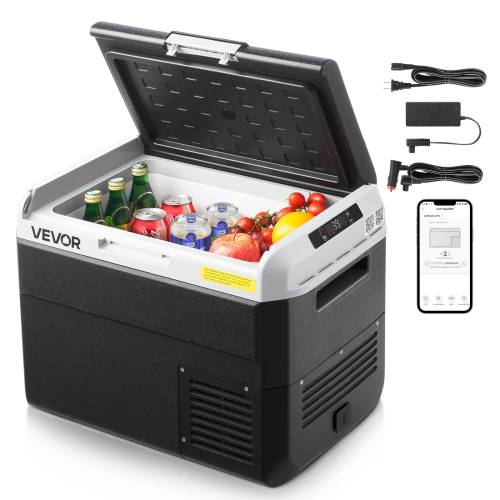
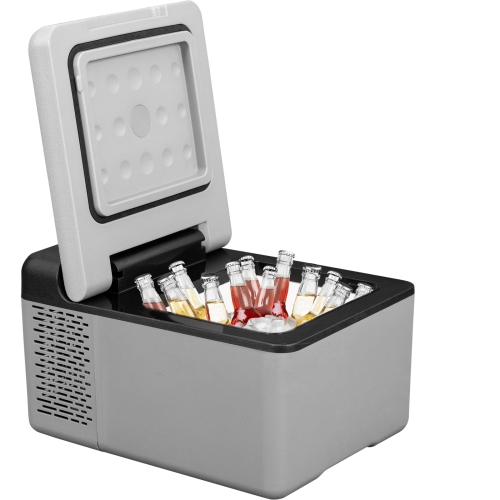
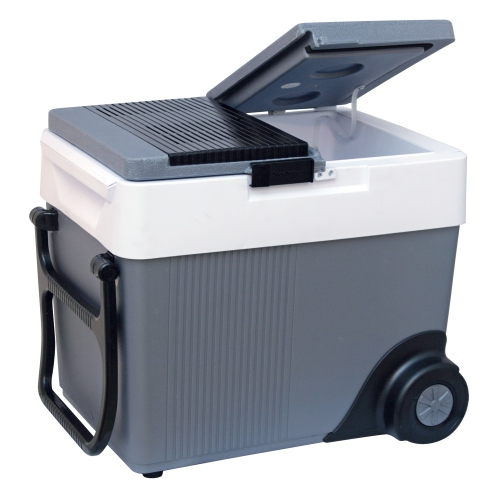
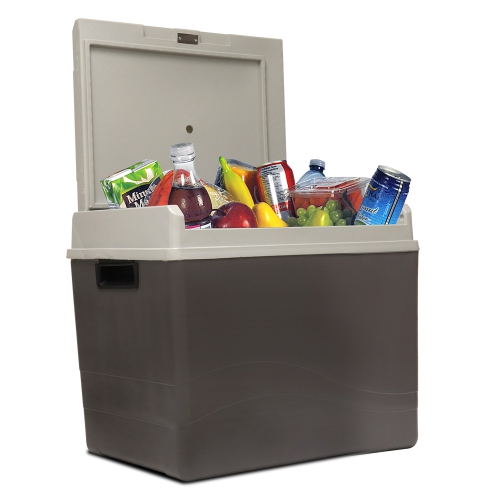
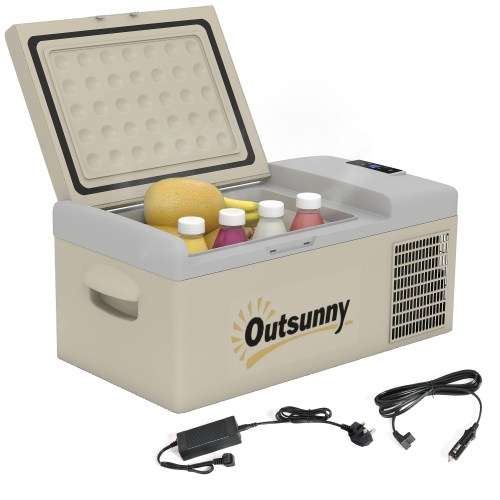
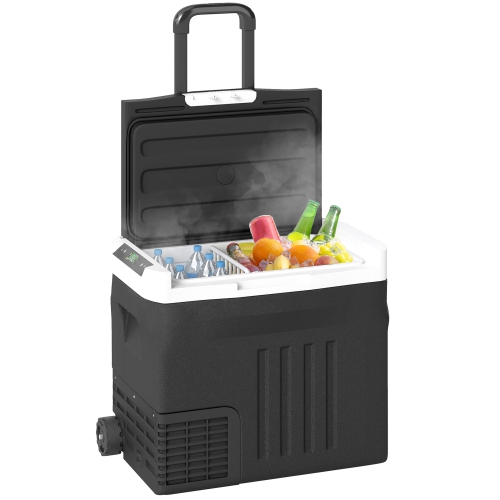
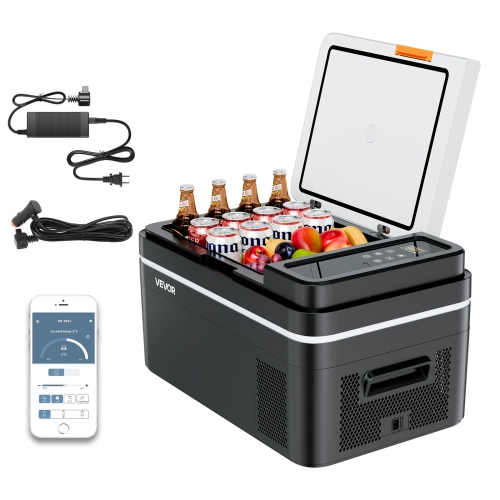
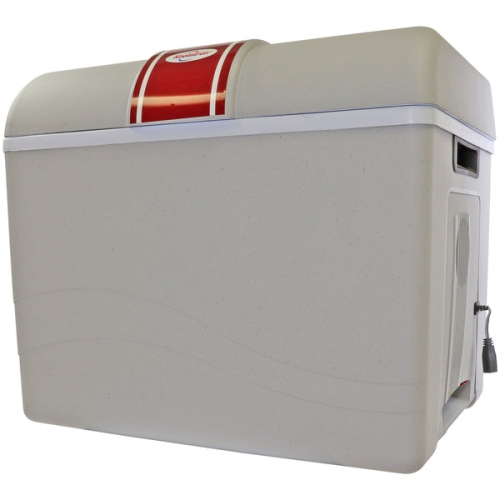
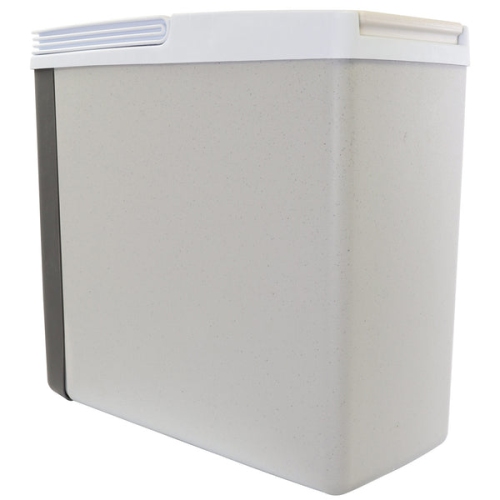

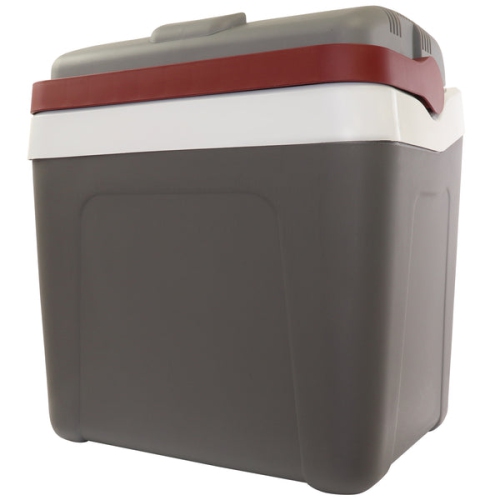
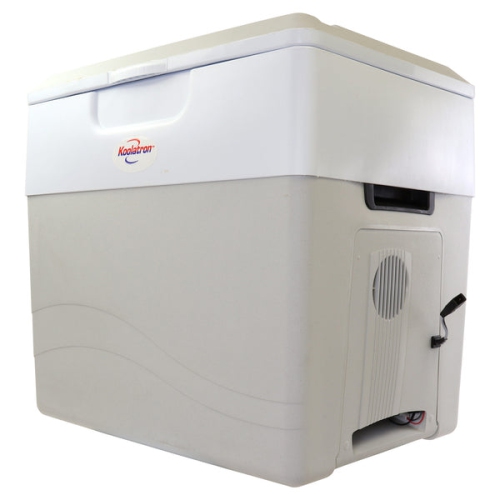
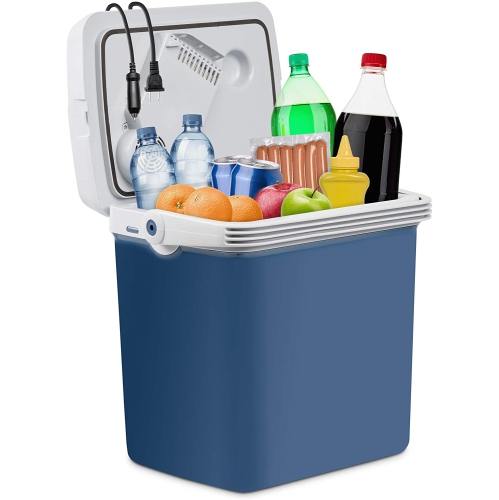
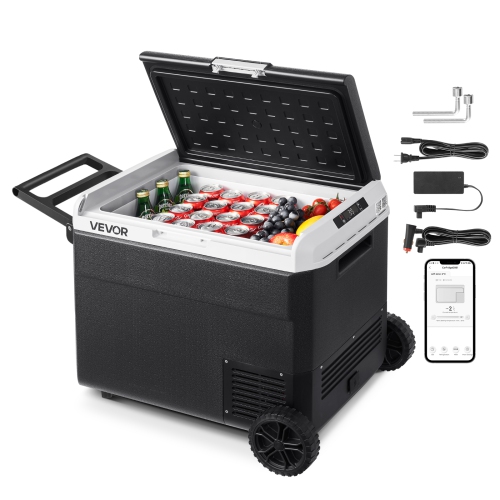
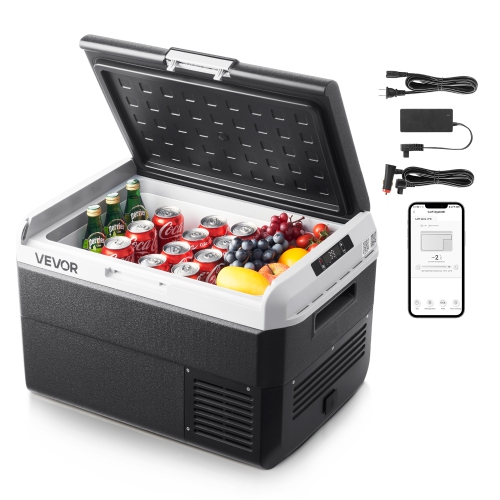
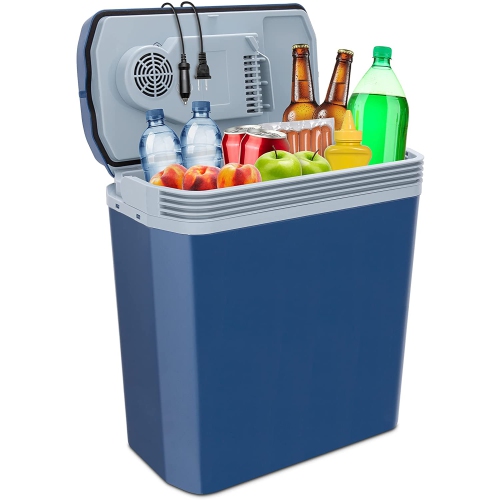
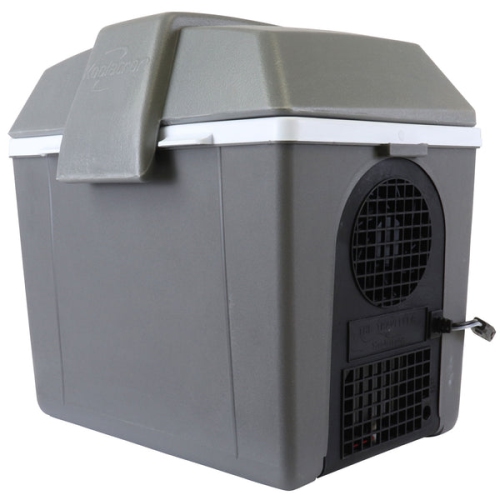
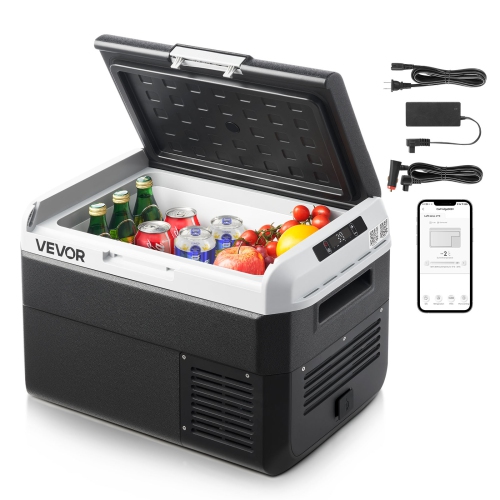
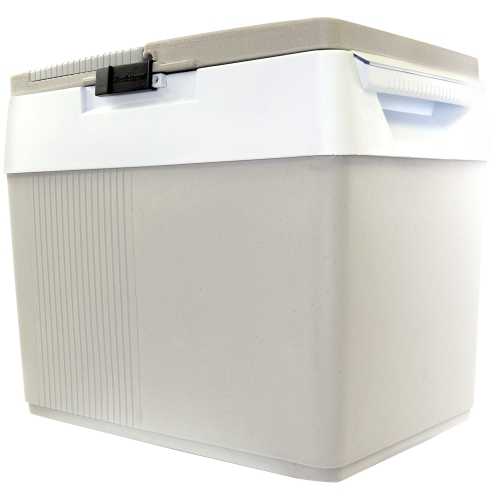
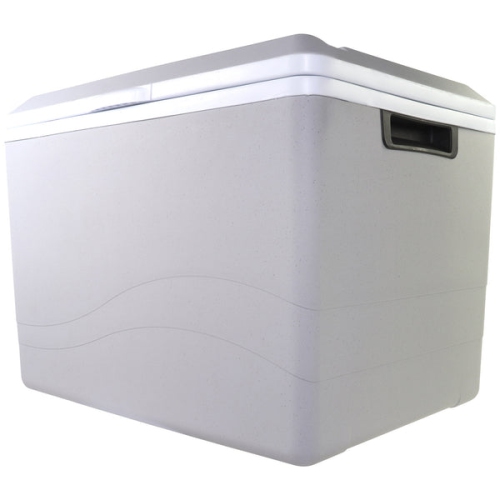
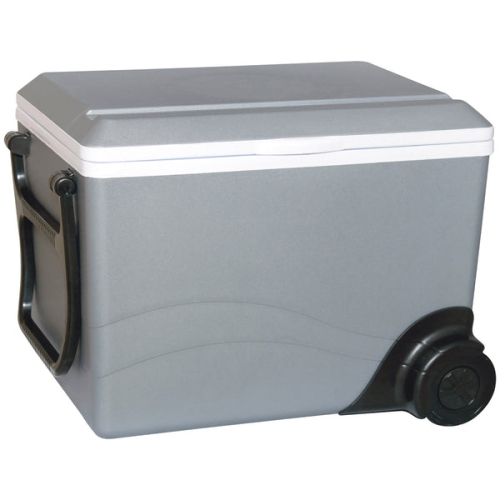
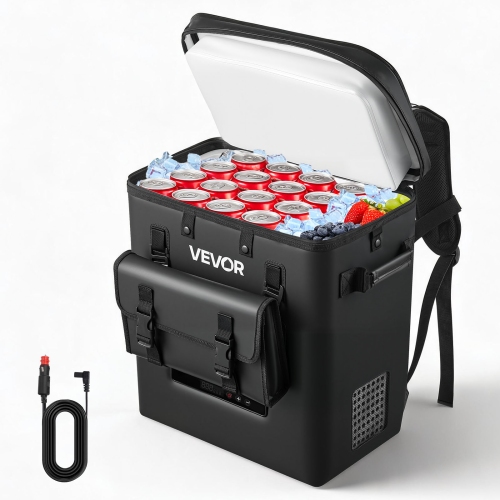
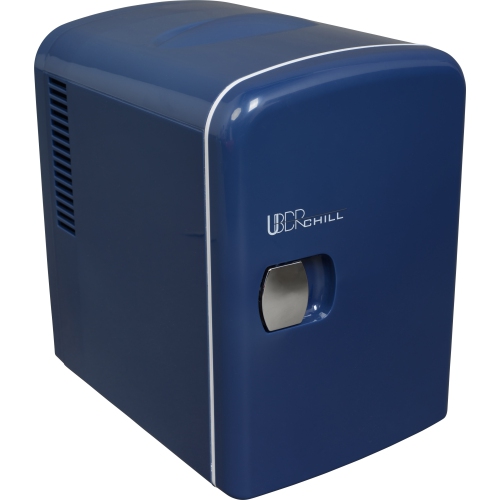
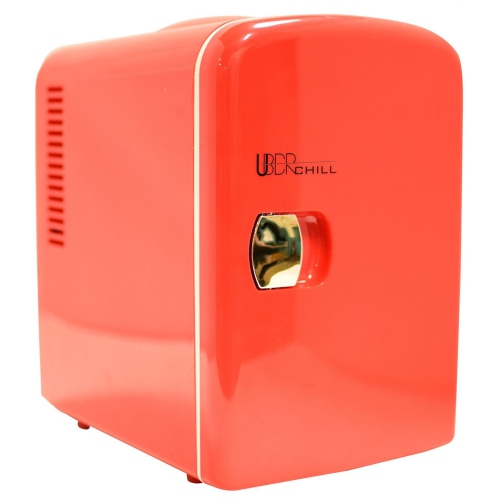

Reliable cooling for road trips, groceries and outdoor days
Vehicle coolers make it easier to keep food, drinks and other temperature-sensitive items ready for the journey, whether you are commuting across town, travelling between campsites or spending a long day at a sports field. Unlike a standard picnic cooler that depends on ice, an electric vehicle cooler can draw power from a vehicle’s 12V outlet to maintain a cooler interior while you drive. This makes it useful for road trips, grocery runs, camping, fishing, tailgating, worksite lunches and family outings where reliable cooling matters. Some models are designed to chill contents below the surrounding temperature, while compressor-based models can provide more powerful cooling and may also function as portable freezers, with some reaching temperatures as low as −20°C. Before choosing one, consider how you normally travel and what you plan to carry. A smaller cooler may suit a driver who wants cold beverages and a few snacks without taking up much room, while a larger unit can be more practical for several passengers, longer trips or storing groceries on the way home. Measure the available space in your trunk, cargo area or rear seat, and check the cooler’s exterior dimensions as well as its internal capacity. A tall design may accommodate bottles more easily, while a wider shape can be better for meal containers and packaged food. Handles, wheels and a sturdy lid can make a noticeable difference when moving the cooler from the vehicle to a campsite or picnic table. For a closer look at powered options made for travel, browse 12v Electric Coolers.
Power requirements are another important part of selecting a vehicle cooler. Most portable electric coolers connect to a 12V vehicle outlet, though some may also support household AC power through a separate adapter, allowing you to pre-chill the unit at home or use it at a cottage, hotel or campsite with access to an outlet. Review the cable length to ensure it can reach the power connection without crossing walkways or interfering with passengers. If you plan to use the cooler while the vehicle is parked, look for information about battery protection or low-voltage shutoff, since continuous operation can draw power from the vehicle battery. Thermoelectric coolers are often lighter and simpler for everyday travel, but their cooling performance is affected by the surrounding temperature and they typically cool to a set range below ambient conditions rather than reaching deep-freeze temperatures. Compressor coolers generally offer more precise temperature control and stronger performance in hot weather, making them a better fit for frozen food, fresh meat, medication that requires controlled cooling or multi-day trips. Interior dividers and adjustable compartments help separate drinks from food, while a digital display allows you to monitor the temperature without repeatedly opening the lid. Think about noise as well, particularly if the cooler will sit behind the front seats during overnight travel. A well-organized interior, dependable closure and easy-to-clean surfaces are practical features for families, campers and anyone who prefers to prepare meals before leaving home. Vehicle coolers can also make thoughtful gifts for new drivers, campers, anglers, delivery workers, outdoor enthusiasts or families planning a long-distance holiday, especially when the recipient spends plenty of time on the road.
The term vehicle cooler can also refer to a transmission oil cooler, which is a different type of automotive component intended for the vehicle’s mechanical system rather than for storing food and drinks. An auxiliary transmission cooler is typically mounted under the hood and uses airflow to help reduce the temperature of transmission fluid as it passes through metal tubes, fins or plates. This type of cooler may be useful for vehicles that tow trailers, haul heavy loads or operate in demanding conditions, including steep terrain, extended idling and hot weather. Keeping transmission fluid within an appropriate operating range can support the performance of the transmission, but compatibility, installation and fluid routing are critical. A transmission cooler must match the vehicle, transmission setup and intended use, and installation may require fittings, hoses, mounting hardware or professional service. Consult the vehicle owner’s manual and the cooler’s specifications before purchasing, and seek advice from a qualified automotive technician when the installation involves modifying existing fluid lines. For portable food and beverage cooling, focus instead on the cooler’s capacity, temperature range, power connection, portability and battery-management features. For vehicle cooling system upgrades, focus on fit, fluid compatibility, towing requirements and proper installation. During the warmer part of the year, an electric cooler can keep water cold and packed lunches fresh as roads lead to beaches, parks and campsites; during the cooler months, it remains useful for groceries, meal preparation and long drives when convenient temperature control is still valuable. Choosing according to the intended use ensures the cooler fits naturally into the vehicle, supports the journey and handles the demands of everyday travel.
Power requirements are another important part of selecting a vehicle cooler. Most portable electric coolers connect to a 12V vehicle outlet, though some may also support household AC power through a separate adapter, allowing you to pre-chill the unit at home or use it at a cottage, hotel or campsite with access to an outlet. Review the cable length to ensure it can reach the power connection without crossing walkways or interfering with passengers. If you plan to use the cooler while the vehicle is parked, look for information about battery protection or low-voltage shutoff, since continuous operation can draw power from the vehicle battery. Thermoelectric coolers are often lighter and simpler for everyday travel, but their cooling performance is affected by the surrounding temperature and they typically cool to a set range below ambient conditions rather than reaching deep-freeze temperatures. Compressor coolers generally offer more precise temperature control and stronger performance in hot weather, making them a better fit for frozen food, fresh meat, medication that requires controlled cooling or multi-day trips. Interior dividers and adjustable compartments help separate drinks from food, while a digital display allows you to monitor the temperature without repeatedly opening the lid. Think about noise as well, particularly if the cooler will sit behind the front seats during overnight travel. A well-organized interior, dependable closure and easy-to-clean surfaces are practical features for families, campers and anyone who prefers to prepare meals before leaving home. Vehicle coolers can also make thoughtful gifts for new drivers, campers, anglers, delivery workers, outdoor enthusiasts or families planning a long-distance holiday, especially when the recipient spends plenty of time on the road.
The term vehicle cooler can also refer to a transmission oil cooler, which is a different type of automotive component intended for the vehicle’s mechanical system rather than for storing food and drinks. An auxiliary transmission cooler is typically mounted under the hood and uses airflow to help reduce the temperature of transmission fluid as it passes through metal tubes, fins or plates. This type of cooler may be useful for vehicles that tow trailers, haul heavy loads or operate in demanding conditions, including steep terrain, extended idling and hot weather. Keeping transmission fluid within an appropriate operating range can support the performance of the transmission, but compatibility, installation and fluid routing are critical. A transmission cooler must match the vehicle, transmission setup and intended use, and installation may require fittings, hoses, mounting hardware or professional service. Consult the vehicle owner’s manual and the cooler’s specifications before purchasing, and seek advice from a qualified automotive technician when the installation involves modifying existing fluid lines. For portable food and beverage cooling, focus instead on the cooler’s capacity, temperature range, power connection, portability and battery-management features. For vehicle cooling system upgrades, focus on fit, fluid compatibility, towing requirements and proper installation. During the warmer part of the year, an electric cooler can keep water cold and packed lunches fresh as roads lead to beaches, parks and campsites; during the cooler months, it remains useful for groceries, meal preparation and long drives when convenient temperature control is still valuable. Choosing according to the intended use ensures the cooler fits naturally into the vehicle, supports the journey and handles the demands of everyday travel.
Top selling and popular products
-
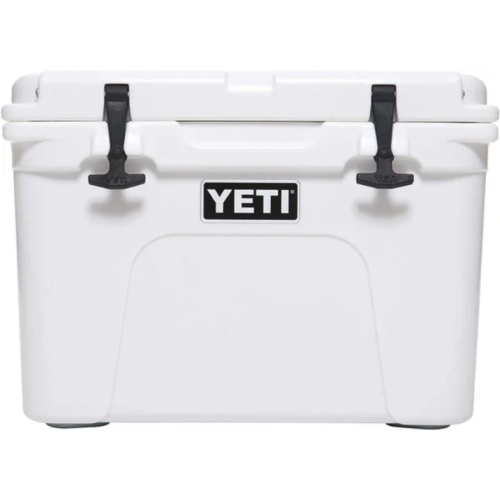 Your price for this item is $388.9
 -
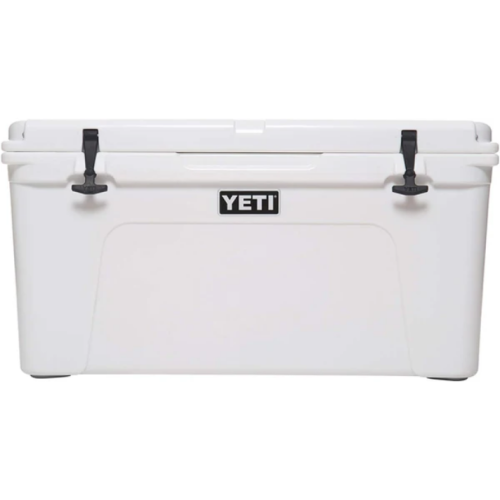 Your price for this item is $618.9
 -
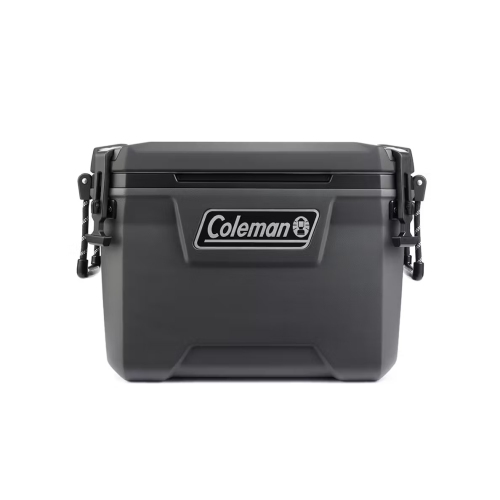 Your price for this item is $249.99
 -
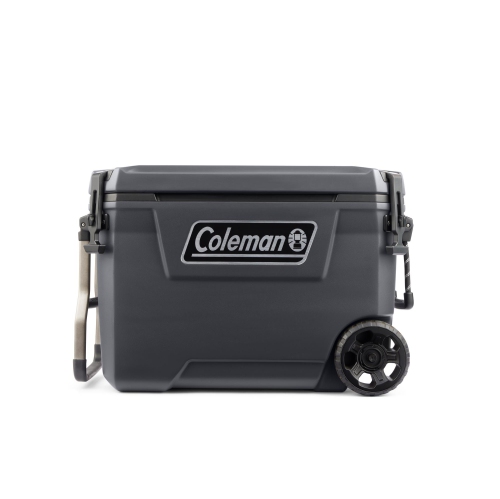 Your price for this item is $379.99
 -
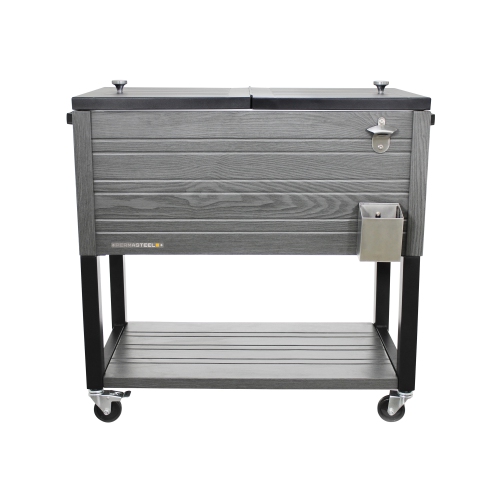 Your price for this item is $379.99
 -
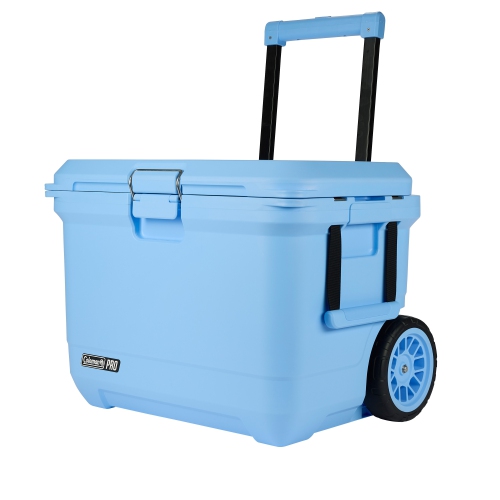 Your price for this item is $374.99
 -
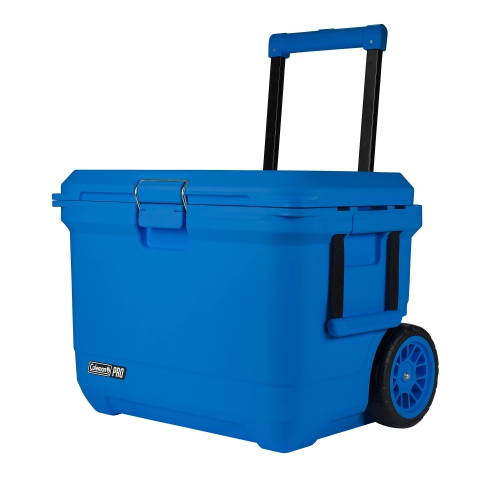 Your price for this item is $374.99
 -
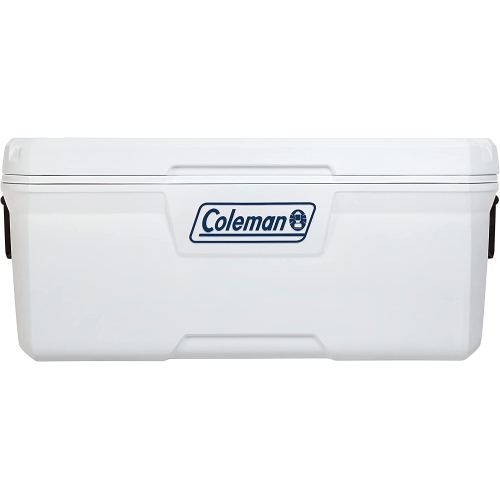 Your price for this item is $202.99
Discover more categories related to Vehicle Coolers
Top Collections:
Pokemon Centers, Kindle Devices, Best Budget Office Chairs, Apple iPhones 16, Best Laptops for Writers, iPhone 15 Apple, Canon G7X Cameras, Refurbished Apple Laptops, Alarm Clock, Motorola Razr Phones
Some products may be subject to Environmental Handling Fees
(EHF) depending on your province.
Learn more about EHFs.