Life Vests
Stay safe and enjoy your time on the water with our collection of life vests. Whether you're planning a relaxing day of fishing or an adventurous kayaking trip, having the right life vest is essential for your safety. At Best Buy Canada, we offer a wide range of high-quality life vests designed to provide maximum comfort and protection. From basic designs to advanced features, our selection has something for everyone. Browse through our assortment of life vests and find the perfect fit for your next aquatic adventure.
Sort
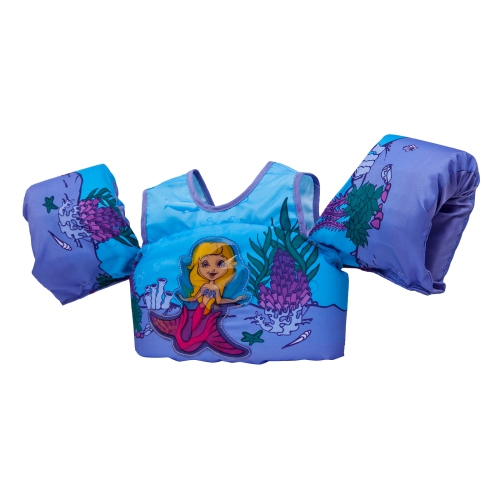
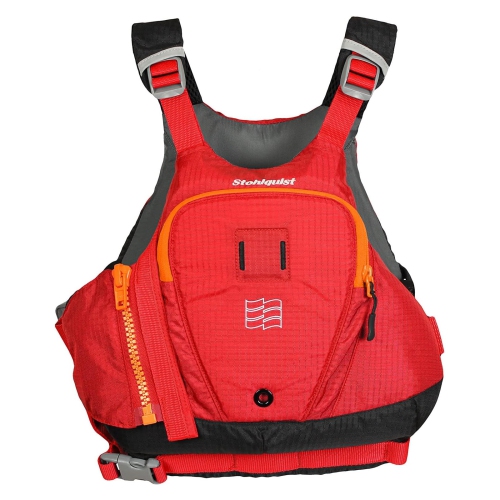
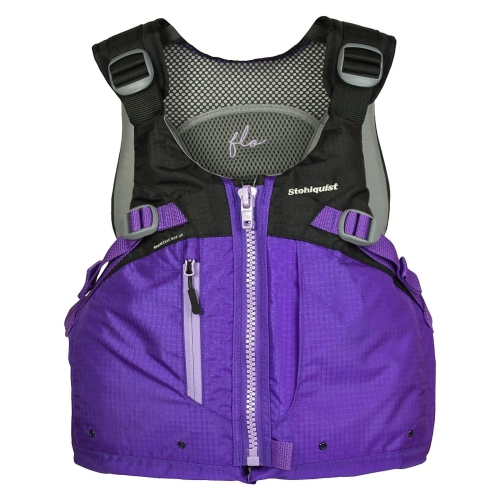
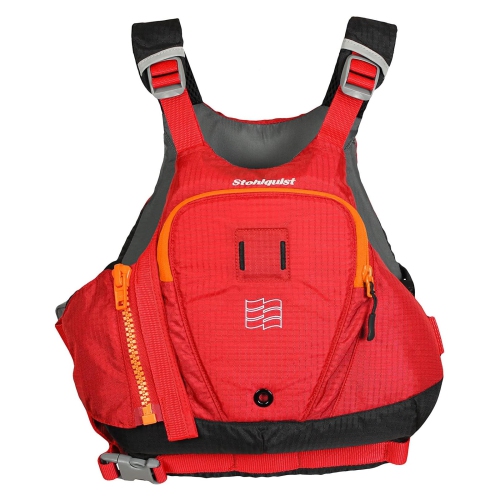


What to know about fit, approval and care
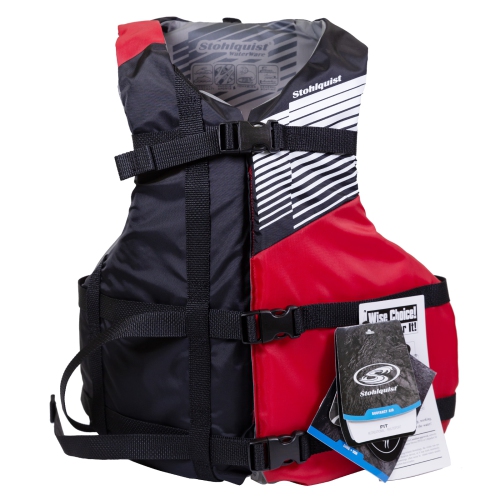
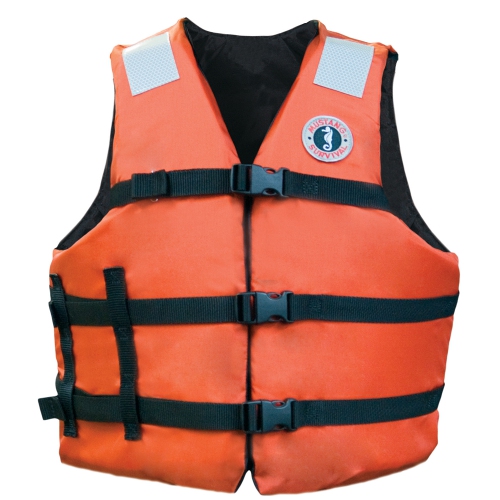
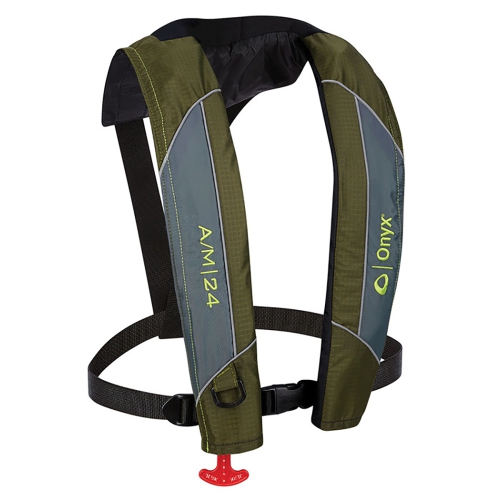
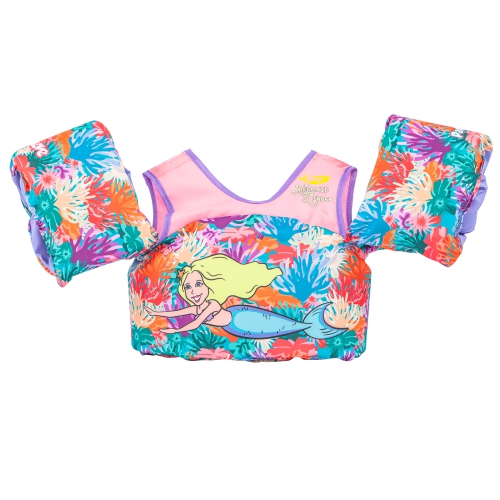
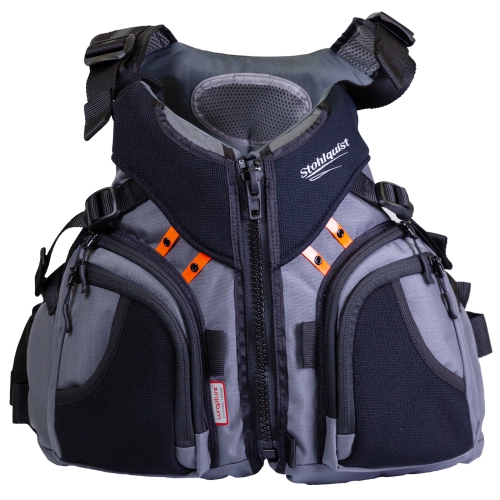
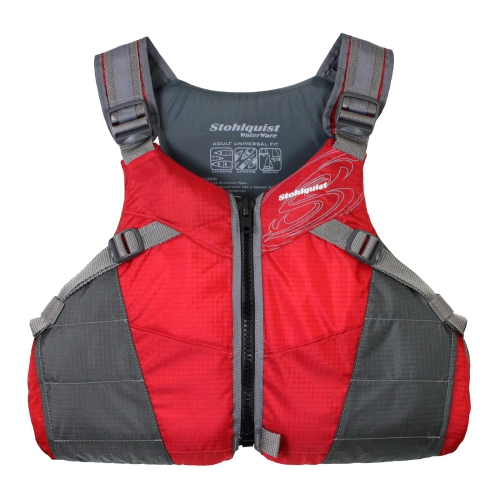
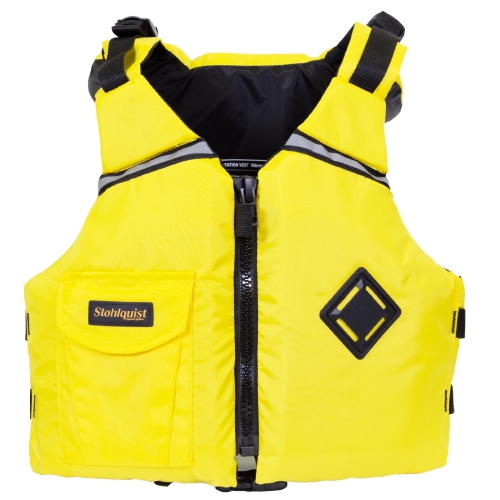
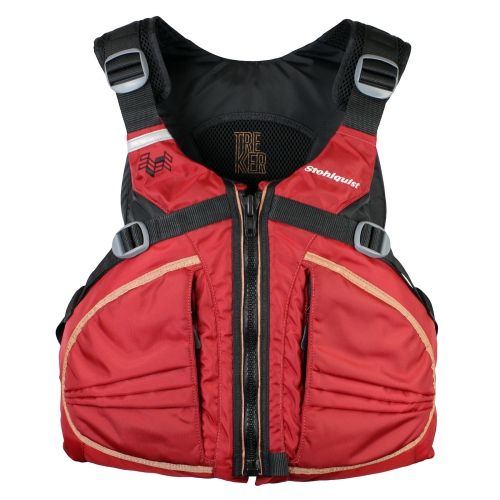
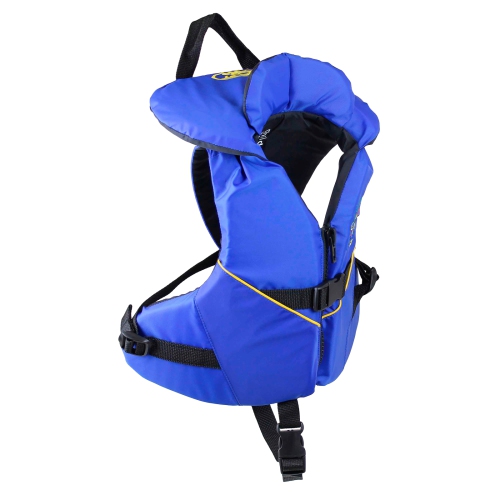
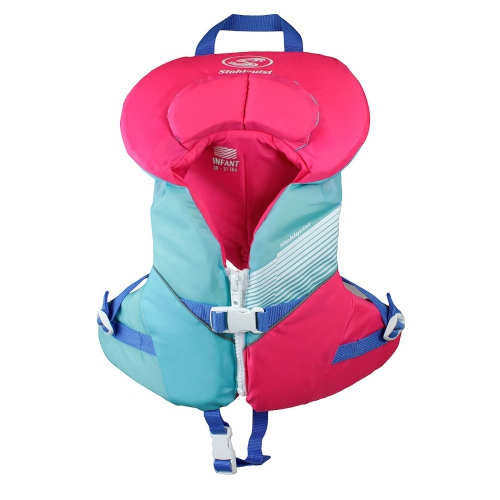
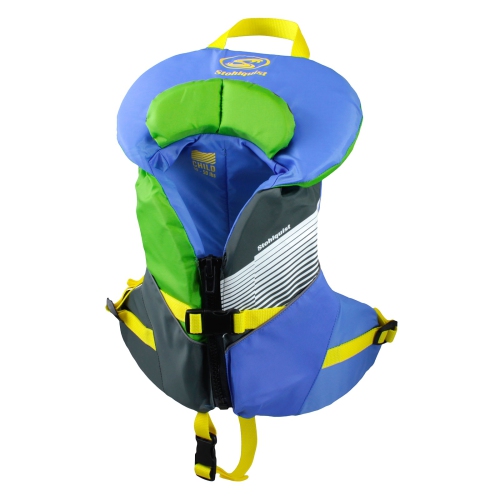
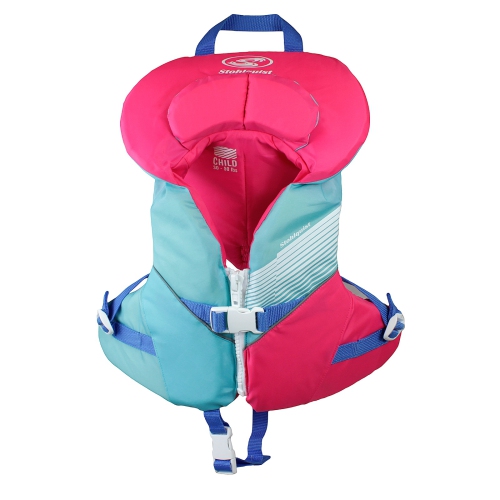
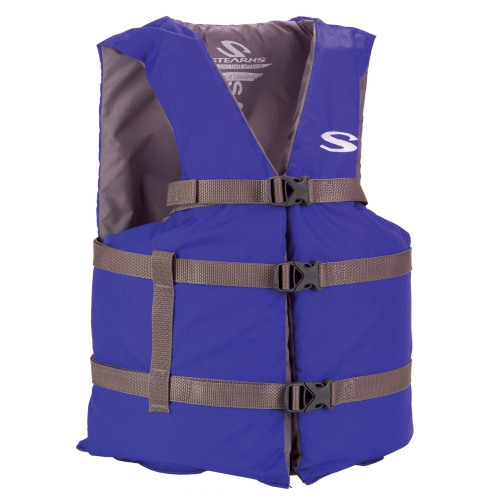
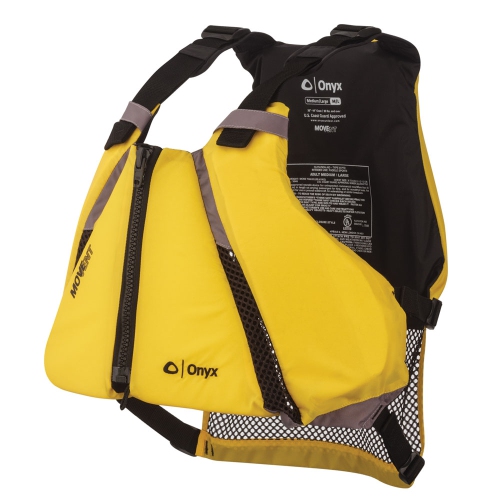
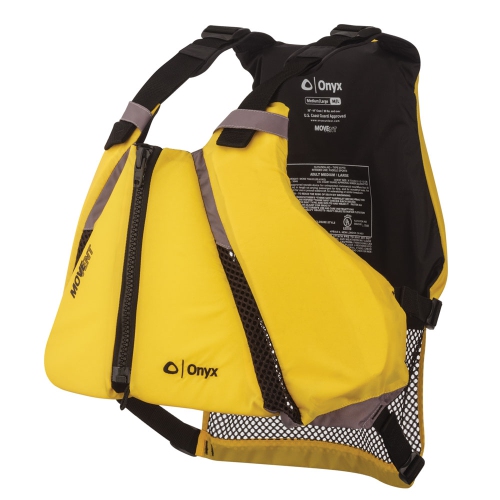
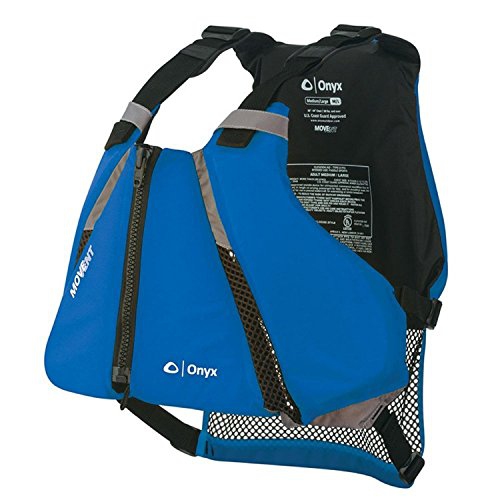
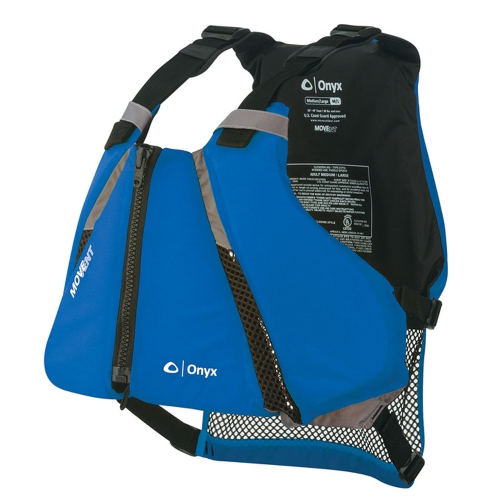
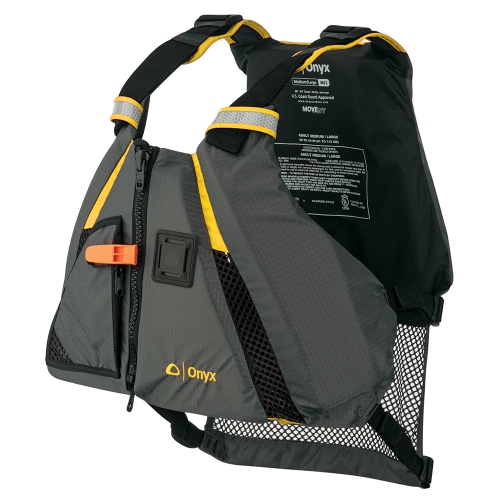
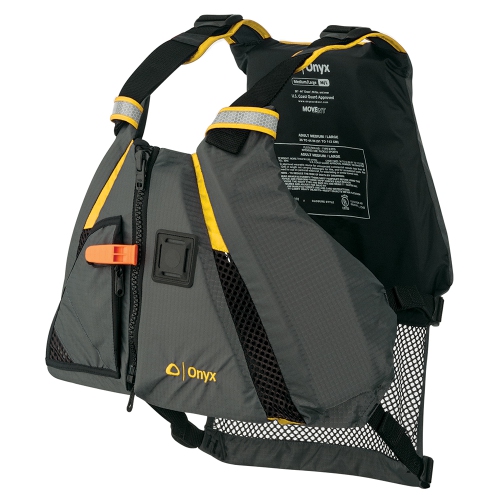
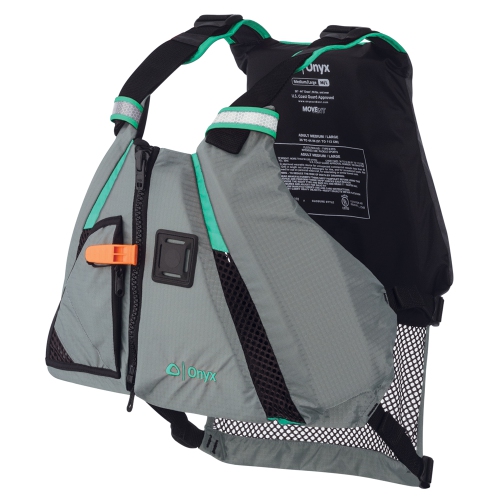
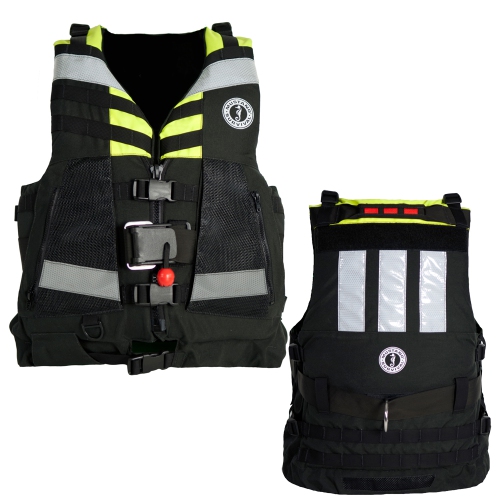
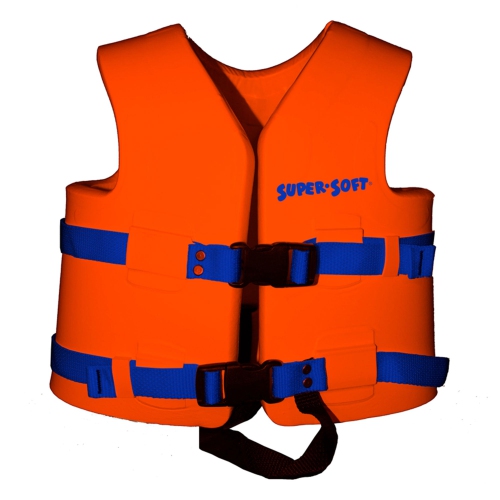
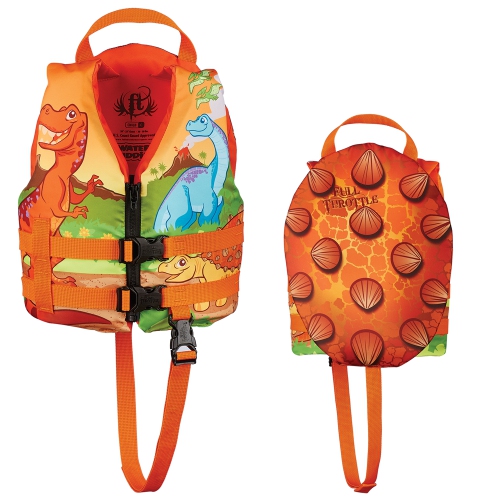
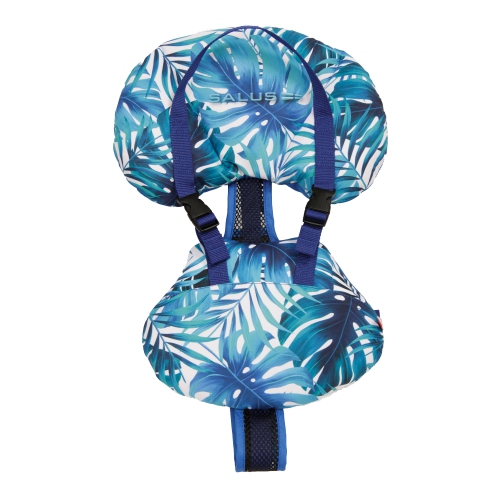
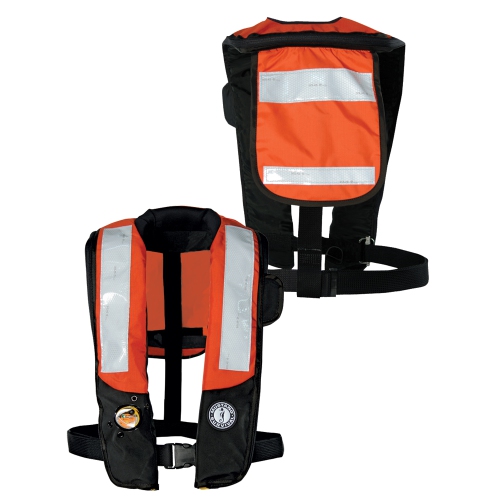
Life vests, also known as personal flotation devices (PFDs), are essential safety equipment for boating, kayaking, canoeing, fishing, paddleboarding and many other activities on or near the water. Designed to help keep a person afloat, a properly fitted vest can provide valuable support if someone falls overboard, capsizes or enters the water unexpectedly. Browse the selection of Flotation Vests to find options suited to different ages, body types and water-based activities. Traditional foam-filled life vests provide inherent buoyancy, meaning they are ready to float without inflation, batteries or cartridges. They are often a practical choice for children, recreational boaters and families who want straightforward equipment that is easy to inspect and maintain. Inflatable styles can feel lighter and less bulky during extended wear, making them appealing to experienced adult boaters, anglers and sailors who value freedom of movement. Depending on the design, an inflatable PFD may inflate automatically when it contacts water or manually when the wearer pulls an activation handle. Some models are intended for specific activities, such as paddlesports, wakeboarding or marine work, with features that support the movements and conditions associated with those uses. A life vest is also a thoughtful gift for someone preparing for cottage weekends, fishing trips, canoe excursions or a new season of boating. It is the kind of practical present that may accompany years of memorable outings, from quiet mornings on a misty lake to energetic afternoons spent exploring a winding shoreline.
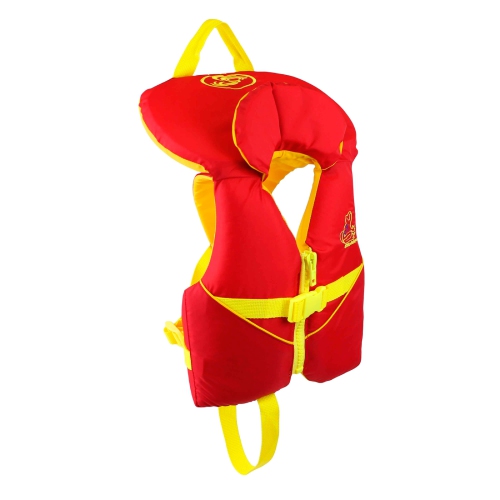
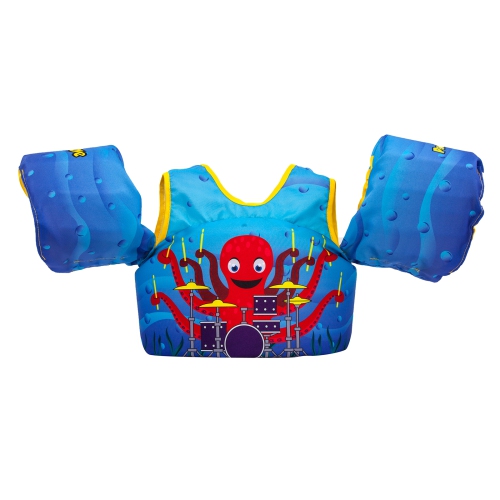
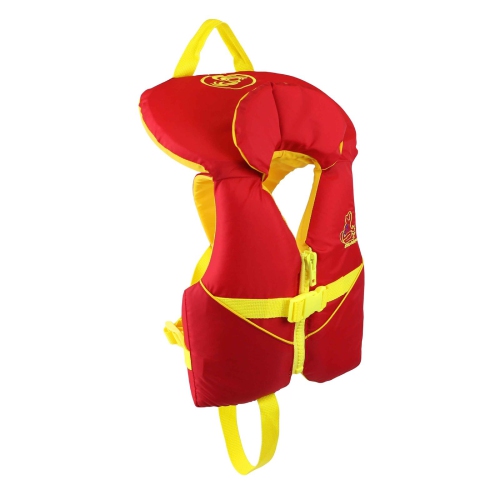
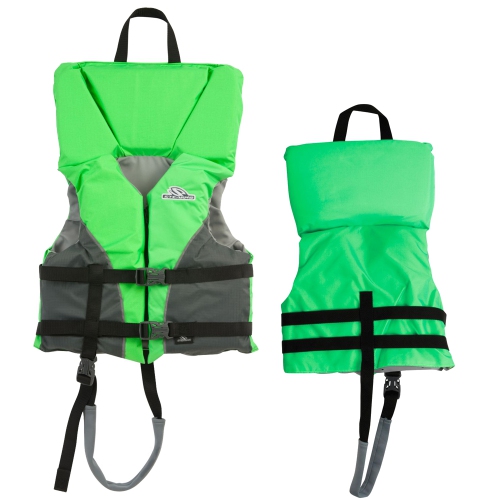
Choosing the right life vest begins with checking its approval and intended use. In Canada, look for the appropriate Transport Canada approval label and read the manufacturer’s instructions carefully. A vest that is suitable for a calm-water boating excursion may not be the right choice for high-speed watersports, rough conditions or specialized marine work. Pay close attention to the listed chest measurement and weight range rather than relying only on age or a general size label. Children’s PFDs should be selected according to the child’s current measurements, with room for comfortable movement but not so much extra space that the vest can slip off. Many children’s designs include features such as grab handles or crotch straps to help keep the vest positioned correctly, while adult styles may include adjustable shoulders, multiple buckles, pockets or attachment points. Try the vest on over the clothing that will normally be worn during an outing, fasten every buckle and tighten each strap until the fit is secure without restricting breathing or movement. When the wearer raises their arms, the vest should stay in place. Pull gently upward on the shoulders; it should not ride up over the chin, face or ears. If it shifts significantly, feels loose around the torso or leaves uncomfortable gaps, choose another size or style. A snug, stable fit is especially important for children, whose smaller frames can make an oversized vest less effective. A common family routine is to check every vest before leaving the dock, making sure the buckles are intact, the fabric is not torn and the fit still feels right after the season’s growth or changing layers.
Care and storage can help keep a life vest dependable between outings. Inspect foam panels, seams, straps, buckles, zippers and inflation components before each use, looking for cuts, fraying, mildew, missing parts or signs of wear. Foam-filled vests should remain buoyant and should not be compressed under heavy equipment for long periods. Inflatable PFDs require additional attention: check the inflation chamber, activation mechanism, CO2 cartridge and any status indicators according to the manufacturer’s instructions, and replace cartridges or components when required. Never use an inflatable design in a way that conflicts with its approval or instructions, and remember that inflatable PFDs may not be suitable for non-swimmers, young children or certain activities. After use, rinse off salt, sand, mud and lake residue with fresh water, then allow the vest to dry thoroughly in a shaded, well-ventilated area before storing it. Avoid using harsh chemicals, placing the vest on a hot surface or leaving it exposed to prolonged direct sunlight. Keep life vests accessible on board rather than packed beneath coolers, bags or other gear; wearing one before an emergency is far more effective than trying to locate it after someone is already in the water. For a household with several boaters, consider keeping an appropriately sized vest for every passenger, including guests, and rechecking the collection whenever children grow, winter layers change or a new water activity is introduced. Safety equipment is most useful when it fits well, matches the activity and is ready to wear at a moment’s notice.
Choosing the right life vest begins with checking its approval and intended use. In Canada, look for the appropriate Transport Canada approval label and read the manufacturer’s instructions carefully. A vest that is suitable for a calm-water boating excursion may not be the right choice for high-speed watersports, rough conditions or specialized marine work. Pay close attention to the listed chest measurement and weight range rather than relying only on age or a general size label. Children’s PFDs should be selected according to the child’s current measurements, with room for comfortable movement but not so much extra space that the vest can slip off. Many children’s designs include features such as grab handles or crotch straps to help keep the vest positioned correctly, while adult styles may include adjustable shoulders, multiple buckles, pockets or attachment points. Try the vest on over the clothing that will normally be worn during an outing, fasten every buckle and tighten each strap until the fit is secure without restricting breathing or movement. When the wearer raises their arms, the vest should stay in place. Pull gently upward on the shoulders; it should not ride up over the chin, face or ears. If it shifts significantly, feels loose around the torso or leaves uncomfortable gaps, choose another size or style. A snug, stable fit is especially important for children, whose smaller frames can make an oversized vest less effective. A common family routine is to check every vest before leaving the dock, making sure the buckles are intact, the fabric is not torn and the fit still feels right after the season’s growth or changing layers.
Care and storage can help keep a life vest dependable between outings. Inspect foam panels, seams, straps, buckles, zippers and inflation components before each use, looking for cuts, fraying, mildew, missing parts or signs of wear. Foam-filled vests should remain buoyant and should not be compressed under heavy equipment for long periods. Inflatable PFDs require additional attention: check the inflation chamber, activation mechanism, CO2 cartridge and any status indicators according to the manufacturer’s instructions, and replace cartridges or components when required. Never use an inflatable design in a way that conflicts with its approval or instructions, and remember that inflatable PFDs may not be suitable for non-swimmers, young children or certain activities. After use, rinse off salt, sand, mud and lake residue with fresh water, then allow the vest to dry thoroughly in a shaded, well-ventilated area before storing it. Avoid using harsh chemicals, placing the vest on a hot surface or leaving it exposed to prolonged direct sunlight. Keep life vests accessible on board rather than packed beneath coolers, bags or other gear; wearing one before an emergency is far more effective than trying to locate it after someone is already in the water. For a household with several boaters, consider keeping an appropriately sized vest for every passenger, including guests, and rechecking the collection whenever children grow, winter layers change or a new water activity is introduced. Safety equipment is most useful when it fits well, matches the activity and is ready to wear at a moment’s notice.
Top selling and popular products
-
 Your price for this item is $161.99
 -
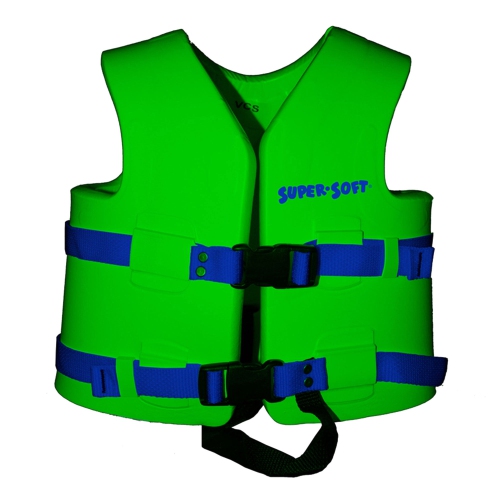 Your price for this item is $153.99
 -
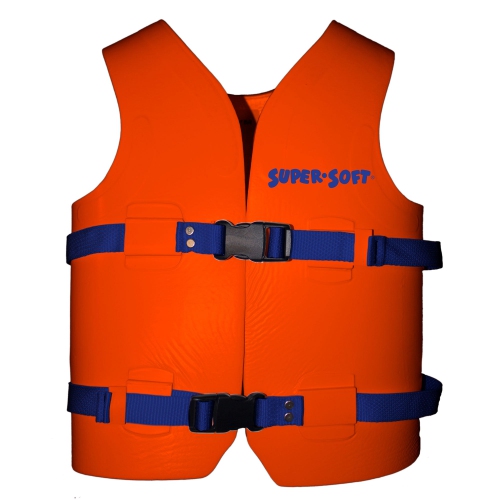 Your price for this item is $155.99
 -
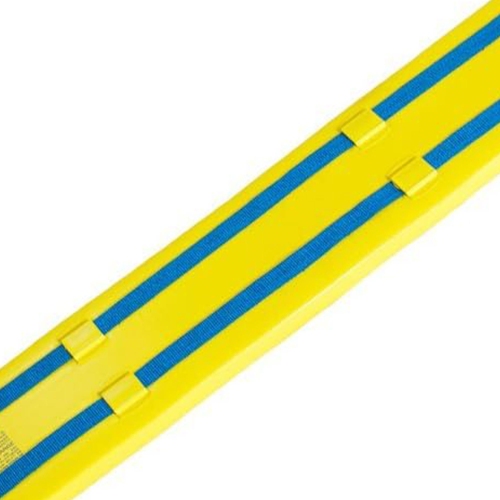 Your price for this item is $200.99
 -
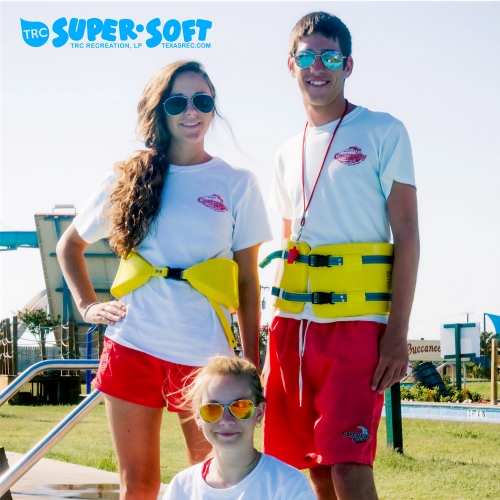 Your price for this item is $154.99
 -
 Your price for this item is $39.99
 -
 Your price for this item is $24.99
 -
 Your price for this item is $83.01
Discover more categories related to Life Vests
Top Collections:
Pokemon Centers, Kindle Devices, Best Budget Office Chairs, Apple iPhones 16, Canon G7X Cameras, iPhone 15 Apple, Alarm Clock, Refurbished Apple Laptops, Flip Phones, Best Laptops for Writers
Some products may be subject to Environmental Handling Fees
(EHF) depending on your province.
Learn more about EHFs.