Long Lasting Headlamps
When you're exploring the great outdoors or working on projects that require both hands, a reliable headlamp is an essential tool. Whether you're camping, hiking, or simply needing some extra illumination in low-light conditions, a long-lasting headlamp is the perfect companion. With advanced technology and durable construction, these headlamps offer bright and consistent light that will keep you going for hours on end.
Sort

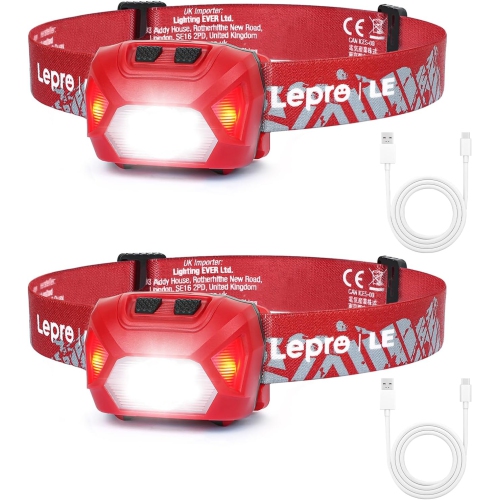
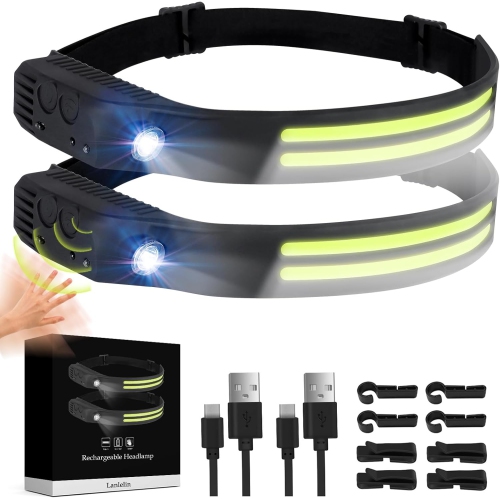
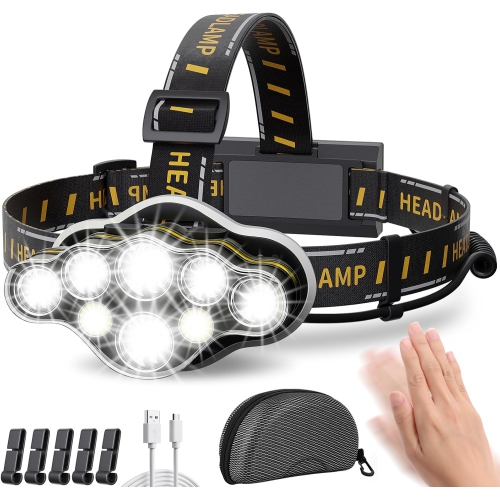
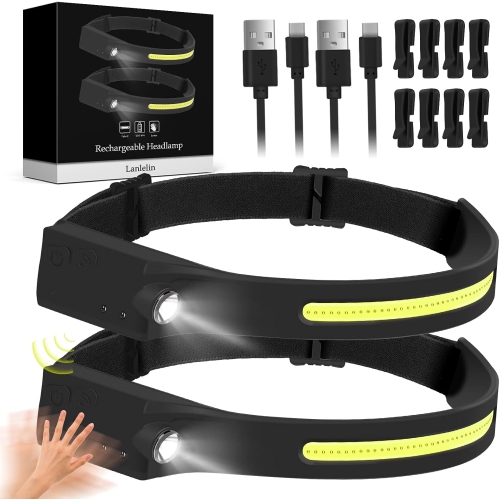
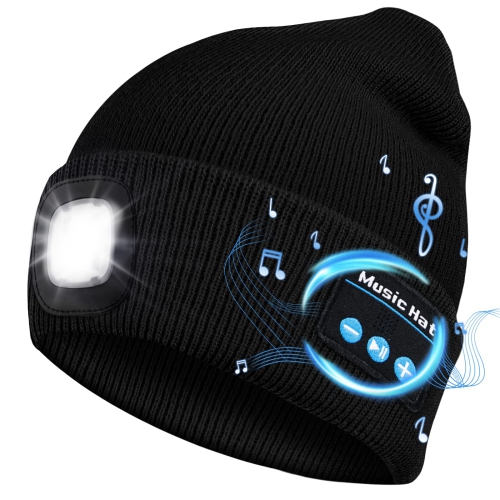
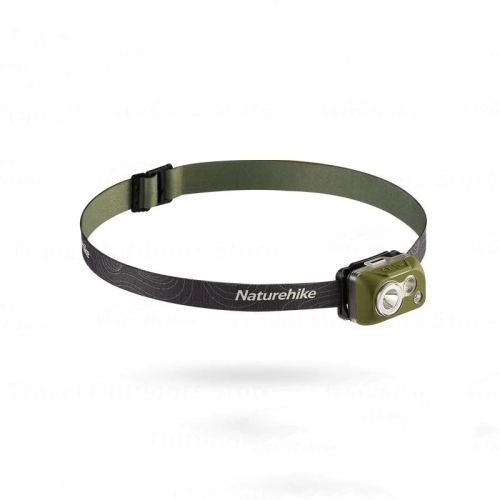
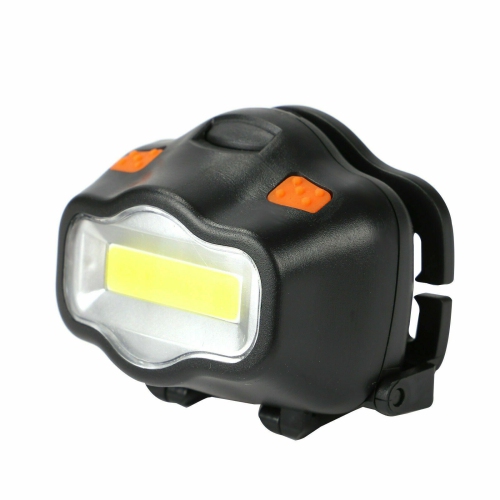
Why headlamp brightness matters as much as runtime
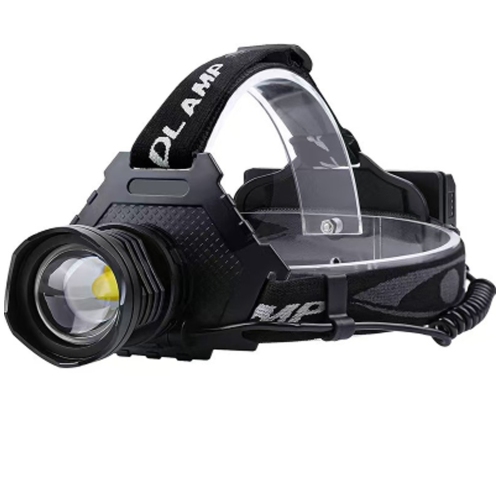
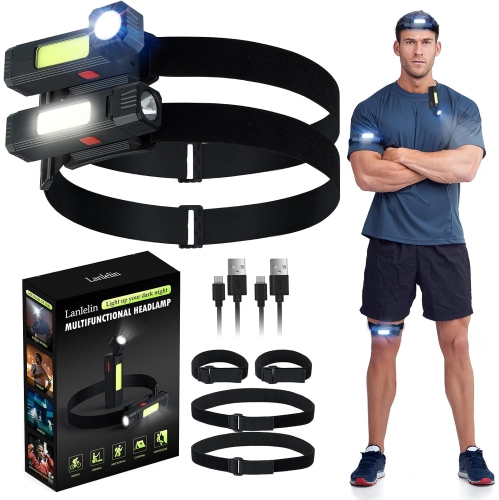
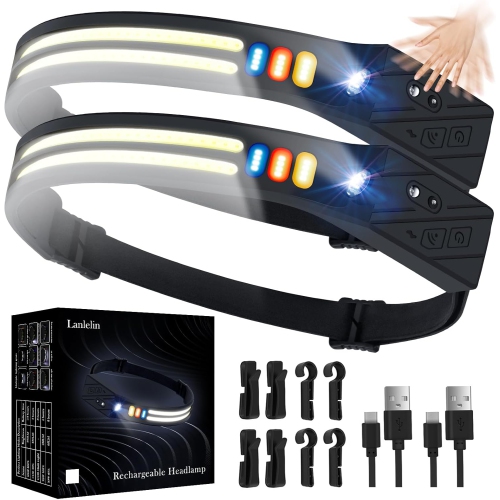
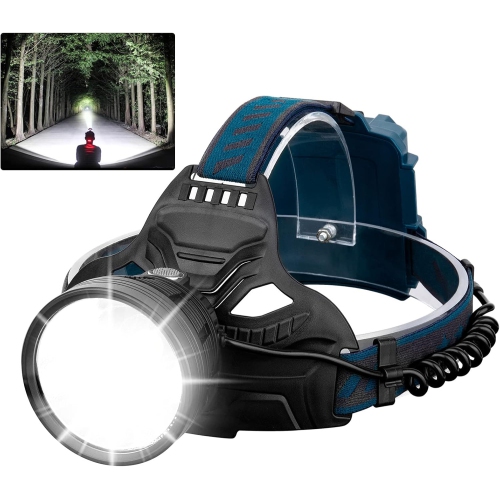
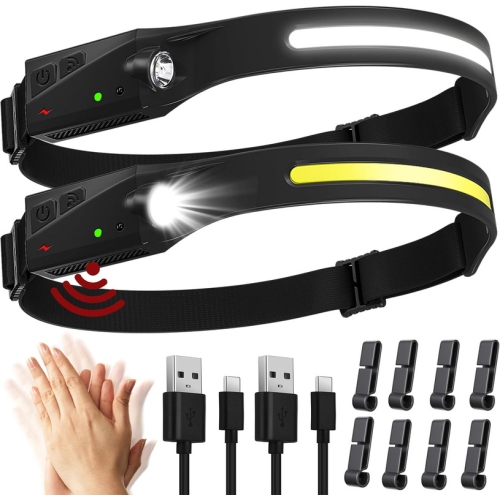
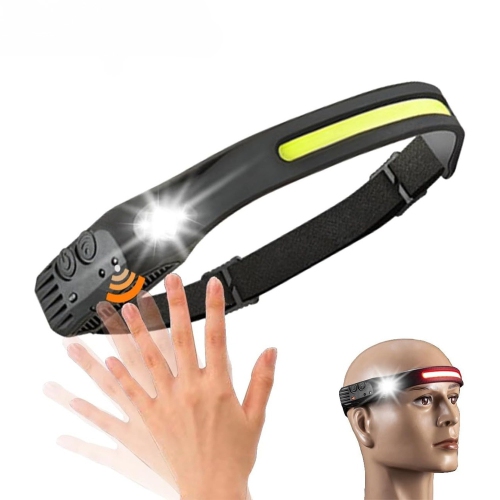
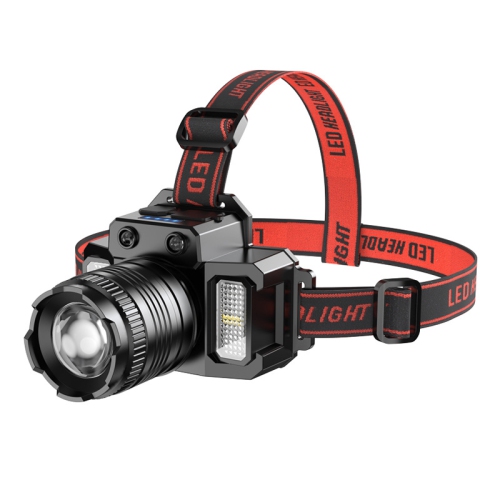
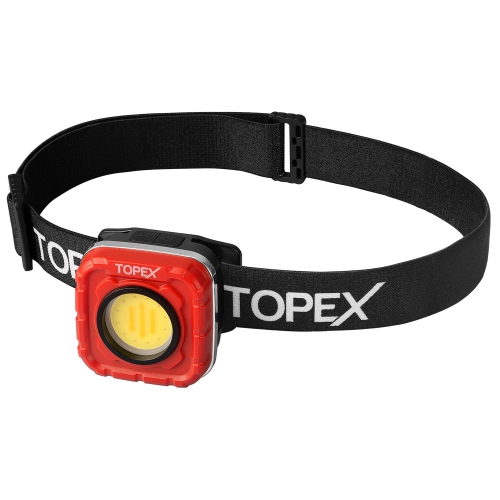
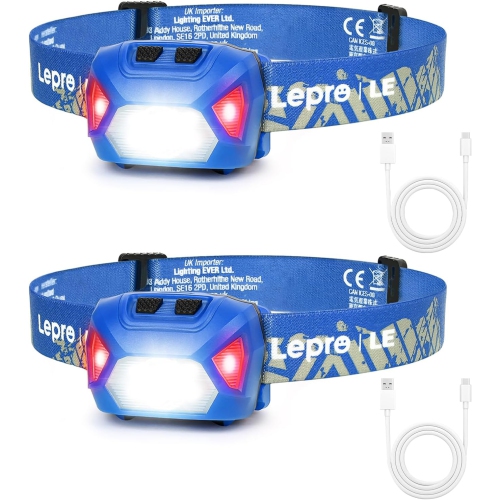
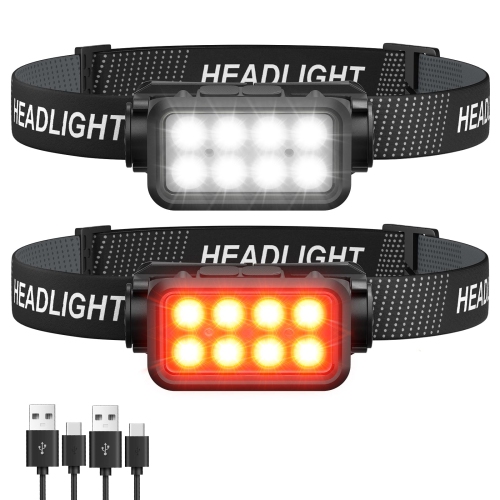
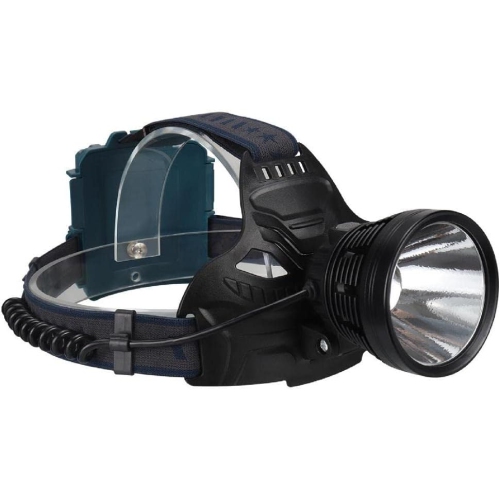
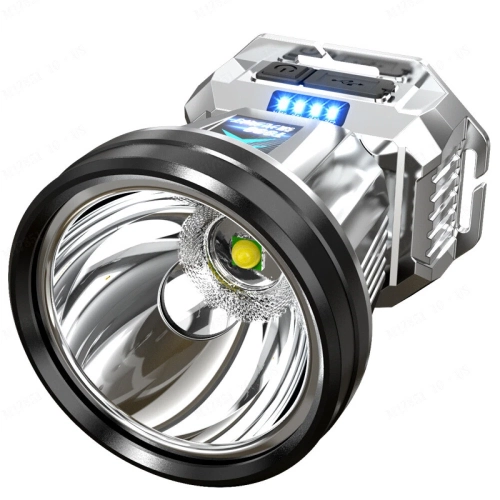
Long-lasting headlamps provide hands-free light for tasks and outings that continue after daylight fades, from setting up a tent to tracing a loose connection beneath a workbench. Their usefulness comes from more than a bright beam: dependable battery life, comfortable weight, practical controls, and a housing suited to the task all contribute to a light that stays useful over time. Long runtime and long service life are different qualities, and both matter. Runtime describes how long a headlamp operates on a charge or set of batteries at a particular setting, while service life depends on construction, battery care, and everyday handling. A maximum runtime figure usually applies to a low-output mode, not the brightest setting. For a meaningful comparison, the brightness level and testing conditions need to accompany any battery-life claim. A light that runs for many hours at a faint setting may suit reading inside a tent but provide too little reach for an uneven trail. Lumens describe the total light output, while beam shape helps determine where that light goes. A broad flood beam spreads illumination across a map, campsite, or work surface; a focused spot reaches farther along a path or into a dark storage area. Headlamps with adjustable output let the wearer reserve higher brightness for identifying distant details and use lower levels for close work. Some also offer a brief boost mode, which should not be mistaken for continuous output. Regulated output can help maintain steadier brightness as a battery drains, although a lamp may eventually step down to preserve power or manage heat. For longer walks, repairs, or overnight trips, useful light at a steady, appropriate brightness is what matters. The best match is a headlamp whose working runtime covers the planned activity with a sensible margin for delays.
Power options shape how a long-lasting headlamp fits into daily routines. Rechargeable headlamps are convenient for frequent use when a charging outlet or compatible power bank is close at hand. USB charging can simplify packing, but the connector type, cable requirements, and charging time still deserve attention. A built-in battery keeps the setup straightforward, while a user-replaceable rechargeable pack can offer flexibility on longer outings if the manufacturer supports spare packs. Headlamps that use standard replaceable batteries may suit a remote cabin, an emergency kit, or an extended camping trip where charging opportunities are limited. Some designs accept more than one power source, but battery types are not interchangeable unless the manufacturer specifically permits them. Battery capacity alone does not establish runtime across different headlamps, because output, electronics, and operating modes also affect power use. During the cooler months, battery performance may fall as temperatures drop, making extra runtime capacity particularly helpful for an evening hike or outdoor maintenance. Spare batteries belong in a protective case, away from loose metal objects, and rechargeable batteries should be charged only within the temperature range stated by the manufacturer. A battery-level indicator makes it easier to spot a low charge before leaving home, while a lockout function helps prevent a lamp from switching on inside a packed bag. Comfort becomes just as important as power once a headlamp has been worn for several hours. An adjustable strap should sit securely without creating pressure across the forehead, and enough adjustment range helps accommodate a toque. A top strap or a battery positioned toward the rear may distribute weight more evenly on heavier designs, although the overall fit matters more than any single feature. Runners often prefer a stable, lighter arrangement that limits bouncing, while someone working in a crawl space may value a compact profile that is less likely to catch overhead. A tilting lamp housing directs light towards the task without requiring an awkward neck position. Raised buttons that are manageable with gloves also make a noticeable difference when hands are cold or occupied.
Durability in a headlamp comes from the combination of its materials, seals, strap attachments, and moving parts. Polymer housings can keep weight down, while metal housings may offer a sturdy feel and help transfer heat away from the light source; neither material alone guarantees better performance. A stated impact-resistance rating is more informative than appearance when bumps and drops are likely. Water protection also needs a closer look: resistance to splashes or rain does not automatically mean a lamp can be submerged. The manufacturer's ingress-protection rating and care instructions define those limits, including whether a charging-port cover must be fully closed. For camping, a broad low beam is useful for sorting gear without flooding the entire tent with light. A red-light mode can be more comfortable around sleeping companions and may help preserve dark adaptation when kept dim. On trails, enough beam reach to identify roots and changes in footing matters alongside runtime, and a separate backup light adds reassurance when an outing extends beyond the planned return. Around the home, headlamps leave both hands free for checking a fuse panel, finding stored supplies, or inspecting a plumbing connection, though electrical work still requires appropriate safety precautions. They can also make thoughtful gifts for campers, dog walkers, anglers, runners, and people who enjoy hands-on projects, especially when the fit and power system suit the recipient's habits. Routine care helps keep these lights ready for repeated use. Dirt and perspiration can be wiped from the housing, detachable straps can be cleaned as directed, and all components should dry thoroughly before storage or charging. Harsh cleaners and abrasive cloths can damage lenses, coatings, or seals. Replaceable batteries should be removed before prolonged storage when advised, and a stored rechargeable lamp benefits from periodic checks according to its battery-care instructions. For everyday illumination beyond wearable lighting, Long Lasting Bulbs complement the same preference for dependable light with fewer interruptions. A well-matched headlamp brings that convenience wherever the next task needs both hands.
Power options shape how a long-lasting headlamp fits into daily routines. Rechargeable headlamps are convenient for frequent use when a charging outlet or compatible power bank is close at hand. USB charging can simplify packing, but the connector type, cable requirements, and charging time still deserve attention. A built-in battery keeps the setup straightforward, while a user-replaceable rechargeable pack can offer flexibility on longer outings if the manufacturer supports spare packs. Headlamps that use standard replaceable batteries may suit a remote cabin, an emergency kit, or an extended camping trip where charging opportunities are limited. Some designs accept more than one power source, but battery types are not interchangeable unless the manufacturer specifically permits them. Battery capacity alone does not establish runtime across different headlamps, because output, electronics, and operating modes also affect power use. During the cooler months, battery performance may fall as temperatures drop, making extra runtime capacity particularly helpful for an evening hike or outdoor maintenance. Spare batteries belong in a protective case, away from loose metal objects, and rechargeable batteries should be charged only within the temperature range stated by the manufacturer. A battery-level indicator makes it easier to spot a low charge before leaving home, while a lockout function helps prevent a lamp from switching on inside a packed bag. Comfort becomes just as important as power once a headlamp has been worn for several hours. An adjustable strap should sit securely without creating pressure across the forehead, and enough adjustment range helps accommodate a toque. A top strap or a battery positioned toward the rear may distribute weight more evenly on heavier designs, although the overall fit matters more than any single feature. Runners often prefer a stable, lighter arrangement that limits bouncing, while someone working in a crawl space may value a compact profile that is less likely to catch overhead. A tilting lamp housing directs light towards the task without requiring an awkward neck position. Raised buttons that are manageable with gloves also make a noticeable difference when hands are cold or occupied.
Durability in a headlamp comes from the combination of its materials, seals, strap attachments, and moving parts. Polymer housings can keep weight down, while metal housings may offer a sturdy feel and help transfer heat away from the light source; neither material alone guarantees better performance. A stated impact-resistance rating is more informative than appearance when bumps and drops are likely. Water protection also needs a closer look: resistance to splashes or rain does not automatically mean a lamp can be submerged. The manufacturer's ingress-protection rating and care instructions define those limits, including whether a charging-port cover must be fully closed. For camping, a broad low beam is useful for sorting gear without flooding the entire tent with light. A red-light mode can be more comfortable around sleeping companions and may help preserve dark adaptation when kept dim. On trails, enough beam reach to identify roots and changes in footing matters alongside runtime, and a separate backup light adds reassurance when an outing extends beyond the planned return. Around the home, headlamps leave both hands free for checking a fuse panel, finding stored supplies, or inspecting a plumbing connection, though electrical work still requires appropriate safety precautions. They can also make thoughtful gifts for campers, dog walkers, anglers, runners, and people who enjoy hands-on projects, especially when the fit and power system suit the recipient's habits. Routine care helps keep these lights ready for repeated use. Dirt and perspiration can be wiped from the housing, detachable straps can be cleaned as directed, and all components should dry thoroughly before storage or charging. Harsh cleaners and abrasive cloths can damage lenses, coatings, or seals. Replaceable batteries should be removed before prolonged storage when advised, and a stored rechargeable lamp benefits from periodic checks according to its battery-care instructions. For everyday illumination beyond wearable lighting, Long Lasting Bulbs complement the same preference for dependable light with fewer interruptions. A well-matched headlamp brings that convenience wherever the next task needs both hands.
Top selling and popular products
-
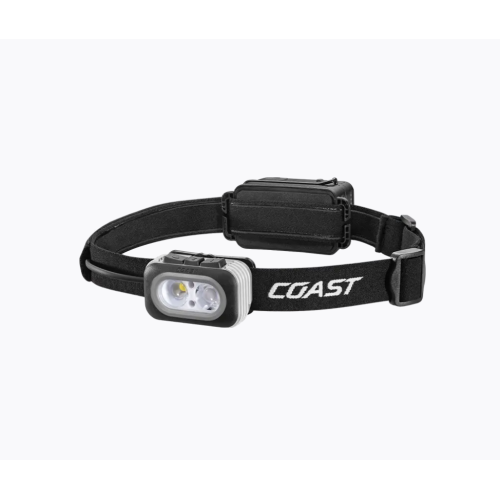 Your price for this item is $39.99
 -
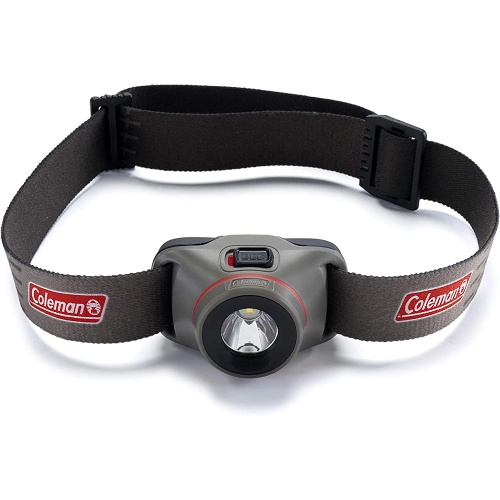 Your price for this item is $49.97
 -
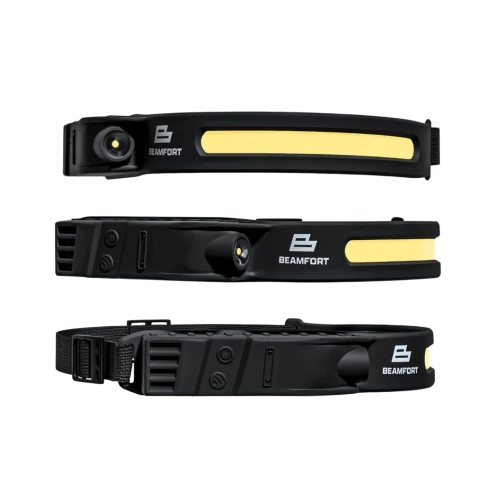 Your price for this item is $43
 -
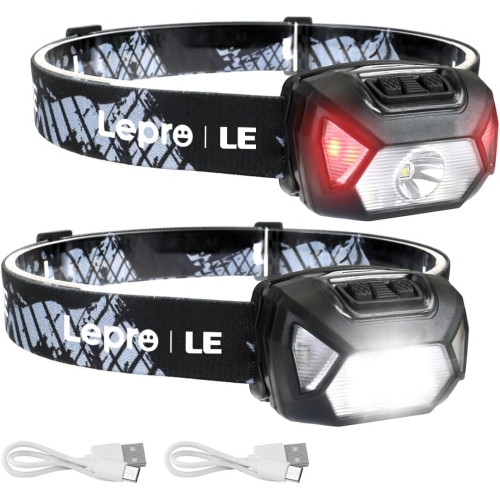 Your price for this item is $44.99
 -
 Your price for this item is $37.99
 -
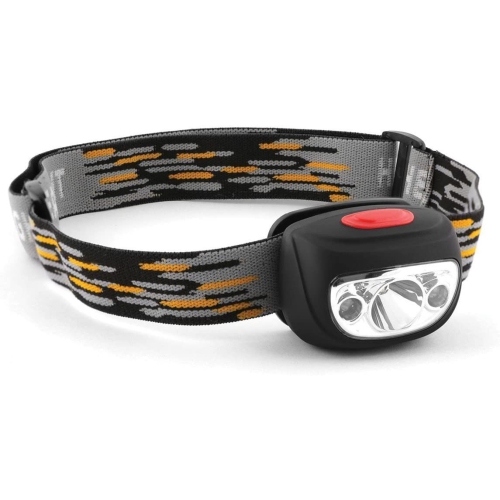 Your price for this item is $36.77
 -
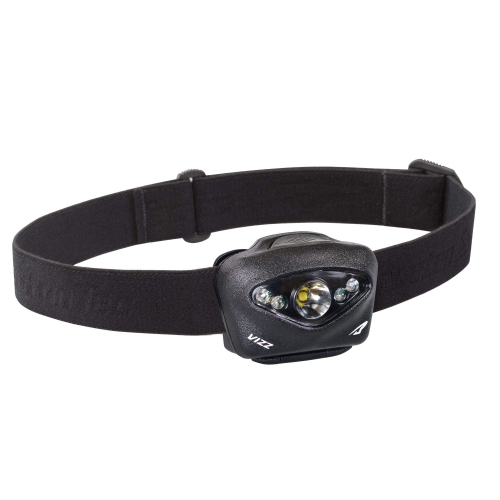 Your price for this item is $191.94
 -
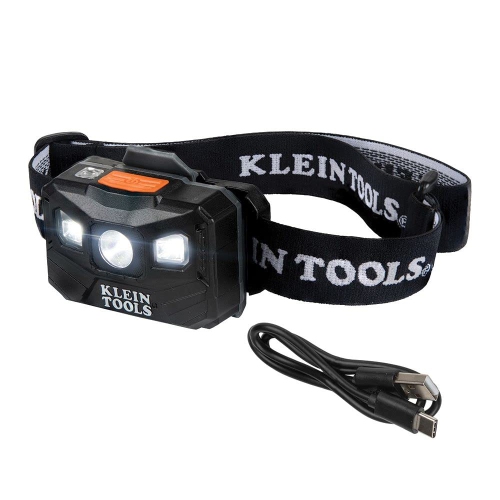 Your price for this item is $107.97
Discover more categories related to Long Lasting Headlamps
Top Collections:
Pokemon Centers, Kindle Devices, Best Budget Office Chairs, Apple iPhones 16, Best Laptops for Writers, iPhone 15 Apple, Canon G7X Cameras, Refurbished Apple Laptops, Alarm Clock, Motorola Razr Phones
Some products may be subject to Environmental Handling Fees
(EHF) depending on your province.
Learn more about EHFs.