Long Lasting Flashlight
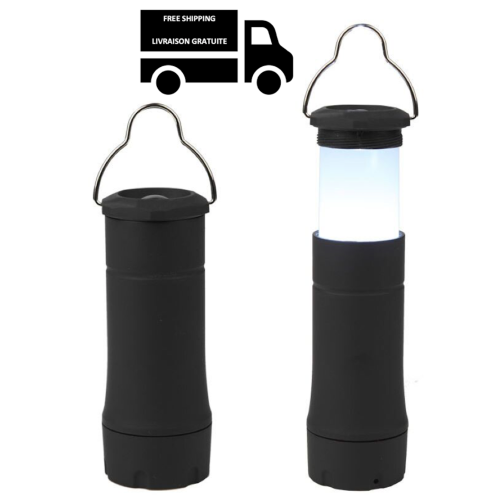
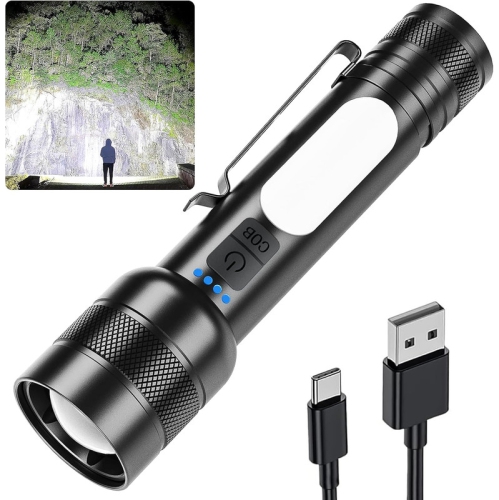
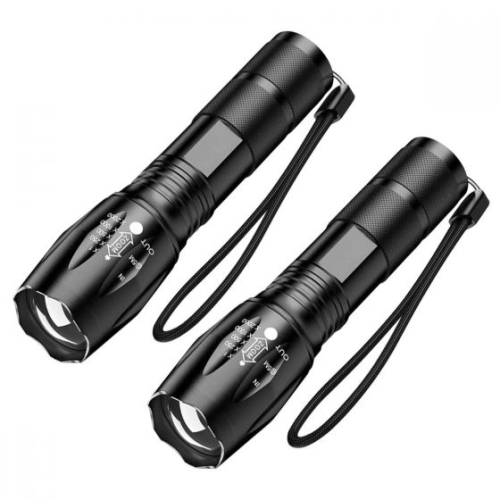
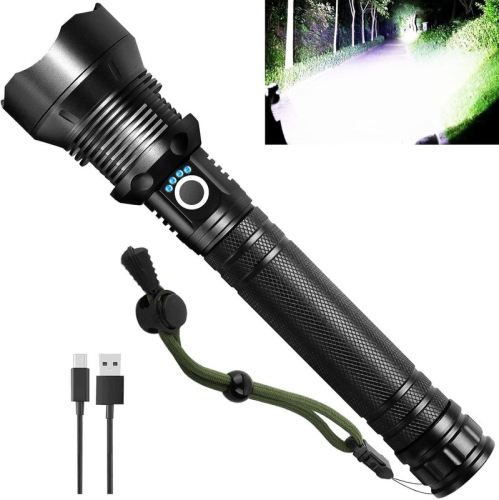
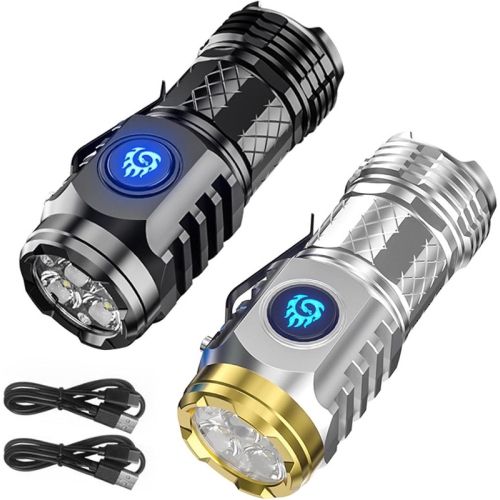
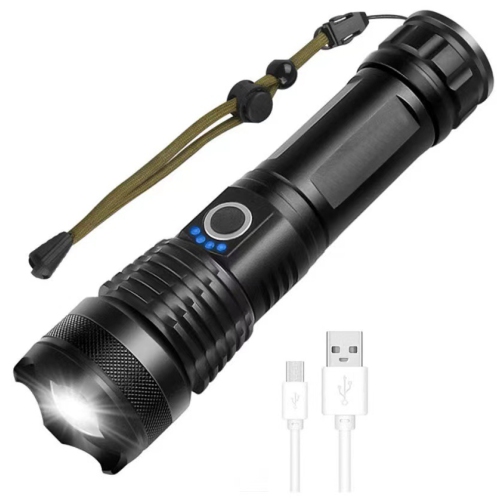
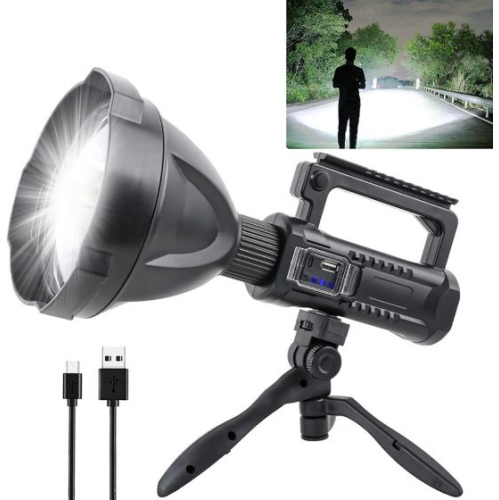
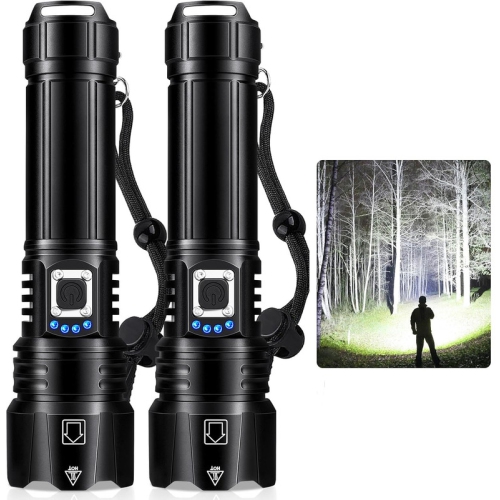
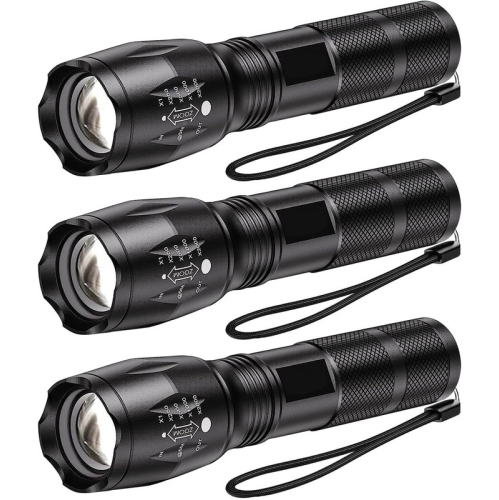
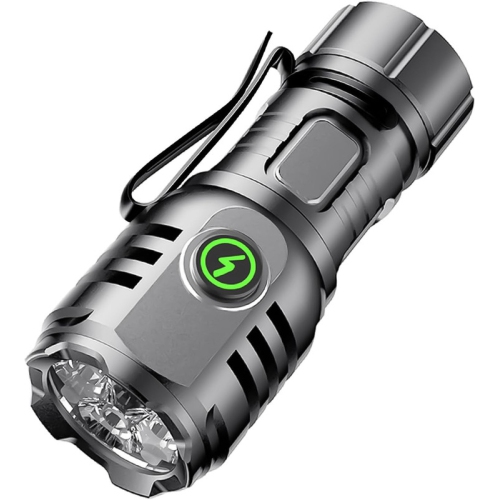
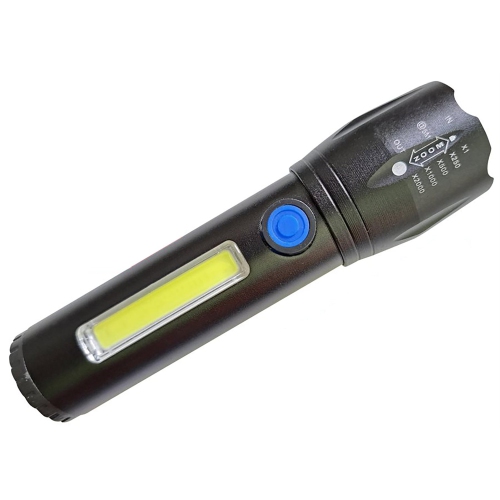
A flashlight is a portable hand-held light source, usually battery-powered, that emits a narrow beam of light. The most common type of flashlight has a lens that focuses the light and a reflector that redirects the light back toward the lens. Flashlights are often used in emergencies and during outdoor activities, such as hiking and camping. Here are some long-lasting options on the market.
Sort
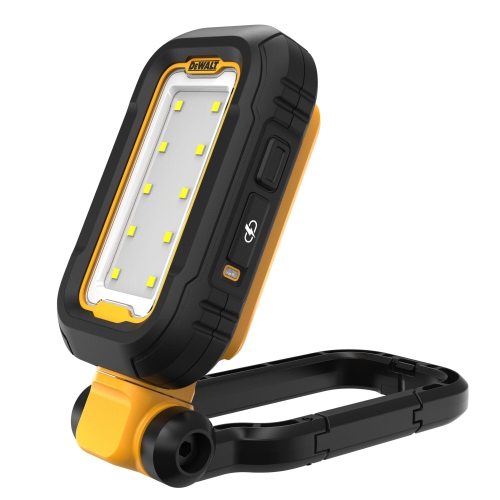

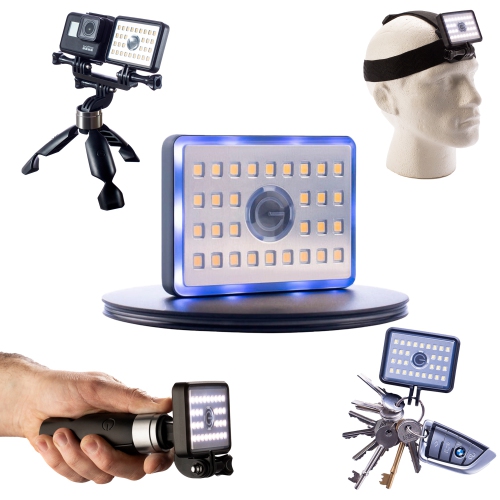
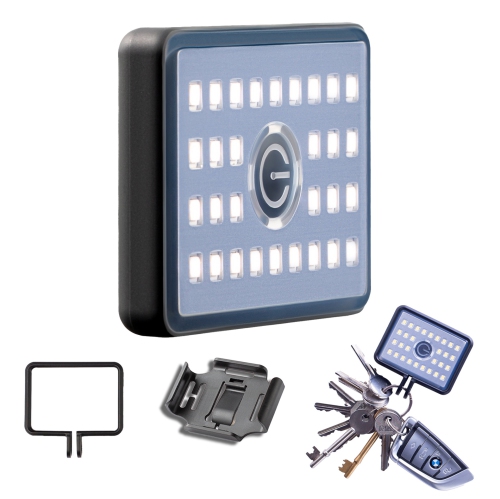
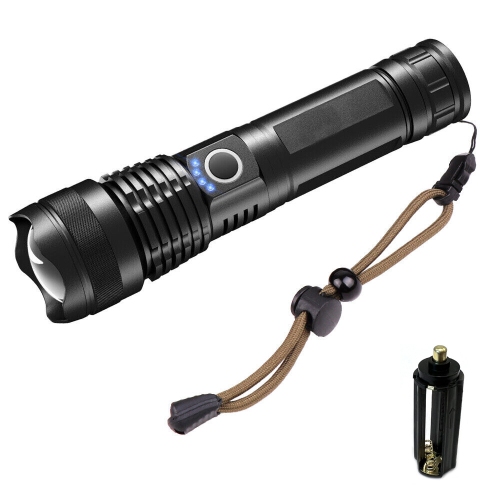
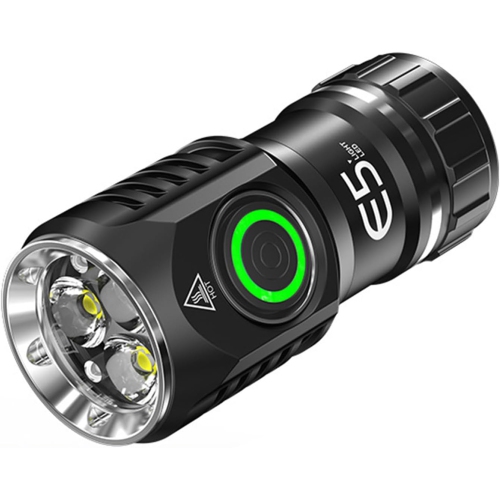
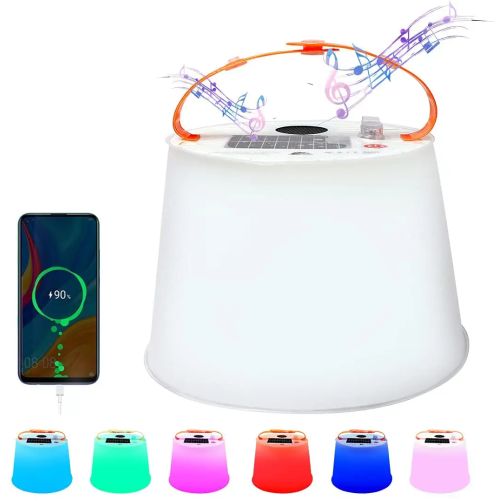
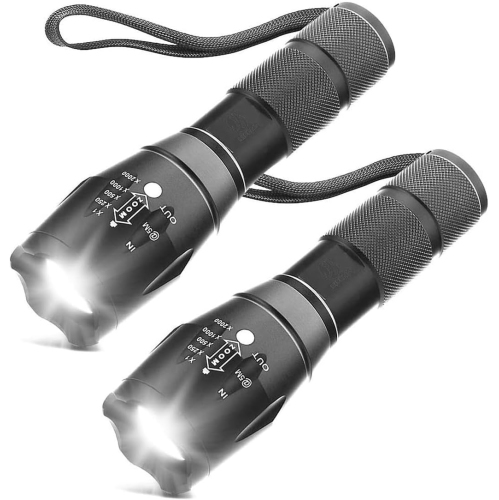
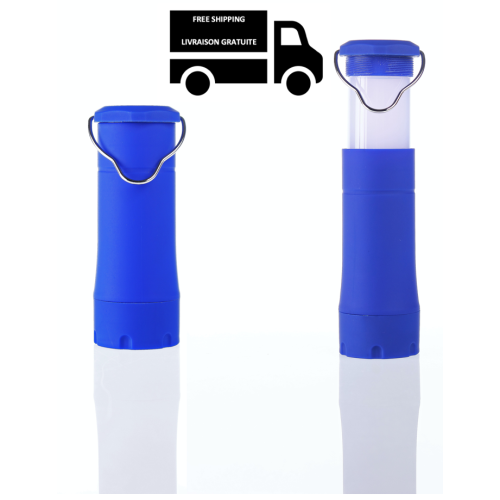
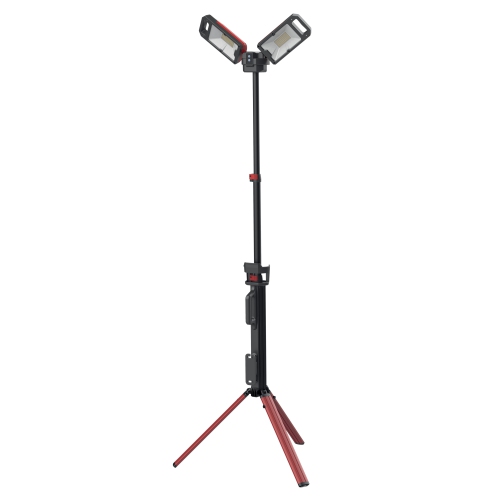
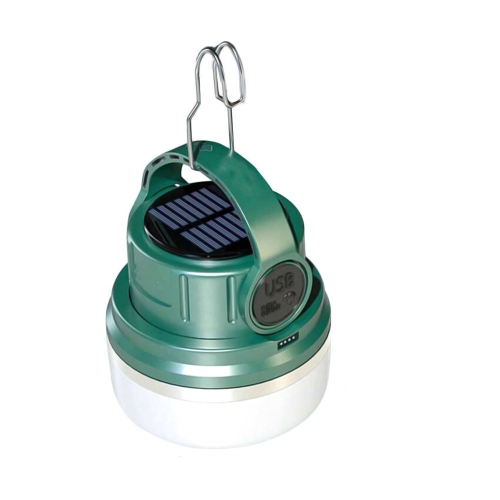
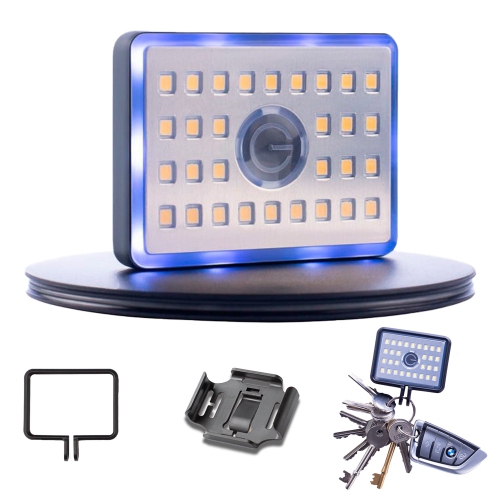
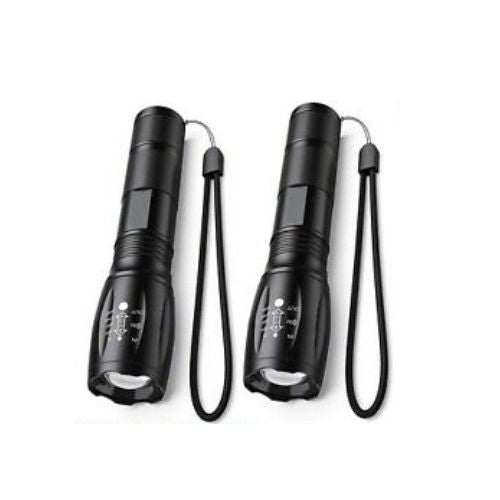

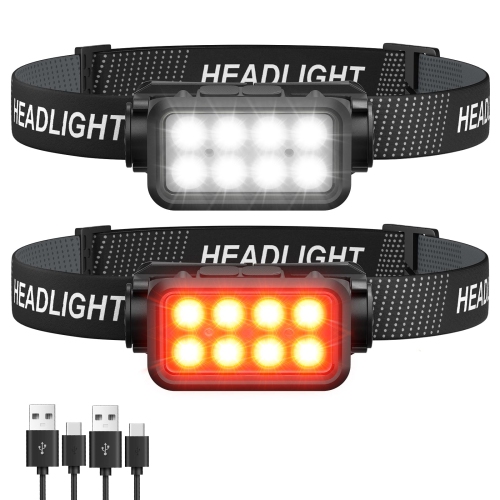
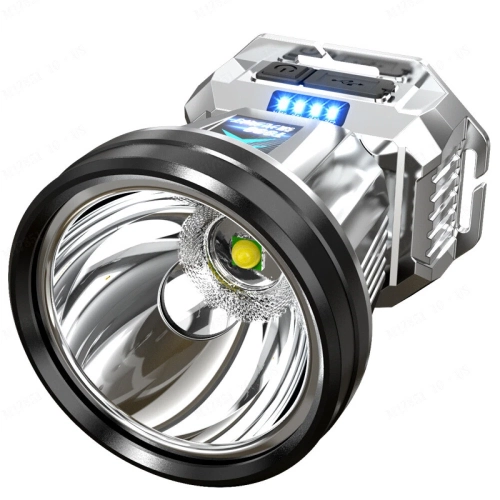
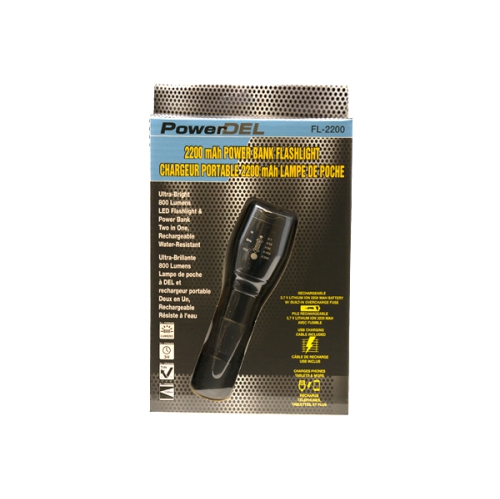
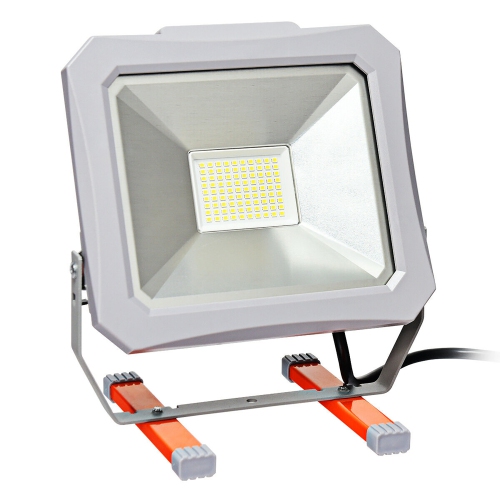
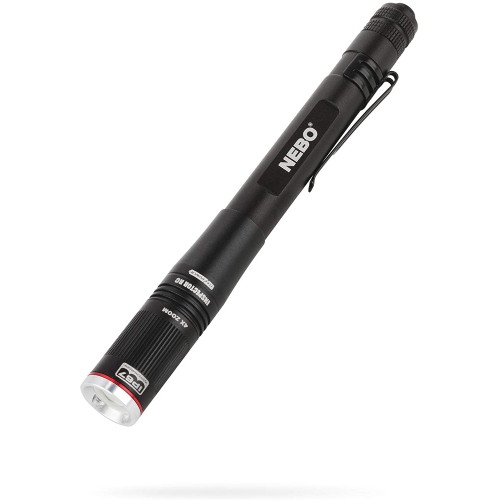
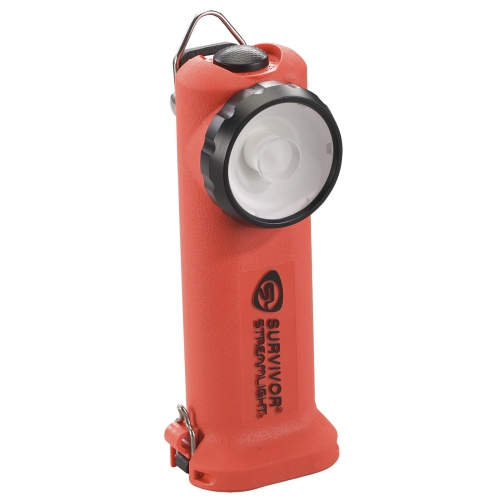
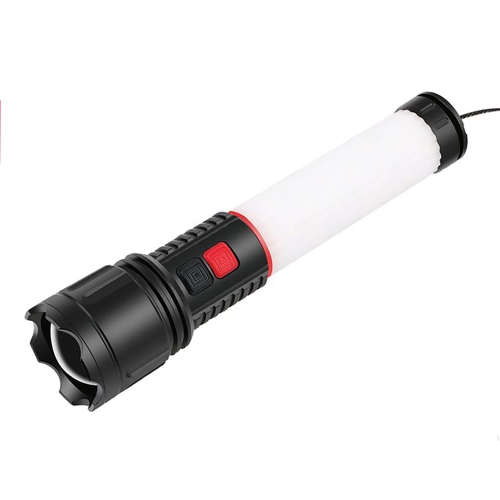
Why steady brightness matters more than peak lumens
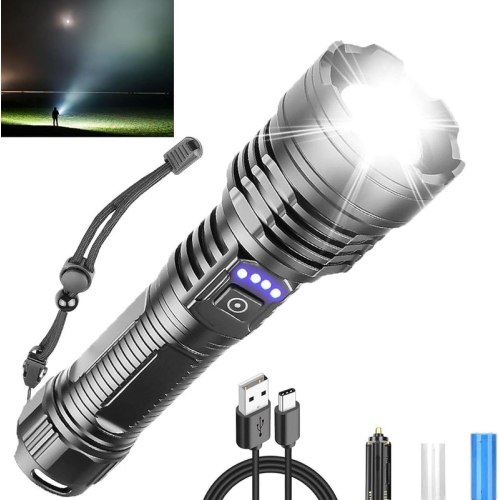
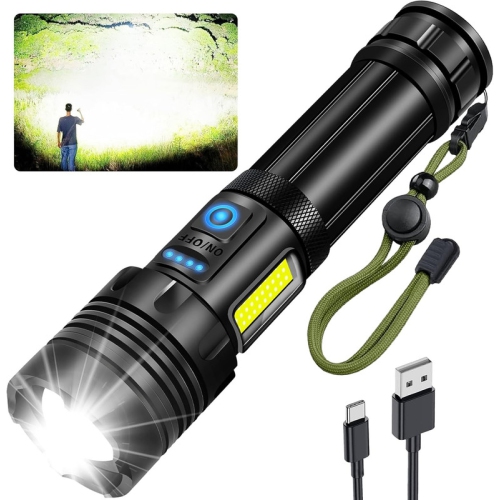
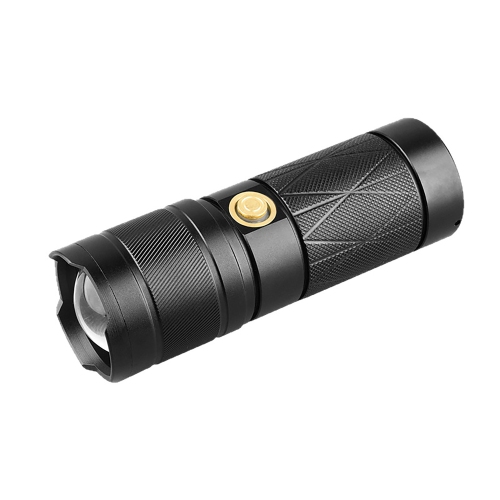
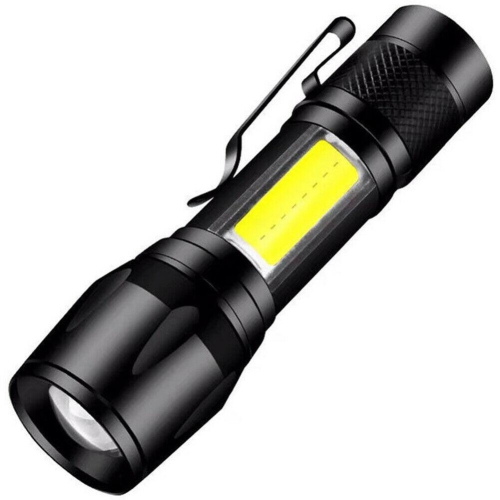
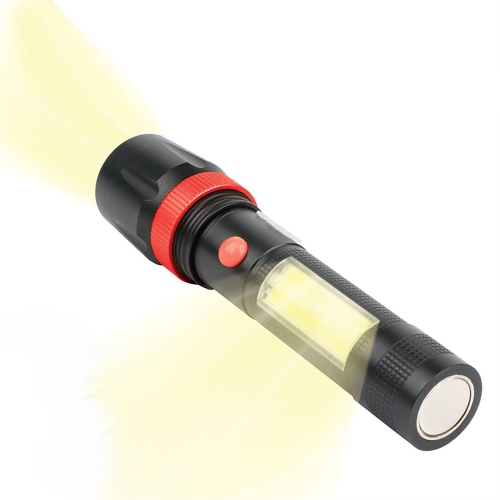
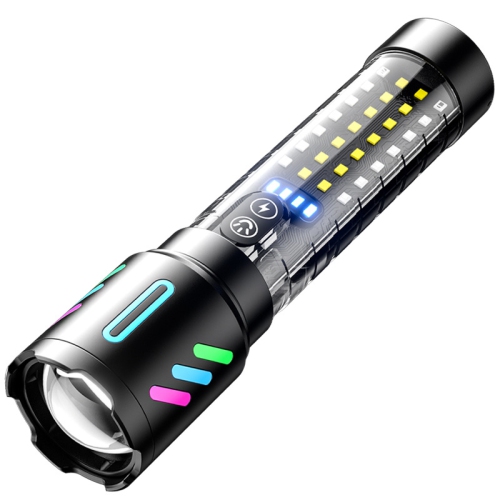
A long-lasting flashlight combines efficient LED output, suitable battery capacity and useful brightness settings to deliver dependable light between charges or battery changes. Long runtime matters when a power outage stretches into the evening, a walk takes longer than expected or a repair leaves someone working behind an appliance where overhead lighting cannot reach. The strongest beam is not always the most practical one: comfortable, steady illumination often matters more than a brief burst of maximum brightness. Lumens describe the total amount of visible light a flashlight produces, while beam distance indicates how far its light reaches under defined testing conditions. A broad flood beam spreads light across nearby surfaces, making it useful for sorting supplies or moving through a dark room. A concentrated spot beam puts more light farther ahead, helping illuminate a path or a distant gate. Adjustable brightness makes either beam more versatile. Low settings preserve battery power for close-range tasks, while medium settings can offer a practical balance of visibility and endurance for walking or working. Very low or moonlight settings can be useful for finding belongings without lighting up an entire bedroom or tent, although they are not substitutes for adequate light on uneven ground. Published runtime figures need to be read alongside the brightness mode used for testing. A long runtime on the lowest setting does not mean the flashlight will run equally long at maximum output, and standardized runtime measurements may include a period when the beam is substantially dimmer than its initial level. Regulated output helps maintain more consistent brightness as the battery discharges, within the limits of the battery and circuitry. High-output modes may also step down as the flashlight warms up. For extended use, sustained brightness at a useful setting is a more meaningful measure than peak lumens alone. During the cooler months, that distinction becomes especially noticeable on dark walks, around an unlit shed or while checking a fuse panel during an outage.
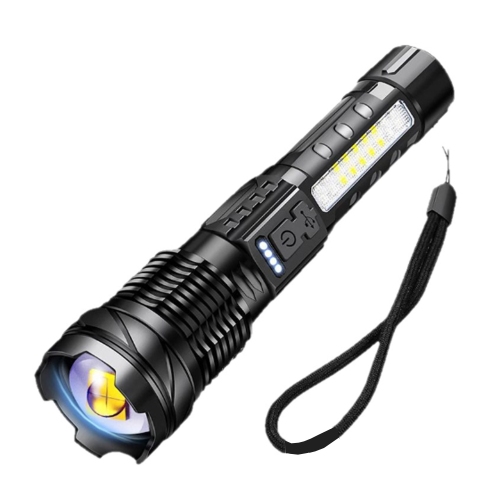
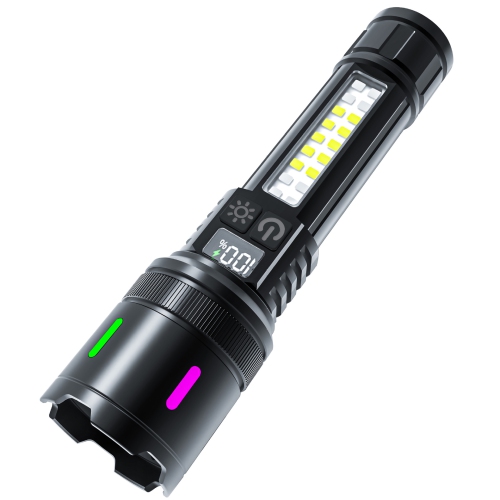
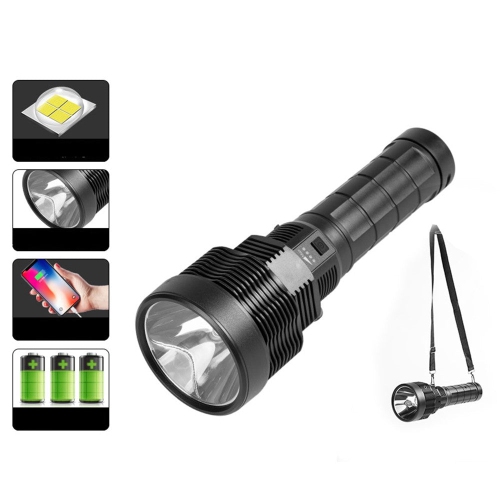
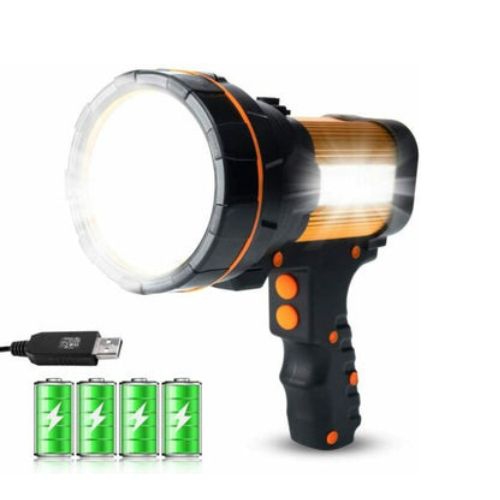
Battery type and charging arrangements shape how a long-lasting flashlight fits into everyday routines. Rechargeable flashlights suit frequent use because they can be topped up between dog walks, workshop jobs or trips away from home. A built-in USB-C charging port can simplify that routine, although charging speed depends on the flashlight, its battery and a compatible power source. Some designs charge through the body, while others require the battery to be removed and placed in a suitable charger. Removable rechargeable batteries can extend time away from an outlet when a compatible, fully charged spare is carried safely. Flashlights powered by replaceable household batteries offer a different kind of convenience, particularly for occasional use or an emergency kit where charging may not be possible. Neither approach guarantees longer runtime on its own. Battery capacity, LED efficiency, brightness level, temperature and the flashlight's power-management circuitry all affect endurance. Capacity expressed in milliamp-hours is most useful when comparing batteries of the same nominal voltage; watt-hours provide a clearer comparison of stored energy across different voltages. Larger batteries can support longer operation, but they also add weight and may require a wider flashlight body. The practical balance depends on whether the light spends most of its time in a coat pocket, a toolbox or beside the door. Battery indicators help show when charging is needed, and a low-battery warning can provide notice before the light shuts off, though neither replaces a spare light for situations where visibility is essential. Cold conditions can reduce battery performance, so runtime measured indoors may not reflect an extended outing in freezing weather. Charging should take place within the temperature range specified by the manufacturer, rather than immediately after bringing a deeply chilled battery inside. For storage, batteries need protection from moisture, damage and contact with loose metal objects. Using only the specified battery type and a compatible charger helps protect both the flashlight and its power source. A modest brightness setting, a checked charge level and a protected spare can make a useful combination for longer outings.
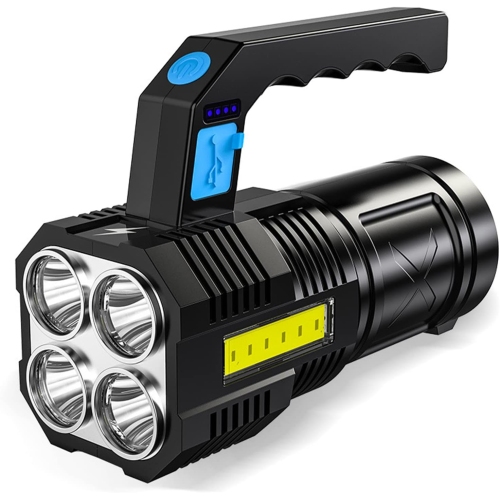
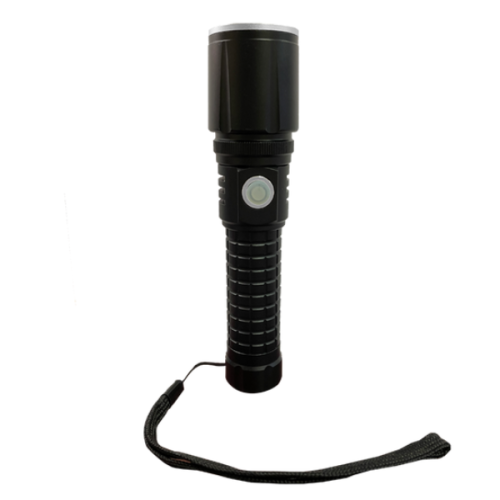
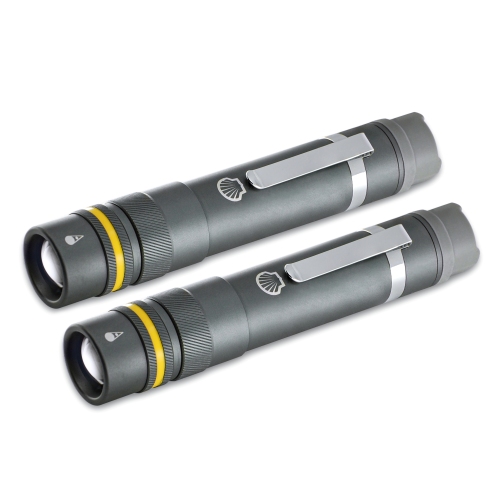
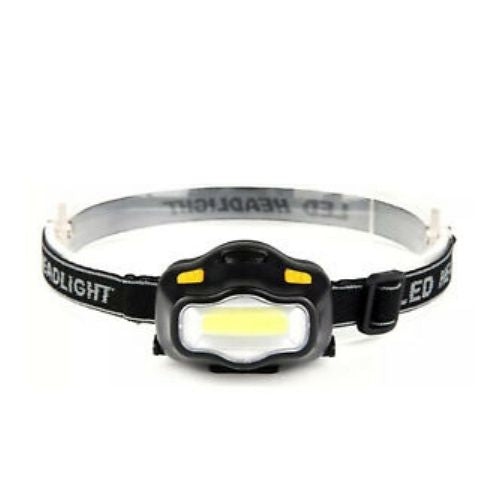
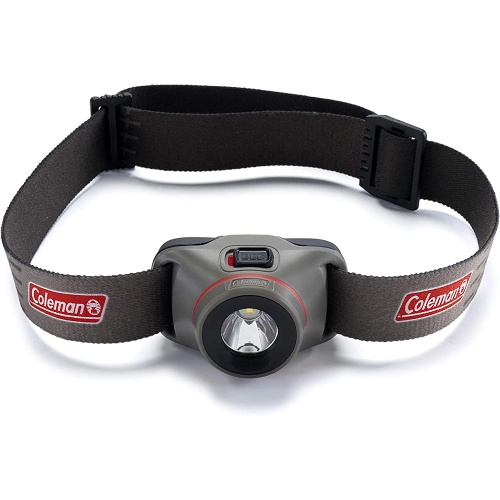
A flashlight's physical construction matters just as much as its battery when it is expected to last through regular handling. Aluminium bodies provide rigidity and can help move heat away from the LED, while durable polymer housings may feel lighter and less cold in the hand. Textured grips are useful with damp palms or gloves, and a body that resists rolling is less likely to disappear beneath a workbench after being set down. Pocket clips, wrist straps and holsters offer different ways to keep a light within reach, but the most comfortable fit depends on how it will be carried. A compact body suits a jacket pocket, while a larger handle can be easier to hold during a lengthy inspection or walk. Switch placement also changes the experience: a tail switch can be easy to locate by touch, while a side switch may allow brightness changes without shifting the grip. Simple controls are particularly useful for a household emergency light that several people may need to operate. A lockout function helps prevent accidental activation in a bag, protecting battery life and reducing the chance of unwanted heat buildup. Water-resistance and impact-resistance ratings provide more useful information than rugged styling alone, but splash protection should not be mistaken for suitability for immersion. Seals, charging-port covers and battery caps need to remain clean and properly closed for the stated protection to apply. Routine care is straightforward: wipe away dirt, dry the flashlight after wet use and inspect accessible seals and contacts according to the manufacturer's directions. For long periods of storage, follow the battery guidance and check the light periodically rather than leaving it untouched until an outage. Hands-free lighting can be a useful companion for carrying supplies, pitching a tent or working with tools; Long Lasting Headlamps offer that alternative while keeping illumination directed towards the task. A durable flashlight also makes a practical gift for campers, dog walkers, tradespeople or someone setting up a first home, especially when its size, controls and charging method suit the recipient's daily habits.
Battery type and charging arrangements shape how a long-lasting flashlight fits into everyday routines. Rechargeable flashlights suit frequent use because they can be topped up between dog walks, workshop jobs or trips away from home. A built-in USB-C charging port can simplify that routine, although charging speed depends on the flashlight, its battery and a compatible power source. Some designs charge through the body, while others require the battery to be removed and placed in a suitable charger. Removable rechargeable batteries can extend time away from an outlet when a compatible, fully charged spare is carried safely. Flashlights powered by replaceable household batteries offer a different kind of convenience, particularly for occasional use or an emergency kit where charging may not be possible. Neither approach guarantees longer runtime on its own. Battery capacity, LED efficiency, brightness level, temperature and the flashlight's power-management circuitry all affect endurance. Capacity expressed in milliamp-hours is most useful when comparing batteries of the same nominal voltage; watt-hours provide a clearer comparison of stored energy across different voltages. Larger batteries can support longer operation, but they also add weight and may require a wider flashlight body. The practical balance depends on whether the light spends most of its time in a coat pocket, a toolbox or beside the door. Battery indicators help show when charging is needed, and a low-battery warning can provide notice before the light shuts off, though neither replaces a spare light for situations where visibility is essential. Cold conditions can reduce battery performance, so runtime measured indoors may not reflect an extended outing in freezing weather. Charging should take place within the temperature range specified by the manufacturer, rather than immediately after bringing a deeply chilled battery inside. For storage, batteries need protection from moisture, damage and contact with loose metal objects. Using only the specified battery type and a compatible charger helps protect both the flashlight and its power source. A modest brightness setting, a checked charge level and a protected spare can make a useful combination for longer outings.
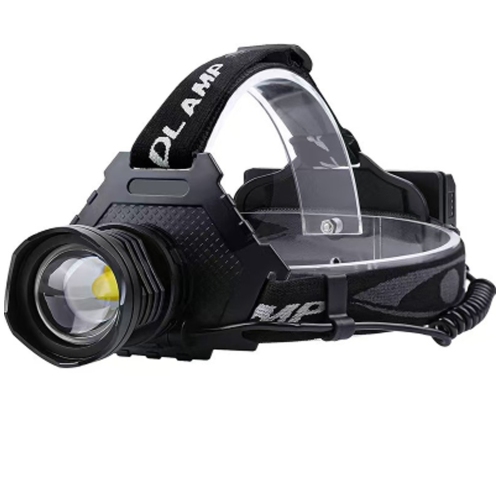
A flashlight's physical construction matters just as much as its battery when it is expected to last through regular handling. Aluminium bodies provide rigidity and can help move heat away from the LED, while durable polymer housings may feel lighter and less cold in the hand. Textured grips are useful with damp palms or gloves, and a body that resists rolling is less likely to disappear beneath a workbench after being set down. Pocket clips, wrist straps and holsters offer different ways to keep a light within reach, but the most comfortable fit depends on how it will be carried. A compact body suits a jacket pocket, while a larger handle can be easier to hold during a lengthy inspection or walk. Switch placement also changes the experience: a tail switch can be easy to locate by touch, while a side switch may allow brightness changes without shifting the grip. Simple controls are particularly useful for a household emergency light that several people may need to operate. A lockout function helps prevent accidental activation in a bag, protecting battery life and reducing the chance of unwanted heat buildup. Water-resistance and impact-resistance ratings provide more useful information than rugged styling alone, but splash protection should not be mistaken for suitability for immersion. Seals, charging-port covers and battery caps need to remain clean and properly closed for the stated protection to apply. Routine care is straightforward: wipe away dirt, dry the flashlight after wet use and inspect accessible seals and contacts according to the manufacturer's directions. For long periods of storage, follow the battery guidance and check the light periodically rather than leaving it untouched until an outage. Hands-free lighting can be a useful companion for carrying supplies, pitching a tent or working with tools; Long Lasting Headlamps offer that alternative while keeping illumination directed towards the task. A durable flashlight also makes a practical gift for campers, dog walkers, tradespeople or someone setting up a first home, especially when its size, controls and charging method suit the recipient's daily habits.
Top selling and popular products
-
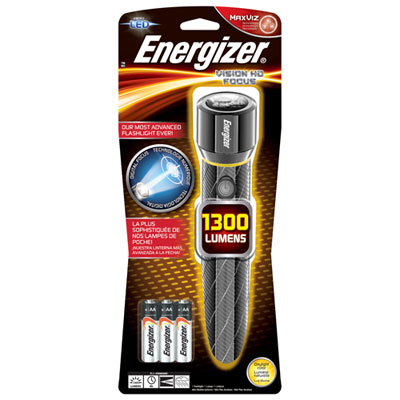 Your price for this item is $19.97
 -
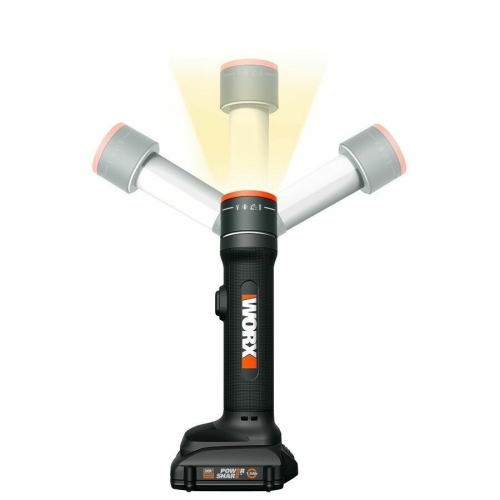 Your price for this item is $129.99
 -
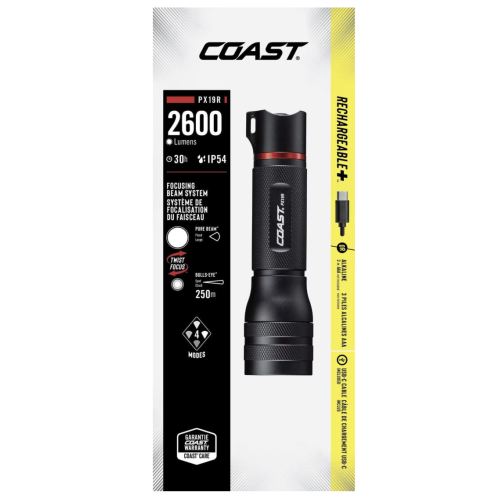 Your price for this item is $39.99
 -
 Your price for this item is $51.99
 -
 Your price for this item is $107.99
 -
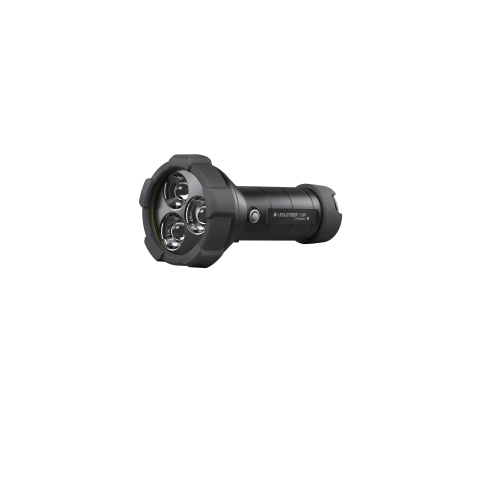 Your price for this item is $287.93
 -
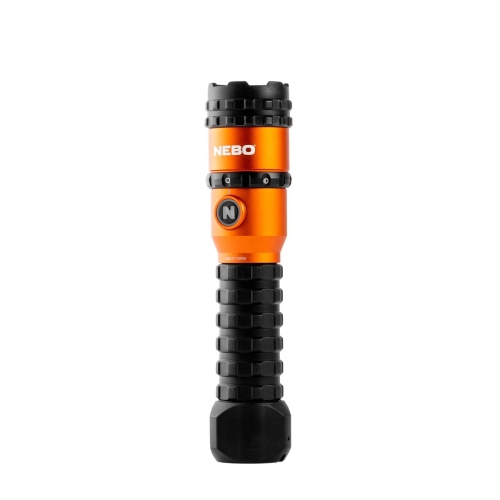 Your price for this item is $124.99
 -
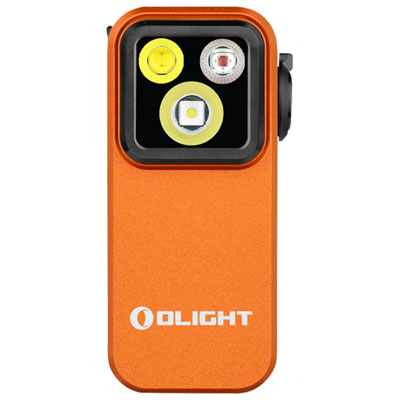 Your price for this item is $49.99
Discover more categories related to Long Lasting Flashlight
Top Collections:
Pokemon Centers, Kindle Devices, Best Budget Office Chairs, Apple iPhones 16, Best Laptops for Writers, iPhone 15 Apple, Canon G7X Cameras, Refurbished Apple Laptops, Alarm Clock, Motorola Razr Phones
Some products may be subject to Environmental Handling Fees
(EHF) depending on your province.
Learn more about EHFs.