Longboard Helmets
When it comes to longboarding, safety should always be a top priority. Protecting your head with a reliable and high-quality helmet is essential for any rider, whether you're a beginner or an experienced pro. At Best Buy, we understand the importance of keeping you safe while you carve up the streets or hit the skatepark. That's why we offer a wide selection of longboard helmets that combine superior protection, comfort, and style. Browse through our collection to find the perfect helmet that suits your needs and allows you to ride with confidence.
Sort
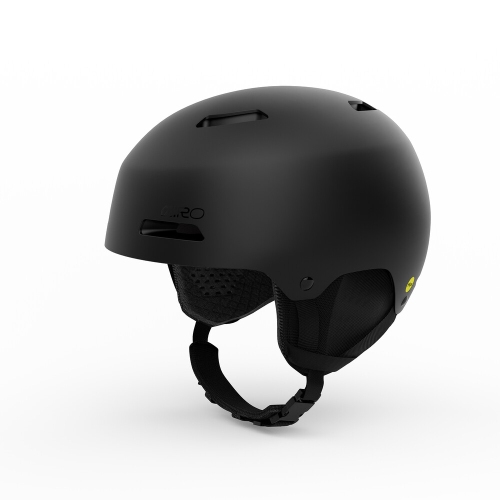
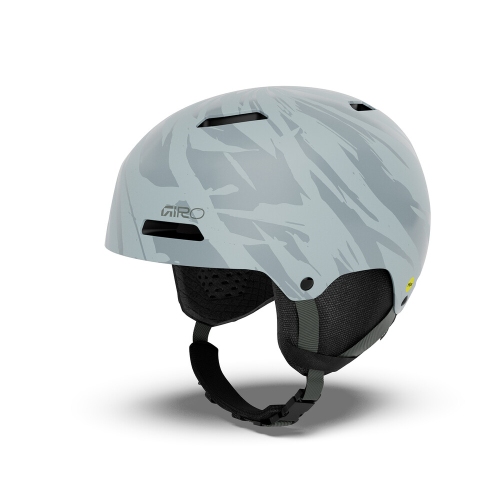
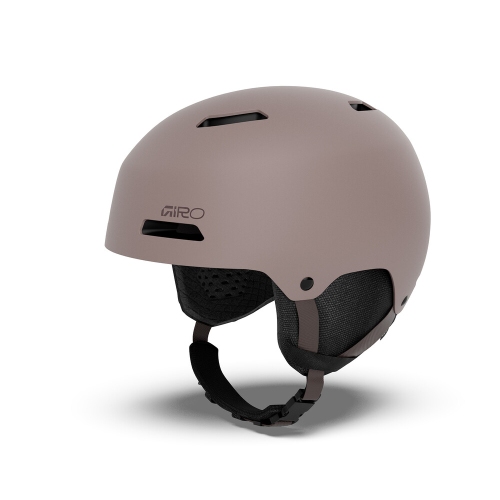
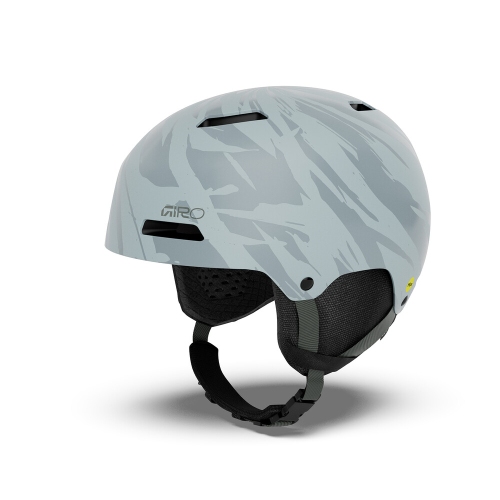
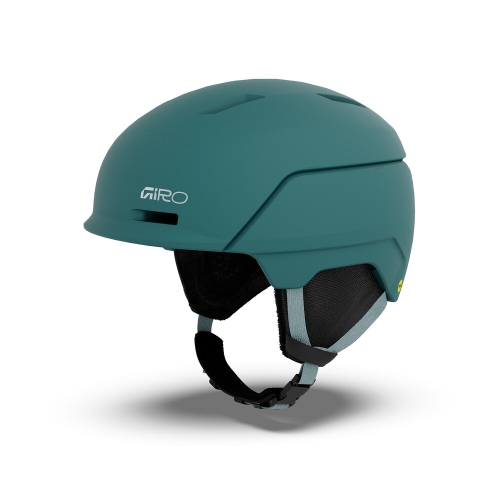
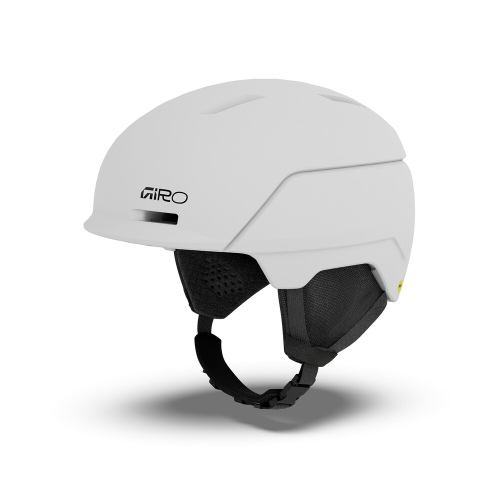
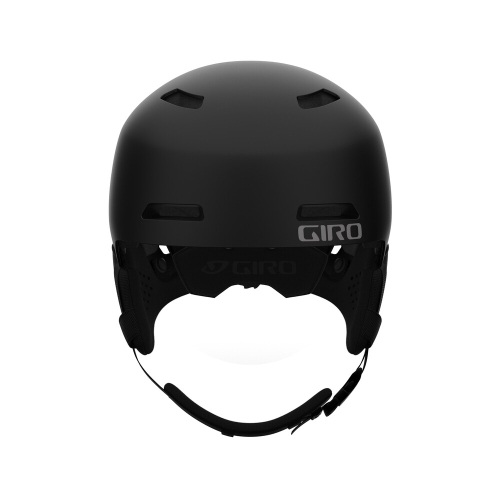
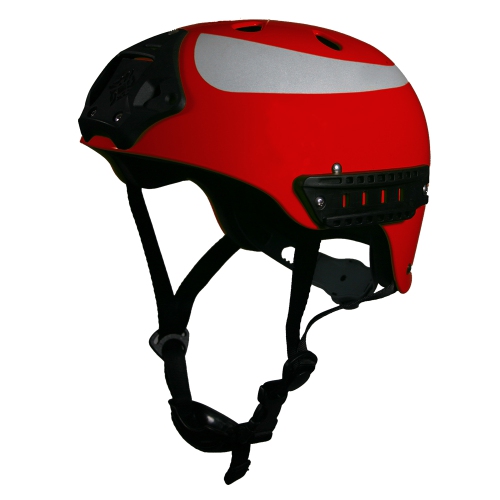
What to know about coverage and helmet fit
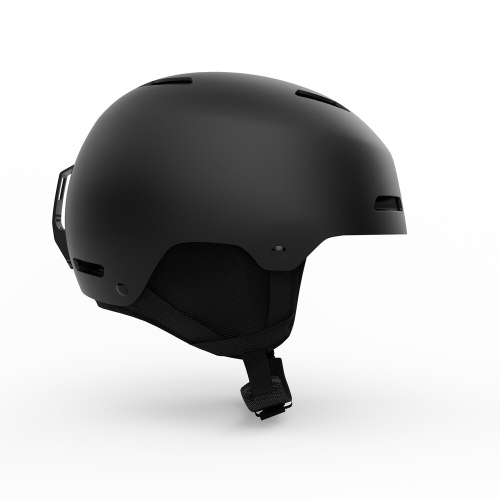
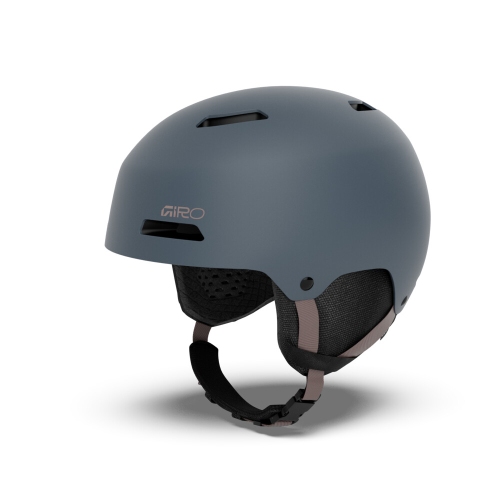
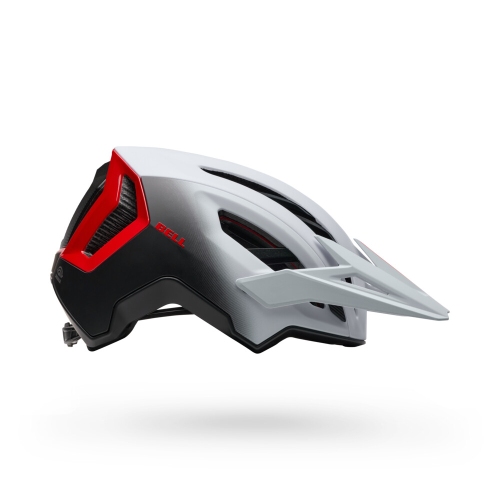
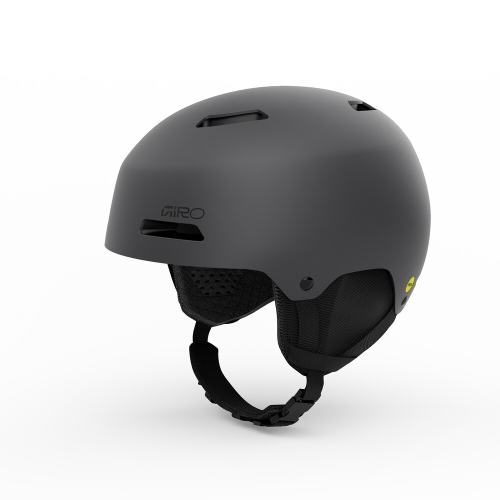
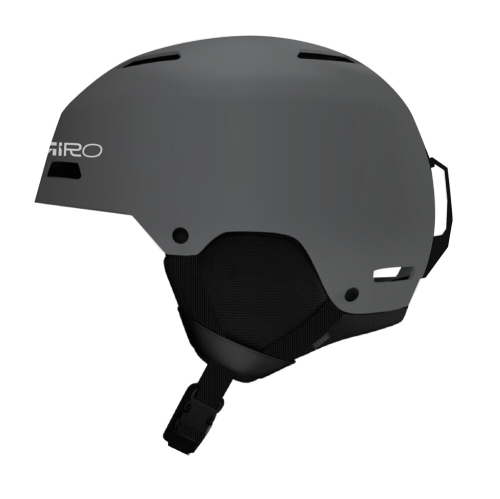
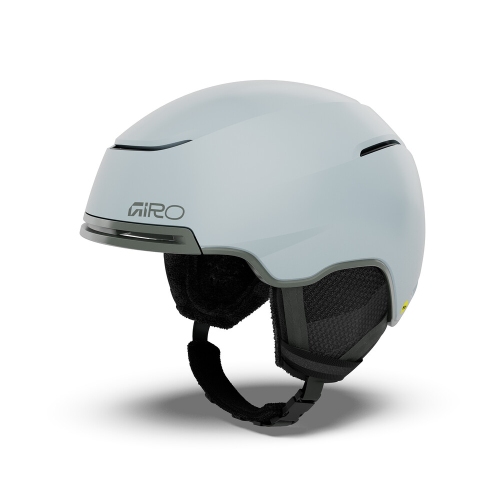
Longboard helmets are designed for riders who want dependable head protection while cruising, carving, commuting, freeriding or building confidence on a board. Unlike a casual fashion helmet, a longboard helmet is shaped around the way skateboarders and longboarders move, fall and ride. Many half-shell styles have a deeper fit and extended coverage around the back and sides of the head than a conventional bicycle helmet, helping provide protection during the kinds of falls that can happen when wheels catch an uneven patch of pavement. For riders who enjoy faster downhill runs or want more coverage around the face and jaw, full-face longboard helmets offer a more enclosed design, often with a visor that helps shield the eyes from wind, dust and road spray. The right style depends on where and how a rider spends time on a board. A casual cruiser travelling along a paved trail may prefer the lighter feel, airflow and easy visibility of a half-shell helmet, while a downhill or speed-focused rider may value the added coverage and aerodynamic shape of a full-face design. When comparing options, look for clear safety information and recognized certification markings, such as CPSC or ASTM standards where applicable. Certifications indicate that the helmet has been tested against defined impact requirements; they are an important starting point, although no helmet can prevent every injury. A helmet should be replaced after a significant impact, even if the outer shell looks undamaged, because internal materials may have absorbed force that is not visible from the outside. Riders should also check the manufacturer’s care instructions and avoid modifying the shell, drilling holes or adding accessories that are not designed for the helmet.
Fit is one of the most important considerations when choosing among longboard helmets. To estimate the correct size, measure around the head with a soft measuring tape, keeping it level just above the eyebrows and ears and across the fullest part of the back of the head. Compare that measurement with the sizing chart for the helmet rather than relying only on a familiar hat size. A properly fitted helmet should sit level, cover the intended areas and feel snug without creating sharp pressure points. It should not rock forward, slide over the eyes or shift when the rider turns their head. The chin strap should rest comfortably beneath the chin, with enough room for a finger or two depending on the maker’s instructions, and the buckle should remain secure without rubbing. A quick fit check can include opening the mouth wide, looking from side to side and gently shaking the head; the helmet should stay in place while remaining comfortable. Adjustable fit systems, removable pads and multiple shell sizes can make it easier to fine-tune the fit, particularly for riders with longer hair or those who wear a thin liner during cooler conditions. Ventilation is useful for warm rides and uphill walks, while a smooth interior and washable padding can make regular use more comfortable. Riders considering a full-face helmet should check the visor’s field of view, ventilation and anti-fog features, especially when moving between cool air and warmer indoor spaces. It is also worth confirming that glasses, sunglasses or a low-profile toque can be worn comfortably if needed. A secure, level fit matters more than a low-profile appearance, and a helmet that is uncomfortable is less likely to be worn consistently. For a broader selection of protective headgear for different activities, explore Safety Helmets.
Longboard helmets can suit a wide range of riders, from someone learning to balance on a first board to an experienced skater refining smooth, controlled turns. They can also make a thoughtful gift for a student who rides to school, a commuter who uses a longboard for short trips, or a recreational rider who enjoys waterfront paths and neighbourhood streets. When selecting one as a gift, it helps to know the recipient’s head measurement, preferred riding style and whether they usually wear a half-shell or full-face design. If those details are not available, a gift receipt or an exchange-friendly option can make it easier to find the right fit. Consider the rider’s everyday surroundings as well: reflective details may be useful for people who ride in lower light, while bright colours can improve visibility among traffic and pedestrians. A helmet should be stored in a cool, dry place away from direct heat, and it should not be left compressed under heavy gear where the shell or padding could become distorted. Before each ride, inspect the shell for cracks, check that the straps are attached securely and make sure the buckle closes properly. During the cooler months, riders may appreciate a helmet that accommodates a thin, moisture-wicking liner without becoming loose, but bulky winter hats can affect the fit and should not be forced beneath a helmet. Smooth pavement, painted lines, gravel and damp leaves can all change how a board responds, so protective equipment works best alongside sensible speed, visible clothing and attention to the route. Whether the goal is a relaxed roll through the park, a daily trip across town or a more technical downhill session, choosing a certified longboard helmet with suitable coverage, a stable fit and comfortable features helps riders spend more time focused on the road ahead and less time adjusting their gear.
Fit is one of the most important considerations when choosing among longboard helmets. To estimate the correct size, measure around the head with a soft measuring tape, keeping it level just above the eyebrows and ears and across the fullest part of the back of the head. Compare that measurement with the sizing chart for the helmet rather than relying only on a familiar hat size. A properly fitted helmet should sit level, cover the intended areas and feel snug without creating sharp pressure points. It should not rock forward, slide over the eyes or shift when the rider turns their head. The chin strap should rest comfortably beneath the chin, with enough room for a finger or two depending on the maker’s instructions, and the buckle should remain secure without rubbing. A quick fit check can include opening the mouth wide, looking from side to side and gently shaking the head; the helmet should stay in place while remaining comfortable. Adjustable fit systems, removable pads and multiple shell sizes can make it easier to fine-tune the fit, particularly for riders with longer hair or those who wear a thin liner during cooler conditions. Ventilation is useful for warm rides and uphill walks, while a smooth interior and washable padding can make regular use more comfortable. Riders considering a full-face helmet should check the visor’s field of view, ventilation and anti-fog features, especially when moving between cool air and warmer indoor spaces. It is also worth confirming that glasses, sunglasses or a low-profile toque can be worn comfortably if needed. A secure, level fit matters more than a low-profile appearance, and a helmet that is uncomfortable is less likely to be worn consistently. For a broader selection of protective headgear for different activities, explore Safety Helmets.
Longboard helmets can suit a wide range of riders, from someone learning to balance on a first board to an experienced skater refining smooth, controlled turns. They can also make a thoughtful gift for a student who rides to school, a commuter who uses a longboard for short trips, or a recreational rider who enjoys waterfront paths and neighbourhood streets. When selecting one as a gift, it helps to know the recipient’s head measurement, preferred riding style and whether they usually wear a half-shell or full-face design. If those details are not available, a gift receipt or an exchange-friendly option can make it easier to find the right fit. Consider the rider’s everyday surroundings as well: reflective details may be useful for people who ride in lower light, while bright colours can improve visibility among traffic and pedestrians. A helmet should be stored in a cool, dry place away from direct heat, and it should not be left compressed under heavy gear where the shell or padding could become distorted. Before each ride, inspect the shell for cracks, check that the straps are attached securely and make sure the buckle closes properly. During the cooler months, riders may appreciate a helmet that accommodates a thin, moisture-wicking liner without becoming loose, but bulky winter hats can affect the fit and should not be forced beneath a helmet. Smooth pavement, painted lines, gravel and damp leaves can all change how a board responds, so protective equipment works best alongside sensible speed, visible clothing and attention to the route. Whether the goal is a relaxed roll through the park, a daily trip across town or a more technical downhill session, choosing a certified longboard helmet with suitable coverage, a stable fit and comfortable features helps riders spend more time focused on the road ahead and less time adjusting their gear.
Top selling and popular products
-
 Your price for this item is $69.99
 -
![UNIVERSAL STUDIOS Pokémon Journeys: Season 23 - Destination: Coronation [DVD] In Multicolor](https://multimedia.bbycastatic.ca/multimedia/products/500x500/181/18197/18197813.jpeg) Your price for this item is $19.99
Your price for this item is $19.99 -
 Your price for this item is $169
 -
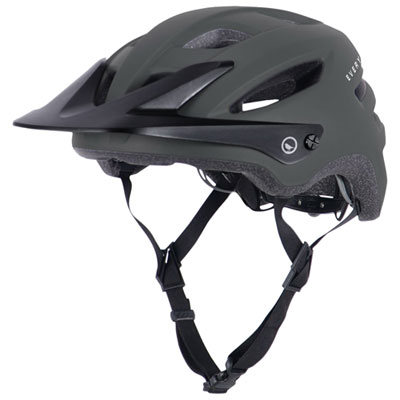 Your price for this item is $39.99
 -
 Your price for this item is $199.99
 -
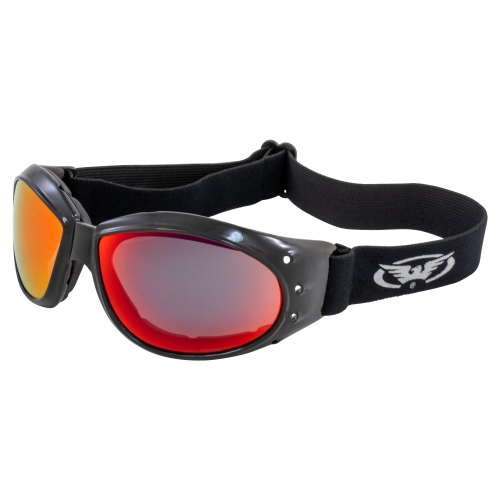 Your price for this item is $35.13
 -
 Your price for this item is $49.99
 -
 Your price for this item is $169
Discover more categories related to Longboard Helmets
Top Collections:
Pokemon Centers, Best Cameras for Sports Photography, Kindle Devices, Samsung Galaxy Phones, Canon G7X Cameras, Pokémon 30th Celebration Cards, Refurbished Apple Laptops, iPhone 15 Apple, Laptops for Students, Budget Smartphones
Some products may be subject to Environmental Handling Fees
(EHF) depending on your province.
Learn more about EHFs.