Marine Hot Water Heaters
Upgrade your marine adventures with a reliable and efficient marine hot water heater. Whether you're out at sea for a weekend fishing trip or cruising along the coast, having access to hot water on your boat can enhance your overall experience. Stay comfortable and refreshed with a marine hot water heater that provides you with the convenience of warm water for cooking, cleaning, and personal hygiene. Explore our selection of marine hot water heaters designed to meet the unique needs of boat owners, ensuring you can enjoy all the comforts of home while out on the water.
Sort


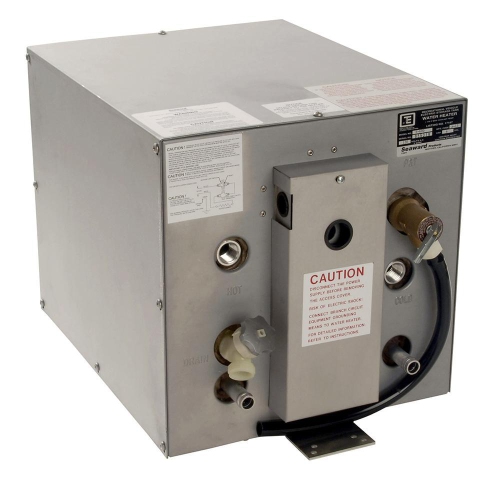
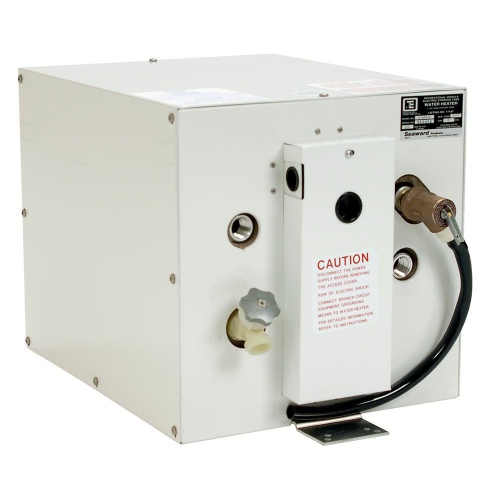
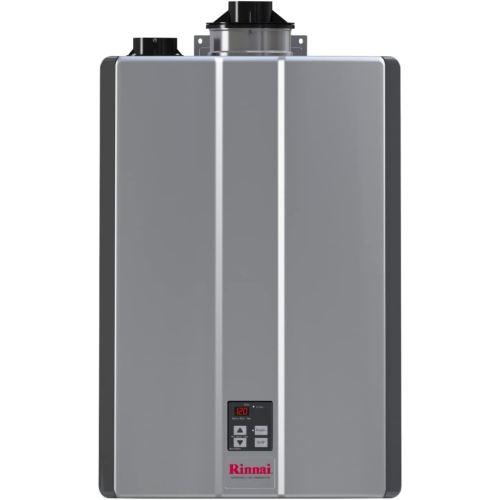
How engine and shore power support onboard hot water
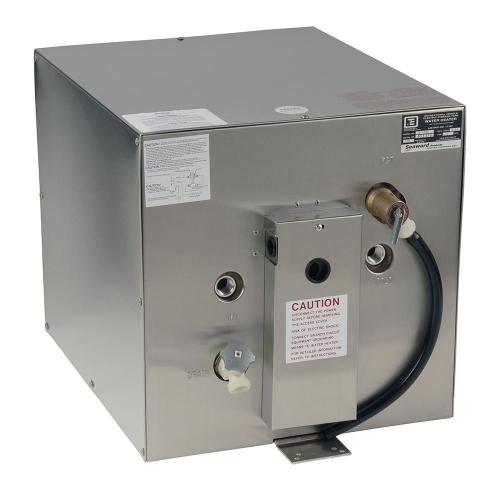
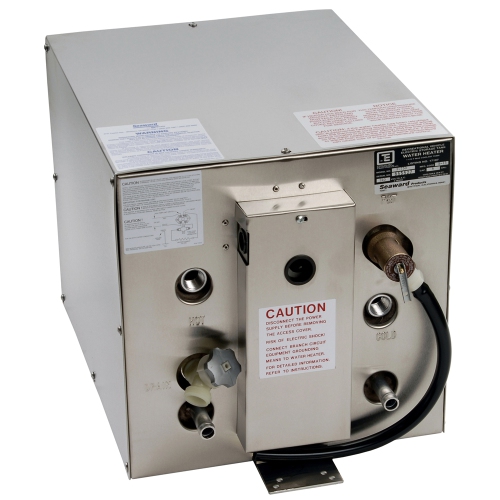
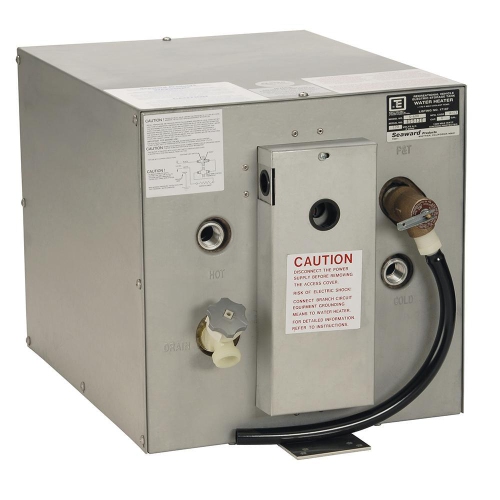
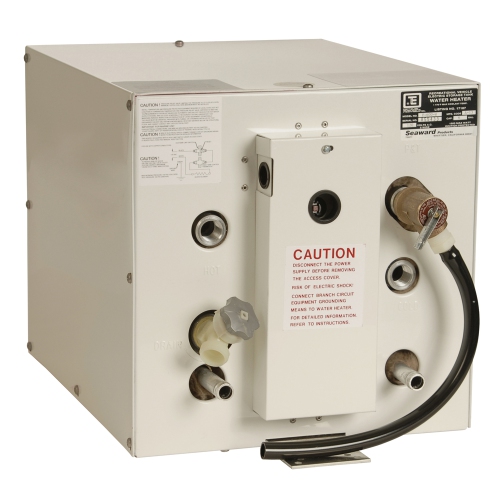
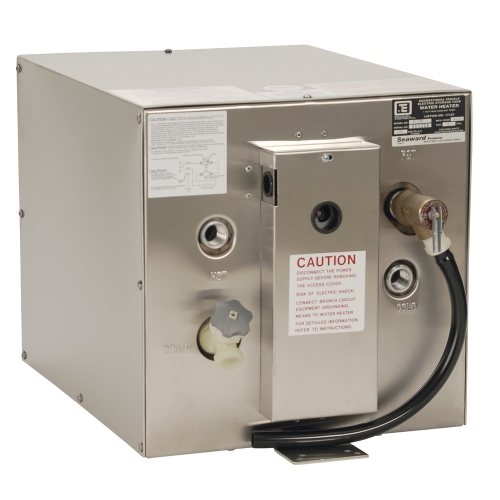
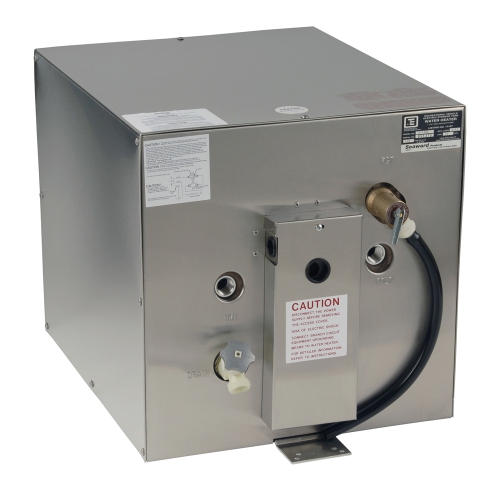
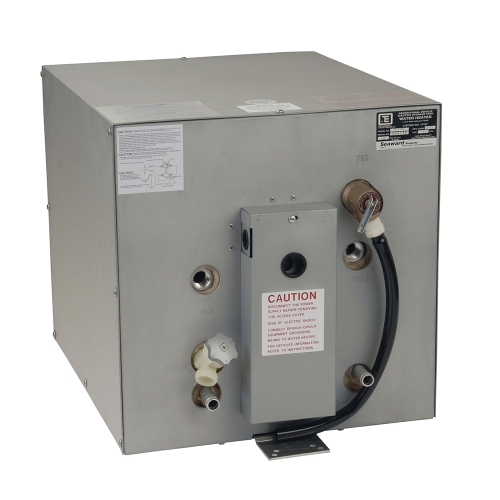
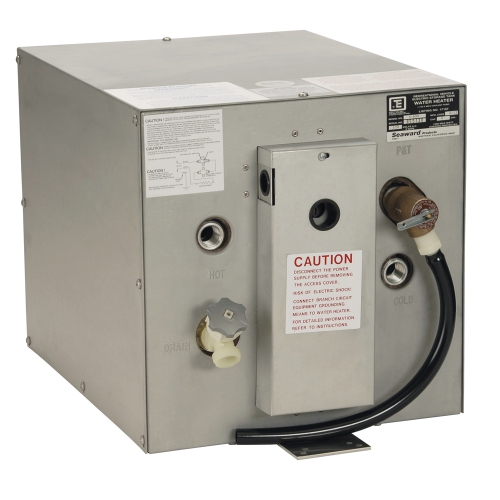
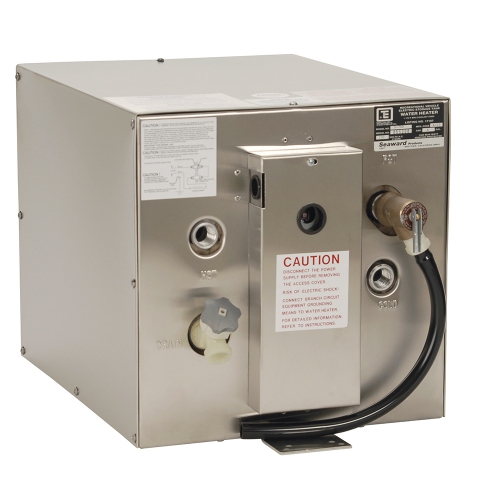
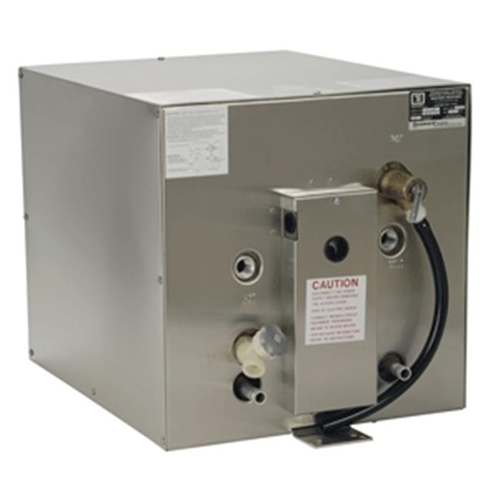
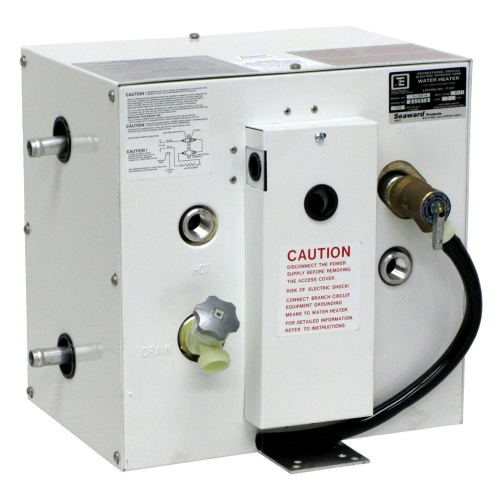
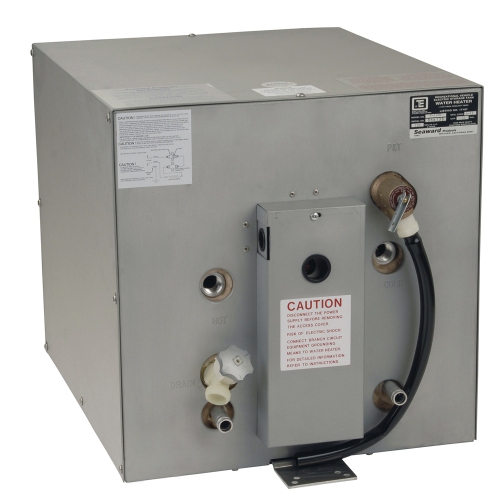
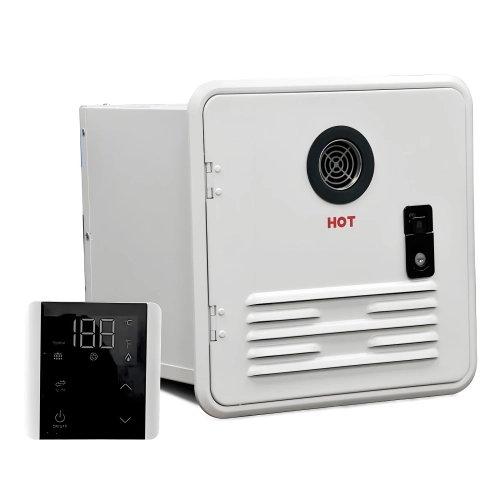
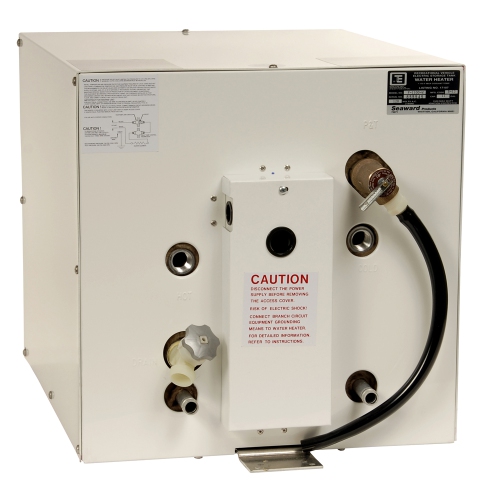
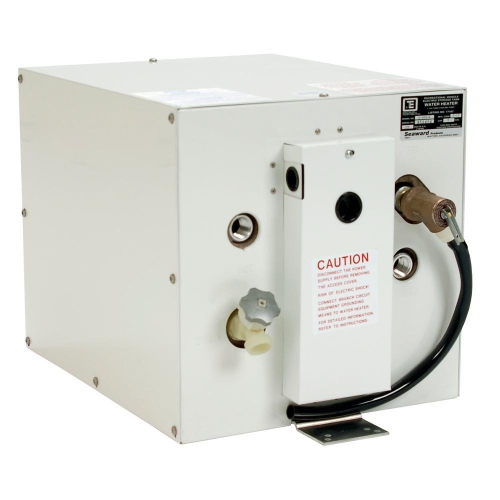
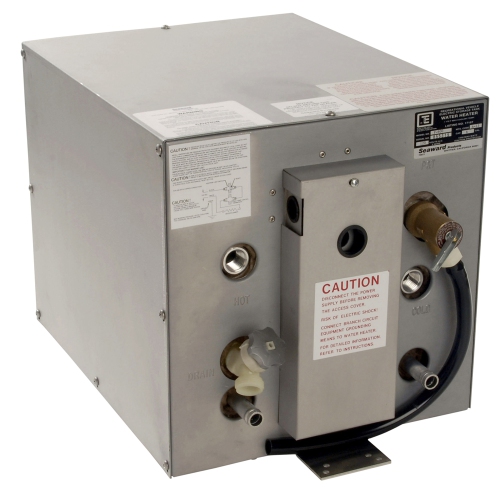
Marine hot water heaters bring the comfort of hot water to boats, yachts, cruisers, and other vessels where space, power, and installation conditions require purpose-built equipment. A marine water heater can use electricity from shore power while the boat is docked, and many models can also draw heat from the engine cooling system through a built-in heat exchanger while the engine is running. This dual-source design can provide warm water after a day underway without relying solely on the electrical element, while shore power can maintain the tank’s temperature at the dock or marina. Depending on the vessel and its electrical system, heaters may be designed for 120V AC or 240V AC operation, so checking the boat’s available voltage is an important first step. A 12V electrical system may not be compatible with a standard marine hot water heater without additional equipment, and a suitable inverter may not provide enough continuous power for the heating element. Capacity matters just as much as voltage. Compact tanks in the 3- to 5-gallon range can suit small day-cruisers, tight engine compartments, galley sinks, or a deck shower used for rinsing off after swimming. A 6- to 11-gallon tank is a common choice for weekend cruisers, family boats, and liveaboards that need a practical supply for washing dishes, cleaning up, or taking several short showers. Larger 20-gallon tanks can be appropriate for bigger yachts with multiple heads and more than one person using hot water throughout the day, provided the boat has enough room, power, and plumbing capacity. A larger tank does not always mean a better fit; it also adds weight and takes longer to heat, making accurate measurements and realistic water-use planning essential.
When comparing marine hot water heaters, begin with the available installation space rather than the advertised capacity alone. Measure the height, width, and depth of the compartment, and allow room for plumbing connections, wiring, service access, insulation, and safe drainage. A tank that fits on paper may be difficult to install if hoses must bend sharply or if the relief valve and drain line cannot be reached for inspection. Look for a corrosion-resistant tank and exterior designed for the damp, demanding conditions found aboard a vessel. Common construction choices include stainless steel, aluminium, and glass-lined steel, with the best option depending on the boat’s plumbing configuration, water quality, maintenance routine, and manufacturer instructions. A temperature and pressure relief valve is a key safety feature, and it should be connected to an appropriate external drain line so hot water and pressure can discharge safely away from people, wiring, and sensitive equipment. Marine-rated components should be used throughout the installation, including hoses, fittings, electrical connections, circuit protection, and mounting hardware. Units installed in engine compartments or other enclosed areas must be appropriate for that environment, and installation should follow all applicable marine electrical and plumbing requirements. An engine heat exchanger connection also needs careful attention: hoses must be routed correctly, connections secured, and the cooling system protected from leaks or restricted flow. Because a water heater combines electricity, pressurized water, heat, and engine plumbing in a confined space, professional installation can be a wise choice, particularly when modifying an existing system. Pairing the heater with dependable Marine Fresh Water Pumps can help maintain consistent water pressure at taps and showers, although the pump’s flow rate and pressure rating should match the boat’s plumbing and the heater’s requirements.
The right marine hot water heater depends on how the boat is used, how many people are aboard, and where hot water is needed most. A couple spending afternoons on the water may only need a compact tank for hand washing, dishes, and a quick rinse, while a family staying aboard for several nights may appreciate the reserve provided by a mid-size model. On a fishing boat, hot water can make it easier to wash hands and clean equipment at the end of the day; on a cabin cruiser, it can turn a chilly return from the swim platform into a more comfortable shower. During the warmer boating season, a deck shower may be used for rinsing salt, sand, or lake water before stepping inside, while during cooler months, reliable hot water becomes especially useful for washing dishes and warming up after time outdoors. Buyers should also consider recovery time, or how quickly the heater can raise the tank temperature after several people have used it. Electric elements are convenient at the dock, but they may take time to heat a full tank and should be used with the boat’s electrical limits in mind. Engine-assisted heating can shorten recovery while underway, but it does not replace the need for correct shore-power connections and safe electrical protection. Before choosing a unit, confirm the tank’s capacity, dimensions, voltage, wattage, heat-exchanger compatibility, inlet and outlet sizes, mounting requirements, and included safety hardware. It is also helpful to check whether the heater can be winterized and drained easily before the boat is stored, since trapped water can damage plumbing when temperatures fall below freezing. With the correct size and installation, a marine hot water heater can support everyday tasks, improve onboard comfort, and make time on the water feel more like home without taking more space or power than the vessel can reasonably provide.
When comparing marine hot water heaters, begin with the available installation space rather than the advertised capacity alone. Measure the height, width, and depth of the compartment, and allow room for plumbing connections, wiring, service access, insulation, and safe drainage. A tank that fits on paper may be difficult to install if hoses must bend sharply or if the relief valve and drain line cannot be reached for inspection. Look for a corrosion-resistant tank and exterior designed for the damp, demanding conditions found aboard a vessel. Common construction choices include stainless steel, aluminium, and glass-lined steel, with the best option depending on the boat’s plumbing configuration, water quality, maintenance routine, and manufacturer instructions. A temperature and pressure relief valve is a key safety feature, and it should be connected to an appropriate external drain line so hot water and pressure can discharge safely away from people, wiring, and sensitive equipment. Marine-rated components should be used throughout the installation, including hoses, fittings, electrical connections, circuit protection, and mounting hardware. Units installed in engine compartments or other enclosed areas must be appropriate for that environment, and installation should follow all applicable marine electrical and plumbing requirements. An engine heat exchanger connection also needs careful attention: hoses must be routed correctly, connections secured, and the cooling system protected from leaks or restricted flow. Because a water heater combines electricity, pressurized water, heat, and engine plumbing in a confined space, professional installation can be a wise choice, particularly when modifying an existing system. Pairing the heater with dependable Marine Fresh Water Pumps can help maintain consistent water pressure at taps and showers, although the pump’s flow rate and pressure rating should match the boat’s plumbing and the heater’s requirements.
The right marine hot water heater depends on how the boat is used, how many people are aboard, and where hot water is needed most. A couple spending afternoons on the water may only need a compact tank for hand washing, dishes, and a quick rinse, while a family staying aboard for several nights may appreciate the reserve provided by a mid-size model. On a fishing boat, hot water can make it easier to wash hands and clean equipment at the end of the day; on a cabin cruiser, it can turn a chilly return from the swim platform into a more comfortable shower. During the warmer boating season, a deck shower may be used for rinsing salt, sand, or lake water before stepping inside, while during cooler months, reliable hot water becomes especially useful for washing dishes and warming up after time outdoors. Buyers should also consider recovery time, or how quickly the heater can raise the tank temperature after several people have used it. Electric elements are convenient at the dock, but they may take time to heat a full tank and should be used with the boat’s electrical limits in mind. Engine-assisted heating can shorten recovery while underway, but it does not replace the need for correct shore-power connections and safe electrical protection. Before choosing a unit, confirm the tank’s capacity, dimensions, voltage, wattage, heat-exchanger compatibility, inlet and outlet sizes, mounting requirements, and included safety hardware. It is also helpful to check whether the heater can be winterized and drained easily before the boat is stored, since trapped water can damage plumbing when temperatures fall below freezing. With the correct size and installation, a marine hot water heater can support everyday tasks, improve onboard comfort, and make time on the water feel more like home without taking more space or power than the vessel can reasonably provide.
Top selling and popular products
-
 Your price for this item is $30.58
 -
 Your price for this item is $30.54
 -
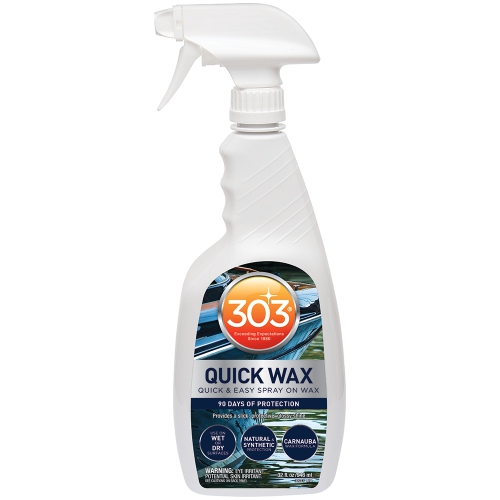 Your price for this item is $38.85
 -
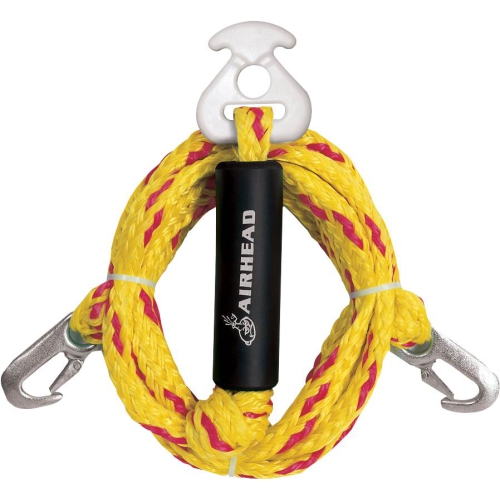 Your price for this item is $92.99
 -
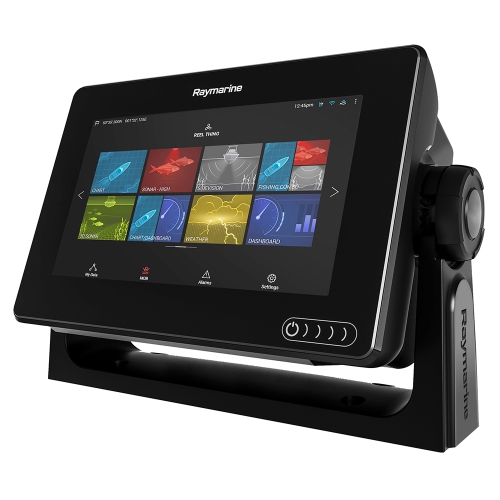 Your price for this item is $917.79
 -
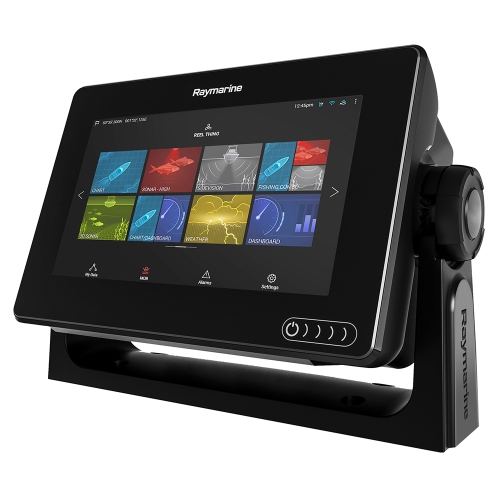 Your price for this item is $844.31
 -
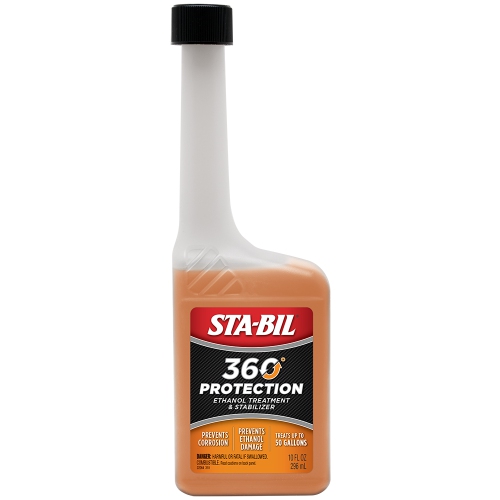 Your price for this item is $30.62
 -
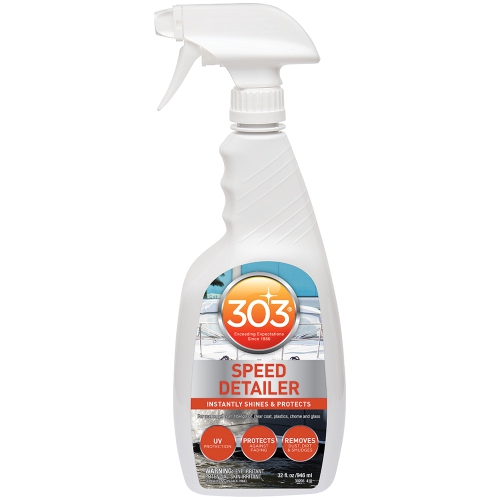 Your price for this item is $34.93
Discover more categories related to Marine Hot Water Heaters
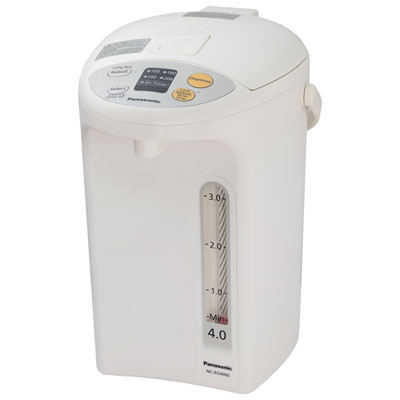
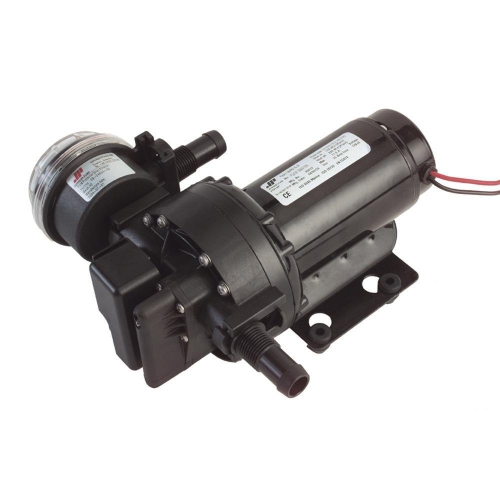
Top Collections:
Pokemon Centers, Kindle Devices, Best Budget Office Chairs, Apple iPhones 16, Canon G7X Cameras, iPhone 15 Apple, Alarm Clock, Refurbished Apple Laptops, Flip Phones, Best Laptops for Writers
Some products may be subject to Environmental Handling Fees
(EHF) depending on your province.
Learn more about EHFs.