Marine Toggle Switches
If you're looking to upgrade the toggle switches on your marine equipment, this selection of marine toggle switches offers durability, reliability, and functionality for all your boating needs. Whether you're looking to replace a worn-out switch or customize your vessel with new features, these high-quality marine toggle switches are designed to withstand harsh marine environments and provide seamless operation. Browse this collection to find the perfect toggle switch for your boat today!
Sort
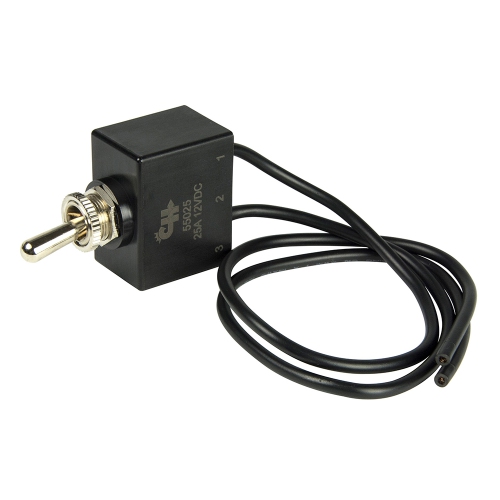
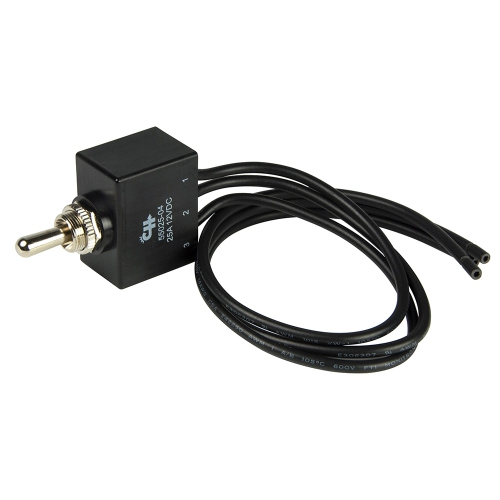
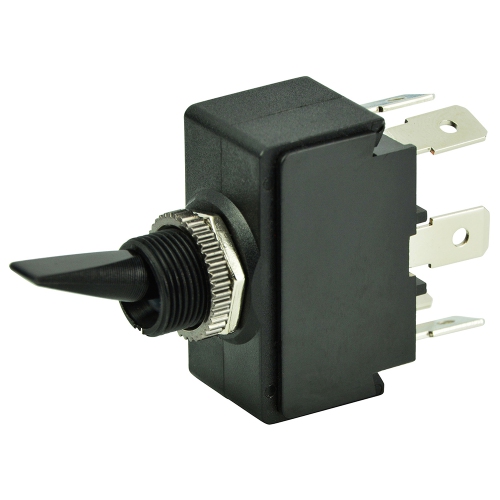
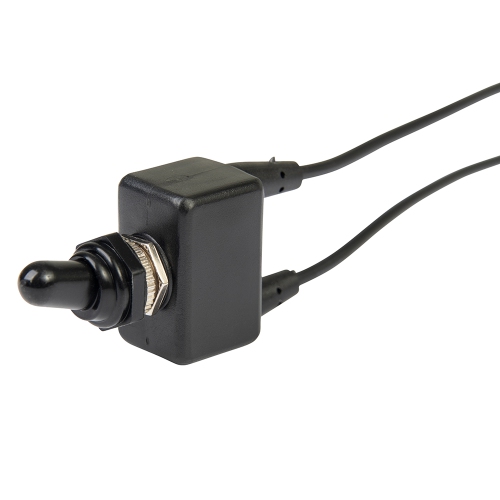
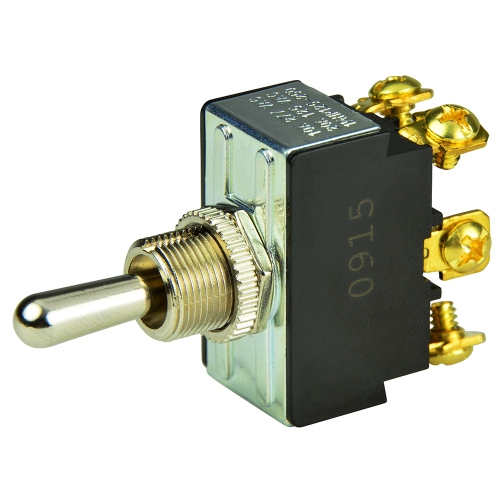
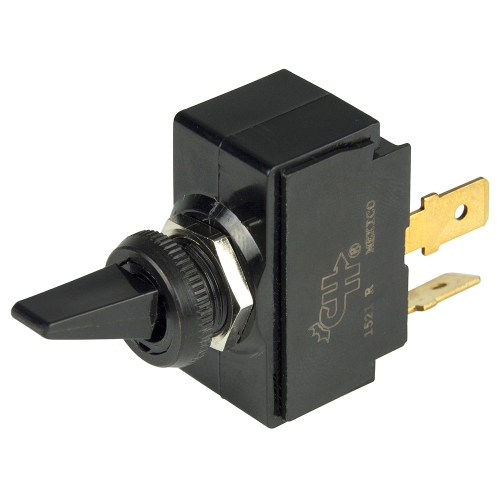
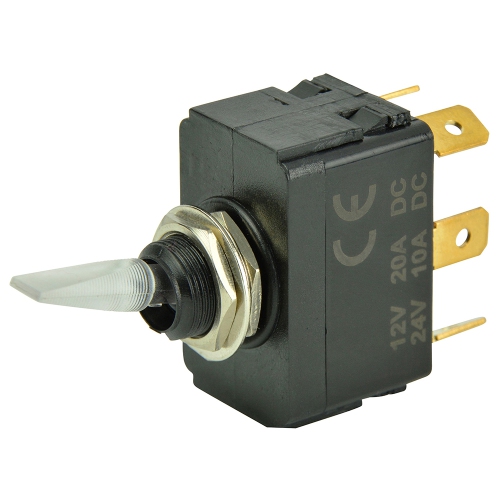
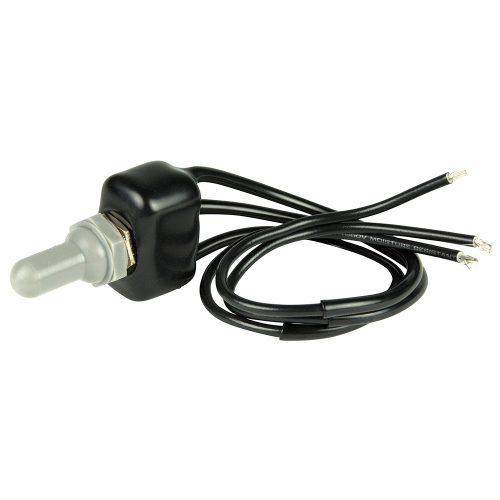
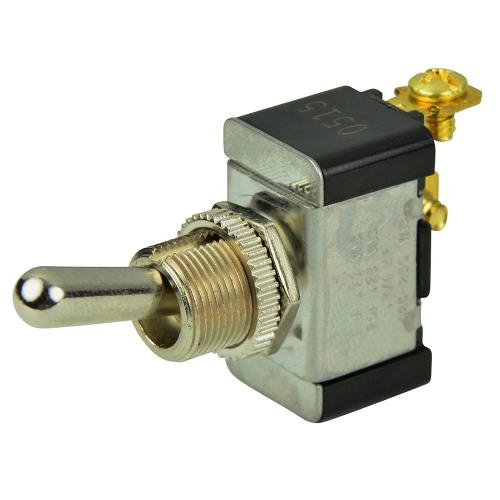
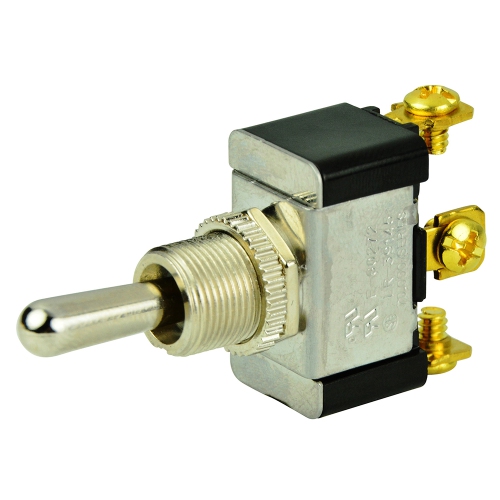
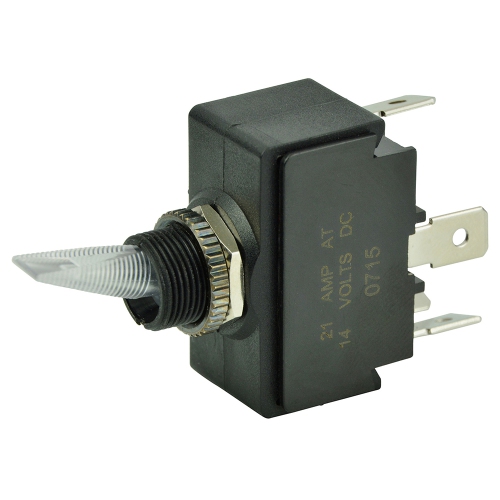
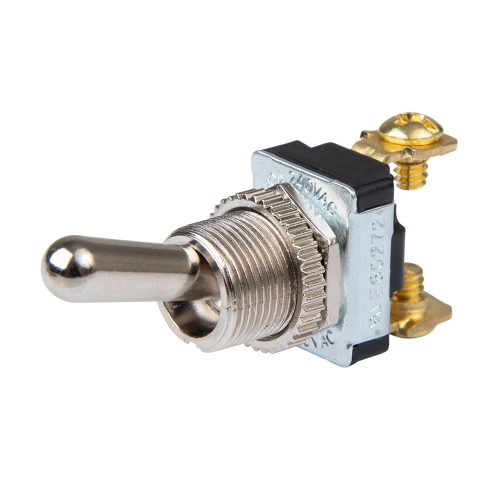
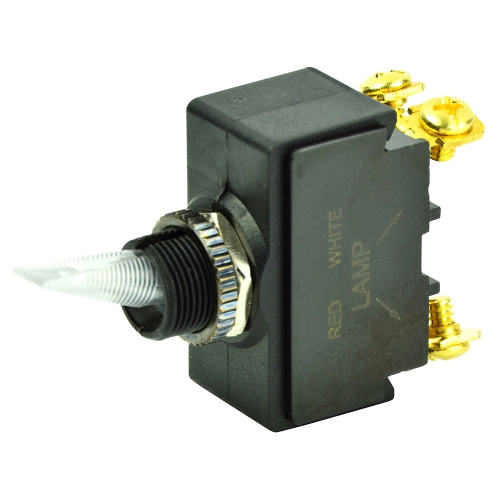
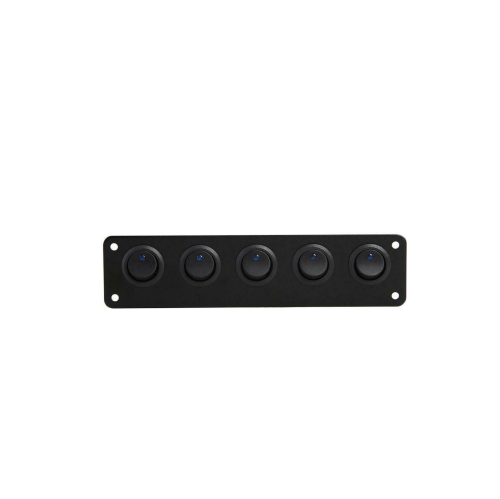
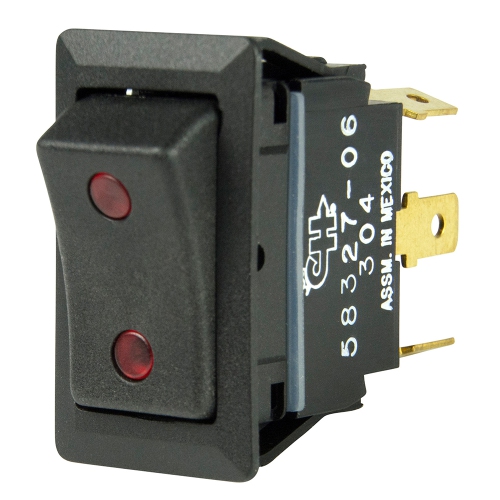
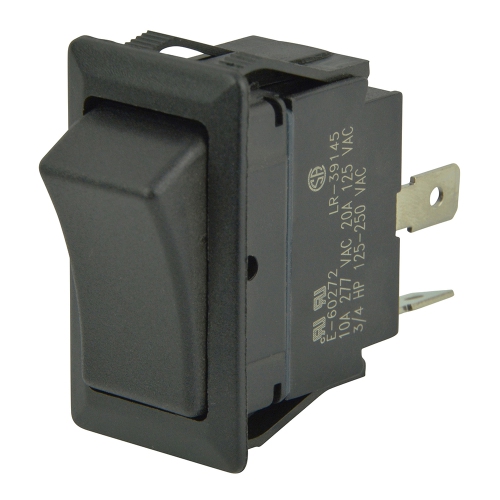

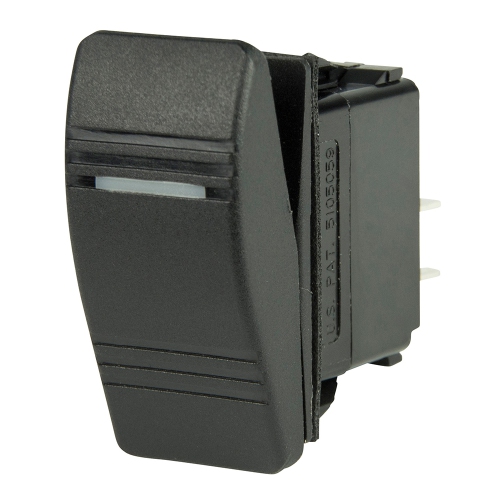
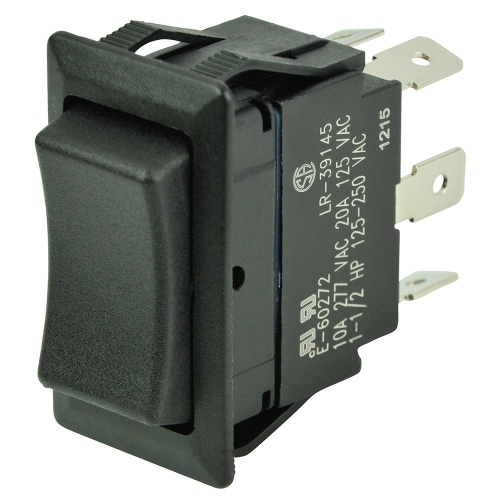
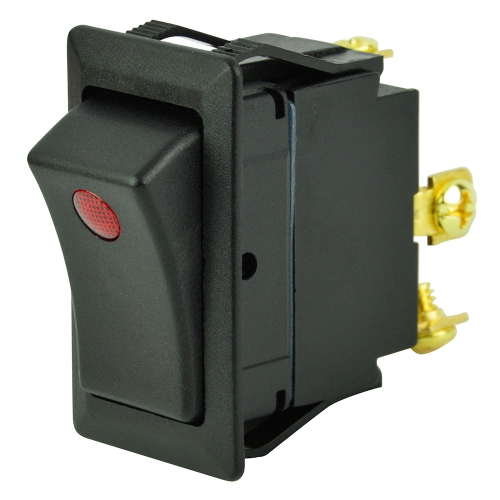
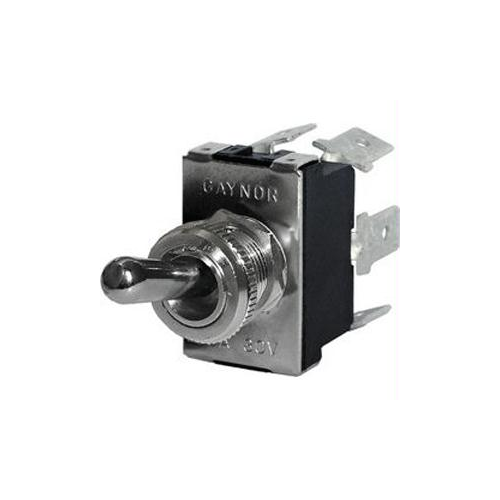
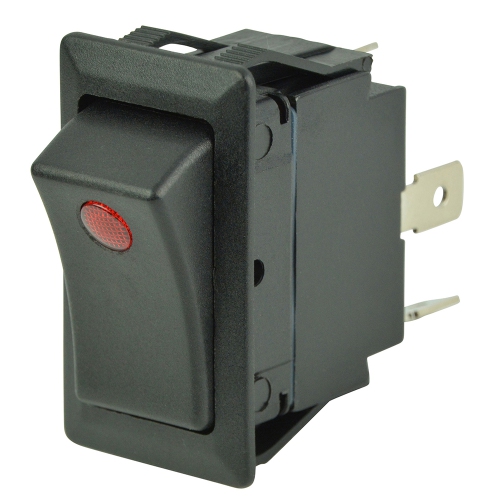
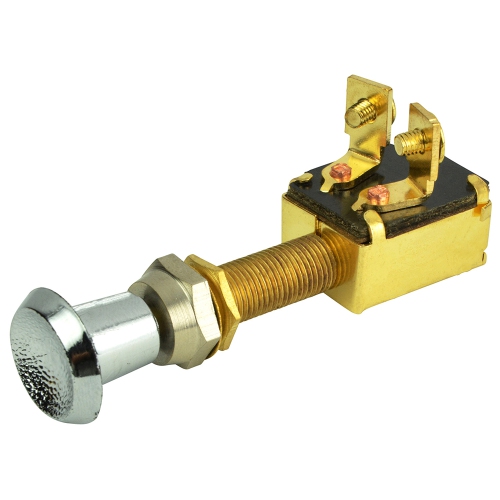
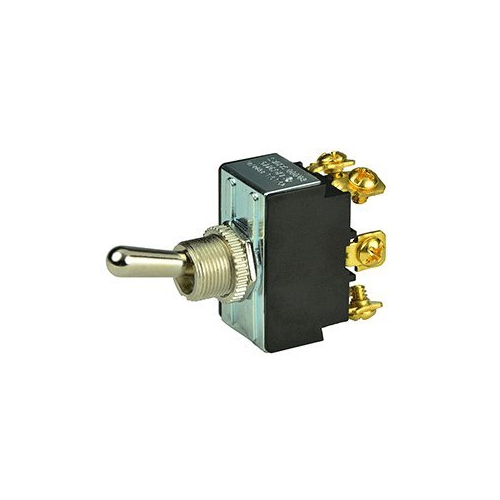
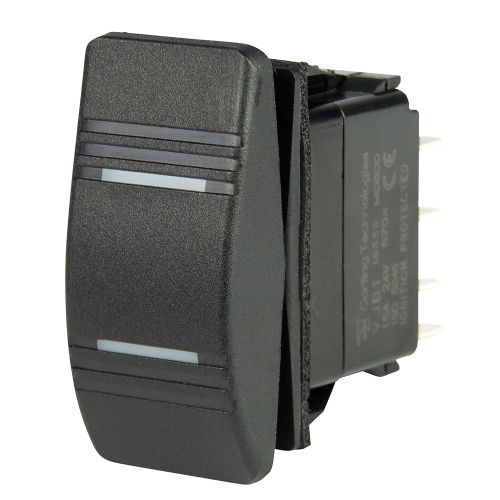
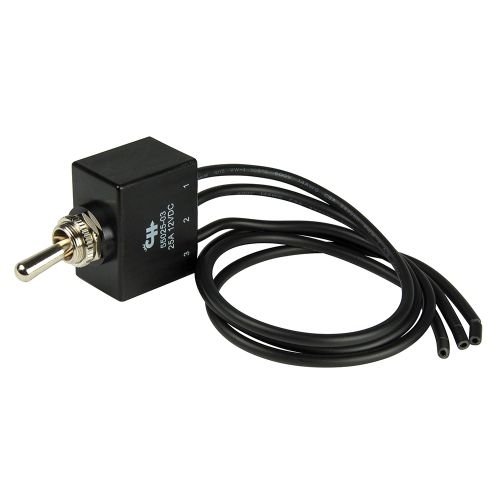
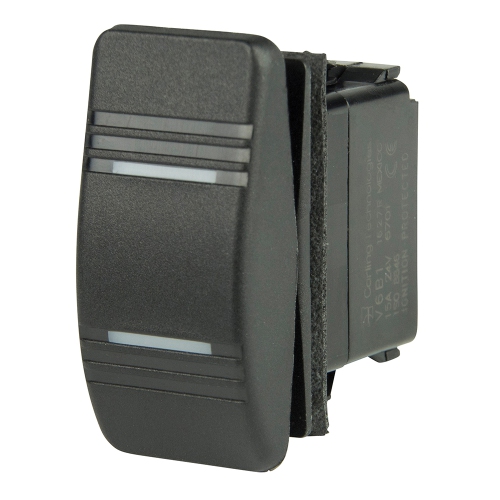
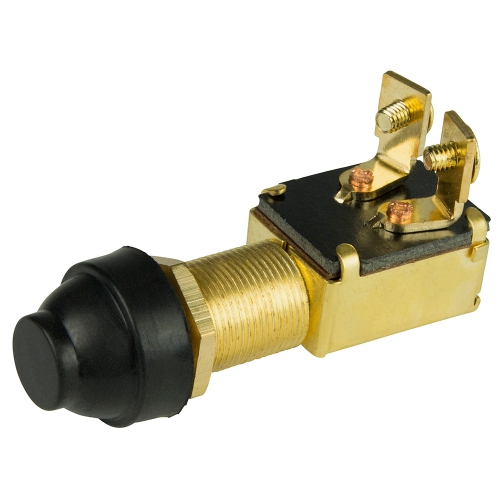
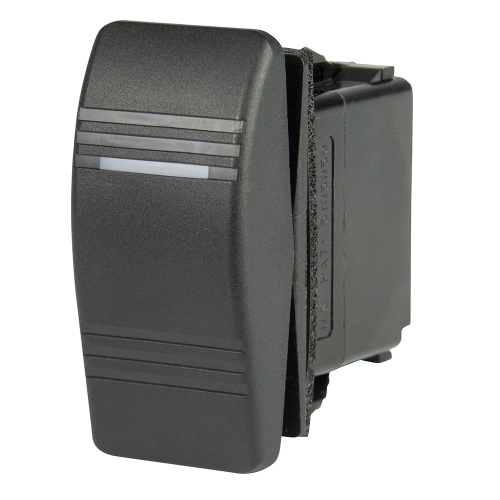
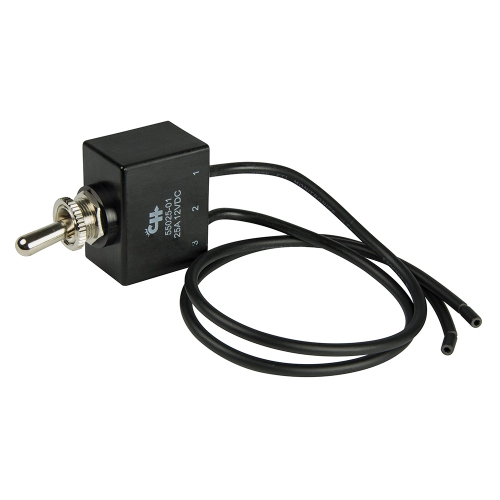
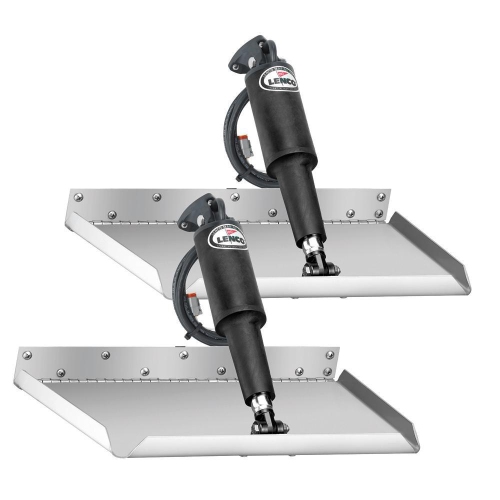
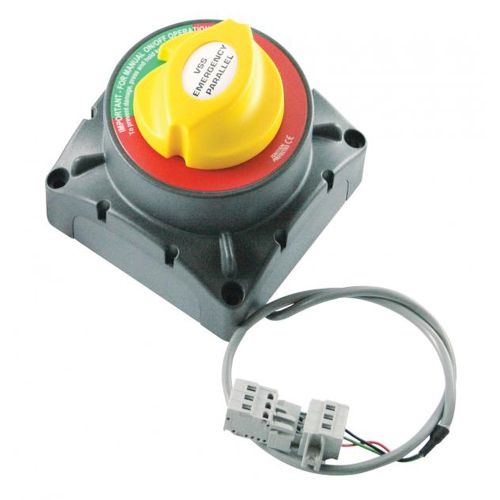
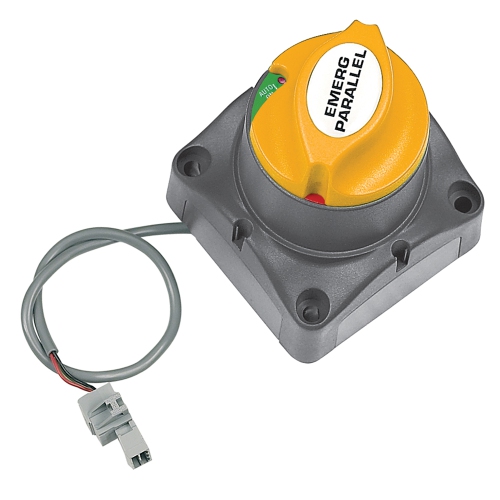
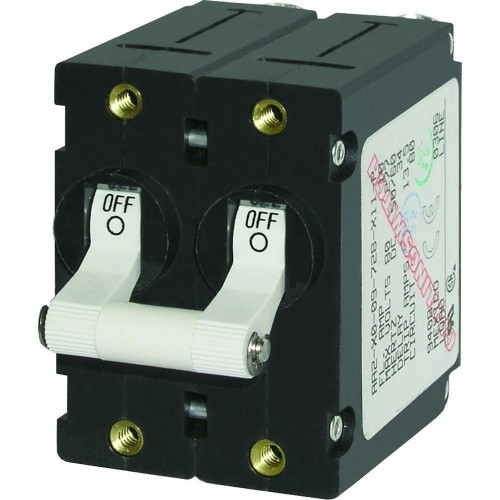
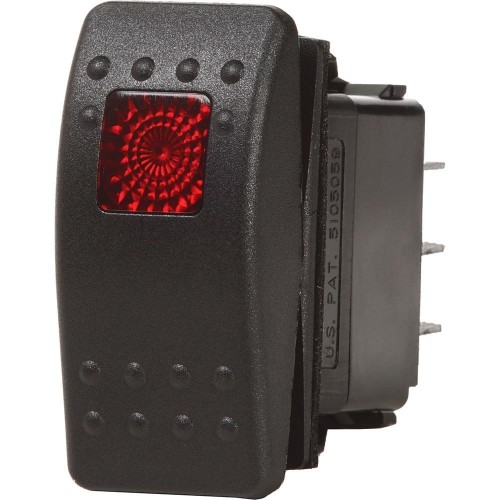
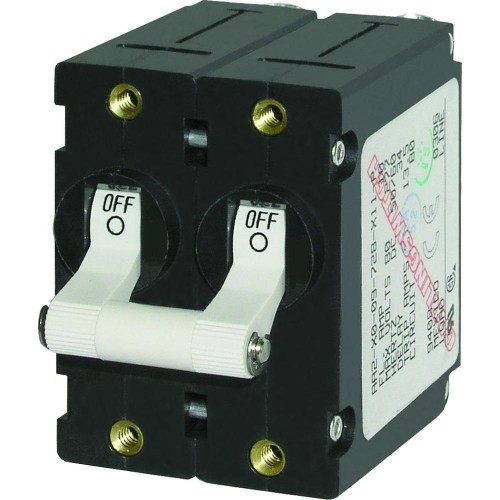
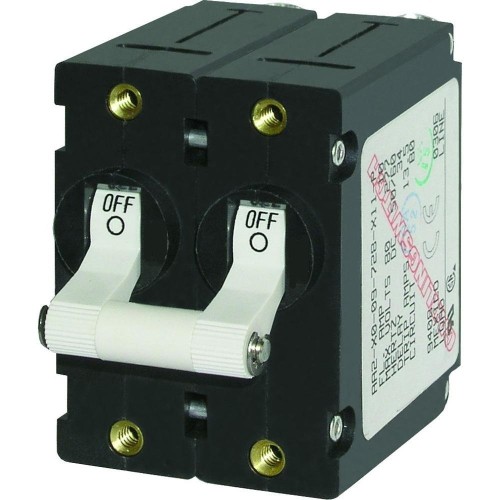
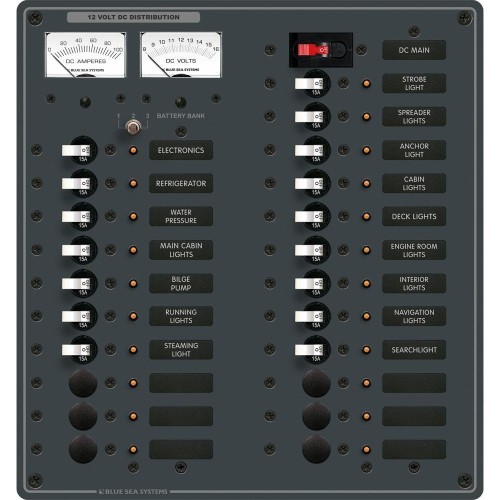
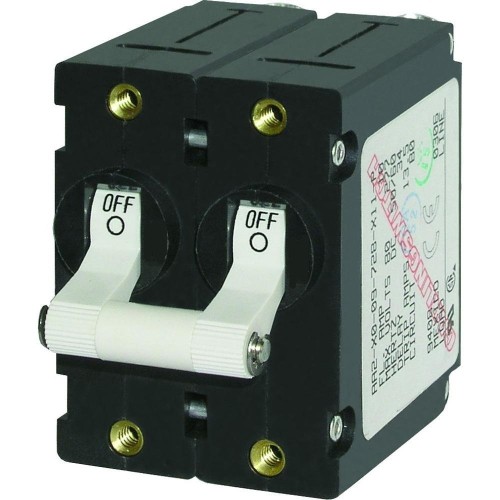
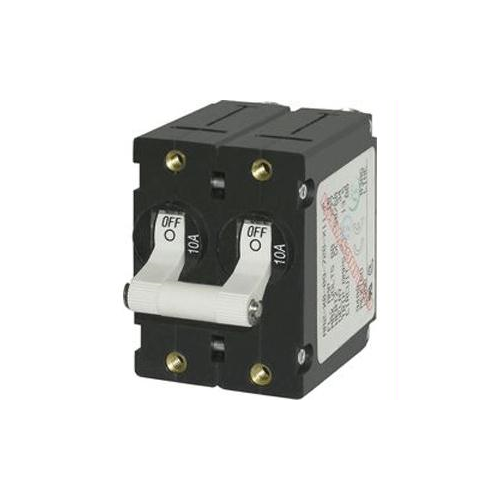
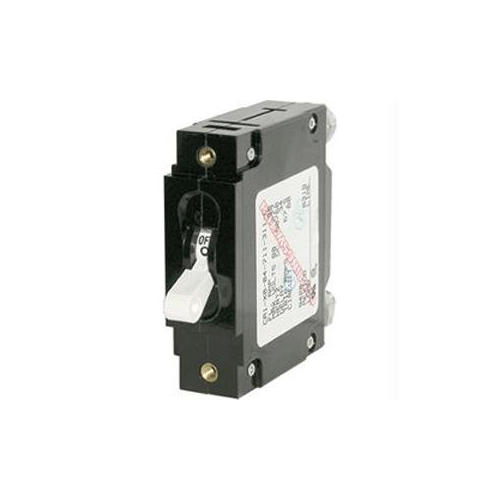
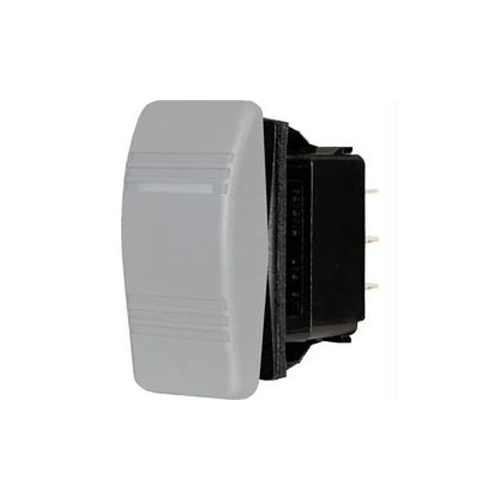
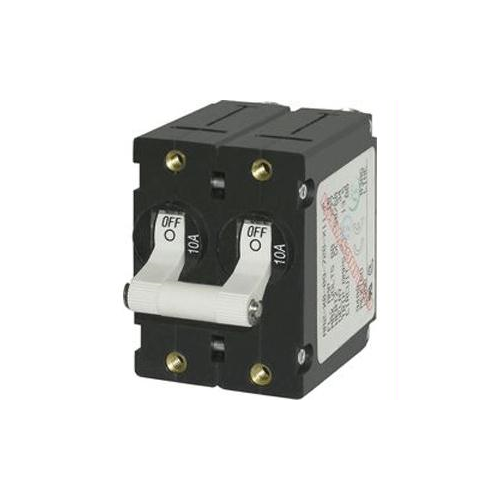
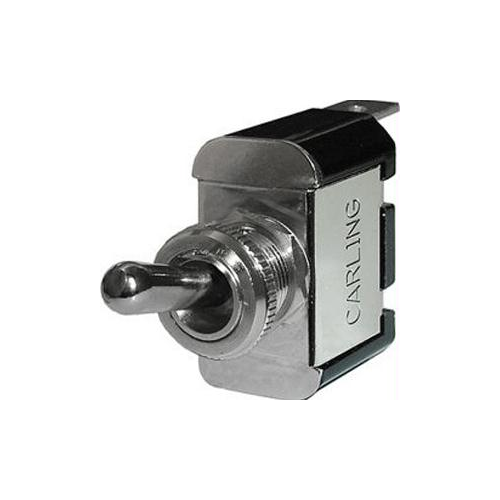
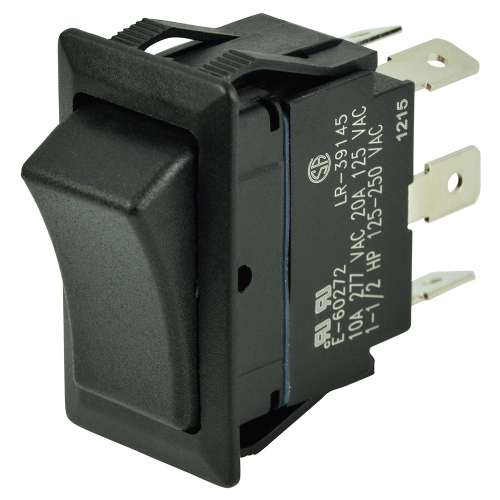
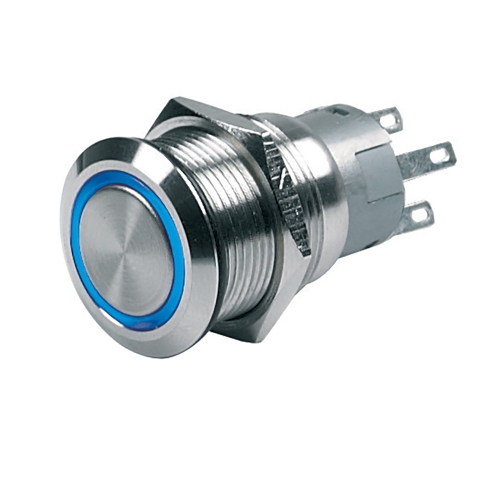
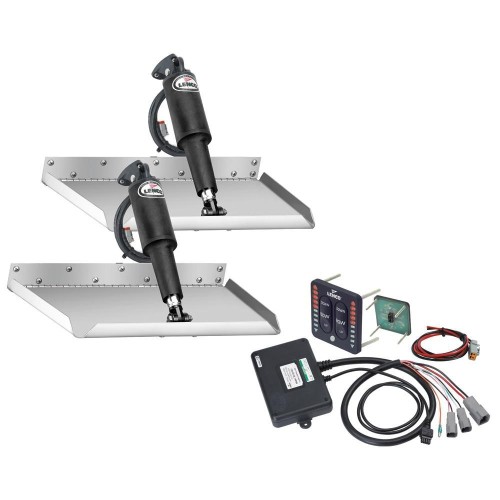
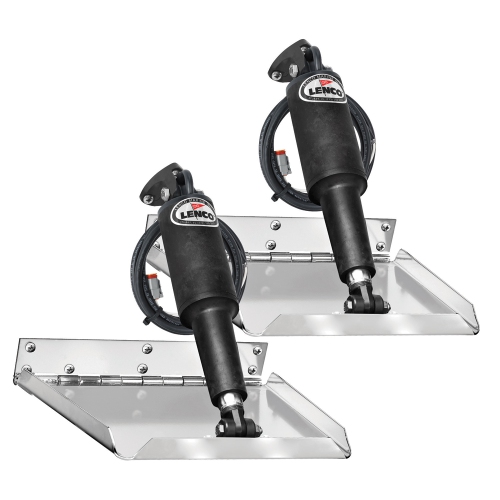
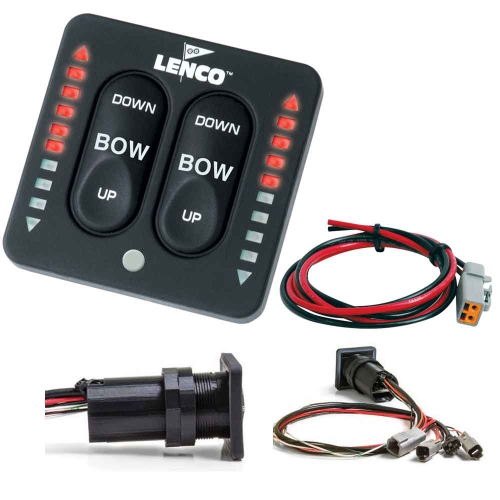
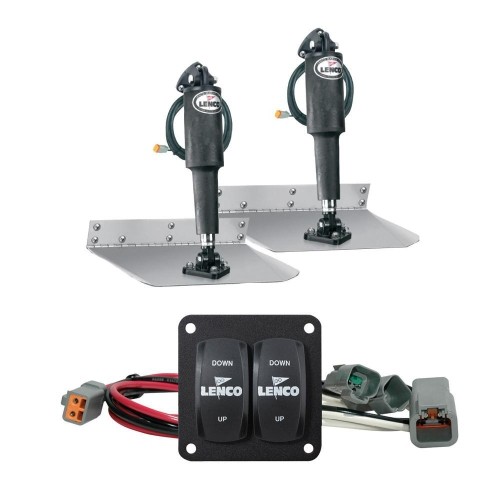
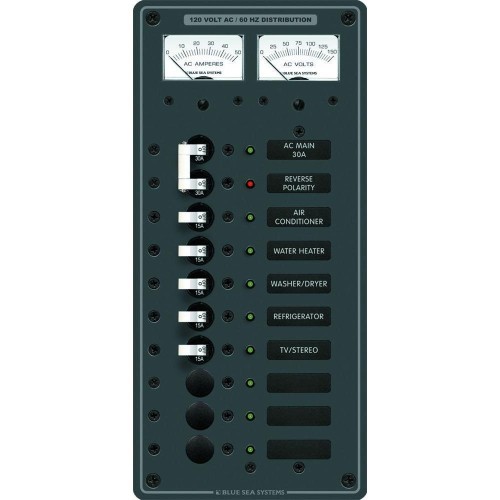
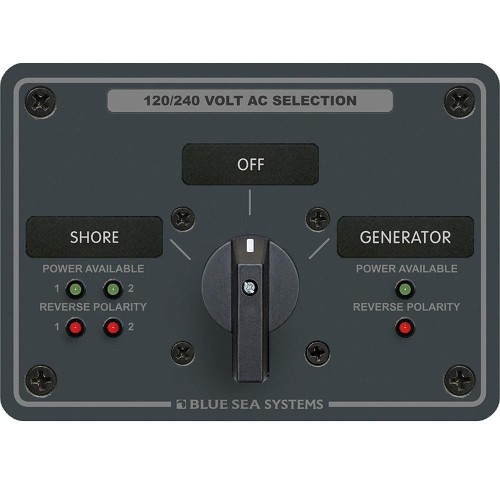
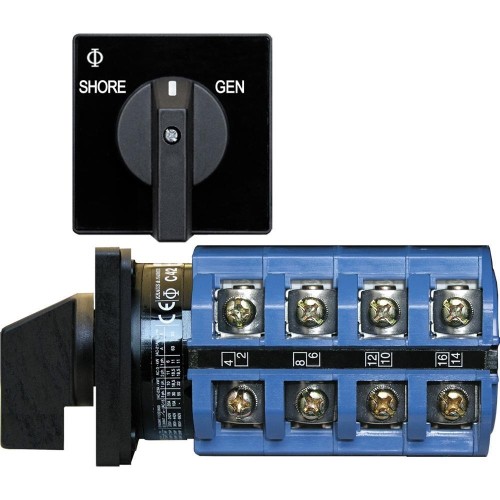
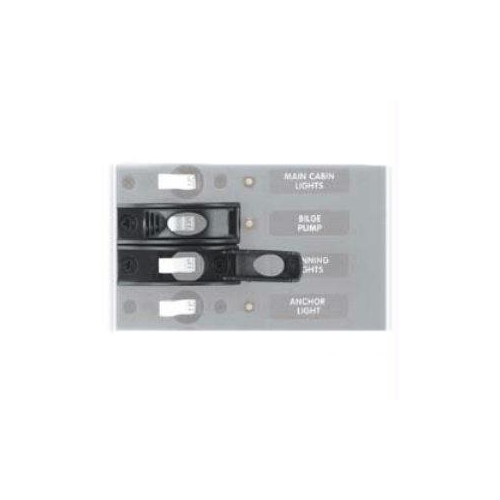
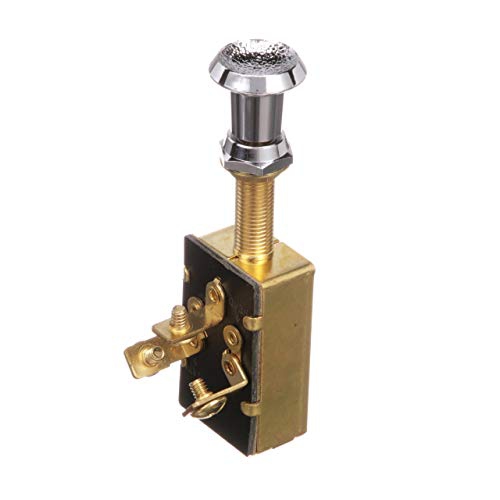
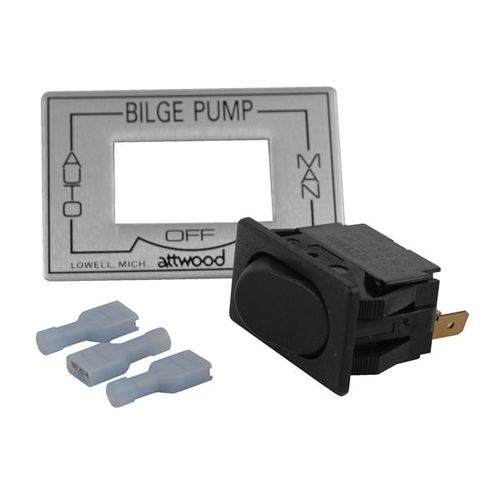

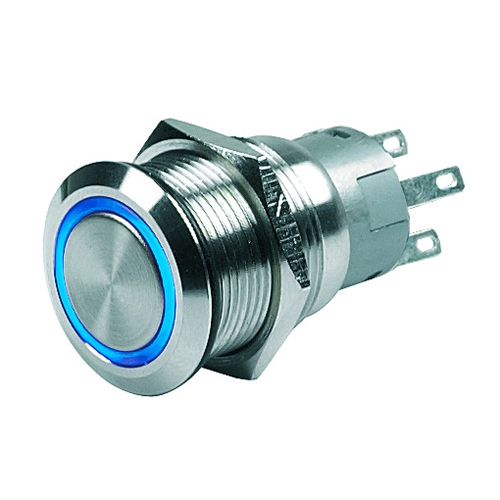
Practical controls for onboard lighting, pumps, and accessories
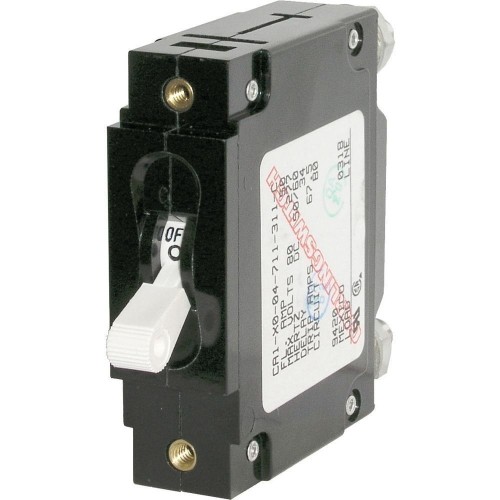
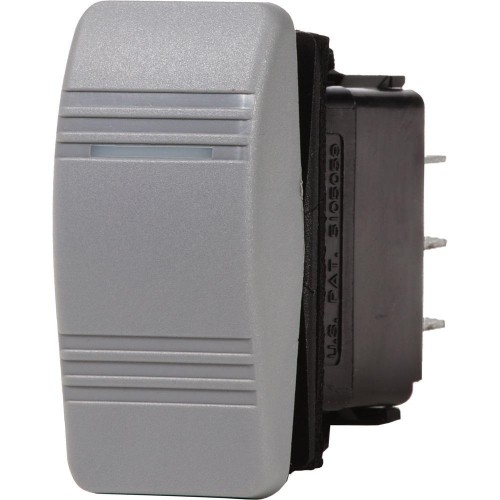
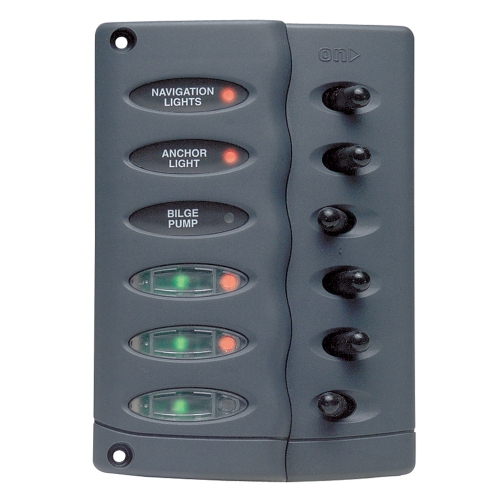
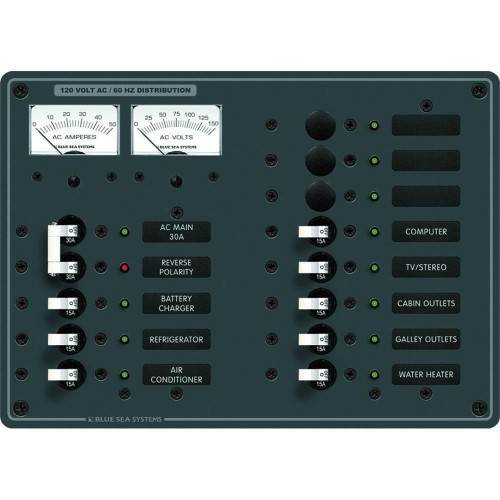
Marine toggle switches are practical controls for boats, personal watercraft, trailers, utility vehicles, and other equipment that relies on straightforward electrical operation. Their familiar lever design makes it easy to turn accessories on or off while keeping attention on the helm, dashboard, or control panel. Depending on the installation, a toggle switch may operate navigation lights, cabin lights, deck lights, bilge pumps, ventilation fans, horns, wipers, washdown pumps, or other 12 V accessories. Marine-rated construction is especially important because controls installed near a helm, console, engine compartment, or exposed deck can encounter spray, damp air, condensation, dirt, and vibration. Look for features such as sealed housings, lever seals, rubber boots, corrosion-resistant materials, and an IP67 rating when the switch may face regular splashes or occasional water exposure. An IP67-rated component is designed to resist dust and withstand temporary immersion under specified testing conditions, although it should still be installed according to the manufacturer’s instructions and protected from unnecessary water contact. A well-chosen switch should feel solid when moved, hold its position securely, and fit neatly into the available panel opening. These details matter during a long day on the water, when a control needs to be easy to locate by touch and dependable in changing conditions. Marine toggle switches can also be useful for restoring an older control panel, replacing a worn or stiff lever, or adding a dedicated control for a newly installed accessory. For a broader selection of 12 V control options, shoppers may also wish to browse 12v Rocker Switches.
The most important buying consideration is matching the switch to the accessory and electrical load. Check the voltage and amperage requirements of the circuit before choosing a replacement or planning a new installation. Many small boat accessories use a 12 V DC system, but the correct amperage rating depends on what the switch will control and whether the circuit includes a motor, pump, lighting array, or another device with a higher starting demand. A switch rated for 15 A at 12 V DC may suit some lower-draw accessories, while a pump or motor may require a different approach, such as a relay or a higher-rated control. The switch action should also match how the accessory operates. An On-Off switch is a natural choice for lights and fans that remain active until manually turned off. An (On)-Off configuration, often called momentary action, returns to its resting position when released and can be suitable for a horn or another control intended to operate only while the lever is held. An On-Off-On switch provides two active positions and may support a circuit with separate functions, such as selecting between two lighting modes or controlling movement in two directions when the rest of the wiring is designed for that purpose. Illuminated tips or indicator lights can make a control easier to identify after sunset or below deck, while a standard lever offers a simple appearance and may be preferable where glare or extra illumination is unwanted. Before ordering, compare the panel cutout dimensions, terminal style, rear clearance, and faceplate size with the existing installation. Take a photo of the old wiring and label each connection before removing anything, then confirm the circuit is disconnected before beginning work. For complex installations, high-current accessories, or uncertain wiring, a qualified marine electrician can help select the proper switch, fuse, wire size, and protection method.
These switches are suited to a wide range of boat owners and hands-on users, including people refreshing a fishing boat’s console, maintaining a sailboat before a trip, repairing a family pontoon, or organizing controls on a utility trailer. They can be helpful for seasonal maintenance when equipment is brought out of storage, as well as during the cooler months when owners inspect wiring, replace ageing components, and prepare a vessel for its next outing. A spare switch can be a thoughtful practical gift for someone who enjoys boating, small-engine repair, fishing, watersports, or do-it-yourself vehicle projects, especially when paired with other installation essentials that match the recipient’s system. The right choice depends less on appearance alone than on the switch’s electrical rating, action, sealing, mounting dimensions, terminal arrangement, and intended location. A control mounted inside a covered cabin may have different sealing needs from one installed on an open console exposed to spray, but both benefit from careful installation and suitable circuit protection. Keep connections tight, use the correct marine-rated wire and terminals, route wiring away from sharp edges and hot surfaces, and protect exposed connections from moisture and corrosion. Periodically inspect the lever, panel seal, terminals, and surrounding wiring for looseness, discolouration, stiffness, or signs of wear. Replacing a compromised switch before it fails can help prevent an accessory from becoming unavailable when it is needed most. With the right specifications and a clean installation, marine toggle switches provide an intuitive way to manage essential onboard functions while keeping a control panel organized, readable, and ready for the changing demands of time on the water.
The most important buying consideration is matching the switch to the accessory and electrical load. Check the voltage and amperage requirements of the circuit before choosing a replacement or planning a new installation. Many small boat accessories use a 12 V DC system, but the correct amperage rating depends on what the switch will control and whether the circuit includes a motor, pump, lighting array, or another device with a higher starting demand. A switch rated for 15 A at 12 V DC may suit some lower-draw accessories, while a pump or motor may require a different approach, such as a relay or a higher-rated control. The switch action should also match how the accessory operates. An On-Off switch is a natural choice for lights and fans that remain active until manually turned off. An (On)-Off configuration, often called momentary action, returns to its resting position when released and can be suitable for a horn or another control intended to operate only while the lever is held. An On-Off-On switch provides two active positions and may support a circuit with separate functions, such as selecting between two lighting modes or controlling movement in two directions when the rest of the wiring is designed for that purpose. Illuminated tips or indicator lights can make a control easier to identify after sunset or below deck, while a standard lever offers a simple appearance and may be preferable where glare or extra illumination is unwanted. Before ordering, compare the panel cutout dimensions, terminal style, rear clearance, and faceplate size with the existing installation. Take a photo of the old wiring and label each connection before removing anything, then confirm the circuit is disconnected before beginning work. For complex installations, high-current accessories, or uncertain wiring, a qualified marine electrician can help select the proper switch, fuse, wire size, and protection method.
These switches are suited to a wide range of boat owners and hands-on users, including people refreshing a fishing boat’s console, maintaining a sailboat before a trip, repairing a family pontoon, or organizing controls on a utility trailer. They can be helpful for seasonal maintenance when equipment is brought out of storage, as well as during the cooler months when owners inspect wiring, replace ageing components, and prepare a vessel for its next outing. A spare switch can be a thoughtful practical gift for someone who enjoys boating, small-engine repair, fishing, watersports, or do-it-yourself vehicle projects, especially when paired with other installation essentials that match the recipient’s system. The right choice depends less on appearance alone than on the switch’s electrical rating, action, sealing, mounting dimensions, terminal arrangement, and intended location. A control mounted inside a covered cabin may have different sealing needs from one installed on an open console exposed to spray, but both benefit from careful installation and suitable circuit protection. Keep connections tight, use the correct marine-rated wire and terminals, route wiring away from sharp edges and hot surfaces, and protect exposed connections from moisture and corrosion. Periodically inspect the lever, panel seal, terminals, and surrounding wiring for looseness, discolouration, stiffness, or signs of wear. Replacing a compromised switch before it fails can help prevent an accessory from becoming unavailable when it is needed most. With the right specifications and a clean installation, marine toggle switches provide an intuitive way to manage essential onboard functions while keeping a control panel organized, readable, and ready for the changing demands of time on the water.
Top selling and popular products
-
 Your price for this item is $30.59
 -
 Your price for this item is $30.54
 -
 Your price for this item is $38.85
 -
 Your price for this item is $92.99
 -
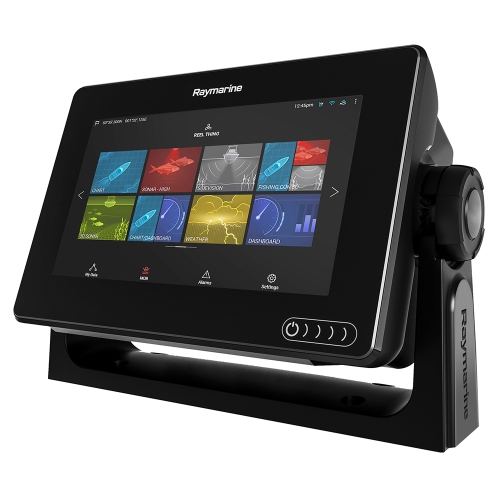 Your price for this item is $844.91
 -
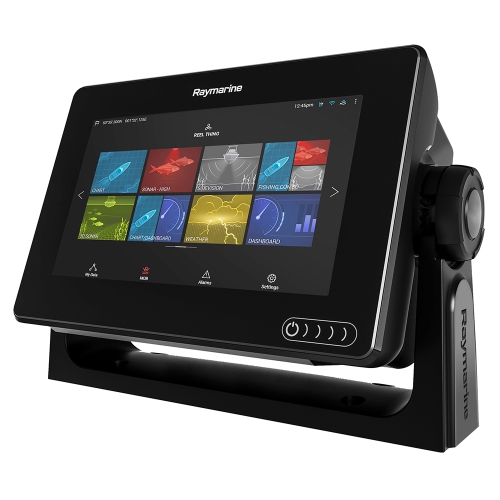 Your price for this item is $909.33
 -
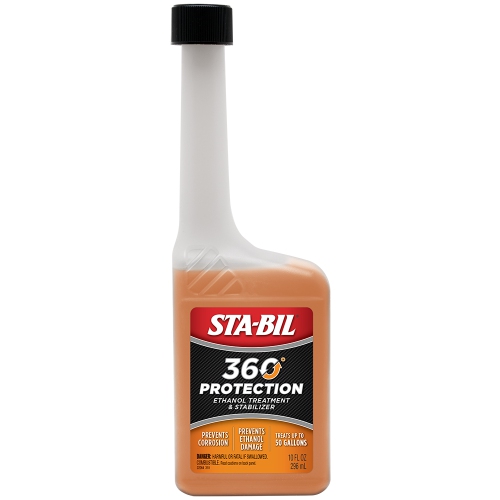 Your price for this item is $30.62
 -
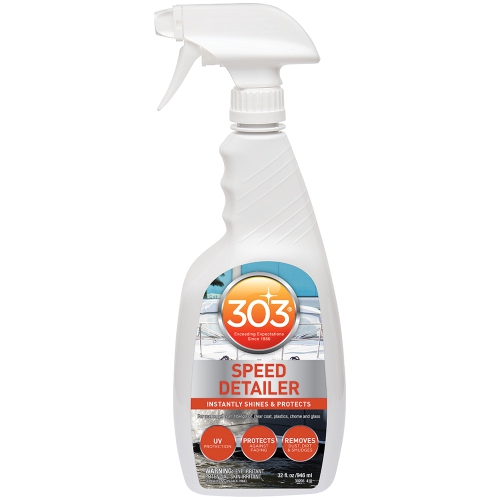 Your price for this item is $34.93
Discover more categories related to Marine Toggle Switches
Top Collections:
Pokemon Centers, Kindle Devices, Best Budget Office Chairs, Apple iPhones 16, Best Laptops for Writers, iPhone 15 Apple, Canon G7X Cameras, Refurbished Apple Laptops, Alarm Clock, Motorola Razr Phones
Some products may be subject to Environmental Handling Fees
(EHF) depending on your province.
Learn more about EHFs.