Marine Switches
Looking to upgrade your marine vessel with top-of-the-line switches? Look no further! Our extensive collection of marine switches is designed to meet the unique needs of boat owners, providing reliable and efficient control over various electrical components. Whether you're in need of toggle switches, rocker switches, or push-button switches, we have the perfect solution for you. With durable construction and easy installation, our marine switches ensure smooth operation and enhance the functionality of your boat. Discover a wide range of options to suit your specific requirements and take your boating experience to the next level.
Sort





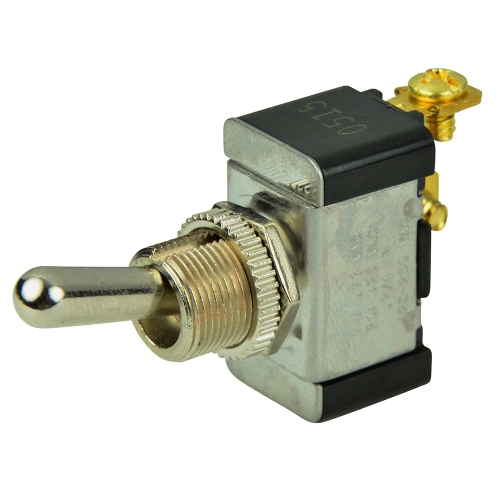
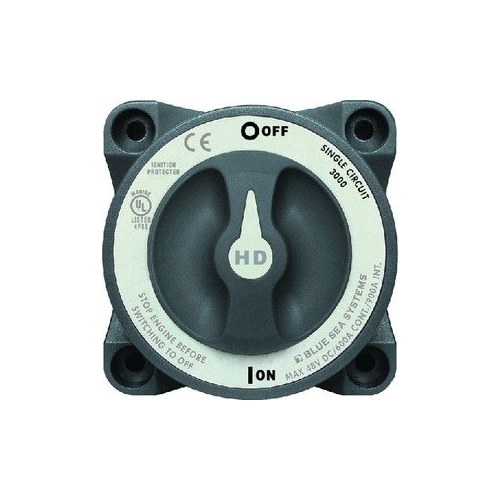
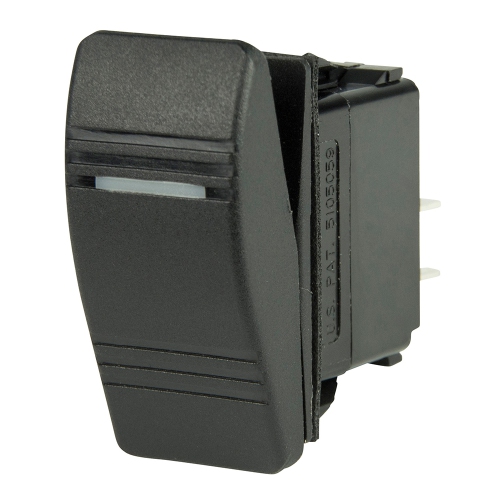
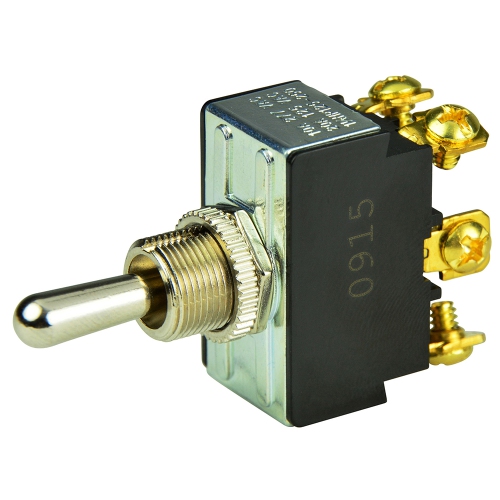


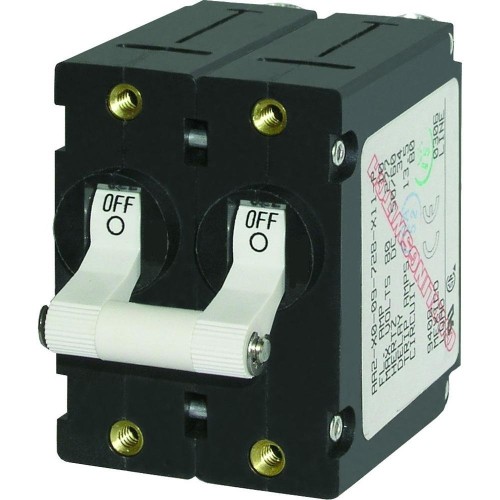
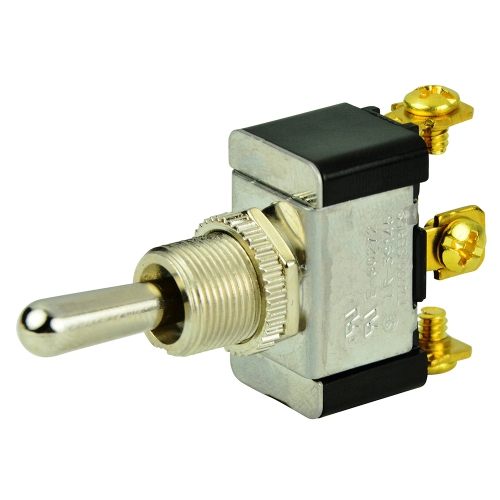
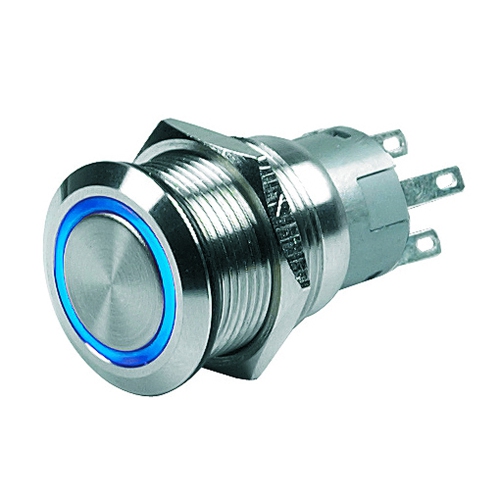
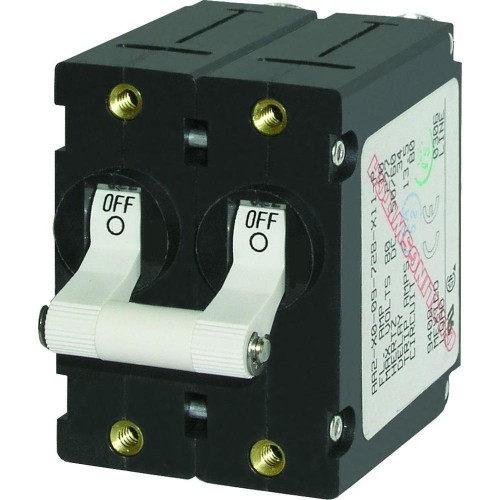

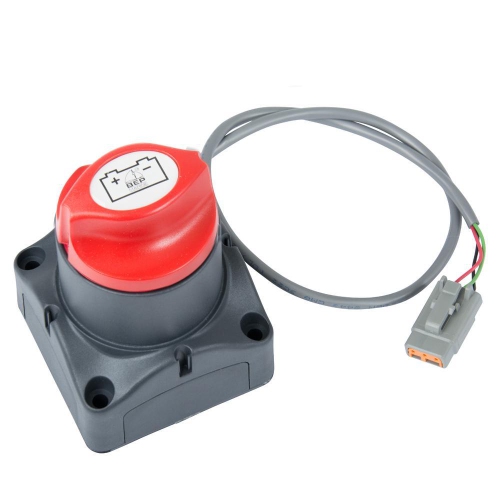
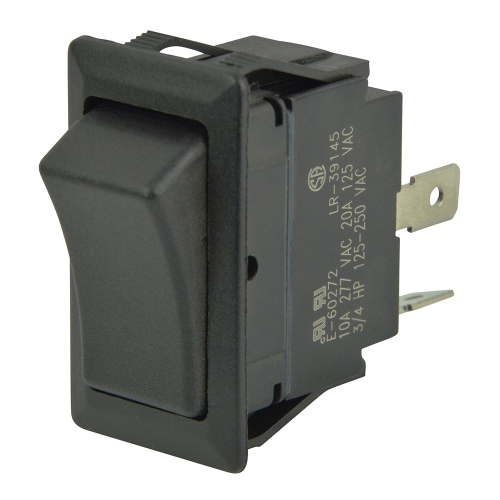

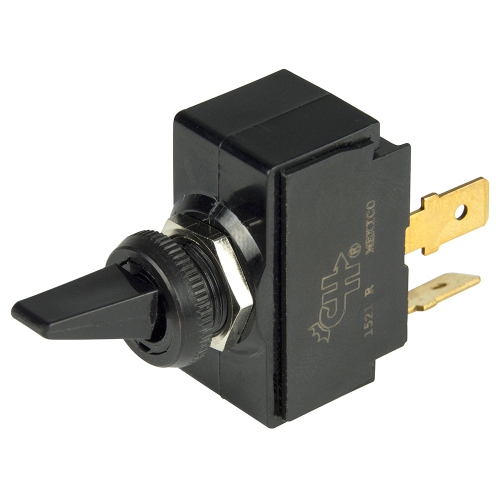
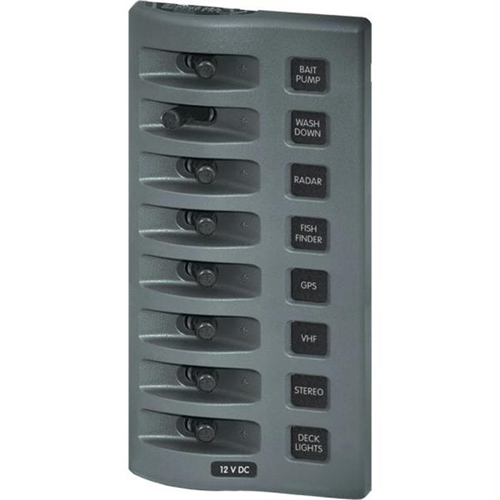




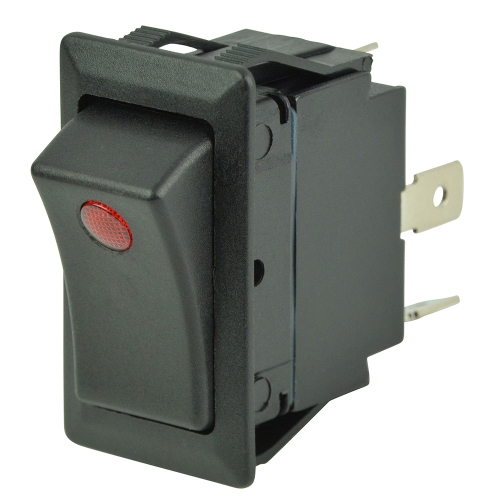
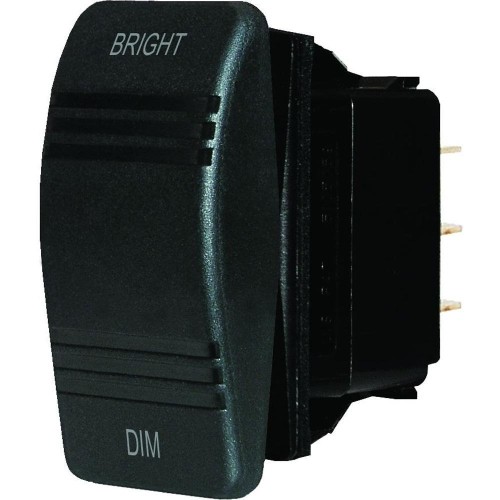
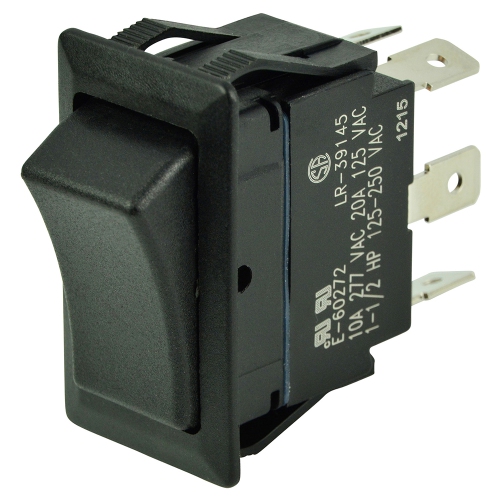

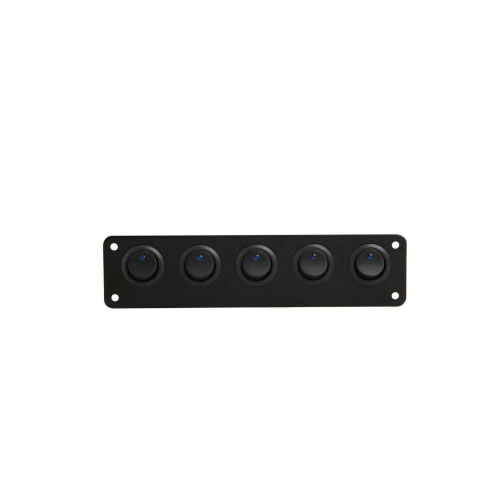




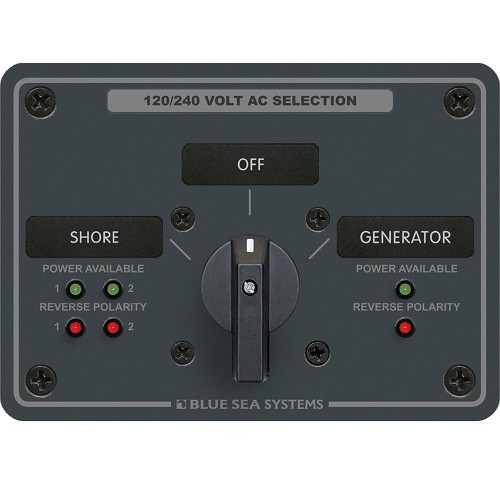
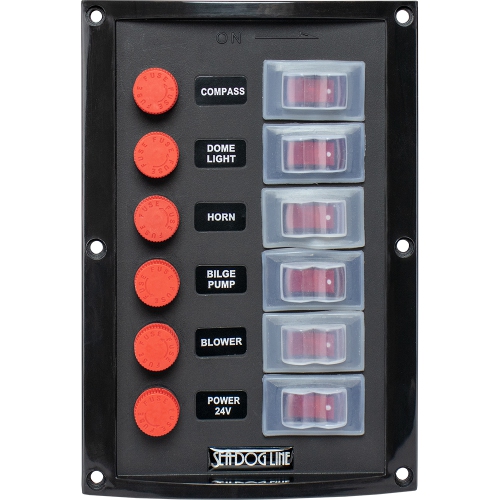
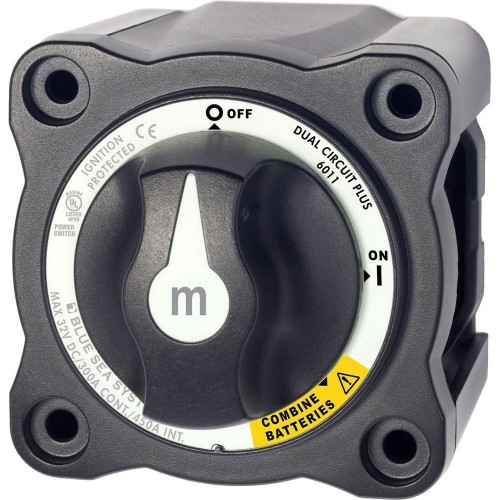
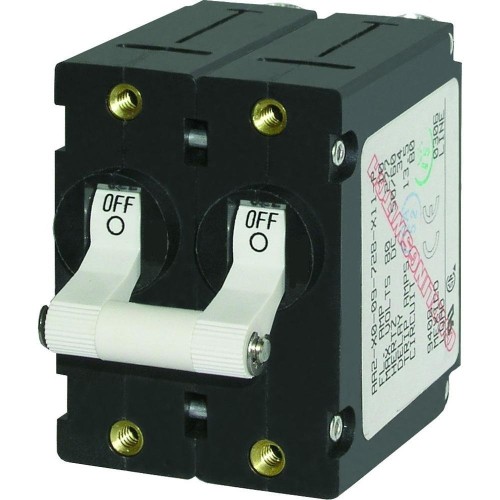




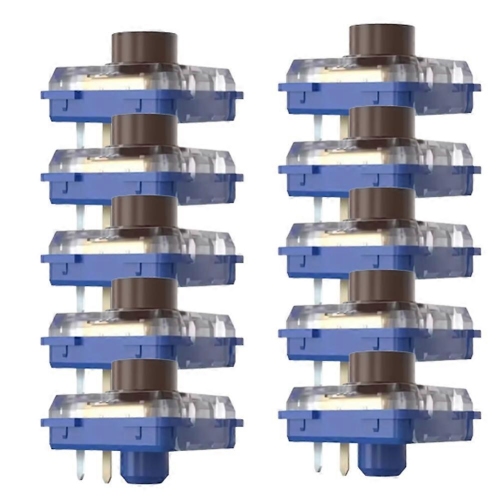


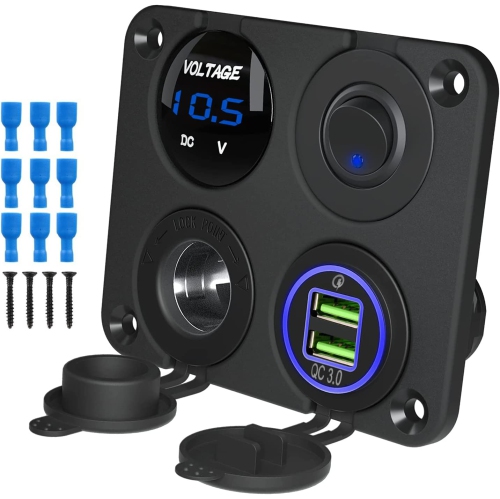


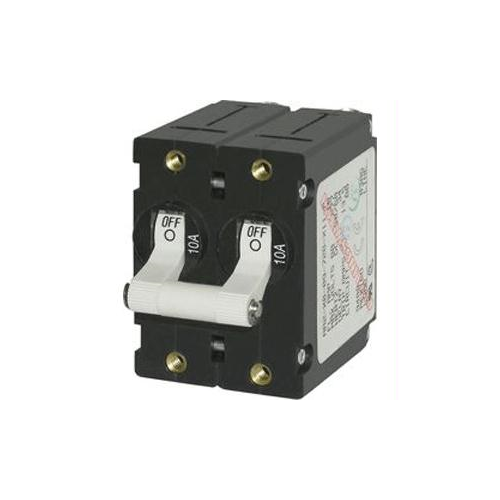
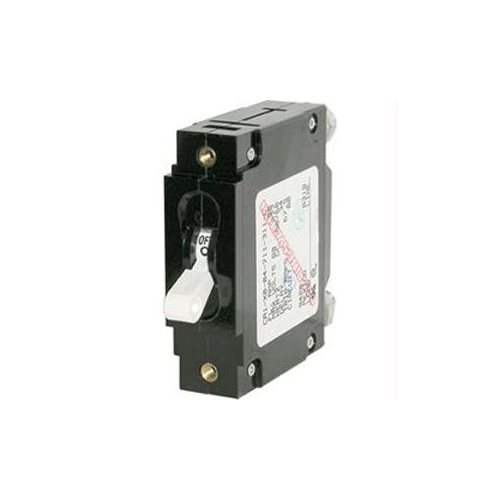

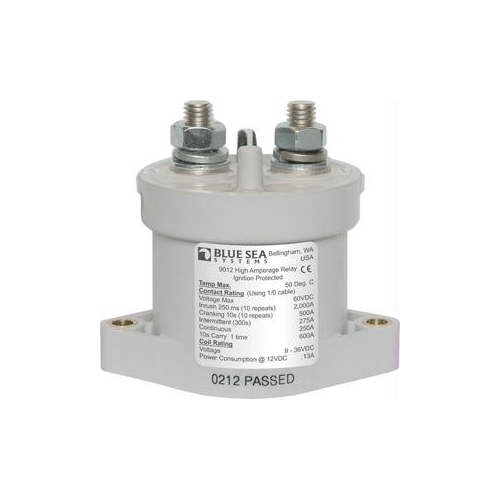

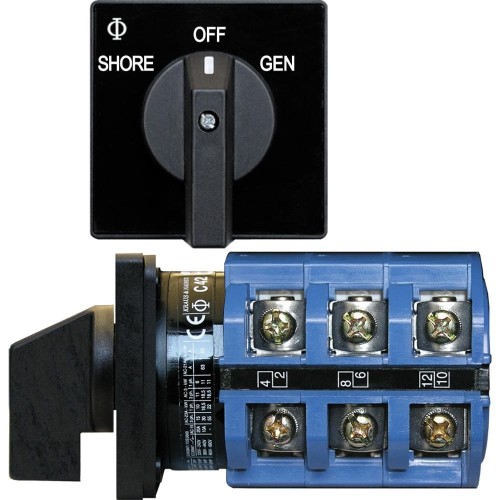

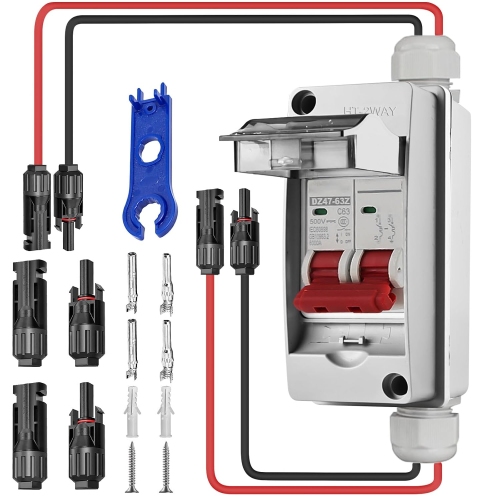










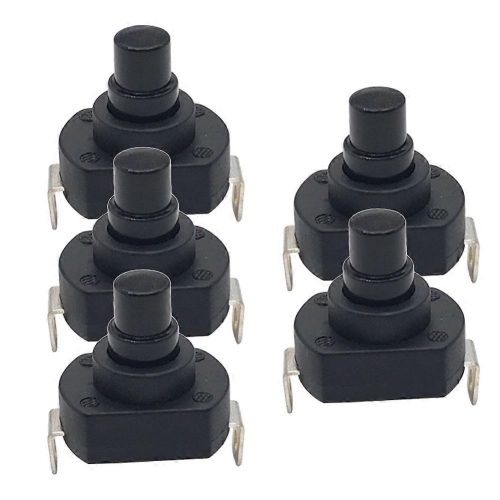
Reliable control for the electrical systems aboard your vessel
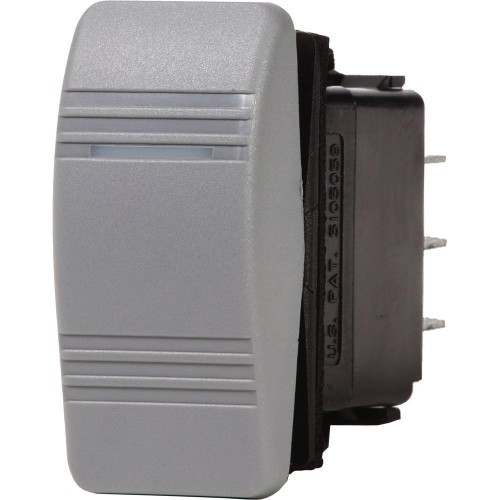
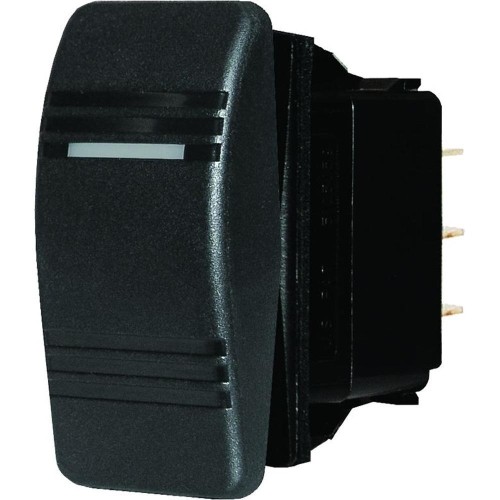
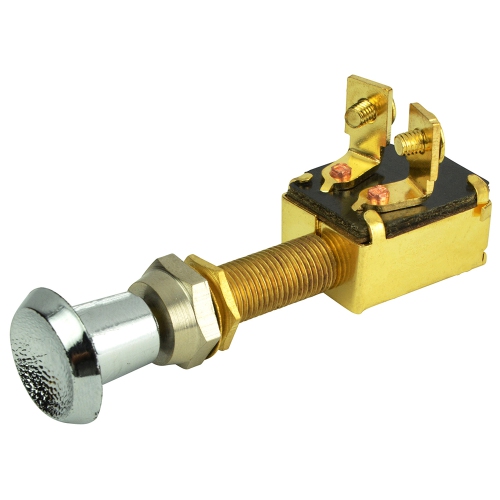
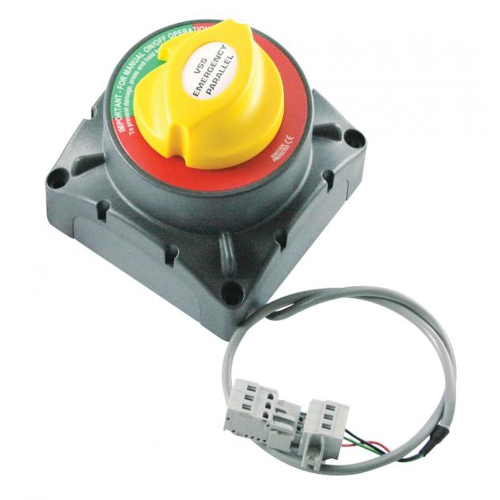
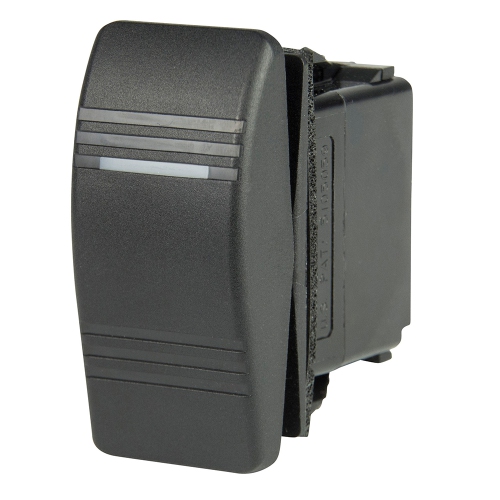
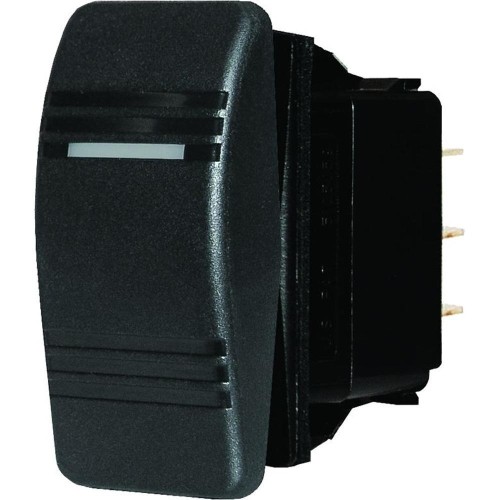
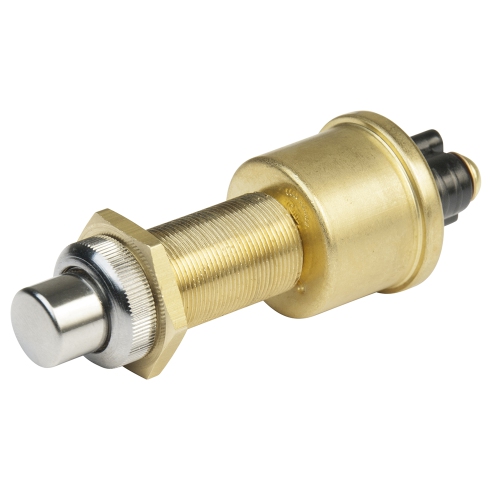
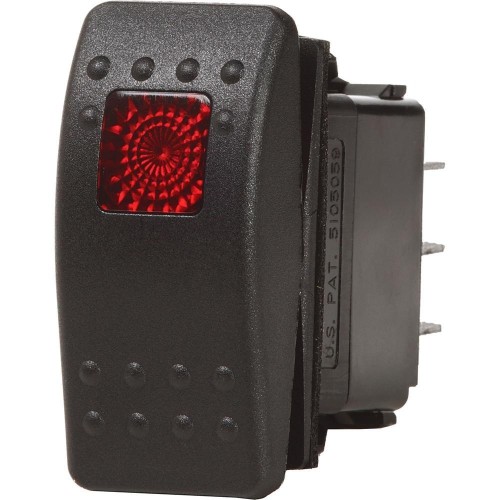
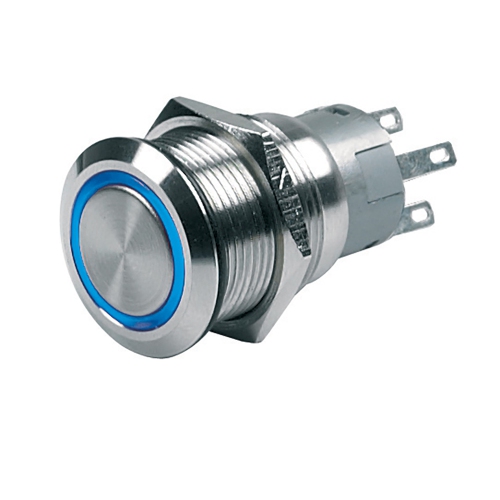
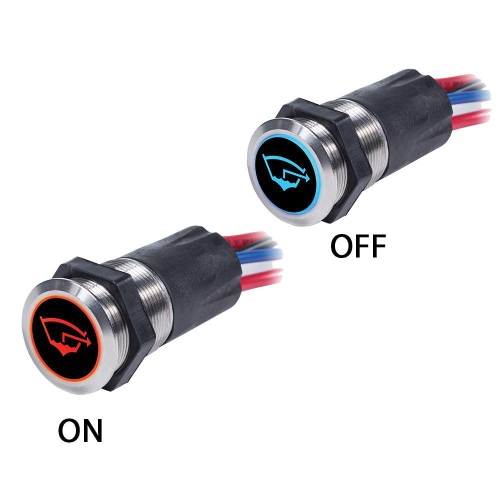
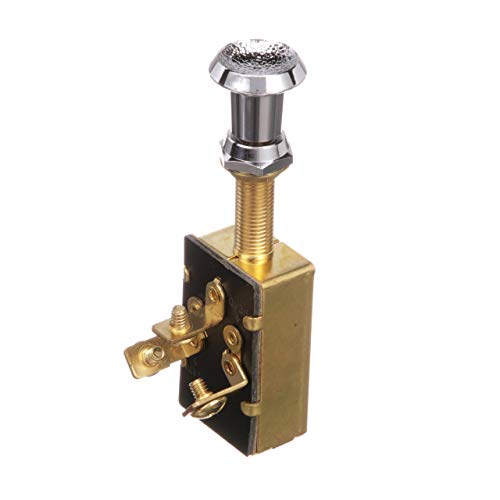
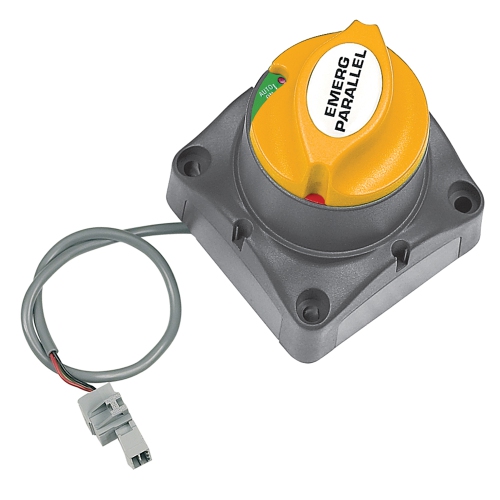
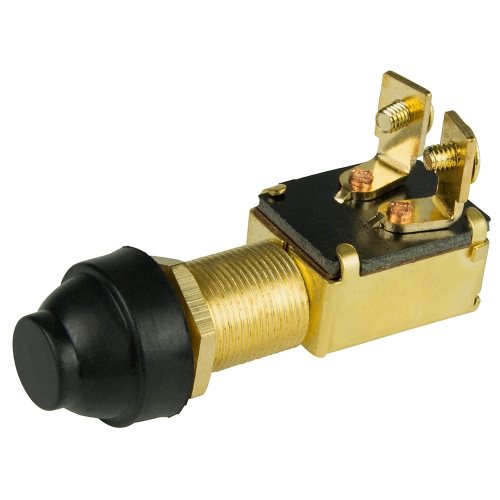
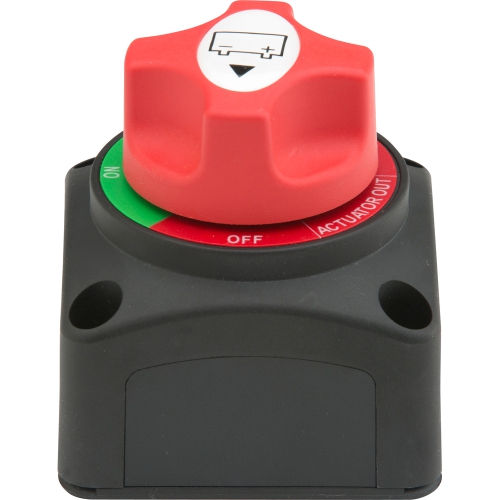
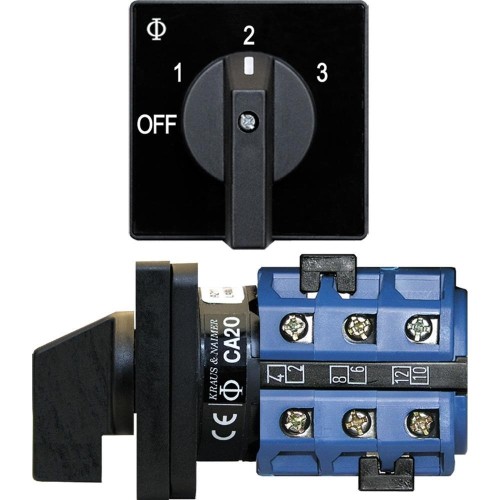
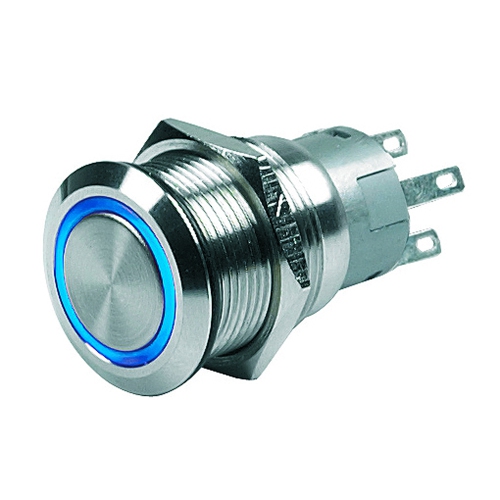
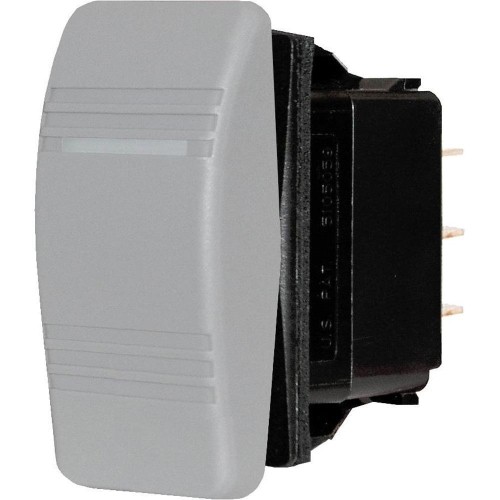
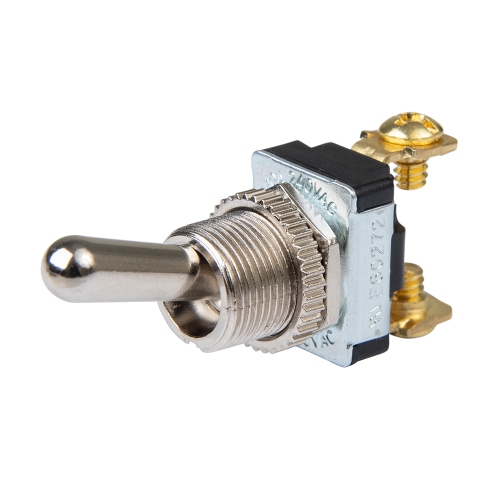
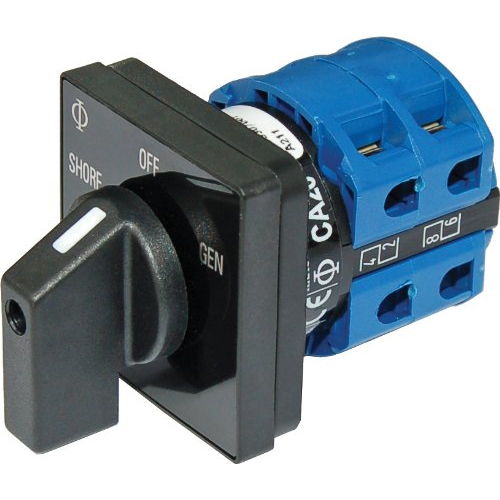
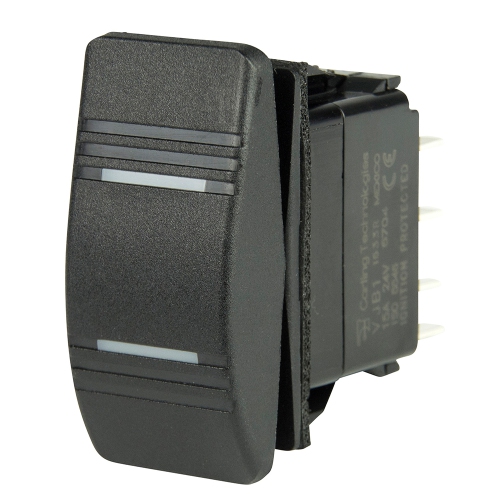
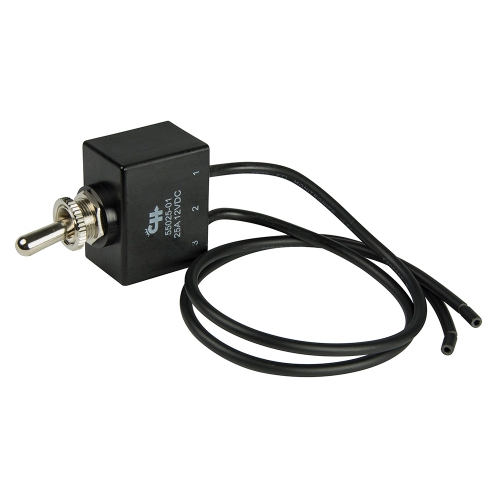
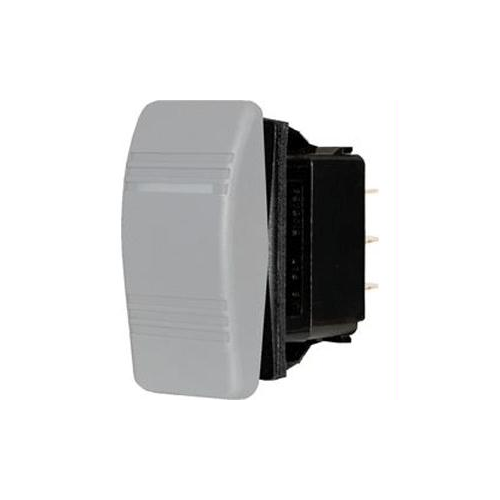
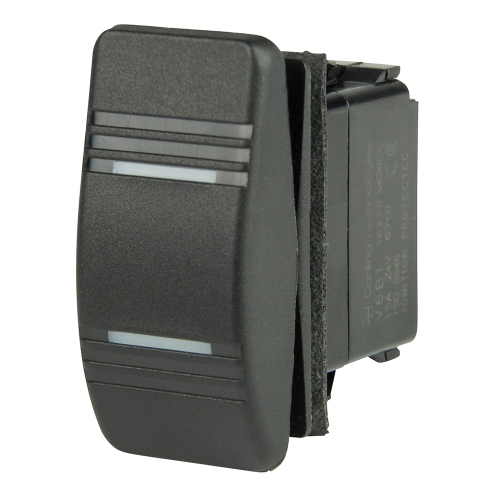
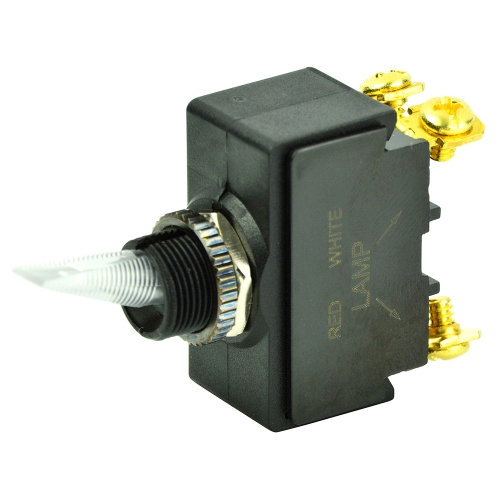
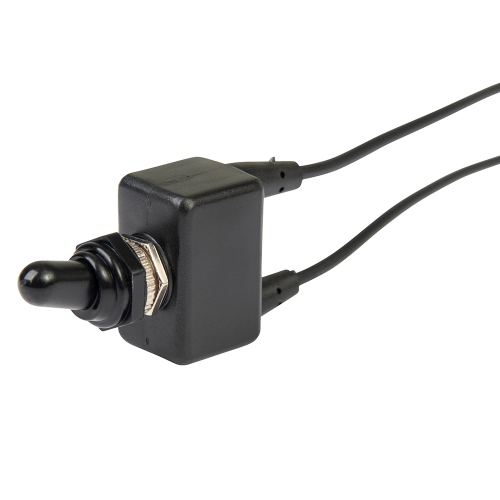
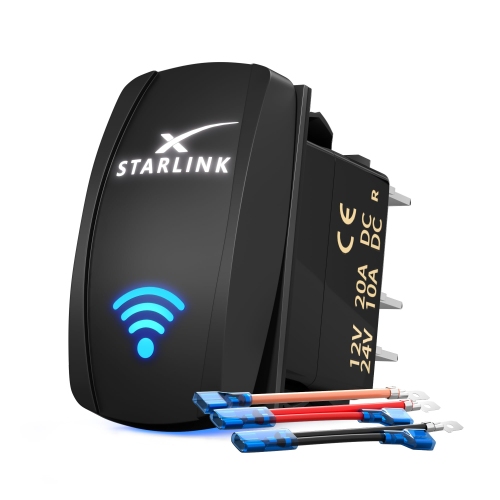
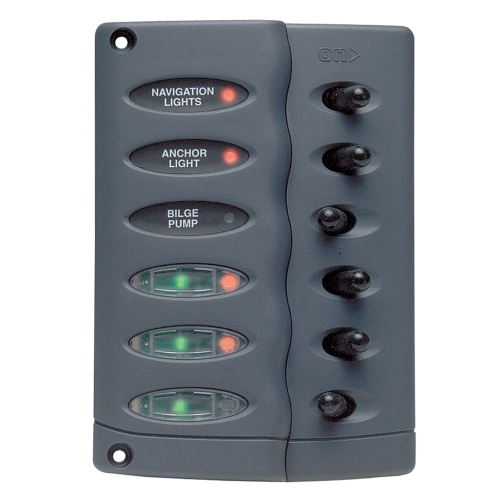
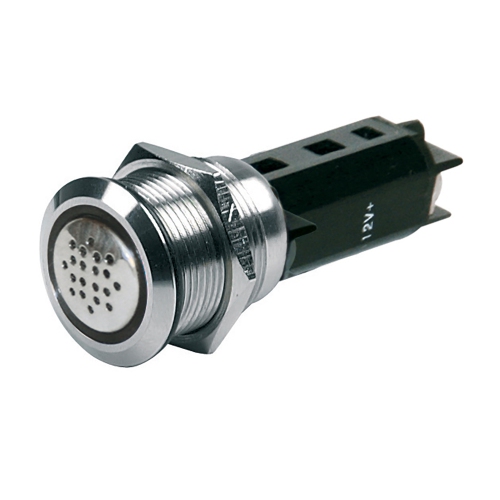
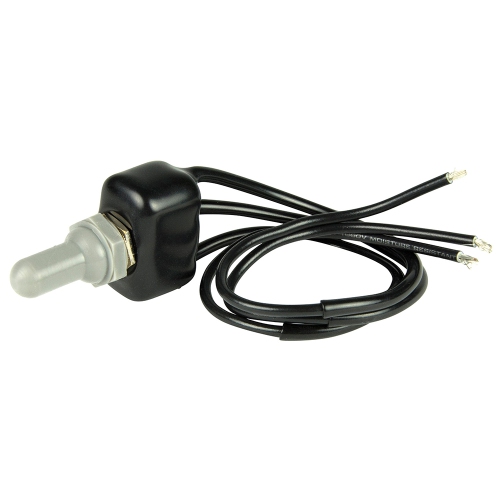
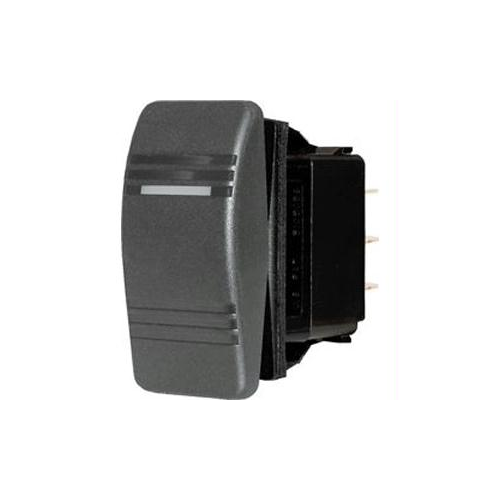
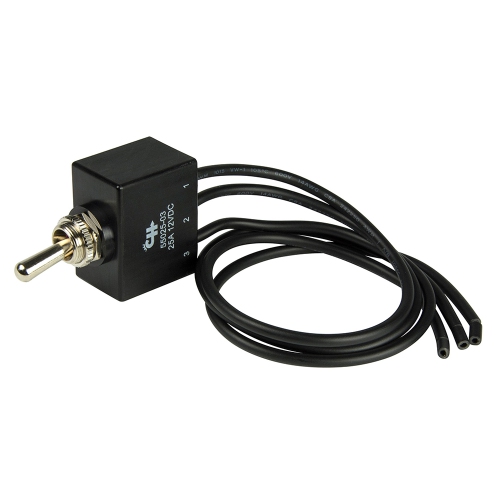
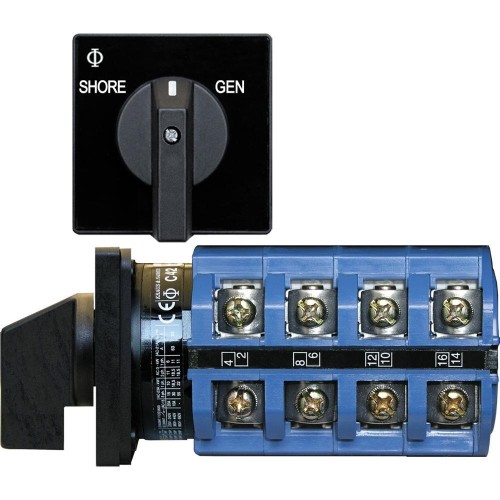
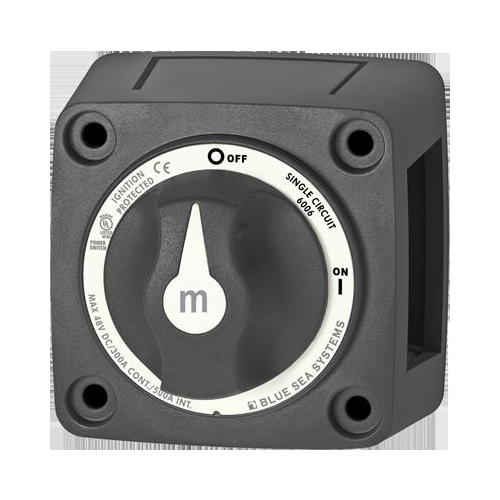
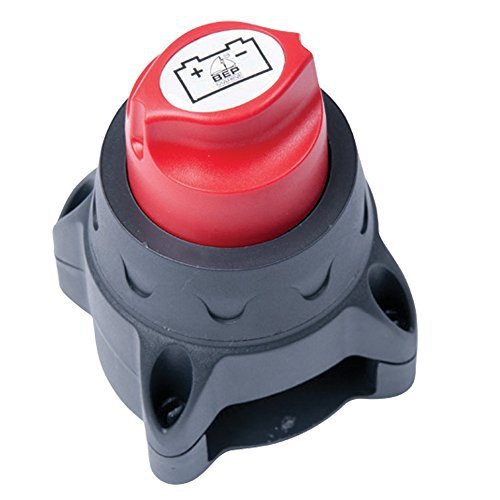
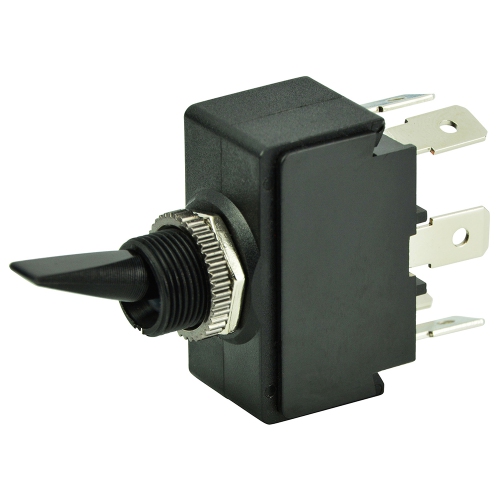
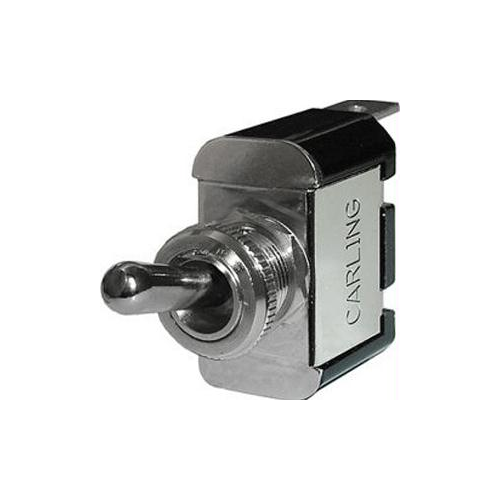
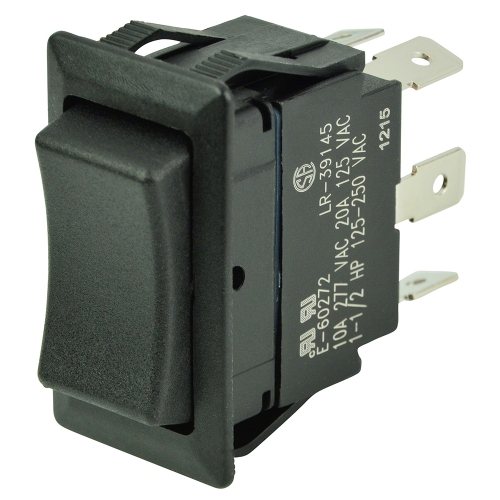
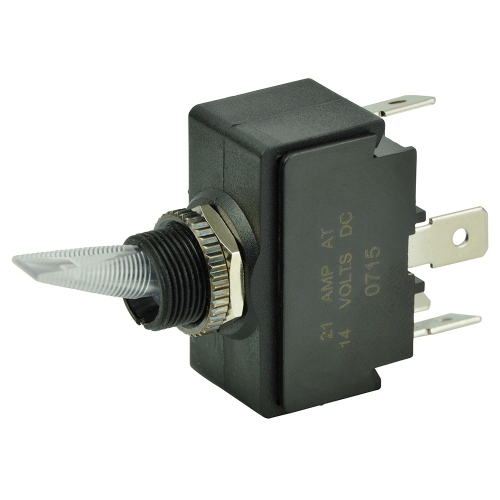
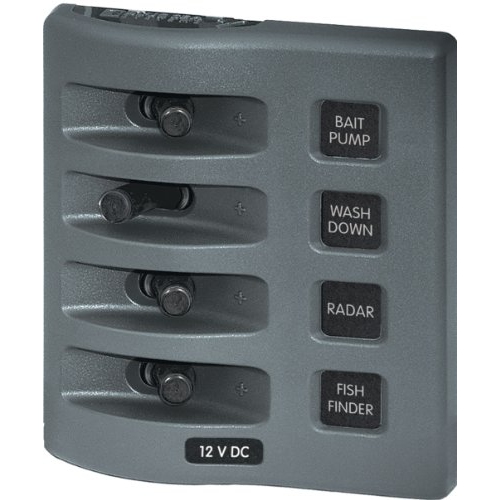
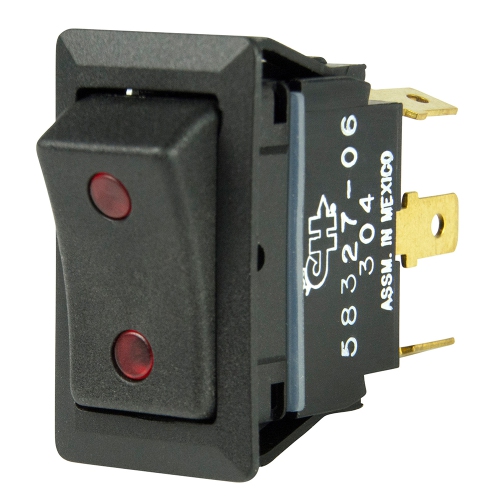
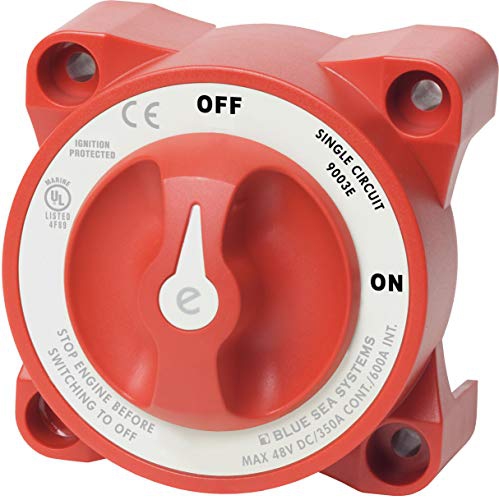
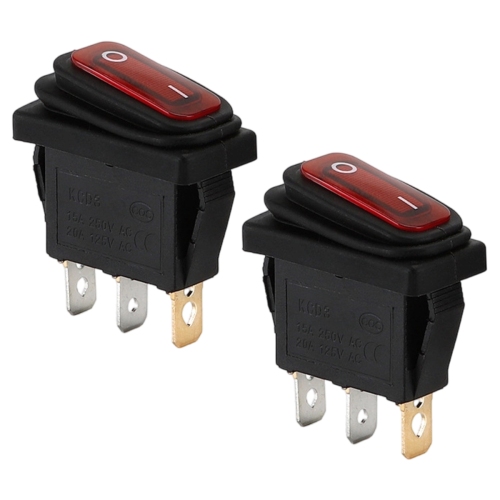
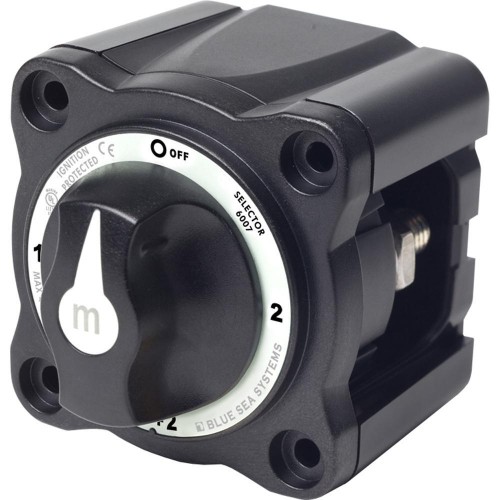
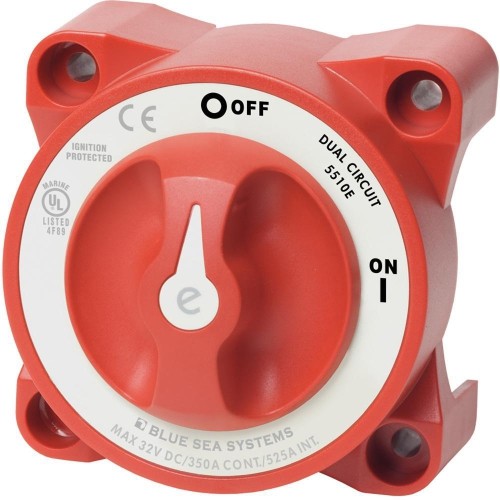
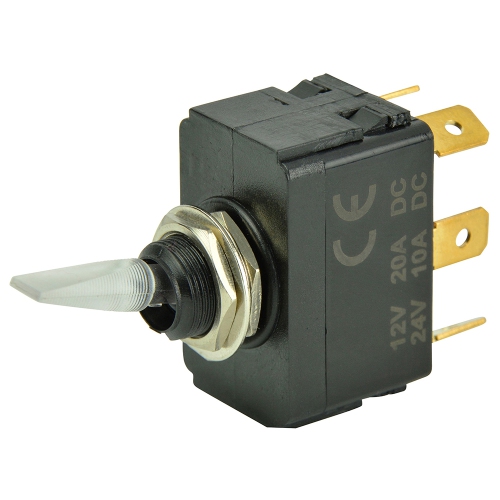
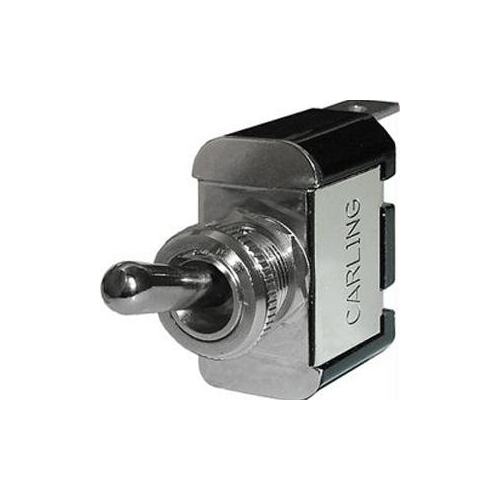
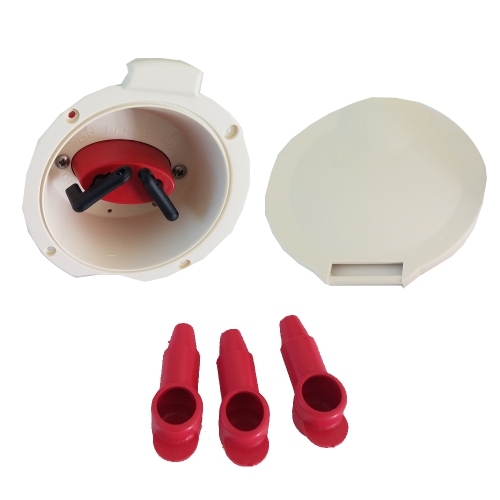
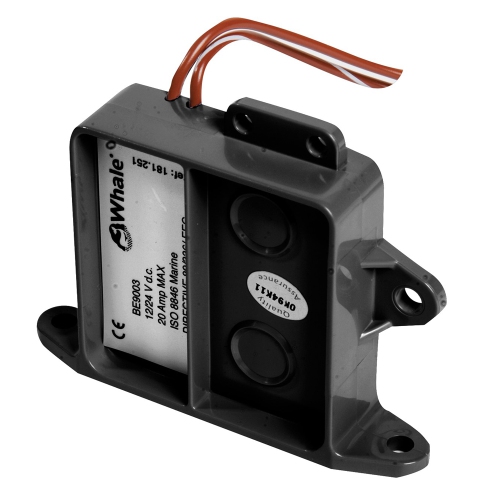
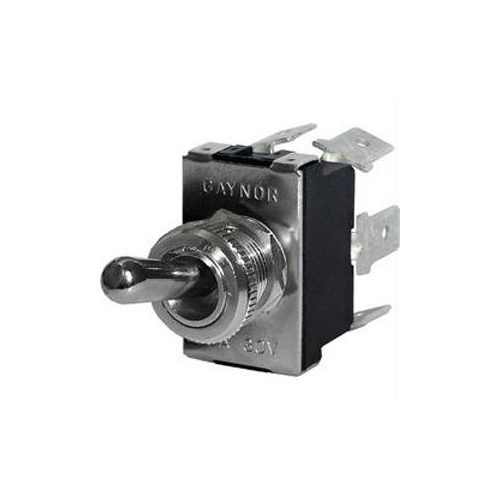
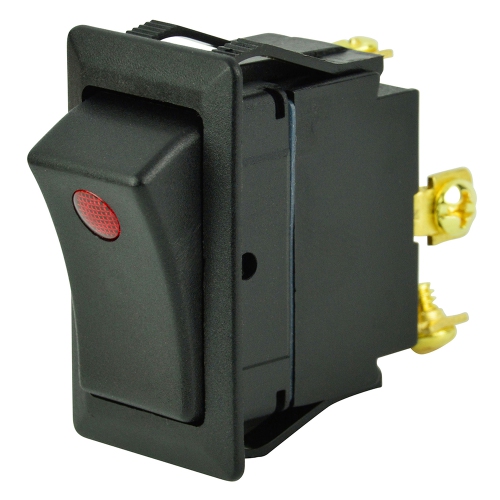
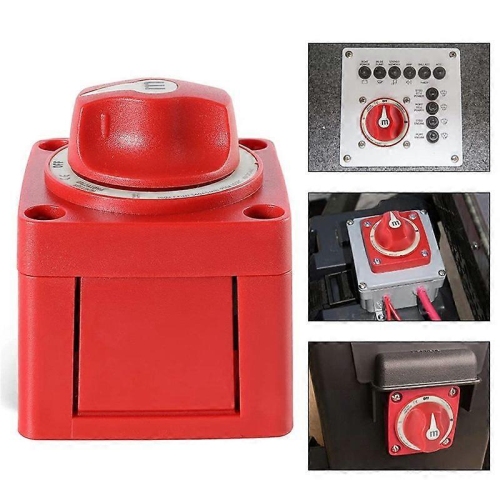
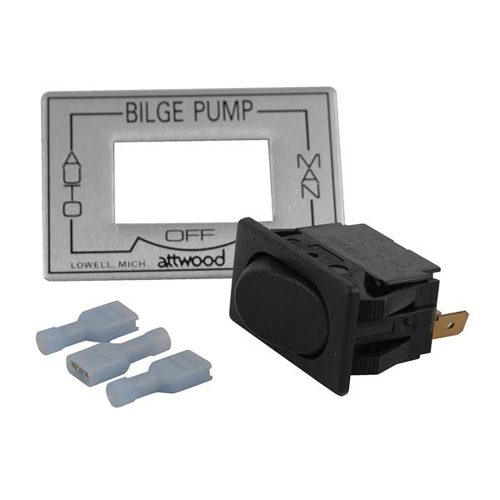
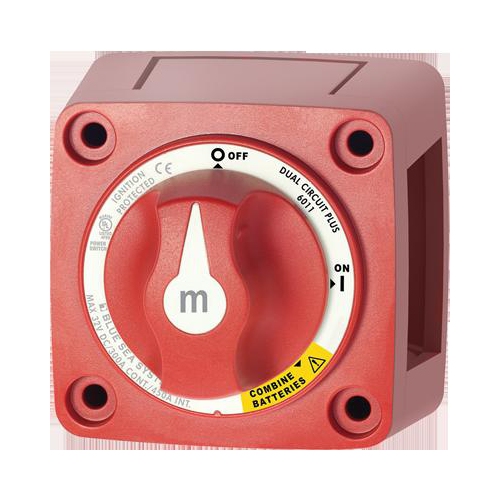
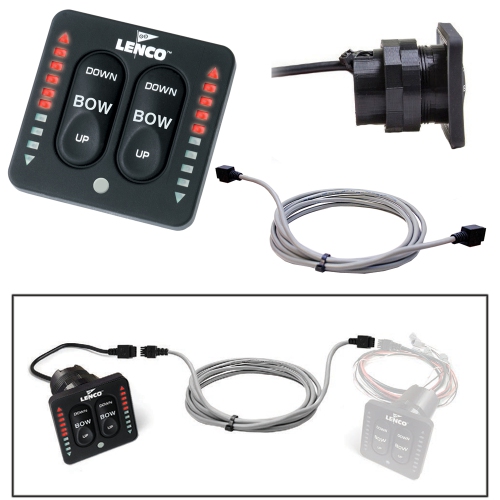
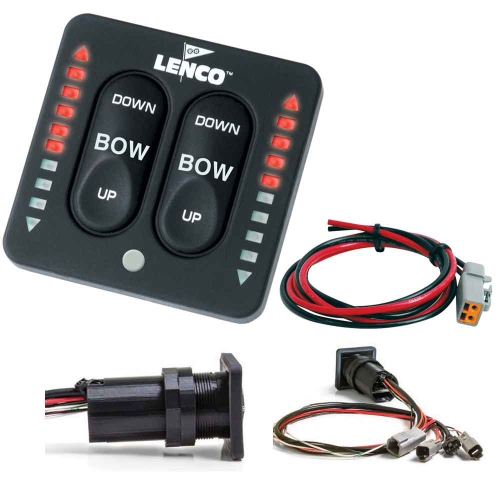
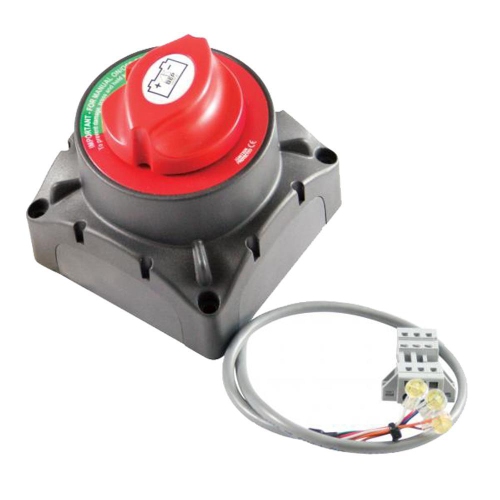
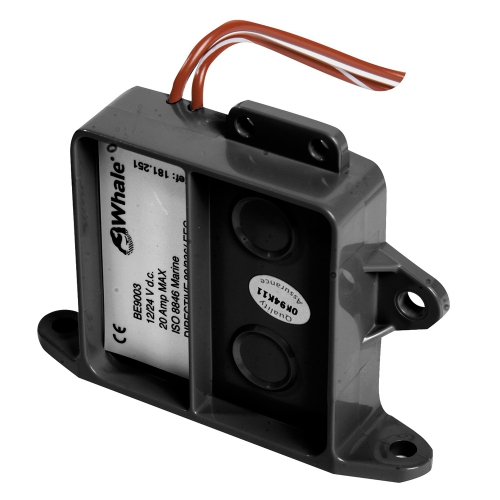
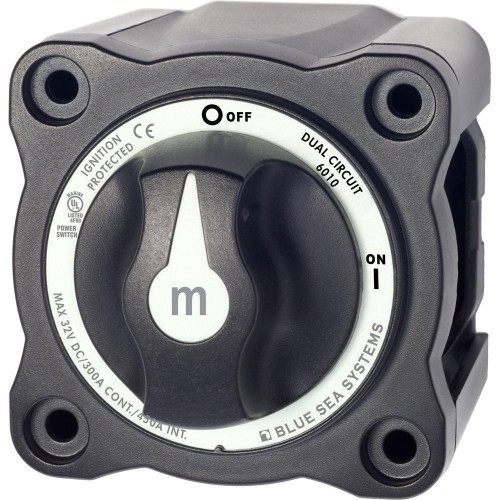
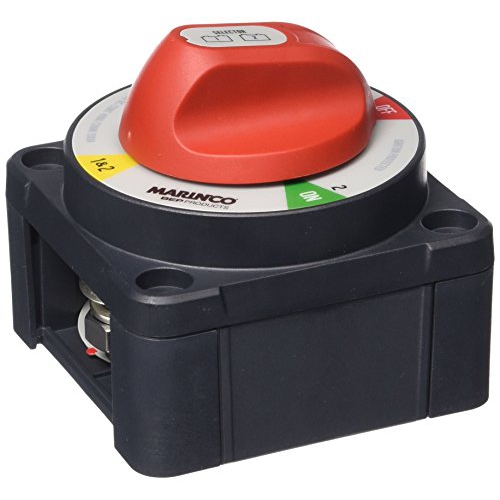
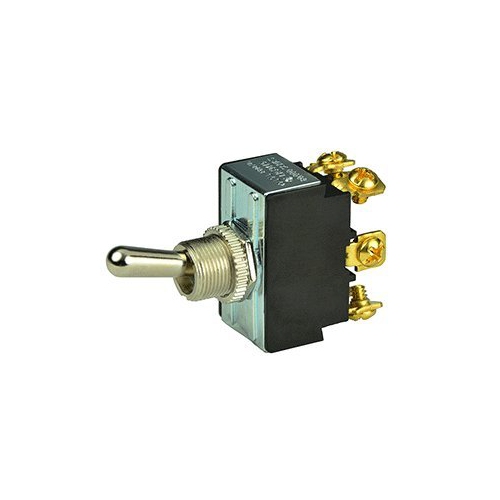
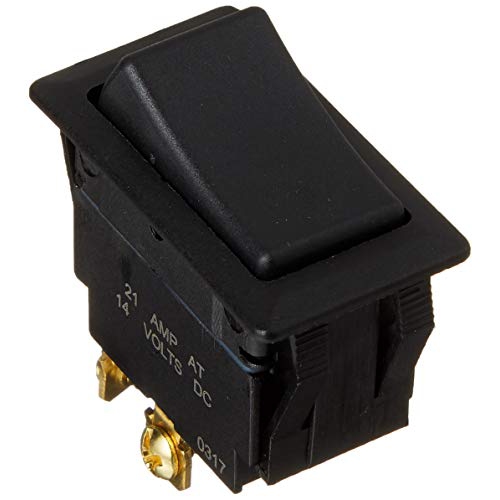
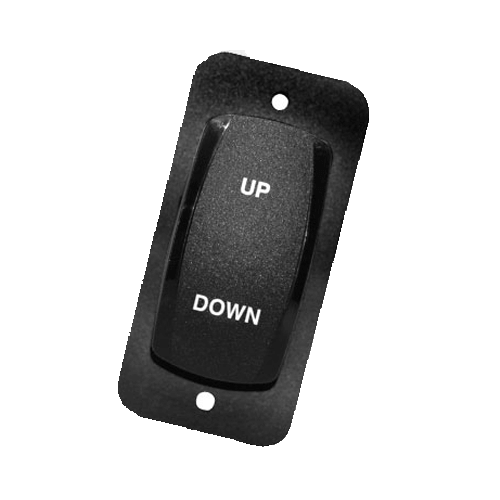
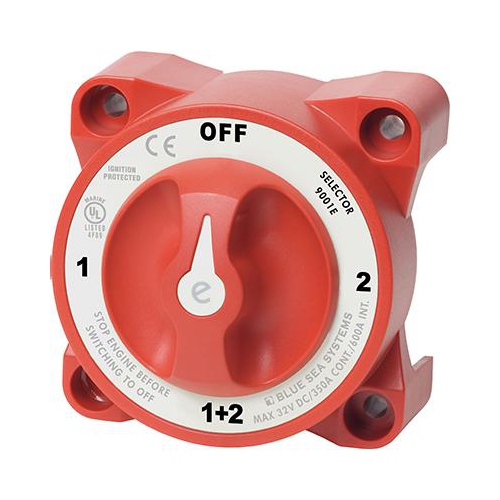
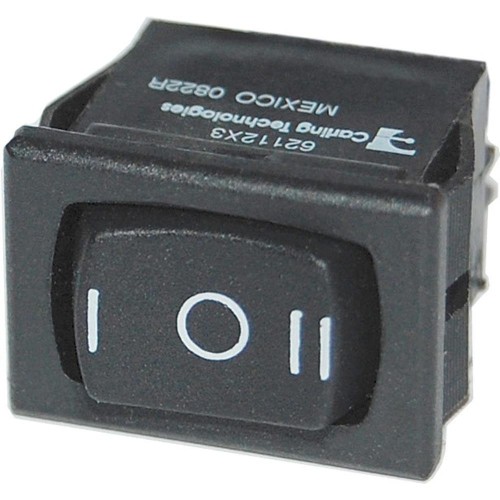
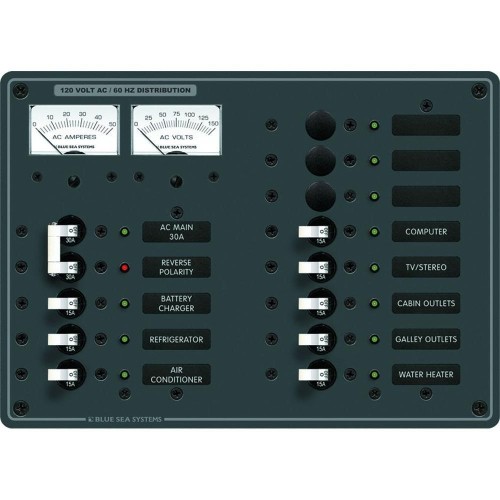
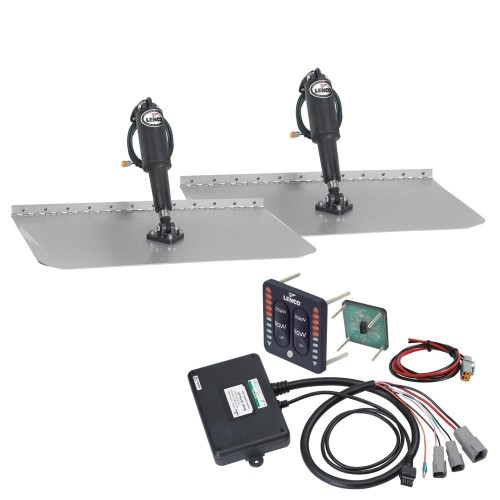
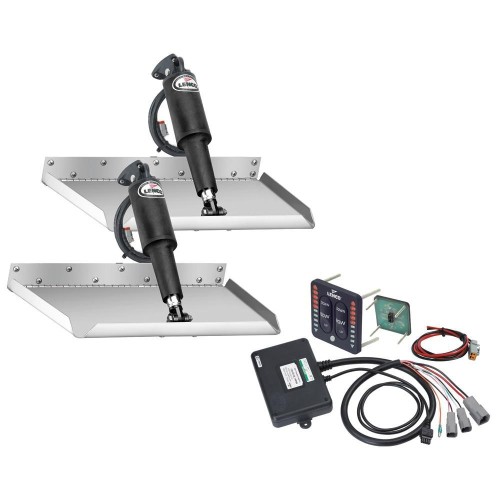
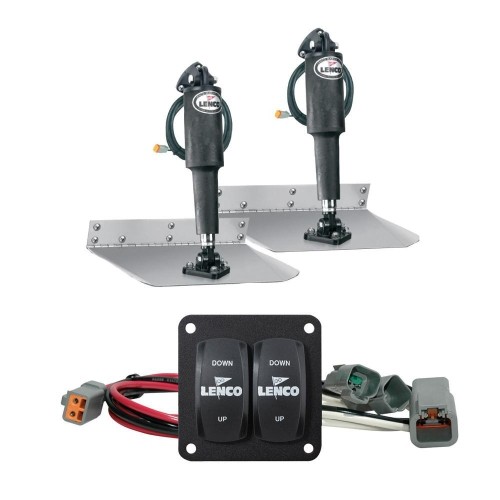
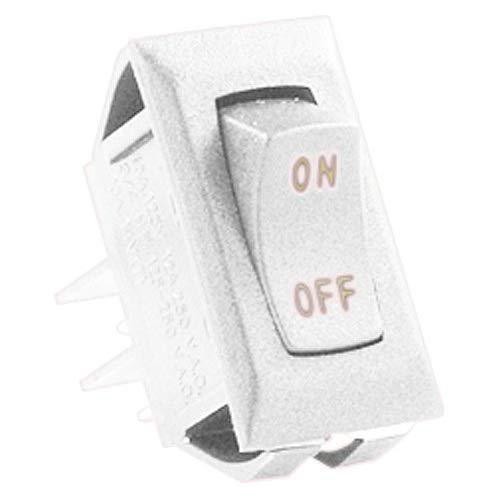
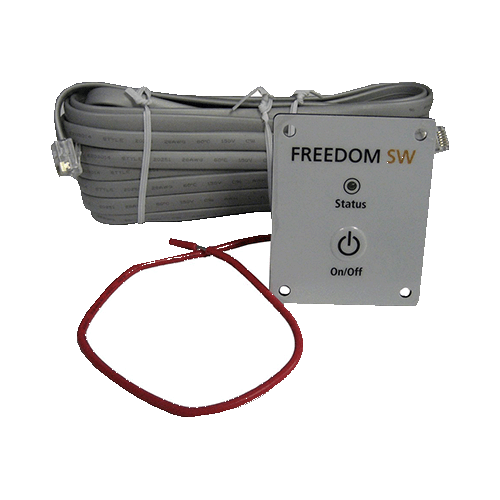
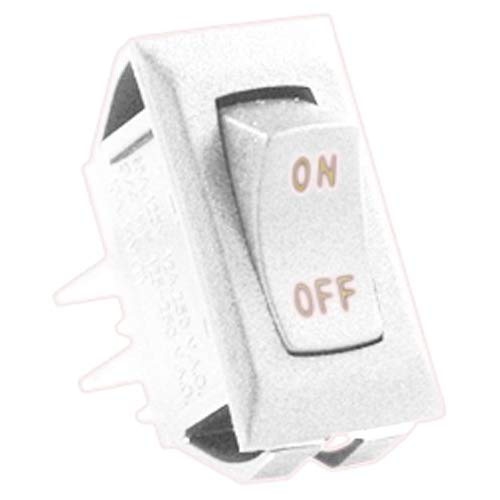
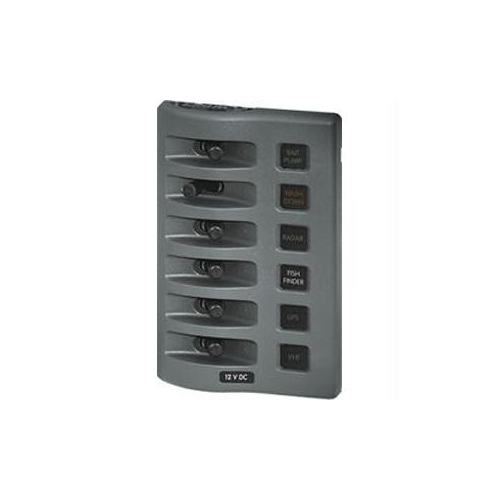
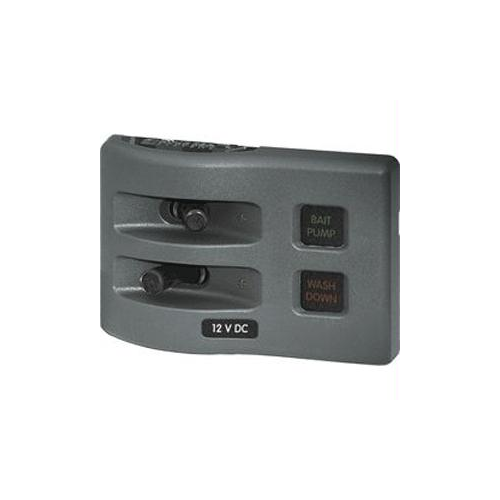
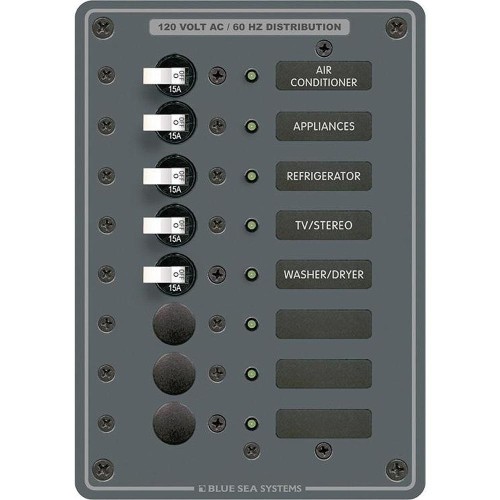
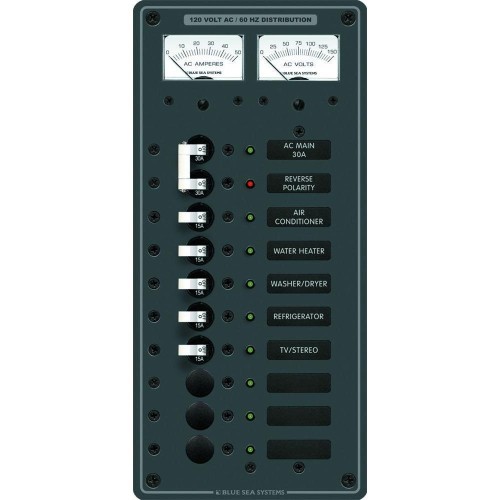
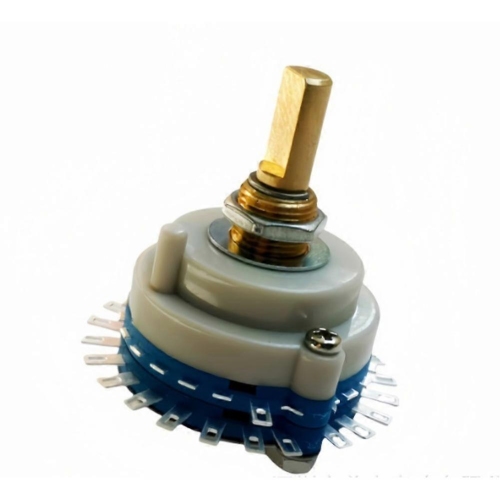
Marine switches are heavy-duty electrical controls designed for the demanding conditions found on boats, personal watercraft, docks, and other waterside equipment. Unlike standard household switches, marine-rated controls are built to handle moisture, spray, salt air, vibration, direct sunlight, and the temperature changes that come with time on the water. They are commonly used to operate navigation lights, bilge pumps, live wells, cabin lighting, deck lighting, horns, ventilation fans, wipers, washdown pumps, and other onboard accessories. A rocker switch offers a broad, easy-to-press surface and can be paired with an etched or backlit symbol for quick identification in low light. Toggle switches provide a traditional lever action with a clear physical indication of the selected position, while push-button switches can create a neat, modern control panel for functions that need momentary or repeated activation. Battery switches are a separate heavy-duty category, typically using a rotary selector to connect, disconnect, or combine battery banks. They can help isolate electrical systems when a boat is stored, serviced, or left unattended, and they are often installed where the operator can reach them without entering the engine compartment. Choosing the right style begins with identifying the function, location, and electrical load. A small switch for an instrument light has different requirements from a control operating a pump or a bank of accessories. Check the system voltage, amperage rating, number of positions, terminal arrangement, panel cutout dimensions, and whether the switch is designed for continuous or momentary operation. It is also worth considering whether the control will sit on a protected dashboard, an exposed helm, a transom panel, or near a wet storage area, since placement affects the level of sealing and protection required.
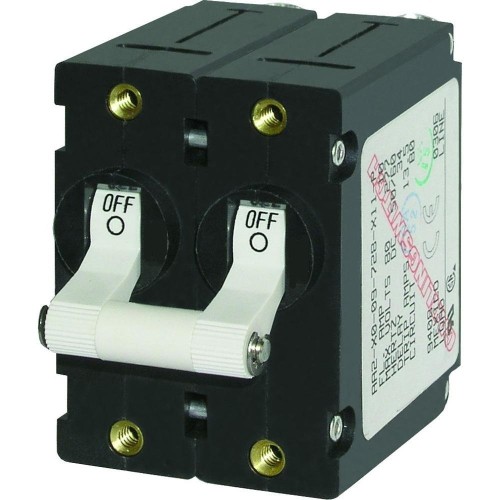
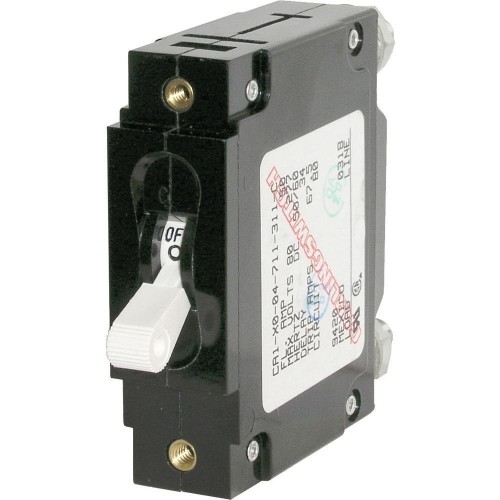
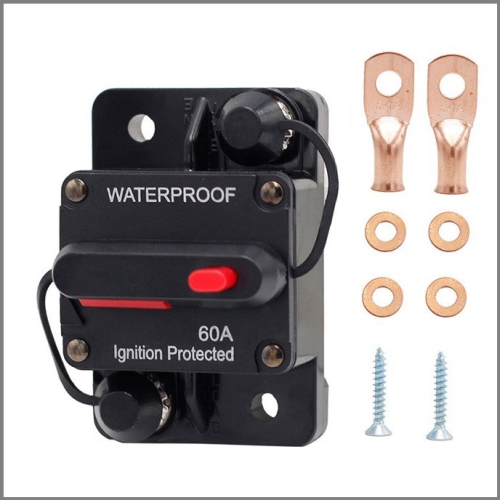
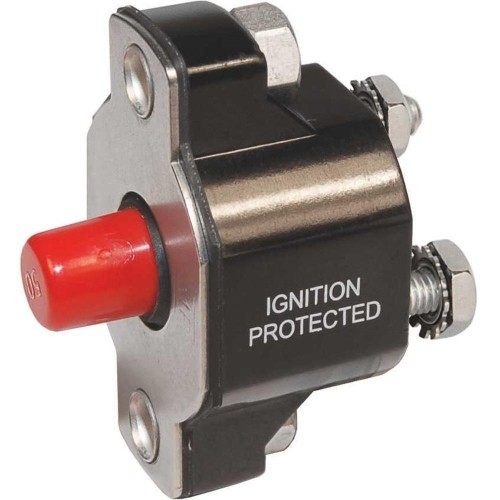
Water resistance is an important part of marine switch selection, but the rating should be considered alongside the installation method and the surrounding wiring. Switches described with IP66, IP67, or IP68 protection are designed to resist varying levels of dust and water exposure, although the exact performance depends on the rating and how the unit is mounted. A properly fitted gasket, sealed panel, and secure cable connection help prevent water from finding its way behind the control. In coastal areas, corrosion resistance is equally important because salty air can affect exposed terminals and connections even when a dashboard appears dry. Tin-plated copper terminals, sealed backs, protective boots, and suitable marine-grade connectors can help maintain dependable contact over time. Look for materials that can tolerate ultraviolet exposure as well, particularly when the switch is mounted on an open console or near the windshield where sunlight can be intense. Ignition-protected construction is an essential consideration for equipment installed near fuel tanks, engine spaces, or areas where vapours may collect. Products intended for these locations may carry relevant marine safety certifications, such as UL 1500 or ISO 8846, but requirements can vary by vessel and installation. Wiring should be sized for the expected current and run with appropriate fuses or overcurrent protection, with connections kept high, dry, and supported against vibration. A switch should not be used to carry a load beyond its rating, and a battery disconnect should not be treated as a substitute for every required protective device. If the installation involves a high-current battery system, multiple battery banks, an engine compartment, or unfamiliar wiring, consulting a qualified marine technician is a sensible step. For related protection and resettable overcurrent control, browse Marine Circuit Breakers to help plan a more complete electrical setup.
Marine switches can be useful for a wide range of boat owners, from someone refreshing a faded helm panel on a fishing boat to a family preparing a small cabin cruiser for cooler-weather storage. They also make practical gifts for a boater who enjoys hands-on maintenance, especially when you know the vessel’s electrical system and the type of control that needs replacing. Before purchasing as a gift, it is helpful to confirm the existing switch dimensions, terminal layout, voltage, amperage, illumination requirements, and whether the panel uses individual controls or a grouped switch assembly. A matching icon or label can make a noticeable difference when several switches are arranged together; in the early morning, when spray is blowing across the helm and visibility is limited, an illuminated symbol or clearly marked position can be easier to read than a plain blank face. Consider how the control feels with wet hands or gloves, whether it can be operated without taking attention away from navigation, and whether its profile will catch on clothing or gear. For seasonal boaters, removing power from selected circuits during storage can reduce accidental operation and make troubleshooting easier, while a durable replacement switch can restore confidence in an older dashboard before the boat returns to the water. Keep spare fuses, connectors, labels, and mounting hardware with the vessel’s maintenance supplies, and inspect switches periodically for looseness, discolouration, sticking, cracked seals, or heat around the terminals. Any sign of melting, burning, repeated tripping, or intermittent operation should be investigated rather than ignored. With the correct rating, suitable environmental protection, and careful installation, marine switches provide straightforward control over the everyday systems that make time on the water safer and more comfortable, from a quiet cabin light at dusk to a bilge pump ready when rain or spray finds its way aboard.
Top selling and popular products
-
 Your price for this item is $31.34
-
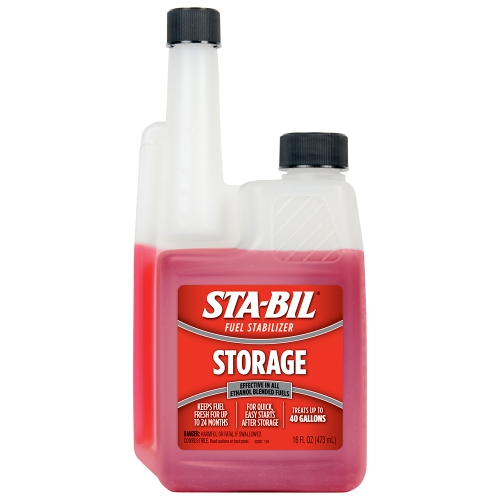 Your price for this item is $30.54
-
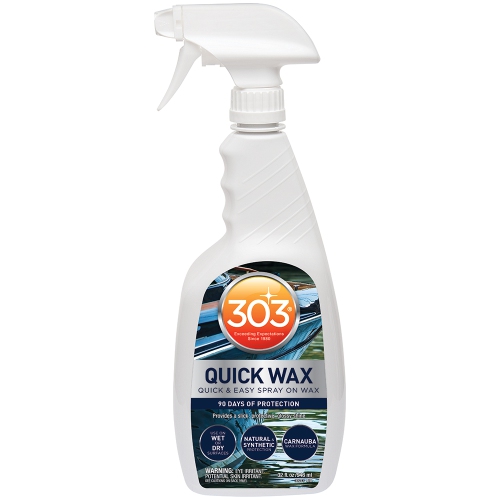 Your price for this item is $38.85
-
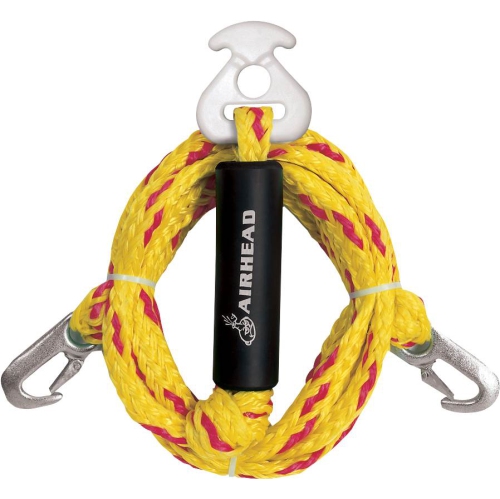 Your price for this item is $63.99
-
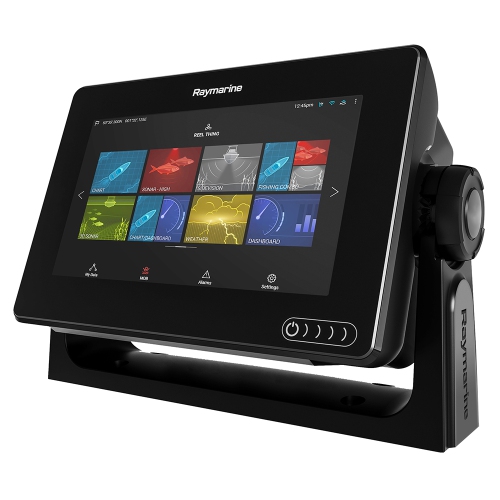 Your price for this item is $844.91
-
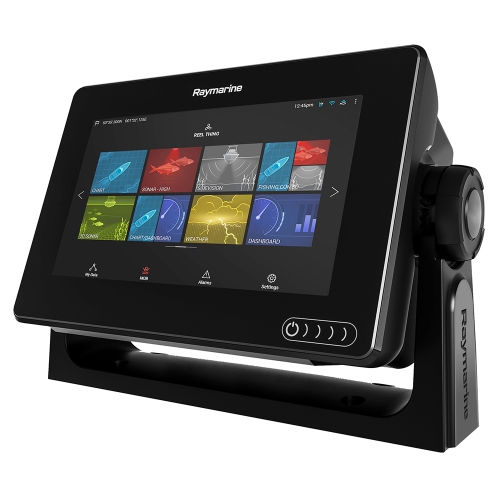 Your price for this item is $909.33
-
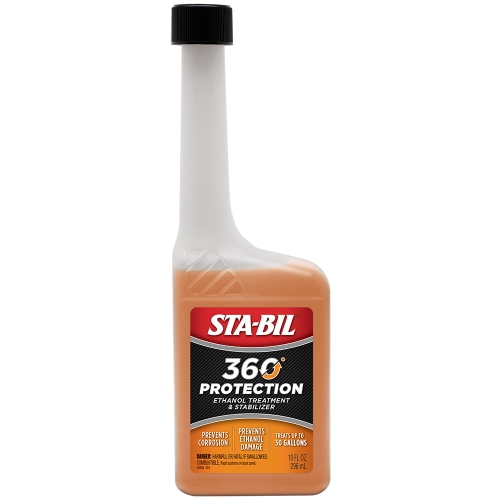 Your price for this item is $31.38
-
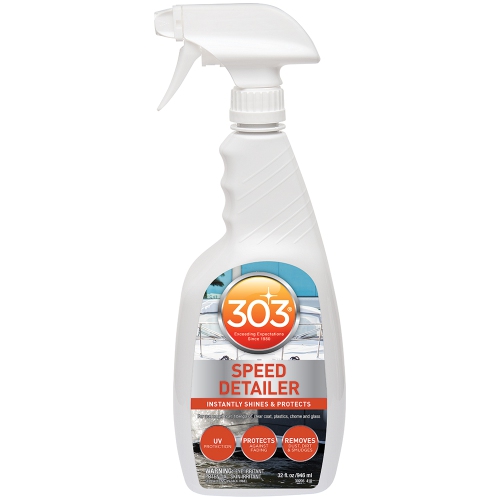 Your price for this item is $35.35
Discover more categories related to Marine Switches

Top Collections:
Pokemon Centers, Best Cameras for Sports Photography, Kindle Devices, Samsung Galaxy Phones, Canon G7X Cameras, Pokémon 30th Celebration Cards, Refurbished Apple Laptops, iPhone 15 Apple, Laptops for Students, Budget Smartphones
Some products may be subject to Environmental Handling Fees
(EHF) depending on your province.
Learn more about EHFs.