Martial Arts Gear
Whether you're a seasoned martial artist or just starting your journey, having the right gear is essential for both performance and safety. Our selection of martial arts gear offers everything you need to train and compete with confidence. From protective equipment like gloves, shin guards, and headgear to training essentials such as punching bags, mats, and uniforms, we have you covered. Elevate your skills and take your training to the next level with our high-quality gear designed to support your passion for martial arts.
Sort

Guidance for building a comfortable, well-fitted training kit
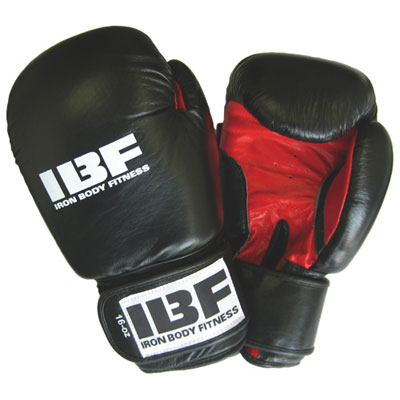
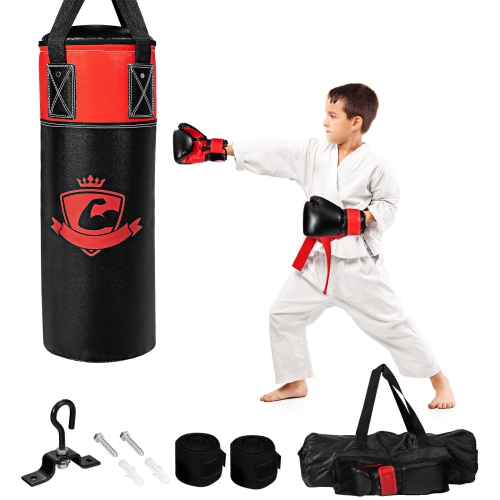
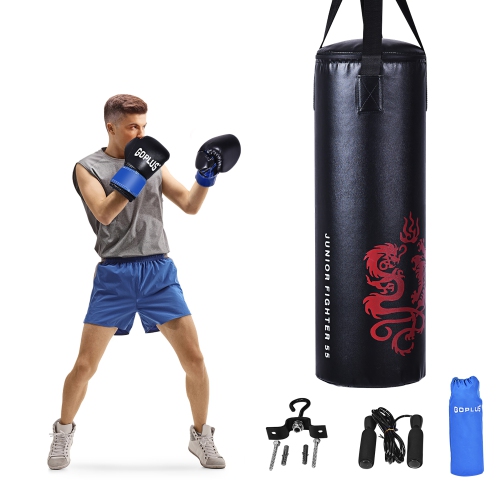
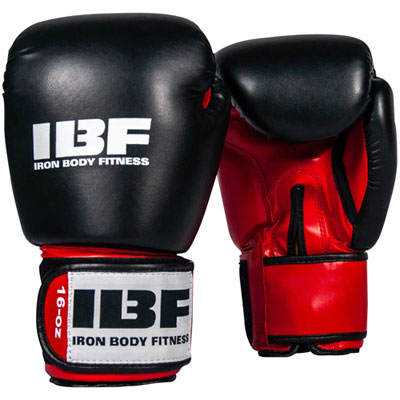
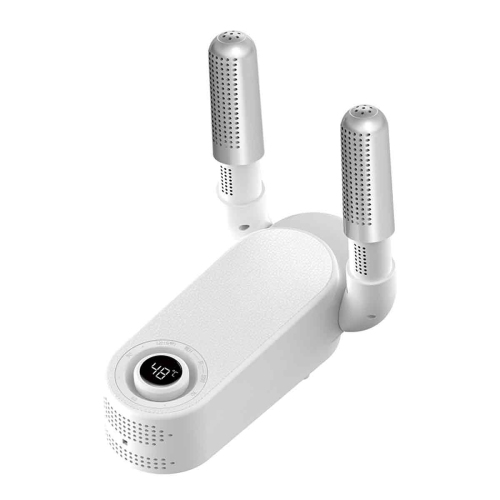
Martial arts gear helps support focused, confident training across striking, grappling, traditional and mixed disciplines. The right setup depends on the style being practised, the athlete’s experience level and whether the equipment is intended for technique work, bag sessions, live drilling, sparring or competition. Striking-focused training commonly calls for gloves that balance padding, wrist support and a secure fit, along with hand wraps to help stabilize the hands and wrists beneath them. A well-fitted mouthguard, headgear and shin protection can add another layer of comfort during partner work, while focus mitts, kick shields and other training pads give athletes useful targets for practising combinations, timing and controlled power. For boxing, kickboxing, Muay Thai and mixed martial arts, training gloves are often selected by weight and intended use; a lighter option may suit drills and pad work, while more heavily padded gloves are generally preferred for controlled sparring when permitted by the coach. Browse MMA Training Gloves when looking for hand protection designed for striking practice. Wraps should be long enough to cover the hands comfortably without creating bulky pressure points, and gloves should allow natural movement while keeping the wrist snug. Beginners may benefit from asking an instructor about the equipment required at their club before purchasing, since some schools have rules about approved padding, glove weights or protective accessories. Equipment should also be checked regularly for loose stitching, compressed padding, unpleasant odours or signs that it no longer fits properly, particularly when it is used several times each week.
Grappling styles such as Brazilian jiu-jitsu, judo and other wrestling-based disciplines call for a different approach. A durable uniform should allow a full range of movement while standing, shooting, rolling and working from the ground, with reinforced seams in areas that experience frequent pulling. A belt that corresponds with the practitioner’s rank completes many traditional uniforms, while rash guards and fitted athletic layers can help reduce friction during extended drills and keep clothing from shifting during scrambles. The best fit is close enough to stay in place without restricting breathing, hip movement or shoulder rotation. Athletes who train in both gi and no-gi formats may need separate clothing options, and those who compete should check event rules for permitted colours, materials and sizing. Traditional karate and taekwondo equipment often centres on a lightweight uniform with a comfortable, secure fit that does not interfere with kicks, stances or rapid footwork. Depending on the class and ruleset, sparring protection may include foam headgear, forearm and shin guards, chest protection and padded hand or foot equipment. These pieces should sit flat against the body, remain secure through movement and provide coverage without making techniques feel cumbersome. In every discipline, sizing matters as much as the category itself. Gloves that are too loose can shift on impact, while guards that are too tight may distract the wearer or limit movement. A child or teen may need equipment that can be adjusted as they grow, but oversized gear should not be used as a substitute for a proper fit. Washing fabric components according to their care instructions, airing out protective equipment after practice and storing everything in a ventilated space can help keep a training kit ready for the next class, whether sessions take place in a busy club during the warmer season or in a home practice area during cooler months.
Martial arts gear can also be a thoughtful gift for someone beginning lessons, returning to training or preparing for a new class. A beginner may appreciate practical essentials such as hand wraps, a uniform bag, a water bottle, training apparel or an easy-to-pack set of protective equipment, while an experienced practitioner may value an upgrade that matches a familiar routine. Before choosing, consider the recipient’s discipline, age, training frequency and preferred style, along with any guidance from their instructor. Gift shoppers may not know the correct glove weight, uniform size or belt requirement, so versatile accessories and storage solutions can be safer choices than highly specialised equipment. For families, look for lightweight items that are simple to put on, easy to adjust and comfortable during a full lesson. For adults who train after work or travel between home and a club, compact gear bags with separate spaces for clean clothing, footwear and protective equipment can make preparation much less hectic. The most useful martial arts setup is one that fits the athlete, suits the rules of their school and encourages consistent practice. Training equipment should never replace instruction, warm-ups or good technique; beginners should learn how to use each item from a qualified coach and follow the safety requirements of their discipline. As skills develop, athletes can refine their kit around the sessions they enjoy most, adding protection for sparring, specialised apparel for grappling or extra pads for partner drills. With the right combination of comfort, fit and function, martial arts gear can help turn each class into a more organised, confident and rewarding part of an active routine.
Grappling styles such as Brazilian jiu-jitsu, judo and other wrestling-based disciplines call for a different approach. A durable uniform should allow a full range of movement while standing, shooting, rolling and working from the ground, with reinforced seams in areas that experience frequent pulling. A belt that corresponds with the practitioner’s rank completes many traditional uniforms, while rash guards and fitted athletic layers can help reduce friction during extended drills and keep clothing from shifting during scrambles. The best fit is close enough to stay in place without restricting breathing, hip movement or shoulder rotation. Athletes who train in both gi and no-gi formats may need separate clothing options, and those who compete should check event rules for permitted colours, materials and sizing. Traditional karate and taekwondo equipment often centres on a lightweight uniform with a comfortable, secure fit that does not interfere with kicks, stances or rapid footwork. Depending on the class and ruleset, sparring protection may include foam headgear, forearm and shin guards, chest protection and padded hand or foot equipment. These pieces should sit flat against the body, remain secure through movement and provide coverage without making techniques feel cumbersome. In every discipline, sizing matters as much as the category itself. Gloves that are too loose can shift on impact, while guards that are too tight may distract the wearer or limit movement. A child or teen may need equipment that can be adjusted as they grow, but oversized gear should not be used as a substitute for a proper fit. Washing fabric components according to their care instructions, airing out protective equipment after practice and storing everything in a ventilated space can help keep a training kit ready for the next class, whether sessions take place in a busy club during the warmer season or in a home practice area during cooler months.
Martial arts gear can also be a thoughtful gift for someone beginning lessons, returning to training or preparing for a new class. A beginner may appreciate practical essentials such as hand wraps, a uniform bag, a water bottle, training apparel or an easy-to-pack set of protective equipment, while an experienced practitioner may value an upgrade that matches a familiar routine. Before choosing, consider the recipient’s discipline, age, training frequency and preferred style, along with any guidance from their instructor. Gift shoppers may not know the correct glove weight, uniform size or belt requirement, so versatile accessories and storage solutions can be safer choices than highly specialised equipment. For families, look for lightweight items that are simple to put on, easy to adjust and comfortable during a full lesson. For adults who train after work or travel between home and a club, compact gear bags with separate spaces for clean clothing, footwear and protective equipment can make preparation much less hectic. The most useful martial arts setup is one that fits the athlete, suits the rules of their school and encourages consistent practice. Training equipment should never replace instruction, warm-ups or good technique; beginners should learn how to use each item from a qualified coach and follow the safety requirements of their discipline. As skills develop, athletes can refine their kit around the sessions they enjoy most, adding protection for sparring, specialised apparel for grappling or extra pads for partner drills. With the right combination of comfort, fit and function, martial arts gear can help turn each class into a more organised, confident and rewarding part of an active routine.
Top selling and popular products
-
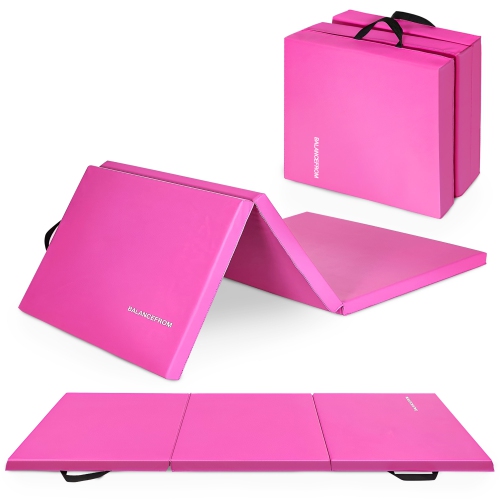 Your price for this item is $79.99
 -
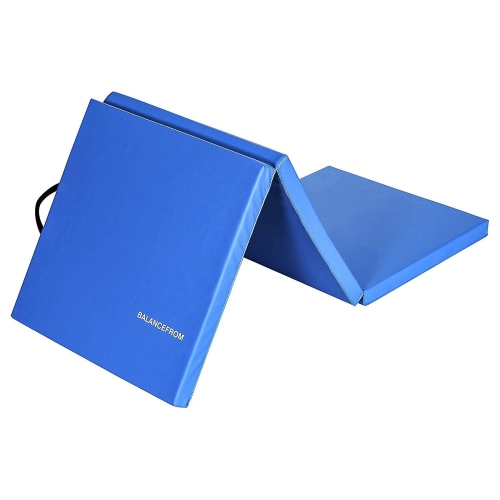 Your price for this item is $79.99
 -
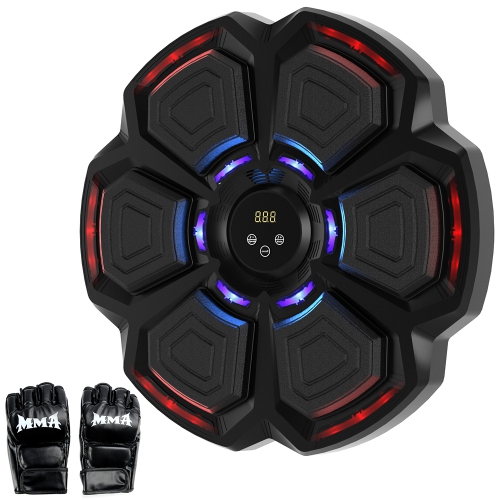 Your price for this item is $49.97
 -
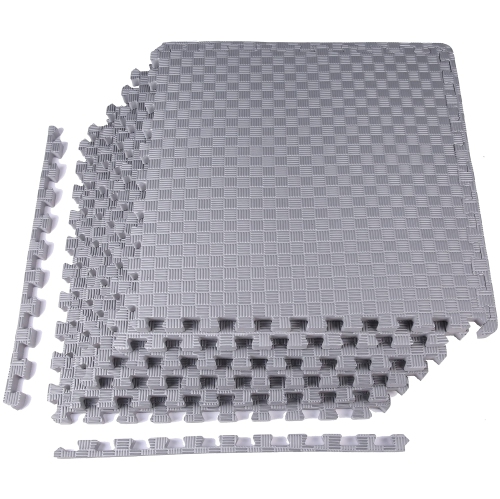 Your price for this item is $113.99
 -
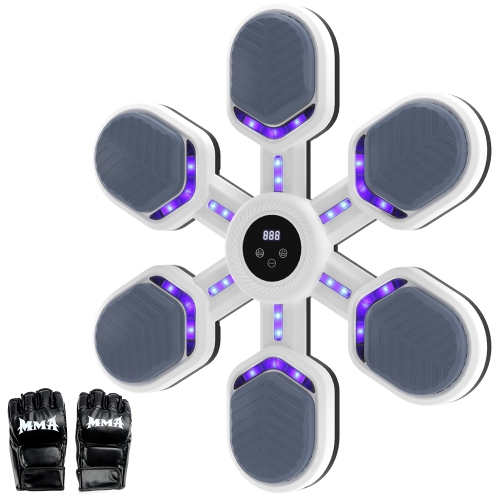 Your price for this item is $89.99
 -
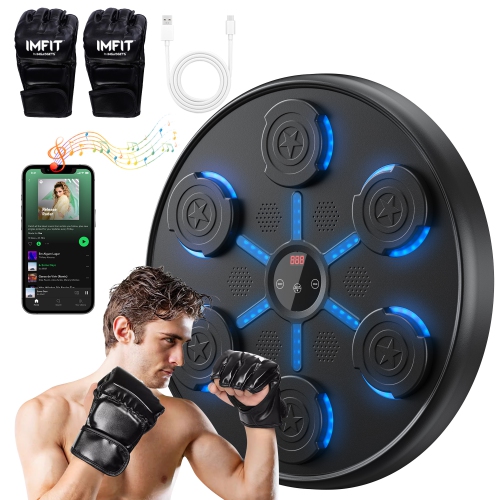 Your price for this item is $99.97
 -
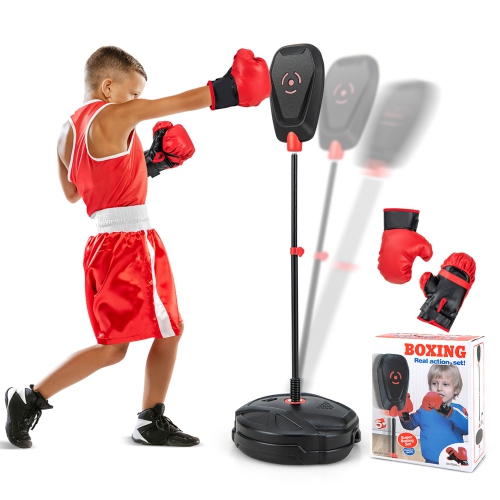 Your price for this item is $55.99
 -
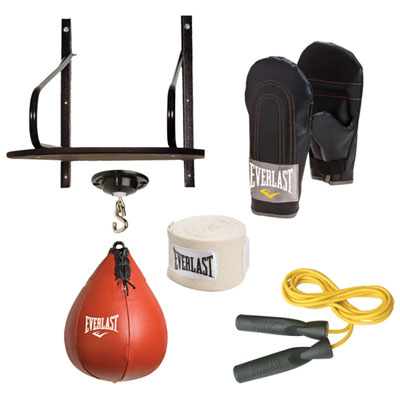 Your price for this item is $119.98
Discover more categories related to Martial Arts Gear
Top Collections:
Pokemon Centers, Kindle Devices, Best Budget Office Chairs, Apple iPhones 16, Best Laptops for Writers, iPhone 15 Apple, Canon G7X Cameras, Refurbished Apple Laptops, Alarm Clock, Motorola Razr Phones
Some products may be subject to Environmental Handling Fees
(EHF) depending on your province.
Learn more about EHFs.