Training Gear
Looking to take your fitness routine to the next level? Look no further than our comprehensive collection of training gear. Whether you're a seasoned athlete or just starting out on your fitness journey, we have everything you need to enhance your workouts and achieve your goals. From resistance bands and kettlebells to yoga mats and foam rollers, our selection of training gear is designed to help you build strength, improve flexibility, and boost endurance. With top-quality products from leading brands, you can trust that you're getting the best tools to maximize your performance. Get ready to elevate your training sessions with our wide range of gear that will help you push boundaries and reach new heights in your fitness journey.
Sort
![SARIS Magnetic Indoor Bike Trainer, Magnetic Resistance, Compatible With Zwift App [Employee of bestbuy] This is the greatest thing ever i love using my trainer during cold wet days sometimes](https://multimedia.bbycastatic.ca/multimedia/products/500x500/172/17212/17212341.jpeg)


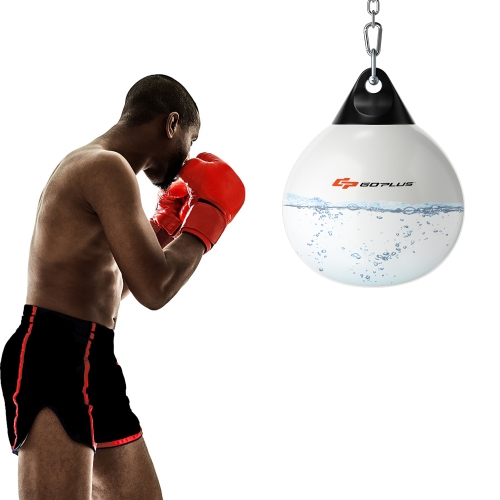
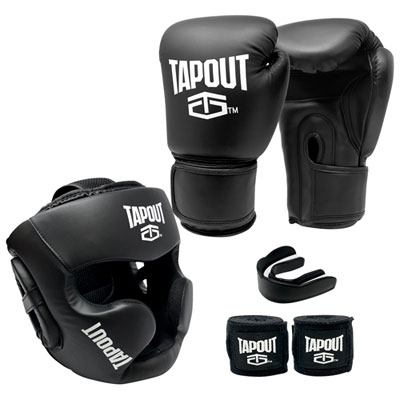
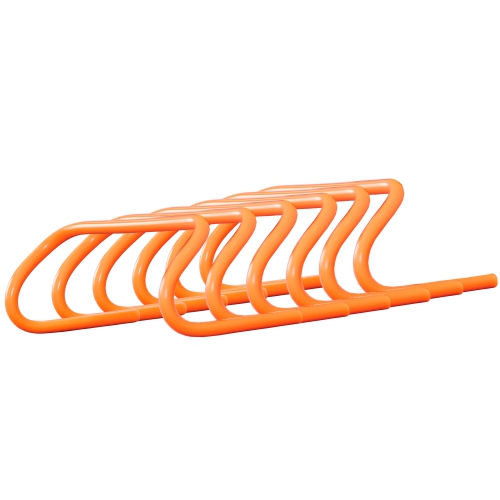
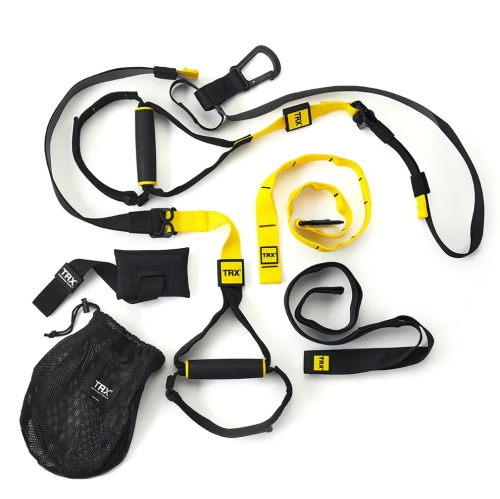
Why different workouts call for different gear
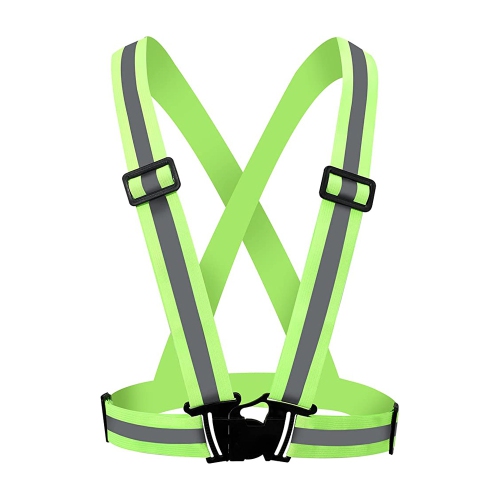
Training gear includes workout clothing, footwear, and accessories designed to support comfort, movement, and grip during physical activity. It covers the essentials worn or used for strength training, cardio, mobility work, and sport-specific practice, with different designs suited to different demands. A steady treadmill session calls for breathable fabrics and comfortable cushioning, while a strength workout places more emphasis on stable footing, freedom through the hips and shoulders, and a secure hold. For someone moving between several activities in one session, versatile training apparel offers room to bend, reach, and change direction without constant adjustment. Moisture-wicking fabrics move perspiration away from the skin, while breathable knit structures and mesh panels allow air to circulate. These features can make a noticeable difference when a gentle warm-up turns into a demanding circuit, although comfort also depends on fit, workout intensity, and room temperature. Polyester and nylon are common in activewear because they are lightweight and generally dry faster than cotton; elastane adds stretch for movements such as lunges and overhead reaches. Cotton blends have a soft, familiar feel that can suit light exercise and relaxed warm-ups, but may stay damp longer after a sweaty session. Smooth seams, covered fastenings, and thoughtfully placed waistbands matter where fabric repeatedly brushes the skin. Training gear serves beginners building a regular routine as well as experienced exercisers with established preferences, and the most useful features are often practical rather than elaborate. Clothing that stays in place during a floor exercise, footwear that feels secure through a change of direction, and accessories that fit neatly into a gym bag all help make the transition from everyday plans to a workout more straightforward. During the cooler months, lightweight layers are useful between home, the gym, and outdoor routes, offering warmth before activity without requiring the same amount of insulation once the pace picks up. For outdoor training, reflective details can improve visibility in low light, though they do not replace appropriate lighting or attention to traffic.
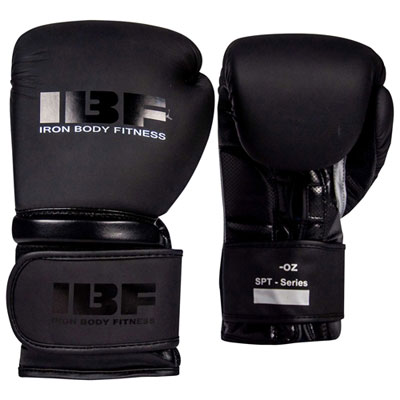
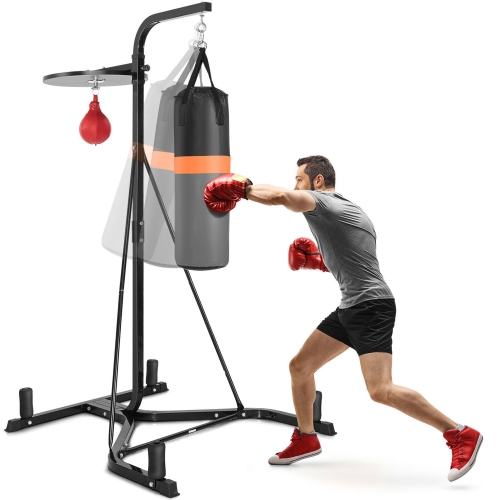
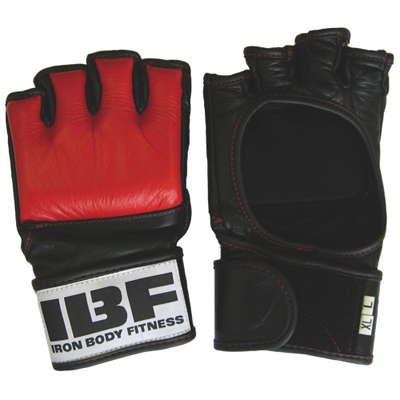
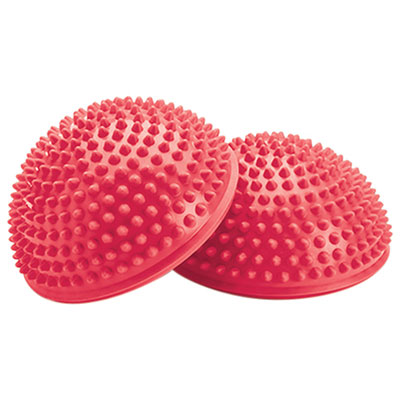
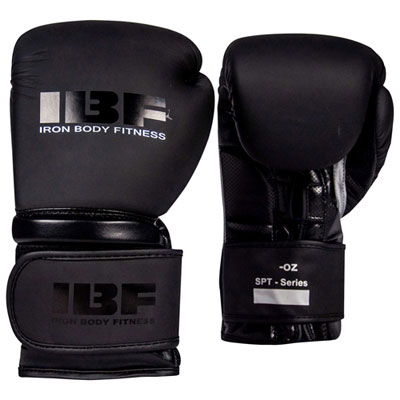
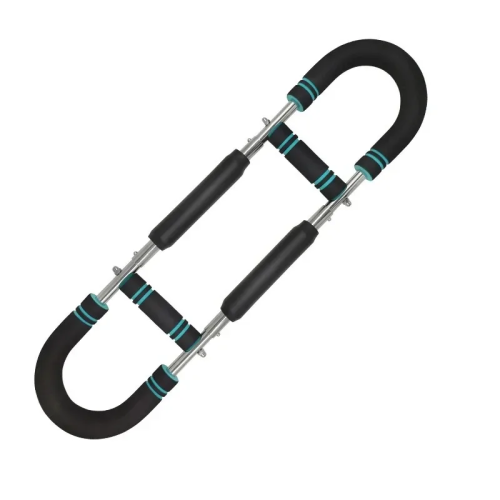
Fit is central to how training gear feels in use, and a close fit is not necessarily the same as a restrictive one. Stretch fabrics should allow a full, comfortable range of motion without pulling sharply across the knees, shoulders, or seat. Waistbands need to feel secure when bending or jogging, rather than digging in or sliding down as the fabric moves. Looser cuts allow airflow and suit many lower-intensity sessions, while closer-fitting styles can reduce excess fabric during faster movement or exercises performed near equipment. Compression garments provide a snug feel that some people prefer, but they should not cause numbness, tingling, or discomfort. Size charts and garment measurements are more useful than assuming the same size will fit identically across different designs. Footwear deserves similar attention: enough space for the toes, a secure heel, and a shape that matches the foot help establish a comfortable fit. Running footwear generally emphasizes cushioning for repeated forward strides, whereas cross-training designs often balance cushioning with a broader, more stable base for varied movements. Intended use matters more than appearance alone, particularly when a session includes both lifting and lateral drills. Accessories also need to match the task. Grip aids used for pulling exercises have a different purpose from supportive sleeves, and neither replaces appropriate technique or manageable resistance. Supportive sleeves can provide warmth and compression around a joint, but they are not a substitute for assessment when pain is present. Mobility accessories offer another way to round out a training routine, with shapes and firmness levels that change how pressure feels during controlled movement or self-massage. They are best understood as tools for personal comfort and practice rather than a guaranteed solution to soreness or injury. For workouts centred on striking practice and footwork, Boxing Gear serves more specific training needs, where protective fit and suitability for the activity are especially important. Across these categories, the useful distinction is between gear that supports general exercise and gear designed for a particular movement, contact level, or training setting.
Durability shows up in the details that withstand repeated wear: resilient fabric, even stitching, secure closures, and reinforced areas where pulling or rubbing is common. A stretch garment should hold its shape through ordinary use, while high-contact surfaces need to tolerate the demands of the activity they are intended for. Thicker material is not automatically better; a lightweight fabric may be ideal for a fast-paced indoor session, while a denser construction may suit cooler outdoor conditions or areas exposed to abrasion. Care requirements influence everyday convenience just as much as construction. Following the care label helps preserve stretch, finishes, and shape, and allowing damp gear to dry before it stays packed away helps limit lingering odours. Fabric softeners can affect moisture-management finishes on some technical textiles, while excessive heat can damage elastic fibres or bonded details. Footwear and padded accessories may need different cleaning methods from washable clothing, so material-specific instructions matter. Air-drying away from direct heat is often appropriate where the manufacturer permits it, and removable components should be cleaned only as directed. Regular checks for frayed stitching, worn tread, stretched straps, or cracked surfaces help identify wear that could affect function. These practical considerations are especially relevant for gear used several times a week or carried between a workplace, fitness centre, and home. A compact home workout space may favour easy-to-store accessories and clothing suited to several activities; someone following a dedicated programme may prefer more specialized features. Training gear can also be a thoughtful gift for an active friend, a family member returning to a favourite sport, or someone setting up a home exercise area. The recipient’s preferred activity, usual sizing, and comfort preferences provide a better starting point than assumptions about fitness goals. Familiar fabrics, manageable care requirements, and a clear purpose tend to make gear easier to work into an existing routine. Whether a workout is a quiet stretch on the living-room floor or a busy session at the gym, well-matched training gear supports the way a person actually likes to move.
Fit is central to how training gear feels in use, and a close fit is not necessarily the same as a restrictive one. Stretch fabrics should allow a full, comfortable range of motion without pulling sharply across the knees, shoulders, or seat. Waistbands need to feel secure when bending or jogging, rather than digging in or sliding down as the fabric moves. Looser cuts allow airflow and suit many lower-intensity sessions, while closer-fitting styles can reduce excess fabric during faster movement or exercises performed near equipment. Compression garments provide a snug feel that some people prefer, but they should not cause numbness, tingling, or discomfort. Size charts and garment measurements are more useful than assuming the same size will fit identically across different designs. Footwear deserves similar attention: enough space for the toes, a secure heel, and a shape that matches the foot help establish a comfortable fit. Running footwear generally emphasizes cushioning for repeated forward strides, whereas cross-training designs often balance cushioning with a broader, more stable base for varied movements. Intended use matters more than appearance alone, particularly when a session includes both lifting and lateral drills. Accessories also need to match the task. Grip aids used for pulling exercises have a different purpose from supportive sleeves, and neither replaces appropriate technique or manageable resistance. Supportive sleeves can provide warmth and compression around a joint, but they are not a substitute for assessment when pain is present. Mobility accessories offer another way to round out a training routine, with shapes and firmness levels that change how pressure feels during controlled movement or self-massage. They are best understood as tools for personal comfort and practice rather than a guaranteed solution to soreness or injury. For workouts centred on striking practice and footwork, Boxing Gear serves more specific training needs, where protective fit and suitability for the activity are especially important. Across these categories, the useful distinction is between gear that supports general exercise and gear designed for a particular movement, contact level, or training setting.
Durability shows up in the details that withstand repeated wear: resilient fabric, even stitching, secure closures, and reinforced areas where pulling or rubbing is common. A stretch garment should hold its shape through ordinary use, while high-contact surfaces need to tolerate the demands of the activity they are intended for. Thicker material is not automatically better; a lightweight fabric may be ideal for a fast-paced indoor session, while a denser construction may suit cooler outdoor conditions or areas exposed to abrasion. Care requirements influence everyday convenience just as much as construction. Following the care label helps preserve stretch, finishes, and shape, and allowing damp gear to dry before it stays packed away helps limit lingering odours. Fabric softeners can affect moisture-management finishes on some technical textiles, while excessive heat can damage elastic fibres or bonded details. Footwear and padded accessories may need different cleaning methods from washable clothing, so material-specific instructions matter. Air-drying away from direct heat is often appropriate where the manufacturer permits it, and removable components should be cleaned only as directed. Regular checks for frayed stitching, worn tread, stretched straps, or cracked surfaces help identify wear that could affect function. These practical considerations are especially relevant for gear used several times a week or carried between a workplace, fitness centre, and home. A compact home workout space may favour easy-to-store accessories and clothing suited to several activities; someone following a dedicated programme may prefer more specialized features. Training gear can also be a thoughtful gift for an active friend, a family member returning to a favourite sport, or someone setting up a home exercise area. The recipient’s preferred activity, usual sizing, and comfort preferences provide a better starting point than assumptions about fitness goals. Familiar fabrics, manageable care requirements, and a clear purpose tend to make gear easier to work into an existing routine. Whether a workout is a quiet stretch on the living-room floor or a busy session at the gym, well-matched training gear supports the way a person actually likes to move.
Top selling and popular products
-
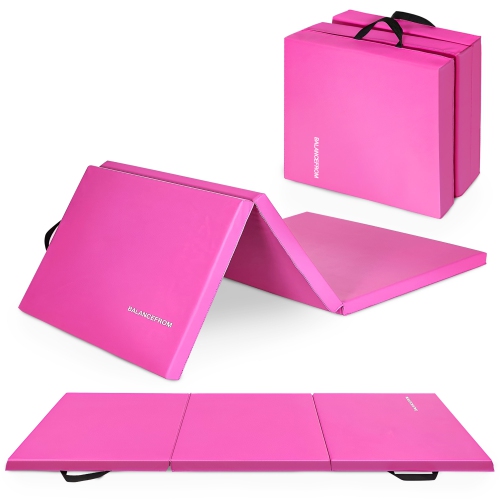 Your price for this item is $79.99
 -
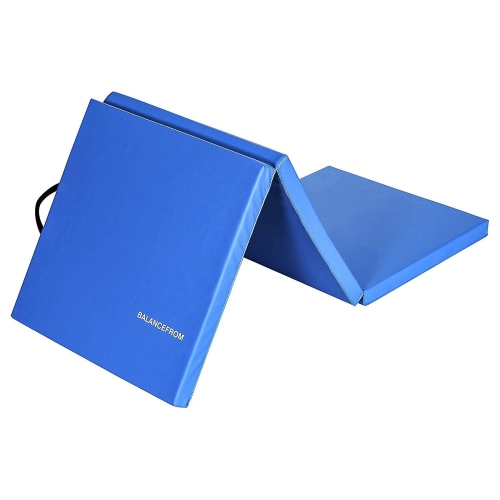 Your price for this item is $79.99
 -
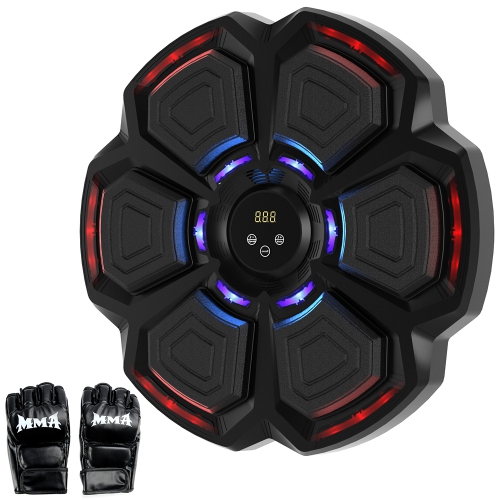 Your price for this item is $49.97
 -
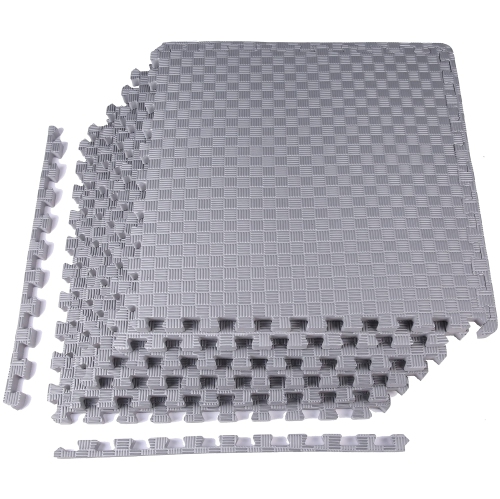 Your price for this item is $113.99
 -
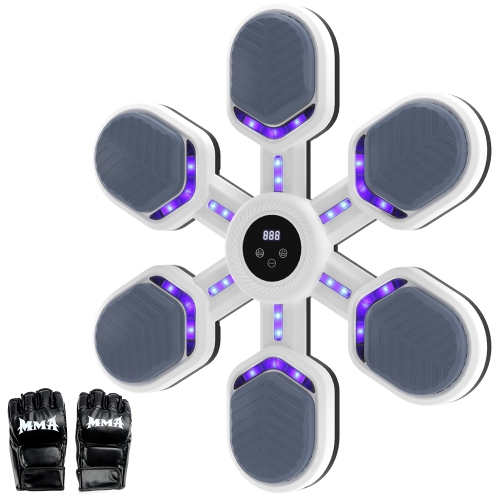 Your price for this item is $89.99
 -
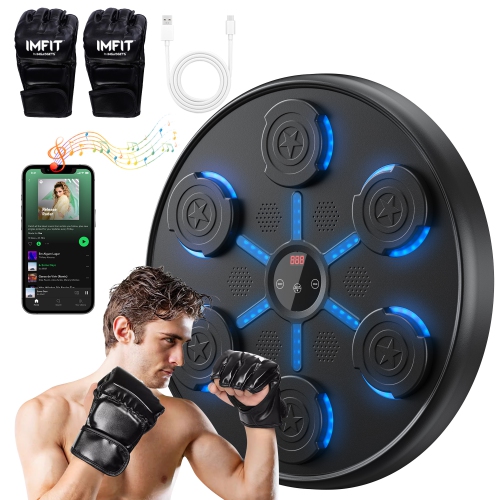 Your price for this item is $99.97
 -
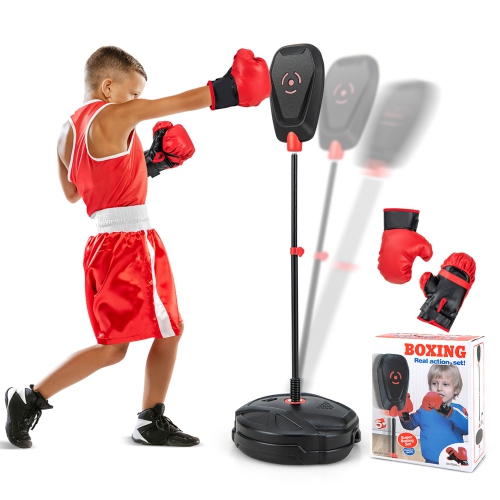 Your price for this item is $55.99
 -
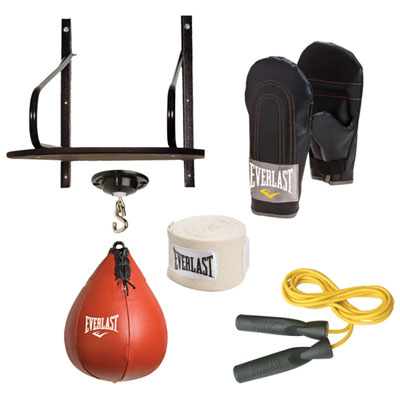 Your price for this item is $119.98
Discover more categories related to Training Gear
Top Collections:
Pokemon Centers, Kindle Devices, Best Budget Office Chairs, Apple iPhones 16, Best Laptops for Writers, iPhone 15 Apple, Canon G7X Cameras, Refurbished Apple Laptops, Alarm Clock, Motorola Razr Phones
Some products may be subject to Environmental Handling Fees
(EHF) depending on your province.
Learn more about EHFs.