Mini Electric Motorbikes
If you're looking for a fun and eco-friendly way to zoom around town, look no further than these mini electric motorbikes. These compact two-wheelers pack a punch with their powerful electric motors, offering a thrilling ride while keeping your carbon footprint in check. Whether you're a seasoned rider or just starting out, these mini electric motorbikes are perfect for zipping through city streets, exploring the great outdoors, or simply cruising around the neighborhood.
Sort











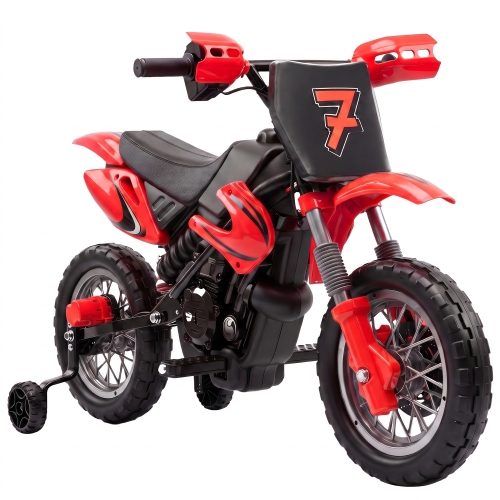

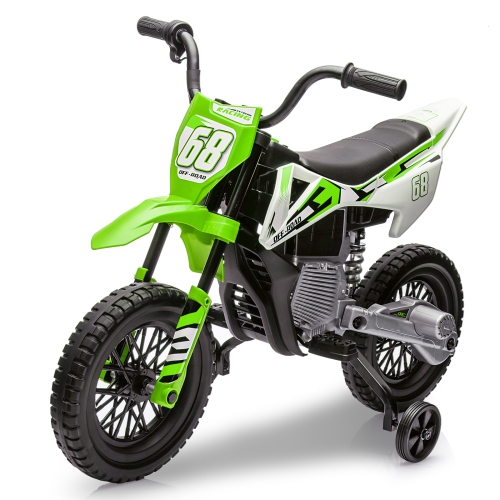

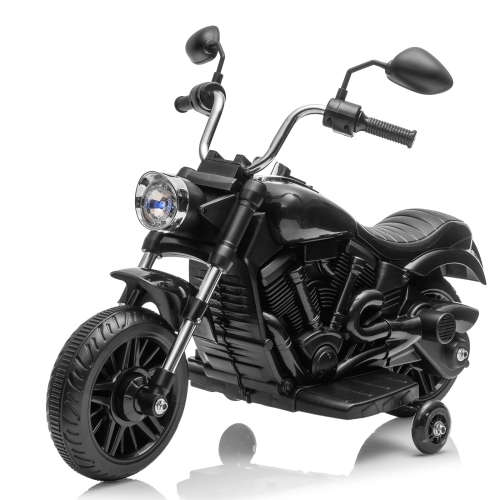
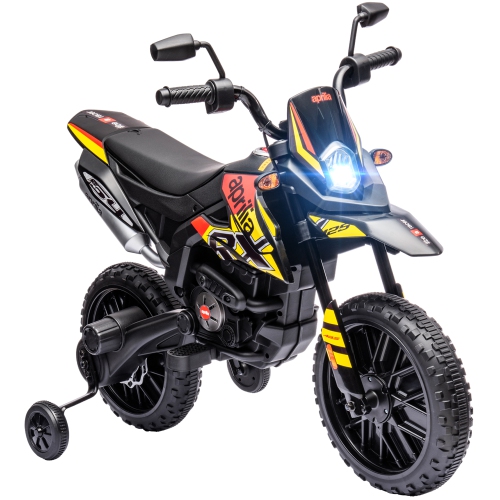



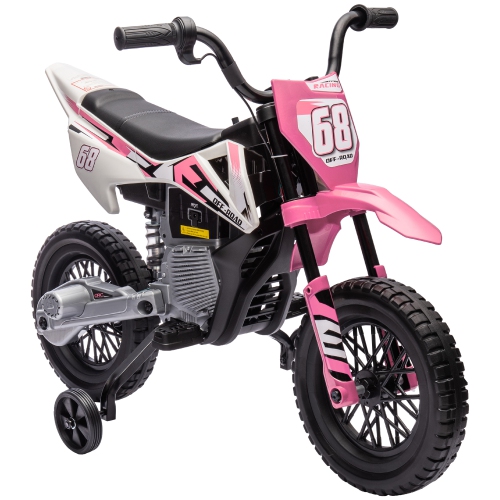
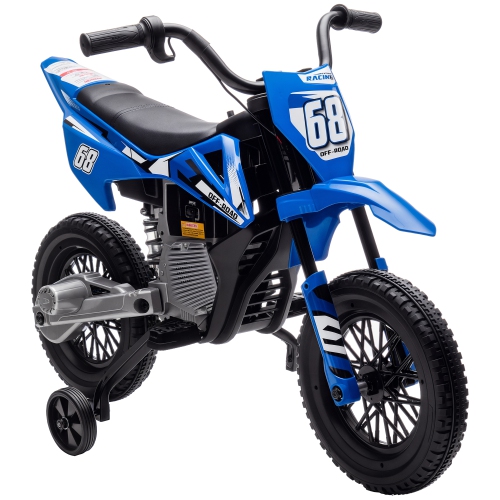
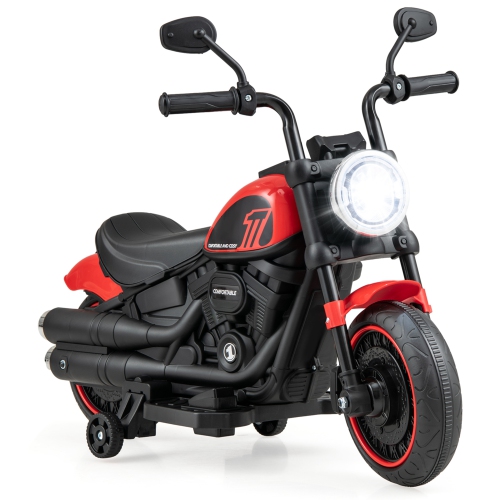


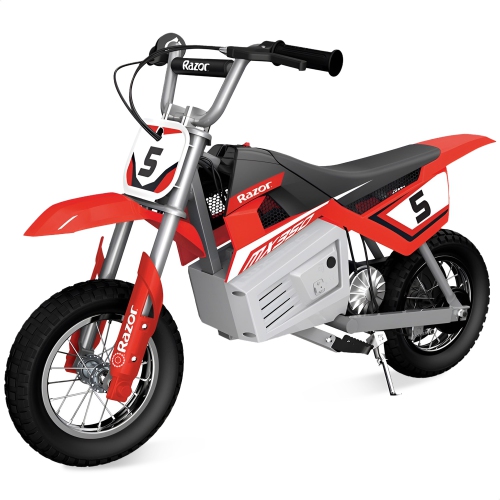
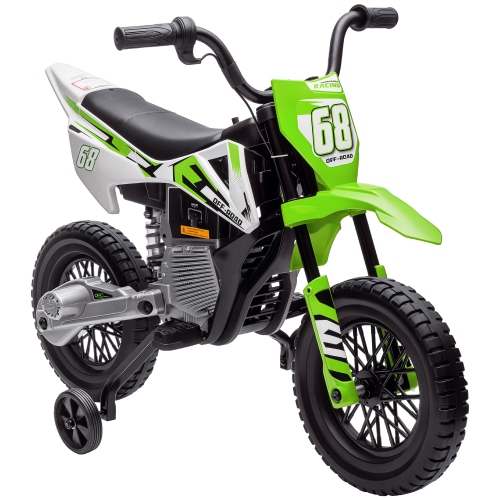

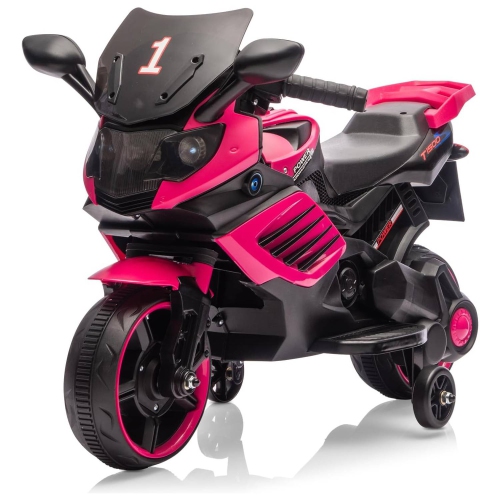
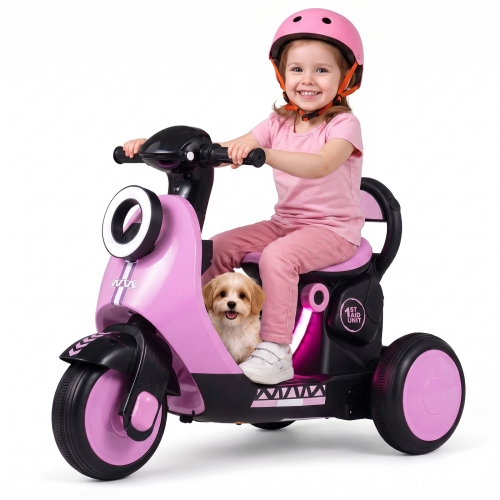
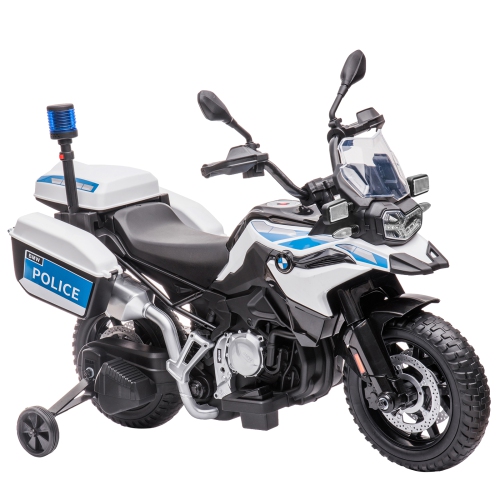

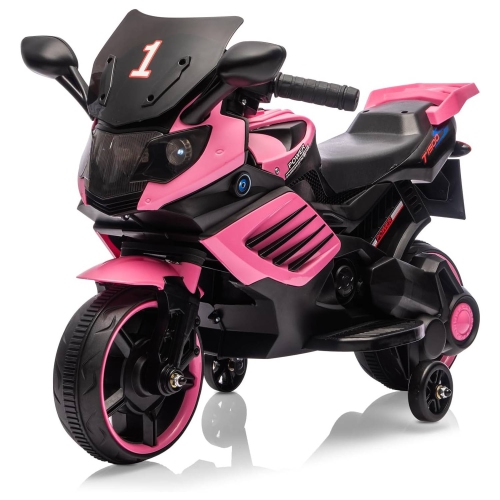
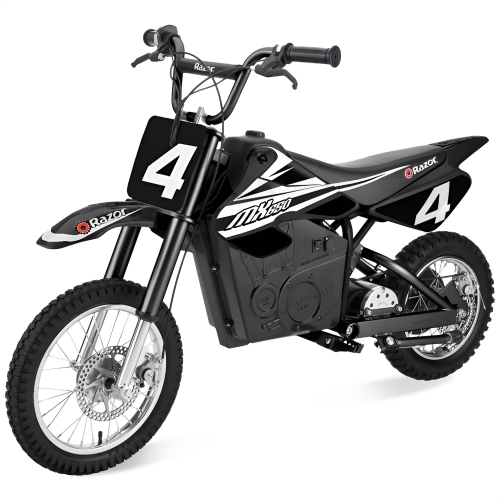
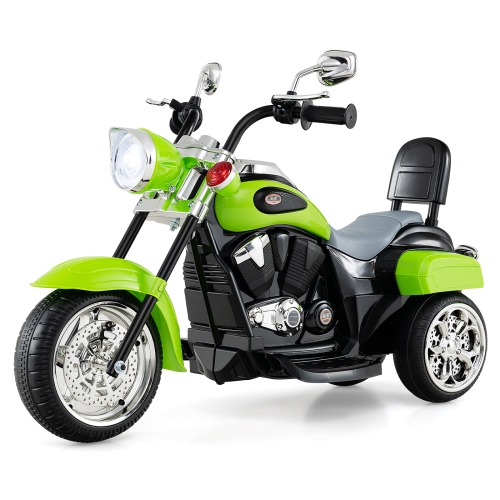


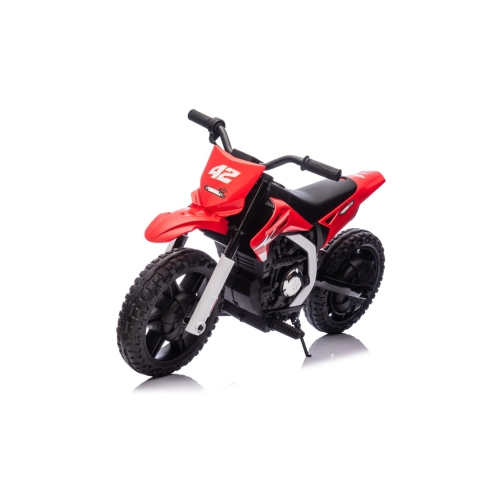







Why smaller bikes aren’t always built for beginners
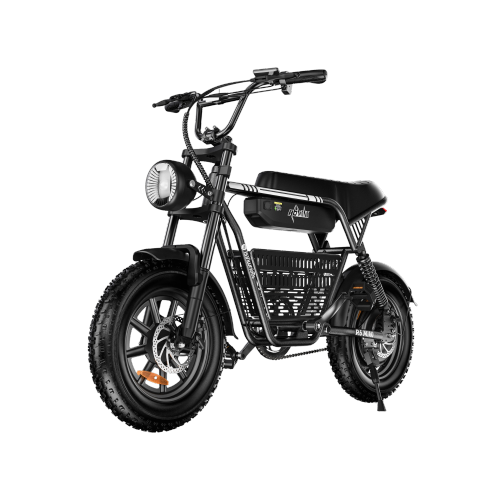
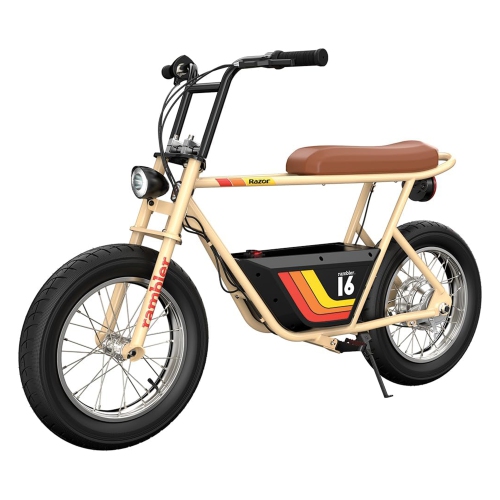
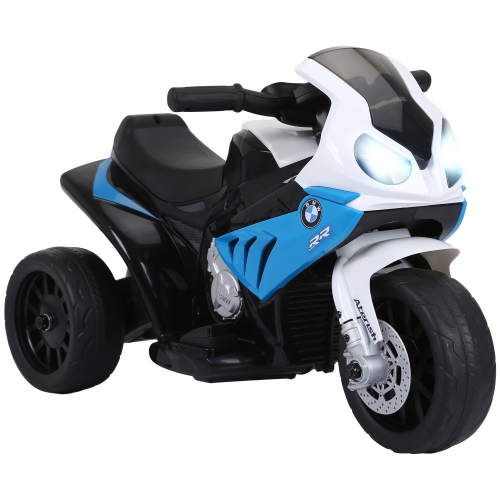
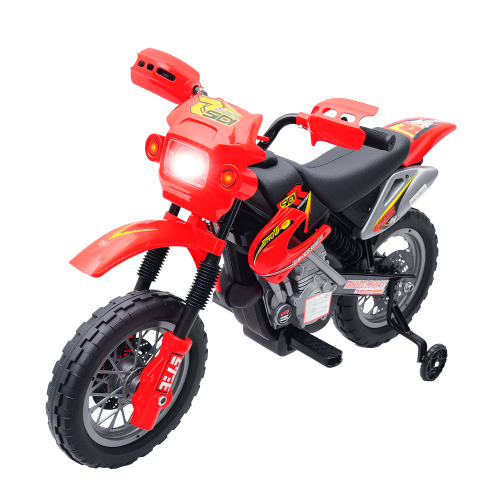
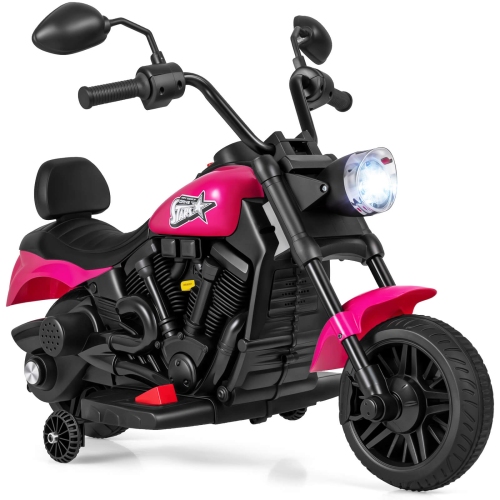
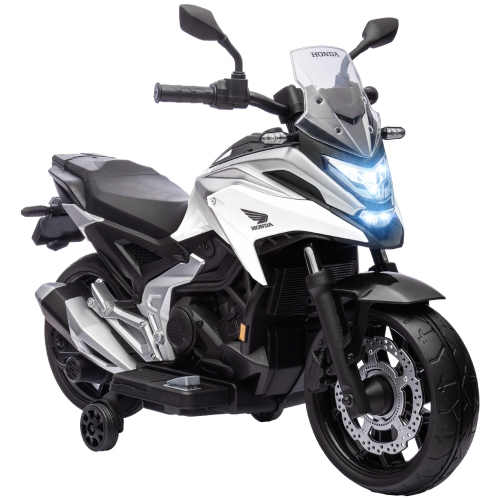
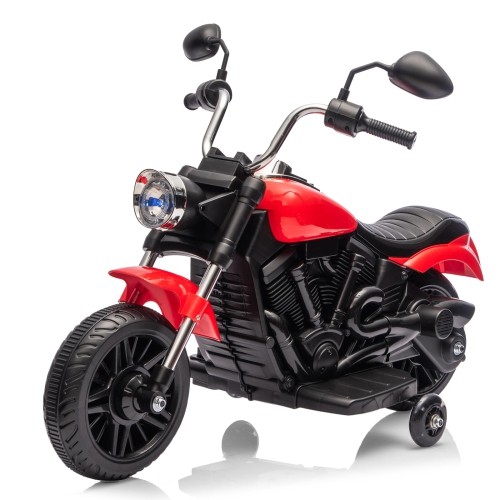
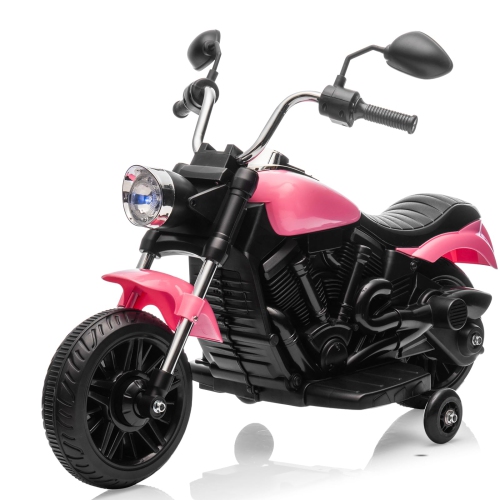
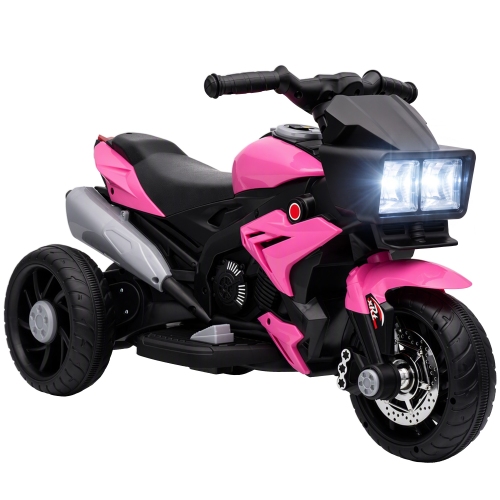
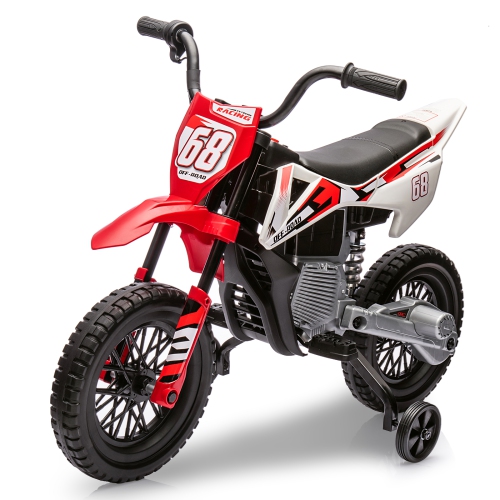
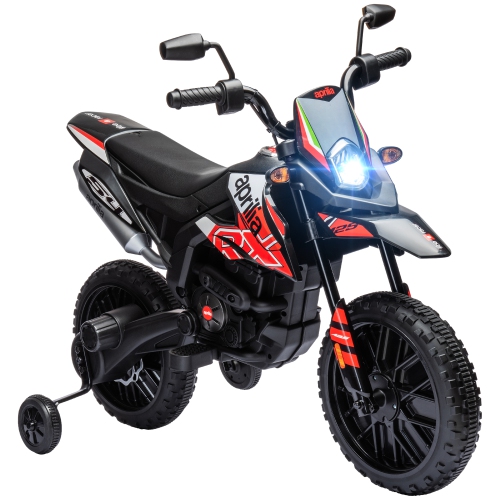
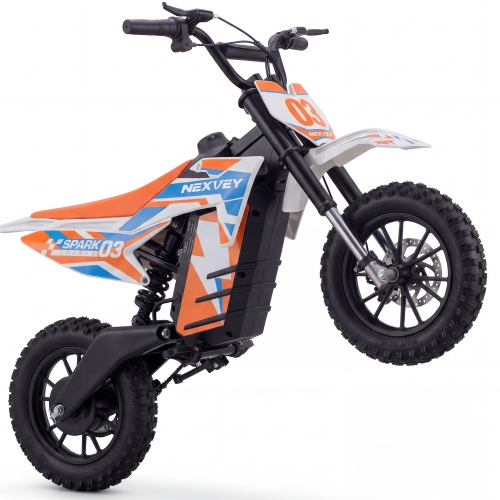
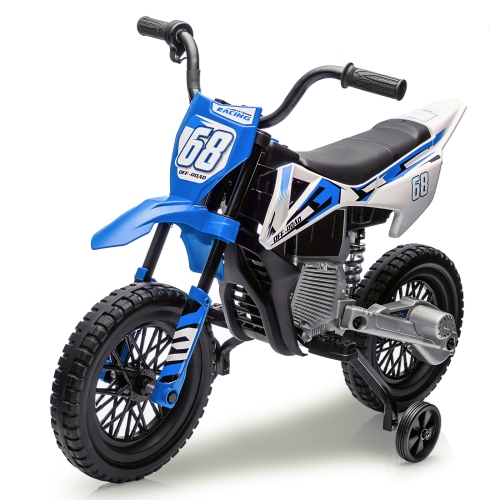
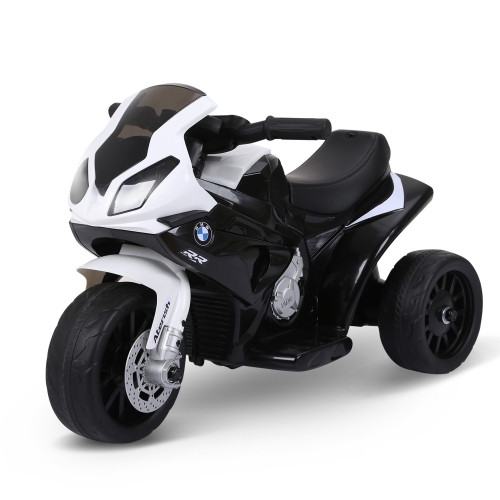
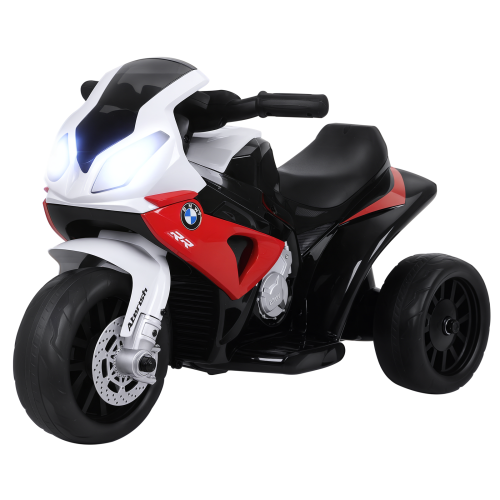
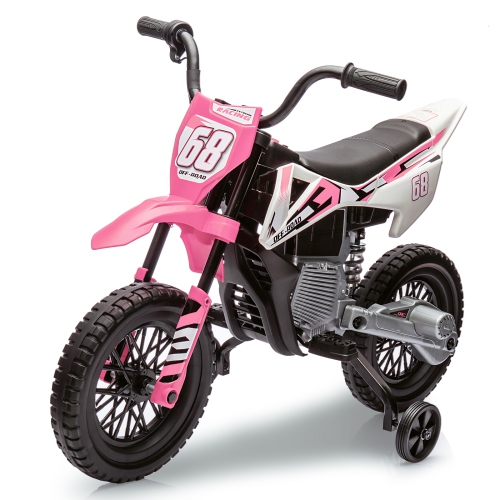
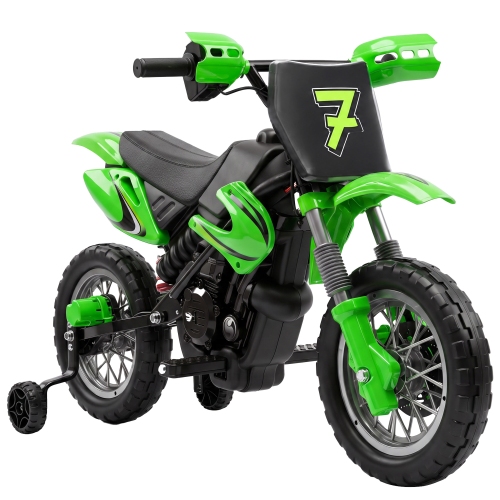
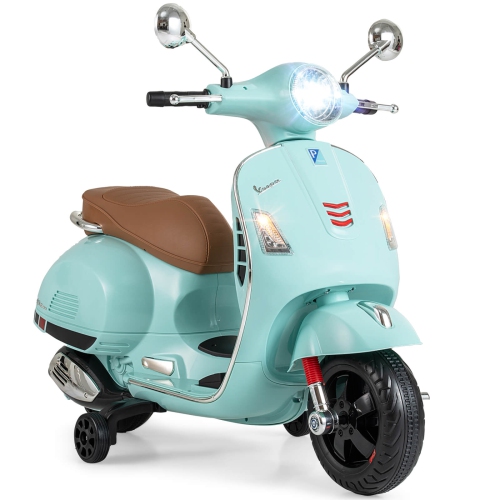
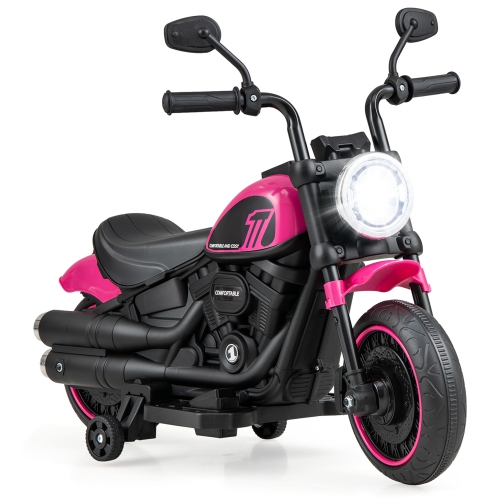
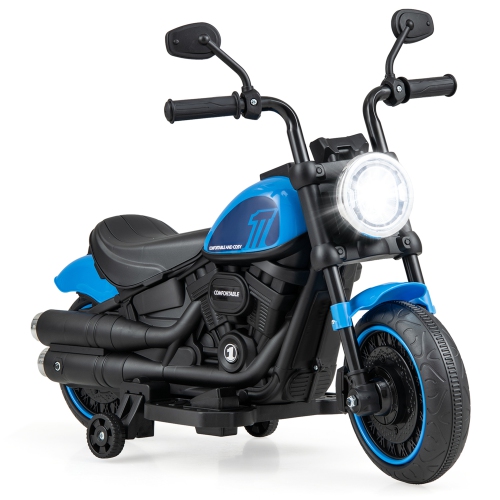
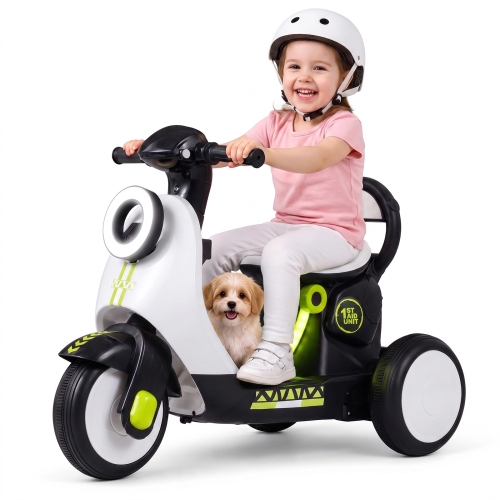
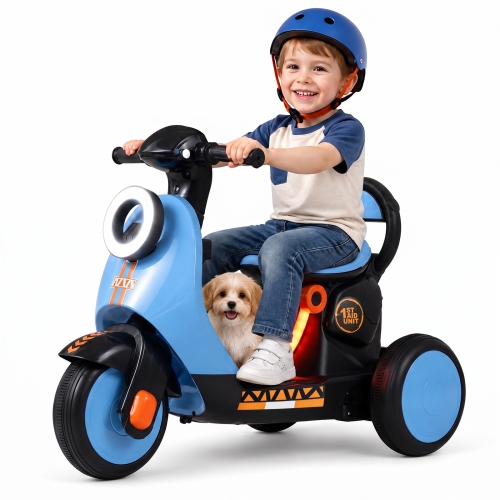
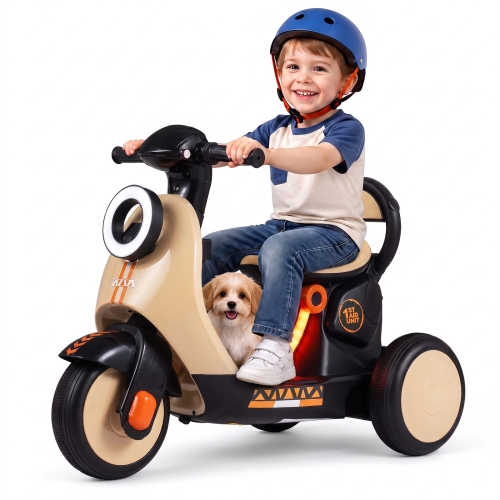
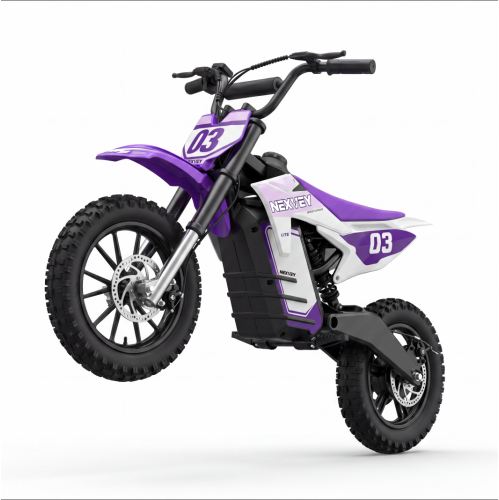
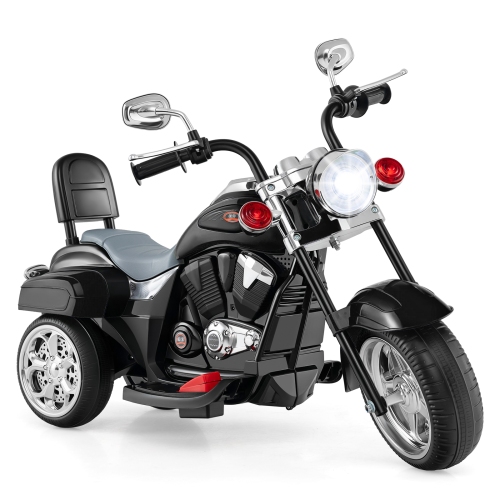
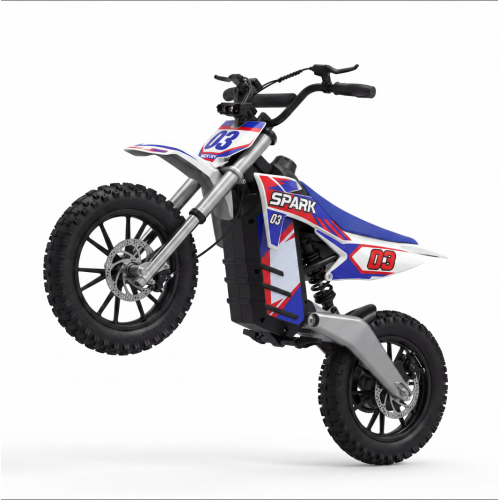
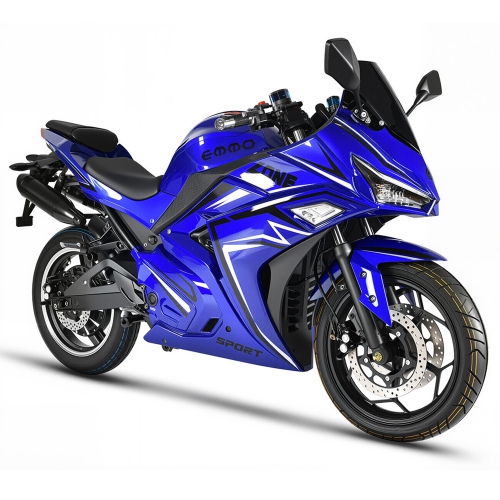
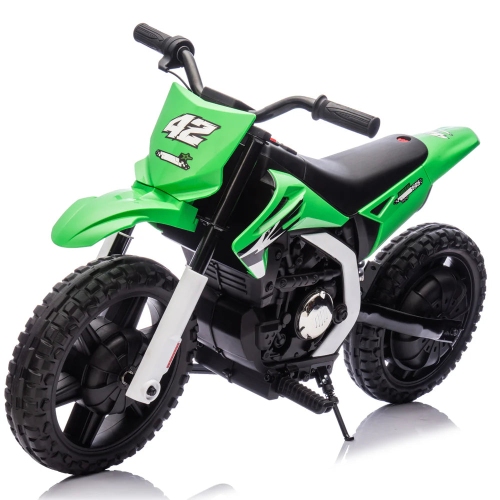
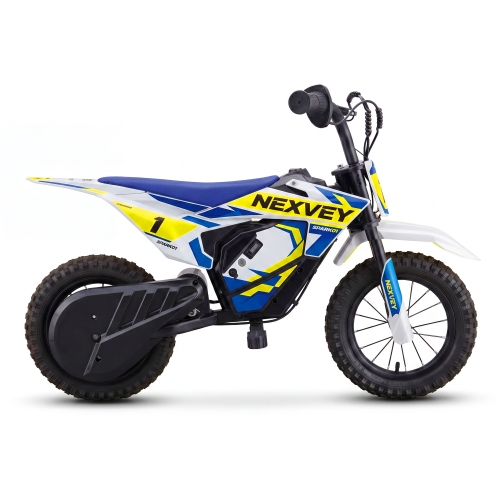
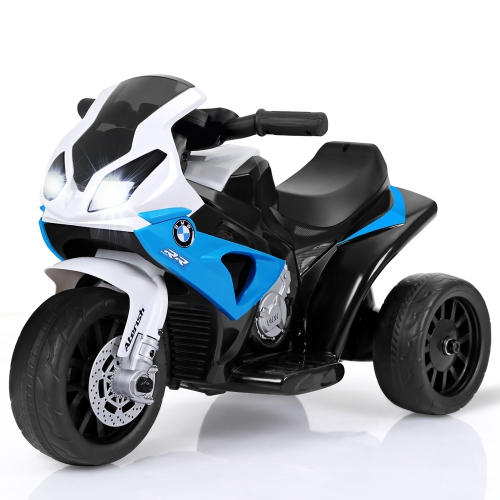
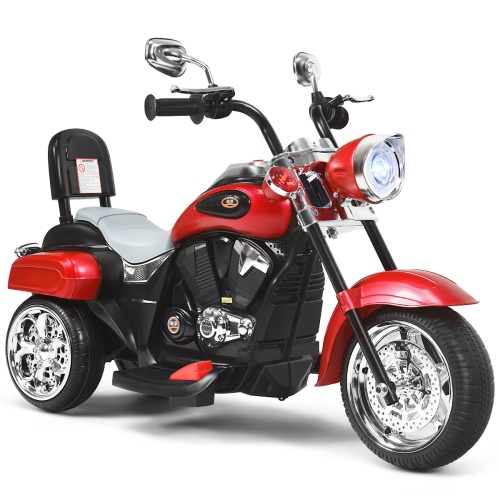
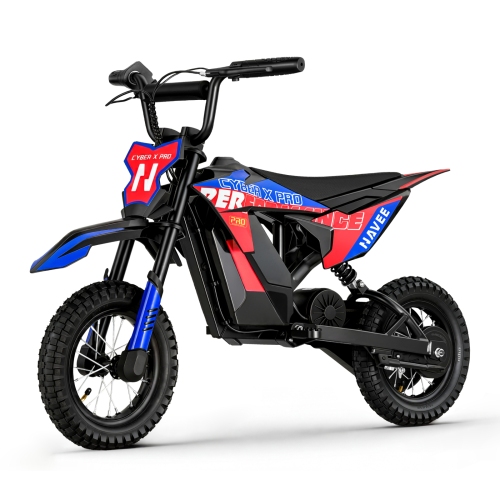
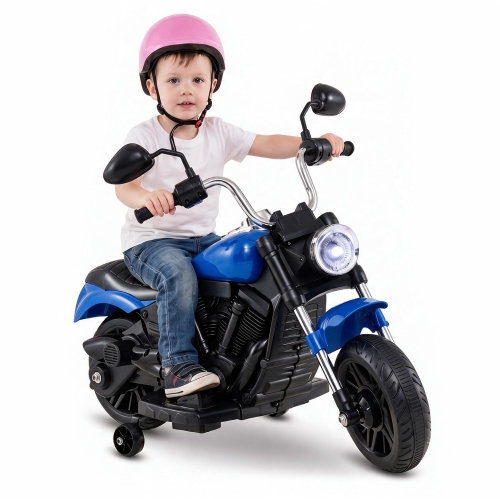
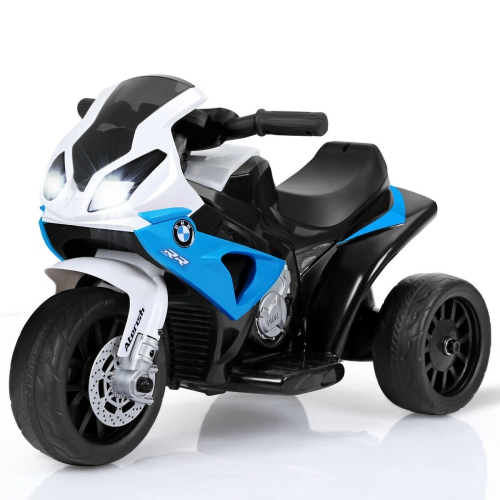
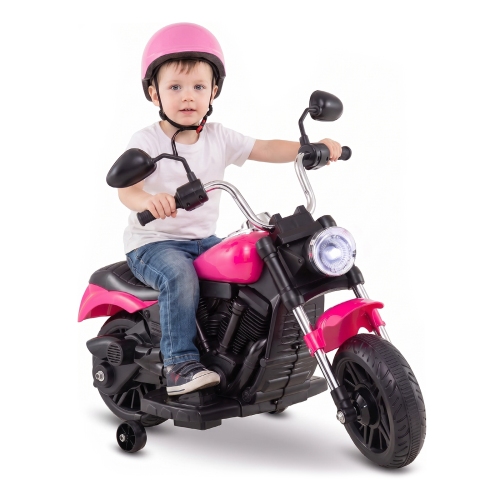
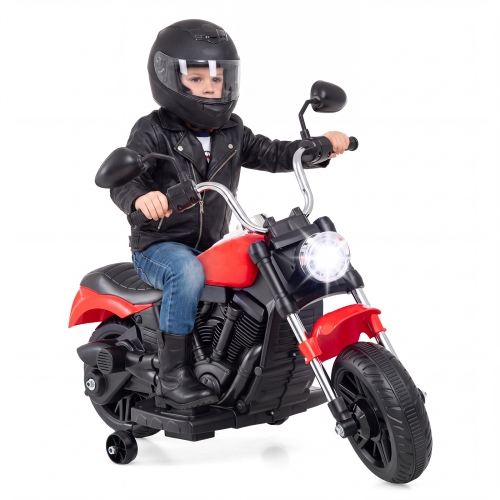
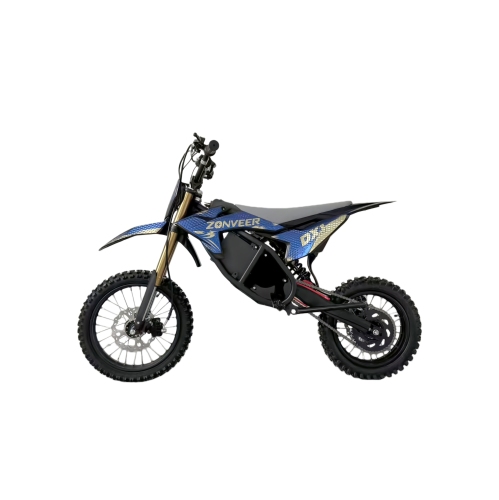
Mini electric motorbikes are compact, battery-powered two-wheelers with motorcycle-style seating, handlebars, and controls. The category includes smaller recreational bikes designed for children, youth-sized machines, and compact models built for adult riders, so “mini” describes size rather than a universal level of speed or power. An electric motor drives the bike using energy stored in a rechargeable battery, with acceleration commonly controlled through a handlebar throttle. Unlike a pedal-assisted bicycle, a mini electric motorbike does not necessarily require pedalling, and its appearance alone does not establish its legal vehicle classification. Intended use matters: a beginner bike for supervised riding on permitted private property serves a different purpose from a more powerful machine designed for an experienced rider. Public-road use requires a vehicle that qualifies under applicable provincial and local rules, together with any required licensing, registration, insurance, and protective equipment. Permission to use cycling paths, parks, or trails should never be assumed. For children, the manufacturer’s age recommendation, maximum rider weight, and supervision requirements are important alongside physical fit. A rider needs comfortable access to the handlebars, throttle, brakes, and footrests without stretching or crowding their knees. Seat height, overall weight, and the ability to support and control the bike at a stop also affect confidence. A bike that looks manageable while parked can feel quite different when accelerating or turning. Beginner-friendly characteristics may include a lower speed setting, predictable throttle response, and controls that are easy for smaller hands to operate. A properly fitted helmet appropriate to the activity, closed-toe footwear, gloves, and suitable protective gear belong with the riding experience. As a gift, a mini electric motorbike is best matched to the recipient’s present abilities and an agreed riding location, rather than chosen solely for its styling or extra power to grow into.
Construction and component design help distinguish mini electric motorbikes intended for different riders and surfaces. Frames may use steel or aluminum, while moulded body panels provide motorcycle-inspired styling without necessarily being structural parts. Frame quality, secure mounting points, and accessible service components matter more to long-term durability than appearance alone. Overall dimensions affect how easily the bike can turn within a permitted riding area, and its weight influences whether an adult can move it into storage or transport it safely. Wheel diameter and tire design also shape the ride. Smaller wheels contribute to a compact profile, but surface irregularities can feel more pronounced; tires with a deeper tread may suit specified loose surfaces, while other designs are intended for smoother ground. Pneumatic tires need pressure checks, and the manufacturer’s recommended pressure supports predictable handling and helps prevent unnecessary wear. Suspension, where fitted, can reduce some of the jolts from uneven ground, but it does not make every surface suitable or remove the need for controlled riding. Braking systems vary, with disc, drum, or other designs depending on the bike. Brake reach, stopping performance, and the rider’s ability to operate the controls are especially relevant for younger users. Motor specifications need context as well: continuous rated power and peak power describe different operating conditions, and a larger wattage figure does not automatically mean a better match for the rider. Battery capacity expressed in watt-hours describes stored energy, while motor wattage describes power. Advertised range and ride time are estimates influenced by rider weight, speed, hills, surface resistance, tire pressure, and how often the bike accelerates. Repeated starts on a permitted practice circuit can use energy differently from steady riding on level ground. Battery chemistry, charging time, and whether the battery is removable also influence everyday use. Selectable speed modes or parental controls, when included, can help tailor performance, but they do not replace supervision or the ability to stop confidently.
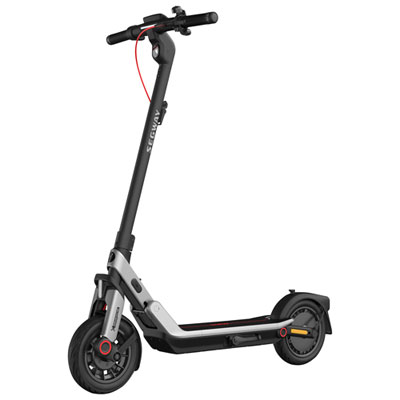
The seated riding position is one reason shoppers distinguish mini electric motorbikes from Mini Electric Scooters, which often use a deck-and-handlebar layout, although seating and controls vary across both categories. A motorbike-style seat and footrests create a different posture, balance, and mounting experience, making actual dimensions more useful than photographs when assessing fit. Practical ownership also includes space for parking, charging, and routine checks. A compact bike may take up less floor space than a full-size motorcycle, but handlebars, a kickstand, and the clearance needed to move around it still matter. Storage should keep the bike secure and prevent children from operating it without permission. Charging requires the supplied or manufacturer-approved compatible charger and the location specified in the owner’s manual, with the charging area kept clear of combustible materials. A battery showing damage, swelling, leakage, or an unusual odour should not be charged or used. For removable batteries, secure latching and careful handling protect both the battery and its connections. The owner’s manual also sets the appropriate charging routine and storage charge level when the bike will sit unused for an extended period. Everyday care is straightforward but important: tires, brakes, fasteners, cables, and steering components need checks at the intervals specified by the manufacturer. Chain-driven designs may require chain adjustment and lubrication, while enclosed or hub-driven systems have different service needs. Cleaning should follow the bike’s instructions, using methods that protect electrical connections and battery compartments; a water-resistance rating is not permission to submerge the bike or use a pressure washer. After a tip-over, checking the handlebars, throttle return, brake operation, and visible damage helps identify problems before another ride. For a young rider practising smooth starts and deliberate stops, or an adult enjoying a compact recreational machine where permitted, these details support a riding experience built around suitable fit, controlled performance, and consistent care.
Top selling and popular products
-
 Your price for this item is $150.99
-
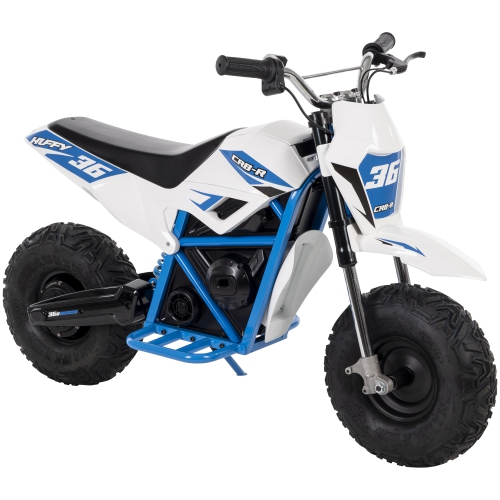 Your price for this item is $799.99
-
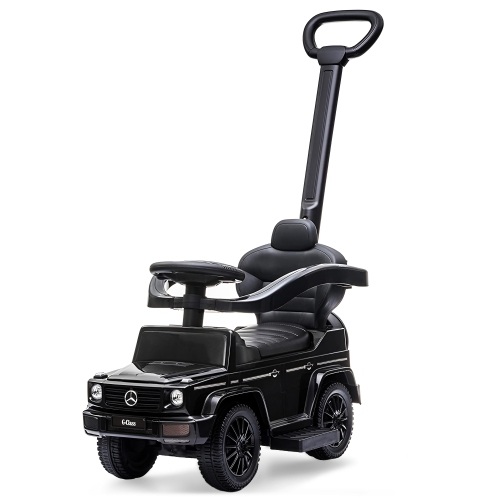 Your price for this item is $142.99
-
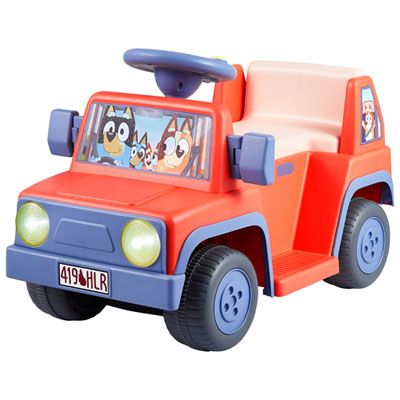 Your price for this item is $199.99
-
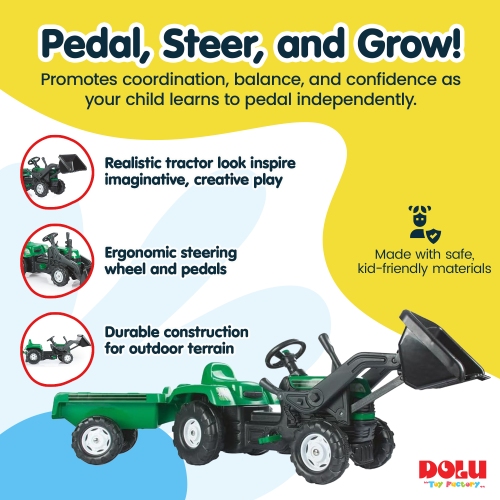 Your price for this item is $204.99
-
 Your price for this item is $199.99
-
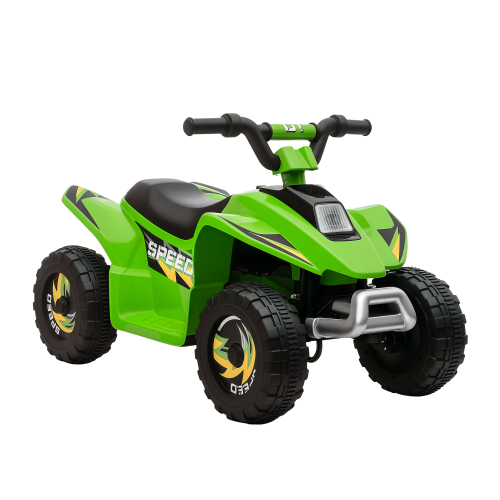 Your price for this item is $82.95
-
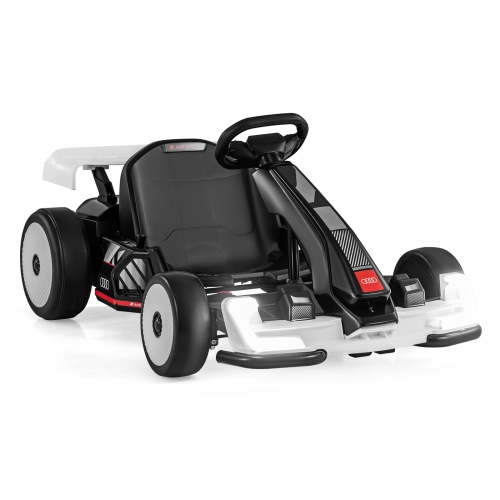 Your price for this item is $449.99
Discover more categories related to Mini Electric Motorbikes

Top Collections:
Pokemon Centers, Best Cameras for Sports Photography, Kindle Devices, Samsung Galaxy Phones, Canon G7X Cameras, Pokémon 30th Celebration Cards, Refurbished Apple Laptops, iPhone 15 Apple, Laptops for Students, Budget Smartphones
Some products may be subject to Environmental Handling Fees
(EHF) depending on your province.
Learn more about EHFs.