Mosquito Repellers
Keep pesky mosquitoes at bay with our range of mosquito repellers. Whether you're enjoying a relaxing evening on your patio, going camping in the great outdoors, or simply want to protect your family from annoying bites, our selection of mosquito repellers has you covered. With various options available, including portable devices and plug-in solutions, you can find the perfect repellent to suit your needs. Don't let mosquitoes ruin your outdoor fun – shop our collection of mosquito repellers today and enjoy a bug-free environment wherever you go.
Sort






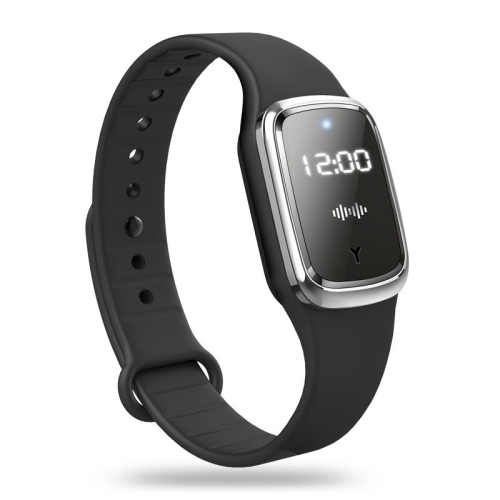
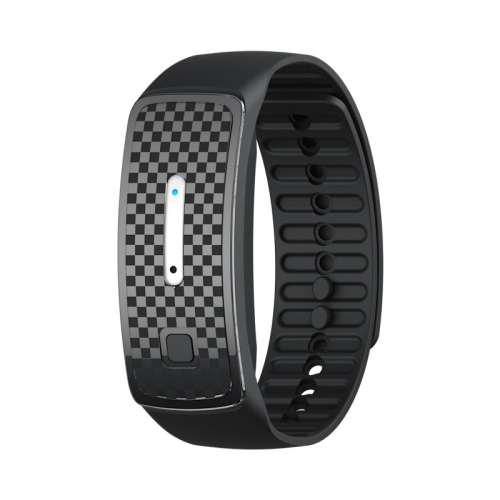
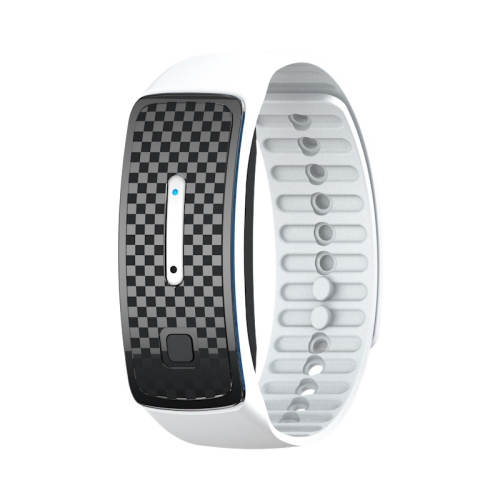
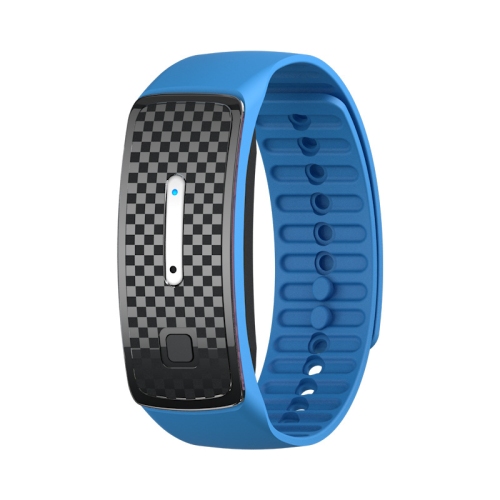

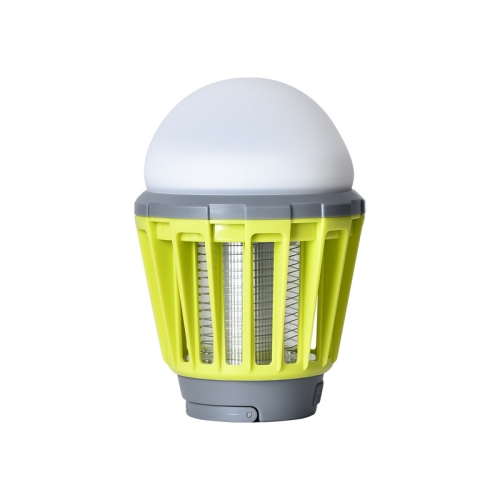
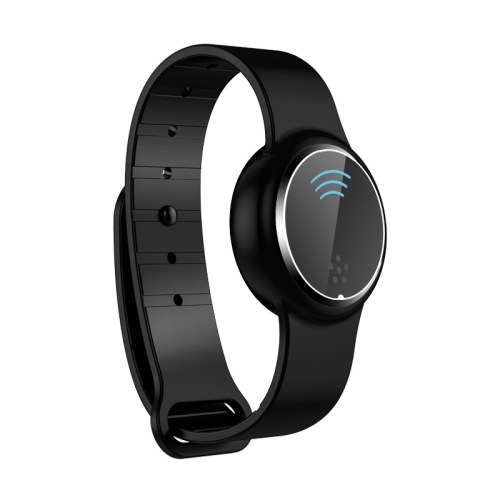

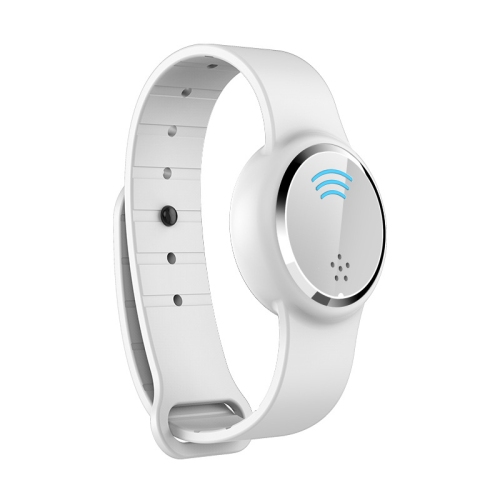

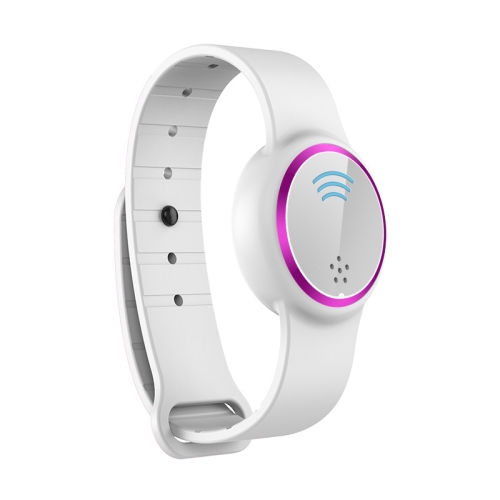







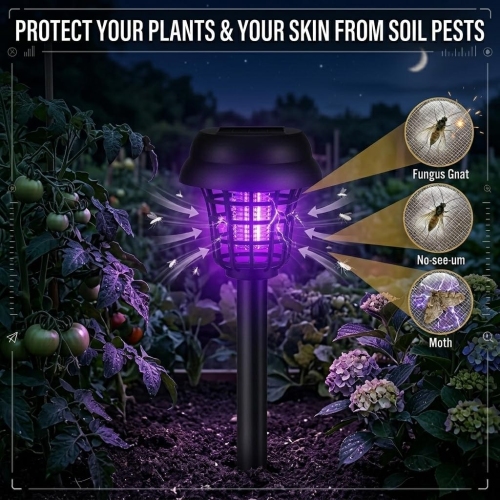

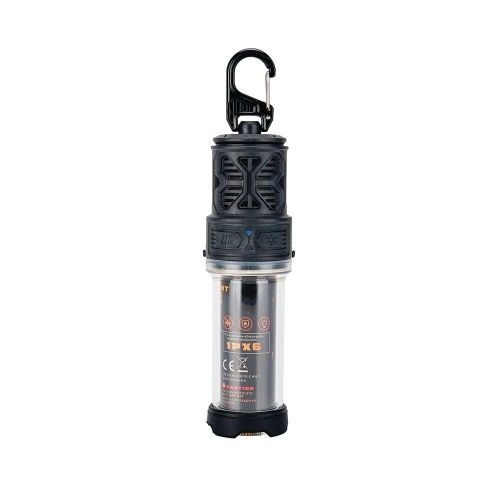


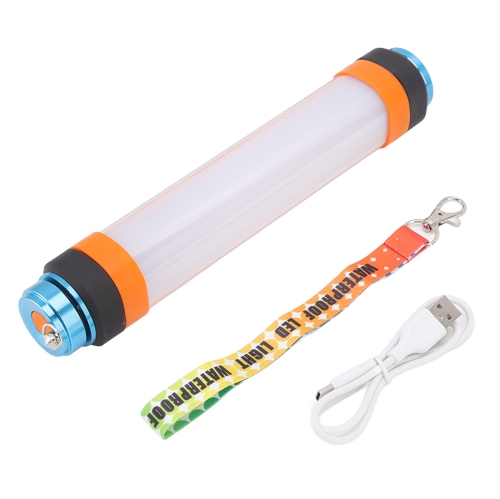


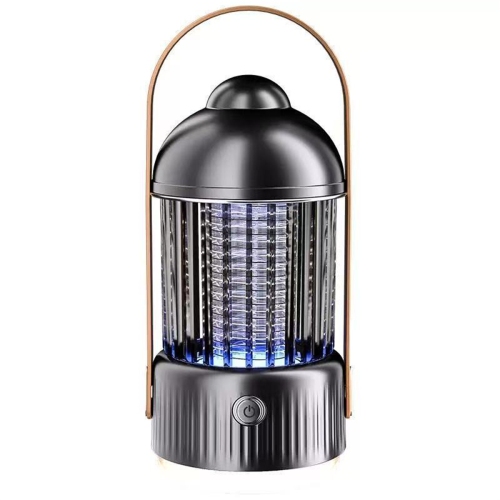











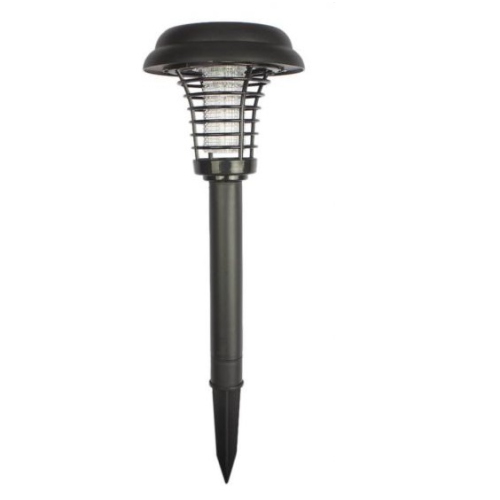

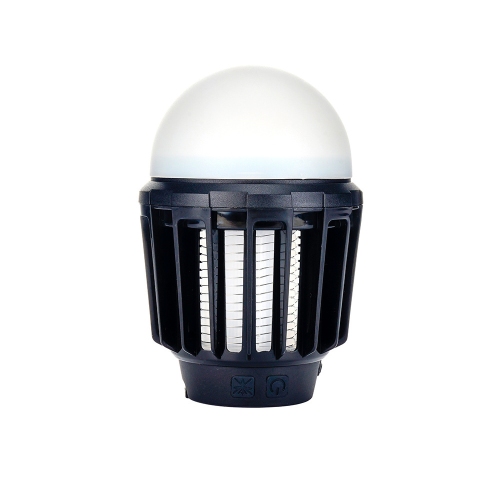


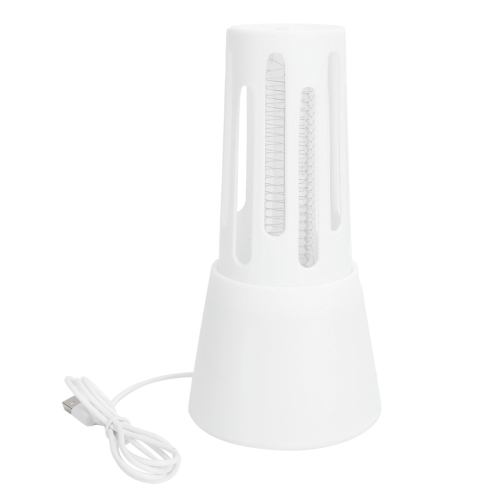




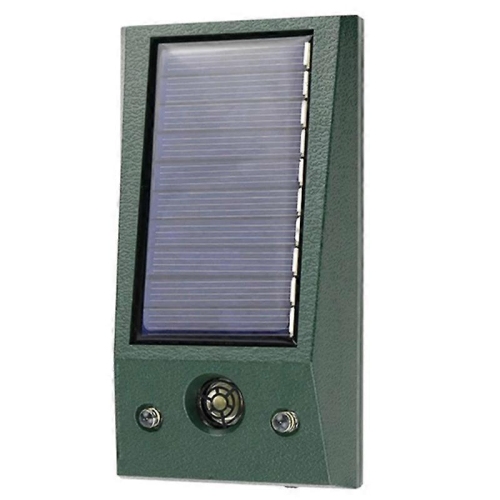
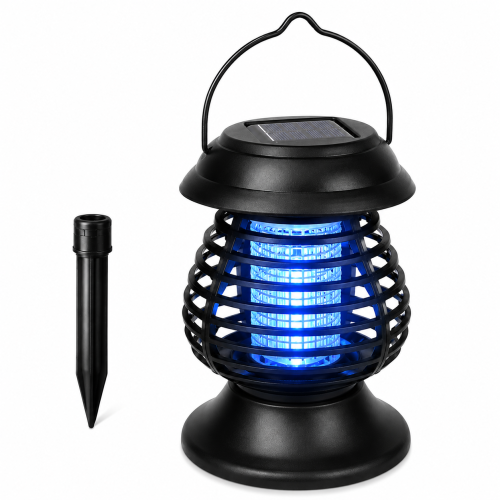
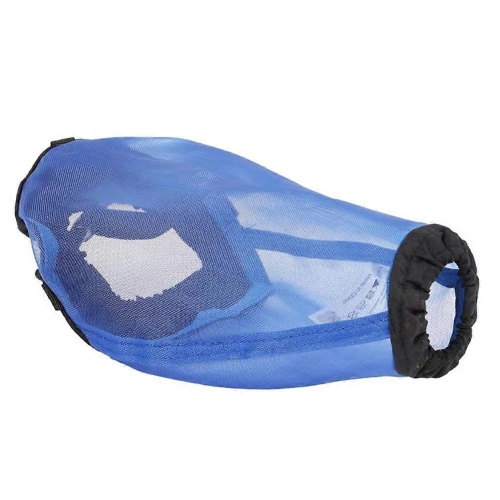
How placement affects mosquito protection around outdoor seating
Mosquito repellers are designed to help reduce mosquito activity around people, making them a practical addition to patios, campsites, picnic areas, and other outdoor gathering spaces. The category includes devices that release a mosquito-repelling substance into the surrounding air, with designs suited to a stationary seating area or portable use. Many spatial mosquito repellers use heat to disperse an active ingredient from a compatible mat or cartridge, creating a treated area around the device. They work differently from topical insect repellents, which are applied to exposed skin according to their labels, and from traps, which attempt to attract and capture mosquitoes. That distinction matters when matching a repeller to an activity: a device intended for a patio table serves a different purpose from a skin-applied repellent used while walking a wooded trail. Topical repellents containing DEET or icaridin, also called picaridin, are established options for personal protection when used as directed. A spatial repeller may be useful around a place where people remain seated, but its protection depends on the particular device, its labelled coverage, placement, and conditions. Coverage claims should not be treated as a fixed barrier that works equally well in every setting. Air movement can carry the active ingredient away from the intended area, and a large, open deck presents different demands from a compact seating nook. Some devices also need an initial operating period before reaching their stated performance, so instant protection should not be assumed. For Canadian households, a relevant consideration is whether a repellent product is registered with Health Canada’s Pest Management Regulatory Agency and labelled for the intended use. The active ingredient, directions, restrictions, and registration information provide more useful detail than broad claims alone. Devices marketed around ultrasonic sound should not be assumed to offer proven mosquito protection, and insect lights or zappers are not interchangeable with mosquito repellers.
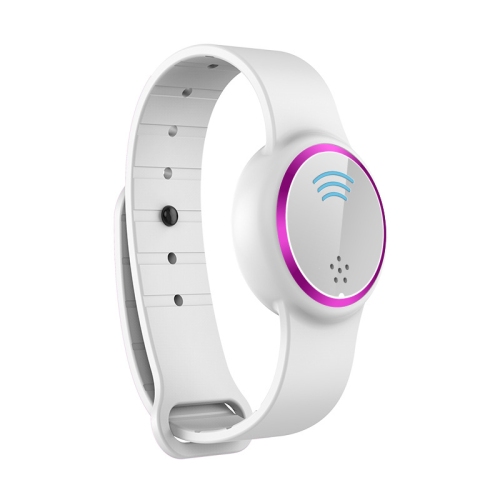
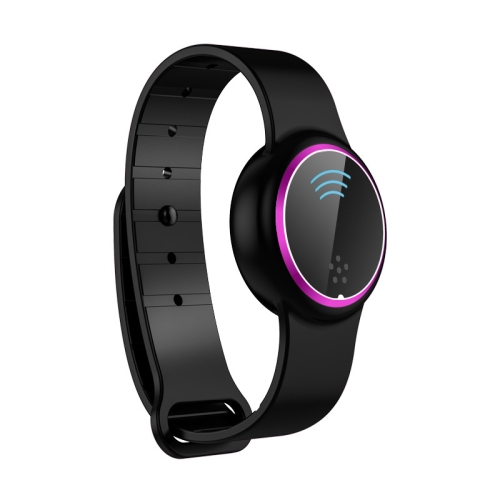
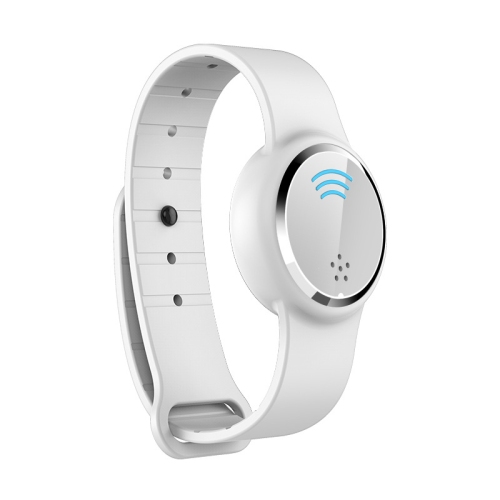
The most useful design depends on where the repeller will sit, how often it will move, and how it is powered. A tabletop model with a broad, stable base can suit a patio conversation area, while a compact, lightweight design may fit more easily into camping luggage or a day bag. For portable mosquito repellers, weight and packed dimensions matter alongside coverage: a device that fits neatly beside a water bottle still needs to be used in its labelled position, with its vents unobstructed. A carrying loop, protective case, or clip can make transport more convenient, but an attachment point does not necessarily mean a device is approved to operate while worn. Rechargeable designs need enough battery runtime for the intended outing and access to suitable charging equipment between uses. Fuel-powered designs have different operating requirements, including compatible fuel supplies and any restrictions associated with storage or transport. An evening around a picnic table may call for several hours of continuous operation, whereas short visits to a balcony place different demands on runtime. Battery life and repellent life are separate considerations; a charged device cannot provide its intended effect if the repellent supply is depleted. Clear power indicators, readable refill indicators, and controls that are easy to operate can help make these details less easy to overlook. Housing materials and construction also deserve attention. Moulded plastic can keep a device light and be straightforward to wipe clean, while reinforced corners and securely fitted covers may help it withstand routine handling. Durability depends on the overall build and intended use, not simply whether a housing contains metal. A weather-resistant design may tolerate limited exposure, but that does not mean it can be submerged, left in heavy rain, or cleaned under a tap. Any stated water-resistance rating should be read alongside the care directions. On a crowded outdoor table, stability, clearance from fabrics, and distance from food can be just as important as a compact footprint.
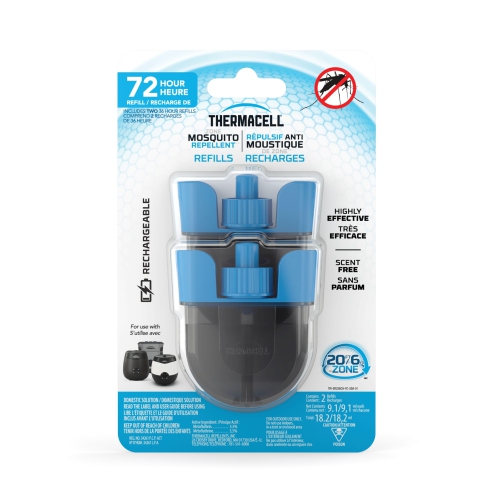
Ongoing care and refill compatibility are part of owning a mosquito repeller, especially for households that use one repeatedly at a cottage, on a deck, or during camping trips. Depending on the design, the consumable component may be a repellent mat, liquid cartridge, fuel cartridge, or another specified format. These components are not universally interchangeable, even when they look similar or appear to fit the same opening. The device’s model information and labelled refill requirements are the best starting points when browsing mosquito repellent refills. The stated operating time of a refill also matters when planning repeated use, although actual use should always follow the label rather than an improvised schedule. Refills should remain in their original packaging until needed and be stored as directed, away from children, pets, food, and sources of heat where specified. A repeller generally benefits from simple, careful maintenance: switching it off before handling consumables, allowing heated parts to cool, and wiping the exterior only as the manufacturer permits. Adding other liquids, refilling sealed cartridges, or substituting unapproved materials can change how the device operates and create avoidable risks. Intended use is particularly important around families and animals. An outdoor repeller should not be assumed suitable for bedrooms, enclosed tents, vehicles, or other confined spaces, and a product labelled for use around people is not necessarily appropriate near every pet. Restrictions involving food preparation, aquariums, or other sensitive areas also need attention where noted on the label. For people who spend time outdoors, mosquito repellers can be a thoughtful gift when the recipient’s usual setting, access to power, and willingness to replace consumables are considered. A frequent camper may value easy packing, while someone who enjoys reading on the patio may prefer stable placement and straightforward controls. In either case, a repeller is one part of bite prevention rather than a promise of a mosquito-free space. Intact screens, suitable clothing, removal of standing water around the home, and appropriate personal repellent can complement a device without relying on it to do every job.
Top selling and popular products
-
 Your price for this item is $64.99
-
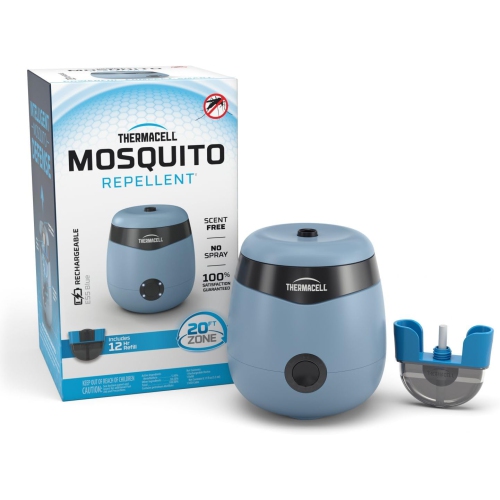 Your price for this item is $109.99
-
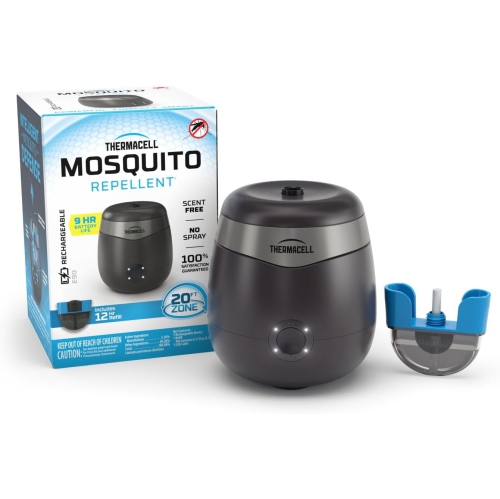 Your price for this item is $87.99
-
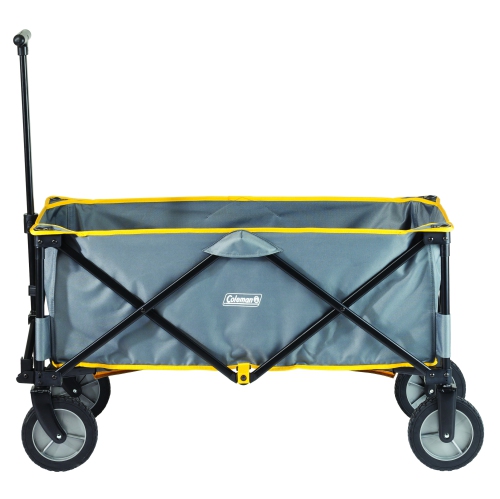 Your price for this item is $199
-
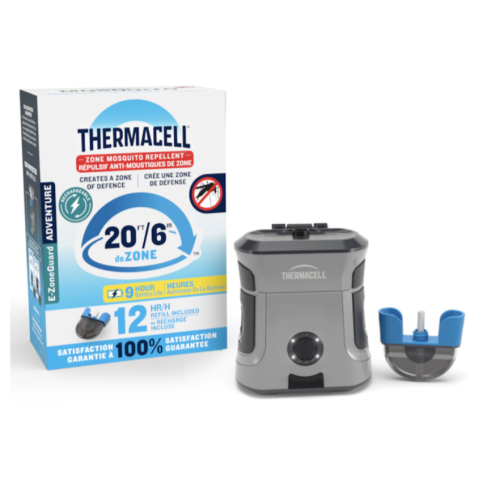 Your price for this item is $64.99
-
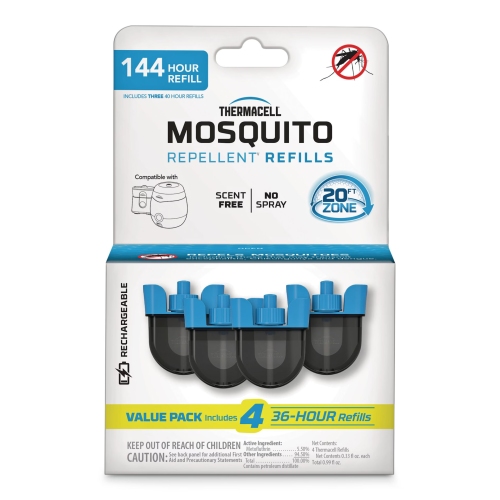 Your price for this item is $67
-
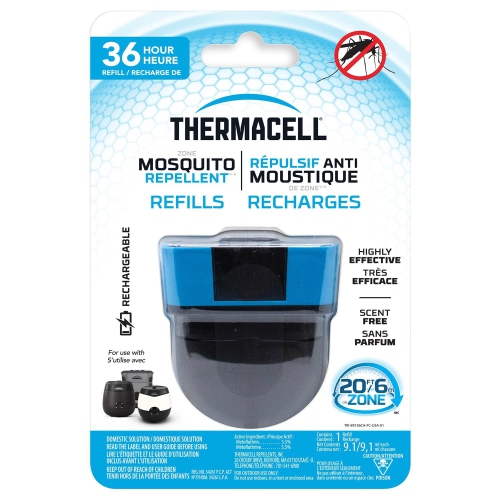 Your price for this item is $34.99
-
 Your price for this item is $90
Discover more categories related to Mosquito Repellers
Top Collections:
Pokemon Centers, Kindle Devices, Best Budget Office Chairs, Canon G7X Cameras, Apple iPhones 16, Samsung Galaxy Phones, Refurbished Apple Laptops, Laptops for Students, iPhone 15 Apple, Budget Smartphones
Some products may be subject to Environmental Handling Fees
(EHF) depending on your province.
Learn more about EHFs.