Rechargeable Mosquito Repellent Devices
Rechargeable mosquito repellent devices offer a convenient and effective solution for keeping unwanted pests at bay, whether you're relaxing at home or enjoying the outdoors. Designed for ease of use and portability, these devices provide protection without the need for constant battery changes or disposable refills. With a range of options to suit different needs and preferences, rechargeable mosquito repellent devices help create a more comfortable environment so you can focus on what matters most. Explore the selection to find the right fit for your space and lifestyle.
Sort

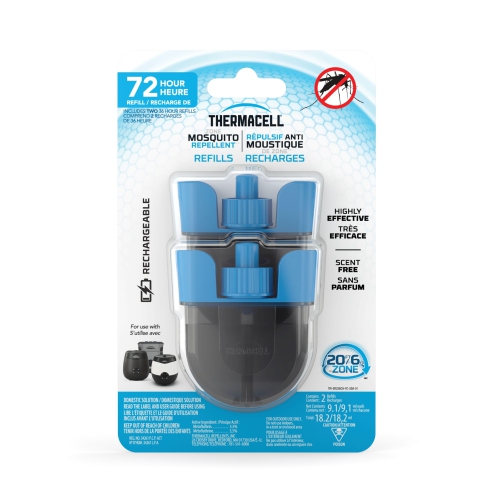


Portable mosquito protection without repellent on your skin
Rechargeable mosquito repellent devices offer a portable way to help reduce mosquito activity around an outdoor seating area without applying repellent directly to skin. Many use a battery-powered heating element to release an active repellent from a compatible liquid refill or treated mat, forming a zone of protection around the unit. They work differently from traps or bug zappers: rather than attracting and capturing or killing insects, spatial repellers are designed to help keep mosquitoes away from a defined area. That makes them particularly suited to activities where people stay in one place, such as sharing a meal at a picnic table, reading on a deck, or relaxing beside a campsite. Rechargeable designs can operate without a continuous connection to an electrical outlet, giving them flexibility where a cord would be inconvenient. Some use formulations described as scent-free or DEET-free, but those characteristics depend on the refill and should not be assumed across the category. Scent-free also does not mean that a device releases nothing into the air; the active ingredient and labelled precautions still matter. Coverage, activation time, and battery runtime vary by design, so there is no single protection distance or operating duration that applies to every rechargeable repeller. A device may need time to establish its protective zone before people settle into the space, and wind can shift or disperse the released repellent. Advertised coverage is therefore best understood alongside the operating conditions and placement directions, not as a guaranteed barrier around every patio. Within the broader selection of Mosquito Repellers, rechargeable designs appeal to people who want battery-powered operation and a reusable housing for repeated outings. Their usefulness comes from matching the device to the size and layout of the gathering space, the length of each visit, and the way it is intended to be used.
Battery performance and refill capacity are separate considerations, even though both affect how long a rechargeable mosquito repeller can operate. A fully charged battery will not provide protection if the mat or liquid refill is spent, and a fresh refill cannot compensate for an empty battery. Listed runtime may also depend on the selected output setting, particularly on designs with more than one operating mode. For an evening on a balcony or a few hours at a campsite, straightforward controls and a clear battery indicator can be more useful than a long list of extra functions. Longer outings make charge time, remaining-charge visibility, and access to a suitable power source more important. USB charging can simplify packing, but connector types, required power inputs, and included charging accessories differ. Operation while charging is another model-dependent feature rather than something to assume. Where offered, an integrated light or power-bank function adds versatility, although sharing battery capacity with other functions may shorten repellent runtime. Refill format also shapes everyday use. Treated mats and liquid cartridges have different replacement schedules, handling requirements, and storage directions, and they are not interchangeable simply because they appear to fit. Compatibility includes the approved formulation as well as the physical connection. A secure refill compartment and an easy-to-read operating indicator help make setup more straightforward, especially when unpacking a picnic basket or arranging chairs before guests arrive. For Canadian use, the repellent should be registered with Health Canada, and the product label should identify its approved uses and precautions. A claim about approval in another country does not replace Canadian registration. Label directions also establish where a device may be used, how it should be positioned, and any restrictions near food, people, or animals. These details matter more than a broad claim that a repeller is suitable for every outdoor activity. Rechargeability describes the power source; it does not establish the effectiveness, safety, or permitted uses of the repellent itself.
Size, construction, and placement help distinguish a convenient patio companion from a device better suited to carrying between outdoor stops. A broad, stable base can be useful on a level side table, while a compact body takes up less room beside a water bottle or packed lunch. For portable use, weight and dimensions matter alongside any carrying loop, clip, or protective case. An attachment point may make transport easier, but it does not necessarily mean the device is approved to run while hanging from clothing or a backpack. Walking continuously along a trail is also different from sitting within an established protection zone, so stationary and wearable uses should not be treated as equivalent. Housings may combine moulded plastic with grip surfaces or reinforced sections, with durability depending on the construction and stated resistance ratings rather than appearance alone. Water resistance is not the same as waterproofing, and a rating should be read for the specific exposure it covers. Charging ports, covers, and refill compartments deserve particular attention after transport because dirt or damage can interfere with normal operation. Routine care generally centres on allowing the unit to cool, switching it off before handling refills, and cleaning the exterior only as directed. Immersing a housing, spraying cleaner into vents, or touching the heated area can damage the device or create a hazard. Dry storage, appropriate battery care, and keeping refills in their labelled packaging help keep the equipment organized between uses. Around a dining area, placement should follow the label rather than putting the repeller beside serving dishes for convenience. Outdoor-only devices should not be used inside a tent, vehicle, or other enclosed space unless that use is expressly permitted. They should also remain out of reach of children and pets. As a gift, a rechargeable repeller can suit someone who enjoys campsite dinners, quiet afternoons on a deck, or regular visits to a lakeside picnic spot, especially when the charging routine and refill format fit their habits. It remains one part of mosquito-bite prevention rather than a guarantee against bites or mosquito-borne illness; protective clothing, screens, and other appropriate measures may still be needed.
Top selling and popular products
-
 Your price for this item is $64.99
-
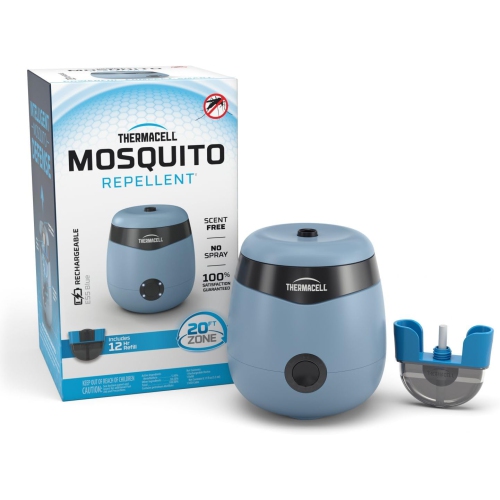 Your price for this item is $119.89
-
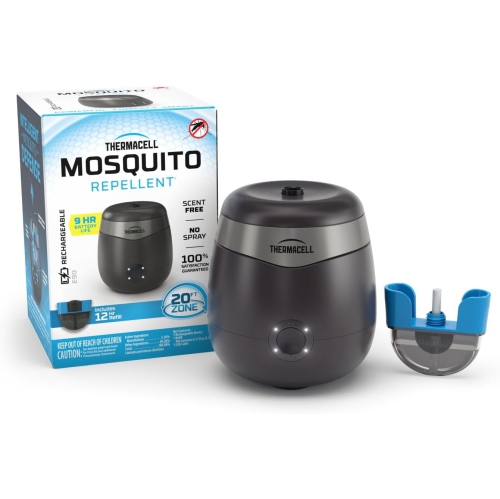 Your price for this item is $95.91
-
 Your price for this item is $199
-
 Your price for this item is $64.99
-
 Your price for this item is $67
-
 Your price for this item is $34.99
-
 Your price for this item is $90
Discover more categories related to Rechargeable Mosquito Repellent Devices
Top Collections:
Pokemon Centers, Best Cameras for Sports Photography, Kindle Devices, Samsung Galaxy Phones, Canon G7X Cameras, Pokémon 30th Celebration Cards, Refurbished Apple Laptops, iPhone 15 Apple, Laptops for Students, Budget Smartphones
Some products may be subject to Environmental Handling Fees
(EHF) depending on your province.
Learn more about EHFs.