Mounting Poles
When it comes to setting up your home entertainment system, mounting poles are a versatile and essential accessory to elevate your viewing experience. Whether you're looking to mount your TV for optimal viewing angles, secure speakers for immersive sound quality, or organize cables for a clean setup, mounting poles offer a practical solution. With various sizes and styles available, finding the right mounting poles to suit your needs is easy. Explore our selection of mounting poles to streamline your home entertainment setup today.
Sort
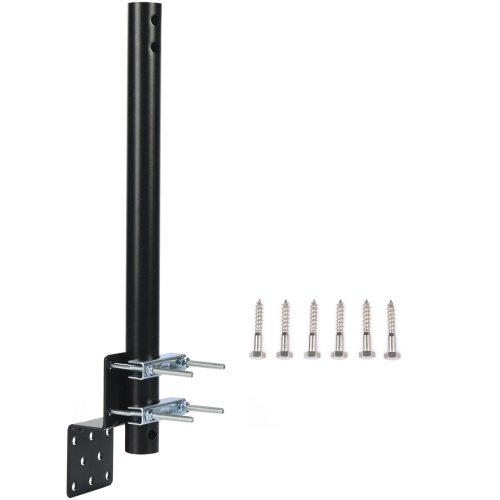

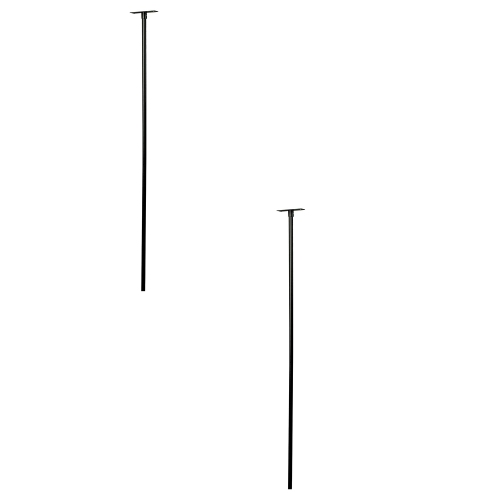


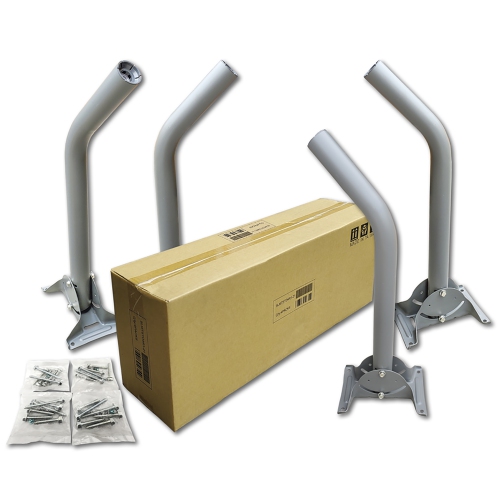


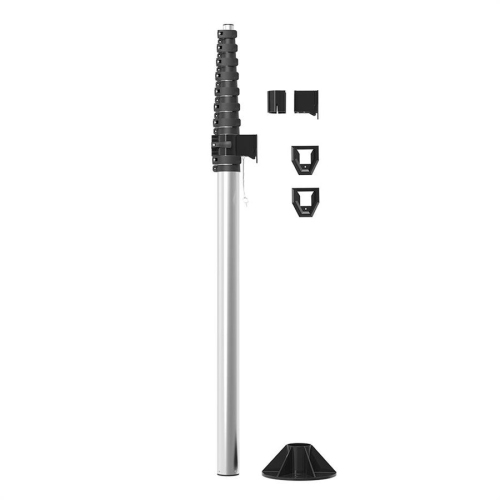


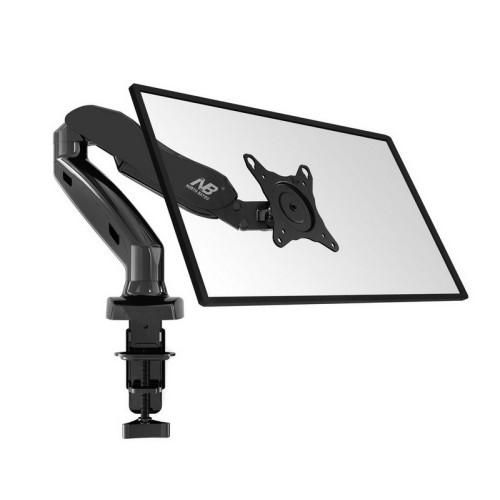
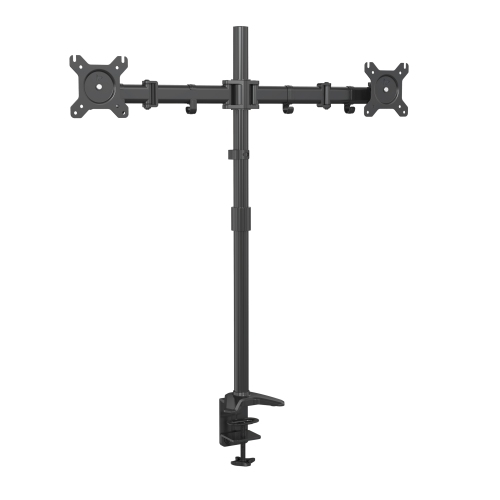
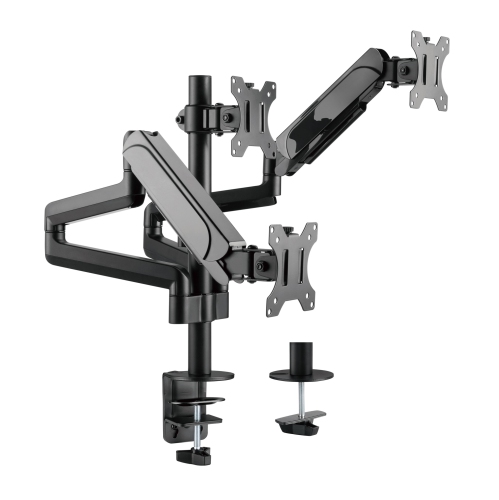

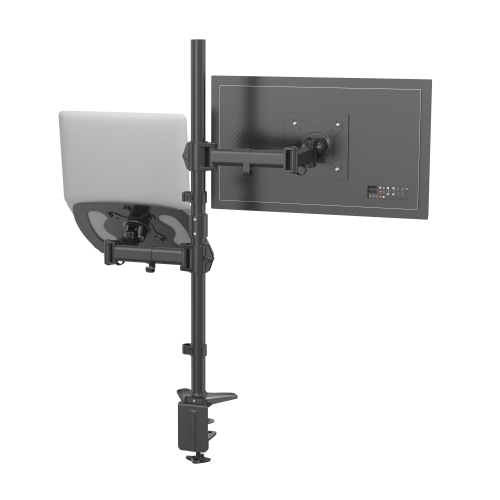

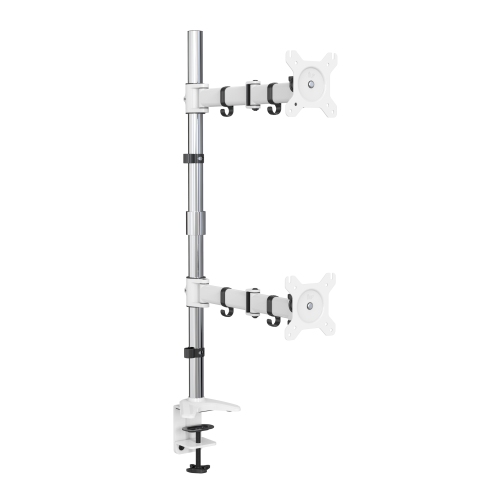

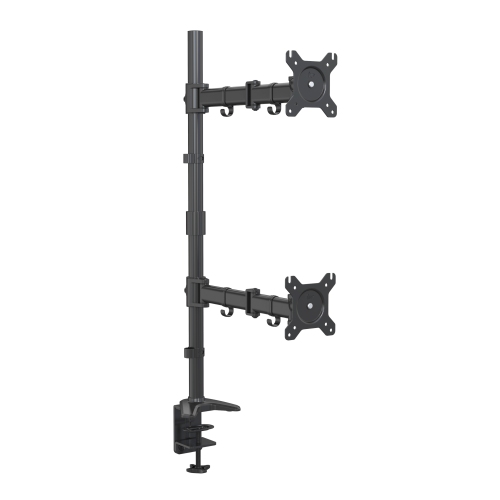

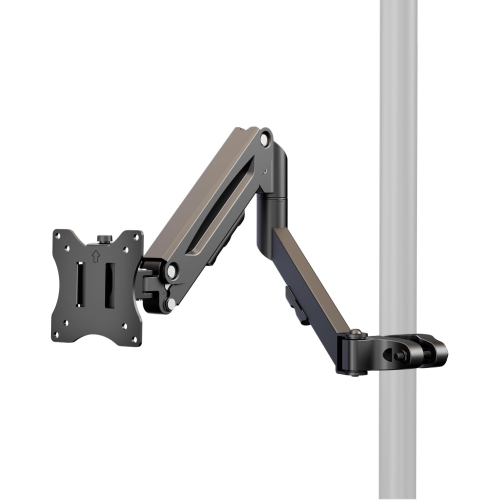

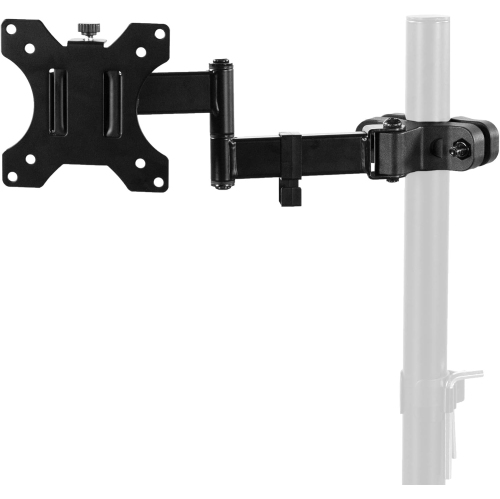


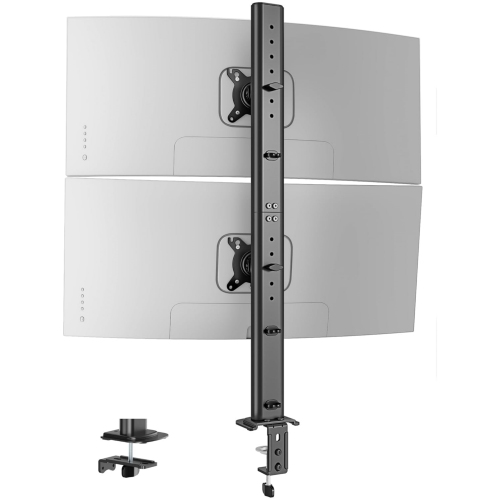

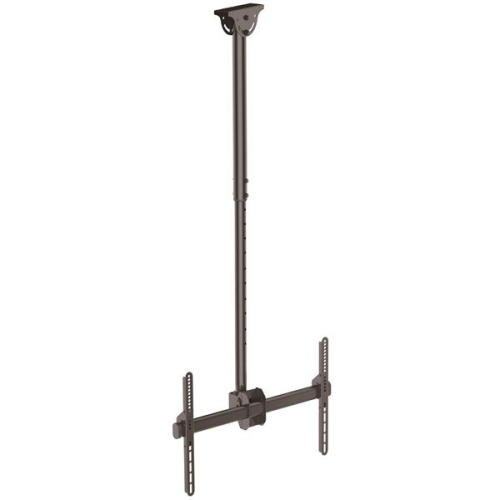
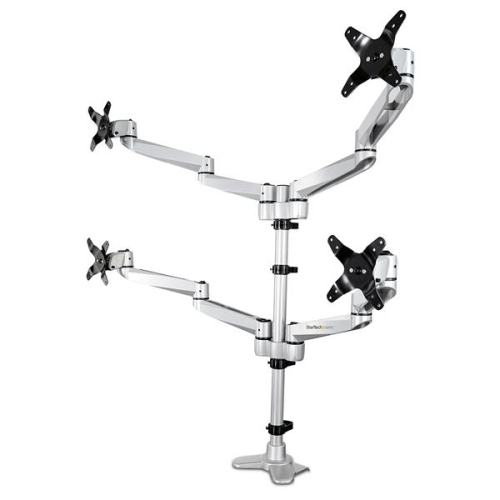
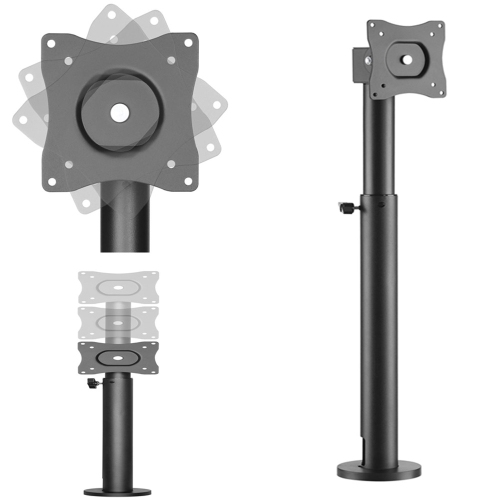
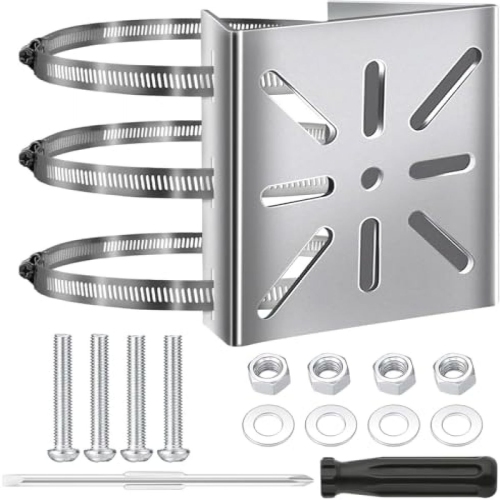

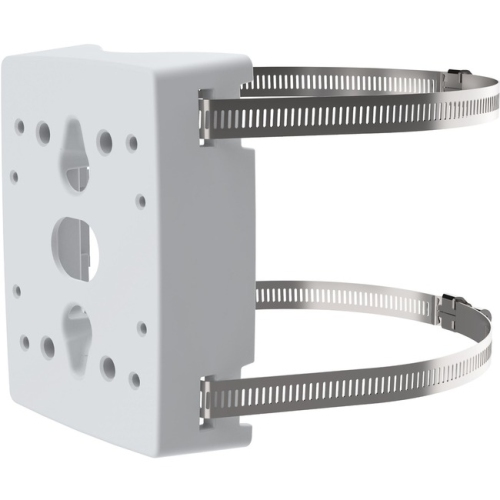

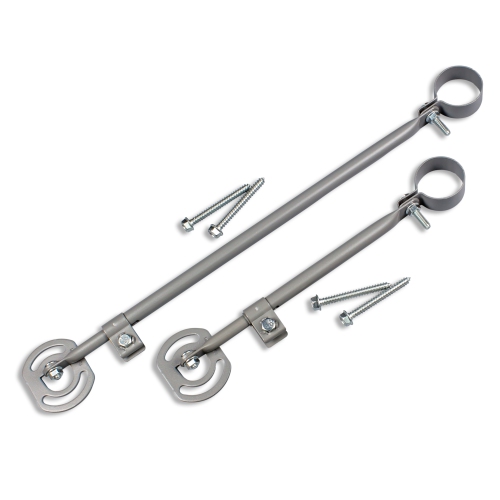
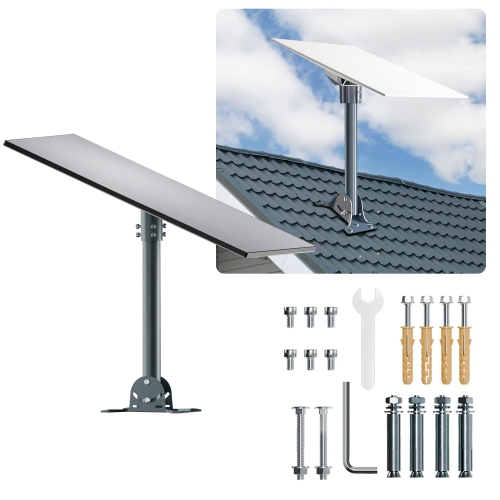
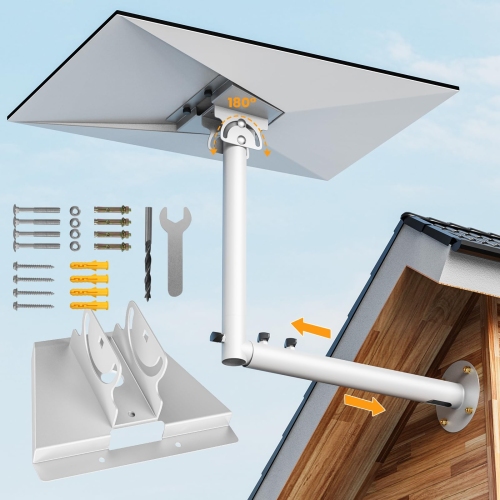
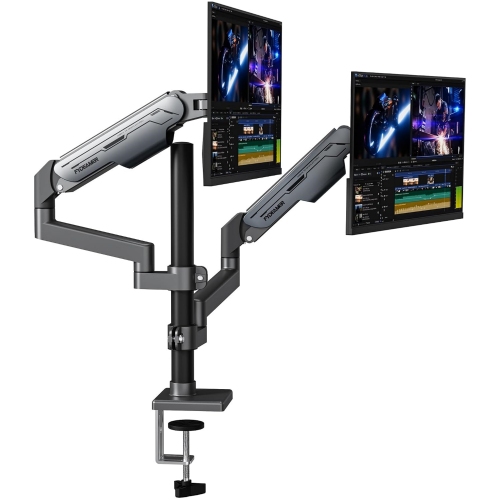
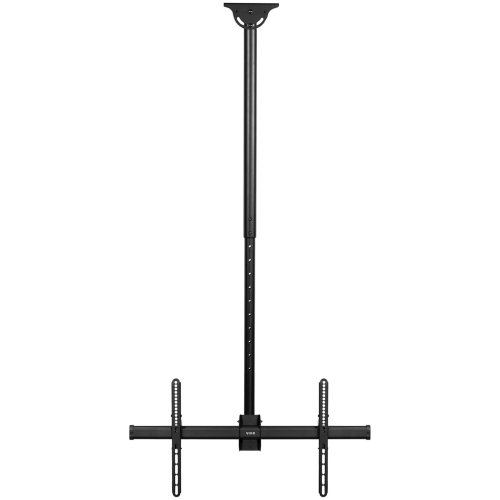
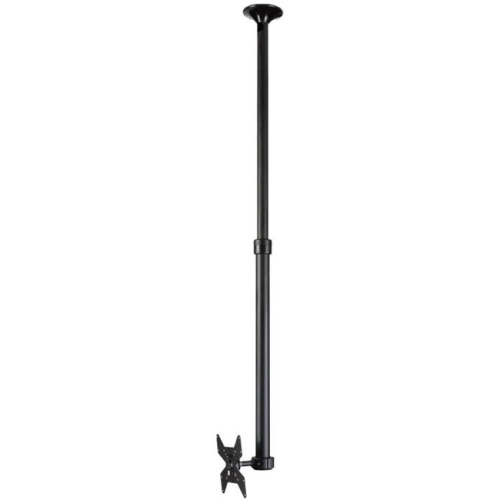
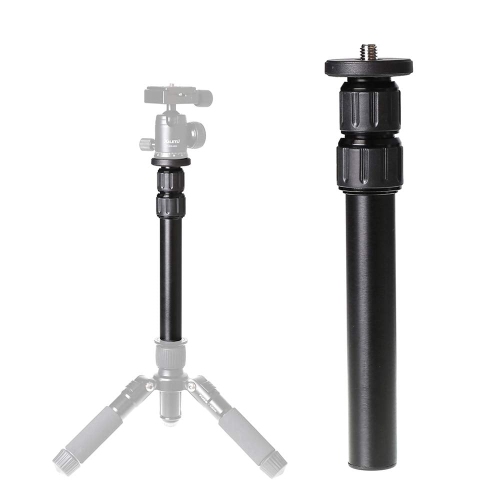

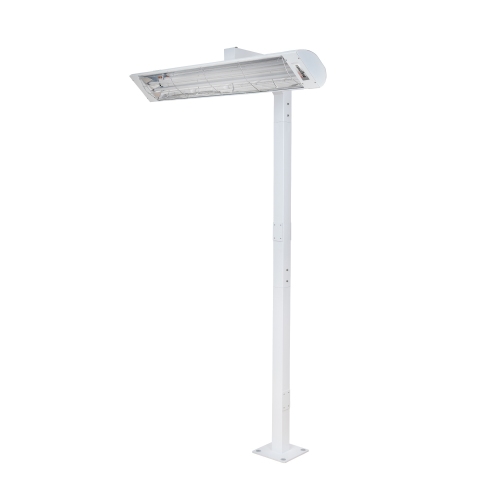

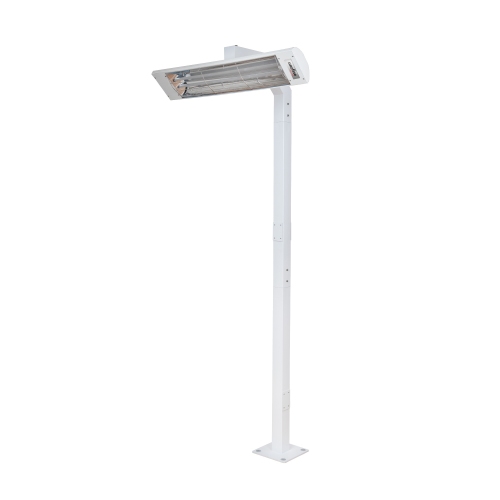
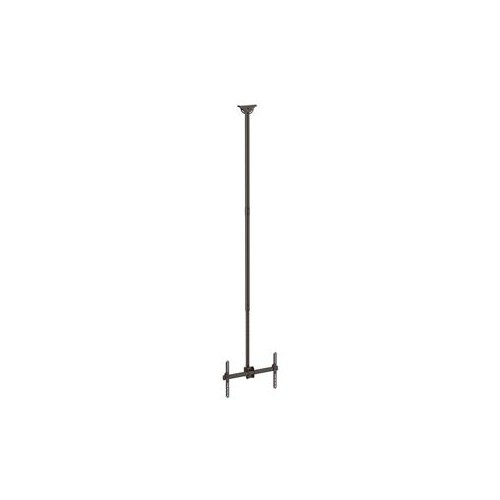
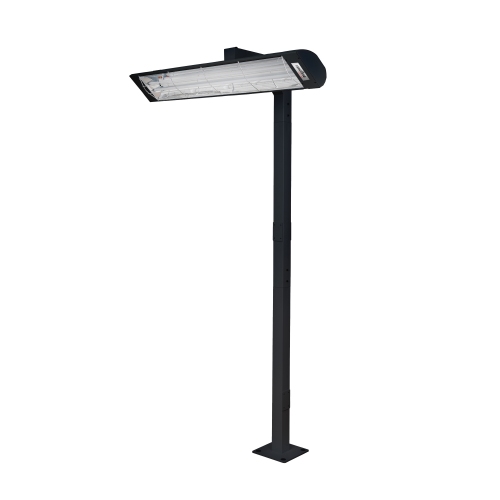
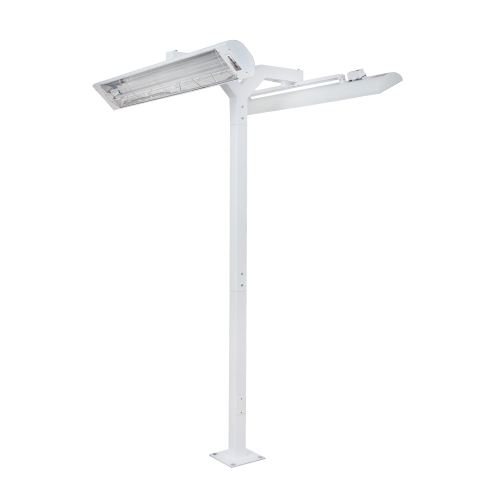
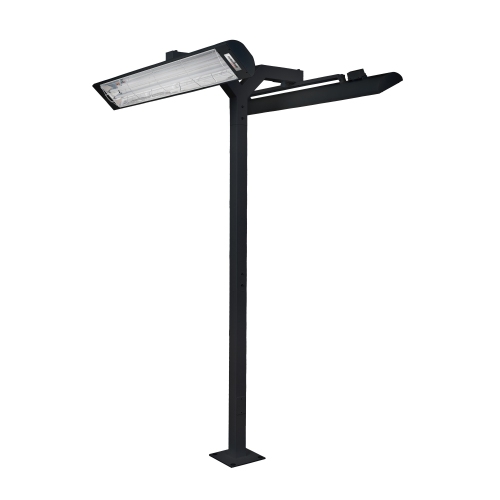
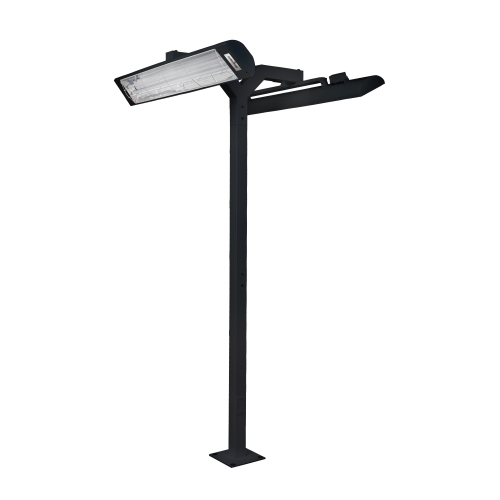

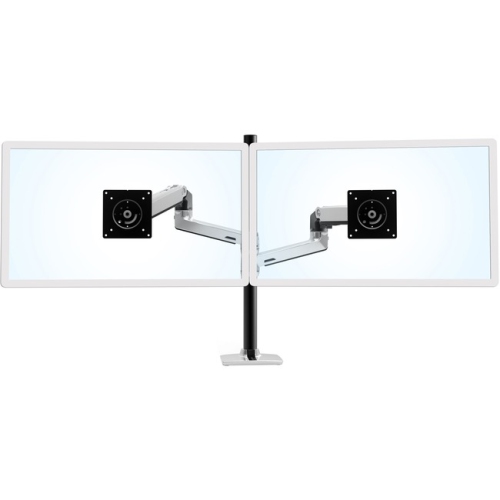


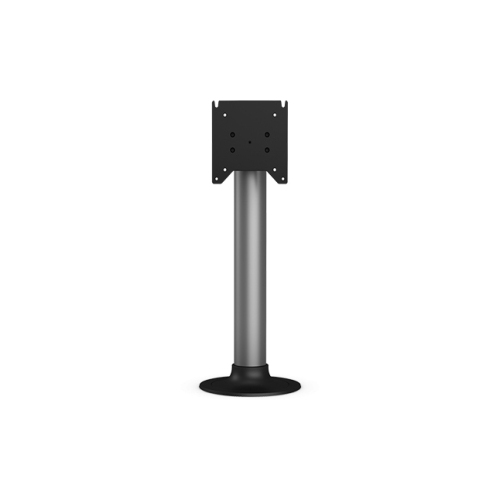
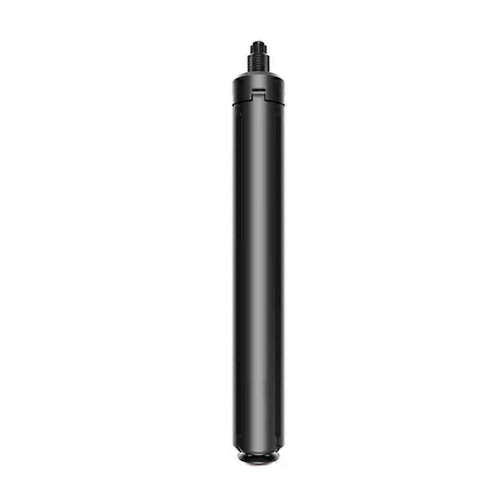

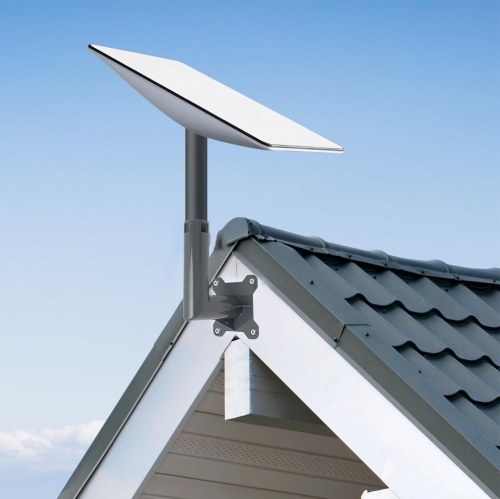
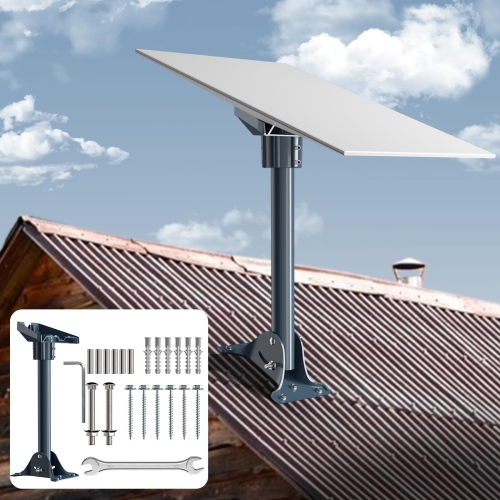

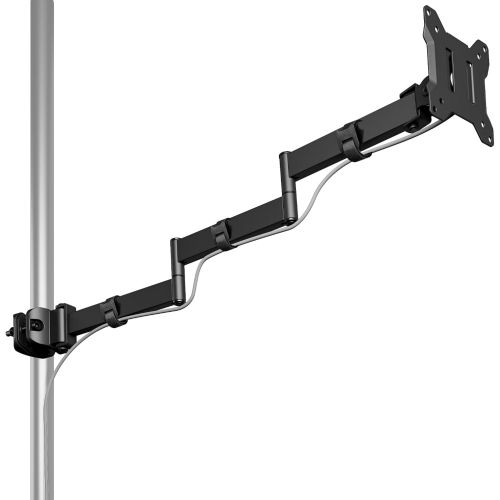
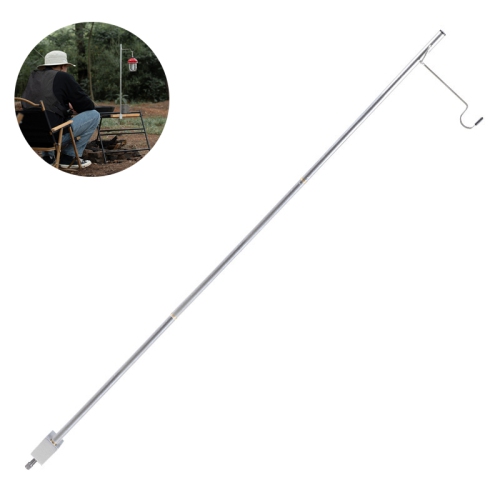
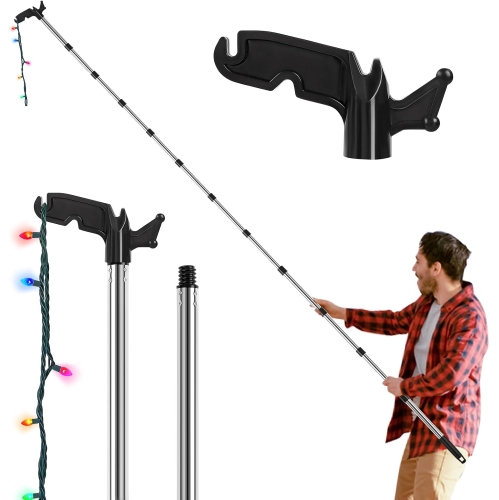
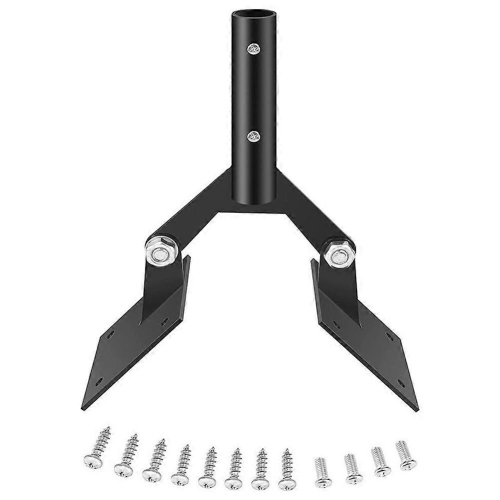
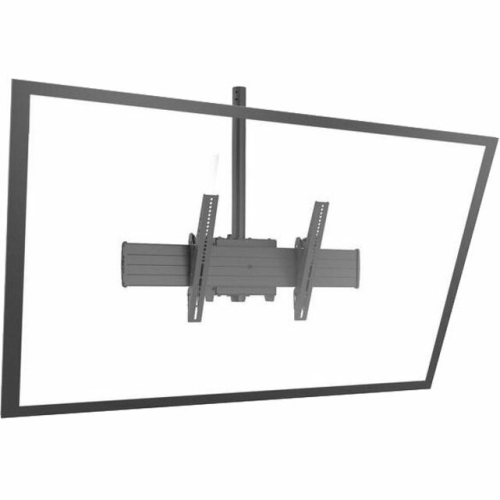
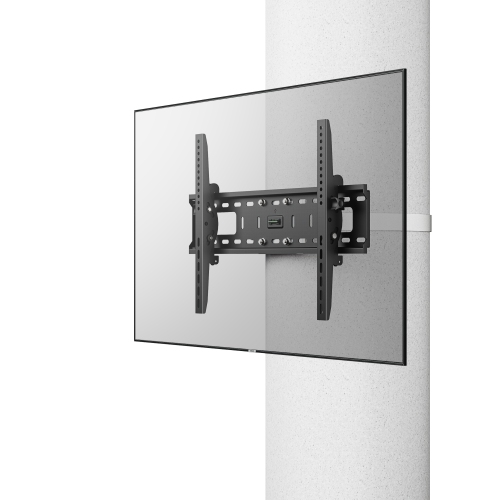
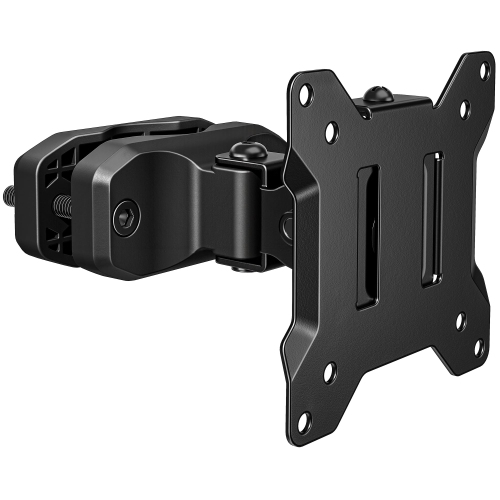


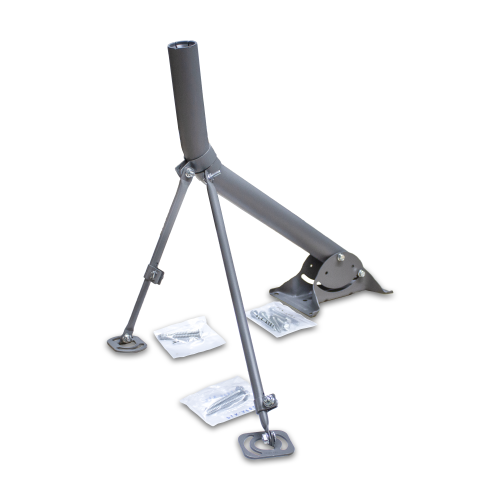
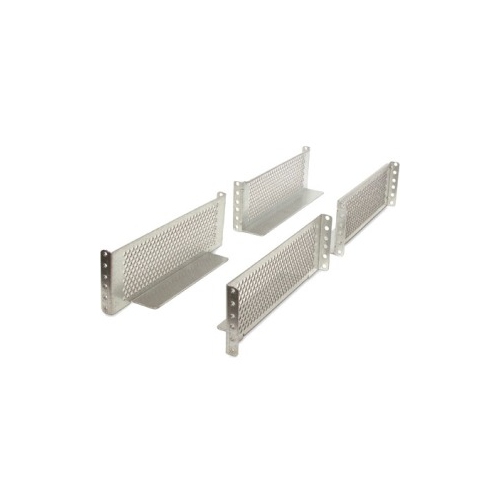
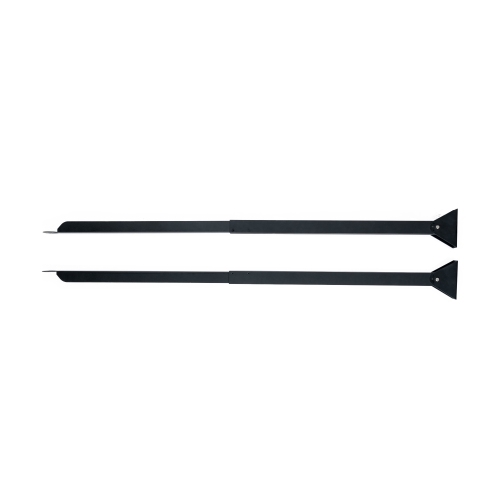
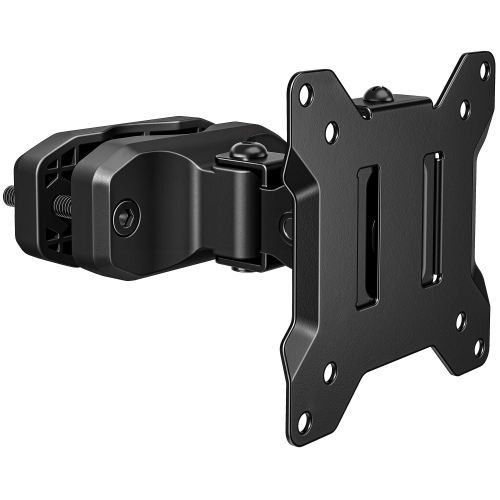
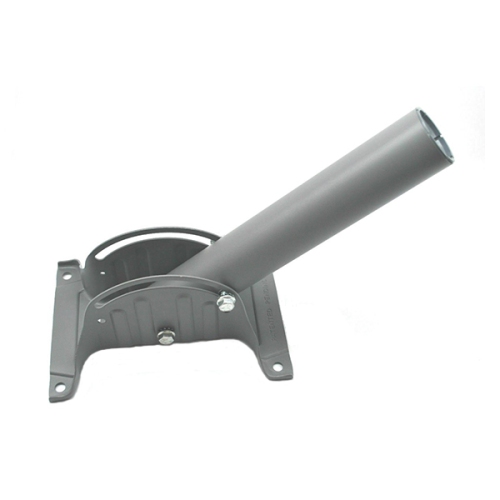


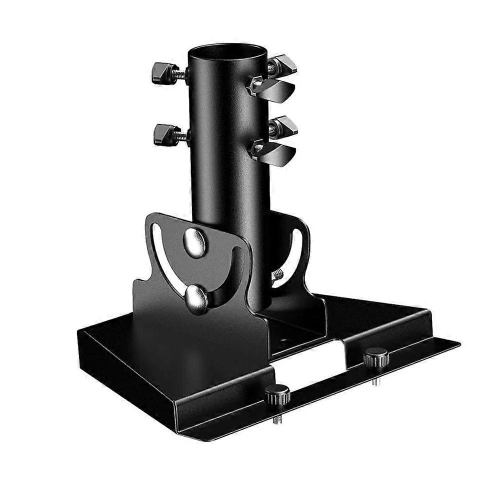
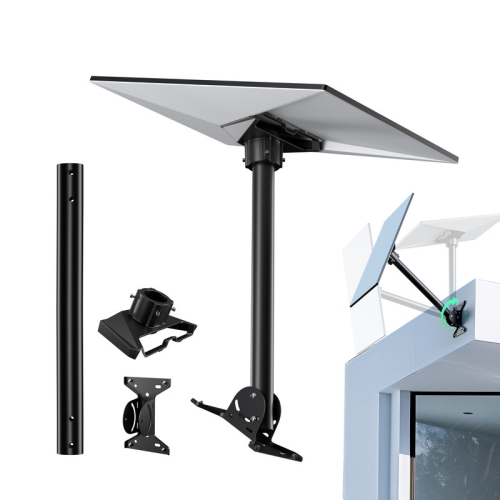
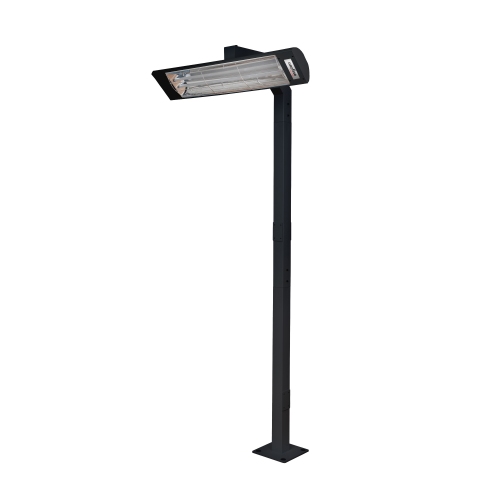
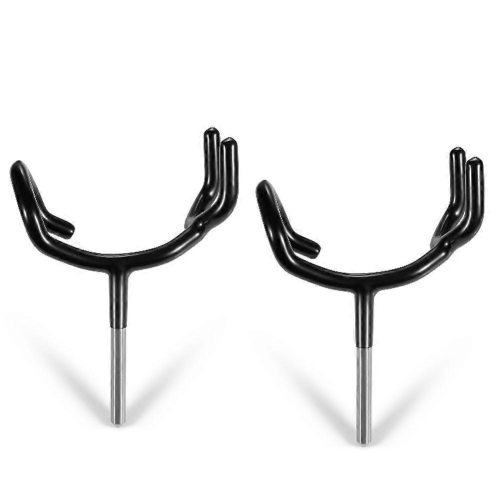

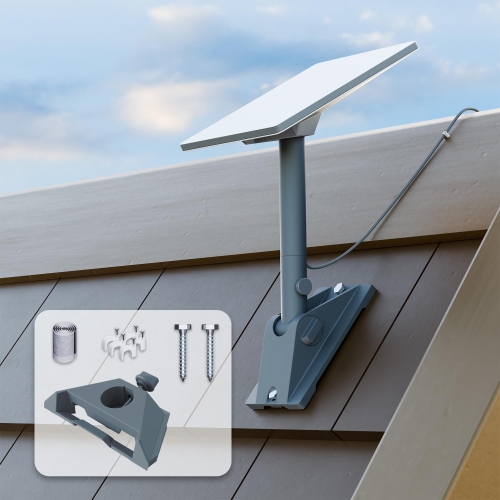
Flexible support for equipment across indoor and outdoor setups
Mounting poles provide a stable vertical support for equipment that needs to be raised, positioned, or kept clear of surrounding surfaces. Depending on the design, they can be used indoors, attached to a wall or other structure, secured to a deck or concrete slab, or installed in the ground. Common applications include supporting security cameras, outdoor lights, antennae, speakers, signage, sensors, and other compatible equipment. Indoor telescoping poles are useful when a tool or device needs to be held between the floor and ceiling without drilling into a finished surface. They can be especially handy for positioning a laser level during a renovation, setting up temporary measuring equipment, or supporting a small camera in a room where a permanent installation is not practical. Short speaker poles are designed for a different purpose, typically raising a top speaker above a subwoofer or other compatible cabinet to create a more balanced audio setup. Outdoor and utility-style poles are generally made for more demanding installations, with options that may use a base flange, ground socket, bracket, or other attachment method. When browsing mounting poles, begin with the equipment you intend to support and the location where it will be installed. The pole’s length, diameter, weight capacity, adjustment range, mounting interface, and material all affect whether it will be suitable. A pole that works well for a lightweight indoor tool may not be appropriate for a camera exposed to wind, or for a speaker that will be moved and handled regularly. Checking the specifications of both the pole and the equipment helps prevent compatibility issues and makes installation more straightforward.
The installation surface is equally important. A surface-mounted pole with a flange may be suited to a structurally sound wall, deck, floor, or concrete slab, while a ground-set design may require a sleeve, anchor, or fast-setting concrete to keep the support upright. Before drilling or digging, locate electrical wiring, plumbing, irrigation lines, and other hidden services, and confirm that the chosen surface can carry the combined weight of the pole, equipment, brackets, and any added load from movement or wind. For round or square existing posts, banding straps and purpose-built brackets can provide a practical way to attach equipment without replacing the post; stainless steel banding should be tightened with the appropriate tool so the bracket sits firmly without crushing or distorting the support. Some installations may be better served by related support hardware such as Mounting Rails, particularly when several devices need to be positioned along a fixed path or when adjustment is important. Always compare the mounting pattern, fastener size, and load rating before combining components. A secure installation should remain steady when the equipment is adjusted, cables are connected, or the surrounding surface experiences normal vibration. For outdoor use, consider exposure to rain, snow, ice, temperature changes, and strong gusts, as well as the possibility of water collecting around the base. Choose hardware suited to the environment, route cables so they do not create a trip hazard or collect water, and leave enough room to access the equipment for cleaning, aiming, or servicing. If the pole will support a camera or light, its height should provide the desired coverage without placing the device beyond safe reach for routine adjustments.
Mounting poles can be a useful choice for homeowners, renters, tradespeople, event crews, musicians, content creators, and anyone building a flexible workspace or entertainment setup. A renter may use an adjustable indoor pole to position a small device without making permanent changes to the walls, while a homeowner may choose a fixed outdoor support to improve the viewing angle of a security camera or raise a light above a walkway. In a music room, a properly matched speaker pole can lift the sound source closer to ear level and help keep the floor area clear. During a renovation, a telescoping support can hold a laser level in a narrow room where a tripod would be awkward, much like extending a firm post from floor to ceiling and making careful adjustments until the reference line is exactly where it needs to be. These products can also make practical gifts for a do-it-yourself enthusiast, home technician, photographer, performer, or new homeowner, provided the recipient’s equipment and installation surface are known. Before completing a purchase, measure the available space, identify the required height, and record the dimensions of the device or bracket being mounted. Review whether the pole is fixed, adjustable, telescoping, flanged, socket-mounted, or intended for a specific speaker connection. Pay attention to the recommended load, locking mechanism, base dimensions, included fasteners, and any tools required for assembly. A well-matched mounting pole should feel appropriate for the setting: compact and unobtrusive indoors, stable and serviceable in a workspace, or firmly anchored outdoors. Taking these details into account makes it easier to choose a support that keeps equipment properly positioned and the surrounding area neat through everyday use and changing conditions.
Top selling and popular products
-
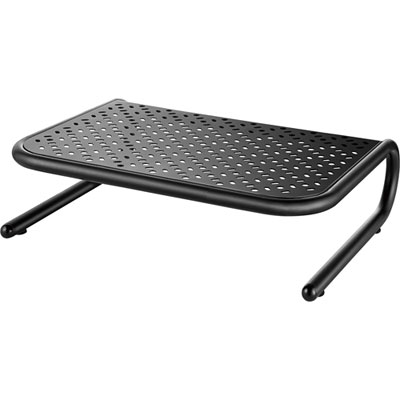 Your price for this item is $34.95
-
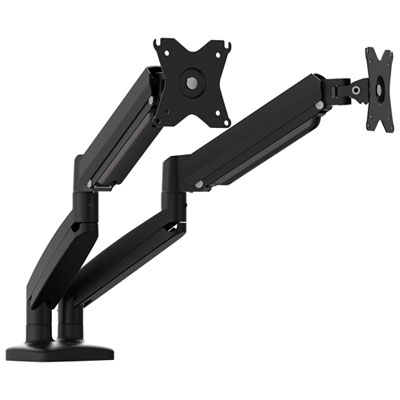 Your price for this item is $149.99
-
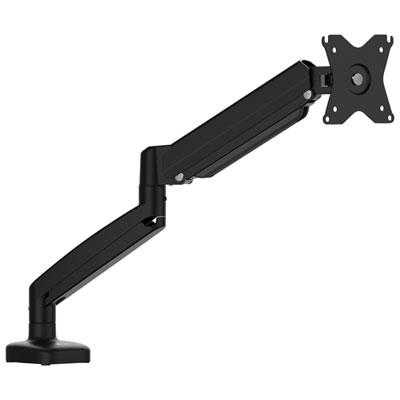 Your price for this item is $79.99
-
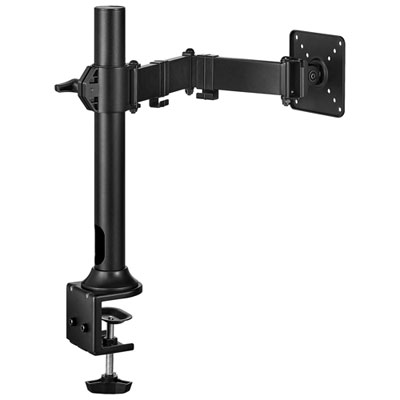 Your price for this item is $69.99
-
 Your price for this item is $144.49
-
 Your price for this item is $69.99
-
 Your price for this item is $123.5
-
 Your price for this item is $254.68
Discover more categories related to Mounting Poles
Top Collections:
Pokemon Centers, Kindle Devices, Best Budget Office Chairs, Canon G7X Cameras, Apple iPhones 16, Samsung Galaxy Phones, Refurbished Apple Laptops, Laptops for Students, iPhone 15 Apple, Budget Smartphones
Some products may be subject to Environmental Handling Fees
(EHF) depending on your province.
Learn more about EHFs.