Pole Mount Antennas
Looking to boost your signal strength and improve your wireless connectivity? Look no further than our collection of pole mount antennas. Designed to enhance the performance of your wireless devices, these antennas are perfect for both residential and commercial use. Whether you're looking to extend your Wi-Fi range, improve cell phone reception, or enhance your radio frequency signals, our pole mount antennas offer a reliable solution. With a variety of options available, you can find the perfect antenna to suit your needs and enjoy seamless connectivity wherever you are.
Sort
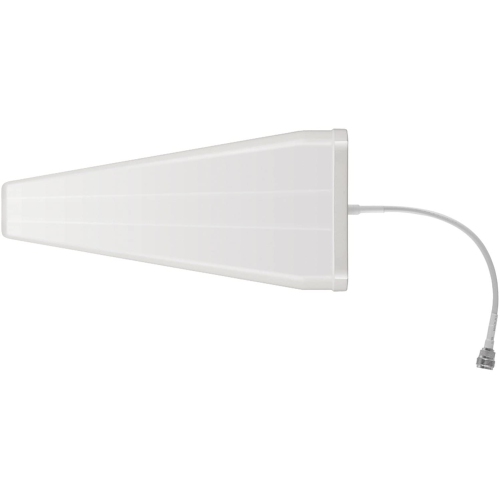
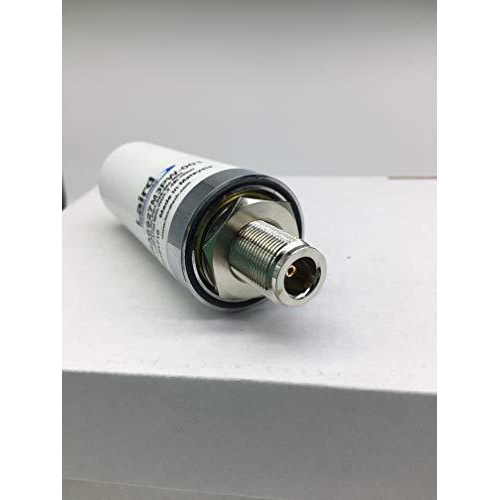
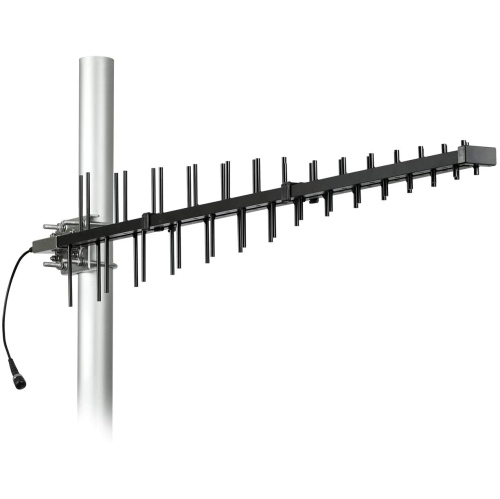
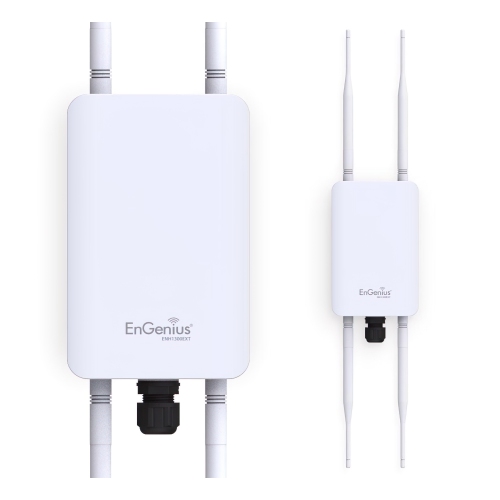
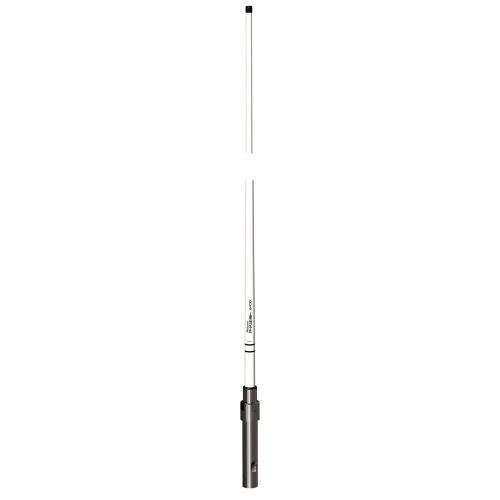
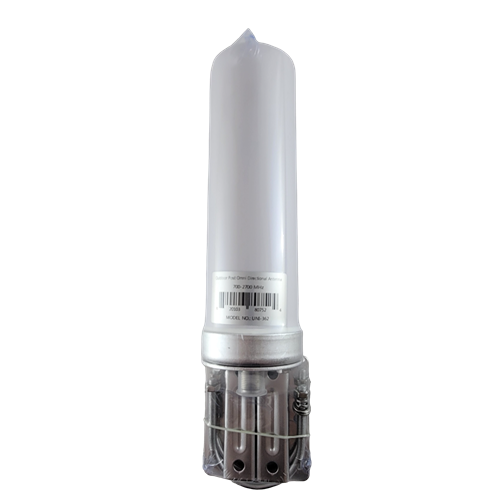
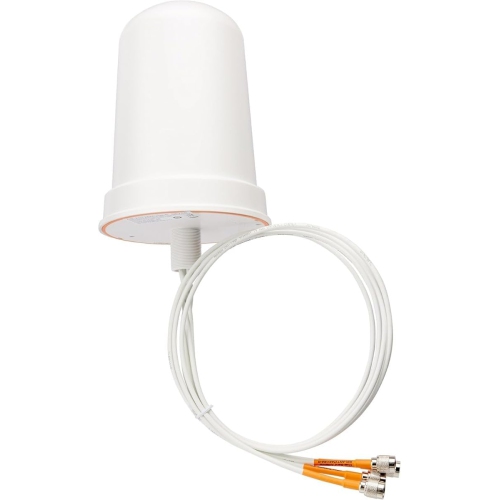
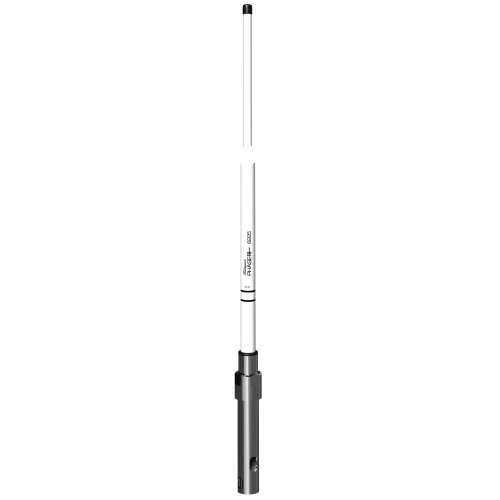
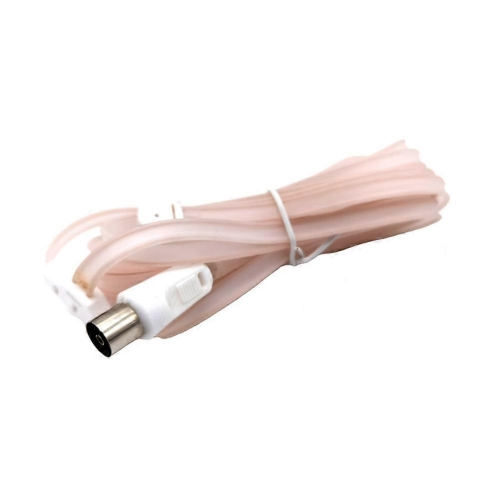
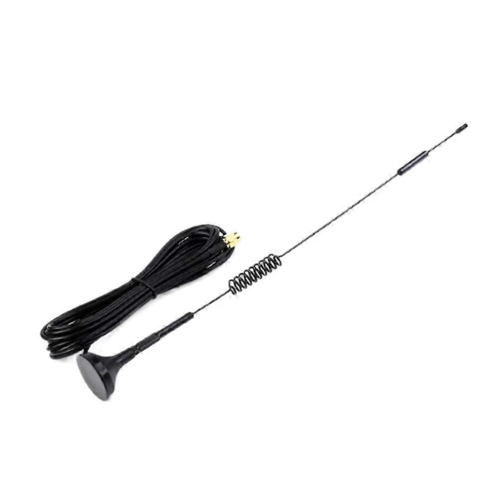
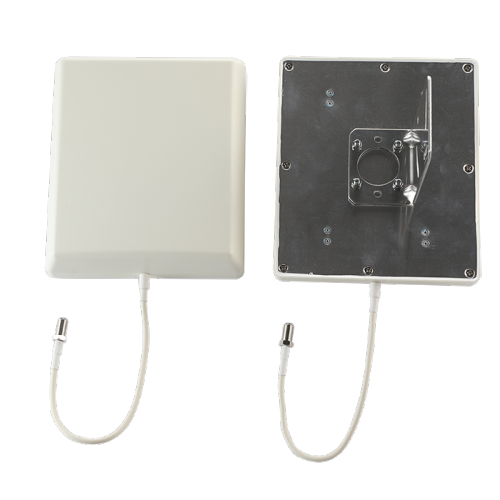
How height, mounting, and placement affect antenna performance
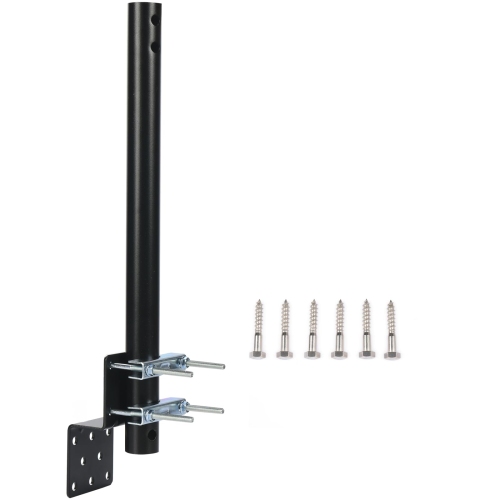
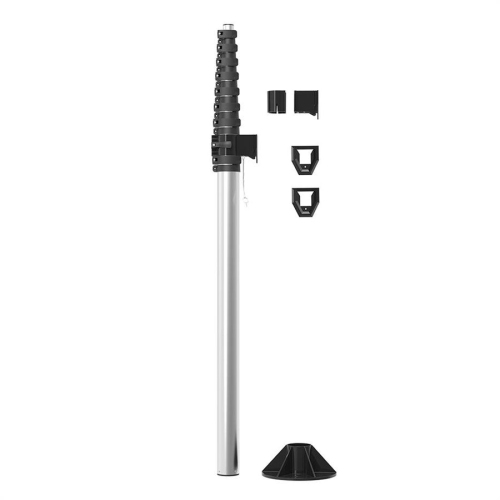
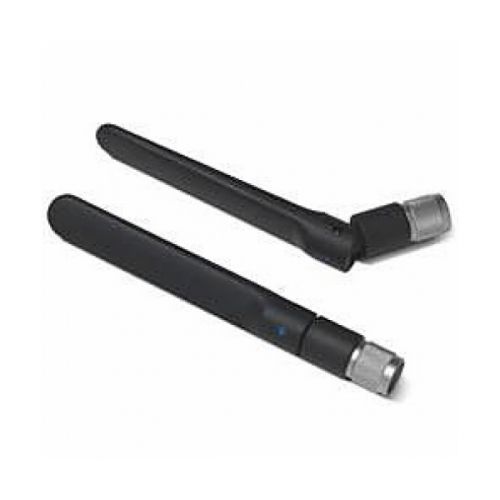
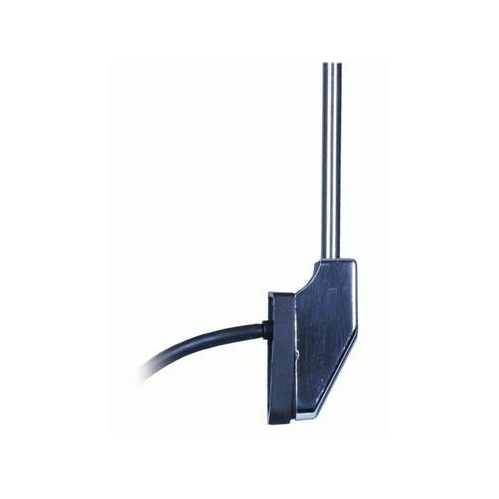
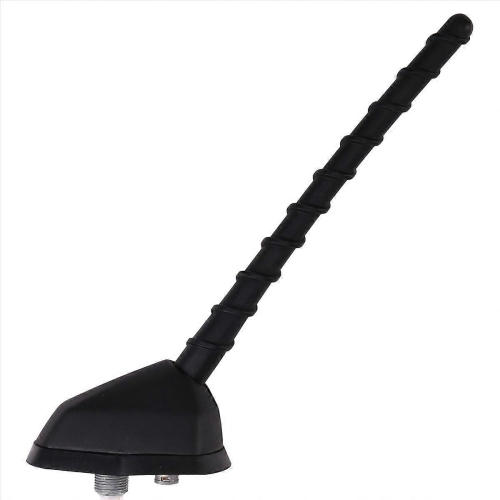
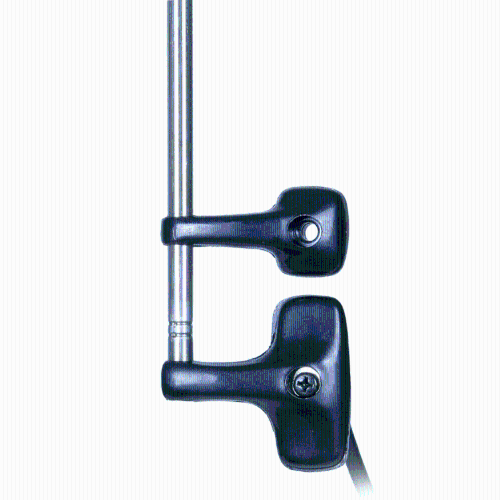
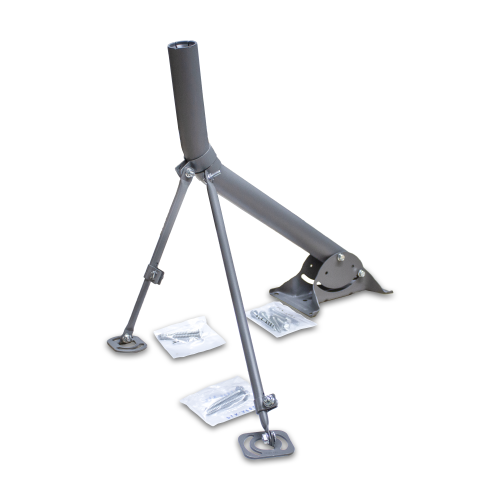
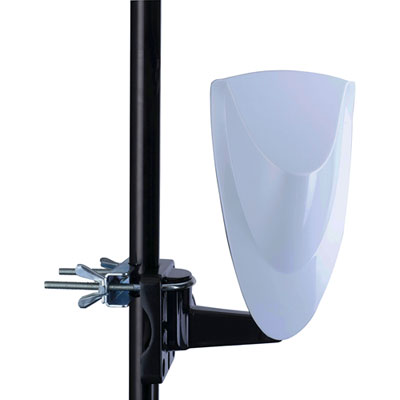
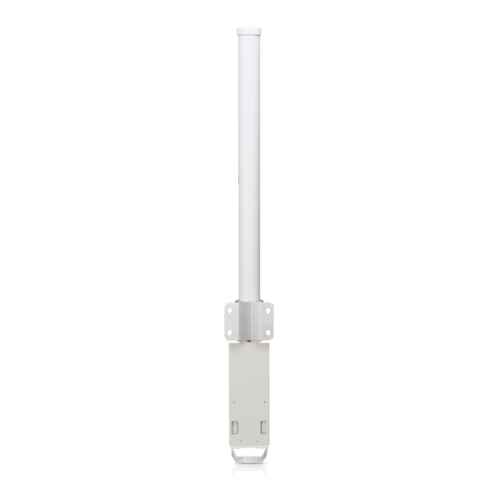
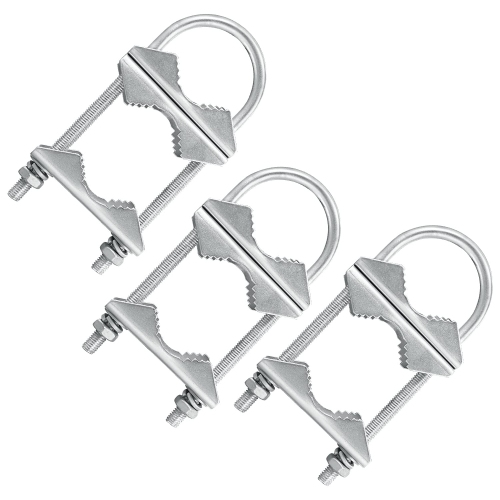
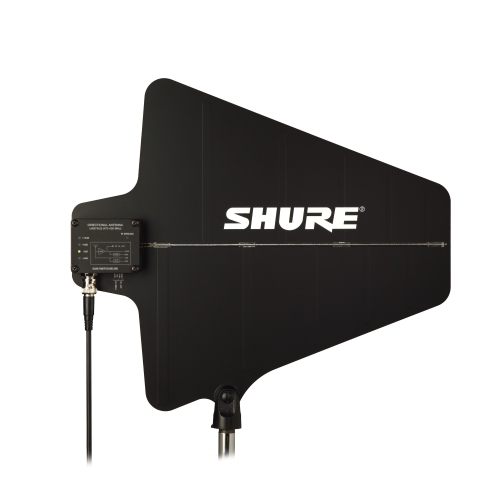
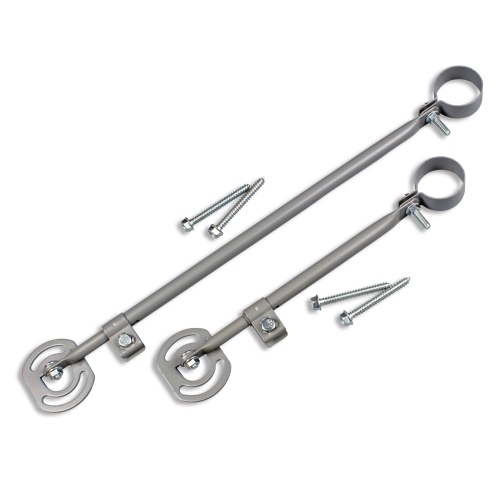
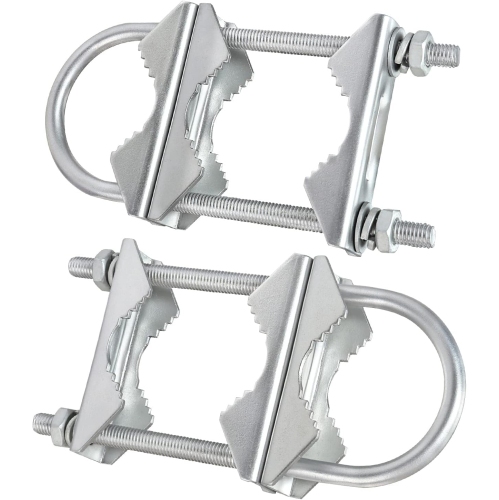
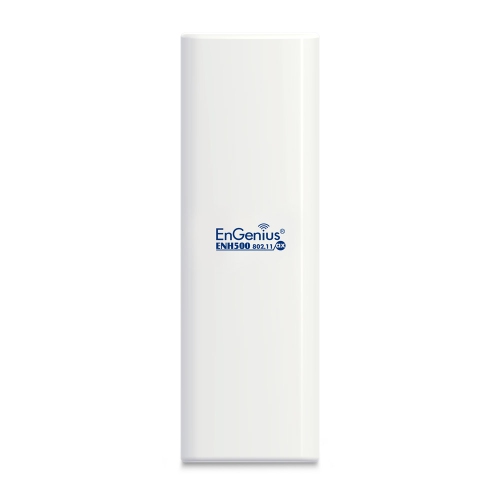
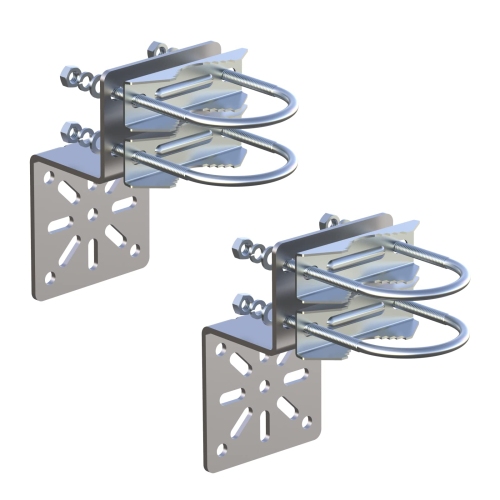
Pole mount antennas are designed to place an antenna above nearby obstructions, helping create a clearer path toward a broadcast tower, cellular signal source, radio station, or weather monitoring area. A typical setup uses a vertical mast secured to a wall, roof structure, ground post, or another stable support, with the antenna clamped near the top. Raising the antenna can be especially useful when nearby trees, neighbouring buildings, rooflines, or uneven terrain interfere with reception. Pole mounts are commonly used with over-the-air TV antennas, cellular signal boosters, amateur radio equipment, wireless internet receivers, weather stations, and other communications hardware that benefits from additional height. When comparing options, start by identifying the antenna you plan to install and checking its mounting requirements. The outside diameter of the pole matters because clamps and U-bolts need to fit securely, with common sizes often ranging from about 1 inch to 2 inches. Also consider the total weight of the antenna, the exposed surface area, the height of the proposed mast, and the amount of wind the installation may experience. A lightweight antenna on a short mast may work well on a sheltered wall, while a larger antenna on a tall pole may require a heavier-duty mount, stabilizing arms, or additional bracing. J-pipe and J-mount designs have a curved upper section that helps an antenna clear roof overhangs and other edges, making them a practical choice for many residential installations. Straight masts are available in compact lengths for low-profile setups as well as longer or telescoping designs when greater elevation is needed. For installations exposed to stronger gusts, look for sturdy brackets with dual U-bolt clamps, reinforced connection points, and a base designed for the surface where it will be installed.
The installation location has a direct effect on signal performance and long-term stability. Before fastening anything in place, look for the clearest practical line of sight toward the anticipated signal source and consider how the antenna will be accessed for alignment or maintenance. A roofline may provide useful height, but a side wall, chimney-adjacent structure, attic support, or ground-mounted post may offer a more secure and serviceable position depending on the property. The support surface must be strong enough for the selected hardware, and fasteners should be appropriate for masonry, wood framing, metal structures, or another installation material. The mast should be positioned vertically and checked with a level before the main bolts are fully tightened. Once the pole is secure, the antenna can be clamped to the upper section and rotated or angled according to the requirements of the receiving equipment. Small adjustments can make a noticeable difference, particularly for directional antennas, so it is helpful to test reception before locking every connection down. Keep coaxial cable runs as short and direct as practical, avoid sharp bends, and use suitable weatherproofing around outdoor connections to help prevent moisture from entering. Cable clips or ties can reduce movement in the wind, while leaving a small service loop near the connection can make future adjustments easier. Grounding is another important part of an outdoor antenna system. If the mount includes a grounding terminal, connect it to an appropriate grounding system using the correct wire and hardware, following local electrical requirements and the antenna manufacturer’s instructions. Grounding does not eliminate every risk from lightning or electrical surges, so installation should be handled carefully, and a qualified professional may be the right choice for roof work, complex structures, or locations with challenging access.
Pole mount antennas can suit a wide range of households and hobbies. Someone trying to improve over-the-air television reception may use a roof or wall-mounted mast to lift an antenna above obstructions and access more local channels. A homeowner with inconsistent cellular coverage may install a compatible booster antenna higher on a pole to improve the signal reaching the property, while a rural internet user may need a clear elevated position for an outdoor receiver. Amateur radio enthusiasts often value the ability to adjust antenna height and orientation, and weather hobbyists may use a pole mount to position a sensor away from walls, trees, and other sources of interference. These products can also be a thoughtful gift for a new homeowner, radio hobbyist, camper, remote worker, or hands-on family member who enjoys improving the performance of home technology. The right choice depends less on appearance than on compatibility, load capacity, mounting diameter, installation surface, and exposure to wind and precipitation. During the warmer seasons, it is often easier to plan an outdoor installation, inspect the mounting surface, and make alignment adjustments, while cooler months are a useful reminder to check that clamps remain tight and that cables, seals, and grounding connections are in good condition. Those who prefer a different installation style may also want to explore Roof Mount Antennas for setups where the roof provides the most suitable height or line of sight. Whether the goal is clearer television reception, stronger communications, more dependable data, or a carefully positioned weather sensor, a properly matched pole mount provides the structure needed to place an antenna securely and get the most from its location.
The installation location has a direct effect on signal performance and long-term stability. Before fastening anything in place, look for the clearest practical line of sight toward the anticipated signal source and consider how the antenna will be accessed for alignment or maintenance. A roofline may provide useful height, but a side wall, chimney-adjacent structure, attic support, or ground-mounted post may offer a more secure and serviceable position depending on the property. The support surface must be strong enough for the selected hardware, and fasteners should be appropriate for masonry, wood framing, metal structures, or another installation material. The mast should be positioned vertically and checked with a level before the main bolts are fully tightened. Once the pole is secure, the antenna can be clamped to the upper section and rotated or angled according to the requirements of the receiving equipment. Small adjustments can make a noticeable difference, particularly for directional antennas, so it is helpful to test reception before locking every connection down. Keep coaxial cable runs as short and direct as practical, avoid sharp bends, and use suitable weatherproofing around outdoor connections to help prevent moisture from entering. Cable clips or ties can reduce movement in the wind, while leaving a small service loop near the connection can make future adjustments easier. Grounding is another important part of an outdoor antenna system. If the mount includes a grounding terminal, connect it to an appropriate grounding system using the correct wire and hardware, following local electrical requirements and the antenna manufacturer’s instructions. Grounding does not eliminate every risk from lightning or electrical surges, so installation should be handled carefully, and a qualified professional may be the right choice for roof work, complex structures, or locations with challenging access.
Pole mount antennas can suit a wide range of households and hobbies. Someone trying to improve over-the-air television reception may use a roof or wall-mounted mast to lift an antenna above obstructions and access more local channels. A homeowner with inconsistent cellular coverage may install a compatible booster antenna higher on a pole to improve the signal reaching the property, while a rural internet user may need a clear elevated position for an outdoor receiver. Amateur radio enthusiasts often value the ability to adjust antenna height and orientation, and weather hobbyists may use a pole mount to position a sensor away from walls, trees, and other sources of interference. These products can also be a thoughtful gift for a new homeowner, radio hobbyist, camper, remote worker, or hands-on family member who enjoys improving the performance of home technology. The right choice depends less on appearance than on compatibility, load capacity, mounting diameter, installation surface, and exposure to wind and precipitation. During the warmer seasons, it is often easier to plan an outdoor installation, inspect the mounting surface, and make alignment adjustments, while cooler months are a useful reminder to check that clamps remain tight and that cables, seals, and grounding connections are in good condition. Those who prefer a different installation style may also want to explore Roof Mount Antennas for setups where the roof provides the most suitable height or line of sight. Whether the goal is clearer television reception, stronger communications, more dependable data, or a carefully positioned weather sensor, a properly matched pole mount provides the structure needed to place an antenna securely and get the most from its location.
Top selling and popular products
-
 Your price for this item is $316.54
 -
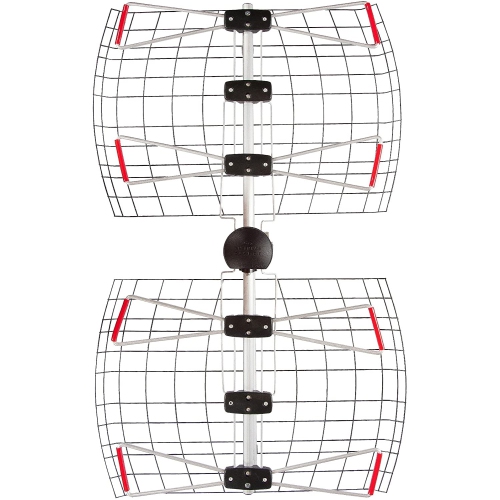 Your price for this item is $99.99
 -
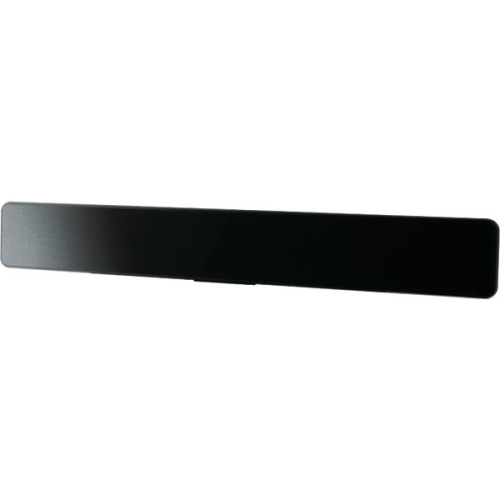 Your price for this item is $29
 -
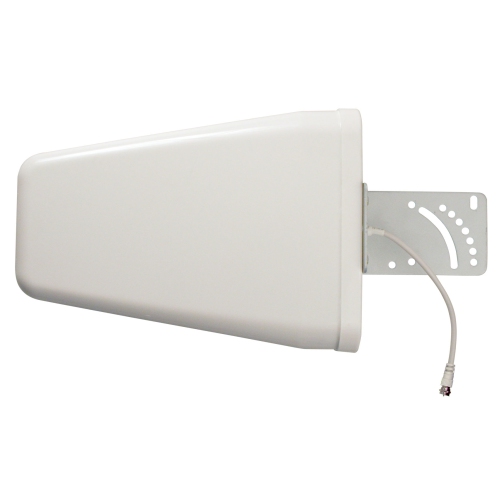 Your price for this item is $139.99
 -
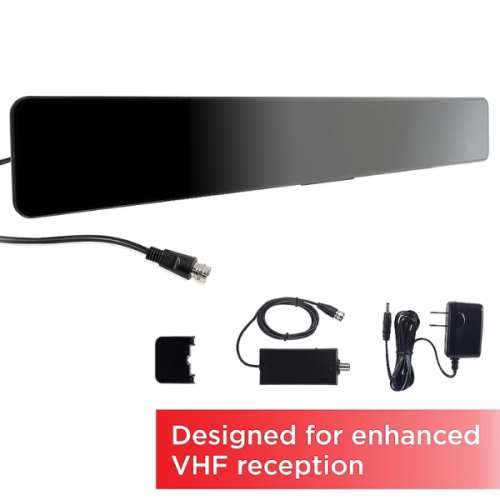 Your price for this item is $34.99
 -
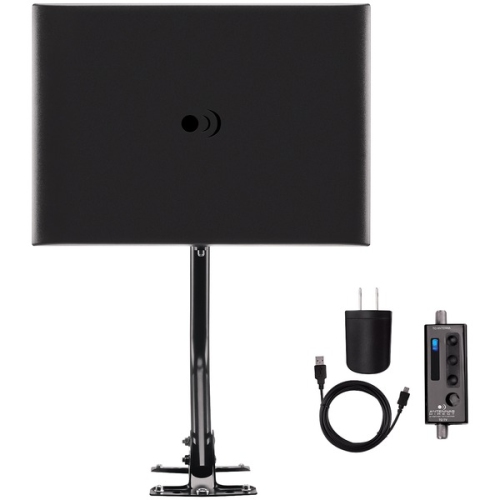 Your price for this item is $59
 -
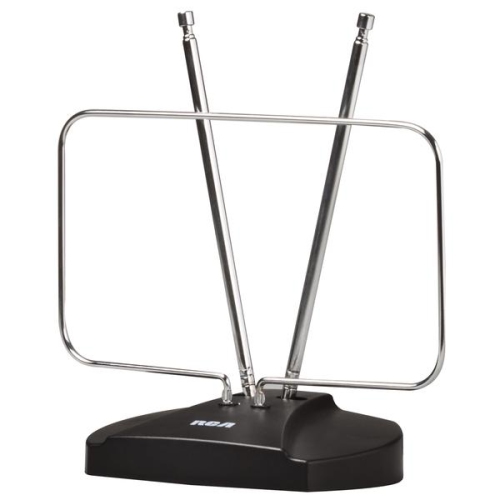 Your price for this item is $38.68
 -
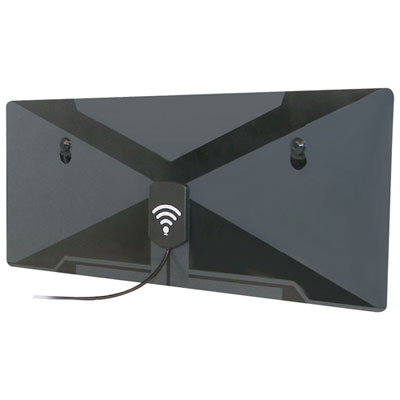 Your price for this item is $49.99
Discover more categories related to Pole Mount Antennas
Top Collections:
Pokemon Centers, Kindle Devices, Best Budget Office Chairs, Canon G7X Cameras, Apple iPhones 16, Samsung Galaxy Phones, Refurbished Apple Laptops, Laptops for Students, iPhone 15 Apple, Budget Smartphones
Some products may be subject to Environmental Handling Fees
(EHF) depending on your province.
Learn more about EHFs.