Off Road Bikes
If you're ready to take your outdoor adventures to the next level, look no further than our selection of off-road bikes. Whether you're a beginner looking to explore new trails or a seasoned rider seeking adrenaline-pumping challenges, our collection offers rugged durability and top-notch performance for all your off-road biking needs. From mountainous terrains to muddy paths, these bikes are designed to handle the toughest conditions while providing a smooth and thrilling ride. Gear up and get ready to conquer the great outdoors with our range of off-road bikes that are built to fuel your passion for adventure.
Sort





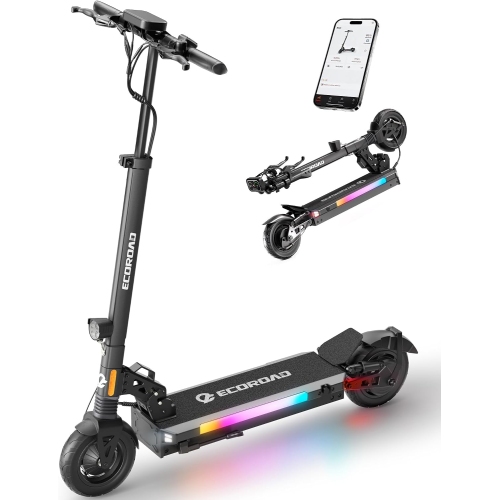
Trail capability takes more than chunky tires
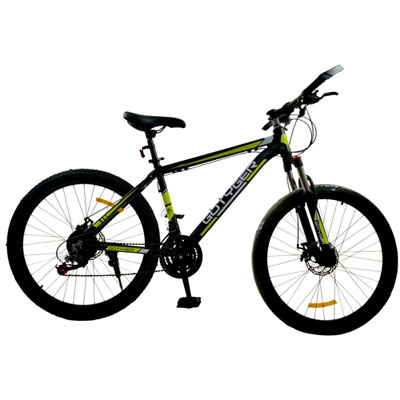
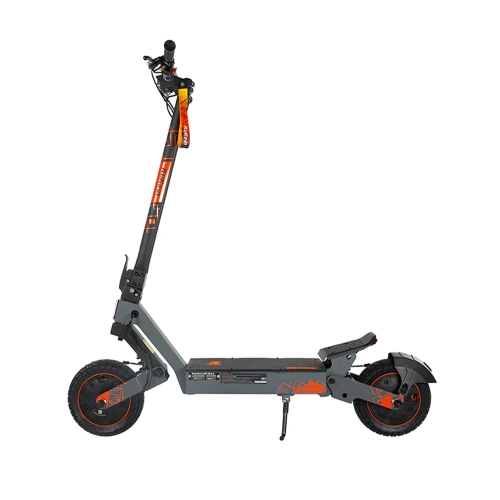
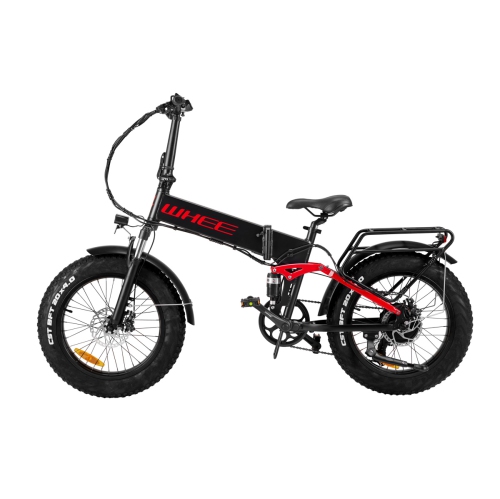
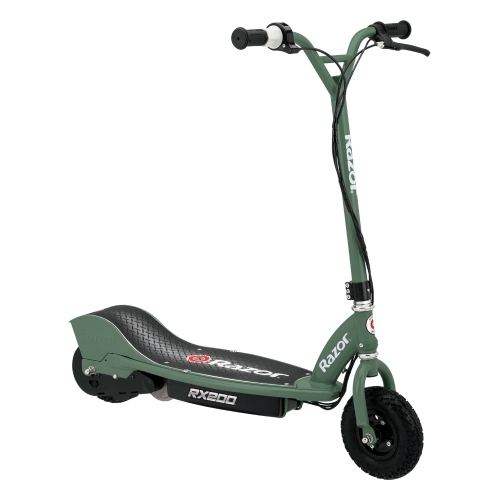
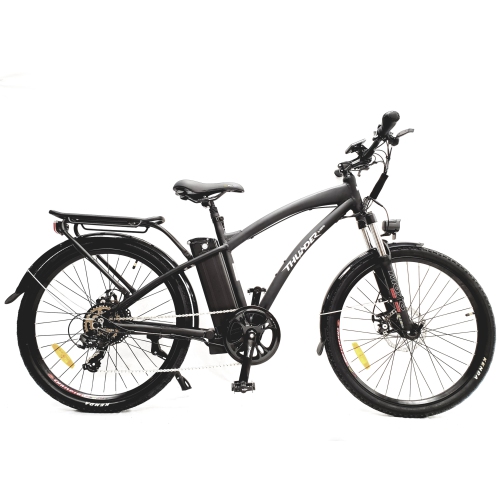
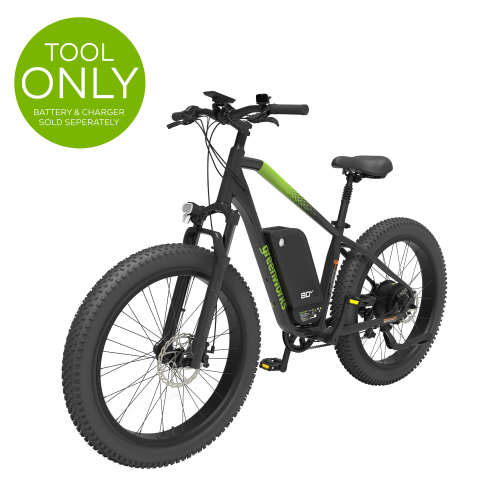
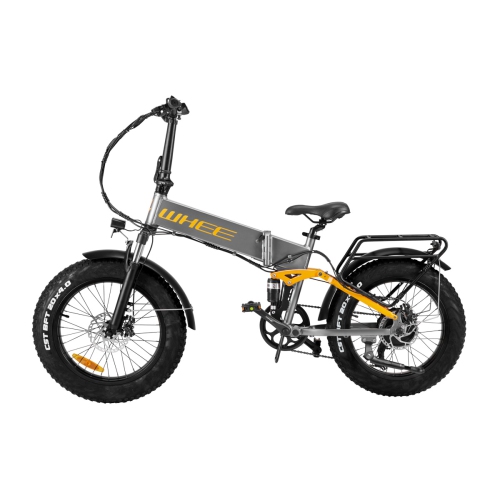
Off-road bikes are two-wheeled vehicles designed for riding on unpaved surfaces such as dirt, gravel, sand, and uneven trails. The term covers several product types, including pedal-powered mountain bikes, electric off-road bicycles, and motorized dirt bikes. What connects them is a focus on traction, control, and handling beyond smooth pavement, although their capabilities and permitted riding areas differ considerably. Mountain bikes use rider-powered drivetrains, sturdy frames, and treaded tires to handle changing surfaces; many also feature suspension to help manage bumps. Electric mountain bikes add motor assistance, which can make climbing and longer outings more manageable, while some electric off-road models use throttle controls and may fall into a different vehicle category. Dirt bikes are motorcycles built for off-pavement riding, with power, suspension, and ground clearance suited to their intended terrain. Within that category, trail motorcycles favour general trail use, while motocross bikes are designed for closed-course riding. Dual-sport motorcycles combine road equipment with off-pavement capability, but road use depends on the model meeting applicable registration and legal requirements. Gravel bicycles sit closer to the lighter-duty end of the spectrum, pairing efficient pedalling with clearance for tires that suit gravel roads and relatively smooth dirt routes rather than demanding technical trails. Understanding these distinctions matters more than choosing by appearance alone. A chunky tire or rugged-looking frame does not automatically make a bike suitable for jumps, deep mud, or steep descents. For a rider picturing an easy afternoon on a packed-gravel path, comfort and predictable handling may be the priorities. Someone heading onto root-covered singletrack needs a bicycle built for that level of use, with suitable brakes, tires, and suspension. The most useful starting point is the ride itself: the surface under the wheels, the distance from home or the trailhead, and the amount of climbing along the way.
When comparing off-road bicycles, fit deserves as much attention as the component list. Frame size, reach to the handlebars, standover clearance, and saddle adjustment all influence how comfortable and confident a rider feels. A bicycle that is too large can be awkward to control when a trail narrows or a quick stop becomes necessary; one that is too small can feel cramped on longer rides. Wheel size affects handling and rollover characteristics, but it should be considered alongside frame geometry rather than treated as a shortcut to choosing the right bike. Tire width, tread pattern, casing, and pressure also work together. Widely spaced knobs can help on loose ground, while a less aggressive tread may roll more easily on firm, smoother routes. Fat tires offer a larger footprint that can be useful on certain soft surfaces, including suitable packed-snow trails, but they do not guarantee grip on ice. Suspension choices bring another practical distinction. A hardtail mountain bike has front suspension and a rigid rear end, often offering a straightforward balance of efficiency, weight, and maintenance. A full-suspension mountain bike adds rear suspension to help manage repeated impacts and maintain control over rougher ground, usually with additional weight, cost, and servicing needs. Suspension quality and adjustment matter as well as travel: more movement is not automatically better for every rider or route. Brakes should provide controlled stopping for the bike’s intended use, with hydraulic disc systems often offering strong modulation and less hand effort. Gearing deserves a close look, too, particularly if local rides include long climbs or repeated short, steep sections. Picture the familiar moment when a pleasant gravel route turns uphill and loose stones begin shifting beneath the rear tire. A usable low gear, a comfortable riding position, and tires matched to the surface can make that stretch far more manageable than an impressive-looking specification that does not suit the ride. Consider the whole setup, including pedal grip, handlebar comfort, and space for water, tools, or a small bag.
Electric off-road bikes introduce a few additional purchase considerations, especially battery capacity, motor characteristics, charging arrangements, and overall weight. Published range figures are estimates rather than promises: hills, rider and cargo weight, assistance level, tire pressure, surface conditions, and temperature can all affect the distance available from a charge. During the cooler months, battery performance may change, and charging or storing a battery should always follow the manufacturer’s temperature limits and handling instructions. A removable battery can make charging more convenient, particularly where the bike is stored away from an outlet, but it is still worth checking how easily the complete bicycle can be lifted onto a suitable rack or moved through a doorway. Motor assistance does not replace riding skills, and a powerful electric model is not necessarily permitted wherever a conventional bicycle can go. Provincial and municipal rules, land-manager policies, rider age requirements, and vehicle classifications can differ, so access should be confirmed for the intended riding area. Motorized dirt bikes bring their own requirements for transport, protective equipment, maintenance, and authorized riding locations. Across all categories, off-road bikes can appeal to riders building confidence on local paths, experienced cyclists seeking more demanding routes, and people who enjoy making an outdoor ride part of a weekend away. As gifts, they are best chosen with the recipient’s measurements, experience, and preferred riding style in mind; for younger riders, manageable weight, reachable brake levers, and appropriate sizing are especially important. Leave room in the purchase plan for a properly fitted helmet suited to the activity, along with any additional protection the riding requires. Gloves, eye protection, basic repair supplies, and suitable clothing can make outings more comfortable, while shorter daylight hours make visibility and route planning increasingly important. After a muddy ride, cleaning according to the manufacturer’s directions, drying the bike, and checking the drivetrain and brakes help keep it ready for the next outing. For households that also enjoy outdoor hobbies at a smaller scale, Off Road RC Cars offer a separate way to enjoy remote-controlled driving over varied surfaces. Whether the plan is a short loop close to home or a longer day on approved trails, the right off-road bike is one that matches the rider, the route, and the practical details of everyday ownership.
Top selling and popular products
-
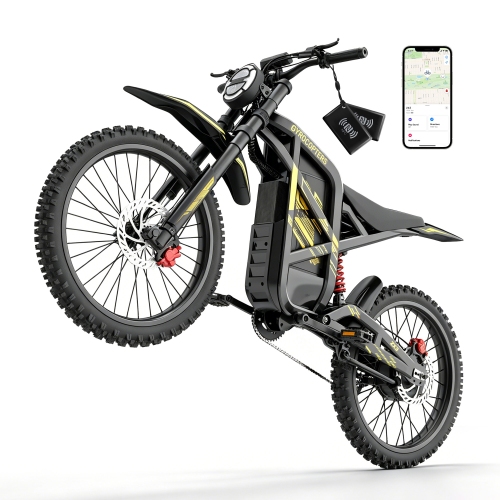 Your price for this item is $2199.97
-
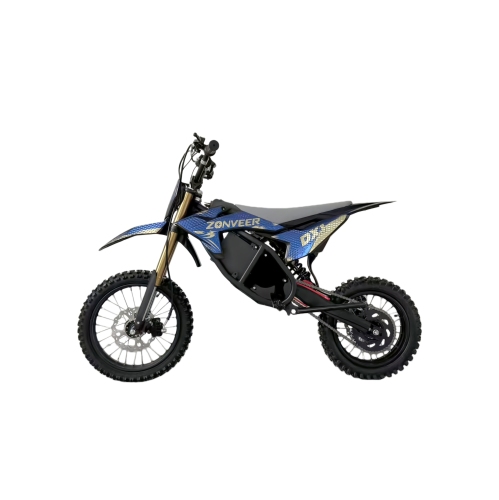 Your price for this item is $1999.97
-
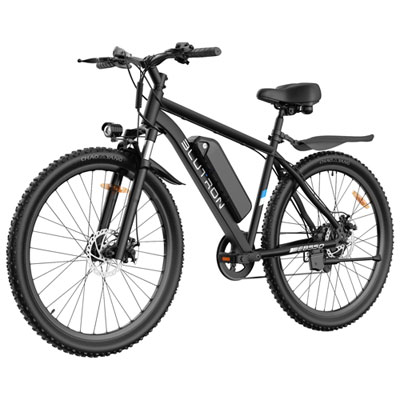 Your price for this item is $799.99
-
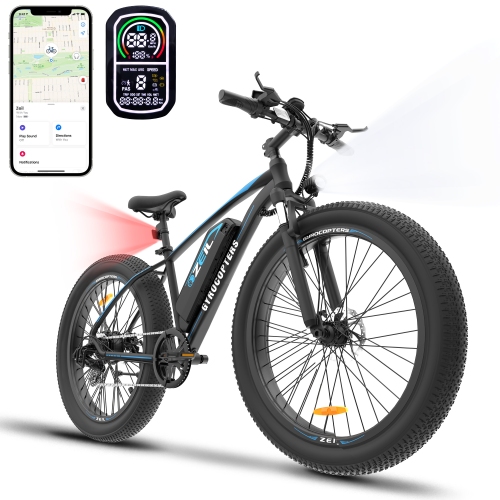 Your price for this item is $799.97
-
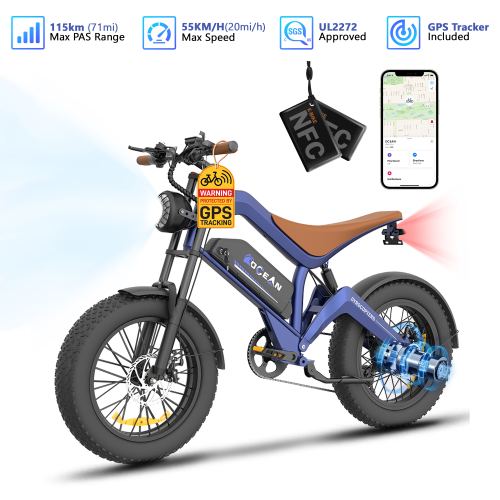 Your price for this item is $1399.97
-
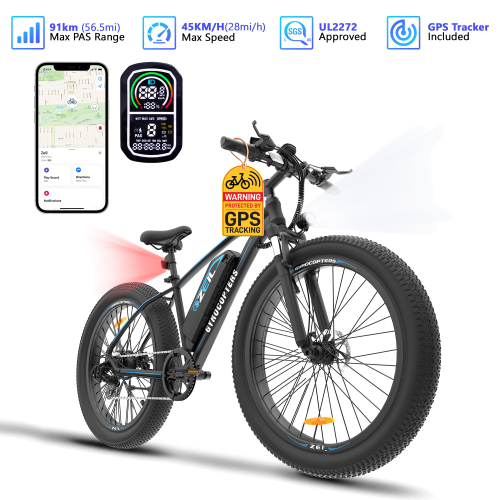 Your price for this item is $1099.97
-
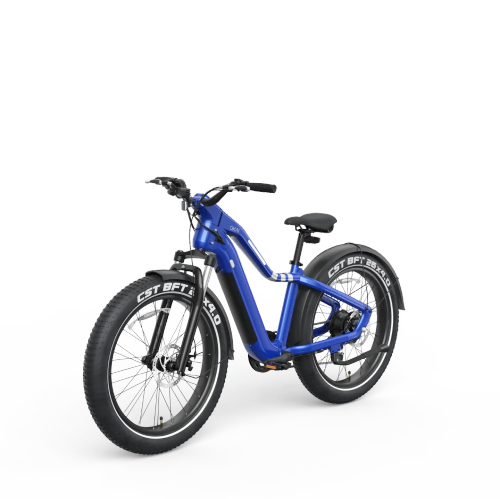 Your price for this item is $1499.99
-
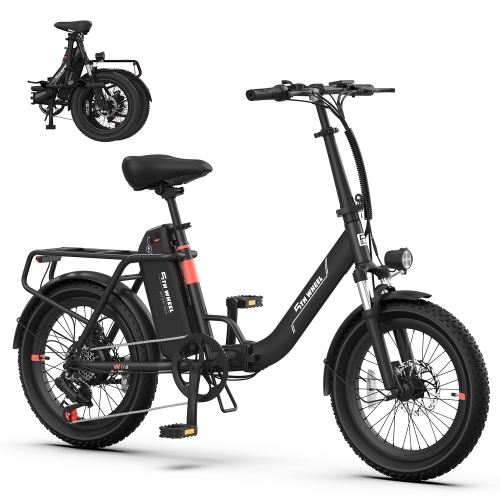 Your price for this item is $649.99
Discover more categories related to Off Road Bikes
Top Collections:
Pokemon Centers, Best Cameras for Sports Photography, Kindle Devices, Samsung Galaxy Phones, Canon G7X Cameras, Pokémon 30th Celebration Cards, Refurbished Apple Laptops, iPhone 15 Apple, Laptops for Students, Budget Smartphones
Some products may be subject to Environmental Handling Fees
(EHF) depending on your province.
Learn more about EHFs.