Off Road Light Bars
Illuminate your off-road adventures with our selection of off-road light bars. Designed to provide powerful, long-range illumination, these light bars are a must-have for any outdoor enthusiast. Whether you're tackling challenging terrain or exploring remote trails, our off-road light bars will ensure that darkness never hinders your journey. With various sizes and styles to choose from, you can easily find the perfect light bar to suit your vehicle and lighting needs.
Sort
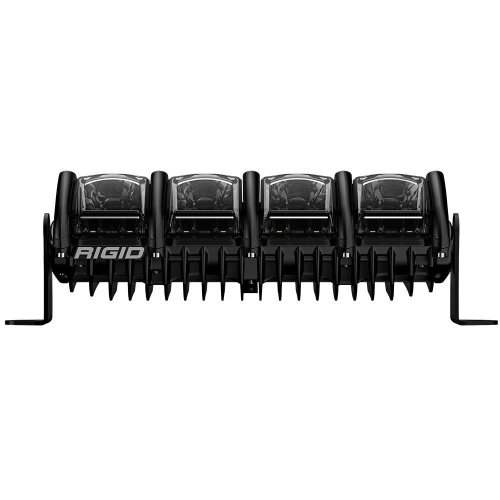
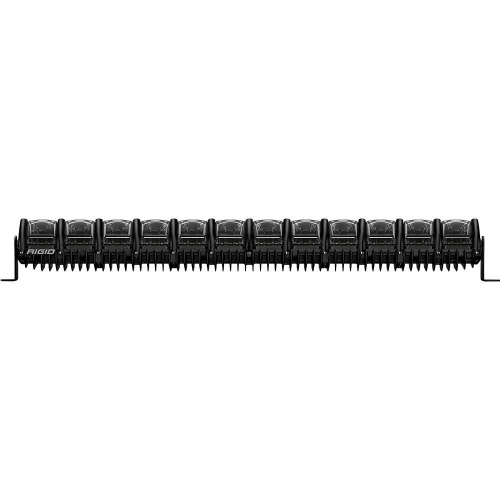
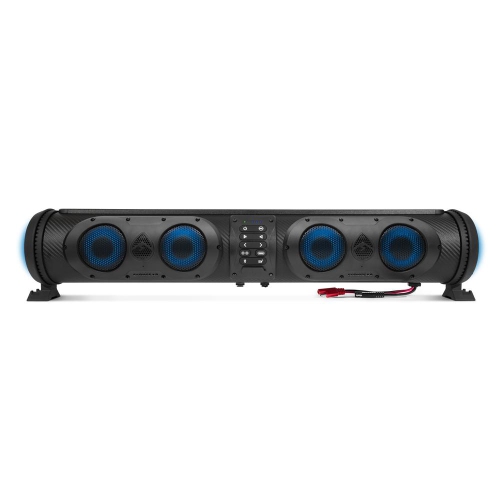

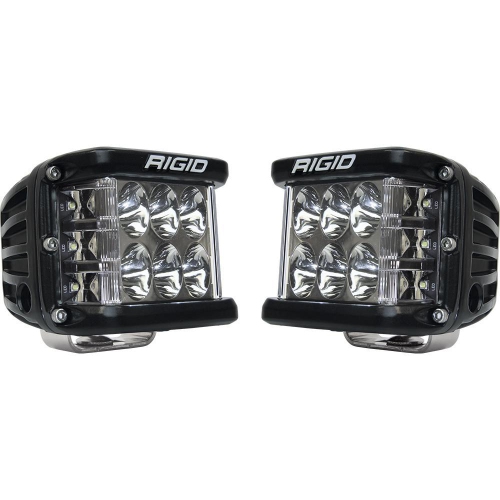
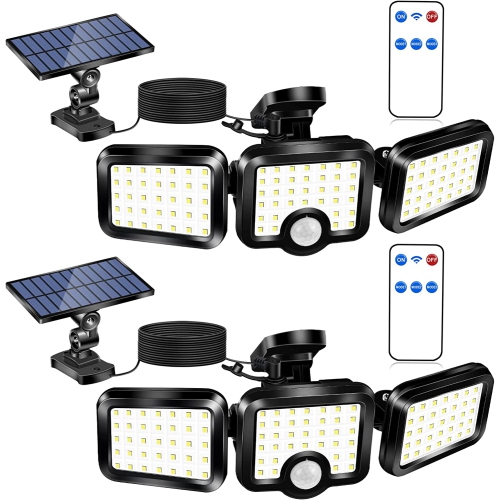
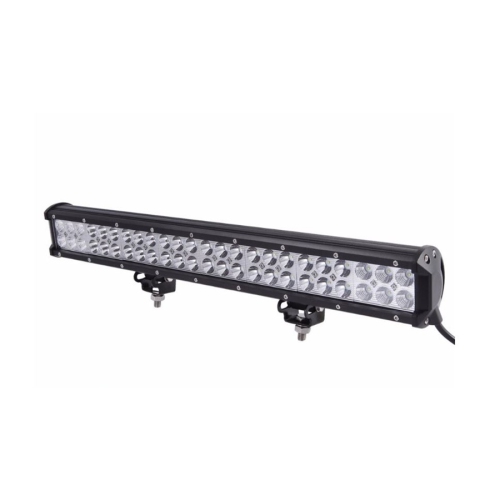
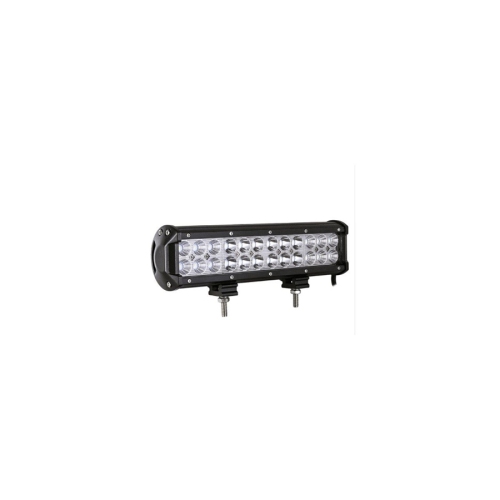
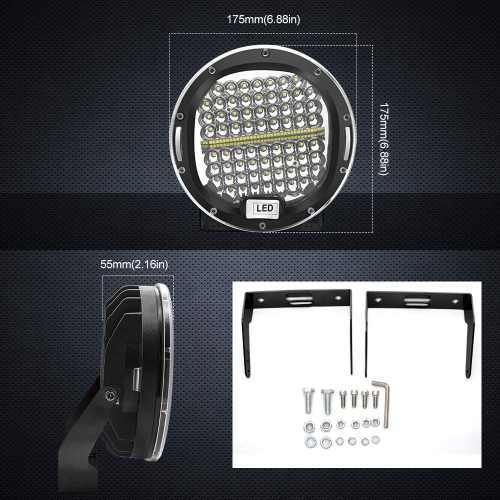
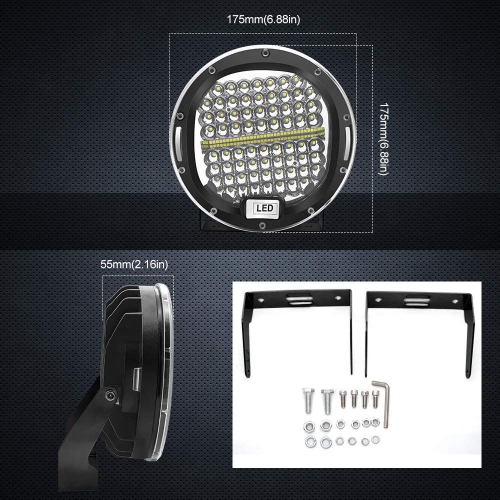
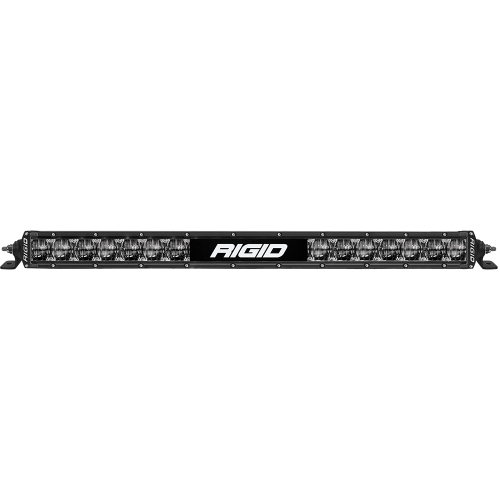
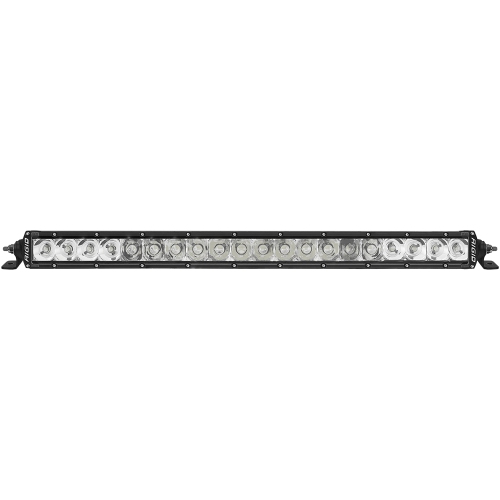
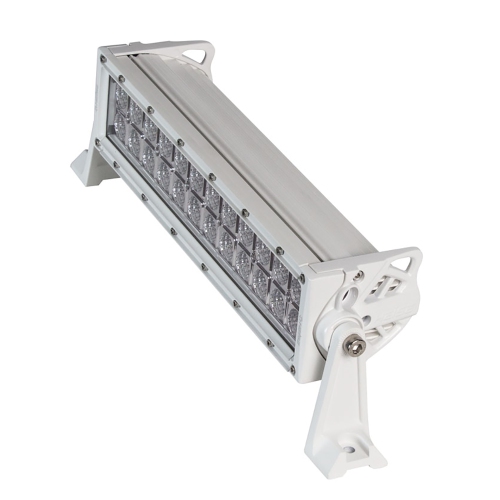
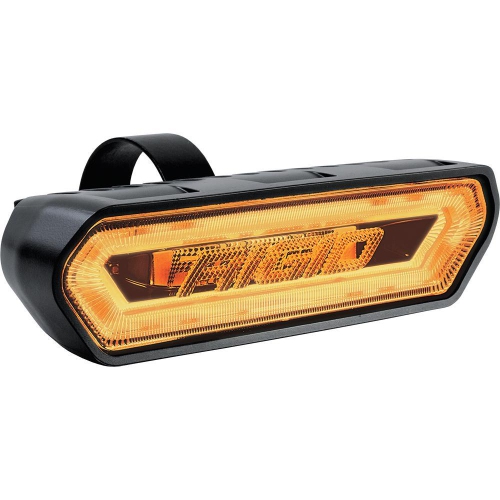
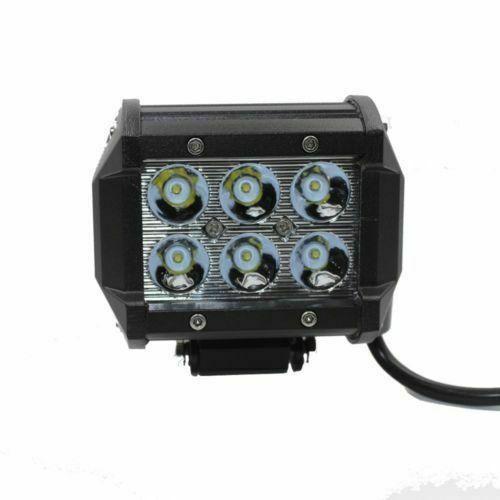
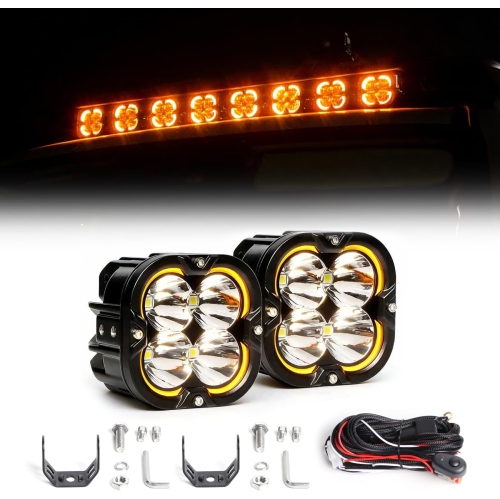
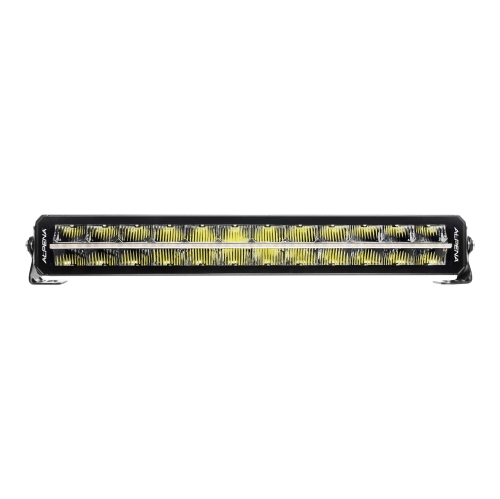
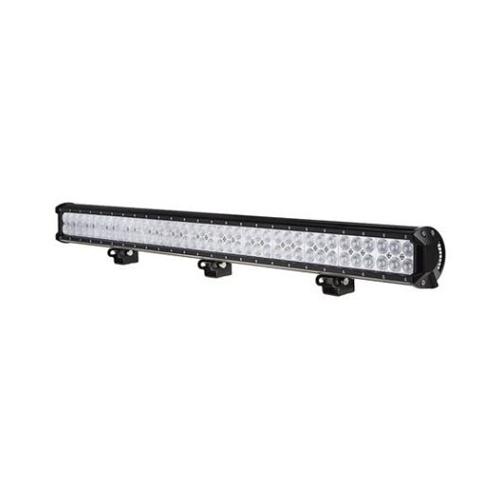
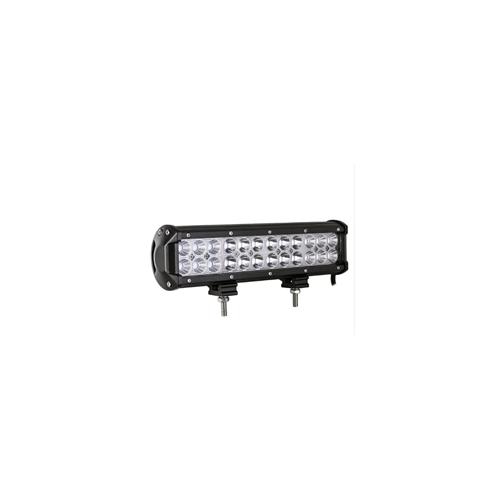
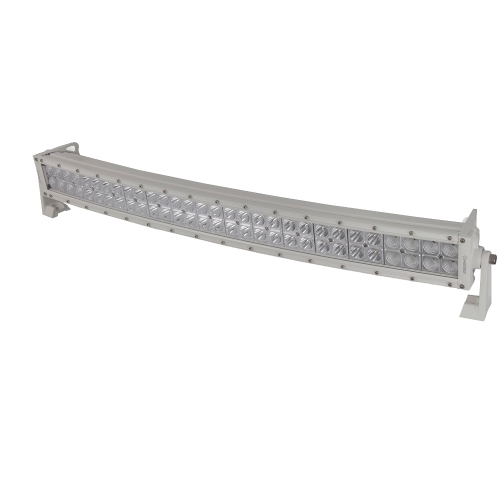
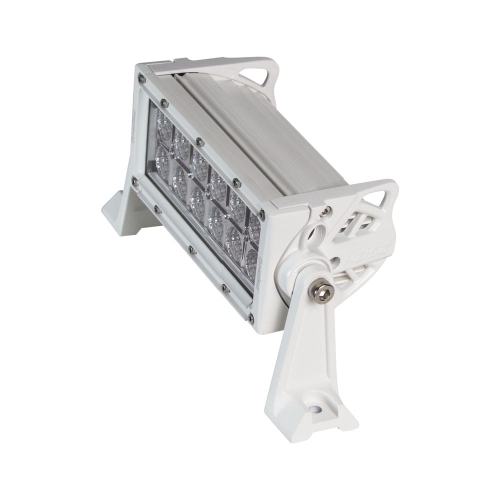
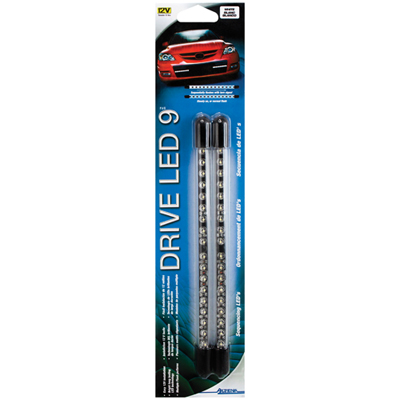
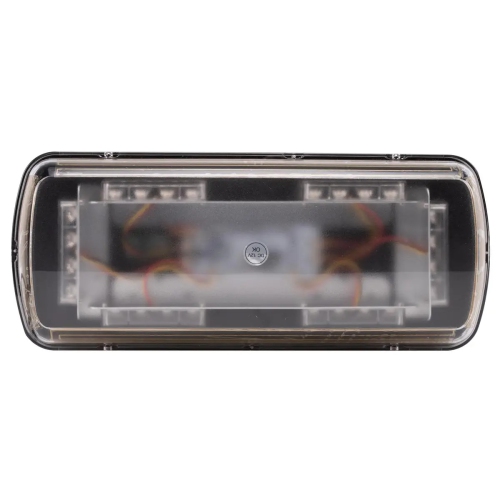
How beam patterns and fitment affect trail visibility
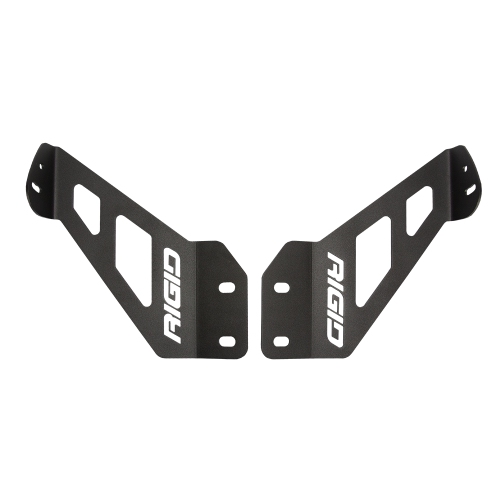
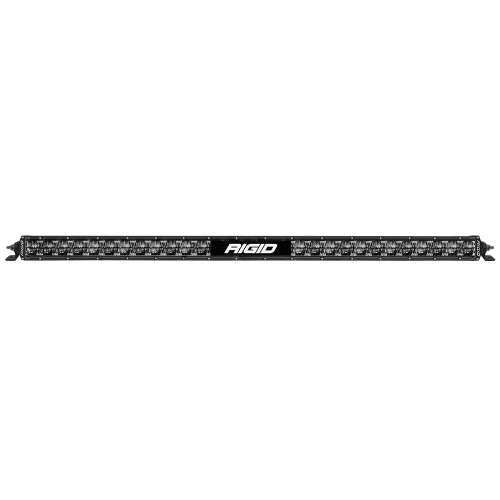
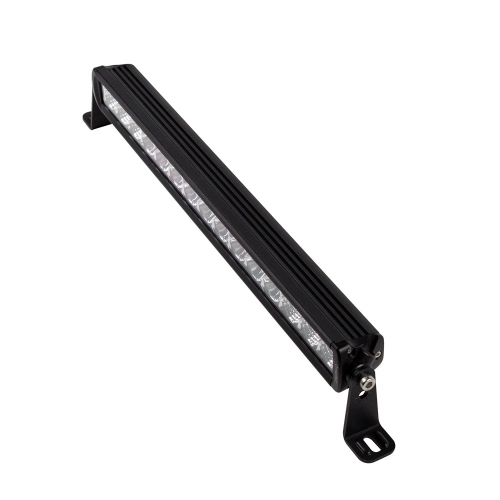
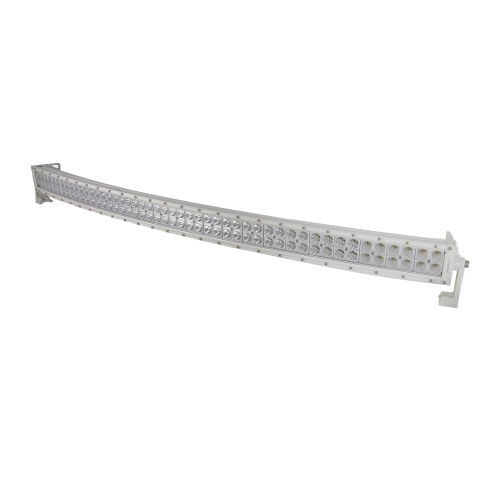
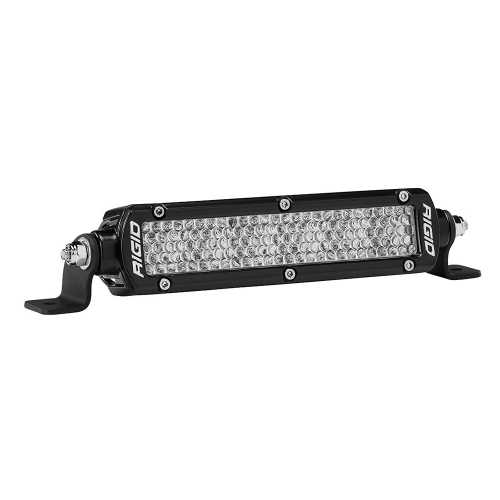
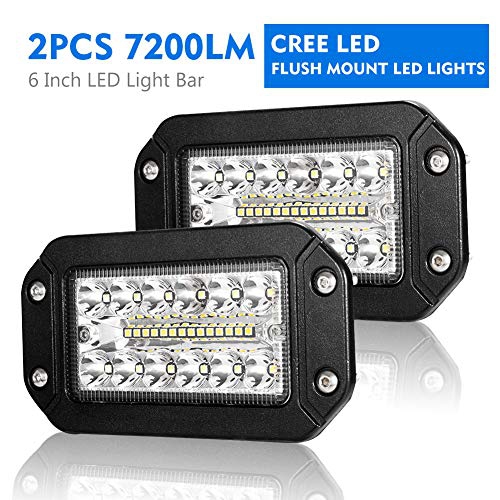
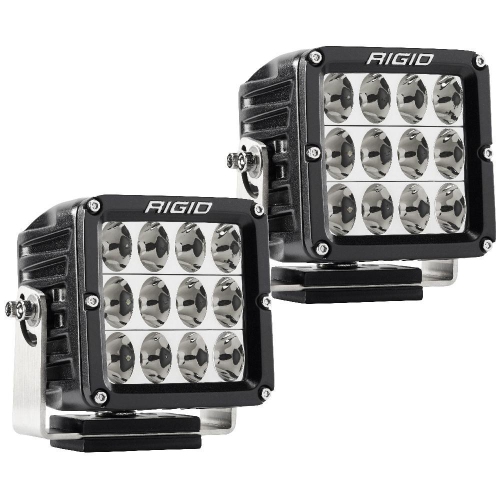
Off road light bars are auxiliary vehicle lights designed to improve visibility beyond what factory headlights can provide on trails, back roads, worksites, private property, and other areas where lighting may be limited. Most models use LED technology for a bright, consistent beam and a compact design, while some drivers may also consider halogen options for their familiar light output and straightforward operation. When comparing off road light bars, start by thinking about how and where the vehicle will be used. A narrow spot beam projects light farther down an open trail, making it useful for drivers who travel at higher speeds in areas with long sightlines. A flood beam spreads illumination across a wider, shorter area, helping reveal the edges of a path, nearby obstacles, campsite surroundings, or work areas beside the vehicle. Combo beams bring both patterns together, offering a practical balance of distance and peripheral coverage for varied terrain. The size of the light bar also affects both coverage and installation. Shorter bars can suit compact vehicles, grille mounts, bumpers, and smaller utility vehicles, while wider bars may provide broader illumination when mounted across a larger roofline or front protection system. Curved designs can help distribute light across a wider field of view, although the shape and mounting space should be checked carefully before purchase. Brightness is another consideration, but the highest stated lumen figure is not automatically the best match for every application. Beam pattern, lens design, mounting position, driving speed, and the amount of surrounding light all influence how useful a bar will feel once installed. A well-matched light bar can create a clear pool of light over uneven ground, loose gravel, ruts, branches, and changing trail surfaces without overwhelming the driver with unnecessary glare.
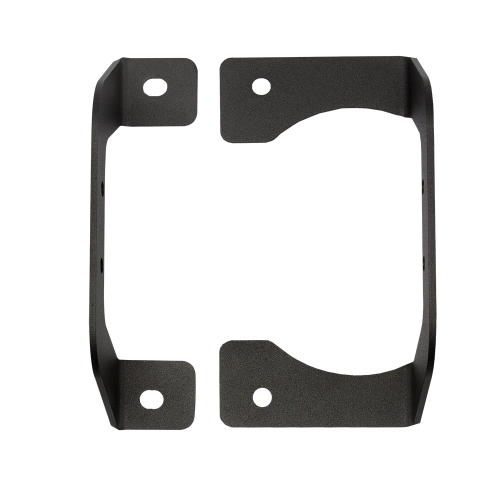
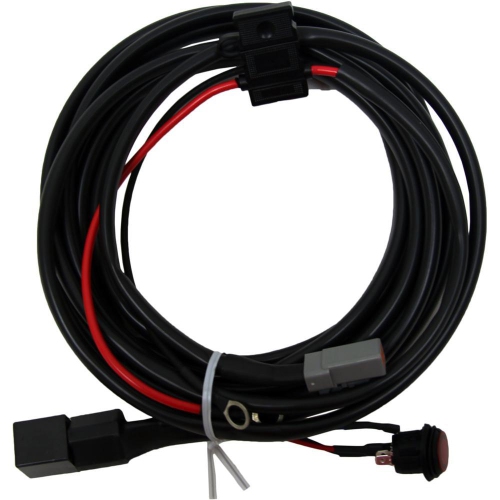
Vehicle compatibility and installation details deserve close attention before choosing an off road light bar. Confirm the available mounting area, the bar’s dimensions, the mounting-foot position, and the clearance around the hood, grille, roof, bumper, or other intended location. The vehicle’s electrical system must also be able to support the light bar, and installation commonly involves a wiring harness, fuse protection, a relay, a switch, and secure connections that are routed away from heat, sharp edges, moving parts, and pinch points. Some vehicles may require an additional mounting bracket or a vehicle-specific accessory kit, while others may need a professional installation to maintain a clean appearance and dependable operation. Check the product specifications for voltage requirements, current draw, cable length, switch style, and connector type, and make sure the light bar can be positioned without blocking the licence plate, front sensors, camera views, radiator airflow, or other required equipment. Weather resistance is especially important for off-road use, where rain, wet snow, mud, dust, spray, and sudden temperature changes can reach exposed components. Look for a durable housing, sealed connections, a secure lens, and a stated ingress-protection rating suited to the intended conditions. A sturdy aluminium housing or reinforced mounting structure can help a bar withstand vibration on corrugated roads, rocky trails, and uneven ground, but the mounts still need to be tightened and checked regularly. Before driving on public roads, review provincial and municipal rules covering auxiliary lighting, permitted colours, mounting height, aiming, and when additional lights must be switched off. Off road light bars are generally intended for private property or off-road environments, and improper use on public roads can create glare for other drivers or violate local requirements. Aiming the bar slightly downward and away from oncoming traffic can help keep the light where it is needed when operating in appropriate settings.
Off road light bars can be useful for recreational drivers, rural property owners, hunters, campers, utility crews, motorsport enthusiasts, and anyone who regularly navigates unlit areas in a properly equipped vehicle. A weekend trail driver might use a wide beam to pick out rocks and deep depressions as the path bends through dense trees, while someone checking a remote driveway during the cooler months may value dependable illumination across the entrance and surrounding ground. For a work truck, the right light bar can make it easier to inspect equipment, position a trailer, load gear, or complete tasks after daylight fades. Campers and overland travellers may appreciate a bar that provides forward visibility on private routes, while a compact setup can offer practical light around a vehicle without taking up excessive space. These lights may also be a thoughtful gift for someone who spends time with a pickup, SUV, ATV, side-by-side, or other off-road vehicle, particularly when paired with compatible mounting and wiring accessories. A gift buyer should avoid guessing at fitment: the recipient’s vehicle year, make, model, mounting location, electrical setup, and preferred beam pattern all matter. For additional options suited to broader vehicle and utility lighting needs, explore LED Light Bars. Whether the goal is trail visibility, work-area lighting, or added confidence around a remote property, selecting the correct size, beam pattern, weather protection, and installation method will help ensure the light bar performs as expected. It is also wise to carry the vehicle manufacturer’s recommended equipment, keep lenses clean, inspect wiring after rough trips, and use auxiliary lighting responsibly so the beam improves visibility without distracting or endangering others.
Vehicle compatibility and installation details deserve close attention before choosing an off road light bar. Confirm the available mounting area, the bar’s dimensions, the mounting-foot position, and the clearance around the hood, grille, roof, bumper, or other intended location. The vehicle’s electrical system must also be able to support the light bar, and installation commonly involves a wiring harness, fuse protection, a relay, a switch, and secure connections that are routed away from heat, sharp edges, moving parts, and pinch points. Some vehicles may require an additional mounting bracket or a vehicle-specific accessory kit, while others may need a professional installation to maintain a clean appearance and dependable operation. Check the product specifications for voltage requirements, current draw, cable length, switch style, and connector type, and make sure the light bar can be positioned without blocking the licence plate, front sensors, camera views, radiator airflow, or other required equipment. Weather resistance is especially important for off-road use, where rain, wet snow, mud, dust, spray, and sudden temperature changes can reach exposed components. Look for a durable housing, sealed connections, a secure lens, and a stated ingress-protection rating suited to the intended conditions. A sturdy aluminium housing or reinforced mounting structure can help a bar withstand vibration on corrugated roads, rocky trails, and uneven ground, but the mounts still need to be tightened and checked regularly. Before driving on public roads, review provincial and municipal rules covering auxiliary lighting, permitted colours, mounting height, aiming, and when additional lights must be switched off. Off road light bars are generally intended for private property or off-road environments, and improper use on public roads can create glare for other drivers or violate local requirements. Aiming the bar slightly downward and away from oncoming traffic can help keep the light where it is needed when operating in appropriate settings.
Off road light bars can be useful for recreational drivers, rural property owners, hunters, campers, utility crews, motorsport enthusiasts, and anyone who regularly navigates unlit areas in a properly equipped vehicle. A weekend trail driver might use a wide beam to pick out rocks and deep depressions as the path bends through dense trees, while someone checking a remote driveway during the cooler months may value dependable illumination across the entrance and surrounding ground. For a work truck, the right light bar can make it easier to inspect equipment, position a trailer, load gear, or complete tasks after daylight fades. Campers and overland travellers may appreciate a bar that provides forward visibility on private routes, while a compact setup can offer practical light around a vehicle without taking up excessive space. These lights may also be a thoughtful gift for someone who spends time with a pickup, SUV, ATV, side-by-side, or other off-road vehicle, particularly when paired with compatible mounting and wiring accessories. A gift buyer should avoid guessing at fitment: the recipient’s vehicle year, make, model, mounting location, electrical setup, and preferred beam pattern all matter. For additional options suited to broader vehicle and utility lighting needs, explore LED Light Bars. Whether the goal is trail visibility, work-area lighting, or added confidence around a remote property, selecting the correct size, beam pattern, weather protection, and installation method will help ensure the light bar performs as expected. It is also wise to carry the vehicle manufacturer’s recommended equipment, keep lenses clean, inspect wiring after rough trips, and use auxiliary lighting responsibly so the beam improves visibility without distracting or endangering others.
Top selling and popular products
-
 Your price for this item is $16.99
 -
 Your price for this item is $31.99
 -
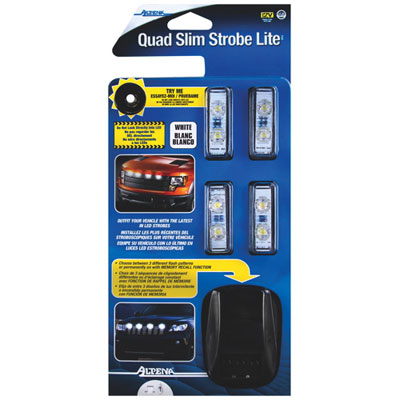 Your price for this item is $48.99
 -
 Your price for this item is $36.99
 -
 Your price for this item is $36.96
 -
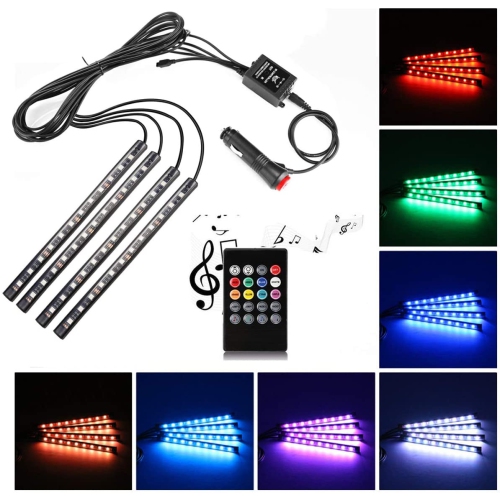 Your price for this item is $29.99
 -
 Your price for this item is $52.96
 -
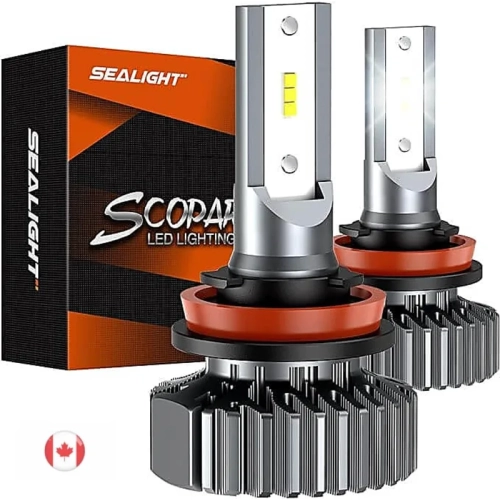 Your price for this item is $59.99
Discover more categories related to Off Road Light Bars
Top Collections:
Pokemon Centers, Kindle Devices, Best Budget Office Chairs, Apple iPhones 16, Best Laptops for Writers, iPhone 15 Apple, Canon G7X Cameras, Refurbished Apple Laptops, Alarm Clock, Motorola Razr Phones
Some products may be subject to Environmental Handling Fees
(EHF) depending on your province.
Learn more about EHFs.