Outdoor Roller Skates
Outdoor roller skates are your ticket to fun-filled adventures and exhilarating rides in the great outdoors. Whether you're gliding through scenic parks, cruising along bustling city streets, or enjoying a leisurely roll by the waterfront, outdoor roller skates offer an exciting way to explore your surroundings while staying active. Designed for durability and smooth performance on various surfaces, these skates provide the perfect blend of style and functionality. Dive into the world of outdoor roller skating and discover how they can transform your outdoor experiences into unforgettable memories.
Sort


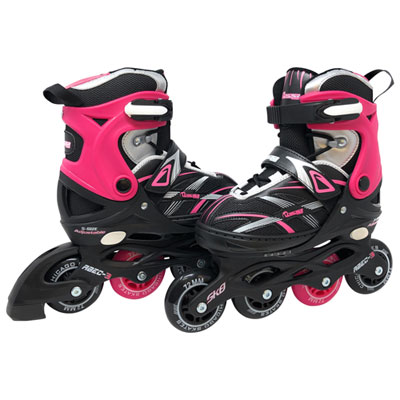


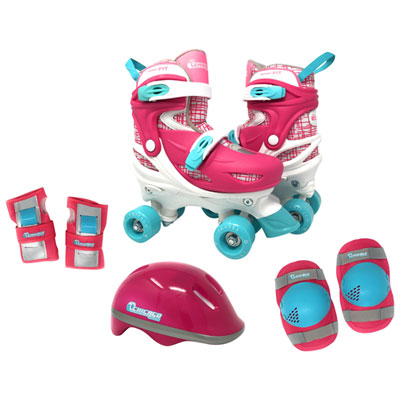


How softer wheels change the feel of pavement
Outdoor roller skates are designed for rolling on paved surfaces, with wheels and boot construction that help make uneven ground more manageable. Most outdoor quad skates have four wheels arranged in two pairs, providing a broad platform for recreational skating, relaxed laps around a paved court, or outings along a permitted multi-use path. Their defining feature is usually a set of softer polyurethane wheels that absorb some vibration and grip textured pavement more readily than harder indoor wheels. Wheel hardness is measured on the durometer A scale: a lower number generally indicates a softer wheel. Ratings around 78A to 82A are common choices for outdoor skating, particularly on asphalt or concrete that is not perfectly smooth. Some outdoor and mixed-use wheels have higher ratings, offering a different balance of cushioning, grip, and wear resistance. Soft wheels can take the edge off surface texture, but they cannot make gravel, large cracks, or broken pavement safe to skate over. Wheel diameter also affects the ride. Larger wheels generally maintain momentum more easily and handle small surface irregularities better, while smaller wheels can feel more nimble during turns and footwork. Width and wheel profile influence contact with the ground, so two sets with the same hardness may still feel different underfoot. Outdoor skating is a use category rather than a separate wheel arrangement; many Quad Roller Skates can suit paved outdoor spaces when fitted with compatible outdoor wheels. A broad wheelbase can feel reassuring when standing, although balance, stopping skills, and controlled turning still take practice. For someone picturing an easy roll beside a friend rather than jumps or ramps, a comfortable recreational setup is a more relevant match than specialized park equipment. The most useful differences between outdoor roller skates are often the ones felt over several laps: how securely the heel sits, how much pavement vibration reaches the feet, and how naturally the skates respond when shifting weight.
Boot materials, shape, and fastening systems all contribute to that feel. Leather and suede uppers can gradually soften and adapt to the foot, while synthetic uppers vary from supple, padded designs to firmer constructions that hold their shape. No material guarantees a blister-free fit, and a long break-in period should not be treated as the answer to painful pressure points. Suede has a textured finish that can show scuffs differently from smooth materials, while many synthetic surfaces are relatively easy to wipe clean. Reinforced toes and well-finished seams can be useful where repeated contact with pavement causes abrasion. High-top boots extend above the ankle and may provide a more enclosed, structured feel; lower-cut boots leave more room for ankle movement. Boot height alone does not determine support or prevent injury. Padding around the tongue and collar, the stiffness of the upper, and a secure heel pocket matter as well. A suitable fit keeps the foot from sliding inside the boot without squeezing the toes or causing numbness. Skate sizing does not always match everyday shoe sizing, making foot length, width, and the manufacturer's size chart more useful than the number printed on a favourite pair of trainers. Trying skates with the socks intended for skating can reveal pressure across the forefoot, rubbing at the ankle, or unwanted heel lift. Laces allow tension to vary along the foot, while straps or buckles, where included, add another point of adjustment. For children, adjustable sizing can accommodate growth within a stated range, but an oversized skate can make steering and stopping more difficult. Adults returning to skating after a long break may appreciate secure fastening and comfortable padding just as much as beginners do. As a gift, outdoor roller skates suit someone who enjoys active recreation or learning a movement-based hobby, provided their measurements and intended use are known. Colour, contrasting laces, and classic or sporty silhouettes add personality, but comfort and control are what make a pair enjoyable beyond the first outing.
Beneath the boot, the plate, trucks, cushions, bearings, and toe stops affect handling and long-term durability. The plate connects the boot to the wheel assembly, while the trucks allow the skate to steer as the wearer leans. Reinforced nylon plates can offer a lighter feel for recreational use, and aluminium plates can provide a rigid platform; overall construction quality, rider limits, and intended use matter more than material alone. Cushions around the truck assembly influence how readily the skates turn, and changes to truck adjustment can noticeably alter stability and response. Bearings help the wheels rotate, but a high bearing rating alone does not establish how well a skate will perform outdoors. Proper fit, clean bearings, and freely turning wheels are more meaningful than a single specification. Toe stops vary in size, shape, and mounting system, and some are height-adjustable while others use a fixed position. Compatible replacement wheels, bearings, and stops can extend the useful life of a pair as parts wear. Recreational skates are not automatically suitable for aggressive ramp skating, repeated jumps, or other high-impact use. For everyday outdoor sessions, a smooth, permitted area away from vehicle traffic gives skaters space to practise controlled starts, turns, and stops. A helmet designed for the activity, wrist guards, knee pads, and elbow pads are important companions, especially while learning. Even familiar routes can contain grit, raised joints, or debris that require slowing down or choosing another path. Routine care is straightforward but worthwhile: removing surface dirt, checking for loose hardware, and inspecting wheels and toe stops for uneven wear helps keep small issues visible. Wheels may need rotation according to the manufacturer's guidance, while bearings require appropriate cleaning and lubrication rather than soaking the assembled skates. Boots should be allowed to air dry away from direct heat before storage, and suede, leather, and synthetic uppers each benefit from care suited to their material. With the right fit, compatible components, and regular attention to wear, outdoor roller skates can remain a comfortable part of recreational outings, whether that means practising gentle turns on a quiet court or building confidence over longer paved loops.
Top selling and popular products
-
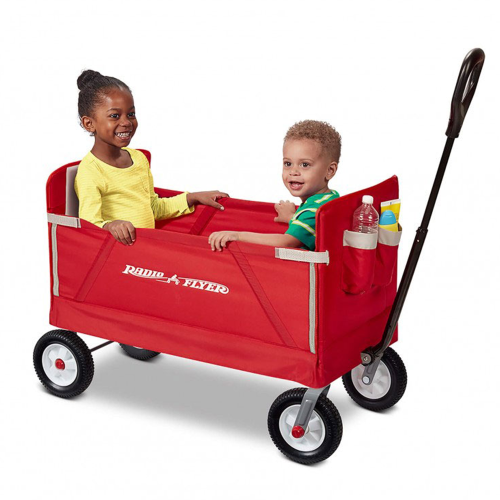 Your price for this item is $266.99
-
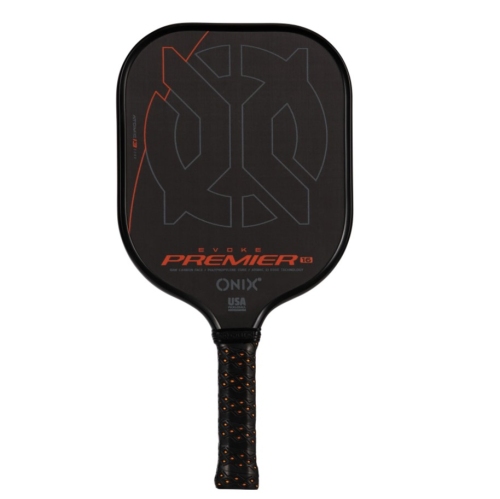 Your price for this item is $139.99
-
 Your price for this item is $44.99
-
 Your price for this item is $359.99
-
 Your price for this item is $34.99
-
 Your price for this item is $429.99
-
 Your price for this item is $349.99
-
 Your price for this item is $28.99
Discover more categories related to Outdoor Roller Skates

Top Collections:
Pokemon Centers, Kindle Devices, Best Budget Office Chairs, Canon G7X Cameras, Apple iPhones 16, Samsung Galaxy Phones, Refurbished Apple Laptops, Laptops for Students, iPhone 15 Apple, Budget Smartphones
Some products may be subject to Environmental Handling Fees
(EHF) depending on your province.
Learn more about EHFs.