Roller Shoes
Roller shoes have become a popular choice for those looking to add a touch of fun and functionality to their footwear collection. These innovative shoes seamlessly blend style with practicality, allowing you to glide through your day with ease. Whether you're a trendsetter looking to make a fashion statement or simply seeking a convenient way to get around town, roller shoes offer a versatile option that caters to all ages and preferences. Discover the perfect pair that suits your lifestyle and step into the world of effortless mobility with roller shoes.
Sort


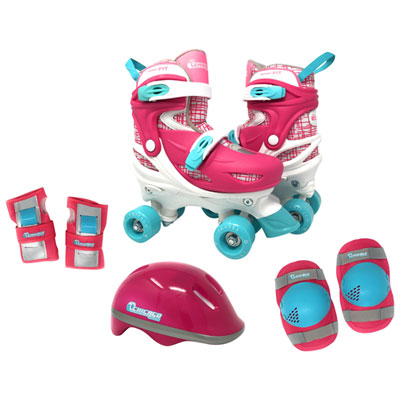


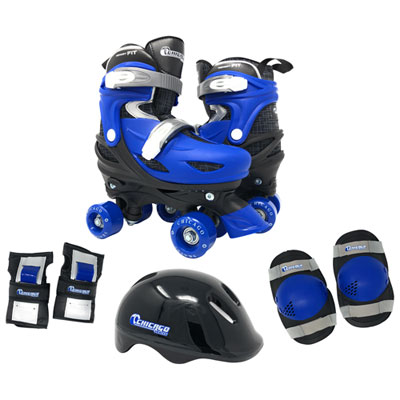


What wheels underfoot mean for fit and balance
Roller shoes bring a playful twist to casual footwear, combining the familiar shape of a trainer with wheels built into the sole, usually near the heel. Their appeal lies in the change of pace: a pair can look much like everyday shoes while offering a different way to move in a suitable space. Designs vary, from shoes with a single wheel in each heel to versions with additional wheels, and that layout affects the feel underfoot, balance, and turning. Some have removable wheels or a retractable mechanism, while others require a particular setup before walking normally. Those differences matter for anyone who wants to switch between rolling and walking without treating the two as interchangeable. Even with wheels removed or tucked away, the sole may feel firmer, heavier, or thicker than a regular trainer. Roller shoes suit recreational use rather than distance skating, running, or navigating a busy commute, and they work best when there is room to practise without weaving around pedestrians. Children and teens may enjoy the mix of footwear and active play, while adult-sized designs can appeal to older users who like learning a new balance skill. Age guidance, weight limits, and the wearer’s coordination are more useful considerations than appearance alone. A child who is confident on a scooter may still need time to get comfortable with wheels beneath their heels. As a gift, roller shoes feel personal when the size, preferred colours, and intended place of use have been considered together. They are less suited to a surprise purchase based only on age, since footwear measurements and readiness can differ considerably between children. The most satisfying match is a pair that fits securely, suits the wearer’s ability, and can be used somewhere that permits rolling footwear. A smooth, clear practice area offers a very different experience from a cracked pavement, a crowded hallway, or a driveway that slopes towards the street.
Materials and construction shape how roller shoes feel both at rest and in motion. Uppers may use synthetic panels, mesh, canvas, leather, or a combination, with each bringing a different balance of flexibility, airflow, and structure. Mesh sections can help feet feel less confined during active play, while firmer panels around the heel and sides can give the shoe a more supportive feel. Reinforced toe areas are useful where scuffs tend to appear, although no upper material makes a shoe immune to scraping against rough ground. Inside, a smooth lining, cushioning underfoot, and padding around the collar can make a noticeable difference during repeated practice. Fit should allow the toes to sit naturally without crowding, while holding the heel securely enough that it does not lift or slide from side to side. Extra length bought for growing room can make control more difficult, particularly if the foot shifts before the shoe responds. Comparing foot measurements with the relevant size chart is more reliable than assuming the wearer’s usual footwear size will translate exactly, and checking both feet helps account for small differences. Trying shoes with the socks intended for use also gives a clearer sense of fit. Laces allow adjustment across the instep, while straps or combined closures may be easier for some wearers to manage; whichever style is used, loose ends need to stay clear of moving parts. Beneath the upper, wheel material, wheel size, bearings, and the surrounding housing all influence rolling feel and maintenance needs. Wheel layouts are worth considering alongside the wearer’s balance and experience, but an extra wheel does not remove the need for practice or protective equipment. For someone whose main interest is longer skating sessions rather than wheeled footwear, Outdoor Roller Skates offer a separate category to explore. Roller shoes remain a distinct choice, with their own stance, handling, and intended use rather than the same experience in a smaller package.
Day-to-day enjoyment depends as much on the setting and care routine as on the shoes themselves. A level, dry surface free of grit, loose stones, and cracks gives the wheels a more predictable path. Wet leaves, ice, puddles, and road salt are especially relevant during the cooler months, when a clear-looking stretch of pavement can still be slippery or abrasive. Indoor use also depends on permission: rolling footwear may not be allowed in schools, shops, recreation facilities, or other shared spaces, even where the floor looks ideal. A properly fitted helmet suitable for the activity, along with wrist guards and knee and elbow pads, is an important part of the setup. Beginners benefit from close supervision where appropriate and an uncluttered practice space away from traffic, stairs, steep slopes, and people moving through the area. Learning how to balance, slow down, and stop according to the footwear manufacturer’s directions should come before trying to build speed. Care is usually straightforward but needs to include the wheel components as well as the visible upper. After use, checking for trapped debris, worn wheels, loose fittings, damaged closures, and changes in rolling performance can help catch problems before the next outing. A wheel that begins to wobble or bind deserves attention rather than another lap. Cleaning methods should follow the material and mechanism instructions; soaking the shoes or putting them in a washing machine can damage parts that are not designed for that treatment. A soft brush and a lightly dampened cloth may be suitable for routine surface dirt where the care directions allow, followed by drying away from direct heat. Removable wheels, covers, or tools are easier to keep track of when stored together in a dry place, and replacement components need to match the shoe’s specifications rather than simply look similar. Regularly checking fit is equally important for growing feet. With sensible expectations, a secure fit, and attentive upkeep, roller shoes can add an engaging balance-based activity to recreational time without being mistaken for ordinary walking shoes or all-purpose skates.
Top selling and popular products
-
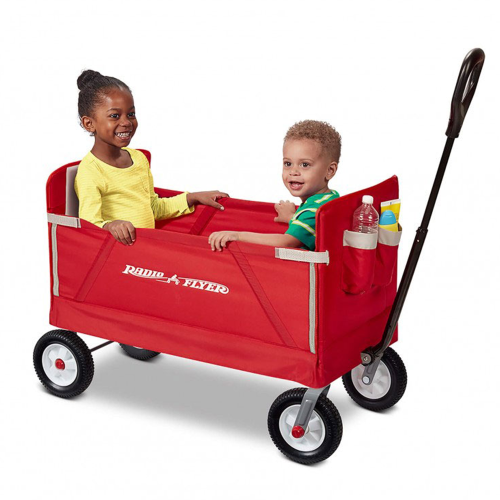 Your price for this item is $266.99
-
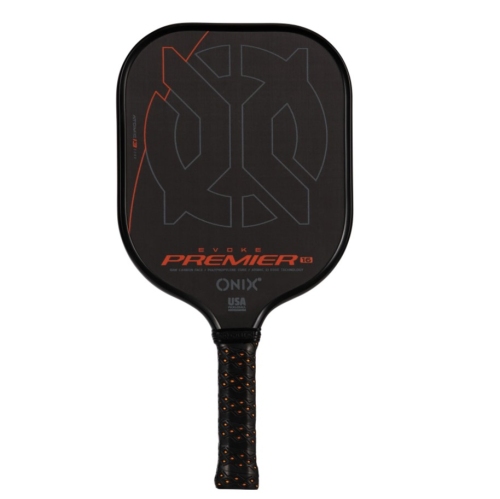 Your price for this item is $139.99
-
 Your price for this item is $44.99
-
 Your price for this item is $359.99
-
 Your price for this item is $34.99
-
 Your price for this item is $429.99
-
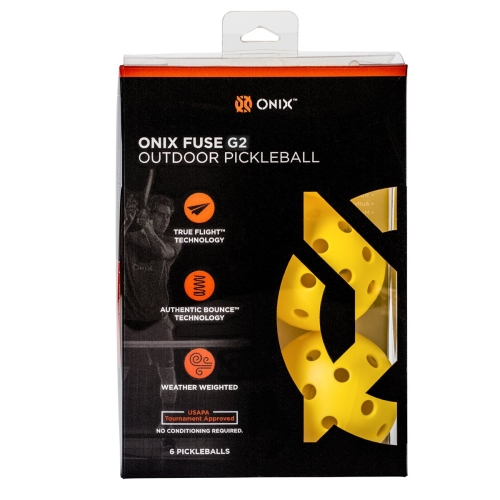 Your price for this item is $28.99
-
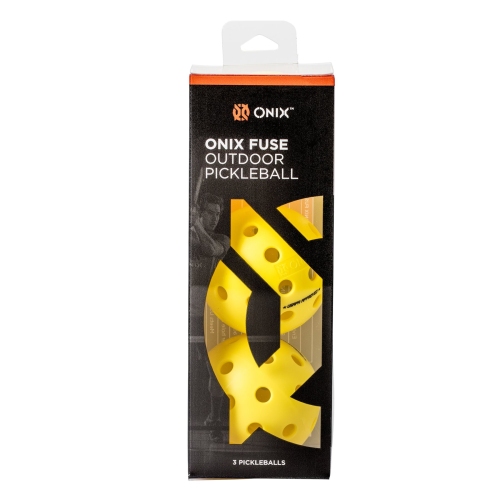 Your price for this item is $14.99
Discover more categories related to Roller Shoes
Top Collections:
Pokemon Centers, Best Cameras for Sports Photography, Kindle Devices, Samsung Galaxy Phones, Canon G7X Cameras, Pokémon 30th Celebration Cards, Refurbished Apple Laptops, iPhone 15 Apple, Laptops for Students, Budget Smartphones
Some products may be subject to Environmental Handling Fees
(EHF) depending on your province.
Learn more about EHFs.