Outdoor Tarps
Whether you're looking to protect your outdoor furniture, cover firewood, or create a makeshift shelter for your camping trip, outdoor tarps are versatile essentials that come in handy for various purposes. Designed to withstand the elements and provide reliable coverage, outdoor tarps are a practical solution for keeping your belongings safe and dry. Explore our selection of outdoor tarps in different sizes, materials, and colors to find the perfect option for your next outdoor project or adventure.
Sort
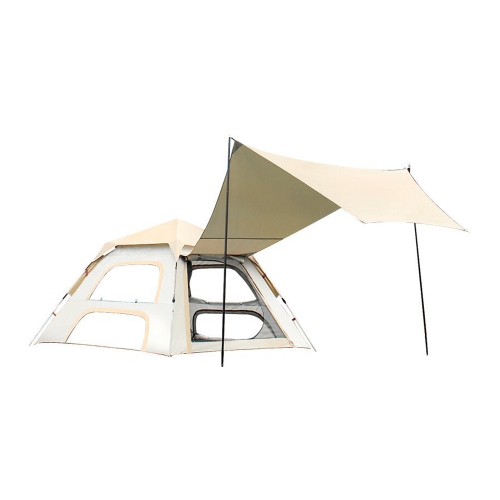
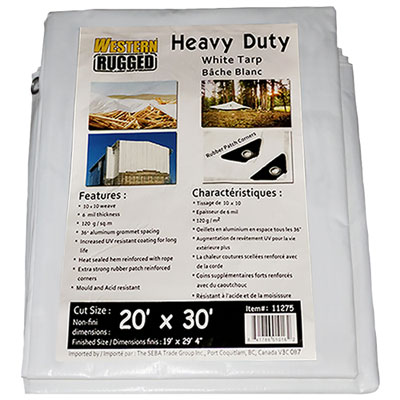
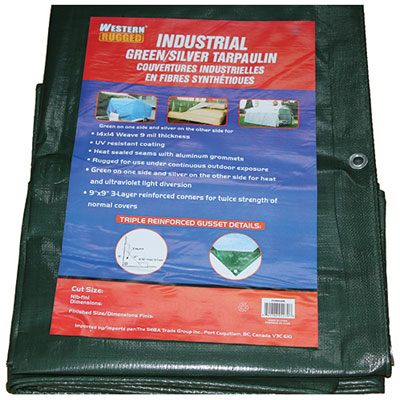
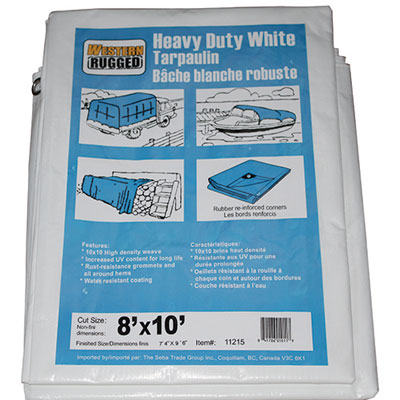
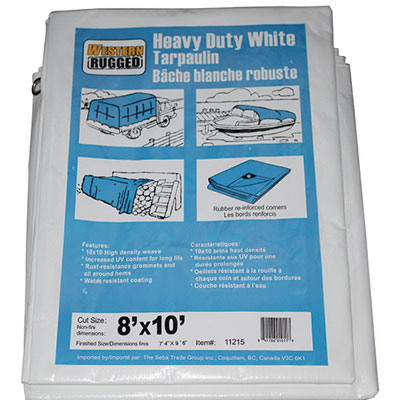
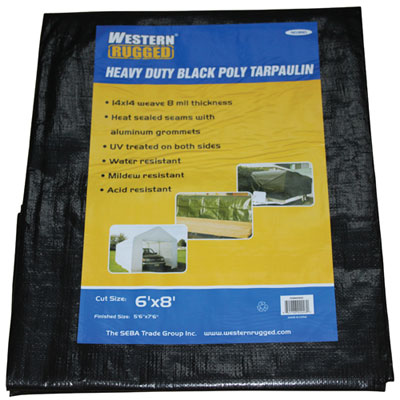
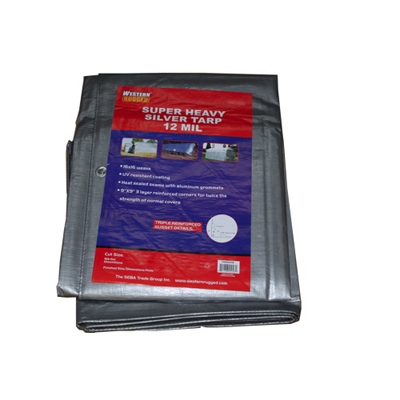
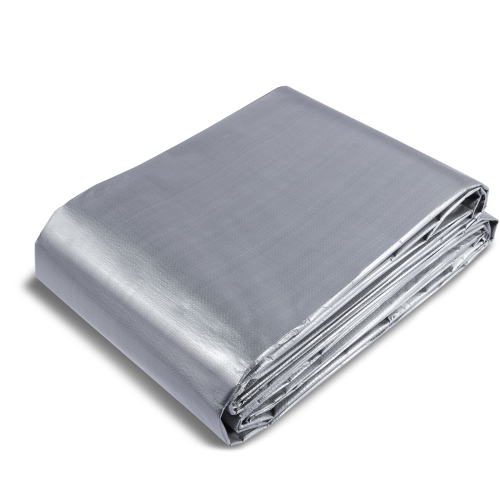
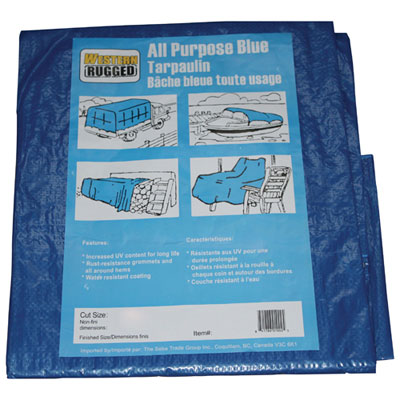
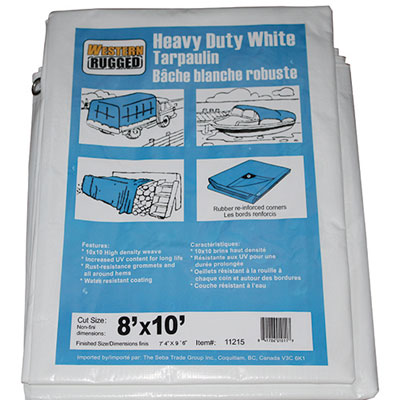
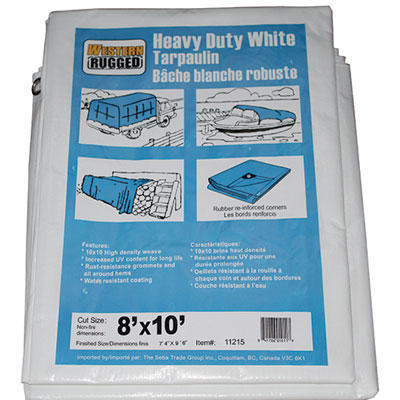
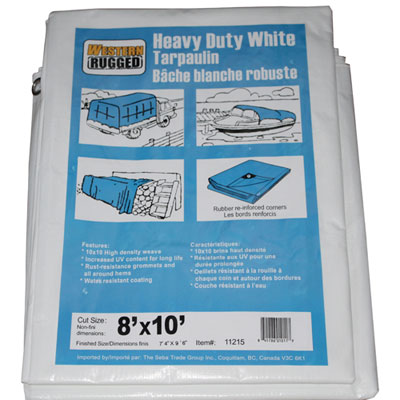
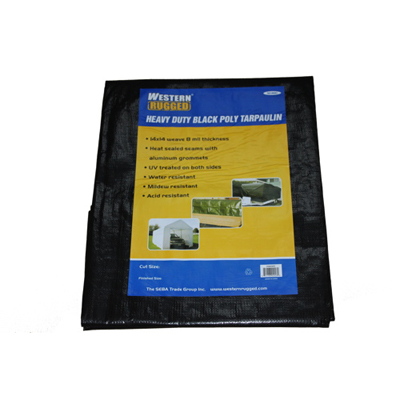
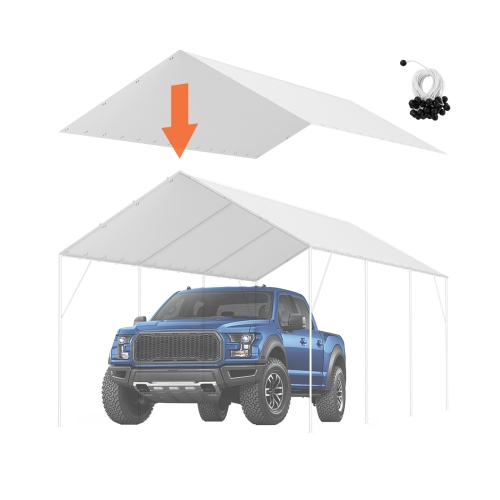
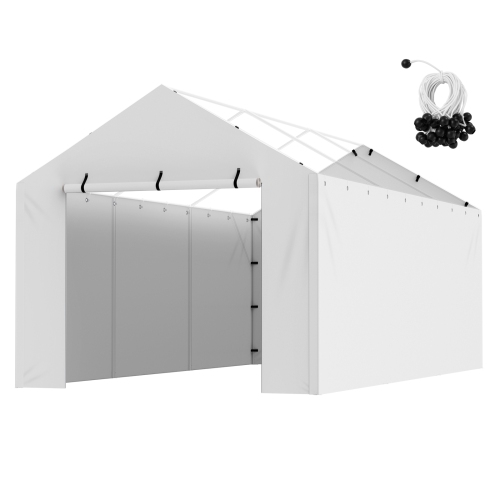
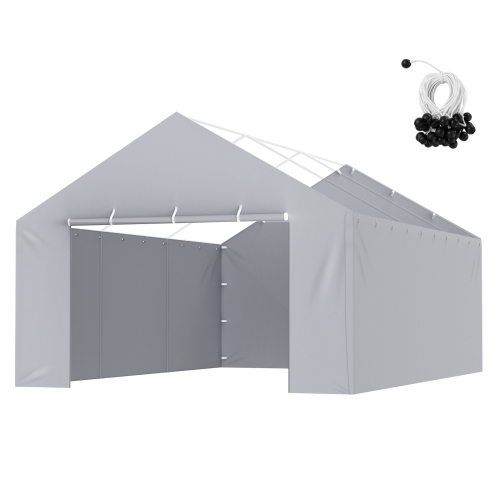
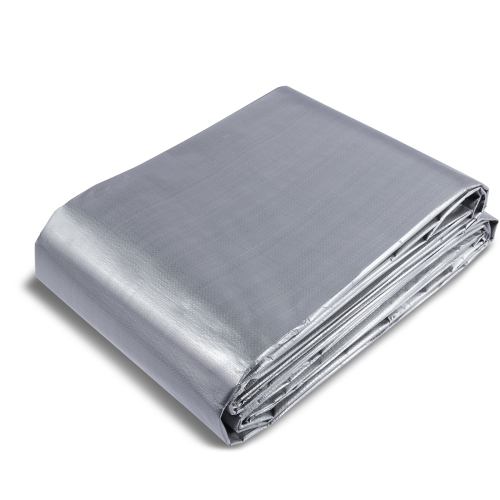
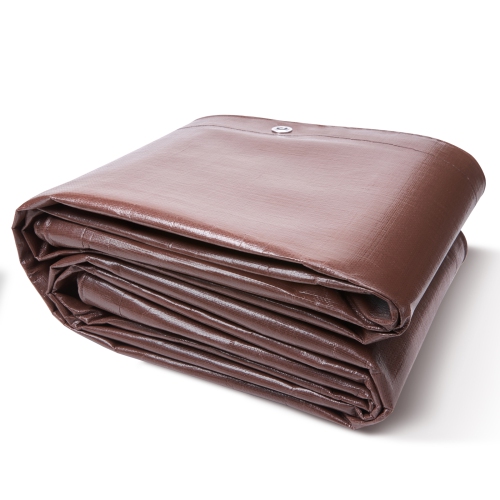
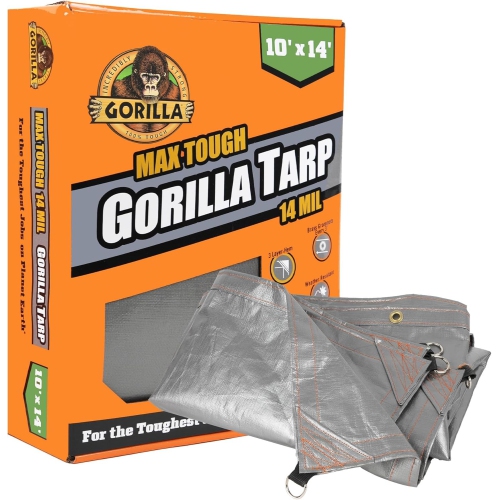
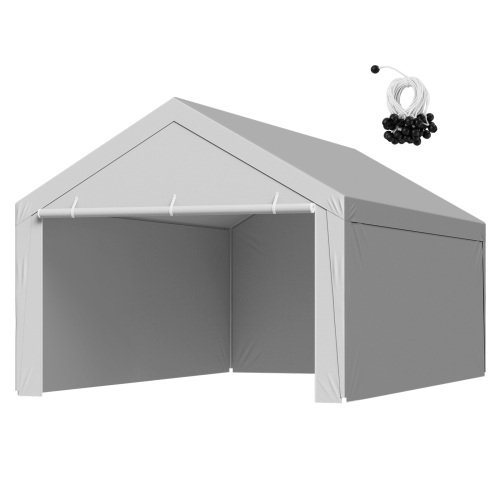
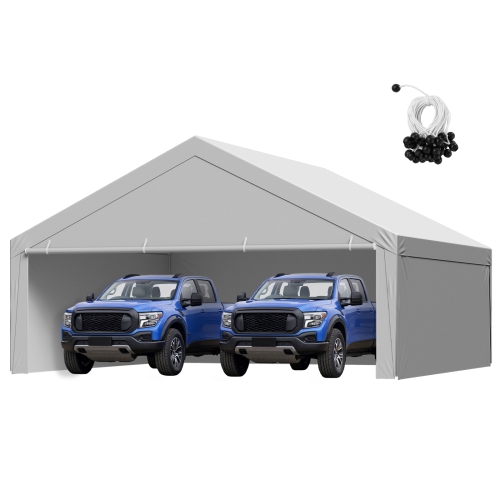
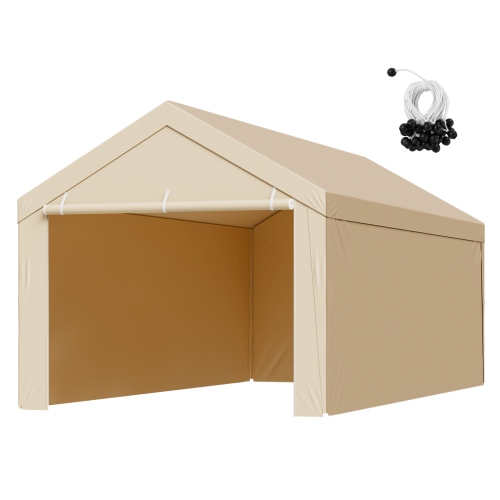
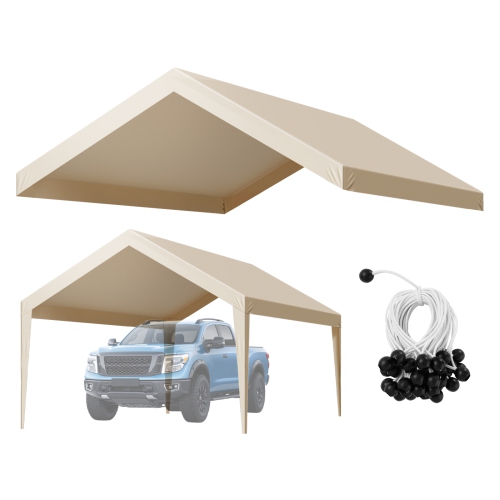
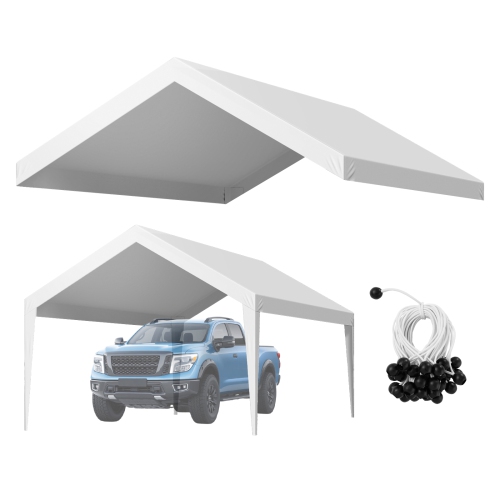
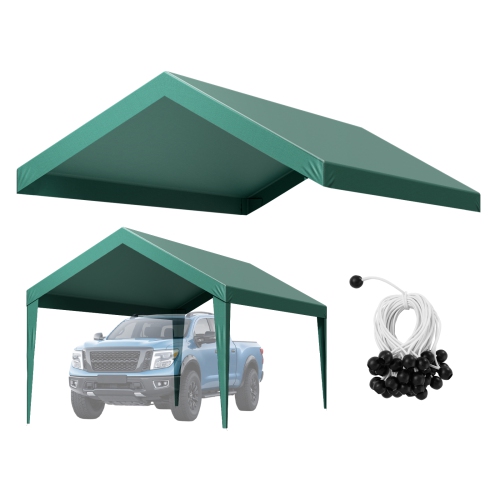
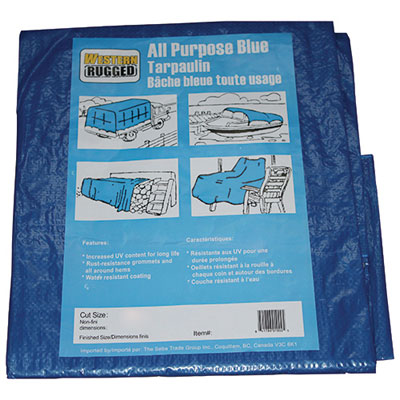
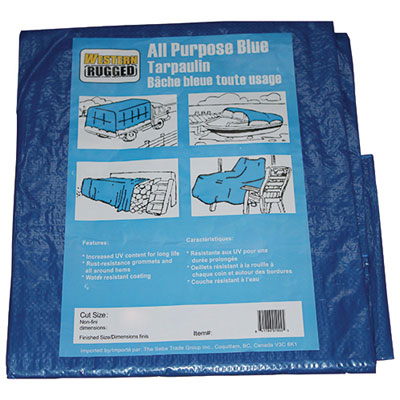
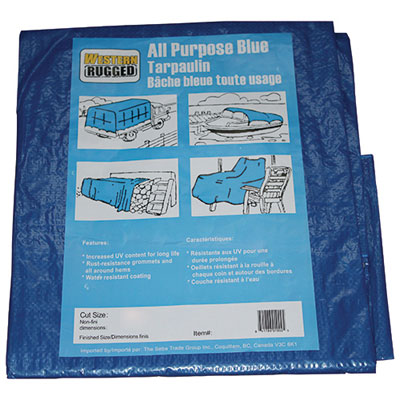
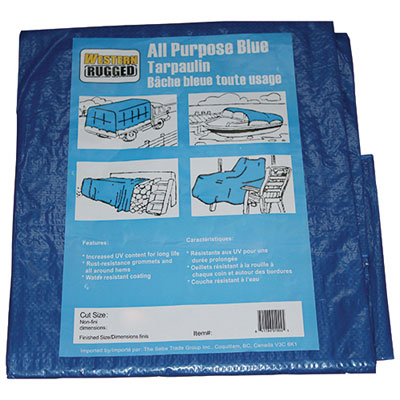
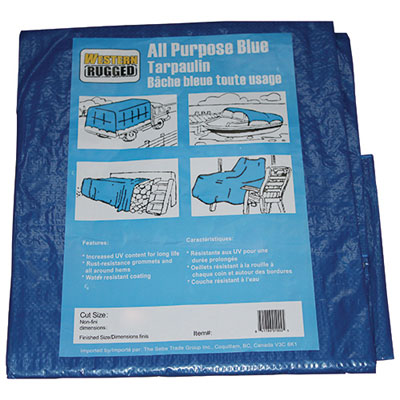
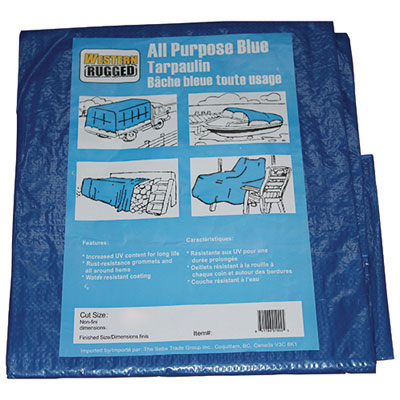
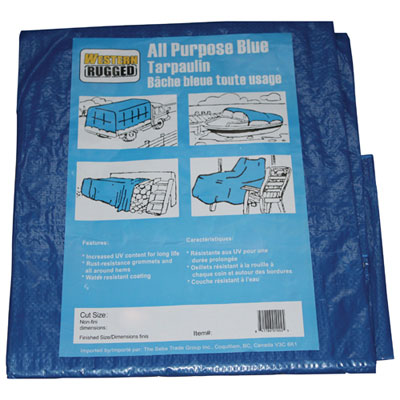
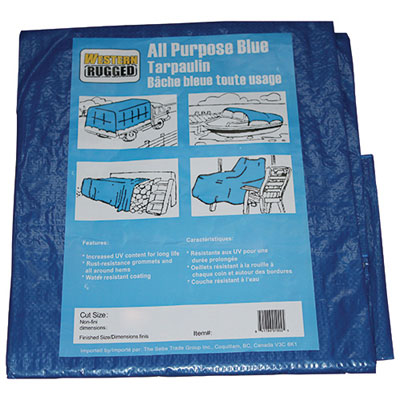
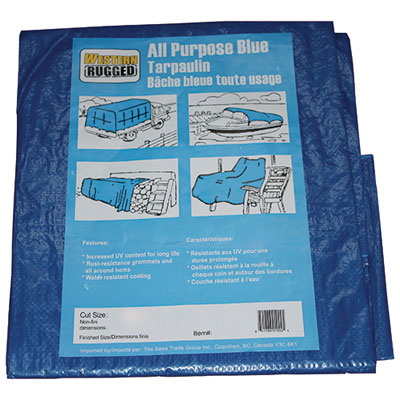
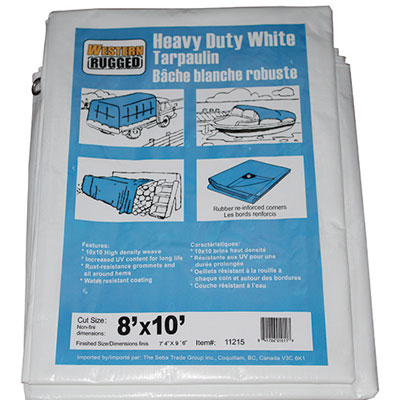
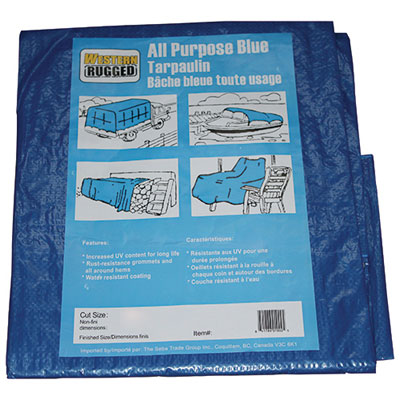
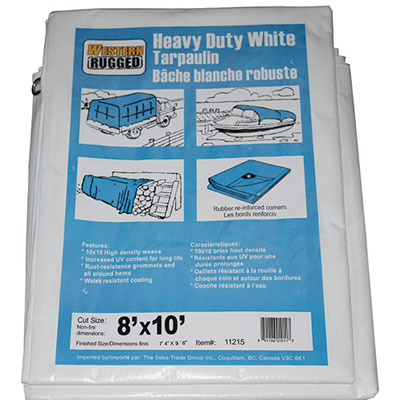
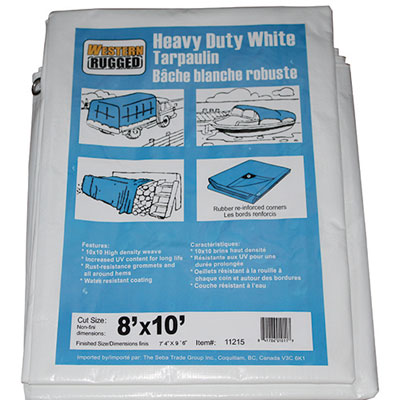
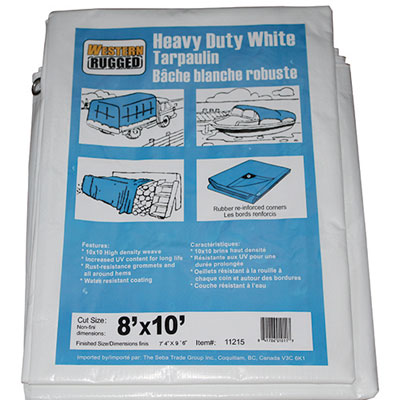
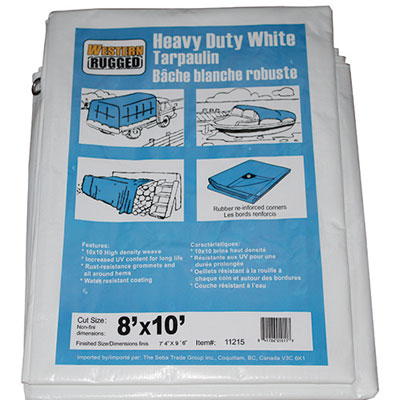
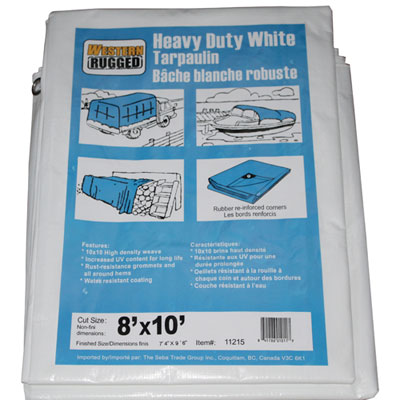
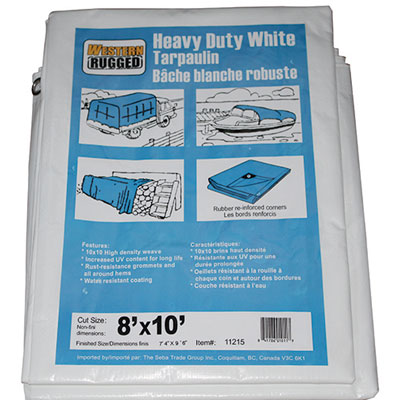
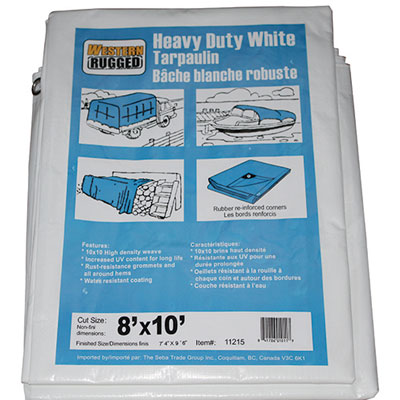
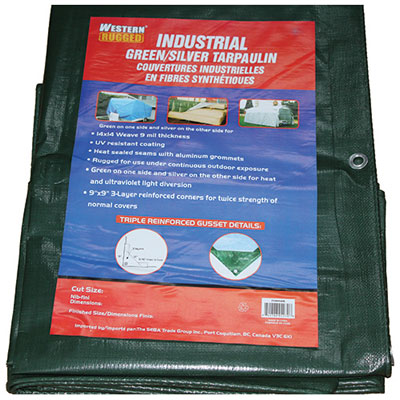
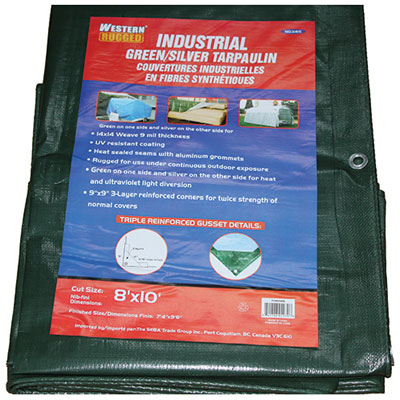
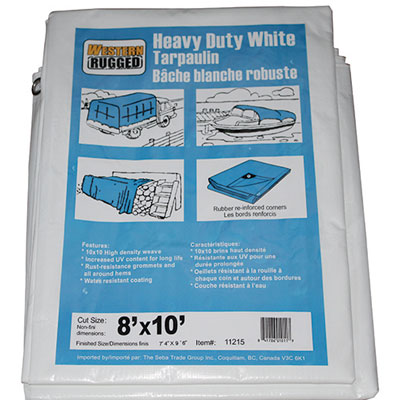
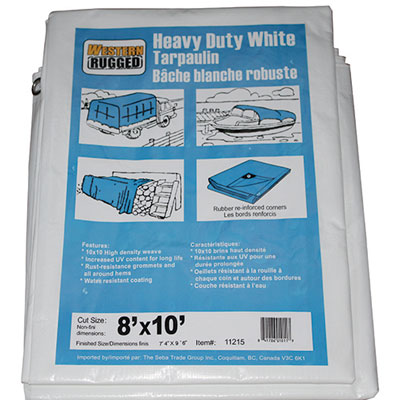
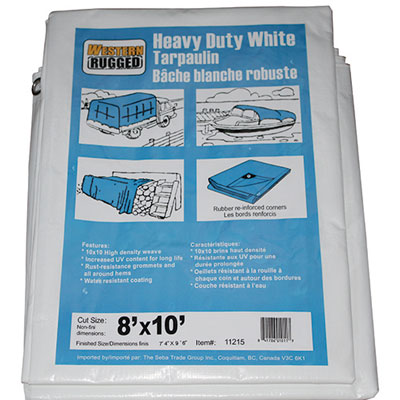
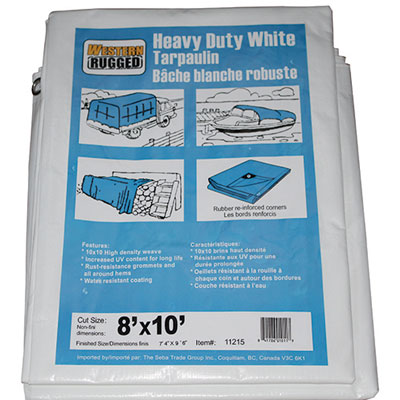
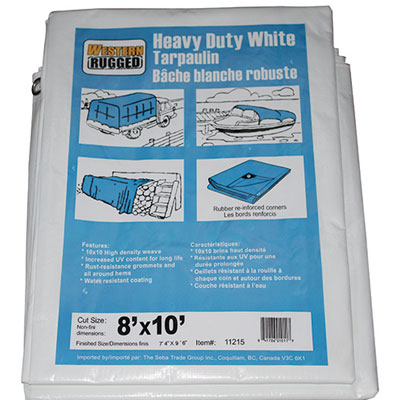
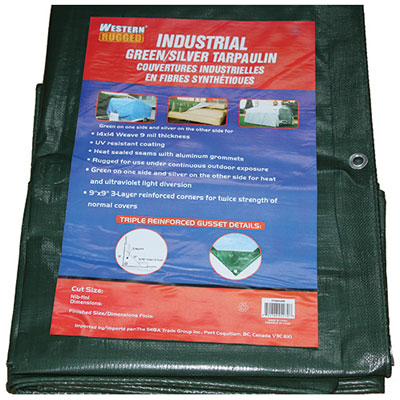
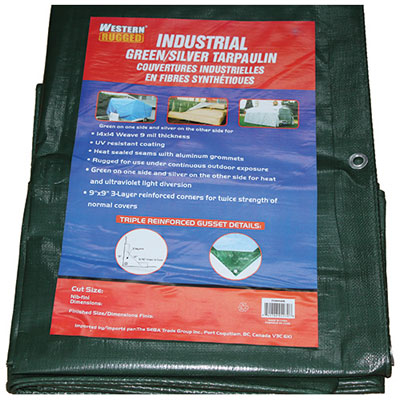
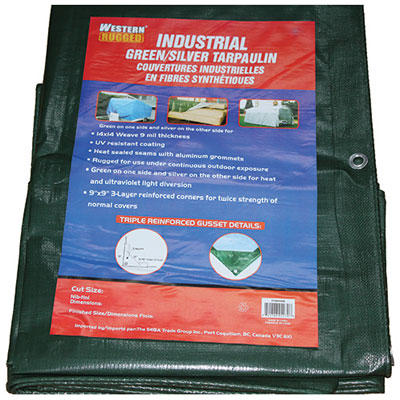
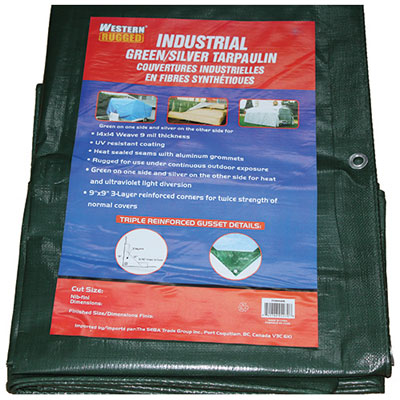
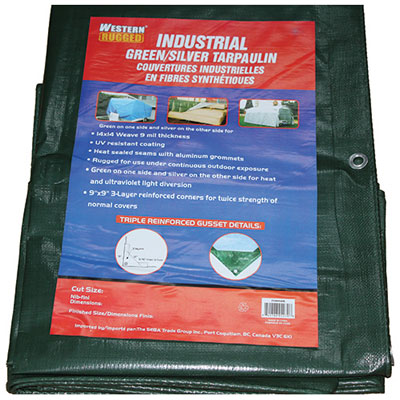
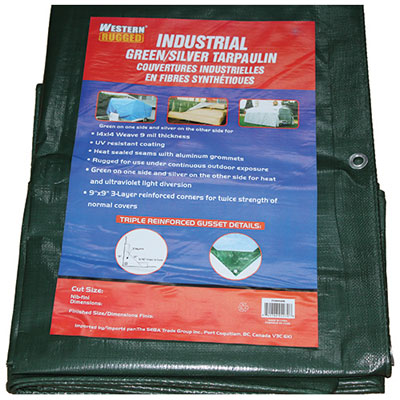
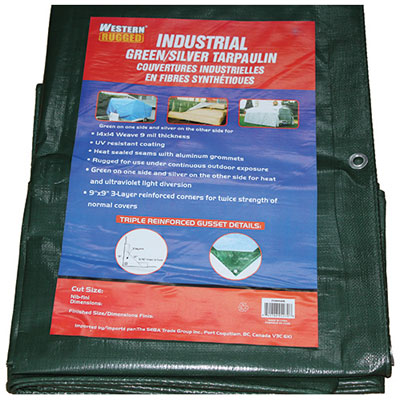
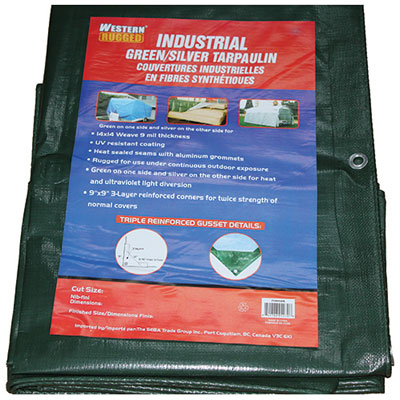
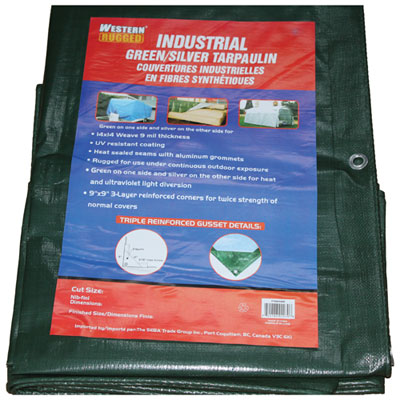
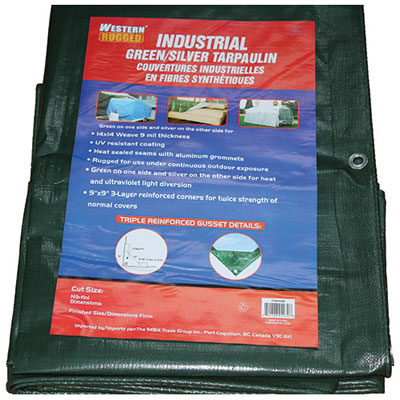
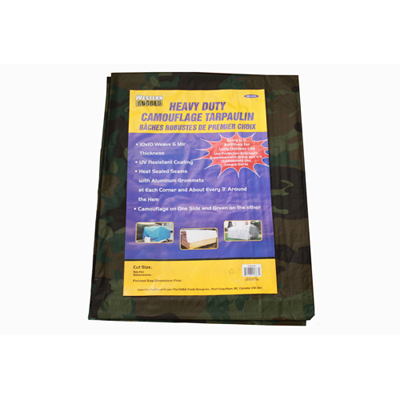
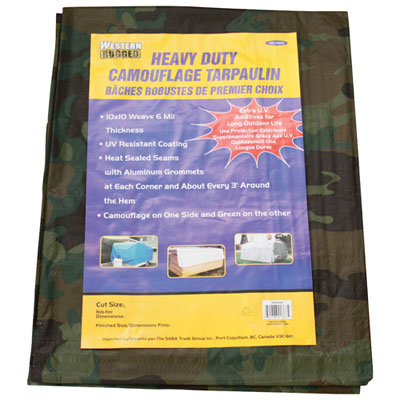
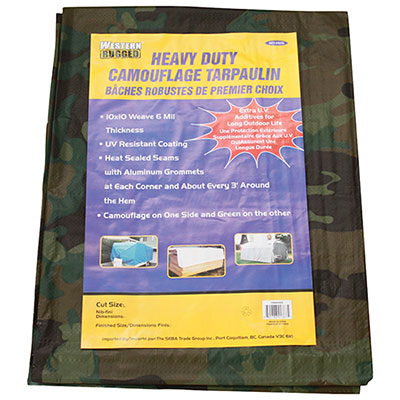
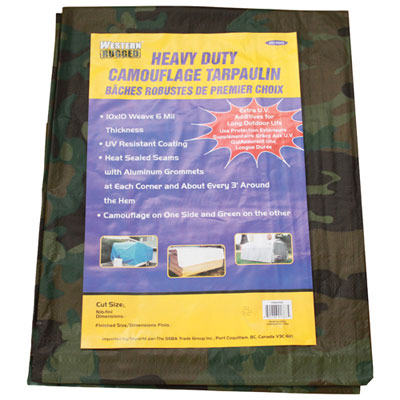
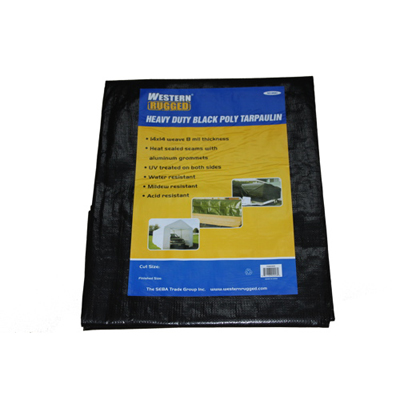
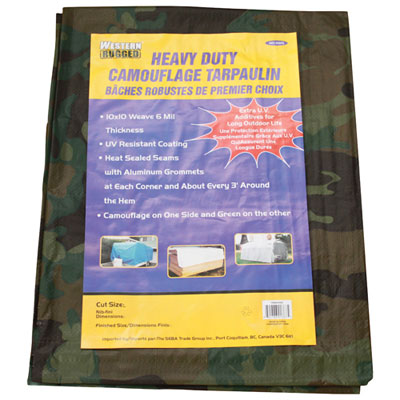
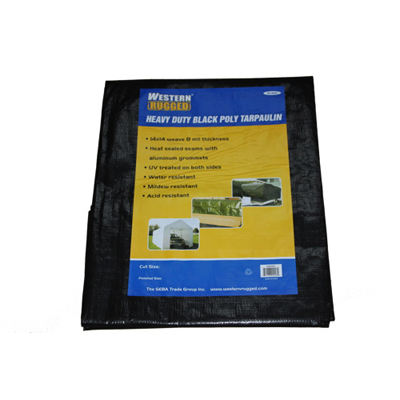
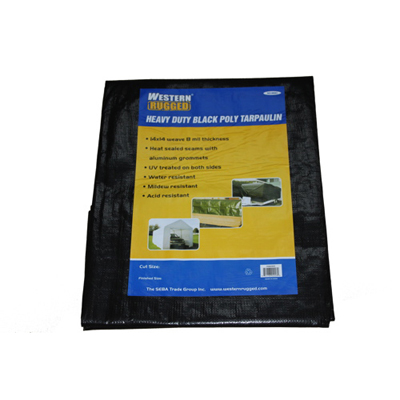
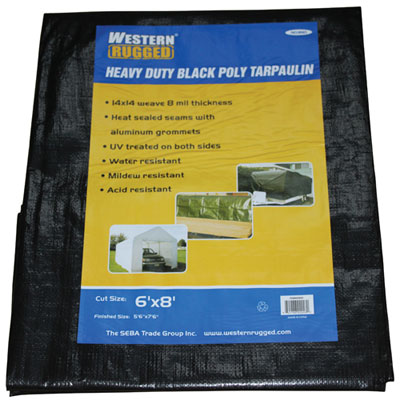
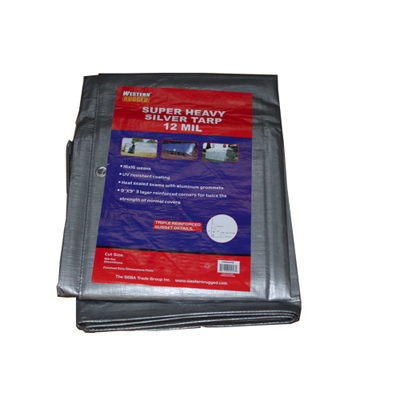
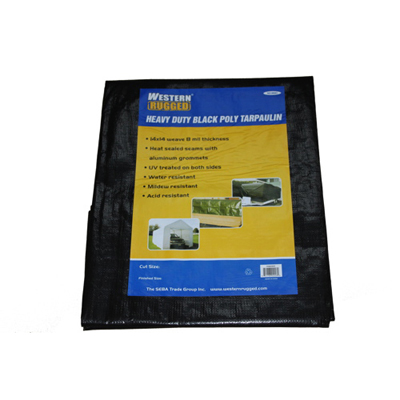
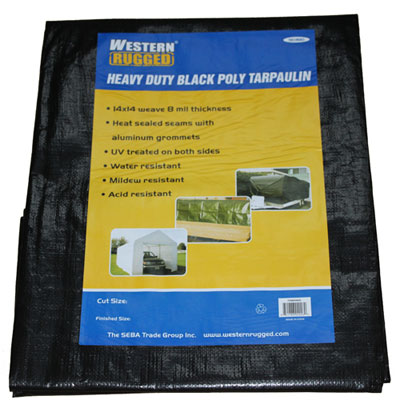
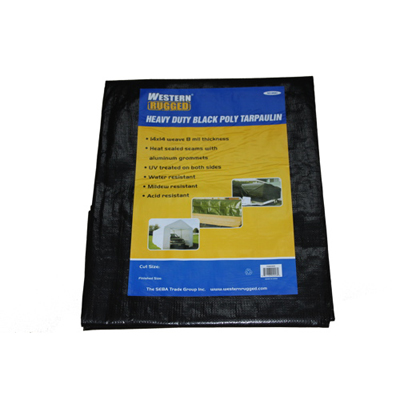
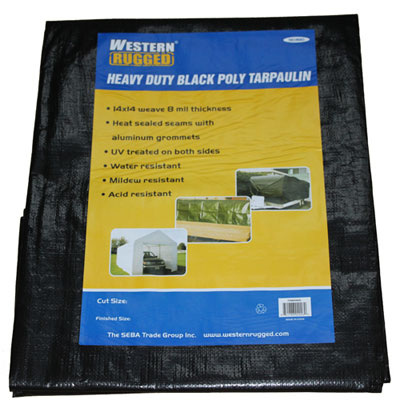
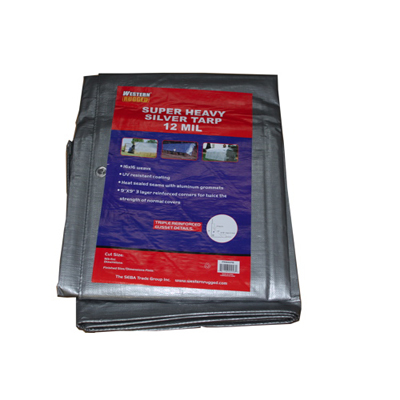
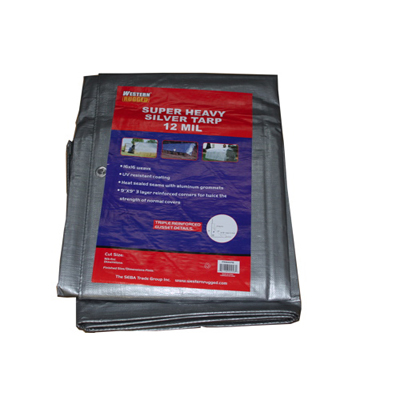
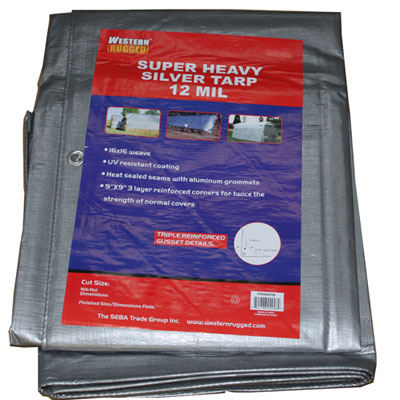
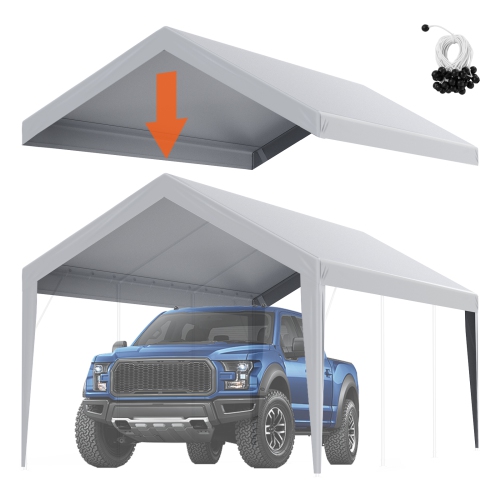
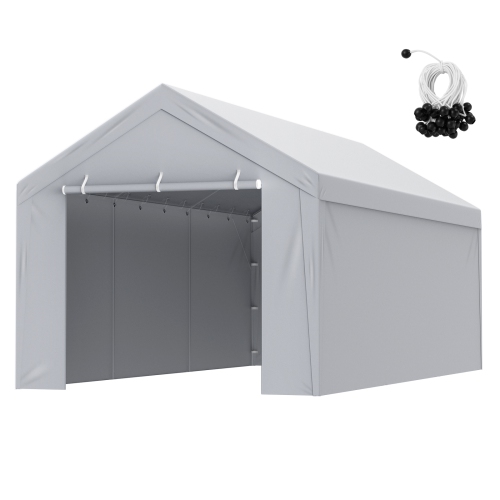
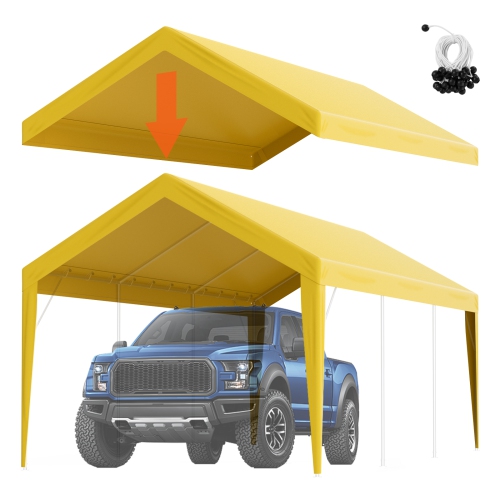
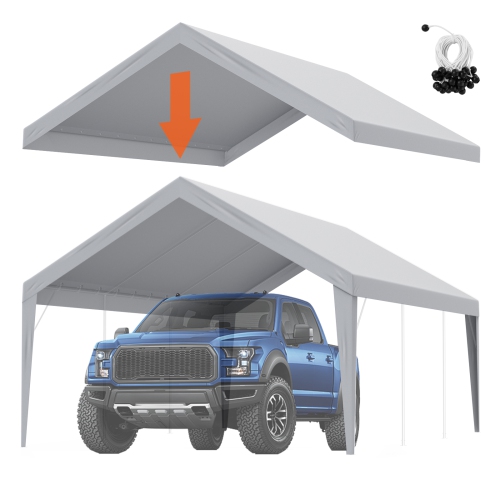
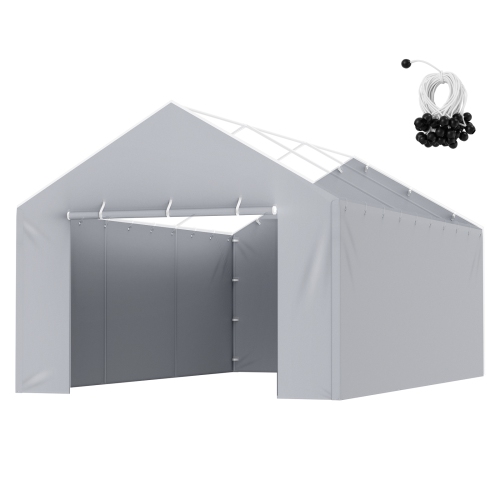
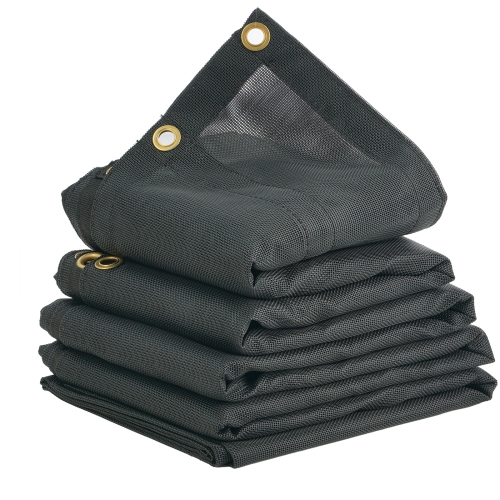
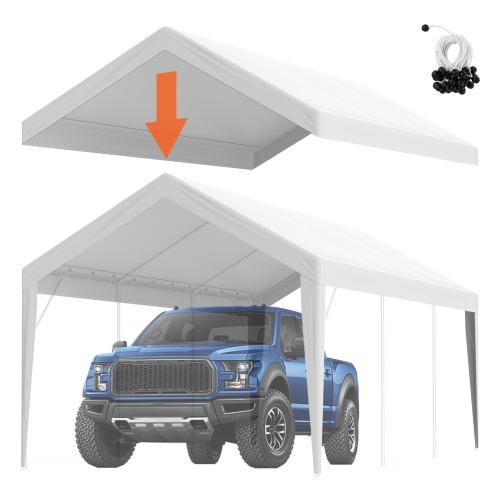
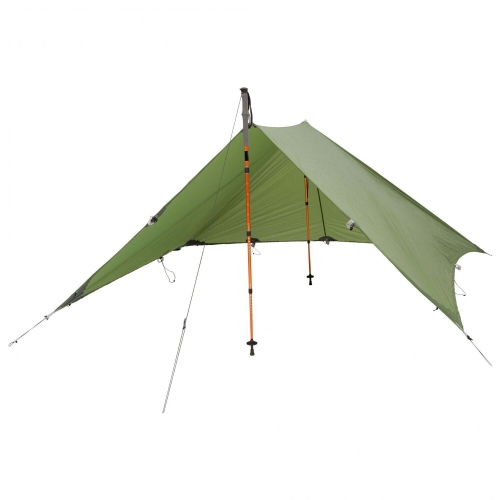
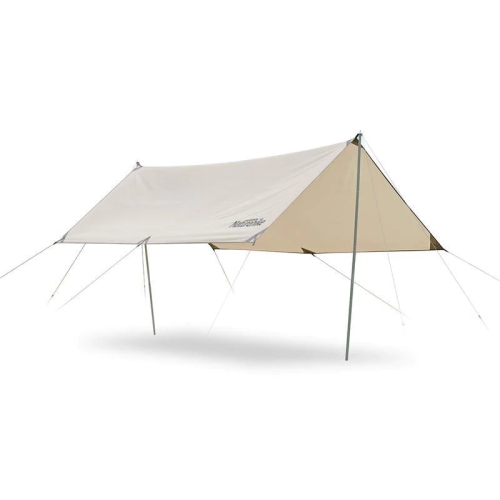
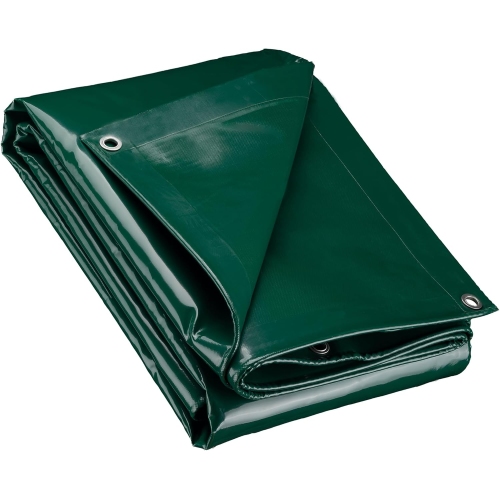
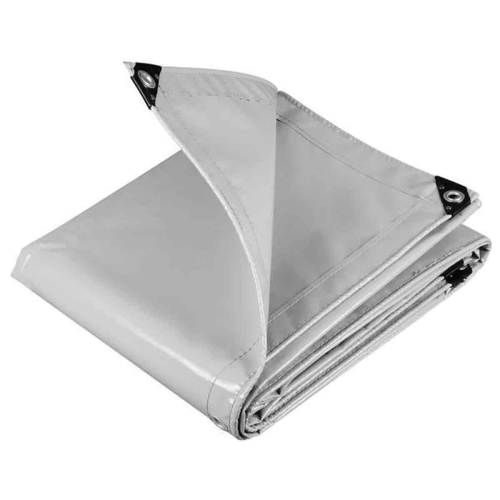
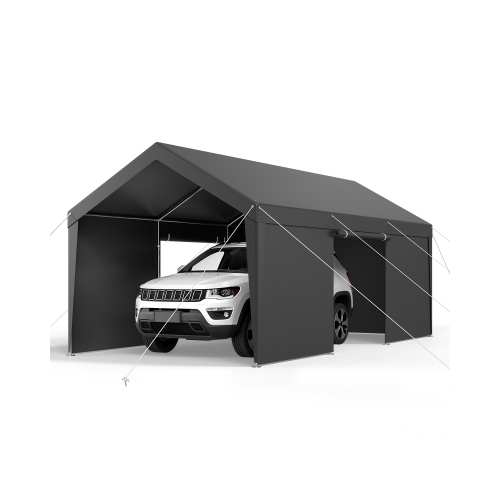
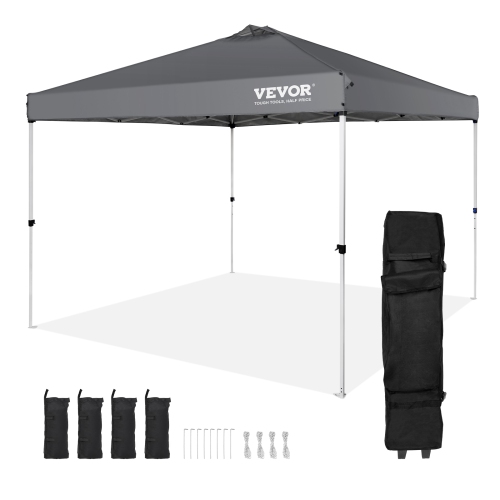
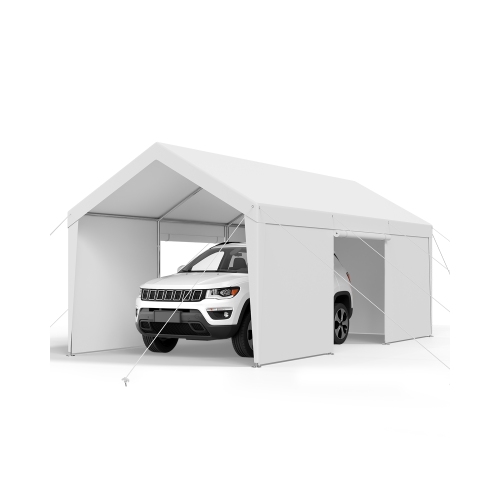
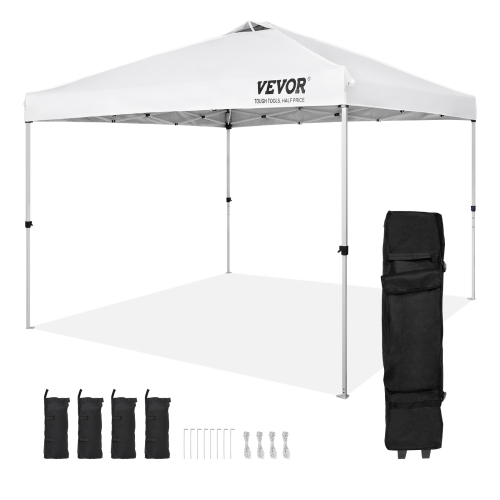
Versatile tarp coverage for camping, storage, and outdoor projects
Outdoor tarps provide practical coverage for a wide range of outdoor tasks, from keeping firewood dry beside a shed to protecting patio furniture, camping equipment, landscaping supplies, bicycles, motorcycles, trailers, and vehicles. They can also create a temporary roof over a work area, a sheltered spot for equipment during changing weather, or a clean groundsheet beneath a tent, picnic setup, or collection of tools. The right tarp depends on the job, the size of the area, and how often you expect to use it. A lightweight polyethylene tarp is a convenient choice for general household coverage, camping, quick outdoor projects, and occasional protection from rain or sun. These tarps are typically easy to fold, carry, and store, making them useful to keep in a garage, vehicle, cottage, or camping bin. Canvas tarps offer a more substantial feel and can be well suited to covering materials that need some airflow, protecting items from dust, or handling rough use around a workshop or campsite. Vinyl and PVC tarps are often selected for demanding applications where a heavier, more durable cover is needed for extended outdoor use. When comparing materials, consider whether the tarp needs to be waterproof, breathable, resistant to tearing, or able to withstand repeated exposure to sunlight, wind, moisture, and changing temperatures. A tarp used near a campfire or during outdoor work should also be chosen with care, since no tarp should be placed close to open flames or hot surfaces unless its specifications clearly support that application. For many households, having more than one size is useful: a smaller tarp can cover a load of supplies or serve as a kneeling mat, while a larger tarp can protect a vehicle, create a rain shelter, or cover a broad stack of lumber or garden materials.
Size and construction details can make a noticeable difference in everyday use. Before choosing an outdoor tarp, measure the item or area you want to cover and allow enough material to drape over the sides without pulling the corners too tightly. A cover that is too small may leave exposed gaps, while one that is much larger than necessary can collect water, flap in the wind, or become difficult to secure. Look for reinforced corners, strong hems, and evenly spaced grommets when the tarp will be tied down regularly. Grommets give you multiple anchor points for rope, bungee cords, straps, or hooks, helping the cover stay in place when conditions become breezy. Avoid pulling directly on a single grommet, particularly when the tarp is stretched over a wide span; spreading tension between several attachment points can help reduce strain. For a temporary shelter, pitch the tarp with a slope so rain can run off instead of pooling in the centre. When covering a vehicle, boat, trailer, or outdoor furniture, use padding around sharp edges and check that movement from wind will not cause the tarp to rub against painted or delicate surfaces. A breathable cover can be preferable for some stored items because it may reduce trapped moisture, while a waterproof cover is better when the priority is keeping rain and melting snow away. Always allow wet tarps to dry fully before folding them for storage, and brush off dirt, leaves, and grit so they do not wear into the fabric over time. Keep the folded tarp in a dry storage area away from sharp tools and prolonged direct sunlight. Anyone preparing a first home, outfitting a cottage, or assembling a camping kit may appreciate a dependable tarp as a practical gift, especially when paired with suitable tie-down accessories and a storage bag. It is the kind of useful item that often proves its value unexpectedly, whether a sudden shower arrives during a backyard project or a load needs covering on the way home.
Outdoor tarps are also helpful for seasonal preparation and routine maintenance. During the cooler months, a properly secured tarp can help shield firewood, snow-clearing equipment, garden tools, outdoor toys, and building materials from precipitation. As weather patterns shift, it can cover a temporary work station, protect a load in a pickup bed, or provide a dry surface for sorting supplies. Campers may use one beneath a tent to help block ground moisture, above a cooking or seating area as a simple rain shelter, or around gear that needs protection while camp is being set up. Homeowners working on painting, repairs, pruning, moving, or renovations can use tarps to cover floors, furniture, machinery, and nearby items, though the tarp should be selected and positioned according to the task rather than treated as a substitute for proper protective equipment. For larger, heavier, or more demanding coverage needs, browse Industrial Tarps for options designed with demanding applications in mind. Before purchasing, consider the tarp’s dimensions when folded, its approximate weight, the thickness of the material, the number and placement of grommets, and whether the manufacturer lists resistance to water, ultraviolet exposure, abrasion, or temperature changes. Think about where the tarp will be used most often and how it will be secured, since a well-chosen cover can be more effective than simply choosing the largest available size. A tarp that is easy to handle is more likely to be used correctly, while a heavy-duty option can offer extra confidence for repeated jobs and extended coverage. With thoughtful sizing, secure tie-downs, and regular cleaning and drying, an outdoor tarp can become a reliable part of a home, workshop, travel kit, or recreational setup, ready to protect valued gear and make outdoor work more manageable through changing conditions.
Size and construction details can make a noticeable difference in everyday use. Before choosing an outdoor tarp, measure the item or area you want to cover and allow enough material to drape over the sides without pulling the corners too tightly. A cover that is too small may leave exposed gaps, while one that is much larger than necessary can collect water, flap in the wind, or become difficult to secure. Look for reinforced corners, strong hems, and evenly spaced grommets when the tarp will be tied down regularly. Grommets give you multiple anchor points for rope, bungee cords, straps, or hooks, helping the cover stay in place when conditions become breezy. Avoid pulling directly on a single grommet, particularly when the tarp is stretched over a wide span; spreading tension between several attachment points can help reduce strain. For a temporary shelter, pitch the tarp with a slope so rain can run off instead of pooling in the centre. When covering a vehicle, boat, trailer, or outdoor furniture, use padding around sharp edges and check that movement from wind will not cause the tarp to rub against painted or delicate surfaces. A breathable cover can be preferable for some stored items because it may reduce trapped moisture, while a waterproof cover is better when the priority is keeping rain and melting snow away. Always allow wet tarps to dry fully before folding them for storage, and brush off dirt, leaves, and grit so they do not wear into the fabric over time. Keep the folded tarp in a dry storage area away from sharp tools and prolonged direct sunlight. Anyone preparing a first home, outfitting a cottage, or assembling a camping kit may appreciate a dependable tarp as a practical gift, especially when paired with suitable tie-down accessories and a storage bag. It is the kind of useful item that often proves its value unexpectedly, whether a sudden shower arrives during a backyard project or a load needs covering on the way home.
Outdoor tarps are also helpful for seasonal preparation and routine maintenance. During the cooler months, a properly secured tarp can help shield firewood, snow-clearing equipment, garden tools, outdoor toys, and building materials from precipitation. As weather patterns shift, it can cover a temporary work station, protect a load in a pickup bed, or provide a dry surface for sorting supplies. Campers may use one beneath a tent to help block ground moisture, above a cooking or seating area as a simple rain shelter, or around gear that needs protection while camp is being set up. Homeowners working on painting, repairs, pruning, moving, or renovations can use tarps to cover floors, furniture, machinery, and nearby items, though the tarp should be selected and positioned according to the task rather than treated as a substitute for proper protective equipment. For larger, heavier, or more demanding coverage needs, browse Industrial Tarps for options designed with demanding applications in mind. Before purchasing, consider the tarp’s dimensions when folded, its approximate weight, the thickness of the material, the number and placement of grommets, and whether the manufacturer lists resistance to water, ultraviolet exposure, abrasion, or temperature changes. Think about where the tarp will be used most often and how it will be secured, since a well-chosen cover can be more effective than simply choosing the largest available size. A tarp that is easy to handle is more likely to be used correctly, while a heavy-duty option can offer extra confidence for repeated jobs and extended coverage. With thoughtful sizing, secure tie-downs, and regular cleaning and drying, an outdoor tarp can become a reliable part of a home, workshop, travel kit, or recreational setup, ready to protect valued gear and make outdoor work more manageable through changing conditions.
Top selling and popular products
-
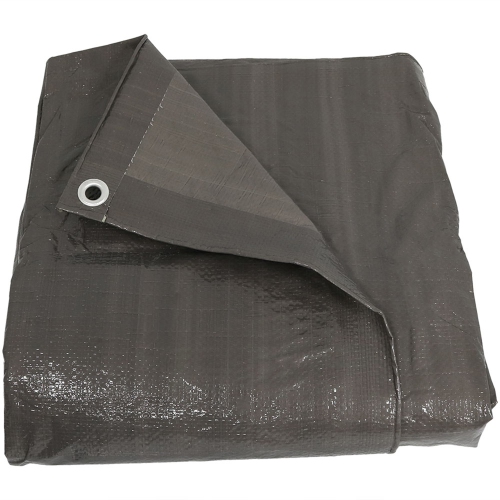 Your price for this item is $295.95
 -
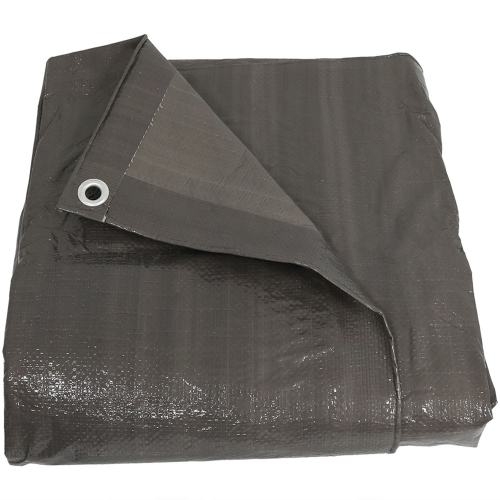 Your price for this item is $46.85
 -
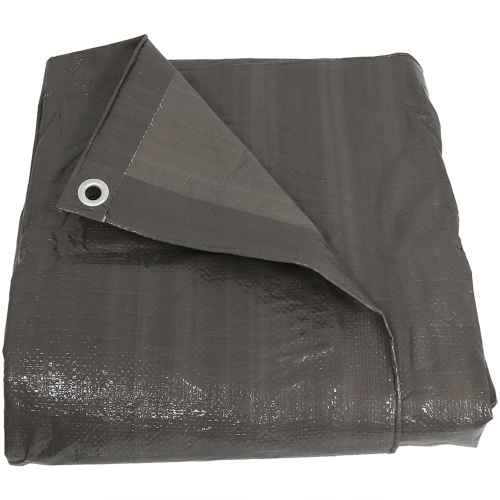 Your price for this item is $53.05
 -
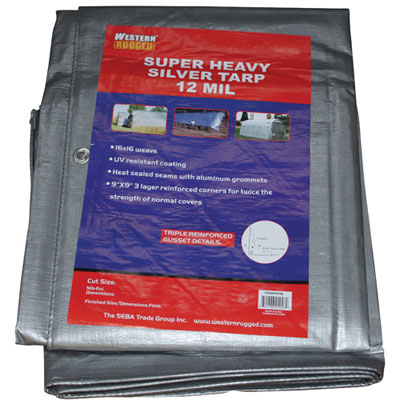 Your price for this item is $106.99
 -
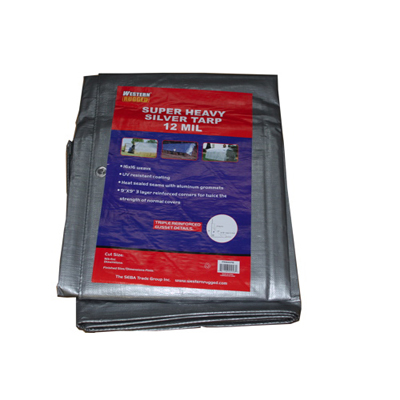 Your price for this item is $143.99
 -
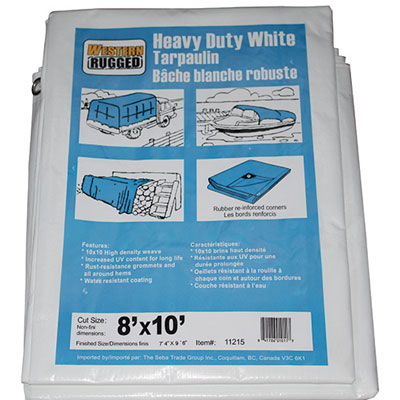 Your price for this item is $24.99
 -
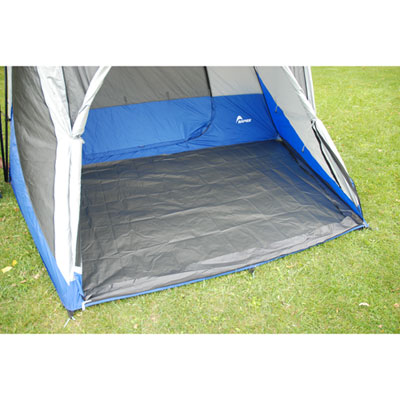 Your price for this item is $29.99
 -
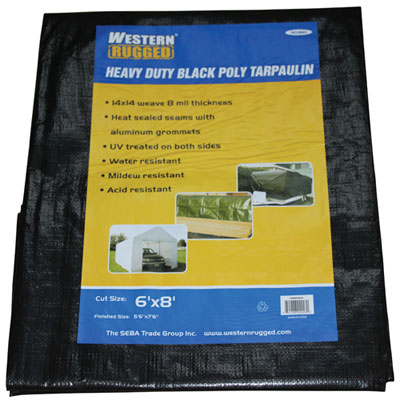 Your price for this item is $195.99
Discover more categories related to Outdoor Tarps
Top Collections:
Pokemon Centers, Kindle Devices, Best Budget Office Chairs, Apple iPhones 16, Best Laptops for Writers, iPhone 15 Apple, Canon G7X Cameras, Refurbished Apple Laptops, Alarm Clock, Motorola Razr Phones
Some products may be subject to Environmental Handling Fees
(EHF) depending on your province.
Learn more about EHFs.