Outdoor Toys for Spring
Outdoor toys for spring are the perfect way to inspire active play and create memorable moments in the fresh air. As the weather warms up, it's the ideal time to encourage kids and families to enjoy more time outside with a wide variety of fun options. Whether you're looking to spark imagination, promote movement, or simply add excitement to backyard adventures, you'll find outdoor toys for spring that suit every age and interest. Discover the possibilities and get ready for hours of entertainment under the sun.
Sort




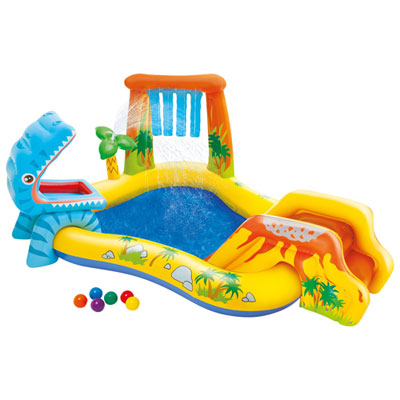
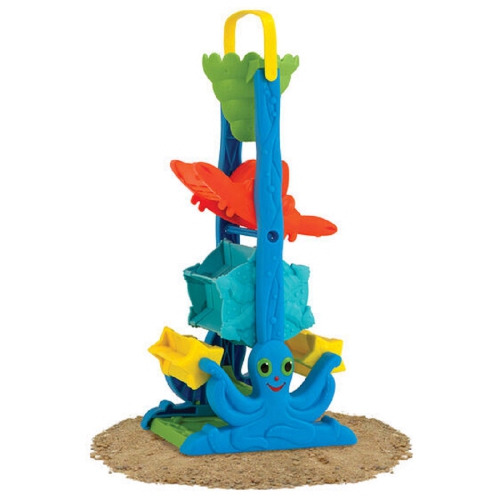
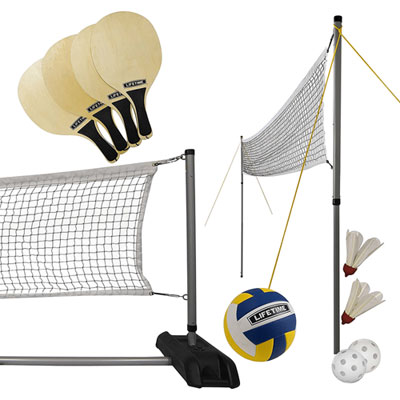


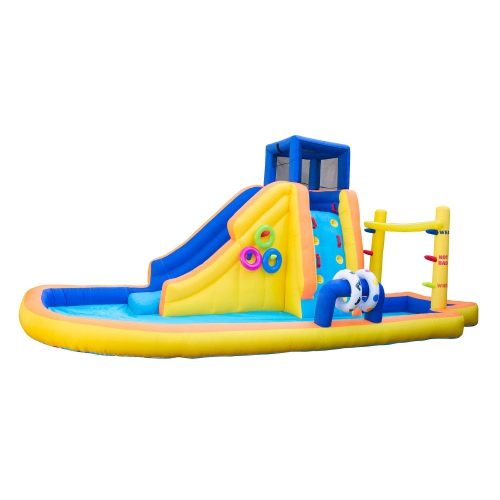
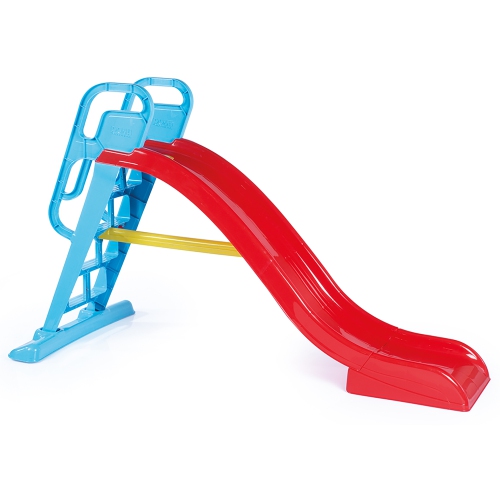
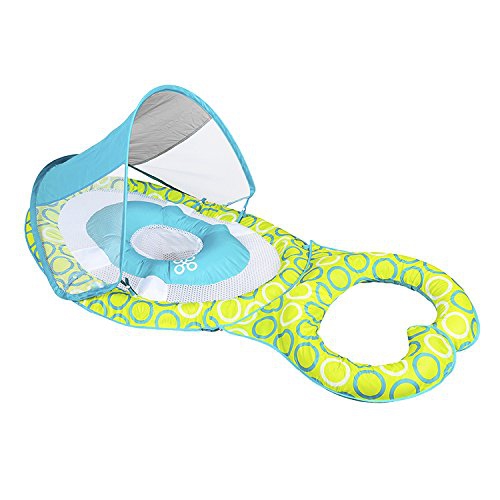
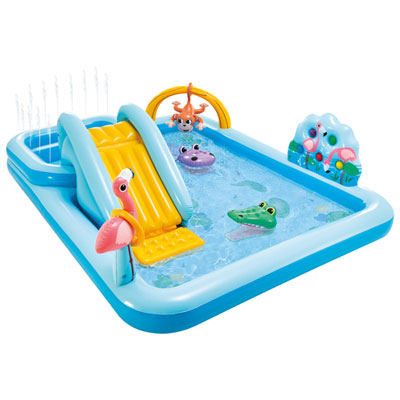

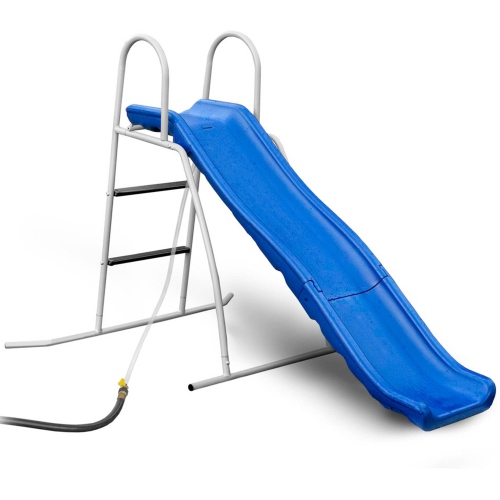


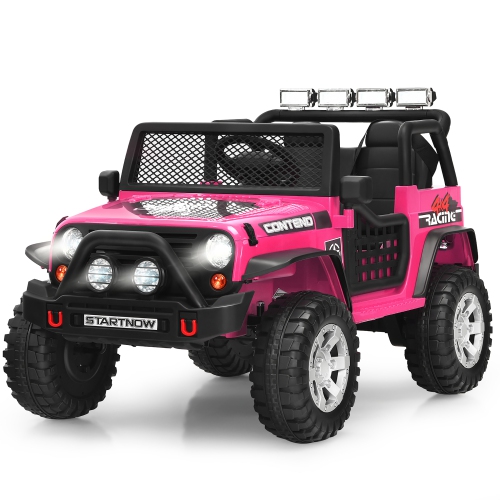
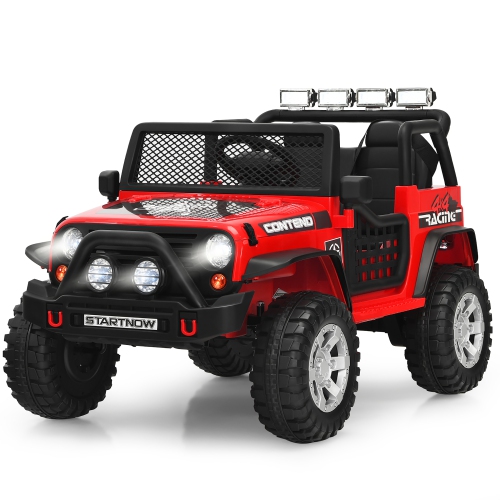
Where pavement becomes obstacle courses and sand becomes bakeries
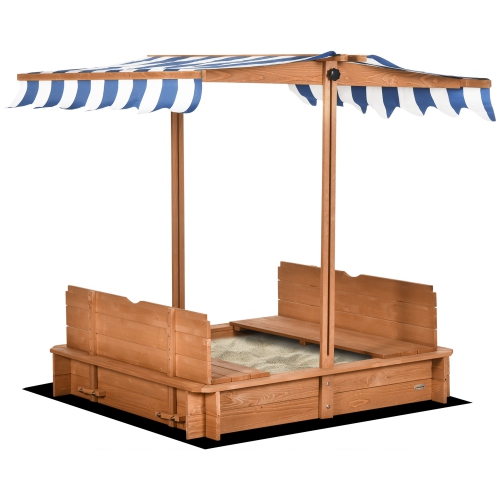
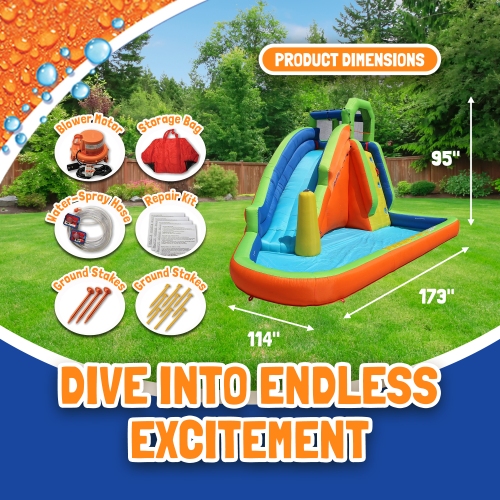
Outdoor toys for spring bring together active play, sensory exploration, and sand or water activities, giving children different ways to enjoy time outside. Some encourage running, throwing, balancing, and aiming, while others make room for digging, pouring, drawing, or watching bubbles drift across a yard. That variety matters because outdoor play can look quite different from one child to another: a toddler may be absorbed in filling and emptying a container, while an older child might spend an afternoon inventing a target game with friends. Open-ended toys allow the activity to grow with a child’s imagination rather than relying on one fixed set of rules. A patch of pavement can become a colourful obstacle course, and a sand play area can become a construction site, a pretend bakery, or a landscape of winding roads. Spring conditions also make flexibility useful. A dry afternoon may suit wheeled play and pavement games, while a damp lawn may be better left undisturbed in favour of a firm, designated play space. The best match depends on where the toy will be used, how much room the activity needs, and the child’s age and abilities. A compact patio calls for a different approach than a fenced backyard or a park with a wide, open play area. Throwing and kicking activities need clear space away from windows, vehicles, and passersby, while quieter sensory play can fit into a smaller supervised area. For siblings and friends, toys that support taking turns or playing side by side can help children with different skill levels join the same activity. Outdoor toys for spring are especially versatile when they allow both energetic movement and slower, imaginative play, making space for a lively group game as well as a child who prefers to concentrate on creating something of their own.
Materials, construction, and care help determine how well outdoor toys hold up to repeated use. Moulded plastic is often lightweight and easy to wipe clean, though its thickness, finish, and construction matter more than appearance alone. Smooth edges, securely attached parts, and sturdy handles are useful details for toys that will be carried, tipped, dragged, or filled. Fabric components benefit from clear cleaning instructions and a chance to dry fully before storage, while wooden components may need care suited to their finish. Metal parts require attention to any signs of rust, loosening, or damage, particularly after exposure to moisture. Outdoor use does not necessarily mean a toy is designed to remain outside indefinitely; the manufacturer’s directions should clarify whether it needs shelter from rain or storage away from direct sunlight. Spring play can involve muddy shoes, damp grass, and grit worked into small spaces, so simple shapes and accessible surfaces can make cleanup easier. Sand and water toys are more practical when they can be emptied completely, rinsed as directed, and left to dry without water collecting inside. Water play needs close, attentive adult supervision, even when only a small amount of water is involved, and containers should be emptied after use. Durability also includes how a toy performs over time: wheels should turn smoothly, fasteners should remain secure, and surfaces should be checked for cracks, splinters, or sharp damage. Age labels and warnings remain important, especially where younger children share a play area with older siblings. Small pieces, cords, and projectiles may require separate storage or a different activity space. A covered storage spot can help keep loose components together and make it easier to inspect everything before the next play session. Keeping toys clean, dry, and organized also means less time searching for missing pieces and more time enjoying the activity they were designed for.
Fit and intended use are just as important as the type of play a toy offers. For ride-on and wheeled toys, the stated age range, height guidance, and weight limit help establish suitability, while the child’s balance, coordination, and confidence affect how comfortably they can use them. Properly fitted protective equipment and an appropriate riding surface are part of that activity, not optional finishing touches. For handheld toys, manageable weight and easy-to-grip shapes can make play less tiring, particularly for smaller hands. Children who enjoy sensory activities may appreciate varied textures and simple pouring or scooping actions, while those drawn to movement may prefer activities built around chasing, aiming, or balancing. Some children are happiest with a clear goal; others prefer materials they can use in several different ways. A mix of options can support both preferences without turning outdoor time into a scheduled lesson. These considerations are useful for gifts, too. A toy chosen for a grandchild’s visits may need to store neatly between afternoons together, while something intended for regular family outings benefits from being easy to carry and clean. For seasonal gifting, outdoor toys for Easter baskets can offer a playful alternative to sweets, with size, age suitability, and the recipient’s interests helping shape a thoughtful choice. Shared family gifts work well when several children can participate without needing identical abilities or competing for a single role. A cooperative building activity, a turn-taking game, or an imaginative play setup can give each child a way to contribute. Practical details matter after the wrapping comes off: a toy should fit the available space, suit the surfaces where it will be used, and be manageable for the adult supervising it. Whether spring play means an energetic afternoon in the yard or a quieter stretch of drawing and discovery, well-matched outdoor toys give children room to practise skills, follow their curiosity, and make familiar outdoor spaces feel full of possibility.
Top selling and popular products
-
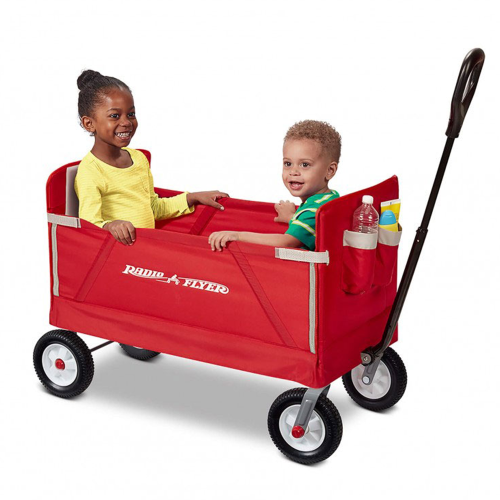 Your price for this item is $266.99
-
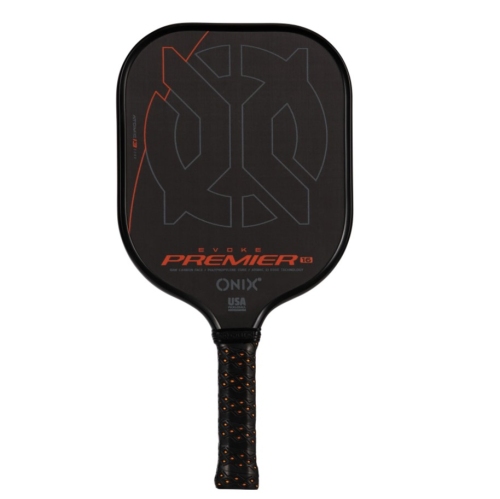 Your price for this item is $139.99
-
 Your price for this item is $44.99
-
 Your price for this item is $359.99
-
 Your price for this item is $34.99
-
 Your price for this item is $429.99
-
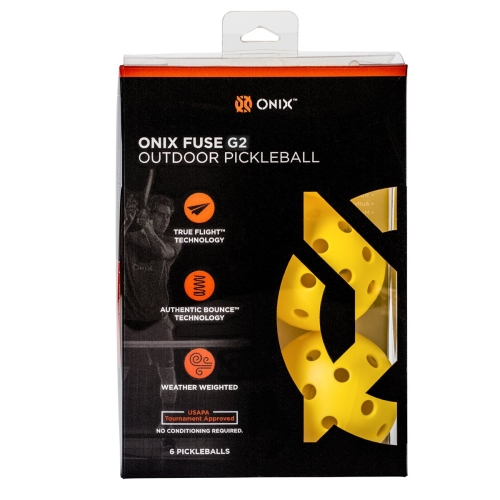 Your price for this item is $28.99
-
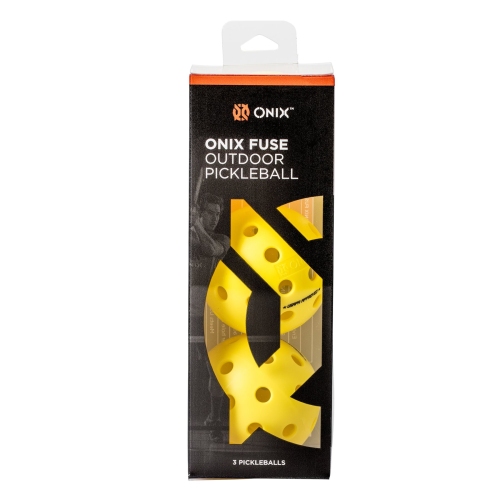 Your price for this item is $14.99
Discover more categories related to Outdoor Toys for Spring

Top Collections:
Pokemon Centers, Best Cameras for Sports Photography, Kindle Devices, Samsung Galaxy Phones, Canon G7X Cameras, Pokémon 30th Celebration Cards, Refurbished Apple Laptops, iPhone 15 Apple, Laptops for Students, Budget Smartphones
Some products may be subject to Environmental Handling Fees
(EHF) depending on your province.
Learn more about EHFs.