Paddle Board Accessories
Enhance your paddle-boarding experience with a wide selection of accessories designed to take your adventures to the next level. Whether you're a seasoned pro or just starting out, our collection of paddle board accessories has everything you need to make the most of your time on the water. From high-quality paddles and leashes to waterproof bags and protective gear, our range offers both functionality and style. Discover the perfect accessories to suit your needs and elevate your paddle board game today.
Sort

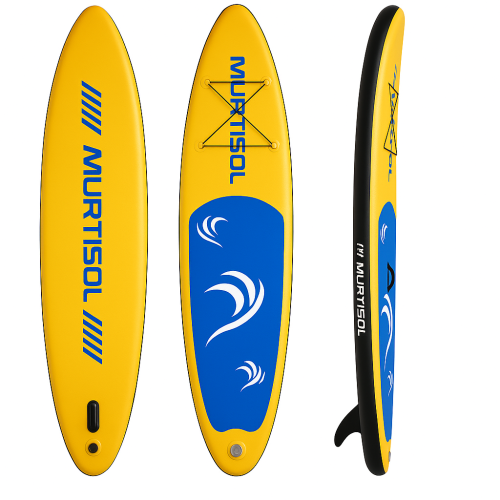
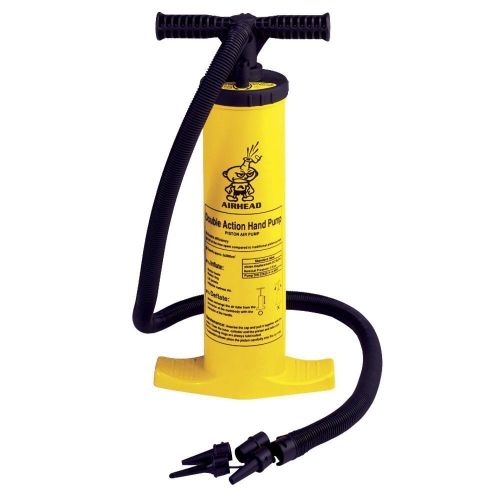
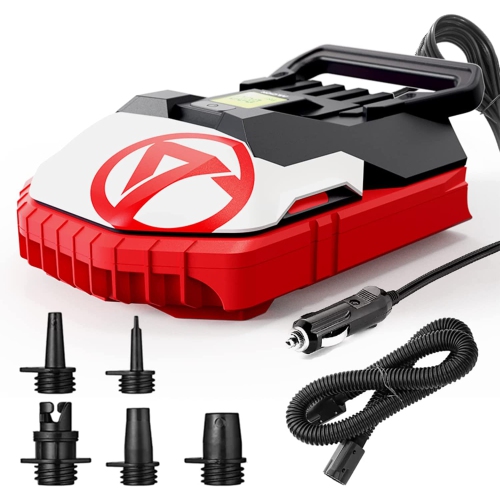
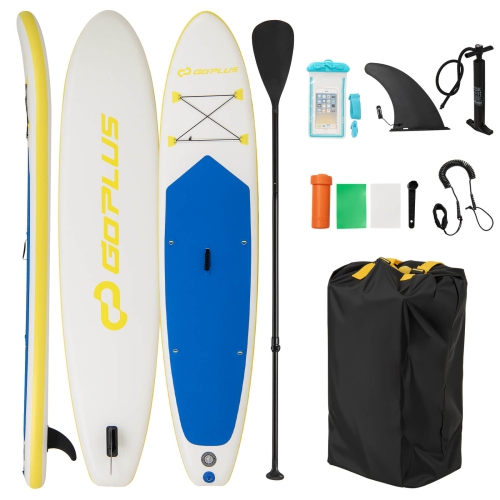
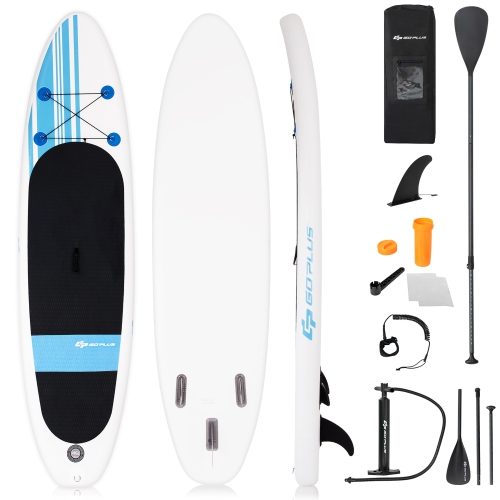
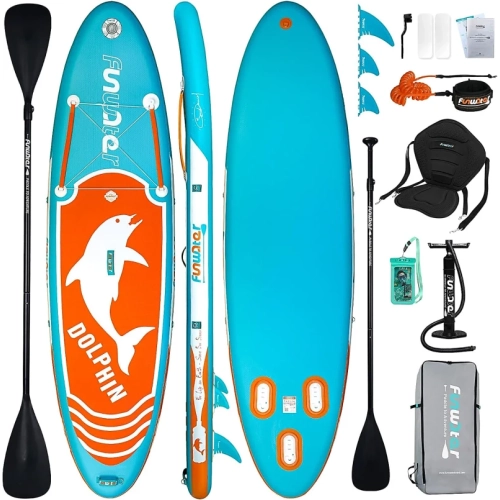
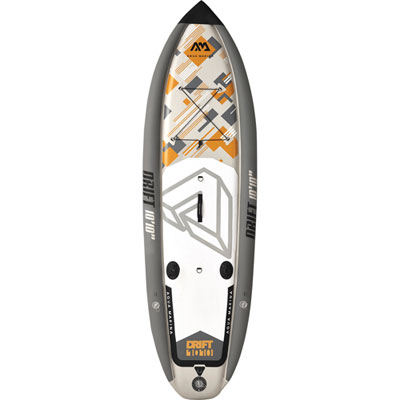
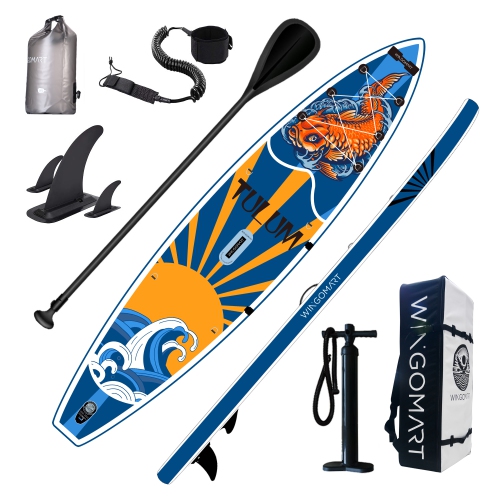

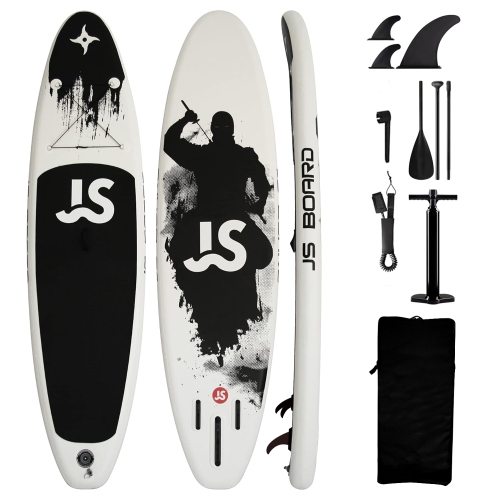
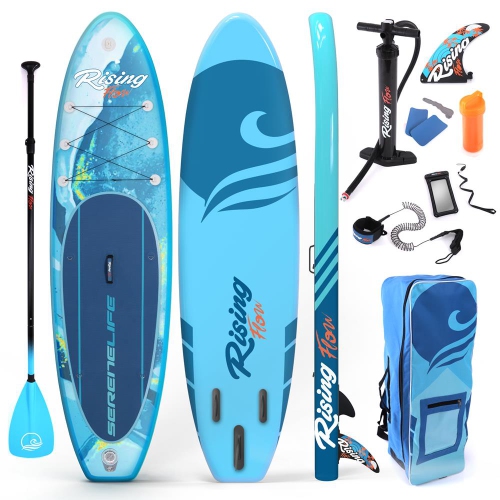
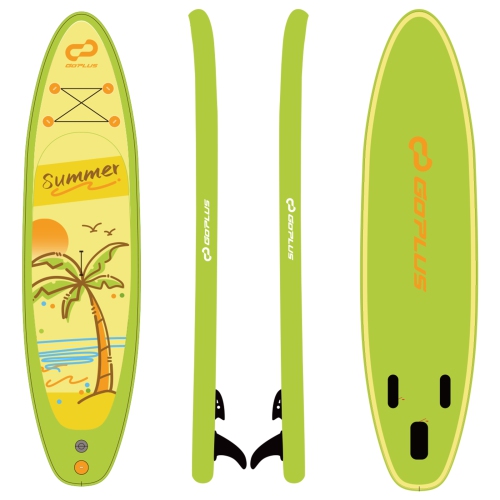
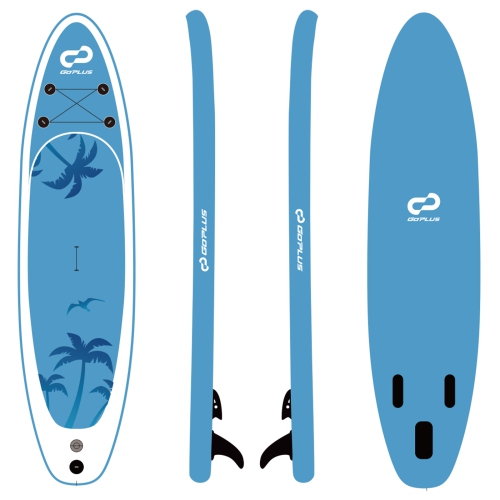
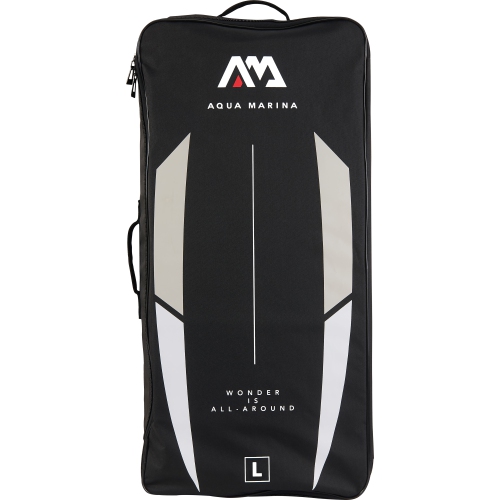
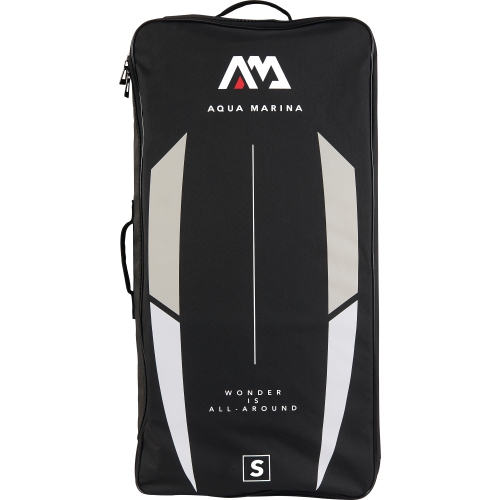
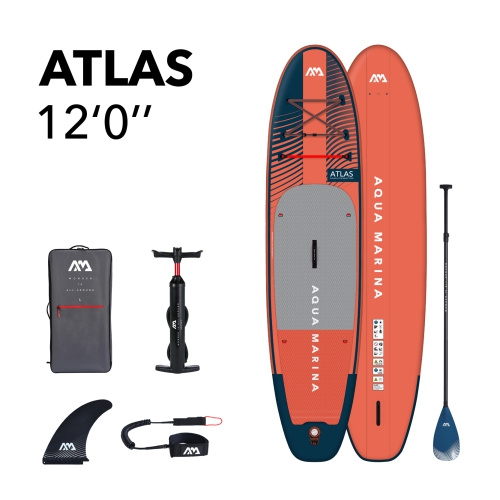
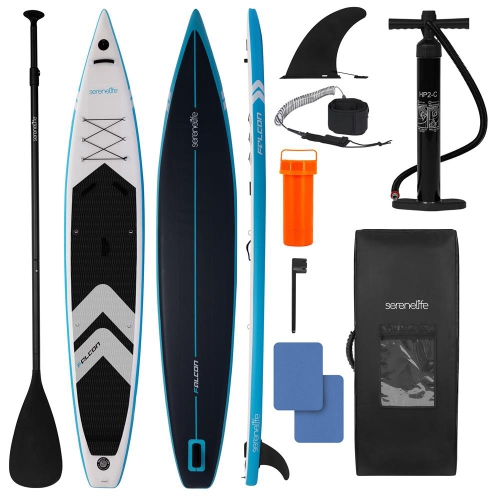
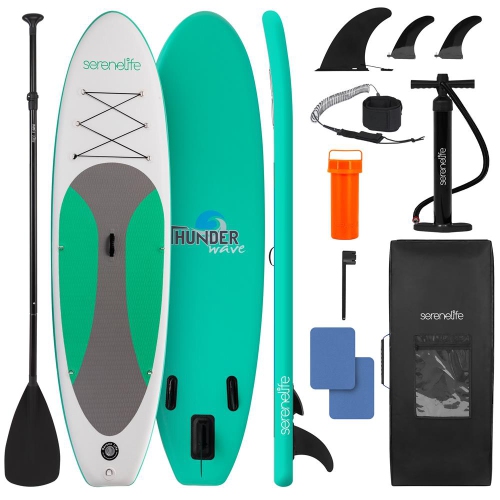
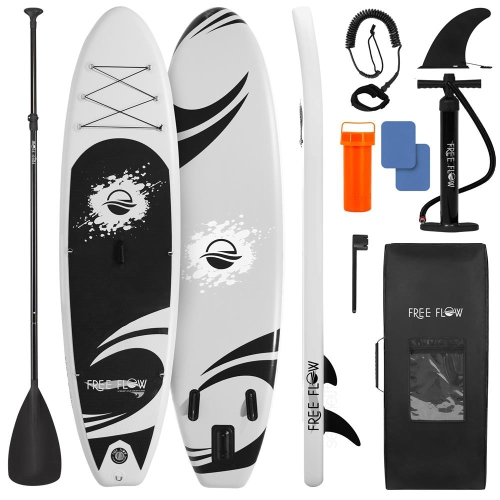
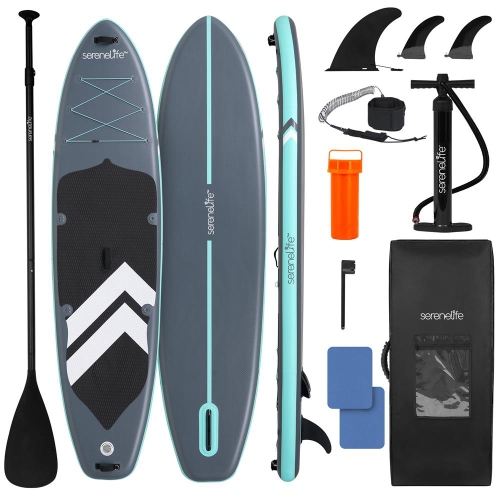
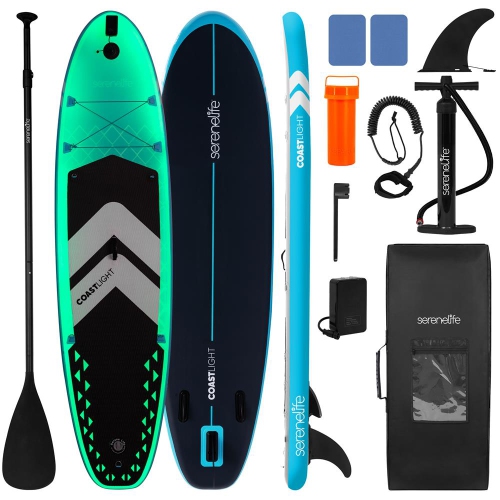
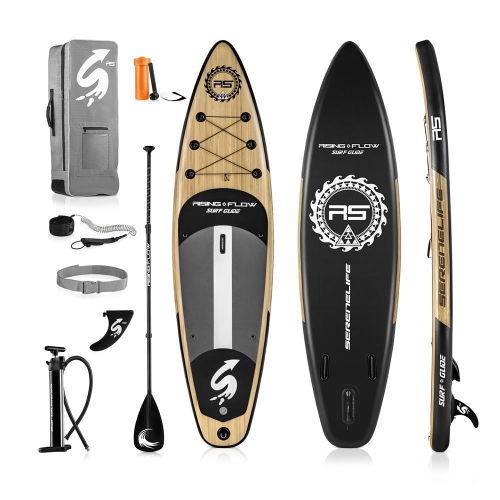
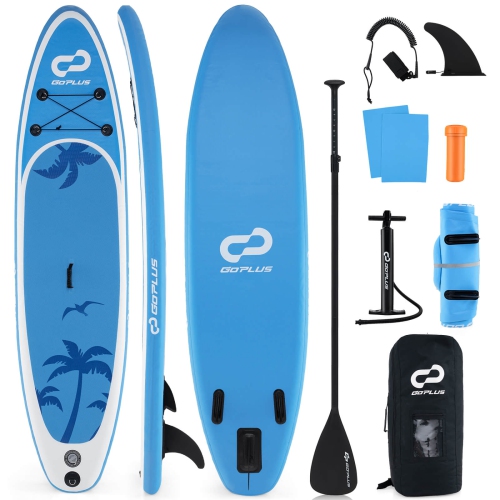
Why board compatibility matters from pump to fin
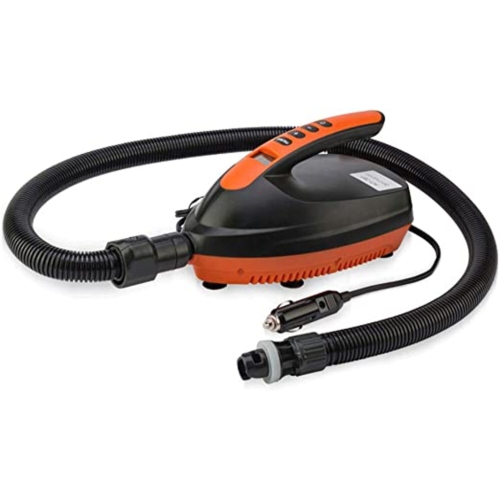
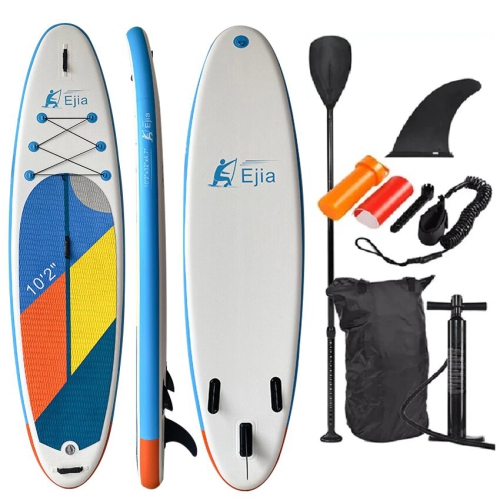
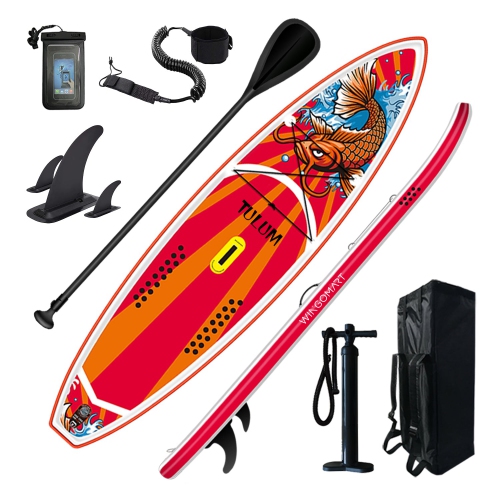
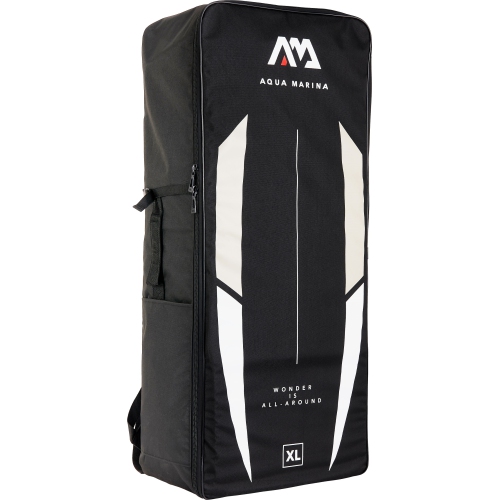
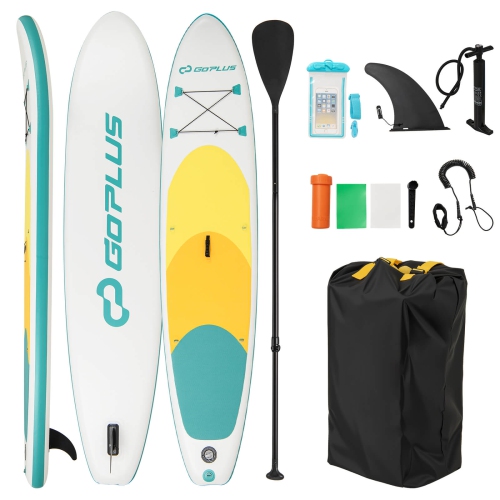
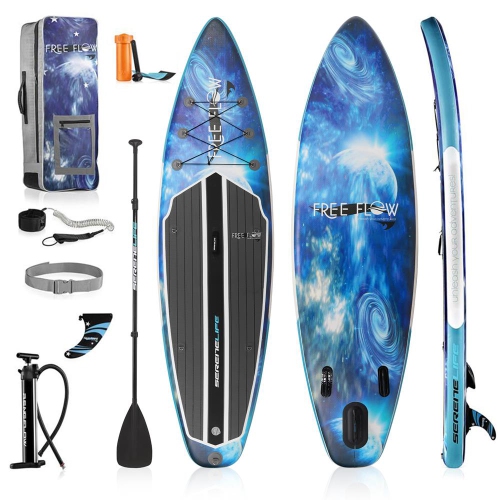
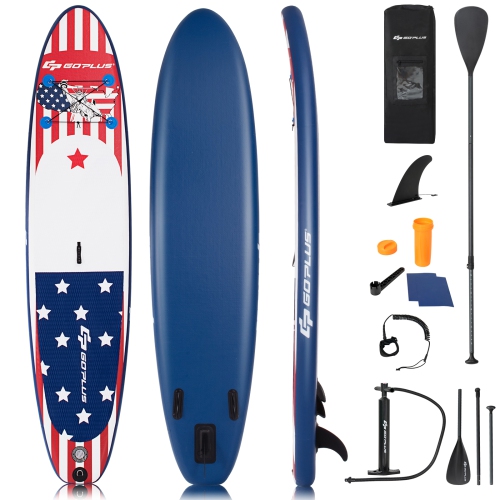
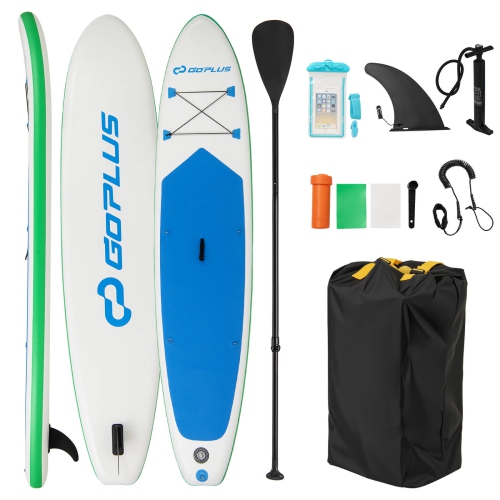
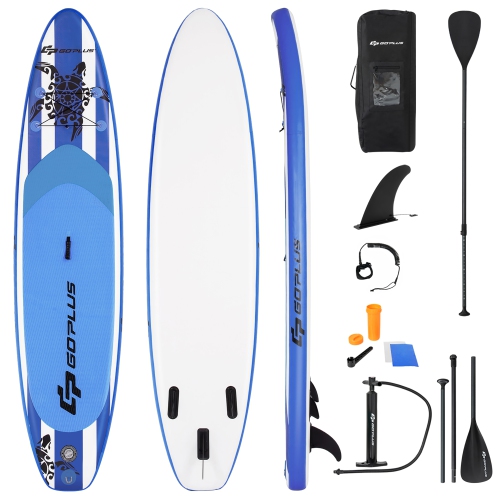
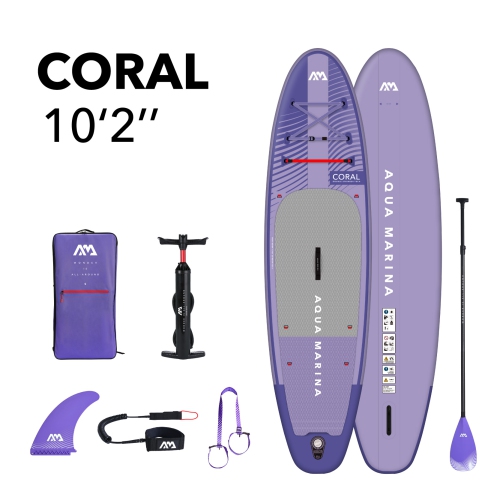
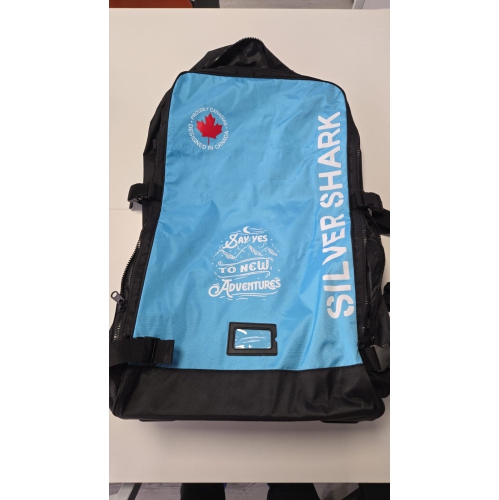
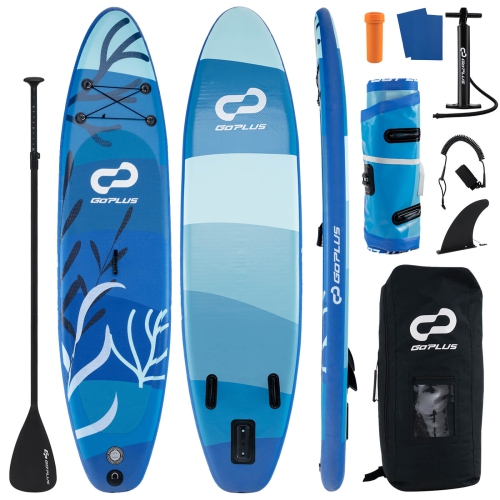
Paddle board accessories support the practical parts of stand-up paddling, from inflating and carrying a board to keeping essential belongings secure on the water. Common accessory categories include pumps, carry straps, leashes, personal flotation devices, dry bags, waterproof pouches, replacement fins, and storage supports. The right combination depends on the board’s construction, its attachment points, and how it will be used. An inflatable paddle board needs a pump with a compatible valve fitting and a pressure range that matches the board manufacturer’s specifications. Dual-action hand pumps move air on both strokes during initial inflation, while switching to single-action mode can make the final stage more manageable. Electric pumps reduce manual effort, although their power source, hose connection, and automatic shut-off settings still need to suit the board and the launch location. A pump intended for low-pressure inflatables is not necessarily suitable for a paddle board. For the trip between the vehicle and the shoreline, a padded shoulder sling can distribute the load more comfortably than carrying a board by its centre handle alone. Adjustable straps should hold the board securely without crushing its rails, and buckles should stay clear of surfaces they could scratch. Board bags add a layer of protection during handling and transport; fit should account for the board’s length, width, thickness, and any fins that remain attached. Inflatable board backpacks need enough room for the rolled board and its packed components without forcing sharp folds or putting pressure on the valve. Reinforced seams, sturdy handles, and abrasion-resistant fabric matter when a bag is repeatedly lifted from a vehicle or carried along a gravel path. For a household sharing equipment, adjustable carrying accessories and clearly organized storage can make setup less awkward. Someone walking a short distance to a dock may need a simpler carrying solution than a paddler moving a wider board down a long access path.
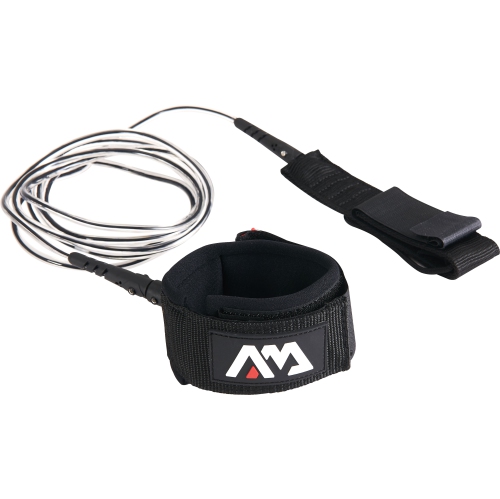
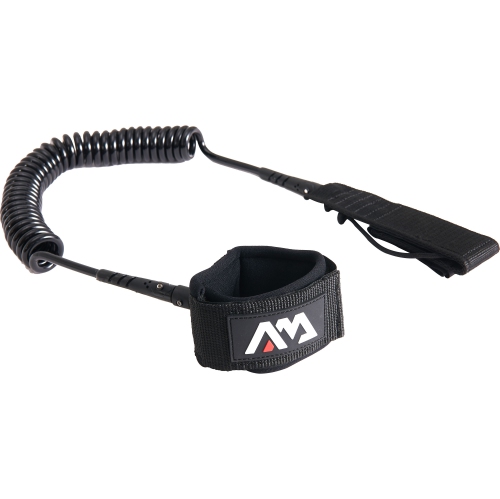
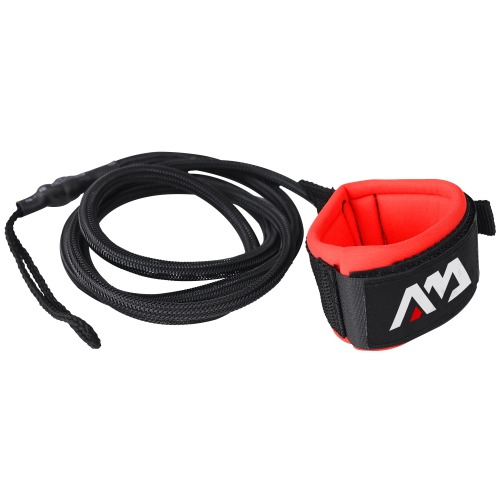
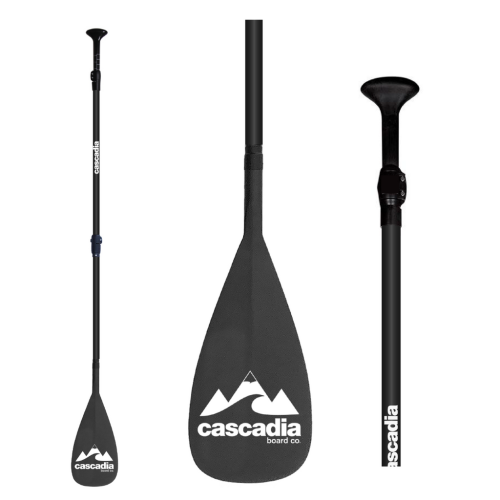
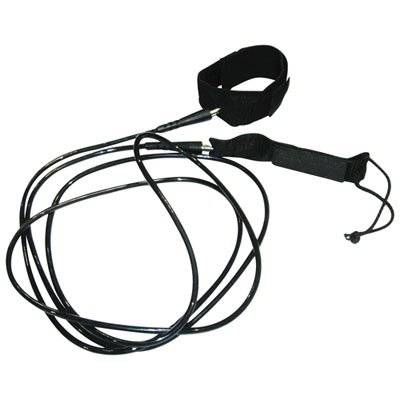
On the water, useful accessories keep equipment accessible without crowding the standing area or interfering with a paddle stroke. A compact dry bag can hold spare clothing and small essentials beneath deck bungees, while a properly rated waterproof pouch provides a separate place for a phone or keys. Water-resistant fabric alone does not make a bag suitable for immersion: seams, closures, and the manufacturer’s stated protection level all matter. Roll-top bags need the specified number of folds and a secure fastening, and a phone pouch is worth testing with dry tissue before trusting it with electronics. Bags and bottles should be secured so they cannot slide across the deck, with straps kept tidy to reduce snagging hazards. A paddle holder can be useful during a seated break or while arranging gear, provided it fits the paddle shaft and mounts securely to the board. For the paddle itself, paddle board paddles vary in shaft material, blade shape, adjustment range, and packed length. Aluminium shafts are often chosen for straightforward durability, while fibreglass and carbon constructions can reduce weight for longer outings. An adjustable shaft can accommodate different users, and a sectional design is easier to pack alongside an inflatable board. Safety equipment deserves equal attention. A properly fitted, Canadian-approved lifejacket or personal flotation device should suit the wearer’s size and activity and allow comfortable shoulder movement. Inflatable designs have age, weight, activity, and wearing restrictions, so they are not interchangeable with inherently buoyant options. Required equipment depends on the craft, use, and applicable boating rules; checking Transport Canada guidance and local requirements helps establish what belongs on board. Leash choice also depends on the setting. Coiled designs can keep excess length off the deck on open, still water, but an ankle leash can create an entrapment hazard in moving water or around obstacles. Moving-water paddling calls for specialist guidance, appropriate quick-release equipment, and training rather than treating any leash as suitable everywhere. A leash never replaces a flotation device.
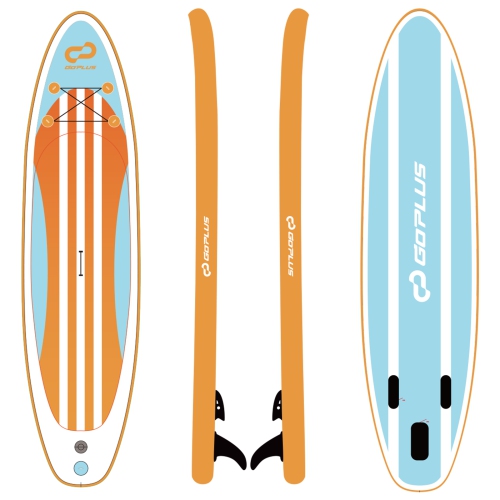
Fit and compatibility become especially important with accessories that attach directly to a paddle board. Replacement fins must match the fin box or mounting system, including the fastening method, rather than simply looking similar in shape. Fin size and profile influence tracking, turning, and clearance, so the intended use matters as much as the connection. Longer outings may call for secure luggage attachment and efficient tracking, while a less cluttered deck gives more room for stretching or changing position. Seated paddling attachments require suitable anchor points and should only be used where the board manufacturer permits them. Added bags, seats, and other equipment also count towards the board’s load limit, along with the paddler. Materials provide useful clues about durability, but construction details are just as important: smooth-edged hardware, reinforced attachment areas, corrosion-resistant fittings, and neatly finished stitching all contribute to dependable use. Repair supplies for inflatable boards must be compatible with the board material and the type of damage. Adhesives have specific preparation and curing requirements, and damage to a seam, valve, or structural area may need professional assessment rather than a simple patch. Routine care helps keep accessories functional between outings. Rinsing away sand and salt, clearing grit from buckles and fin fittings, and allowing fabric components to dry fully before packing can prevent avoidable wear. Pumps benefit from clean hose connections and protected gauges, while flotation devices should be inspected and maintained according to their labels. Storage racks and wall supports need adequate load ratings, secure installation, and padded contact points positioned as the board manufacturer directs. Straps should support equipment without prolonged overtightening. For a gift, the most useful paddle board accessories are often those that address a familiar inconvenience, such as an uncomfortable carry, loose belongings, or cramped storage. Knowing the recipient’s board type, attachment system, and usual paddling activity makes it easier to choose something that fits into their routine rather than adding another piece of gear they cannot use.
On the water, useful accessories keep equipment accessible without crowding the standing area or interfering with a paddle stroke. A compact dry bag can hold spare clothing and small essentials beneath deck bungees, while a properly rated waterproof pouch provides a separate place for a phone or keys. Water-resistant fabric alone does not make a bag suitable for immersion: seams, closures, and the manufacturer’s stated protection level all matter. Roll-top bags need the specified number of folds and a secure fastening, and a phone pouch is worth testing with dry tissue before trusting it with electronics. Bags and bottles should be secured so they cannot slide across the deck, with straps kept tidy to reduce snagging hazards. A paddle holder can be useful during a seated break or while arranging gear, provided it fits the paddle shaft and mounts securely to the board. For the paddle itself, paddle board paddles vary in shaft material, blade shape, adjustment range, and packed length. Aluminium shafts are often chosen for straightforward durability, while fibreglass and carbon constructions can reduce weight for longer outings. An adjustable shaft can accommodate different users, and a sectional design is easier to pack alongside an inflatable board. Safety equipment deserves equal attention. A properly fitted, Canadian-approved lifejacket or personal flotation device should suit the wearer’s size and activity and allow comfortable shoulder movement. Inflatable designs have age, weight, activity, and wearing restrictions, so they are not interchangeable with inherently buoyant options. Required equipment depends on the craft, use, and applicable boating rules; checking Transport Canada guidance and local requirements helps establish what belongs on board. Leash choice also depends on the setting. Coiled designs can keep excess length off the deck on open, still water, but an ankle leash can create an entrapment hazard in moving water or around obstacles. Moving-water paddling calls for specialist guidance, appropriate quick-release equipment, and training rather than treating any leash as suitable everywhere. A leash never replaces a flotation device.
Fit and compatibility become especially important with accessories that attach directly to a paddle board. Replacement fins must match the fin box or mounting system, including the fastening method, rather than simply looking similar in shape. Fin size and profile influence tracking, turning, and clearance, so the intended use matters as much as the connection. Longer outings may call for secure luggage attachment and efficient tracking, while a less cluttered deck gives more room for stretching or changing position. Seated paddling attachments require suitable anchor points and should only be used where the board manufacturer permits them. Added bags, seats, and other equipment also count towards the board’s load limit, along with the paddler. Materials provide useful clues about durability, but construction details are just as important: smooth-edged hardware, reinforced attachment areas, corrosion-resistant fittings, and neatly finished stitching all contribute to dependable use. Repair supplies for inflatable boards must be compatible with the board material and the type of damage. Adhesives have specific preparation and curing requirements, and damage to a seam, valve, or structural area may need professional assessment rather than a simple patch. Routine care helps keep accessories functional between outings. Rinsing away sand and salt, clearing grit from buckles and fin fittings, and allowing fabric components to dry fully before packing can prevent avoidable wear. Pumps benefit from clean hose connections and protected gauges, while flotation devices should be inspected and maintained according to their labels. Storage racks and wall supports need adequate load ratings, secure installation, and padded contact points positioned as the board manufacturer directs. Straps should support equipment without prolonged overtightening. For a gift, the most useful paddle board accessories are often those that address a familiar inconvenience, such as an uncomfortable carry, loose belongings, or cramped storage. Knowing the recipient’s board type, attachment system, and usual paddling activity makes it easier to choose something that fits into their routine rather than adding another piece of gear they cannot use.
Top selling and popular products
-
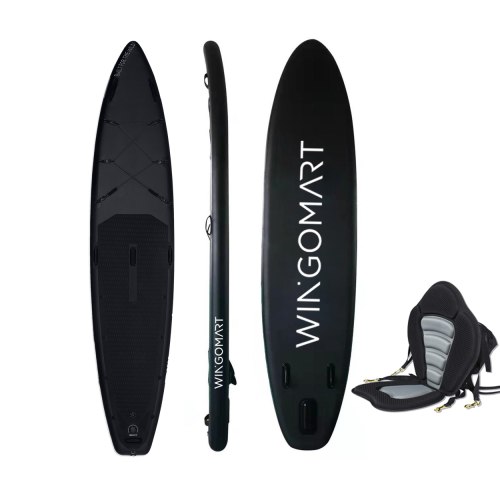 Your price for this item is $299.9
 -
 Your price for this item is $599
 -
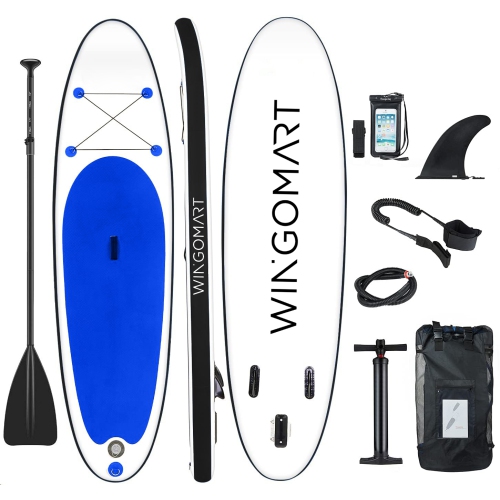 Your price for this item is $179.99
 -
 Your price for this item is $249.99
 -
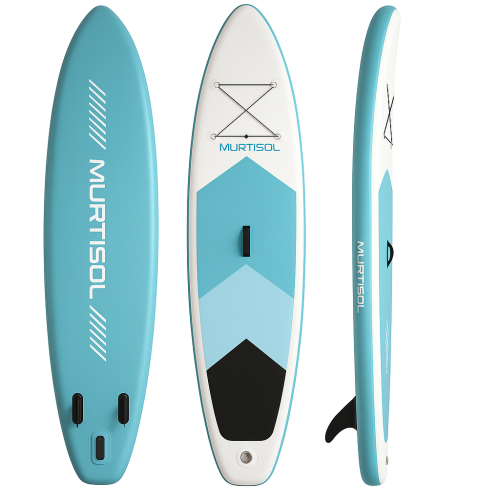 Your price for this item is $179.7
 -
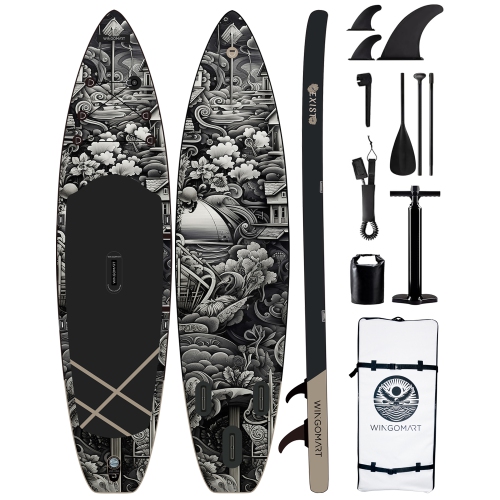 Your price for this item is $259.99
 -
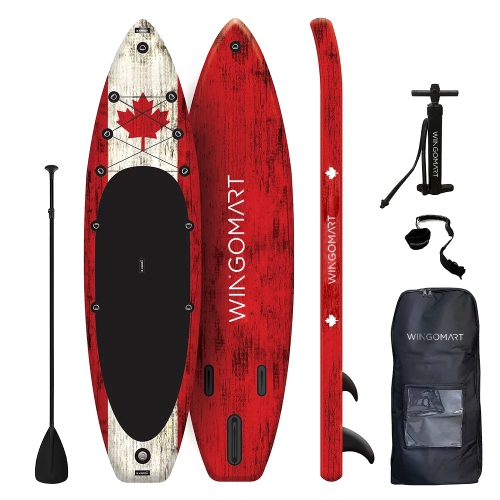 Your price for this item is $329.99
 -
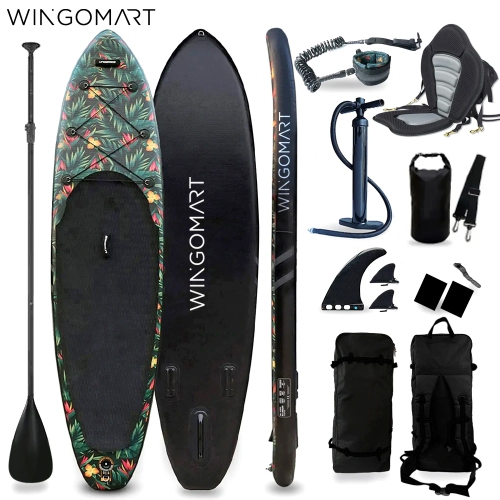 Your price for this item is $279.7
Discover more categories related to Paddle Board Accessories
Top Collections:
Pokemon Centers, Kindle Devices, Best Budget Office Chairs, Apple iPhones 16, Best Laptops for Writers, iPhone 15 Apple, Canon G7X Cameras, Refurbished Apple Laptops, Alarm Clock, Motorola Razr Phones
Some products may be subject to Environmental Handling Fees
(EHF) depending on your province.
Learn more about EHFs.