Park Scooters
Looking for the perfect scooter to cruise around the park? Look no further! Our collection of park scooters is designed to provide you with a thrilling and enjoyable riding experience. Whether you're a beginner or an experienced rider, our range of scooters offers something for almost everyone. From sleek designs to durable construction, these scooters are built to withstand the demands of outdoor adventures. So gear up, grab your helmet, and get ready to hit the park in style with our selection of top-notch park scooters.
Sort
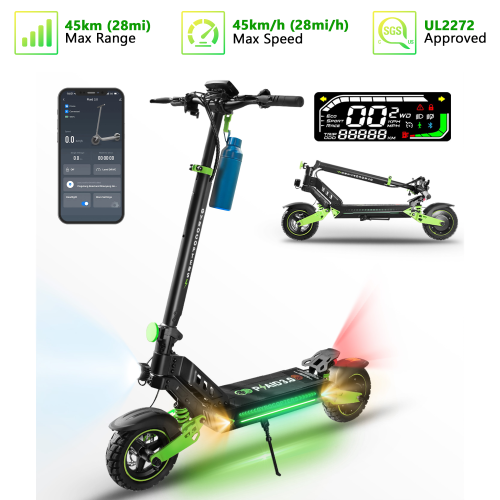
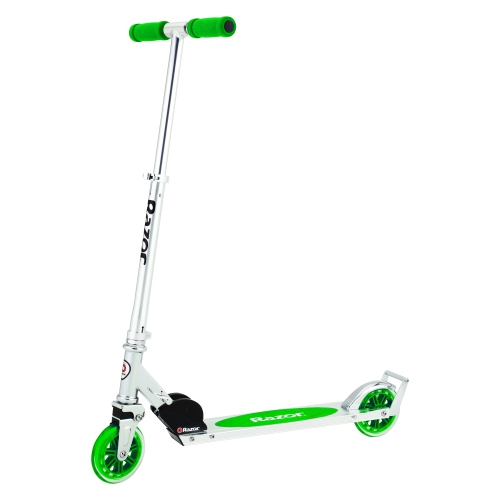
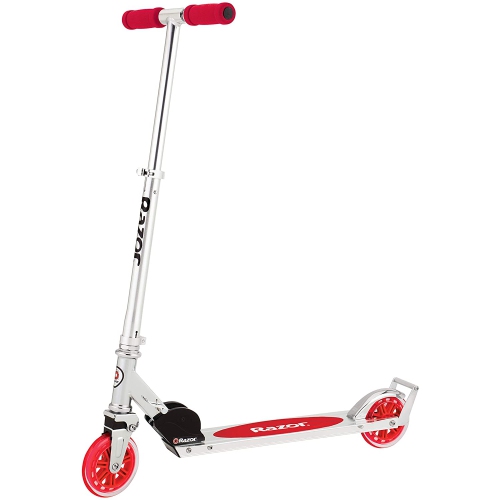
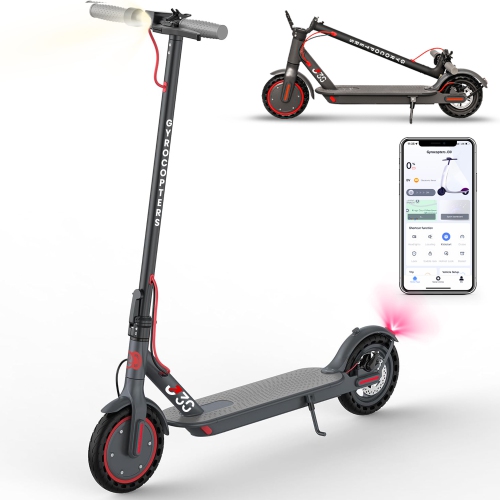
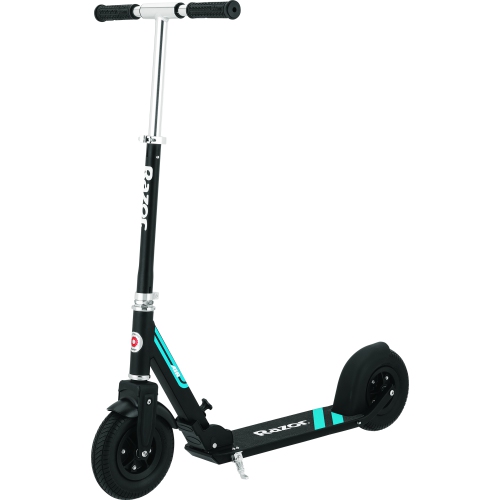
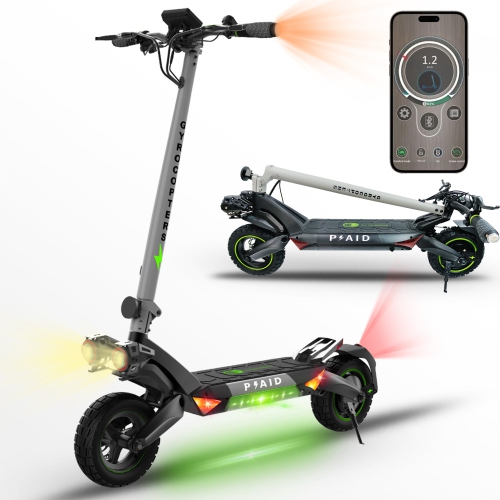
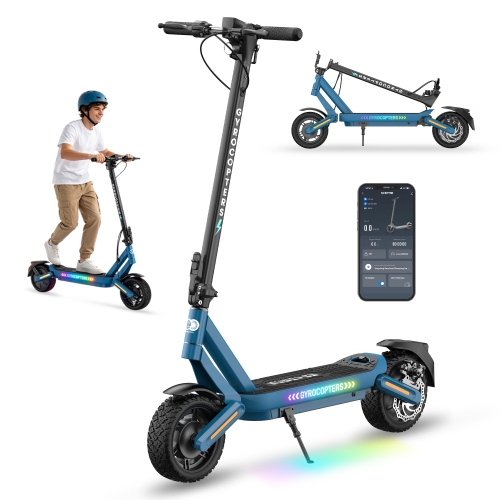
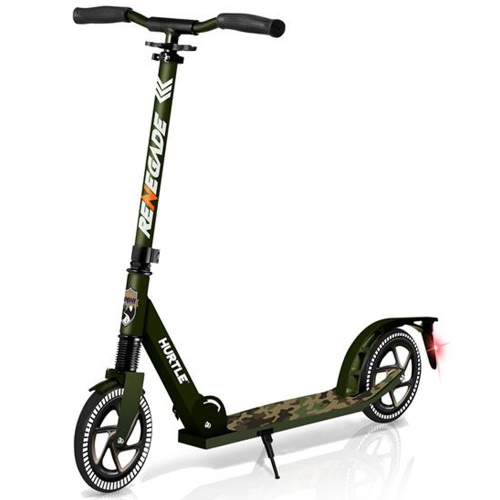
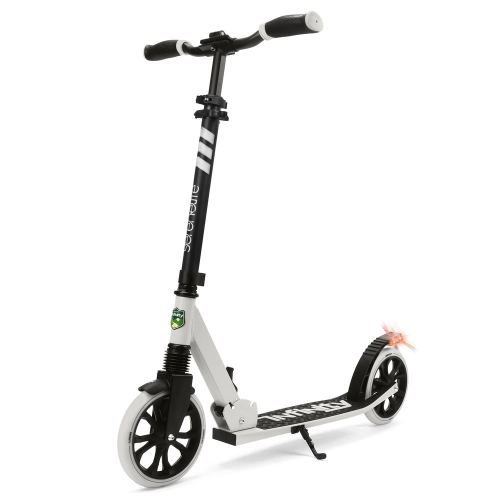
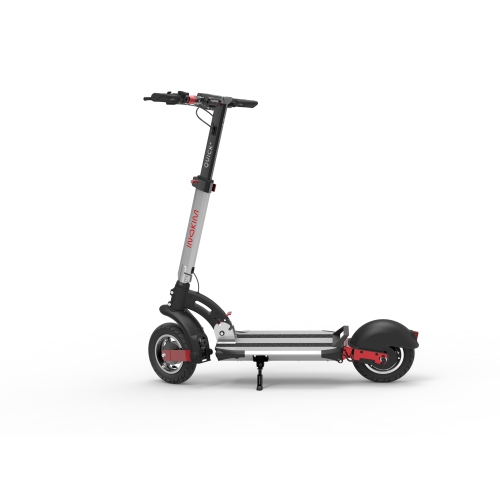
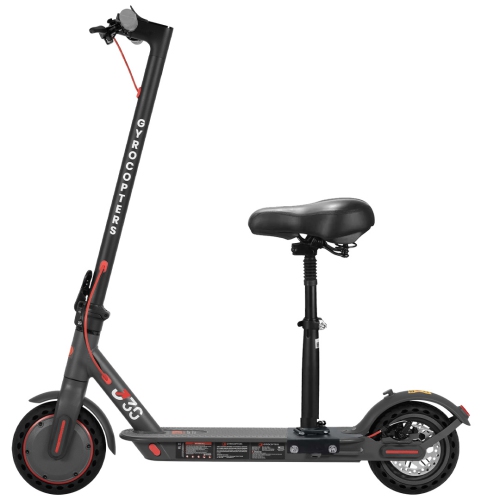
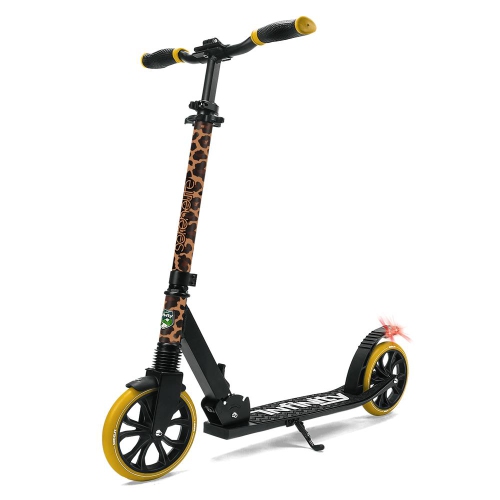

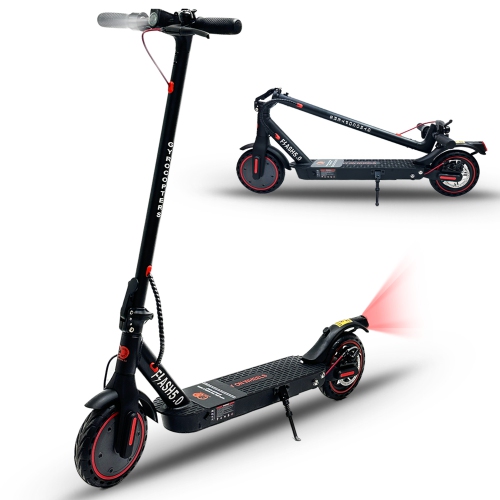
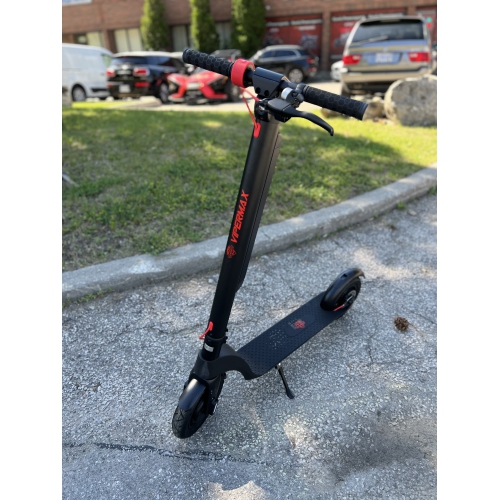
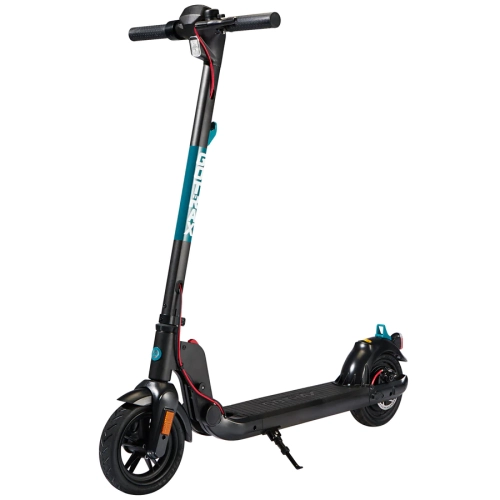
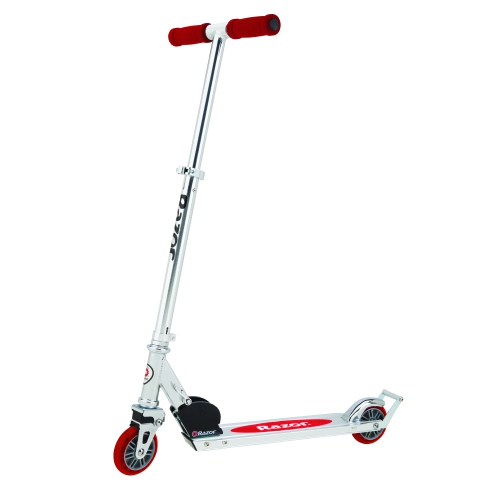
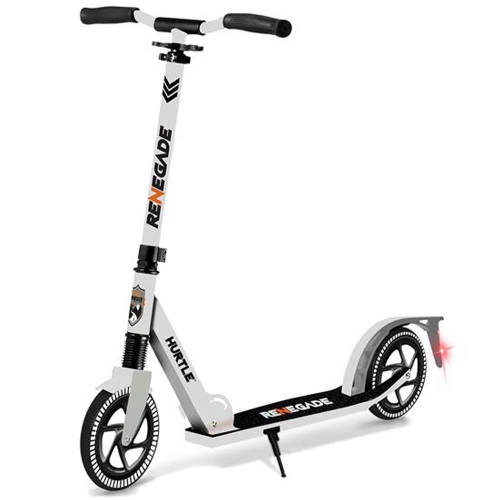
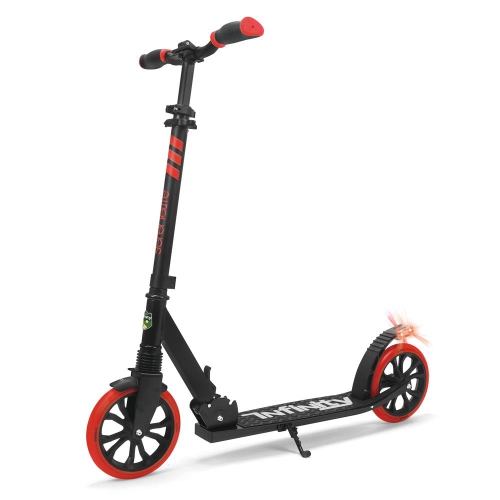
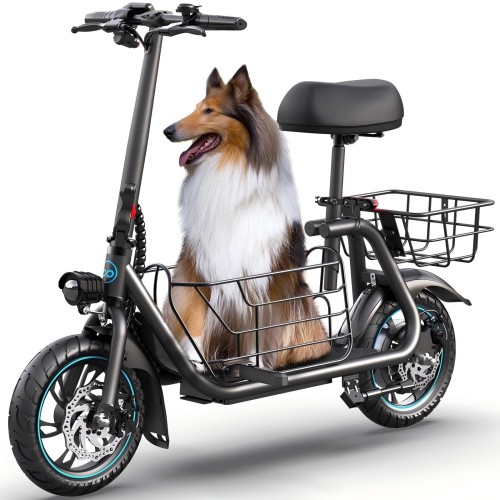
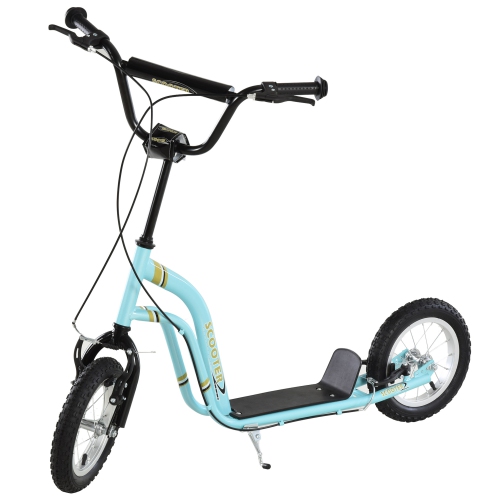
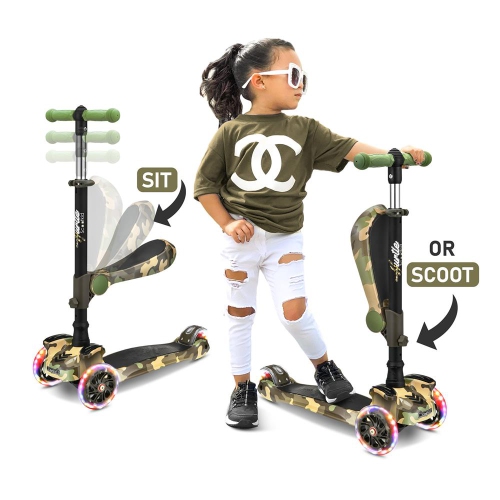
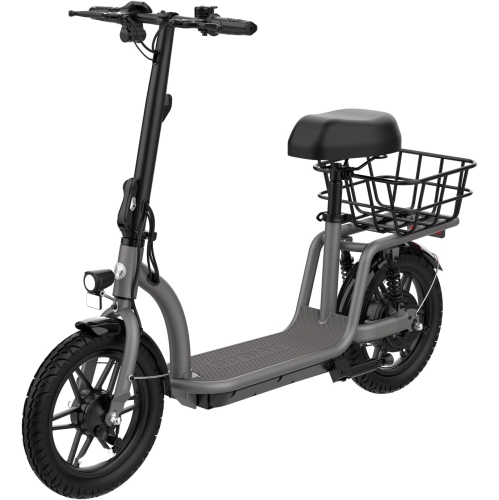
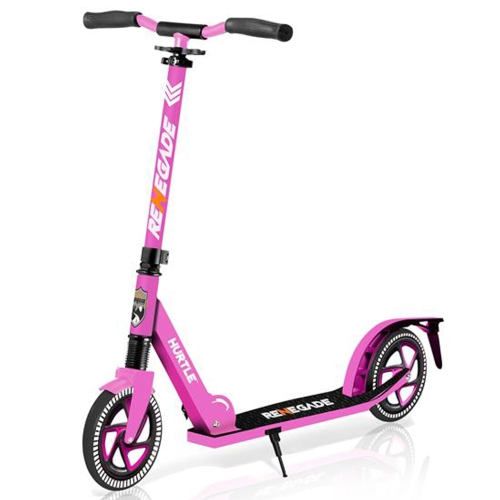
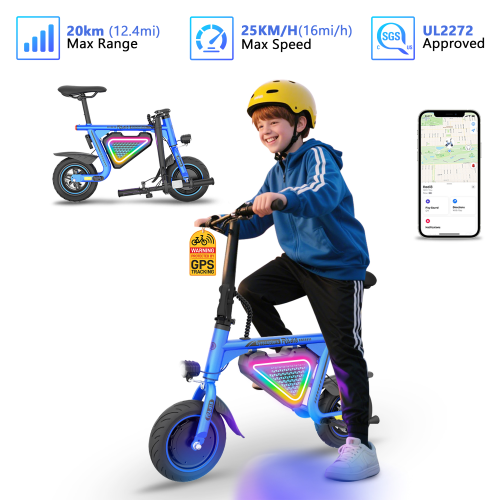
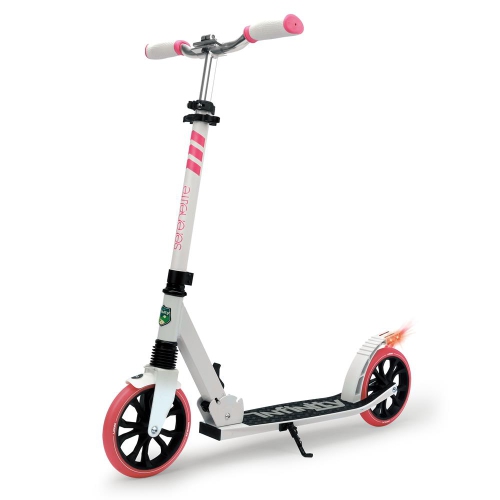
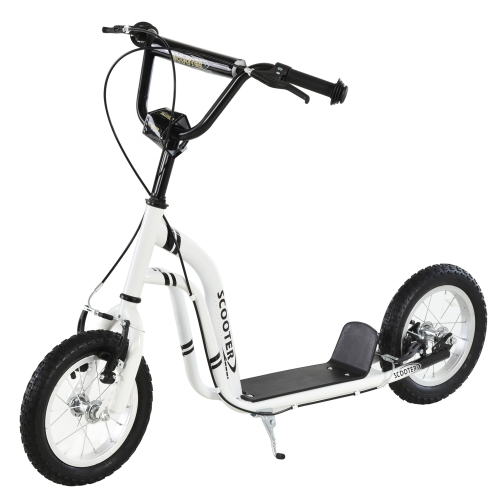
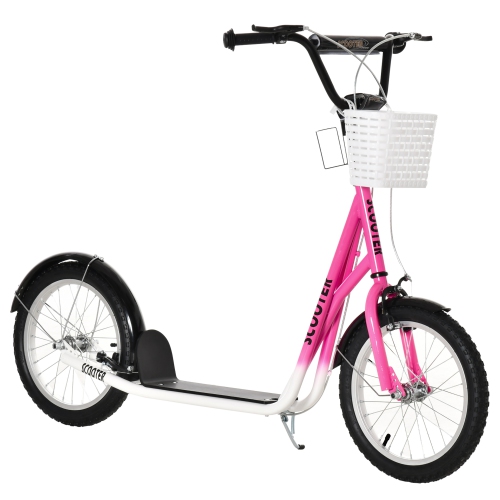
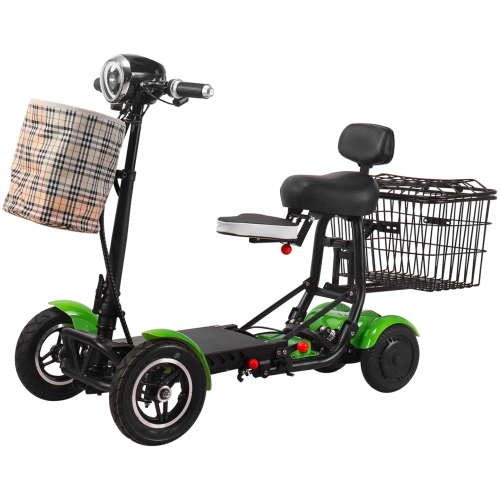
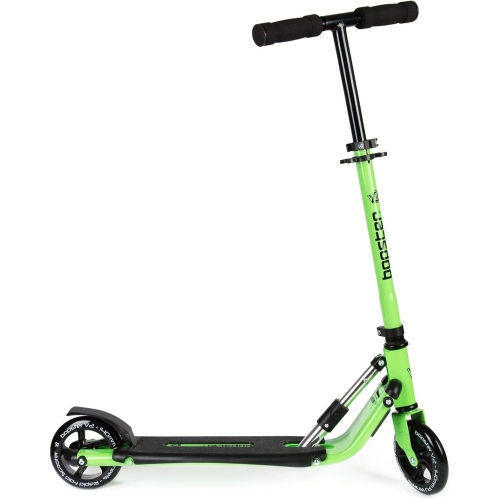
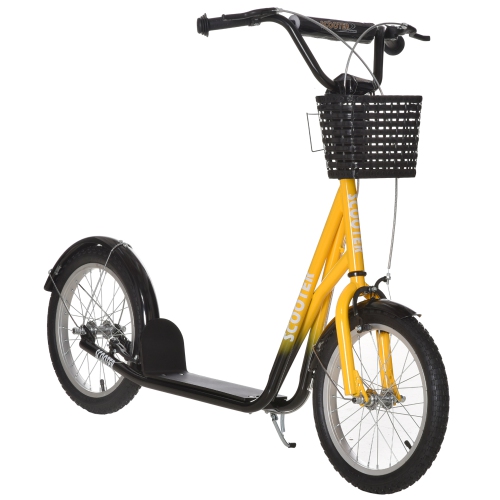
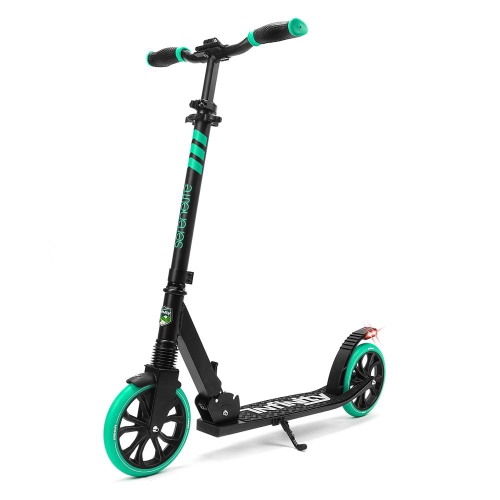
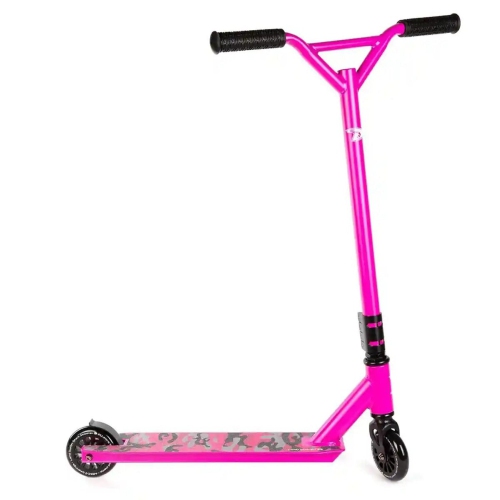
How scooter fit and weight shape trick practice
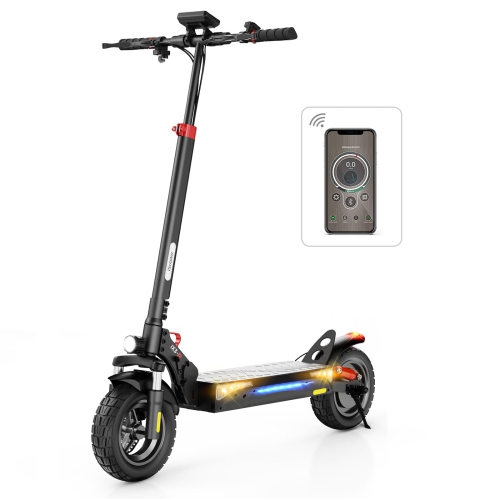
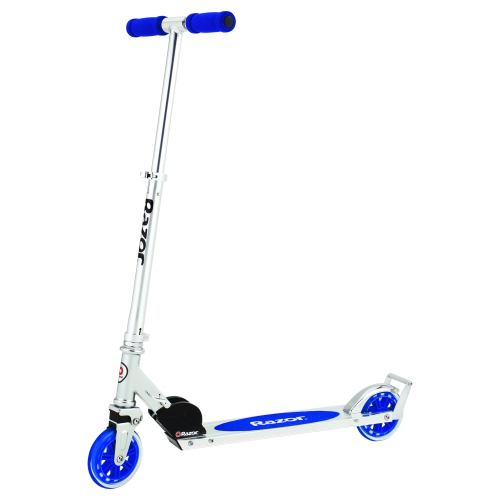
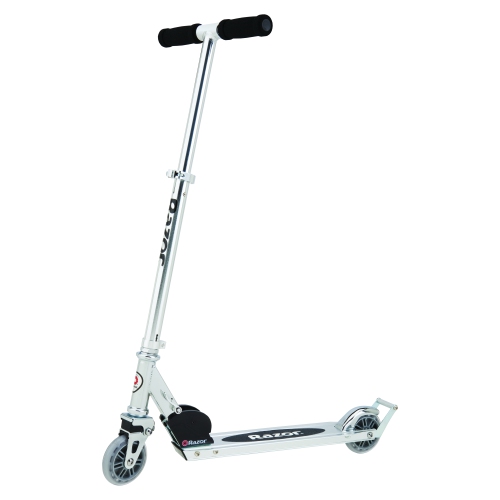
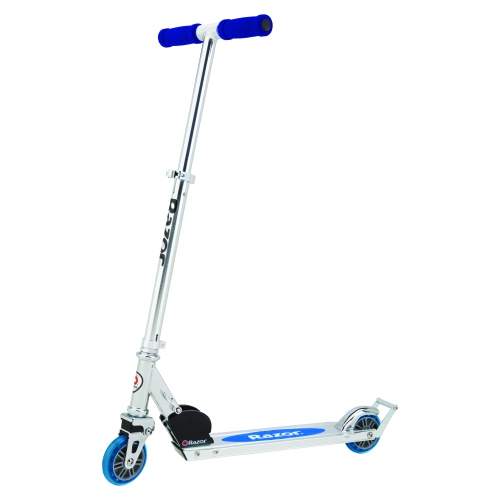
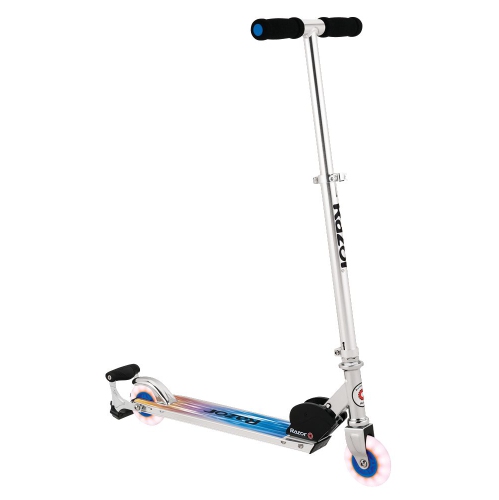
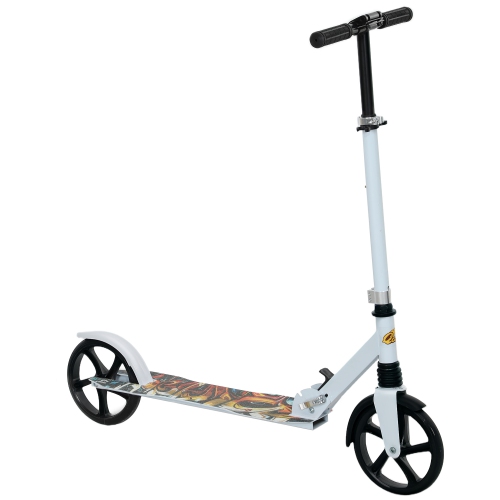
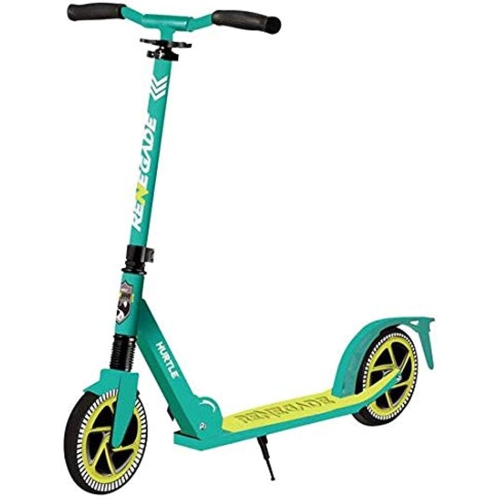
Park scooters are lightweight stunt scooters built for the ramps, bowls, quarter pipes, and transitions found at skateparks. Their compact decks and responsive steering help riders lift, turn, and reposition the scooter during tricks such as tailwhips and barspins. Unlike a typical folding kick scooter designed mainly for getting from place to place, a park scooter generally has a fixed-height handlebar, a rigid frame, and components intended for repeated trick practice. Compared with street-focused stunt scooters, park setups often favour shorter, narrower decks and a lower overall weight, making them easier to move through the air. Those differences matter when a rider is learning to clear a small transition or bring the deck back beneath their feet before landing. A lighter scooter can feel less tiring during a session, but weight alone does not determine how well it rides. Deck dimensions, handlebar proportions, wheel construction, and the balance of the assembled scooter all contribute to its handling. Aluminum is common in lightweight decks, while handlebar materials vary and may include steel, aluminum, or titanium, each with different weight, strength, and price considerations. Park scooters suit a range of riders, from beginners building confidence on smooth, level ground to experienced riders linking tricks across a series of ramps. The word “pro” usually describes a style of stunt scooter rather than a requirement that its owner ride at an advanced level. For someone getting started, a well-fitted complete scooter can be more useful than a highly specialized setup chosen purely for its low weight. It provides an assembled starting point without the need to match every component individually, although final assembly and safety checks may still be required. Within the broader range of Sports Scooters, park-focused designs are best understood as equipment for controlled riding and trick progression, rather than long-distance commuting or powered travel.
Fit is one of the most important purchase considerations because a scooter that feels manageable on the ground should also remain manageable when the rider leaves it. Start with the manufacturer’s height guidance, intended use, and maximum rider weight, then look closely at handlebar height and width. Age ranges can help narrow the search, but two riders of the same age may need quite different dimensions. With the rider standing on the deck, the grips should allow a comfortable stance without excessive reaching or hunching; many park riders favour a bar position around the hip-to-waist area, though preference and riding style vary. Bars roughly proportionate to shoulder width can offer a useful starting point for control, while very wide bars may feel awkward for smaller riders practising spins. Buying substantially oversized equipment to leave room for growth can make learning harder. Deck size deserves the same attention. A shorter, narrower deck is generally easier to whip around, while a little more standing space may help a beginner place both feet confidently. The practical balance is enough room for secure landings without unnecessary bulk. Wheel diameter, urethane characteristics, and core construction also affect the ride. Many park scooters use compact urethane wheels with metal cores, but wheel sizes and widths are not interchangeable across every fork and deck. Larger compatible wheels can roll more smoothly over minor surface irregularities, while smaller ones may keep the setup compact and responsive. When comparing scooters, check the listed wheel dimensions rather than assuming that an upgrade will fit later. The headset, clamp, and compression system deserve attention as well: together, they help keep the steering assembly secure while allowing the bars and fork to turn smoothly. Compatibility matters if parts will be replaced or customized. A complete setup is often the simpler purchase for a newer rider, whereas someone with established preferences may care more about a particular deck shape, bar material, or compression arrangement. Consider the total cost of ownership alongside the purchase price, including protective gear, replacement grips, wheels, bearings, and access to suitable replacement parts.
A park scooter can be a thoughtful gift for a child, teenager, or adult who enjoys active skill-based hobbies, especially when there is a suitable skatepark nearby. It offers a different kind of satisfaction from equipment used only for speed or distance: progress might mean a steadier turn, a cleaner landing, or finally keeping both feet in place through a small hop. Picture the familiar rhythm of a practice session—rolling across smooth concrete, pausing to watch another rider’s line, then returning to the same feature with a little more confidence. That repetition is part of the appeal, and a scooter that fits well helps keep attention on the movement rather than on wrestling with the equipment. For a gift, knowing the rider’s height, experience, and preferred terrain is more helpful than choosing by colour alone. An experienced rider may already have firm preferences about bar height and deck length, so matching those details can matter more than adding extra features. Beginners also benefit from an appropriate helmet, knee and elbow pads, and closed-toe shoes with dependable grip. Protective equipment should fit correctly and be suitable for the activity; a scooter’s sturdy construction does not remove the risks of falls or collisions. Learning basic braking, steering, and controlled stopping on flat ground gives riders a foundation before they approach ramps. At a shared skatepark, waiting for a clear line and observing how others move through the space are just as important as handling skills. During the cooler months, dry indoor parks may offer another place to ride where available, while outdoor sessions depend on safe surface conditions. Wet leaves, frost, ice, and damp ramps can sharply reduce traction, so outdoor riding is best reserved for dry, clear surfaces. Between sessions, store the scooter somewhere dry and inspect it for loose fasteners, worn wheels, damaged grips, or cracks, following the manufacturer’s maintenance directions. Keeping the scooter in good working order supports consistent handling and helps a carefully chosen setup remain enjoyable as the rider’s confidence and abilities develop.
Fit is one of the most important purchase considerations because a scooter that feels manageable on the ground should also remain manageable when the rider leaves it. Start with the manufacturer’s height guidance, intended use, and maximum rider weight, then look closely at handlebar height and width. Age ranges can help narrow the search, but two riders of the same age may need quite different dimensions. With the rider standing on the deck, the grips should allow a comfortable stance without excessive reaching or hunching; many park riders favour a bar position around the hip-to-waist area, though preference and riding style vary. Bars roughly proportionate to shoulder width can offer a useful starting point for control, while very wide bars may feel awkward for smaller riders practising spins. Buying substantially oversized equipment to leave room for growth can make learning harder. Deck size deserves the same attention. A shorter, narrower deck is generally easier to whip around, while a little more standing space may help a beginner place both feet confidently. The practical balance is enough room for secure landings without unnecessary bulk. Wheel diameter, urethane characteristics, and core construction also affect the ride. Many park scooters use compact urethane wheels with metal cores, but wheel sizes and widths are not interchangeable across every fork and deck. Larger compatible wheels can roll more smoothly over minor surface irregularities, while smaller ones may keep the setup compact and responsive. When comparing scooters, check the listed wheel dimensions rather than assuming that an upgrade will fit later. The headset, clamp, and compression system deserve attention as well: together, they help keep the steering assembly secure while allowing the bars and fork to turn smoothly. Compatibility matters if parts will be replaced or customized. A complete setup is often the simpler purchase for a newer rider, whereas someone with established preferences may care more about a particular deck shape, bar material, or compression arrangement. Consider the total cost of ownership alongside the purchase price, including protective gear, replacement grips, wheels, bearings, and access to suitable replacement parts.
A park scooter can be a thoughtful gift for a child, teenager, or adult who enjoys active skill-based hobbies, especially when there is a suitable skatepark nearby. It offers a different kind of satisfaction from equipment used only for speed or distance: progress might mean a steadier turn, a cleaner landing, or finally keeping both feet in place through a small hop. Picture the familiar rhythm of a practice session—rolling across smooth concrete, pausing to watch another rider’s line, then returning to the same feature with a little more confidence. That repetition is part of the appeal, and a scooter that fits well helps keep attention on the movement rather than on wrestling with the equipment. For a gift, knowing the rider’s height, experience, and preferred terrain is more helpful than choosing by colour alone. An experienced rider may already have firm preferences about bar height and deck length, so matching those details can matter more than adding extra features. Beginners also benefit from an appropriate helmet, knee and elbow pads, and closed-toe shoes with dependable grip. Protective equipment should fit correctly and be suitable for the activity; a scooter’s sturdy construction does not remove the risks of falls or collisions. Learning basic braking, steering, and controlled stopping on flat ground gives riders a foundation before they approach ramps. At a shared skatepark, waiting for a clear line and observing how others move through the space are just as important as handling skills. During the cooler months, dry indoor parks may offer another place to ride where available, while outdoor sessions depend on safe surface conditions. Wet leaves, frost, ice, and damp ramps can sharply reduce traction, so outdoor riding is best reserved for dry, clear surfaces. Between sessions, store the scooter somewhere dry and inspect it for loose fasteners, worn wheels, damaged grips, or cracks, following the manufacturer’s maintenance directions. Keeping the scooter in good working order supports consistent handling and helps a carefully chosen setup remain enjoyable as the rider’s confidence and abilities develop.
Top selling and popular products
-
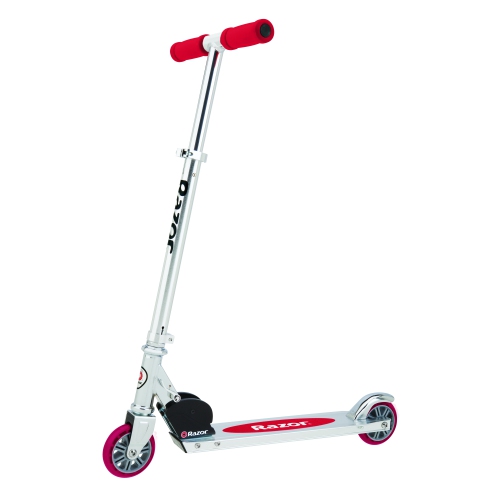 Your price for this item is $49.99
 -
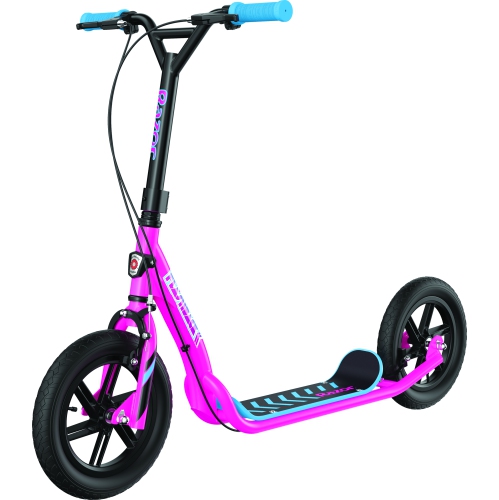 Your price for this item is $229.99
 -
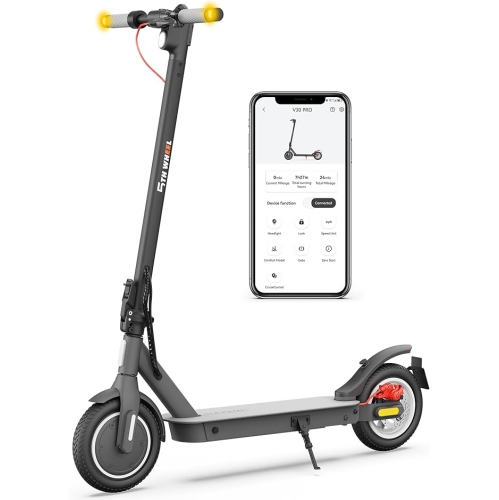 Your price for this item is $417.32
 -
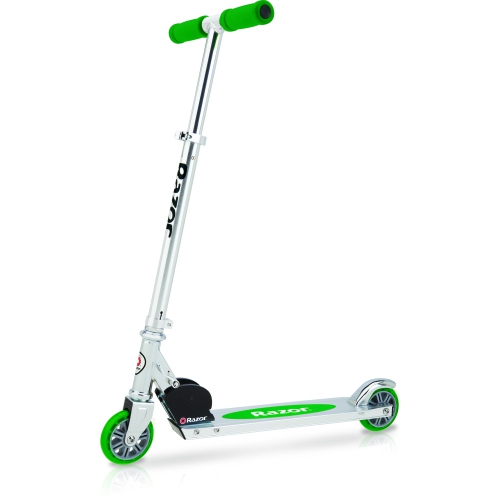 Your price for this item is $49.99
 -
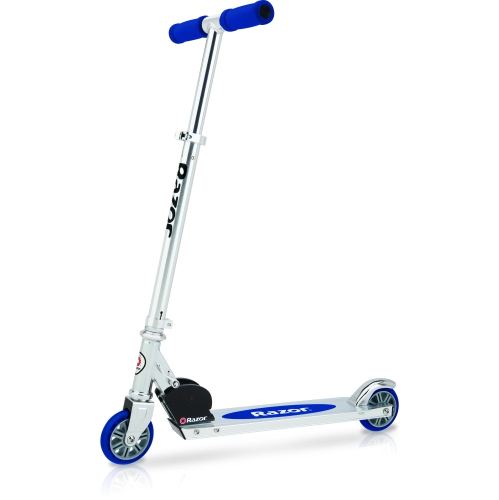 Your price for this item is $49.99
 -
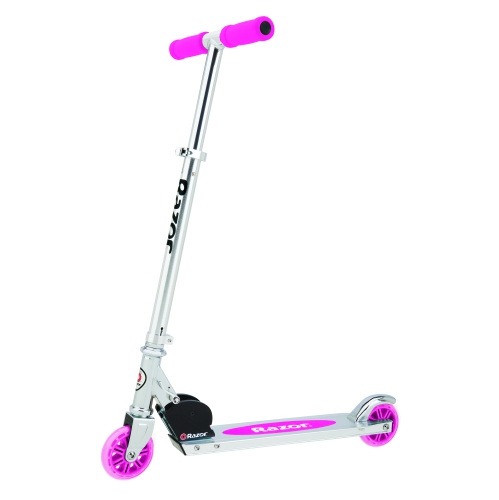 Your price for this item is $49.99
 -
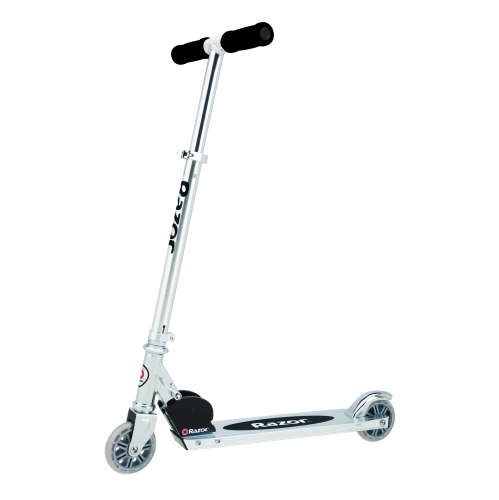 Your price for this item is $49.99
 -
 Your price for this item is $153.99
Discover more categories related to Park Scooters
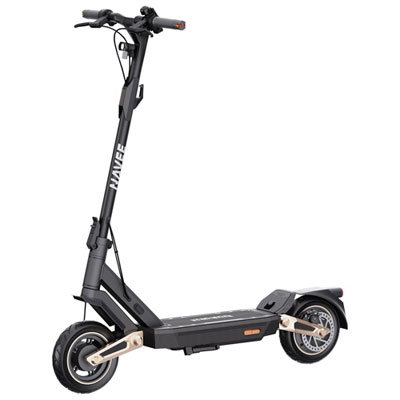
Top Collections:
Pokemon Centers, Kindle Devices, Best Budget Office Chairs, Apple iPhones 16, Best Laptops for Writers, iPhone 15 Apple, Canon G7X Cameras, Refurbished Apple Laptops, Alarm Clock, Motorola Razr Phones
Some products may be subject to Environmental Handling Fees
(EHF) depending on your province.
Learn more about EHFs.